
Feb 25, 2025
Shemar Moore Teeth Veneers
A great smile can make a lasting impression, and for celebrities like Shemar Moore, having perfect…
To prevent tooth sensitivity after whitening, use a desensitizing toothpaste, brush gently with a soft-bristled brush, and rinse with an alcohol-free fluoride mouthwash. For the first 48 hours, avoid very hot, cold, or acidic foods. If discomfort lasts longer than a week, book a dental check-up.
A whiter smile is one of the most popular cosmetic dental goals. Most whitening treatments are safe when used as directed, but some people notice short-term tooth sensitivity afterward.
The good news is that discomfort is usually temporary. A few simple aftercare steps can make a noticeable difference in how your teeth feel after whitening.
Whitening gels typically use hydrogen peroxide or carbamide peroxide to break down stains on and within enamel. As the peroxide moves through enamel, it can irritate the dentin layer and the tooth’s nerve, which may trigger a sharp response to temperature, touch, or air.
Sensitivity can also feel stronger right after treatment because teeth may be slightly dehydrated. This usually settles as saliva rehydrates the enamel.
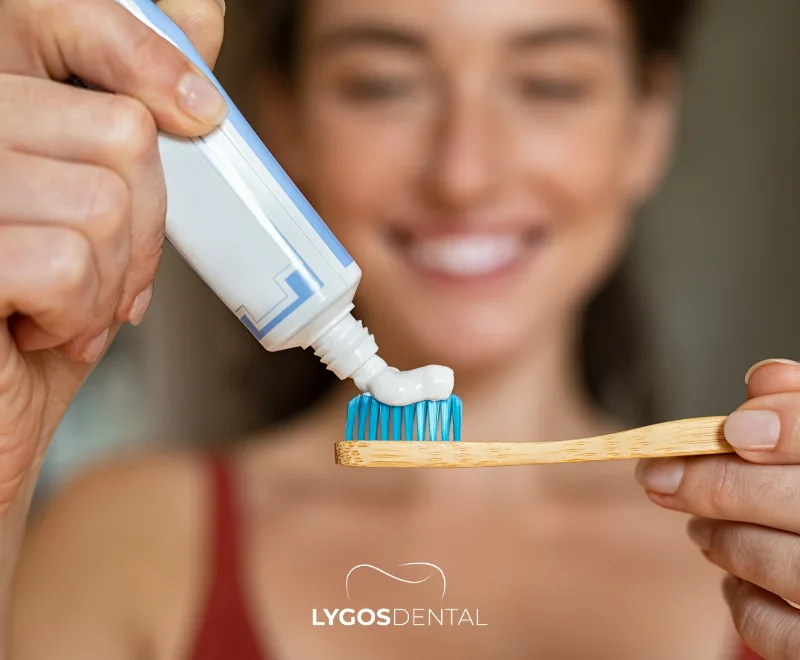
Choose a toothpaste made for sensitive teeth. These formulas help calm the nerve response and reduce “zingers” after whitening.
Look for active ingredients such as:
Brush twice a day and keep using the toothpaste for at least two weeks after whitening. If you’re whitening at home, switching to a sensitivity toothpaste during the treatment period can also help.
Teeth are often most reactive during the first 48 hours after whitening. During this window, avoid extremes in temperature and foods that are acidic enough to irritate enamel.
Common triggers include:
Instead, choose lukewarm, low-acid foods like eggs, yogurt, oatmeal, rice, potatoes, and soft vegetables. This can reduce sensitivity and helps protect your whitening results.
Brushing too hard can make sensitivity worse, especially if your enamel is already under stress. Use a soft-bristled brush and gentle, circular strokes along the gumline.
Skip abrasive “charcoal” or strong whitening toothpastes right after treatment. A standard fluoride toothpaste can help support remineralization while your teeth settle.
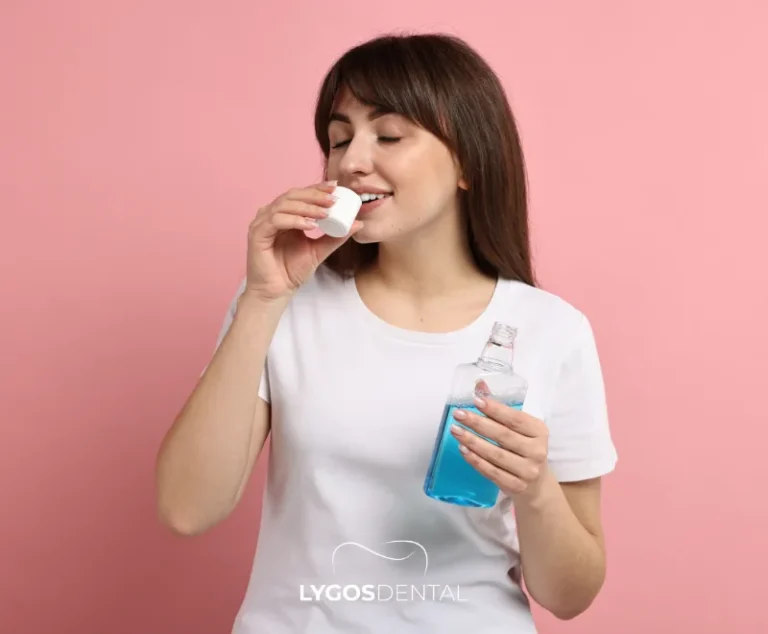
A fluoride mouthwash supports enamel by helping replace minerals and reduce sensitivity. Choose an alcohol-free formula, since alcohol can feel drying or irritating when teeth are tender.
Rinse once or twice a day, especially before bed. If you have ongoing sensitivity, ask your dentist which rinse is best for post-whitening care.
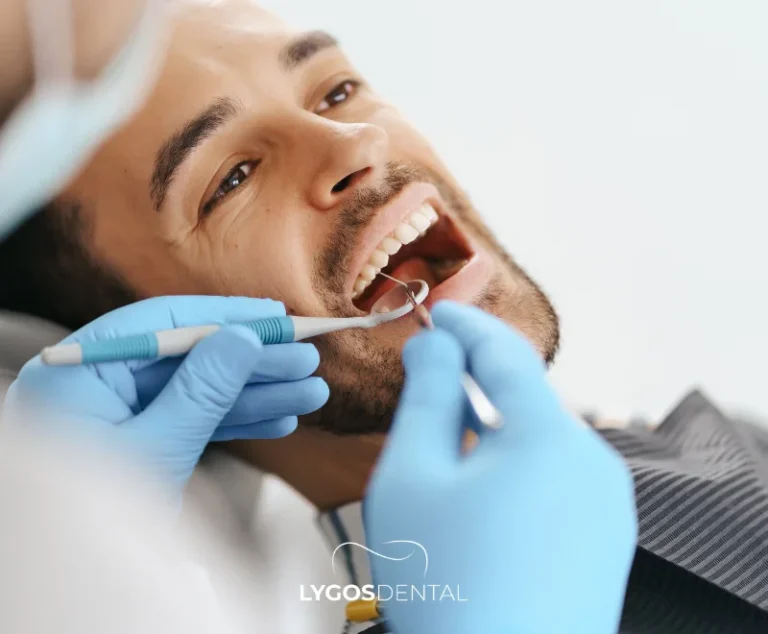
Call your dentist if sensitivity is severe, keeps getting worse, or lasts longer than a week. Ongoing pain can point to issues like cavities, gum recession, or cracked enamel.
In-office options may include fluoride varnish, desensitizing gels, or protective coatings. Your dentist can also suggest a lower-strength whitening plan or a slower schedule for future touch-ups.
If you’re considering whitening and want to minimize sensitivity, start with a dental exam. Your dentist can confirm you’re a good candidate and recommend the safest concentration and timeline for your teeth.
To book an appointment or ask about cosmetic dentistry, dental crowns, implants, or general dentistry, use the form below.
Typically 1–3 days; occasionally up to a week.
Use desensitizing toothpaste, fluoride gel, avoid hot/cold, and take ibuprofen if safe.
Stop whitening, use desensitizing toothpaste, and ask your dentist for fluoride varnish.
No, when used correctly; peroxide may cause temporary sensitivity without permanent enamel loss.
