
Jun 4, 2025
What Is Sinus Lifting?
This is where tongue cleaners come into play. So, what is a tongue cleaner, and how…
Smoking dries the mouth, disrupts oral bacteria, and reduces blood flow to the gums. Over time it raises the risk of gum disease, bad breath, tooth staining, slow healing after extractions or implants, tooth loss, and oral cancer. Regular dental checkups and quitting are the most effective ways to cut these risks.
Smoking affects far more than the lungs. In the mouth, tobacco smoke changes saliva, feeds harmful bacteria, and reduces oxygen and nutrients reaching the gums.
These changes make dental problems start earlier and progress faster. Below are the most common and most serious oral and dental harms linked to smoking, plus practical signs to watch for and steps that help.

Tobacco smoke contains chemicals that irritate tissues, narrow blood vessels, and interfere with the body’s normal repair process. It also dries the mouth, which makes it easier for plaque and infection to build up.
Common effects in the mouth include:

Smoking is strongly linked to periodontal (gum) disease. When blood flow is reduced, the gums receive less oxygen and nutrients, and the immune response is weaker.
Gum disease often starts quietly with mild tenderness or bleeding, then progresses to gum recession and bone loss around the teeth. As the supporting bone breaks down, teeth can become loose and eventually fall out.
Dry mouth and bacterial build-up are a common recipe for long‑lasting bad breath (halitosis). Even strong mints can only mask the odor when the underlying cause is ongoing smoke exposure.
Smoking also dulls the taste buds and sense of smell. Many people notice food tastes flatter over time, which can affect appetite and meal choices.
Nicotine and tar leave stubborn stains on the teeth and along the gumline. Over time, discoloration can become harder to remove, even with professional cleaning.
Smokers also tend to form tartar more quickly. That rough surface makes plaque stick, which increases the cycle of irritation and gum inflammation.
Because smoking restricts circulation, the mouth heals more slowly after extractions, deep cleanings, implants, or other procedures. This increases the risk of infection, dry socket after extraction, and complications during recovery.
Over the long term, untreated gum disease and ongoing bone loss make tooth loss more likely. Missing teeth can affect chewing, speech, and confidence, and may lead to further shifting of nearby teeth.
Smoking is a major risk factor for cancers of the mouth, tongue, throat, and lips. Cigarette smoke contains thousands of chemicals, including around 70 known carcinogens that can damage DNA in oral cells.
Early detection matters. Regular dental exams help spot suspicious sores or patches before they become harder to treat.
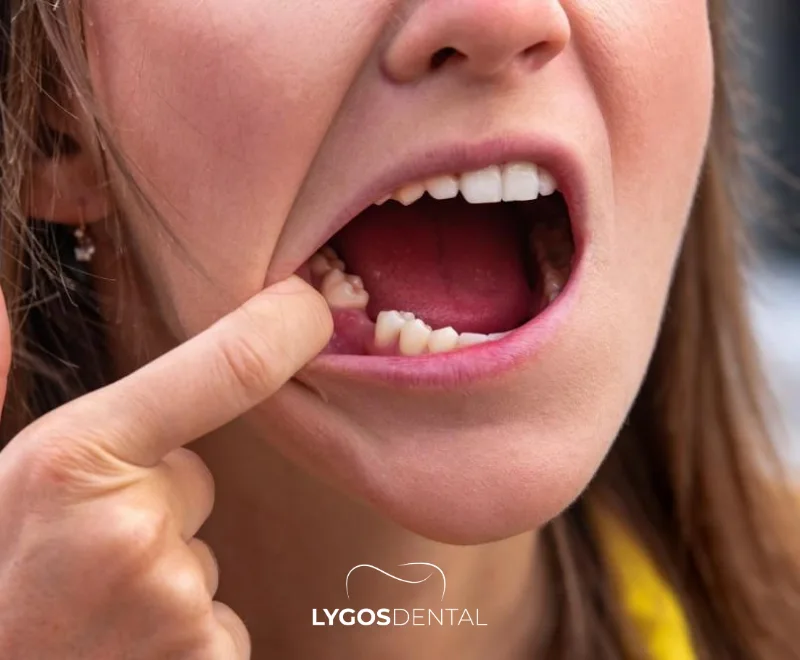
Stopping smoking gives the mouth a chance to recover. Many people notice fresher breath, better taste, and less dryness as saliva production normalizes.
Gums also respond better to professional treatment when smoking stops. While past damage can’t always be reversed, quitting reduces the chance that gum disease and tissue changes will continue to worsen.
Arrange a dental visit if you notice any of the following:
Yes. Smoking increases plaque and tartar, weakens the immune response, and reduces blood flow to the gums, making gum disease more likely and harder to treat.
Yes. Smoke, dry mouth, and bacterial build-up commonly lead to chronic bad breath.
Whitening can help, but stains often return if smoking continues. A dental cleaning first, good daily hygiene, and reducing or quitting smoking make results last longer.
Yes. Smoking is a major risk factor for oral cancers, and the risk rises with longer and heavier use. Regular dental exams improve the chance of early detection.
For many people, yes. Breath and taste often improve, gums heal better after treatment, and the risk of further damage drops compared with continued smoking.
