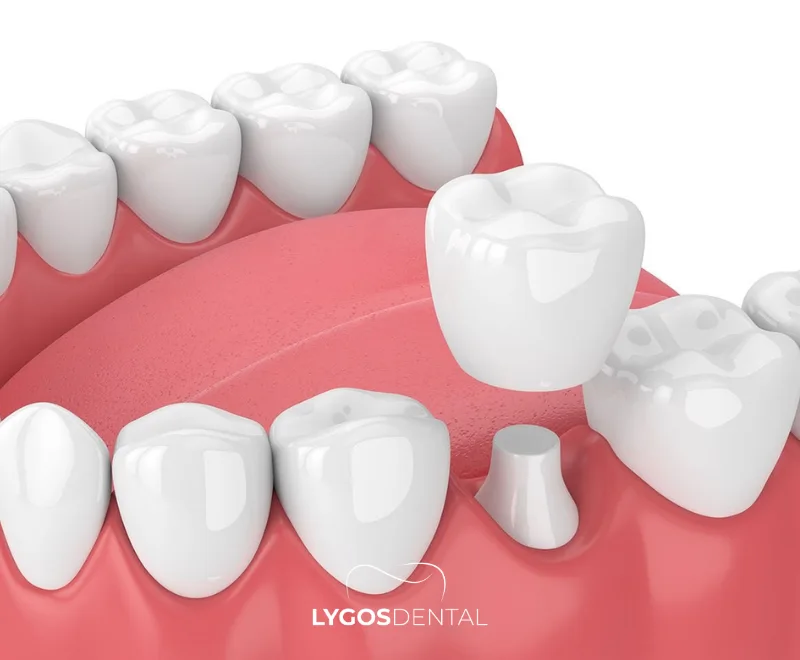
Zirconium (zirconia) dental crowns are all-ceramic restorations known for a natural, light-reflecting look and strong bite resistance. They are gum-friendly, metal-free, and less likely to cause temperature sensitivity than metal-supported options. For many patients, they provide a durable, aesthetic solution for damaged, stained, or heavily restored teeth.
Table of Contents
What Are Zirconium Dental Crowns?
A zirconium dental crown is made from zirconium dioxide (zirconia), a white, high-strength ceramic used widely in modern dentistry. Because it contains no metal, it avoids the dark gum-line shadow sometimes seen with metal-supported crowns. Its semi-translucent structure helps the crown blend with nearby teeth for a more natural finish.
When Are Zirconium Crowns Recommended?
Zirconium crowns are commonly used when a tooth needs both strength and an aesthetic upgrade, such as:
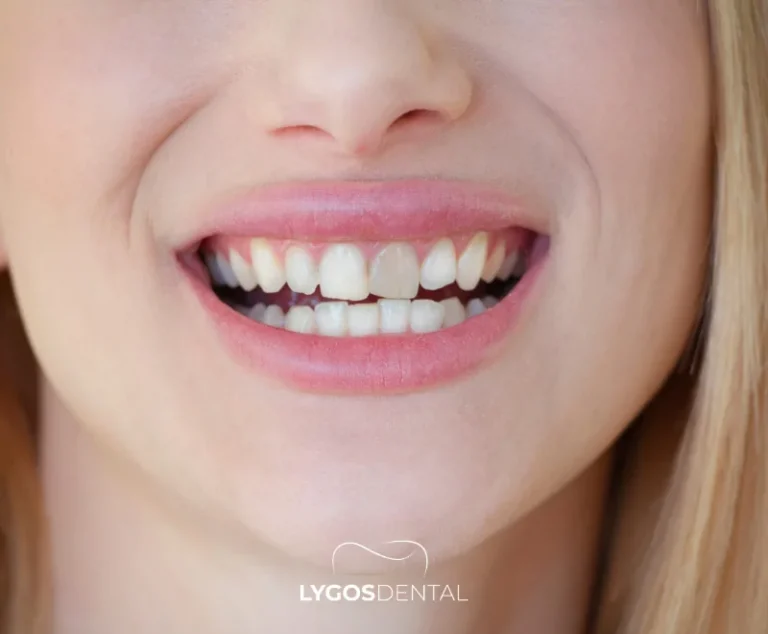
Severely discolored or darkened teeth that don’t respond well to whitening
Broken, cracked, or worn teeth that need full coverage
Cosmetic reshaping when orthodontics isn’t preferred or isn’t suitable
Replacing old crowns that look unnatural or irritate the gums
Key Advantages Of Zirconium Crowns
Zirconium crowns are suitable for individuals of all ages with high aesthetic concerns. They are especially recommended for people with:
Aesthetic expectations,
Crooked or misaligned teeth,
Tooth discoloration issues,
Wide gaps between teeth,
Broken or worn tooth structure,
Dissatisfaction with previous metal-supported crowns.
Thanks to the advantages of zirconium crowns, they can also be safely used for individuals with sensitive gums.
Zirconium Dental Crown Prices in 2025
As of 2025, the cost of zirconium dental crowns can vary depending on the quality of material used, the number of crowns, the dentist’s experience, and the clinic’s location.
Generally, the price for a single zirconium crown ranges between 3,000 TL and 7,500 TL. Some clinics may also offer package deals for multiple teeth (e.g., 6 or 8 crowns).
Considering the advantages of zirconium crowns, their long lifespan and aesthetic benefits make them a cost-effective investment.
Post-Treatment Care for Zirconium Crowns
Natural-Looking Aesthetics
Zirconia can be layered or shaded to match surrounding teeth closely. Because it is metal-free, it doesn’t create gray reflections at the gum margin. This is especially valuable for visible front teeth and smile makeovers.
High Strength And Long-Term Performance
Zirconium crowns are designed to handle chewing forces well and can be suitable for both front and back teeth. Longevity depends on bite habits, crown design, and oral hygiene, but many patients use them for years without issues. Your dentist will check your bite to reduce the risk of chipping or wear.
Gum Compatibility And Low Allergy Risk
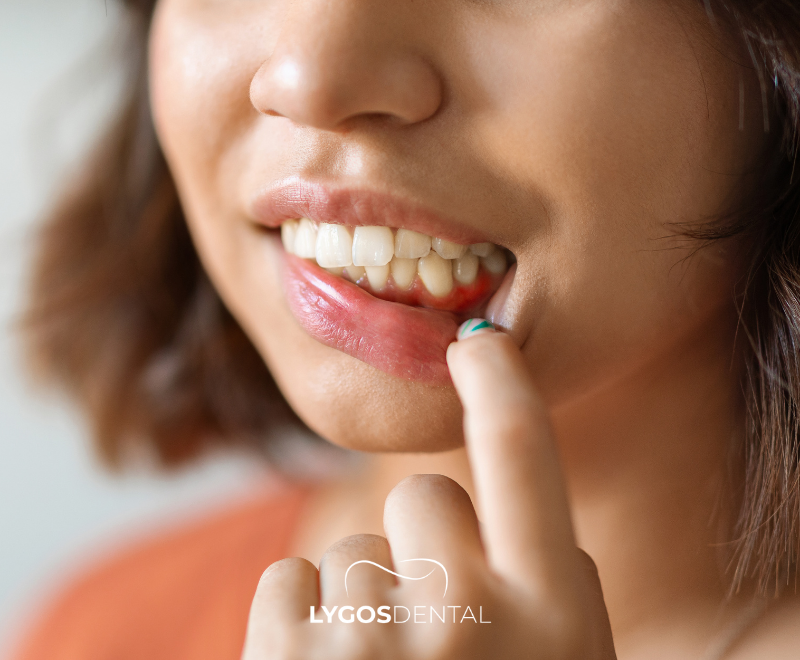
Zirconia is biocompatible, meaning it is generally well tolerated by soft tissues. For patients who are sensitive to metals or have a history of gum irritation, zirconium crowns are often a comfortable option. A precise fit and good plaque control still matter for keeping gums healthy.
Lower Temperature Sensitivity
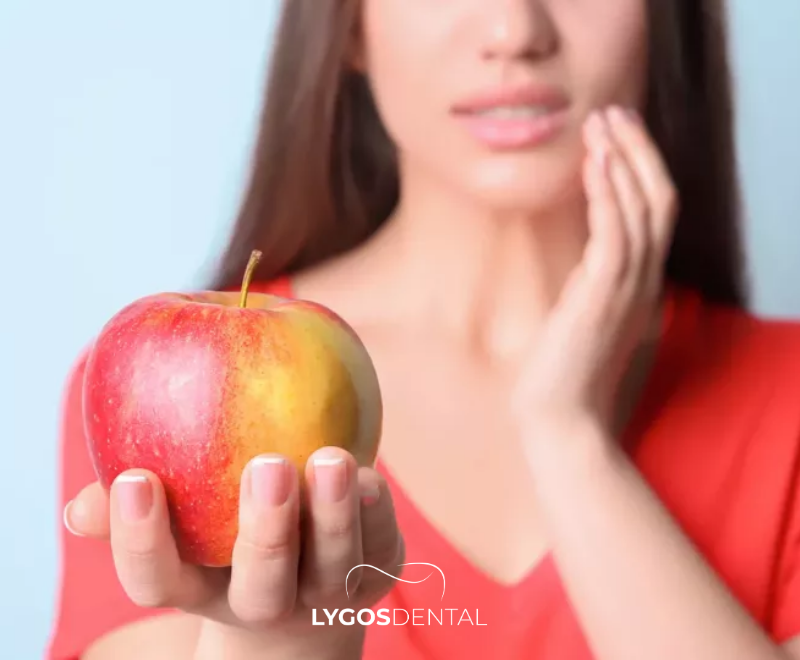
Compared with metal-supported crowns, zirconium typically transmits temperature less. That can help reduce discomfort with hot or cold foods, particularly for people with sensitive teeth. Sensitivity can still occur if the tooth nerve is inflamed or if the bite needs adjustment.
Stain Resistance And Easy Maintenance
Zirconium crowns are resistant to staining from everyday foods and drinks such as tea and coffee. They don’t discolor the way some older materials can over time. Routine brushing, flossing, and professional cleaning keep the margins healthy and the smile bright.
Zirconium Vs Porcelain Crowns
The right crown depends on aesthetics, bite forces, gum health, and budget. Traditional porcelain crowns are often supported by metal, which can create a dark line near the gums and may affect light reflection. Zirconium crowns are fully ceramic, so they typically offer a more natural look at the gumline.
For front teeth, zirconium is frequently chosen for its light-handling and lifelike appearance. For back teeth, the decision may depend on your bite, grinding habits, and how much tooth structure remains. A dentist can recommend the most suitable material after an examination.
Who Is Suitable For Zirconium Crowns?
Zirconium crowns can be a good fit for many adults who want a durable, natural-looking result, including those with:
High aesthetic expectations (especially for front teeth)
Misaligned teeth that need cosmetic correction
Persistent tooth discoloration
Gaps that require restorative reshaping
Broken, chipped, or heavily filled teeth
Unwanted appearance or gum irritation from older metal-supported crowns
They can also be appropriate for people with sensitive gums, as long as daily cleaning and regular check-ups are maintained.
Zirconium Dental Crown Prices In 2026
Pricing varies by clinic, location, dentist experience, lab quality, and the type of zirconia used (standard, multilayer, or premium options). The final cost can also change if additional treatments are needed, such as root canal therapy, gum treatment, or a build-up under the crown.
In Turkey, clinics may quote a per-tooth zirconium crown price in a broad range—often roughly 7,500 TL to 15,000 TL. Some clinics offer package pricing when multiple crowns are planned. For an accurate quote, a clinical examination and treatment plan are essential.
Aftercare And Maintenance
Good aftercare helps crowns last longer and keeps the gums around them healthy:
Brush twice daily and clean between teeth with floss or interdental brushes
Use an alcohol-free mouthwash if recommended by your dentist
Attend routine check-ups and professional cleanings (commonly twice a year)
Avoid chewing very hard items such as ice or unpopped kernels
If you grind your teeth, ask about a night guard to protect the crowns and your natural teeth
Book A Consultation
If you’re considering zirconium crowns, a consultation helps confirm whether they’re the right option for your teeth and bite. Your dentist can explain the expected outcome, number of appointments, and alternative treatments based on your needs.
FAQ
What are the disadvantages of zirconia crowns?
Disadvantages include lower translucency, difficult adjustments, potential opposing-tooth wear, and possible cementation issues.
How long do zirconia crowns last?
Usually 10–15 years; many last 15–20+ with good hygiene and bite.
Why do zirconia crowns fall out?
They fall out from poor fit, cement failure, decay, short tooth prep, or bruxism.
Do teeth decay under crowns?
Yes; decay can occur at crown margins if the seal leaks or hygiene is poor.
What is the best toothpaste for zirconia crowns?
Use a non-abrasive fluoride toothpaste; avoid harsh whitening or charcoal pastes.


 Blog
Blog