
Aug 21, 2025
Why Are Dental Crowns So Expensive? | LYGOS DENTAL
So, why are dental crowns so expensive? The answer depends on many factors, including the materials…
Zirconia crowns are metal-free ceramic restorations that can deliver a natural-looking smile, especially when matched carefully to your tooth shade and translucency. They help avoid the gray gum-line shadow seen with metal-backed crowns, resist staining, and hold their polish well for years when designed and finished by an experienced dental team.
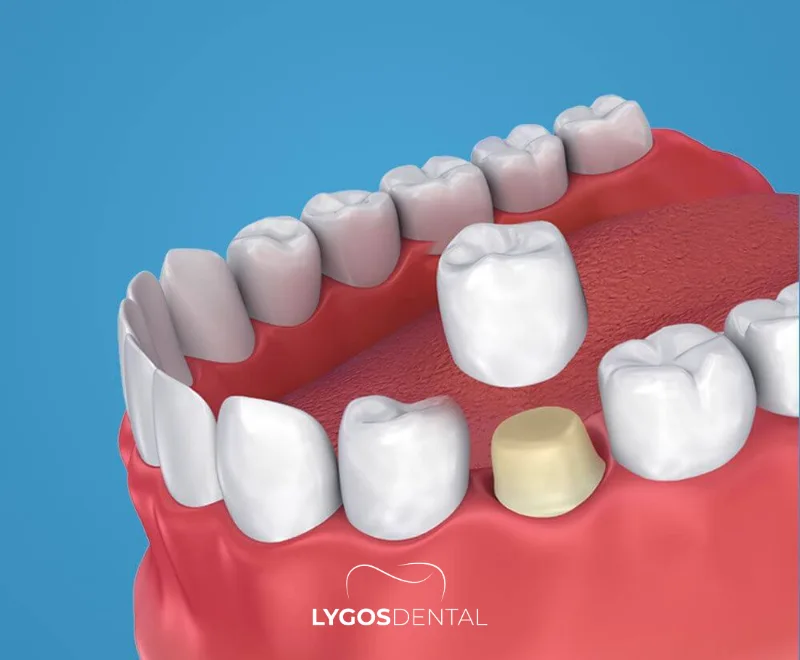
A zirconia crown is a dental crown made from zirconium dioxide (zirconia), a strong ceramic used to restore damaged or heavily filled teeth. Because it contains no metal, it typically blends better at the gum line and is well tolerated by many patients. Dentists use zirconia for both front and back teeth, depending on bite forces and aesthetic goals.
Aesthetic dentistry is all about how a restoration handles light. Modern zirconia can be manufactured in different translucency levels, which helps the crown mimic the way natural enamel reflects and diffuses light. When the shade, surface texture, and edge profile are finished well, the crown can sit in the smile line without drawing attention.
That said, zirconia is not one single material. Some zirconia types are more opaque and are chosen on purpose to mask dark underlying tooth color, while more translucent zirconia is selected when a softer, enamel-like look is the priority.
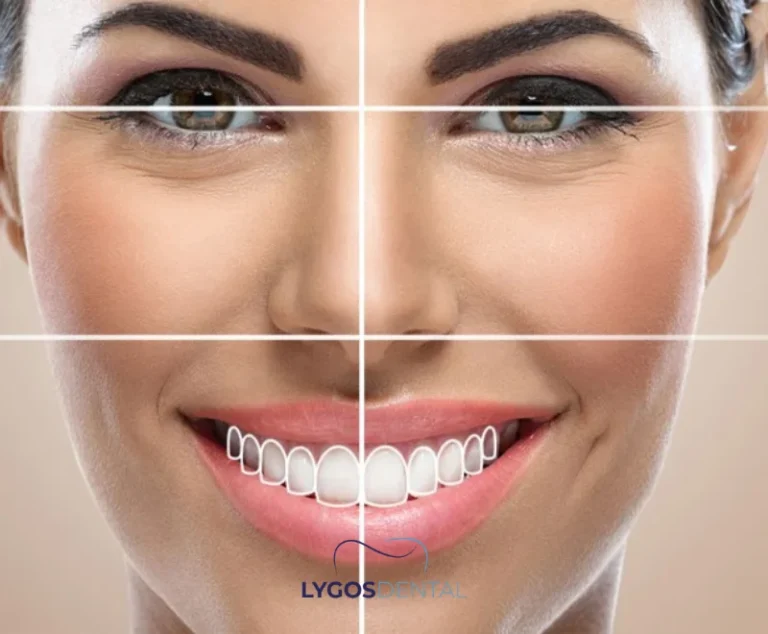
Smile design focuses on tooth proportions, symmetry, and shade harmony. Zirconia is often chosen because it allows predictable strength and controlled aesthetics, which helps when multiple crowns are planned across the smile. In many cases, layered or multi-layer zirconia options can add depth and character so the result doesn’t look uniform.
Zirconia is an excellent option, but it is not automatically the most aesthetic choice for every case. Your dentist may recommend a different ceramic when the goal is maximum translucency in very thin restorations.

“Porcelain crown” can mean different things, including porcelain-fused-to-metal (PFM) crowns or all-ceramic options. From an aesthetic perspective, the biggest differences are usually at the gum line and in how the crown transmits light.
Zirconia: Available in various translucency levels; some types are designed to mask dark teeth, while others aim for a softer, enamel-like appearance.
PFM porcelain: The metal substructure can block light, which may make the crown look flatter or more opaque, especially in bright light.
Zirconia: Metal-free, so the margin typically stays bright without a gray shadow at the gum edge.
PFM porcelain: The metal edge may create a dark line over time, especially if the gums recede.
Zirconia: Generally maintains its color and gloss well when the surface is properly finished and maintained.
PFM porcelain: Can look good, but chips in porcelain layering or gum-line shadowing may affect aesthetics over the long term.
If you are considering zirconia crowns for aesthetic reasons, ask your dentist to show before-and-after cases and discuss which zirconia type is planned for your teeth. A shade-matching appointment and a quality dental lab are key parts of a natural-looking result.
Strong, metal-free, biocompatible; downsides include cost, less translucency, possible opposing-tooth wear.
Yes; veneers are common for cosmetic changes, while crowns provide full-tooth coverage.
Yes, with good fit, hygiene, and bite control, zirconia crowns can last 20 years.
Yes; teeth are reduced to create space, though zirconia often needs less reduction.
High-noble gold crowns are among the most biocompatible; zirconia is another excellent option.
High strength, fracture resistance, metal-free biocompatibility, and conservative preparation make zirconia attractive.
They debond from poor retention or contaminated bonding surfaces, plus improper cementation or fit.
