
Dec 20, 2025
How to Choose the Right Dentist for Root Canal Treatment
So, how does tooth loss affect speech? In this article, we will examine in detail the…
Public figures often choose cosmetic dental treatments that look natural on camera and hold up under a busy schedule. The most common options include smile makeover planning (often called a Hollywood Smile), porcelain veneers, zirconia crowns, composite bonding, and professional whitening. The best choice depends on tooth health, bite, timeline, and the level of change you want.
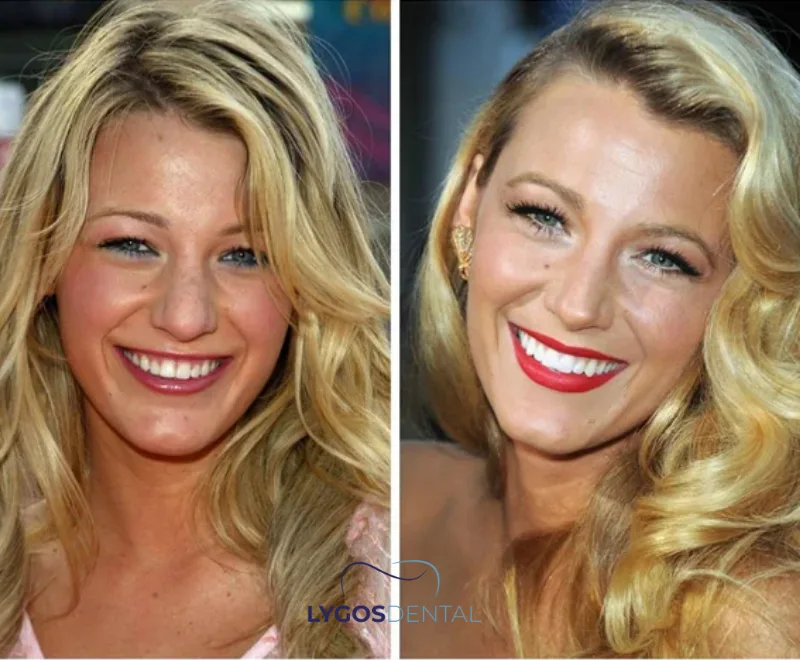
A “Hollywood Smile” is a smile makeover plan rather than a single treatment. Dentists combine a few procedures to improve tooth colour, symmetry, and gum balance while keeping the result believable up close and on screen.
Depending on the case, the plan may include whitening, veneers or crowns, minor alignment changes, and gum contouring. The goal is consistency: teeth that look evenly shaped and bright without appearing unnaturally flat or opaque.
Porcelain veneers are thin, custom-made shells bonded to the front of the teeth. They can change colour, shape, length, and the appearance of minor misalignment in a controlled way.
Veneers are popular for camera work because they resist staining better than many alternatives and can be designed to match facial features. With good oral hygiene, routine check-ups, and protection against grinding, porcelain veneers commonly last around 10–15 years, and sometimes longer.
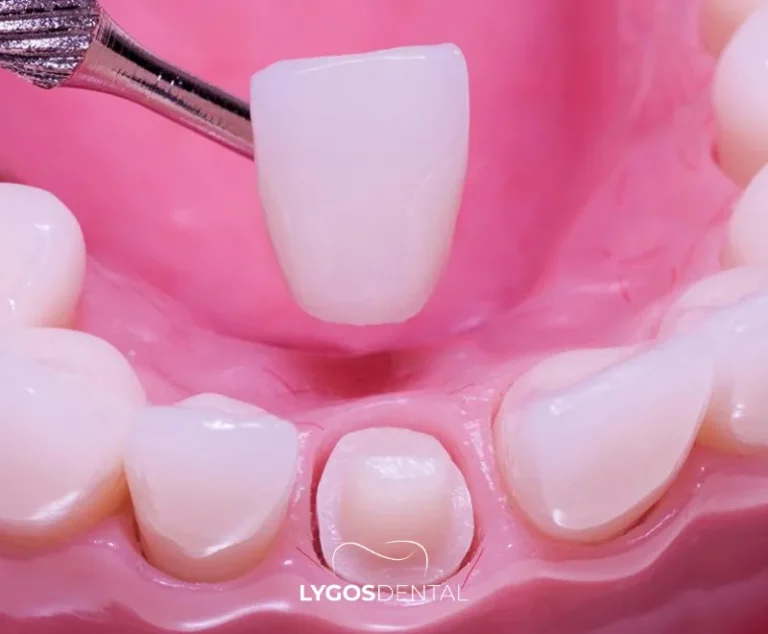
Zirconia crowns cover the entire tooth and are chosen when a tooth needs more structural support than a veneer can provide. They’re valued for strength and for a more natural look compared with older metal-backed crowns.
Modern zirconia materials can transmit light in a way that helps the restoration blend with natural enamel. Your dentist will choose the right type for the tooth position and your bite, since some versions prioritise durability over translucency.
Composite bonding uses a tooth-coloured resin to correct small cosmetic issues such as chips, fine cracks, uneven edges, or mild gaps. It’s a conservative option because it often requires little to no removal of natural tooth structure.
Bonding can be completed quickly, which is helpful when someone wants a visible improvement without a long treatment timeline. Like any cosmetic restoration, durability depends on bite forces, habits, and maintenance.
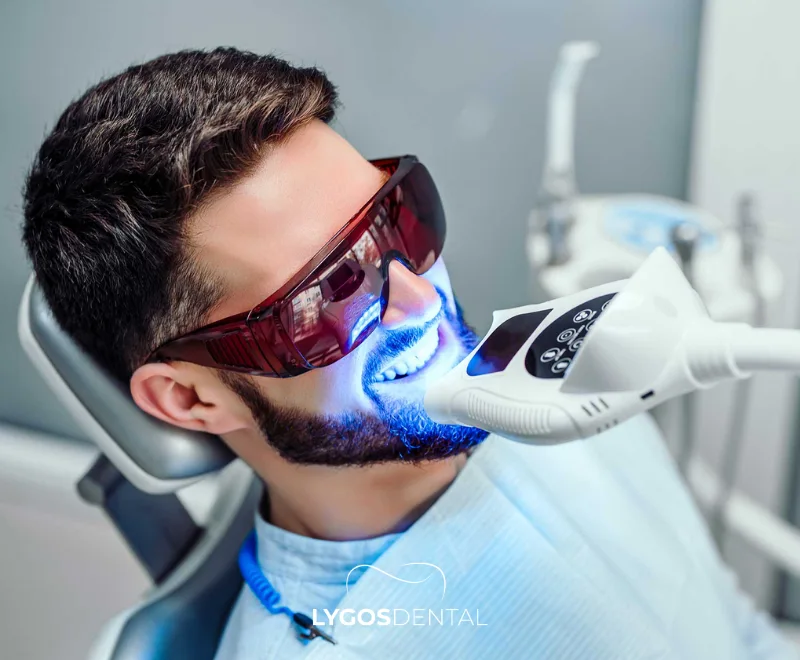
Professional whitening (bleaching) brightens natural tooth enamel using dentist-supervised gels, sometimes combined with light or laser systems. It’s one of the simplest ways to refresh a smile for events, filming, or photography.
Whitening works best for external staining and general yellowing. For deeper discolouration or older fillings and crowns that don’t change colour, your dentist may recommend a combination approach, such as whitening first and then matching restorations to the new shade.
Despite the headlines, most public-facing patients ask for the same things: a natural finish, predictable results, and a treatment plan that fits their schedule. The best cosmetic work is rarely “one-size-fits-all.”
Experienced clinicians usually start with oral health and bite stability, then plan the cosmetic changes. That may mean treating gum inflammation, addressing cavities, or managing grinding before committing to veneers or crowns.
Smile makeover planning (Hollywood Smile), porcelain veneers, zirconia crowns, composite bonding, and professional whitening are among the most requested options. Each one targets a different level of change, from subtle refinements to full smile redesigns.
A Hollywood Smile describes a customised plan that may combine multiple treatments. A single procedure, such as whitening or bonding, focuses on one issue and is usually quicker, but it can’t solve every aesthetic concern on its own.
Many people are suitable candidates, but the right option depends on tooth health, gum condition, and bite forces. A clinical exam is essential, especially for patients with heavy grinding, untreated gum disease, or significant crowding.
High-quality porcelain veneers commonly last around 10–15 years with proper care. Lifespan is strongly influenced by oral hygiene, regular dental visits, and habits like grinding or using teeth as tools.
