
Sep 22, 2025
5 Practical Ways to Prevent Sensitivity After Teeth Whitening | LYGOS DENTAL
In this article, we’ll explore to 5 practical ways to prevent sensitivity after teeth whitening..
Invisible braces are discreet orthodontic options that straighten teeth with clear aligners or less-visible brace systems. They can correct many mild to moderate alignment issues while keeping treatment subtle. The right option depends on your bite, lifestyle, and how complex the tooth movement is, so an orthodontic evaluation is essential.
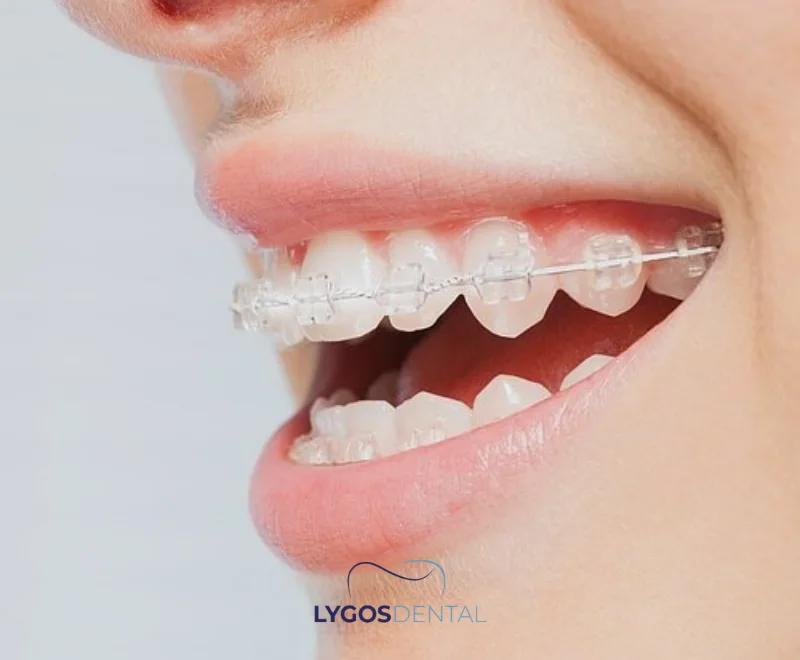
Invisible braces are orthodontic appliances designed to move teeth while remaining hard to notice in everyday life. Instead of visible metal brackets, they use clear, tooth‑colored, or behind-the-teeth systems. They’re popular with adults and teens who want a straighter smile without drawing attention to their treatment.
Clear aligners are custom, removable trays made to fit over your teeth. You switch to a new set on a schedule set by your orthodontist, gradually guiding teeth into place. Because they’re removable, many people find it easier to eat and clean their teeth during treatment.
Lingual braces work like traditional braces, but the brackets and wires are attached to the inner side of the teeth. That placement keeps them out of view when you smile. They can take time to get used to and may require extra attention when cleaning.
Ceramic braces use brackets made from tooth‑colored or clear materials. They’re more discreet than metal braces while offering similar control for many cases. They’re not fully invisible, and some people need to be careful about staining around brackets with certain foods and drinks.
Invisible braces can be a strong choice for many mild to moderate orthodontic concerns. The best fit depends on your bite, gum health, and the exact tooth movements needed.
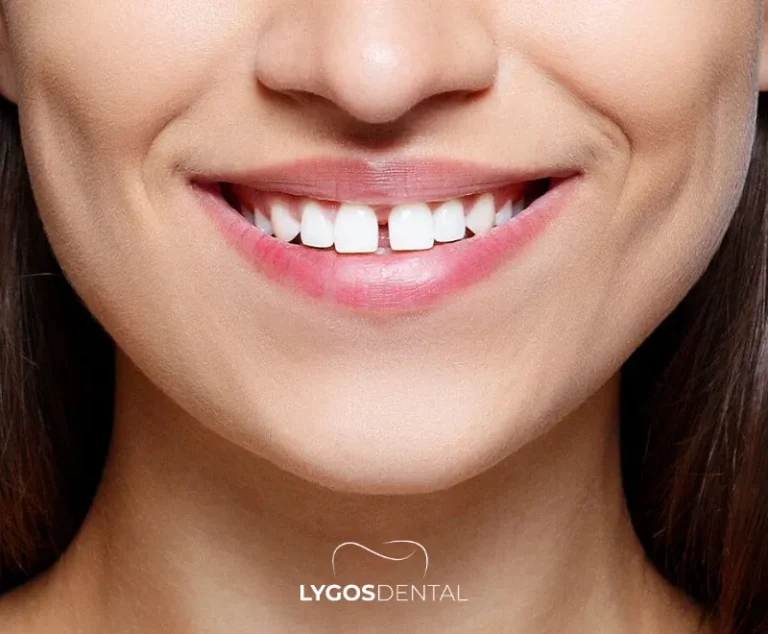
1. Initial Consultation And Planning
Your orthodontist examines your teeth and bite, then uses X‑rays, photos, and measurements to map out a treatment plan.
2. Digital Scanning And Appliance Design
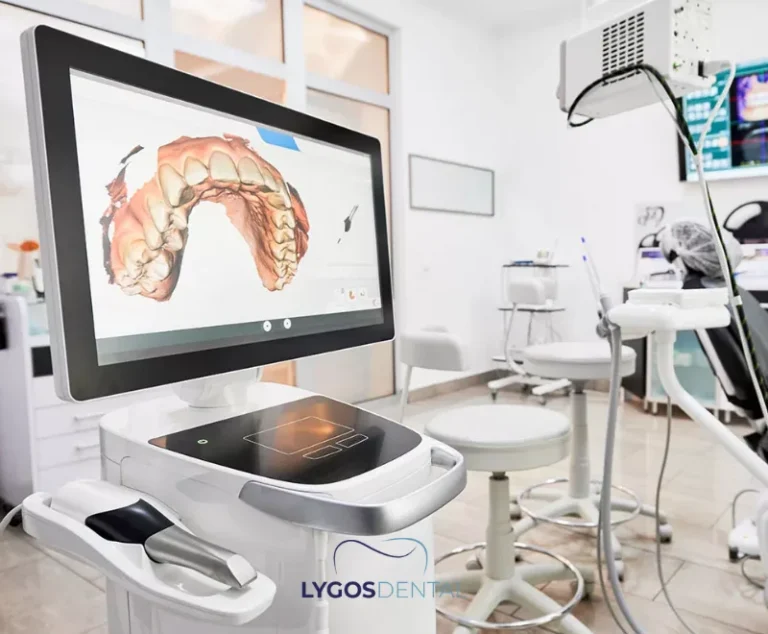
For aligners, a digital scan helps design a step‑by‑step series of trays. For lingual or ceramic braces, brackets and wires are planned and customized as needed.
3. Starting Treatment
Aligners are delivered with wear instructions, or braces are fitted in the clinic. You’ll receive guidance on cleaning and what to expect in the first week.
4. Regular Check‑Ups
Appointments track progress and allow refinements. Aligners may be adjusted with attachments, and braces may be tightened or tuned as teeth shift.
5. Finishing And Retention
After active movement, a retainer is used to maintain results and prevent teeth from drifting back.
Treatment time varies by person and method. Many cases fall within roughly 12–24 months, but shorter or longer plans are possible.
Costs vary widely based on the type of system, the complexity of tooth movement, the orthodontist’s experience, and the clinic’s location. As a general trend, ceramic braces often sit closer to standard braces, clear aligners range from moderate to higher costs, and lingual braces are commonly among the most expensive.
For an accurate quote, you’ll need an exam and treatment plan. Many clinics offer installment options, but terms differ by provider.
Yes, clear aligners work well when worn 20–22 hours daily.
Yes, but remove them to eat and drink anything except water.
Usually mild; pressure and tenderness peak for a few days after new aligners.
Braces handle complex corrections better; invisible braces suit mild-moderate cases and discretion.
