
Jun 18, 2025
How to Get Rid of Bad Breath?
Who is more likely to experience them, and how to close gaps between teeth using modern…
The alveolar arch is the tooth‑bearing part of the upper and lower jawbones. It holds each tooth in a socket, helps the bite distribute chewing forces, and supports the shape of the lips and lower face. When the arch loses bone—often from gum disease or missing teeth—teeth may shift, loosen, and function can change.
Most people think of oral health as teeth and gums, but those tissues rely on a hidden foundation: the alveolar arch. This curved ridge of bone supports the tooth sockets, guides how the upper and lower teeth meet, and plays a direct role in chewing and speech.
Because the alveolar arch responds to everyday forces, it can strengthen with healthy stimulation and shrink when teeth are lost or inflammation persists. Understanding this structure helps explain why timely periodontal care, tooth replacement, and orthodontic planning matter.
The alveolar arch is the bony ridge of the maxilla (upper jaw) and mandible (lower jaw) that contains the tooth sockets (alveoli). Each tooth root sits in its own socket, anchored by periodontal ligament fibers and surrounded by alveolar bone.
Clinicians may also use related terms such as the alveolar process (the tooth‑bearing portion of the jaw) and the alveolar ridge/crest (the highest edge of that bone around the teeth). Together, these structures provide the support needed for stable, comfortable function.
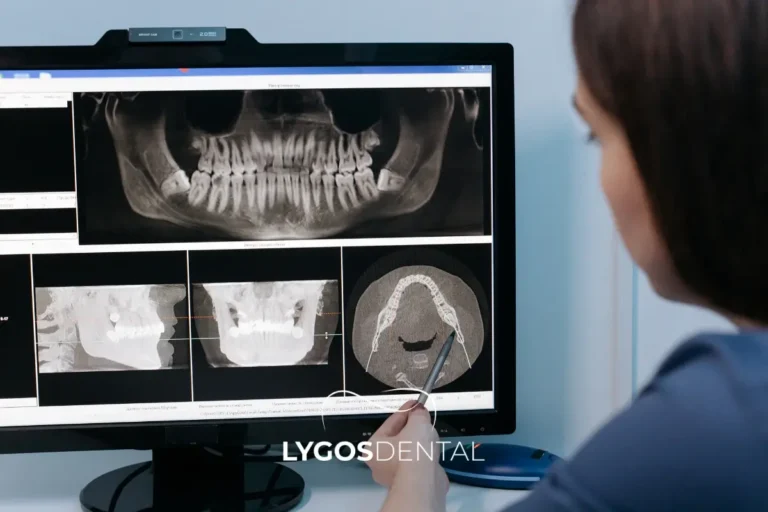
Healthy alveolar bone maintains firm support around the roots. When bone height or density decreases, teeth can loosen, migrate, or become more sensitive to bite forces.
The arch supports soft tissues of the mouth and lower face. Bone loss after tooth loss or advanced gum disease can contribute to a flatter profile around the lips and cheeks over time.
The size and curvature of the upper and lower arches affect how teeth fit together. A narrow arch can increase crowding, while an uneven arch form can contribute to crossbites, open bites, or excessive tooth wear.
The arch helps guide tongue space and the path of chewing. When the arch is irregular or teeth shift, some sounds may be harder to form clearly and food may not break down as efficiently.

Arch development begins as primary (baby) teeth erupt and continues through adolescence as the jaws grow and permanent teeth come in. Genetics influence arch shape, but habits can change it, especially during growth.
In adulthood, the alveolar bone remains biologically active. It is maintained by healthy chewing forces and periodontal health, and it tends to resorb in areas where teeth are missing.
Untreated gum disease can destroy the supporting tissues and reduce alveolar bone height. As support decreases, teeth may become mobile and bite relationships can change.
After an extraction, the bone in that region commonly shrinks, especially during the first months. Without a timely replacement plan, the ridge can lose volume and make future implant or denture fit more challenging.
Some people naturally have narrower or wider arches, which can affect spacing, crowding, and airway comfort. Early assessment during childhood can help guide orthodontic timing and reduce complications.
Crossbites, crowding, and open bites often relate to how the arches developed and how teeth erupted within them. Orthodontic treatment aims to align teeth within a stable arch form while respecting bone limits.
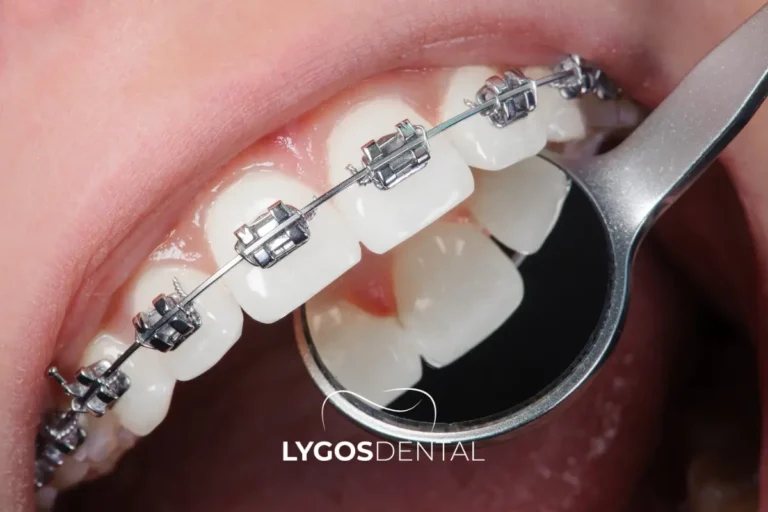
Dentists assess the alveolar arch through a clinical exam and imaging. X‑rays help measure bone levels and detect changes around the roots, while 3D imaging (CBCT) may be used when planning implants, grafting, or complex orthodontics.
Your dentist will also evaluate gum health, tooth mobility, bite contacts, and any signs of parafunction such as clenching or grinding. These findings guide prevention and treatment choices.
Early treatment of gum inflammation helps preserve bone support. Depending on severity, care may include deep cleaning, targeted antimicrobial therapy, and ongoing maintenance visits.
When arch width contributes to crowding or crossbite, orthodontic appliances can create space and improve how the arches relate. Treatment is planned to move teeth safely within the available bone.
If bone volume is insufficient—often after tooth loss or long‑standing periodontal disease—grafting can rebuild the ridge. This may be done to support implants or to restore arch contour for better function and aesthetics.
Implants can help maintain bone by transferring chewing forces into the jaw, while bridges or dentures restore function and prevent drifting. The best option depends on bone levels, bite, and general health factors.
Protecting the alveolar arch comes down to controlling inflammation and keeping teeth functioning. Consistent home care, regular professional cleanings, and early treatment of gum bleeding are the most effective steps.
If a tooth is lost, discuss replacement timelines soon after extraction to reduce bone shrinkage. For people who grind their teeth, a night guard may help limit excessive forces that stress teeth and supporting bone.
Book an evaluation if you notice persistent gum bleeding, loosening teeth, shifting bite, or difficulty chewing. These signs may indicate changes in the supporting bone that are easier to manage when caught early.
The alveolar arch is the curved jawbone ridge that houses the tooth sockets.
Alveolar bone supports and anchors teeth via the periodontal ligament and absorbs biting forces.
The alveolar ridge provides the bony foundation for teeth and supports dentures after loss.
The alveolar process forms the tooth sockets and maintains tooth support in the jaw.
Alveolar means relating to the tooth sockets and the supporting jawbone around them.
Alveolar bone loss causes tooth looseness, ridge resorption, impaired chewing, and harder implant placement.
