Mouthwash can support daily oral care by reducing odor-causing bacteria, helping control plaque, supporting gum health, and strengthening enamel when it contains fluoride. It works best after brushing and flossing, but it doesn’t replace either. The right formula depends on your needs—fresh breath, cavities, gum care, or orthodontic cleaning.
Good oral hygiene matters for comfort, confidence, and overall health. Brushing twice a day and flossing once a day are the basics. Mouthwash can be a helpful add‑on, especially for people with specific concerns like bad breath, higher cavity risk, gum irritation, or braces.
Table of Contents
What Is Mouthwash?
Mouthwash is a liquid oral care product designed to rinse the mouth and deliver active ingredients to teeth and gums. Depending on the formula, it may freshen breath, reduce bacteria, strengthen enamel, or soothe irritated tissues.
Common ingredients include antiseptics (to reduce bacteria), fluoride (to help prevent cavities), flavoring agents such as menthol, and sometimes herbal extracts.
What Mouthwash Can and Can’t Do
Mouthwash can reach areas that brushing may miss and can add targeted benefits based on its ingredients. Still, it’s not a substitute for brushing and flossing, and it won’t remove stuck food or hardened tartar.
Key Benefits of Mouthwash
Helps reduce bacteria and plaque: Antibacterial formulas can lower the amount of plaque-forming bacteria in the mouth, which may reduce the risk of cavities and gum irritation.
Freshens breath: Breath-freshening rinses can temporarily mask odors and, more importantly, help reduce the bacteria that cause bad breath.
Supports gum health: When used correctly, antibacterial rinses can support healthier gums by lowering bacterial load, which may help with mild inflammation.
Helps prevent cavities (fluoride rinses): Fluoride mouthwash strengthens enamel and can help protect teeth against acid attacks—useful for people prone to decay.
Makes cleaning easier with braces or retainers: Orthodontic appliances create extra surfaces where plaque can build up. Mouthwash can be a convenient support between thorough cleanings.
Soothes minor mouth irritation: Some rinses can help with comfort during minor irritation, such as occasional canker sores or small mouth wounds.
Helps reduce surface stains (certain whitening rinses): Whitening mouthwashes may help reduce some surface discoloration, but they’re not the same as professional whitening.
When Mouthwash Is Most Useful
Mouthwash can be especially helpful if you:
Notice persistent bad breath despite brushing and flossing
Have early gum irritation or mild bleeding (and your dentist recommends a rinse)
Are recovering after certain dental treatments (only with professional guidance)
Get frequent minor mouth sores
If you’re pregnant, managing a chronic condition, or choosing a rinse for a child, it’s safest to ask a dentist which type is appropriate.
Types of Mouthwash
Antiseptic mouthwash: Often alcohol-based or containing ingredients such as chlorhexidine (usually prescribed). These can be effective for short-term gum care, but stronger options are typically used under dental supervision and may cause staining with prolonged use.
Fluoride mouthwash: Designed to strengthen enamel and help prevent cavities. A good option for people with higher decay risk.
Alcohol-free mouthwash: Useful for people who experience dry mouth or sensitivity. Many alcohol-free options still provide antibacterial or fluoride benefits.
Herbal mouthwash: May include ingredients like mint, sage, chamomile, or clove. Results vary, so choose reputable brands and avoid irritants if you’re sensitive.
Whitening mouthwash: May contain mild whitening agents and can help with surface stains. Overuse can increase sensitivity, so follow the label and don’t expect dramatic changes.
How to Use Mouthwash Correctly
Brush and floss first, unless your dentist advises a different routine for your situation.
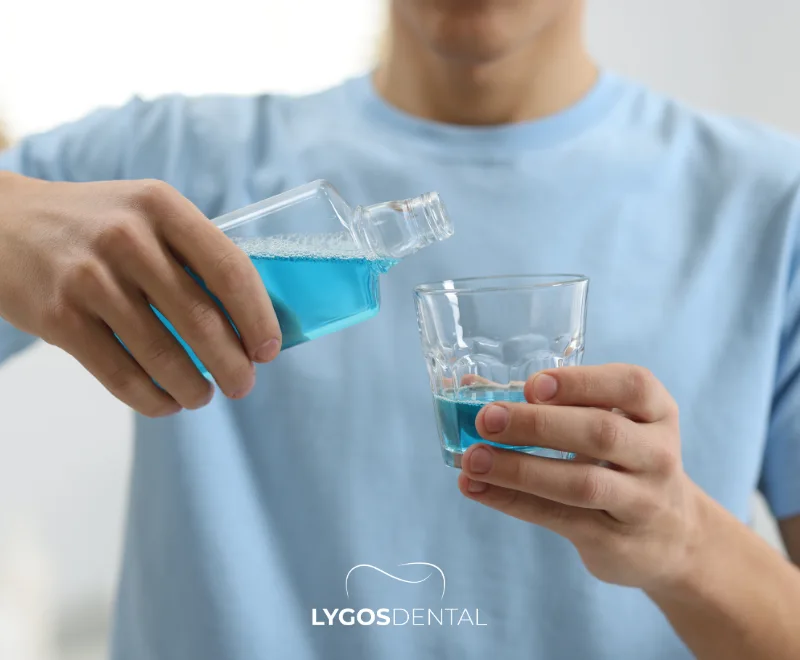
Measure the amount listed on the label (often 10–20 ml).
Swish for the recommended time (commonly 30–60 seconds).
Spit it out—do not swallow mouthwash.
Avoid eating or drinking for about 30 minutes if the label recommends it, especially with fluoride rinses.
Tips and Safety Notes
Don’t overuse: 1–2 times a day is enough for most people. Overuse may irritate tissues or disrupt the mouth’s natural balance.
Check alcohol content if you get dry mouth or burning sensations—alcohol-free formulas can be gentler.
Keep out of reach of young children. Many dentists recommend mouthwash only for children aged 6+ who can reliably spit it out.
If you have ongoing sores, persistent bleeding, or strong bad breath that doesn’t improve, book a dental check—these can be signs of an underlying issue.
How to Choose the Best Mouthwash for You
The best mouthwash depends on your goal and your oral health history. Use these quick guidelines:
For cavity prevention: Look for fluoride and follow label directions.
For gum support: Choose an antibacterial rinse; for stronger treatments, follow a dentist’s recommendation.
For dry mouth or sensitivity: Pick an alcohol-free formula with mild flavoring.
For braces or aligners: Consider fluoride or antibacterial options designed for daily use.
For whitening: Choose a reputable product and stop if you develop sensitivity.
FAQ
Is it good to use mouthwash daily?
Daily mouthwash is fine and may improve gum health, especially fluoride or antimicrobial.
Are there any benefits to using mouthwash?
Mouthwash can reduce bacteria, freshen breath, and fluoride rinses help prevent cavities.
Is mouthwash safe for children?
Mouthwash is unsafe under age six; older children may use alcohol-free rinses supervised.
What is the 2-2-2 rule in dentistry?
Brush 2 minutes twice daily and visit your dentist twice yearly.
What are the disadvantages of mouthwash?
Mouthwash may cause staining, irritation, dry mouth, and can mask poor brushing.
Should I use mouthwash before or after brushing my teeth?
Use mouthwash at a different time, not immediately after brushing, to keep fluoride.


 Blog
Blog