
Dec 9, 2025
What Happens If a Tooth That Should Be Extracted Is Not Removed?
So, how does tooth loss affect speech? In this article, we will examine in detail the…
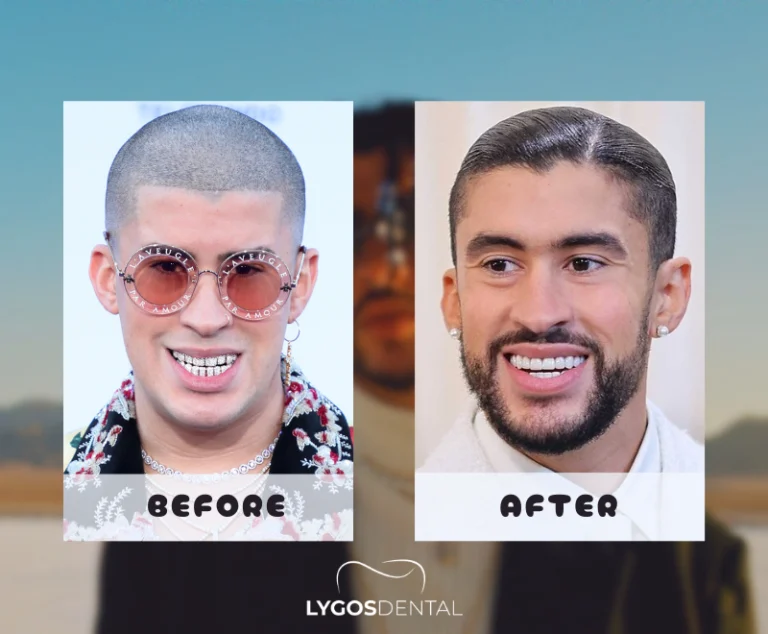
People searching “Benito Antonio dental aesthetics” usually want to understand the smile makeover look seen in recent photos and what cosmetic dentistry treatments can create it. While only the artist and his dental team can confirm exact procedures, veneers, whitening, and minor reshaping are common routes to a brighter, more even smile. Here’s what those options involve and how to choose safely.

Benito Antonio Martínez Ocasio is a Puerto Rican artist known globally as Bad Bunny. His style choices and public appearances often spark online discussion, including interest in his teeth and smile.
Online searches and “before and after” comparisons suggest a cosmetic dentistry change may have happened, but there is no single public, verified medical record that confirms the exact treatments. If you’re using his look as inspiration, focus on the techniques dentists commonly use to achieve a similar result rather than assuming a specific procedure list.

Several cosmetic dentistry options can make teeth appear whiter, straighter, and more uniform. The right plan depends on enamel quality, bite alignment, gum health, and how natural you want the final shade to look.
In-office whitening (and dentist-supervised home trays) can lift stains from coffee, tea, tobacco, and aging. Whitening works best on natural enamel, and it may be recommended before any veneers or bonding so the final restorations match your target shade.
Veneers are thin shells bonded to the front surface of teeth to change color, shape, and minor alignment. They can be ideal when whitening alone won’t fix discoloration, uneven edges, or small gaps.
A good veneer plan should preserve as much natural tooth structure as possible, respect your bite, and avoid the “too big, too white” look by choosing a shade that fits your skin tone and age.
Composite bonding uses tooth-colored resin to correct chips, small gaps, or uneven edges. It’s often less invasive and more affordable than veneers, but it may stain or wear faster and can require touch-ups over time.
Minor reshaping can smooth sharp edges or improve symmetry. It should be conservative, since enamel doesn’t grow back. Dentists often pair this with whitening or bonding for a subtle upgrade.
Clear aligners or braces may be used first if crowding or bite issues are significant. Aligning teeth can reduce how much drilling is needed for veneers and helps restorations last longer.
If veneers are part of your plan, material choice affects durability, translucency, repairability, and price. Your dentist should recommend a material based on your bite forces, habits (like clenching), and aesthetic goals.
Porcelain veneers are popular for a natural enamel-like translucency and strong stain resistance. They’re typically lab-made and can look very lifelike when the shade and surface texture are designed well.
Composite veneers can be built directly on the teeth in one or two visits. They’re usually more budget-friendly and easier to repair, but they tend to discolor and wear sooner than porcelain in many patients.
Zirconia is very strong and may be used in certain restorative cases. For purely cosmetic fronts, many dentists prefer porcelain options that mimic natural translucency more easily, but the best choice depends on your clinical situation.
Most reputable clinics follow a step-by-step workflow so you can preview the outcome and protect your teeth:
Cosmetic dentistry can be life-changing, but it’s not risk-free. Problems usually come from over-preparation, poor bite design, rushed timelines, or choosing a clinic without strong restorative expertise.
To reduce risk, ask to see real case portfolios, request a mock-up, and confirm who will design the bite (especially if you grind your teeth). A night guard is often recommended after veneers for patients who clench.
Turkey remains a popular dental tourism destination because prices can be lower than in the UK or US, while many clinics offer modern digital workflows. Costs vary by city, dentist experience, material, and whether the quote includes scans, temporaries, and follow-up care.
As a practical 2026 range, many clinics advertise approximately $200–$500 per veneer, with package pricing for larger smile makeovers often running from the low thousands to mid-thousands USD depending on the number of teeth and material choice. Always confirm what’s included, the lab used, the warranty terms, and how revisions are handled.
If you’re considering cosmetic dentistry, start with a clinical consultation to review gum health, bite alignment, and the most conservative option for your goals. Ask for a written treatment plan that lists materials, steps, and maintenance recommendations.
Yes; he said his teeth aren’t natural after cosmetic dental work.
No; he hasn’t publicly confirmed veneers or specified the procedure.
No; he hasn’t confirmed veneer teeth—only that his teeth aren’t natural.
He had cosmetic dental work; he says it made his teeth “not real.”
No; there’s no evidence he has dentures, only cosmetic dental work.
