
Sep 12, 2025
Things to Consider During Orthodontic Treatment | LYGOS DENTAL
Paying attention to certain things to consider during orthodontic treatment directly affects the effectiveness of the…
Adults can get braces at almost any age as long as teeth and gums are healthy. Treatment usually takes 12–30 months and can be done with metal, ceramic, lingual braces, or clear aligners. An orthodontist will choose the best option based on your bite, crowding, and lifestyle.

Yes. Teeth move because the periodontal ligament and surrounding bone respond to steady, gentle pressure, and that biology still works in adulthood.
What matters most is overall oral health. If your gums and supporting bone are stable, orthodontic treatment can work well in your 20s, 40s, 60s, and beyond.
Adults often seek treatment for crowding, spacing, bite problems, jaw discomfort, or relapse after earlier braces. Bruxism (teeth grinding) can also push some people to get a bite assessment and align their teeth.
Adult orthodontic treatment can improve both appearance and long‑term dental health.
There is no strict age limit. Adults may see slightly slower tooth movement than teenagers, so treatment can take a bit longer in some cases.
An orthodontist will check gum health, bone levels, and existing restorations before starting. If there is active periodontal disease, it usually needs to be treated first.

Modern orthodontics offers discreet choices that fit different budgets, lifestyles, and bite complexities.
Metal braces are the most common option and tend to be the most cost‑effective. They are durable and work well for mild to complex alignment and bite problems.
Ceramic braces use tooth‑colored brackets that blend in better than metal. They can stain if oral hygiene is poor, but they remain a popular choice for adults who want a less noticeable look.
Lingual braces sit behind the teeth, so they are hidden from view. They can take longer to get used to and are usually priced higher due to customization and technique sensitivity.
Clear aligners (such as Invisalign and similar systems) are removable and nearly invisible. They suit many mild to moderate cases and can be convenient for work and social life, but they require consistent wear to stay on track.
Treatment time depends on crowding, bite issues, and the type of appliance. For many adults, treatment falls in the 12–30 month range.
Minor alignment can finish in 6–12 months, while more complex bite corrections may take closer to two years. Keeping appointments and following wear instructions (especially for aligners) makes a big difference.
Fees depend on case complexity, materials, clinic location, and how long treatment lasts. Clinics typically confirm a final plan after an exam and X‑rays.
As of 2026, many clinics in Turkey advertise the following rough ranges for full treatment (these can vary):
Some clinics offer installment plans. If you compare quotes, ask what is included (records, retainers, emergency visits, and refinements for aligners).

No. Ceramic brackets and clear aligners are designed to be discreet, and many adults choose them for that reason. Your orthodontist can also suggest low‑profile bracket options if appearance is a priority.
You might notice small changes during the first few days, especially with lingual braces or new aligners. Most people adapt quickly as the tongue finds a new normal.
Usually not. Aligners can be removed briefly for important events, and bracket systems are common in professional settings. Planning appointments ahead and keeping a small oral‑care kit at work helps.
Teeth can drift over time without retention. Wearing your retainer as instructed is the best way to keep your results stable.
Expect pressure or soreness for a few days after fittings and adjustments. Soft foods and over‑the‑counter pain relief can help, but ask your dentist or orthodontist for guidance if discomfort feels severe or persistent.

Paying attention to certain things to consider during orthodontic treatment directly affects the effectiveness of the…
 Blog
Blog
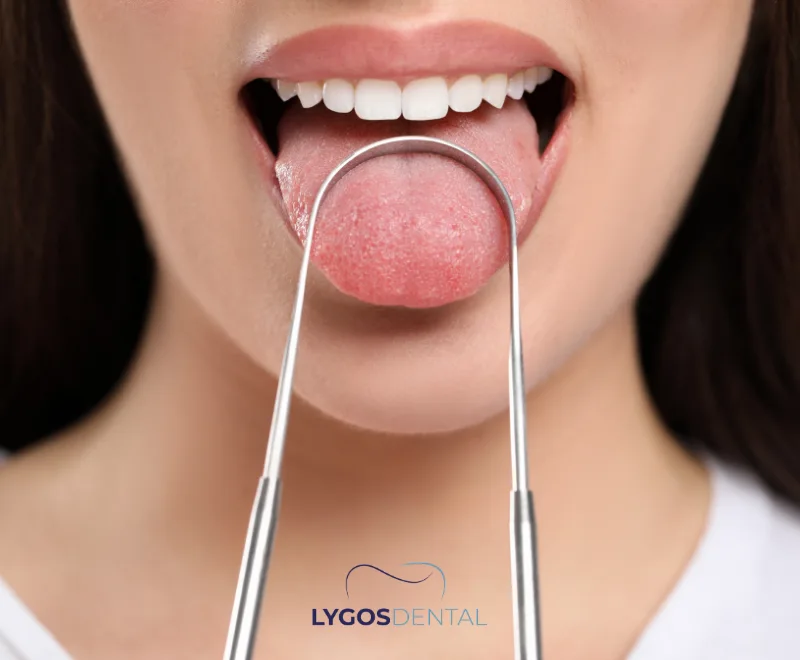
This is where tongue cleaners come into play. So, what is a tongue cleaner, and how…
Therefore, Changes in Dental Structure by Age is a process that must be carefully monitored in…