
May 31, 2025
What is Pericoronitis?
In this article, we will answer the question “What is pericoronitis?” in detail, explaining its symptoms…
A dental bridge is fixed in place and replaces one or more missing teeth by attaching to nearby teeth or implants. A partial denture is removable and can replace several missing teeth across the mouth. The right choice depends on the health of your remaining teeth, how many teeth are missing, your bite, and long‑term plans.
Losing a tooth is rarely just about looks. Missing teeth can change how you chew, affect speech, and shift the forces your jaw and remaining teeth have to handle.
Two common ways to restore a gap are dental bridges and partial dentures. Both can work well, but they solve the problem in different ways. A quick exam and a clear plan are what turn “Which is better?” into “Which is right for me?”
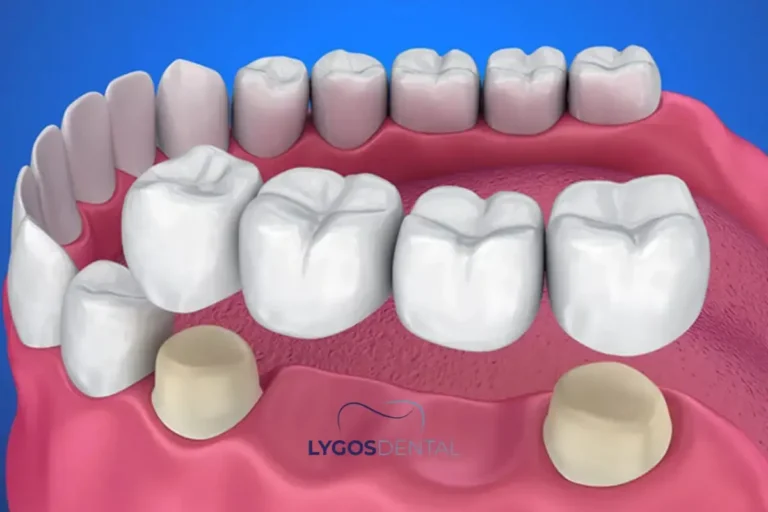
A dental bridge is a fixed restoration. It replaces a missing tooth (or teeth) by holding an artificial tooth between two supports. In many cases, those supports are the natural teeth next to the gap, prepared to hold crowns.
Because a bridge doesn’t move, it often feels close to having a natural tooth again. You don’t remove it at night, and most daily care looks like normal brushing and flossing. Cleaning under the false tooth takes extra attention, usually with floss threaders or small interdental brushes.
Common Types Of Bridges
Your dentist may recommend a traditional bridge (supported by crowns on both sides), a resin‑bonded bridge for certain front‑tooth cases, or an implant‑supported bridge when implants are the safest long‑term anchor. The best type depends on the gap location, bite forces, and the condition of nearby teeth.
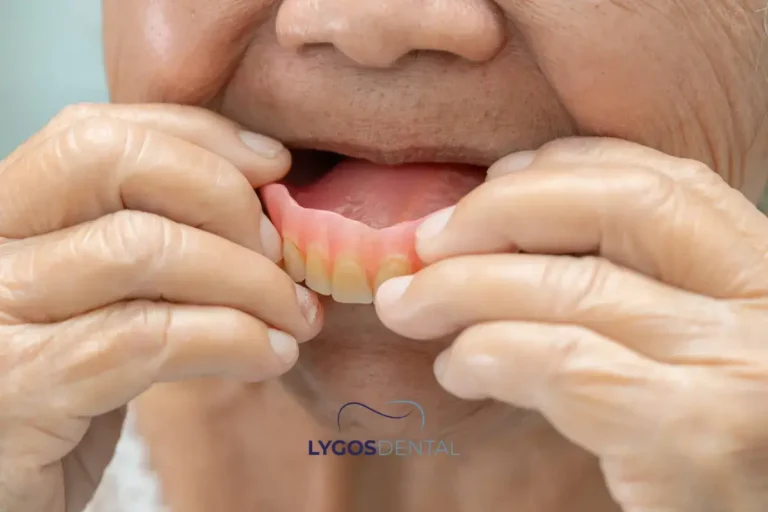
Partial dentures are removable. They can replace several missing teeth, even when the gaps are in different areas of the mouth. A partial denture usually has artificial teeth set into a gum‑colored base, sometimes reinforced with a thin metal framework or flexible material.
You take a partial denture out for cleaning and usually remove it before sleep. Dentists often consider it when many teeth are missing, when the remaining teeth are not ideal bridge supports, or when future tooth loss is possible and flexibility matters.
There can be a short adjustment period for speech and chewing. Most people adapt within days to a few weeks once the fit is properly adjusted.
Here’s what typically separates the two options in real life:
There isn’t a single rule that fits everyone. Dentists weigh several clinical factors before recommending a bridge or a partial denture.
In some mouths, a bridge is a neat, long‑lasting solution. In others, using a bridge would mean reshaping healthy teeth or overloading weak ones, which can raise the risk of problems down the road. In those cases, a partial denture can be the safer choice.
Comfort is often the first concern. Bridges tend to feel more natural because they’re fixed. Partial dentures can feel bulkier at first, yet a well‑fitted design should sit securely and stop rubbing or clicking.
From an appearance standpoint, both options can look very natural when planned well. Material choices, tooth shade matching, and how the gum line is shaped all play a role.
Daily habits matter, too. If you want a “set it and forget it” routine, a bridge may suit you. If you prefer an option that can be adjusted over time, a partial denture may be more practical.

Long‑term oral health matters more than many people expect. Bridges rely on the teeth next to the gap. If one supporting tooth develops decay, gum disease, or a fracture, the entire bridge can be affected.
Partial dentures are more adaptable. If another tooth is lost later, the denture can often be adjusted rather than replaced from scratch. That flexibility can be valuable for people with ongoing gum issues or a higher risk of future tooth loss.
Some patients are also candidates for dental implants, either as a single replacement tooth or as support for a bridge. Implants can help avoid reshaping nearby teeth, but they require adequate bone and a healing period. A dentist can explain whether implants are realistic in your case and how they compare on cost, time, and maintenance.
Choosing between a bridge and a partial denture isn’t only about price or convenience. It’s about how your mouth will function over the next few years, not just next week.
At Lygos Dental, a full exam and straightforward discussion help patients understand the trade‑offs clearly. The aim is a plan that protects the remaining teeth, keeps the bite stable, and fits your daily routine.
Contact our team to learn more about cosmetic dentistry, dental crowns, dental implants, and general dentistry, and to book an evaluation for the best tooth‑replacement option for you.
Get a bridge if adjacent teeth are strong; get a partial for multiple gaps.
Partial is recommended when long spans, weak abutments, cost, or future loss make bridges risky.
Bridge is better for stability and chewing; partial is better for cost and flexibility.
Dentists avoid bridges when abutment teeth are unhealthy, insufficient, or spans are too long.
Main downside is shaving adjacent teeth, increasing decay risk and making cleaning harder.
Instead of a bridge, options include implants, a partial denture, resin-bonded bridge, or orthodontics.
