
Aug 7, 2025
Oral Lesions in Autoimmune Diseases
Oral lesions in autoimmune diseases are typically painful, recurrent, and difficult to treat. In this article,…
The 3-3-3 rule is a simple reminder to brush regularly and long enough to clean every surface of your teeth. It’s often described as brushing three times a day for about three minutes. Use it flexibly: twice-daily brushing is the baseline for most people, and after acidic meals it’s usually better to wait before brushing.
You’ll see the 3-3-3 rule described in a few different ways online. The most common version is:
Think of it as a structure, not a strict medical requirement. The goal is consistent plaque control without over-brushing or irritating the gums.

Major dental organizations generally recommend brushing twice a day for two minutes with fluoride toothpaste. That routine is enough for many people when technique is solid and daily interdental cleaning is in place.
A third brush (usually after lunch) can be helpful if you snack often, wear braces or aligners, or struggle with plaque. The key is gentle brushing with a soft-bristled brush and the right timing after certain foods and drinks.
After you eat, mouth bacteria start breaking down carbohydrates and the pH in your mouth can drop. That acidic window makes enamel more vulnerable, especially after citrus, soda, sports drinks, wine, or sour candy.
If the meal or drink was acidic, many dentists advise waiting around 30–60 minutes before brushing. This gives saliva time to neutralize acids and lets enamel reharden. If you want to do something right away, rinse with water, chew sugar-free gum, or use an alcohol-free fluoride mouthwash at a different time than brushing.
If the meal wasn’t very acidic, brushing soon after eating can be fine—just keep the pressure light and focus on technique rather than scrubbing.
Timing matters, but technique determines results. The Bass Technique is widely used because it targets plaque where it collects most: along the gumline.
If you use an electric toothbrush, let it do the work. Hold it in place on each tooth surface and guide it slowly along the gumline.
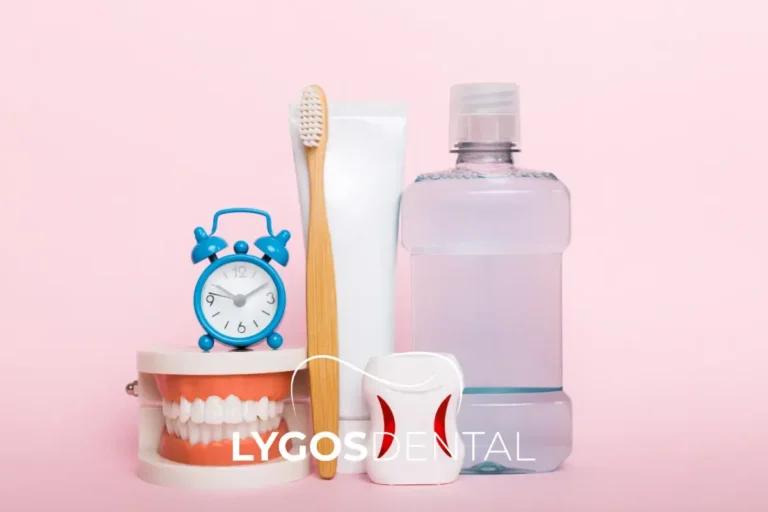
Brushing three times daily can be useful when your risk of plaque buildup is higher. It’s often a good fit for:
If you already have gum recession, enamel wear, or sensitivity, a dentist can help you tailor the routine so it protects your teeth instead of aggravating them.
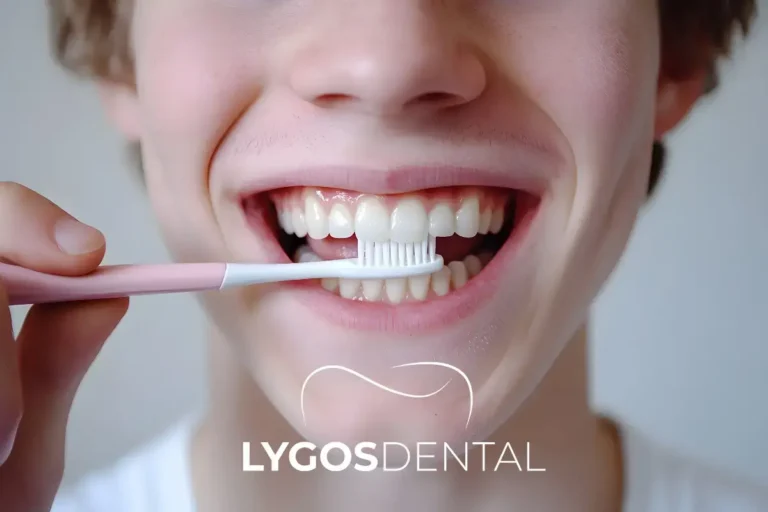
Even with a structured routine, technique or timing issues can show up. Watch for:
If you notice these signs, a professional cleaning and a quick technique check can make a big difference.
Home care works best when it’s supported by regular dental visits. At Lygos Dental, we help patients fine-tune brushing and interdental cleaning based on their mouth, restorations, and risk factors.
If you’re unsure whether the 3-3-3 routine is right for you—or you’re dealing with sensitivity, gum bleeding, or frequent cavities—book a check-up so you can get a plan that’s both effective and safe.
Brush teeth three times daily, within three minutes after meals, for at least three minutes.
Brush three times daily, within three minutes after meals, for at least three minutes.
Identify three things you see, three sounds you hear, and move three body parts.
Rule: 3 minutes without air, 3 days without water, 3 weeks without food.
Brush three times daily, within three minutes after meals, for at least three minutes.
Brush three times daily, within three minutes after meals, for at least three minutes.
