
Nov 20, 2025
How Does Pacifier Use Affect Dental Development? | LYGOS DENTAL
So, how does tooth loss affect speech? In this article, we will examine in detail the…
Bruxism in children is involuntary teeth clenching or grinding, most often during sleep. It can wear down teeth, strain jaw muscles, and disturb rest. Many cases are mild and temporary, but ongoing grinding, morning jaw pain, headaches, or visible tooth wear should be assessed by a dentist to check for bite or sleep-related issues.
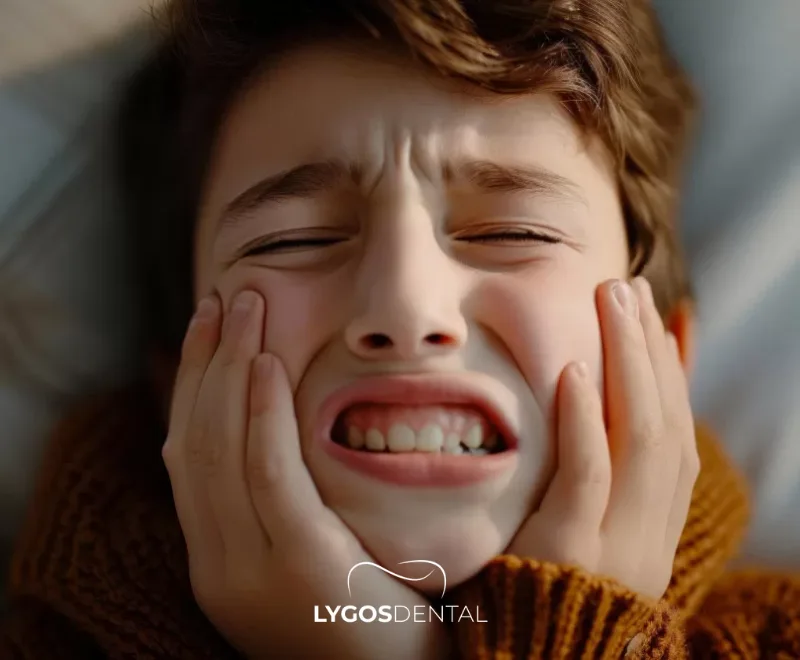
Bruxism is the involuntary clenching or grinding of teeth. In children, it most commonly happens during sleep, so it may go unnoticed until a parent hears grinding or a dentist spots wear. Bruxism can affect baby teeth and permanent teeth. If it persists, it may cause muscle fatigue, tooth sensitivity, or disrupted sleep.
Children do not always report symptoms, so parents often notice changes first. Look for one or more of the following signs:
If symptoms are frequent or worsening, schedule a dental visit so the cause and any tooth damage can be checked early.
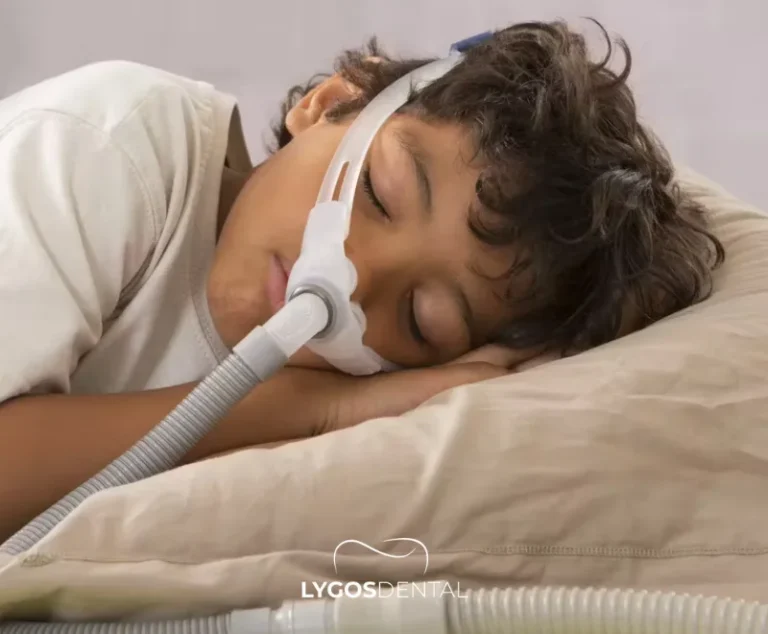
Bruxism rarely has a single cause. It is usually linked to a mix of emotional, dental, and sleep-related factors.
Big changes can show up in a child’s sleep. School pressure, exams, family stress, anxiety, or a new routine may increase nighttime clenching. Some children also grind when they are excited or overstimulated.
Teeth grinding can appear during normal growth, especially while baby teeth are falling out and permanent teeth are erupting. An uneven bite, jaw misalignment, or irritation from a loose tooth may also contribute.
Bruxism can be associated with disturbed sleep, snoring, or sleep-disordered breathing. If your child snores loudly, pauses breathing, or wakes unrefreshed, mention this to your dentist or pediatrician.
Some children grind more often when they have attention, sensory, or developmental differences. Certain medications and medical conditions may also play a role, so a full history helps guide next steps.
Mild, occasional grinding may not cause harm. Persistent bruxism, though, can lead to:
Diagnosis usually starts with a dental exam. Your dentist may look for tooth wear, cracks, gum recession, or jaw tenderness. They may also ask about sleep habits, stress, snoring, and daytime symptoms. If sleep-disordered breathing is suspected, your child may be referred to a pediatrician or sleep specialist.

Treatment depends on the cause, the child’s age, and whether there is tooth damage or pain. In many children, monitoring and simple habit changes are enough.
When grinding is mild and there is no pain or tooth damage, dentists often recommend watchful waiting with regular check-ups. As the bite changes during growth, bruxism may reduce on its own.
A custom night guard can protect teeth by reducing direct tooth-to-tooth contact. Not every child is a candidate, especially if they are still in active tooth eruption, so the fit and timing should be decided by a dentist.
If stress is a clear trigger, support at home can make a difference. For ongoing anxiety, a child psychologist or counselor may help with age-appropriate coping strategies such as play-based techniques or structured routines.
A consistent bedtime, screen-free wind-down time, and a calm sleeping environment can reduce nighttime arousals. Avoid stimulating drinks and heavy meals close to bedtime when possible.
If bruxism is linked to snoring, nasal congestion, reflux, or another medical issue, treating that problem may reduce grinding. Orthodontic treatment may be considered when bite or jaw alignment contributes to symptoms.
Parents can help by watching patterns and reducing triggers. Practical steps include:
Book an appointment if you notice any of the following:
Prompt assessment can prevent damage and helps identify whether dental, stress-related, or sleep issues are driving the problem.
Bruxism needs evaluation when it causes tooth wear, pain, headaches, jaw joint symptoms, or poor sleep. If your child’s quality of life is affected or you can see damage to the teeth, schedule a dental visit.
Yes, many children outgrow bruxism as their teeth and bite change. Even so, it should be monitored so tooth wear and jaw discomfort are caught early.
Teeth grinding often starts between ages 3 and 6, when the mouth and jaw are changing quickly. Stress and sleep disruption can trigger it at any age.
It can continue if the trigger is not addressed. With the right support—such as stress management, sleep routines, and dental care—most children can reduce symptoms.
Bruxism can be linked with micro-awakenings and muscle activity that disturb sleep. Children may feel tired during the day or have attention difficulties if sleep quality drops.
