
May 20, 2025
Braces for Adults
In this article, we answer the most frequently asked questions about braces for adults and adult…
Yes. Dentists can usually extract an infected or abscessed tooth, but the safest timing depends on how far the infection has spread and whether the tooth can be saved. Your dentist may first reduce swelling and pain, sometimes with drainage or medication, then remove the tooth under local anesthesia and give clear aftercare instructions.
A tooth infection is not something to “wait out.” Besides causing intense pain, it can spread into the jaw, face, and other areas. If you have facial swelling, fever, trouble swallowing, or difficulty breathing, seek urgent dental or medical care.

An infected tooth develops when bacteria reach the pulp (the inner tissue containing nerves and blood vessels) or the tissues around the root. This often happens after deep decay, a cracked tooth, a failed filling, or advanced gum disease. When infection builds pressure inside the tooth or around the root, you can develop an abscess (a pocket of pus).
People describe symptoms differently, but these are common signs of a dental infection:
If these symptoms are present, a dentist will usually examine the tooth and take an X‑ray to see how far the infection extends.
In most cases, yes—an infected tooth can be extracted safely. The decision comes down to three practical questions:
If enough healthy tooth structure remains and the roots are stable, your dentist may recommend root canal treatment to remove the infected pulp and seal the tooth. This preserves your natural bite and can be the best option for many molars and premolars.
Extraction is more likely when the tooth is badly broken, severely decayed below the gumline, has advanced bone loss, or has a crack that extends into the root. Your dentist may also recommend extraction if the tooth has repeated infections or cannot be restored reliably.

If there is significant swelling, drainage, or signs the infection is spreading, your dentist may focus on calming things down first. Depending on the situation, this can include:
Antibiotics are not always required for every tooth infection. The right approach depends on your symptoms and exam findings.
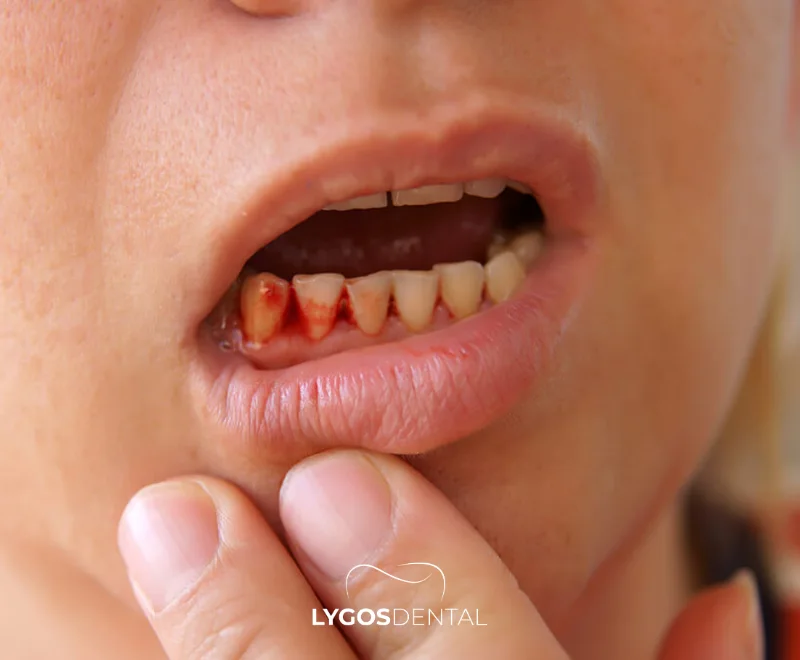
Most extractions are done with local anesthesia, so you should feel pressure but not sharp pain. A typical visit may include:
Healing is usually straightforward when aftercare is followed. Common guidance includes:
Call your dentist promptly if you have worsening swelling after the first 48–72 hours, uncontrolled bleeding, severe increasing pain, fever, or pus-like drainage.
Dentists extract infected teeth every day, but any procedure carries some risk. Potential complications include:
A proper exam and imaging help reduce these risks and guide the safest plan.
Extraction fees vary widely by country, clinic type, and complexity. The final cost typically depends on:
For an accurate estimate, you’ll need an in‑person evaluation.
Extraction removes the source; infection usually resolves with drainage and sometimes antibiotics.
Yes, dentists can extract infected teeth, often with antibiotics or drainage first.
High fever, fast heart rate, fast breathing, confusion, severe weakness, low blood pressure.
It feels like worsening throbbing tooth pain with swelling, pressure, bad taste, sometimes fever.
It’s a common pain tip: 600mg ibuprofen three times daily for three days maximum.
