
How to Protect Your Oral Microbiome?
How to Protect Your Oral Microbiome?
To protect your oral microbiome, keep plaque under control without over-stripping your mouth’s natural balance. Brush twice daily, clean between teeth, limit frequent sugar, stay well hydrated, and avoid unnecessary antibiotics. Choose mouthwash carefully, support saliva, and see a dentist regularly—small daily choices help beneficial bacteria stay dominant.
Oral health is closely tied to overall health, yet many people only think about teeth and gums. Your mouth also hosts a complex ecosystem of bacteria, fungi, and viruses that work together every day.
When this ecosystem stays balanced, it supports fresher breath, healthier gums, and stronger resistance to common oral problems. This guide explains what the oral microbiome is, what disrupts it, and practical ways to support it.
What The Oral Microbiome Is
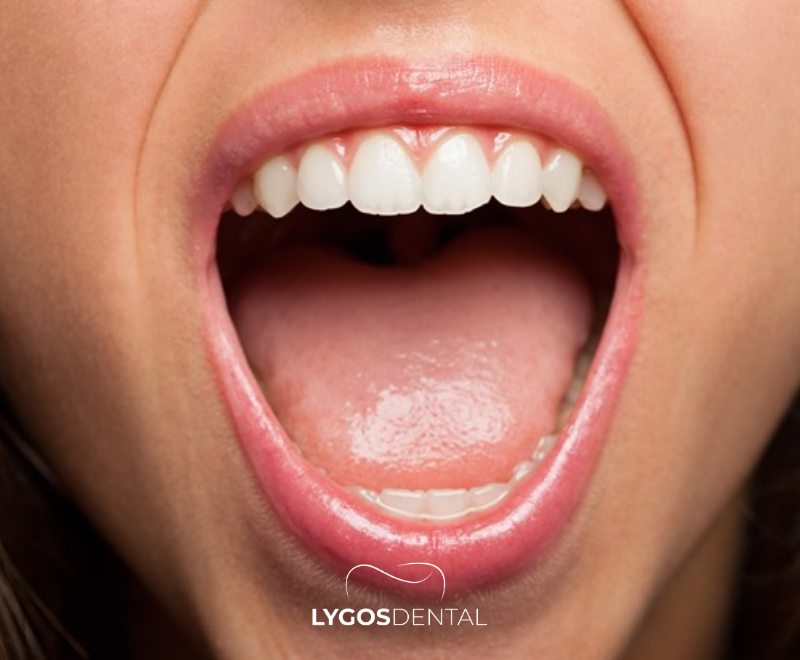
The oral microbiome is the community of microorganisms living on your teeth, tongue, gums, and saliva. It includes both helpful and potentially harmful species. A healthy microbiome is usually defined by balance: beneficial microbes are plentiful enough to keep problem-causing microbes in check.
Why A Balanced Oral Microbiome Matters
A stable oral microbiome helps protect enamel and gum tissue by limiting acid production and inflammation. It also supports the earliest steps of digestion by helping break down food and by stimulating normal saliva flow.
Research also links poor gum health and oral dysbiosis with wider health concerns. These connections are still being studied, but keeping your mouth healthy is a sensible, low-risk step for whole-body health.
Common Signs Your Oral Microbiome May Be Off-Balance
- Bad breath that returns quickly after brushing
- Bleeding gums, tenderness, or persistent gum swelling
- Frequent cavities or noticeable sensitivity
- Dry mouth (especially on waking)
- White patches, recurring sores, or repeated oral infections
These signs can have many causes, so they’re not a diagnosis. If symptoms last more than a week or two, a dental check is worth it.
Daily Habits That Protect Healthy Mouth Bacteria
Brush, But Don’t Overdo It
Brush twice a day for two minutes, using a soft-bristled brush and gentle pressure. Harsh scrubbing can irritate gums and wear enamel. A fluoride toothpaste is still the standard choice for cavity prevention.
Clean Between Teeth Every Day
Floss, interdental brushes, or a water flosser help remove plaque where a toothbrush can’t reach. This is one of the fastest ways to reduce gum inflammation and keep bacterial levels in check.
Use Mouthwash With A Clear Purpose
Mouthwash can be helpful, but strong antiseptic formulas aren’t always needed for daily use. If you’re using chlorhexidine or another medicated rinse, follow your dentist’s guidance and use it for the recommended duration.
Don’t Treat Antibiotics Like A Shortcut
Antibiotics can be essential for certain infections, but unnecessary use can disrupt oral and gut bacteria. Only take them when prescribed, and follow the full course exactly as directed.
Habits That Can Disrupt The Oral Microbiome
- Smoking or any tobacco use
- Frequent sipping on sugary drinks (including sweetened coffee/tea)
- Snacking on refined carbs throughout the day
- Poor sleep and chronic stress
- Low water intake and ongoing dry mouth
If you want one high-impact change, start with sugar frequency. Reducing how often sugar hits your teeth usually matters more than reducing sugar “per day” in a single sitting.
How Diet Influences The Oral Microbiome
Food choices shape the mouth’s environment by changing acidity, saliva flow, and the fuel available to bacteria. Your goal is to support saliva and limit long stretches of low pH, which favors cavity-causing microbes.
Foods And Habits That Help
- Crunchy, fiber-rich produce (apples, carrots, leafy greens) to support saliva and gentle cleaning
- Dairy or calcium-rich foods to support enamel
- Water as the default drink between meals
- Sugar-free gum (especially after meals) to stimulate saliva
What To Limit
- Sticky sweets and frequent grazing on refined carbs
- Sodas, energy drinks, and acidic flavored waters
- Alcohol-heavy routines that dry the mouth
Natural Ways To Support The Oral Microbiome
“Natural” doesn’t always mean better, and it shouldn’t replace professional dental care. Still, a few low-risk options have some evidence behind them when used thoughtfully.
Oil Pulling With Coconut Oil
Some clinical research suggests coconut oil pulling may reduce plaque and gingivitis markers, though overall evidence quality is mixed. If you try it, swish gently for 5–10 minutes, then spit it into the trash (not the sink) and brush as usual. Stop if it irritates your jaw or gums.
Aloe Vera Mouthwash
Aloe vera mouthwash has shown plaque and gingivitis improvements in some studies, and it may be an option for people who dislike stronger antiseptics. Choose products intended for oral use and avoid DIY mixes if you have allergies or sensitivities.
Baking Soda Rinse (Occasional)
A mild baking soda rinse can help neutralize acids after very acidic foods. Use it occasionally rather than as an everyday habit, and avoid vigorous swishing if your gums are inflamed.
Oral Probiotics
Certain probiotic strains have been studied for bad breath and gum health, with some trials showing benefit and others showing limited effect. If you use an oral probiotic, pick a reputable brand, follow the label directions, and reassess after 4–8 weeks. People with immune conditions should check with a clinician first.
When To See A Dentist
See a dentist if you have persistent bleeding gums, pain, swelling, sores that don’t heal, or bad breath that doesn’t improve with cleaning. Professional cleanings remove hardened plaque (tartar) that home care can’t reach.
Frequently Asked Questions
What is the oral microbiome?
It’s the community of microorganisms living in your mouth. When it stays balanced, it supports healthier gums, fewer cavities, and more stable breath.
What happens when the oral microbiome is disrupted?
Harmful species can become dominant. This can raise the risk of cavities, gingivitis, and recurring infections, especially if plaque builds up.
Do probiotics help the oral microbiome?
They may help in certain cases, especially for halitosis or gum inflammation, but results depend on the strain and the person. They work best alongside strong daily hygiene habits.
Does oil pulling work?
It may modestly reduce plaque and gum inflammation in some studies, but it’s not a substitute for brushing, interdental cleaning, or dental care.
Emax Veneers Durability
Emax Veneers Durability
Emax veneers are thin lithium disilicate ceramic shells bonded to the front of teeth. In well-planned cases with healthy enamel, a stable bite, and good home care, they often last 10–15 years and may reach 20 years. Most problems come from overload, cracking, or debonding—risks reduced by careful bite design and, when needed, a night guard.
What Are Emax Veneers?
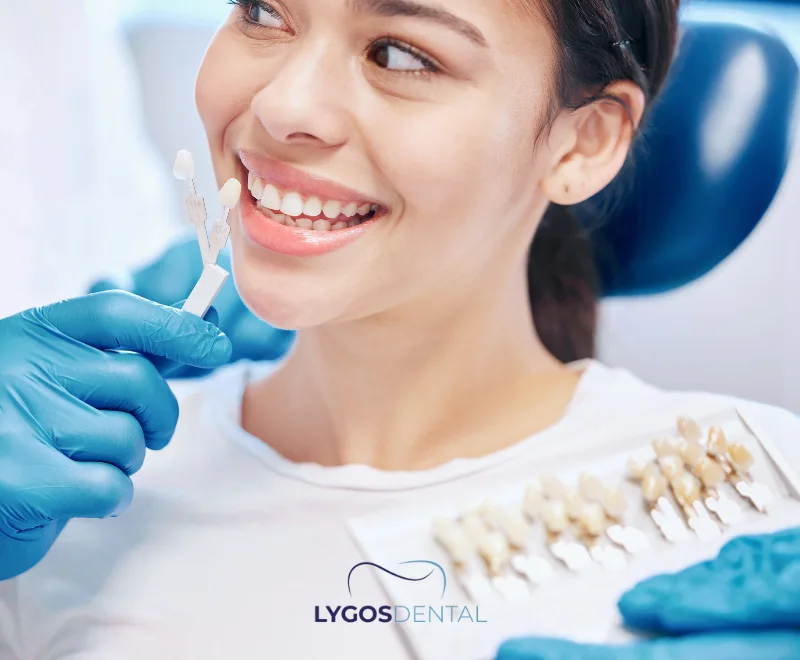
Emax veneers are custom-made ceramic restorations produced from lithium disilicate glass-ceramic. They’re commonly used on front teeth because their translucency and light transmission can closely mimic natural enamel. Many labs fabricate them using pressed or CAD/CAM workflows to achieve a precise fit and consistent thickness.
Why Emax Veneers Are Considered Durable
Lithium disilicate has a microstructure that helps resist cracking and chipping compared with more brittle traditional porcelains. Because Emax veneers can be made thin without sacrificing strength, dentists can often preserve more tooth structure while still achieving a stable restoration.
Durability also depends on how the veneer is bonded. When the veneer is adhesively cemented to sound enamel and the bite is carefully adjusted, the tooth and veneer behave more like a single unit, improving long-term performance.
How Long Do Emax Veneers Last?
There isn’t a single expiration date for veneers. Many patients can expect a service life of roughly 10–15 years, and longer outcomes are possible when the case is well planned and well maintained. Clinical reports of lithium disilicate restorations show strong 10-year performance, and long-term veneer studies of glass-ceramics report survival in the mid‑90% range around 10 years with gradual decline over longer follow-ups.
Your dentist will estimate longevity based on enamel quality, bite forces, and habits such as clenching or chewing hard objects. If you have bruxism, a night guard is often the difference between a veneer lasting years versus decades.
Emax vs Zirconia: Durability and Best Use Cases
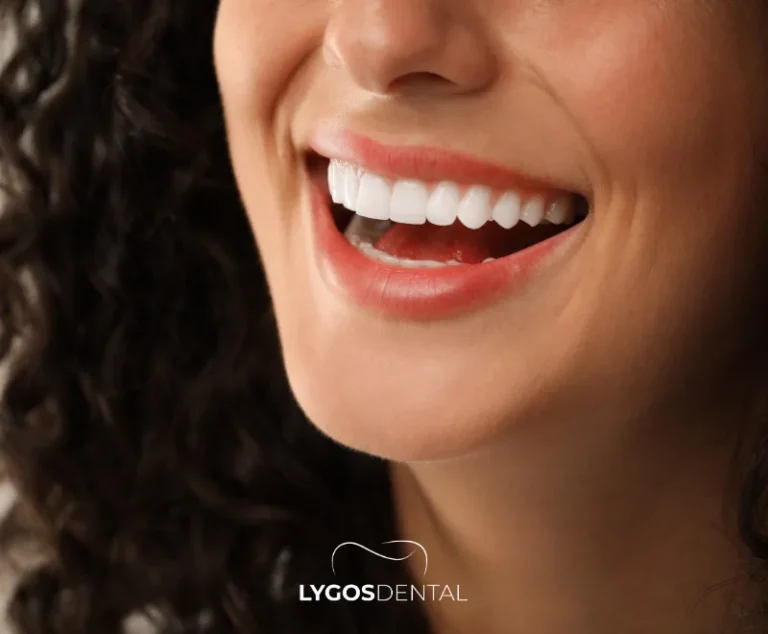
Emax and zirconia are both strong ceramics, but they’re typically chosen for different priorities. Zirconia is generally indicated for higher-load situations, while lithium disilicate is often selected for minimally invasive veneers and anterior crowns where optical integration matters.
In simple terms: choose Emax when a natural, enamel-like appearance is the top priority and bite forces are moderate; consider zirconia when strength under heavy load is the main concern. Your dentist may still recommend Emax on premolars in the right bite, but material choice should follow a functional evaluation—not aesthetics alone.
What Can Reduce the Durability of Emax Veneers?
- Teeth grinding or clenching (bruxism), which increases the risk of cracking or debonding.
- Uncontrolled bite forces, especially edge-to-edge biting or heavy anterior guidance.
- Chewing hard items such as ice, pens, or nail biting.
- Poor bonding conditions (limited enamel, moisture contamination, or an unsuitable cementation protocol).
- Inconsistent oral hygiene and gum inflammation, which can compromise margins over time.
Practical Tips to Make Emax Veneers Last Longer
- Brush twice daily with a non-abrasive toothpaste and floss consistently to protect the margins.
- Keep routine dental check-ups and professional cleanings so small issues are caught early.
- Wear a night guard if you grind or clench—especially during stressful periods.
- Use your teeth for eating, not for opening packages or biting hard objects.
- If you smoke, consider quitting; healthier gums support longer-lasting restorations.
Emax Veneers Durability FAQ
Are Emax veneers strong enough for everyday biting?
For most patients, yes—especially on front teeth where forces are typically lower than molars. Strength and longevity depend on a stable bite, proper bonding, and avoiding harmful habits like nail biting or chewing ice.
Can Emax veneers chip?
They can, but chipping is less common when the veneer is designed with adequate thickness, bonded to enamel, and protected from heavy clenching. If you have bruxism, a night guard significantly reduces risk.
Is zirconia always more durable than Emax?
Zirconia is often selected for high-load areas, but ‘more durable’ depends on the situation. Emax may outperform in cases where bonding to enamel and aesthetics are critical, while zirconia can be a better choice for heavy posterior forces.
When should an Emax veneer be replaced?
Replacement is considered if there’s a crack, repeated debonding, margin leakage, significant color mismatch, or gum recession that exposes the edge. Many issues can be corrected early if you keep regular follow-ups.
Can Root Canal Treated Teeth Be Whitened?
Can Root Canal Treated Teeth Be Whitened?
Yes. A root canal treated tooth can often be whitened using internal bleaching, where a dentist places a whitening gel inside the tooth to lift stains from within. Results depend on the cause of discoloration and the tooth’s structure. If whitening cannot deliver a stable shade, a veneer or crown may be recommended.
Why Root Canal Treated Teeth Change Color
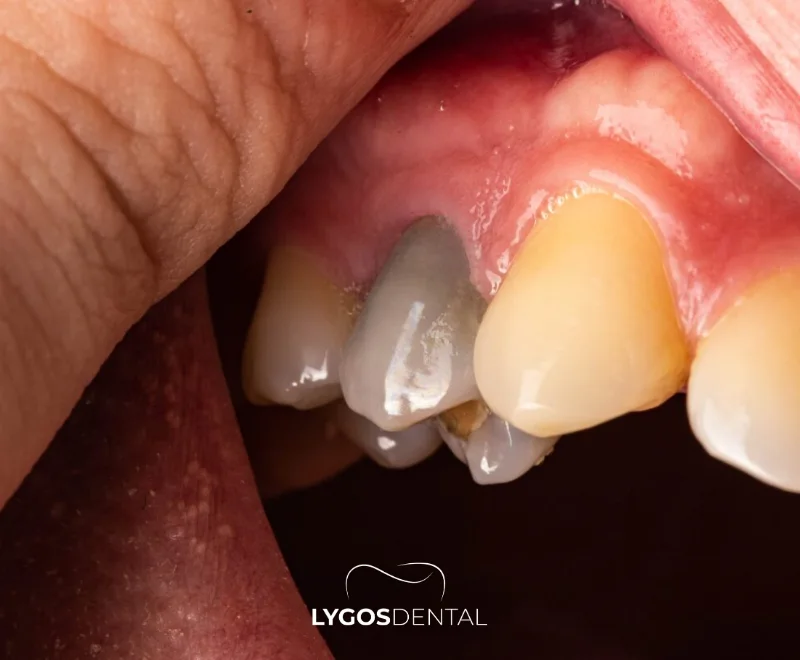
After a root canal, the tooth is no longer vital, which means it no longer has a blood supply. Over time, that can dull the tooth and change how light reflects through enamel and dentin. Discoloration is common, especially after trauma or deep decay.
- Residual pulp tissue or blood products can oxidize and darken the tooth from the inside.
- Some root canal materials and medicaments may contribute to gray or brown tones over time.
- Large fillings, cracks, or microleakage can allow pigments to penetrate dentin.
- Everyday stains from tea, coffee, red wine, and tobacco can make the shade mismatch more noticeable.
Whitening Options For A Root Canal Treated Tooth
Internal Bleaching (Non-Vital Whitening)
Internal bleaching is the main technique for a single dark tooth that has had a root canal. Your dentist creates a small access opening, places a protective barrier over the root filling, then applies a whitening agent inside the pulp chamber. The tooth is temporarily sealed and the gel is replaced over one or more visits until the color blends with neighboring teeth.
In-Office External Whitening
External whitening works on the outer enamel surface. It can help if the surrounding teeth are also being brightened, but it may not fully correct a dark non-vital tooth on its own. Dentists sometimes combine external whitening with internal bleaching to match shades more precisely.
Veneers Or Crowns
If the tooth has extensive restorations, a crack, or stubborn discoloration, covering the tooth may be more predictable than repeated bleaching. A porcelain veneer can mask color when enough enamel remains. A crown may be preferred when the tooth is heavily filled or structurally weakened.
How Long Does Whitening Take And How Long Do Results Last?
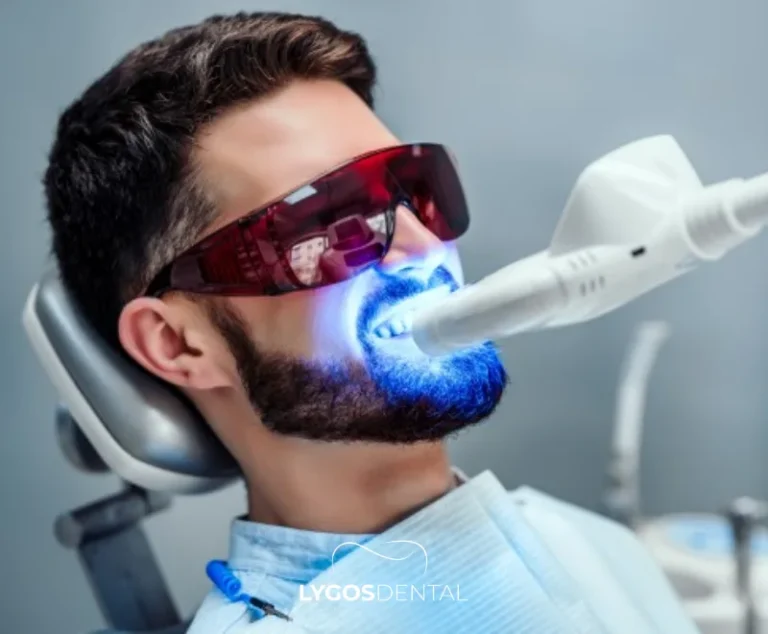
Internal bleaching is typically completed in one to three visits, spaced a few days apart. Many cases finish within one to two weeks, depending on how quickly the shade changes. Longevity varies, but many patients maintain the result for years with good hygiene and stain control.
What Affects The Outcome
- Cause of discoloration (trauma-related staining can behave differently than staining from old materials).
- Quality of the root canal seal and the presence of any leakage.
- Amount of remaining natural tooth structure and the size of existing restorations.
- Daily habits such as smoking and frequent intake of staining drinks.
Safety And Side Effects
When performed by a dentist, internal bleaching is generally considered conservative because it preserves more natural tooth structure than placing a crown solely to mask color. As with any dental procedure, there are risks. A rare but important complication is external cervical resorption, which is why clinicians use a protective cervical barrier and avoid unsafe techniques.
Do not try to whiten a root canal treated tooth with over-the-counter gels placed into the tooth. Non-vital whitening requires proper isolation, correct materials, and a seal that prevents leakage.
Aftercare Tips To Keep The Shade Stable

- Avoid strongly colored foods and drinks for 48 hours after each session.
- Brush twice daily and clean between teeth with floss or interdental brushes.
- Limit smoking and tobacco products, which are among the strongest staining factors.
- Schedule routine dental checkups so the restoration and seal can be monitored.
Cost Considerations In Turkey
Fees vary by city, clinic, and the number of sessions required. Many clinics set pricing based on whether the whitening is for a vital tooth (external) or a devital tooth (internal bleaching). In Turkey, the Turkish Dental Association publishes a guide tariff; clinics may charge above or below that guide depending on materials and service scope.
For reference, the 2026 guide tariff lists devital single-tooth whitening per session at 2,250 TL (excluding VAT) and 2,475 TL (including VAT), with restorations and material fees handled separately. A chairside exam is the only reliable way to estimate your total cost.
Frequently Asked Questions
Can every root canal treated tooth be whitened?
Many can, but not all respond the same way. Teeth with large restorations, cracks, or severe internal staining may need a veneer or crown for a stable cosmetic result.
Is internal bleaching painful?
It is usually comfortable because the nerve tissue has been removed. You may feel mild tenderness from the temporary filling or bite changes, which typically settles quickly.
Will the tooth become dark again?
Color relapse can happen over time. Good oral hygiene and limiting staining habits help the shade last longer, and touch-up treatment may be possible if needed.
Does whitening weaken the tooth?
Whitening itself is not meant to “thin” the tooth, but the tooth may already be structurally compromised from decay or large fillings. Your dentist will recommend the most protective option based on your bite and remaining tooth structure.
Most Preferred Dental Aesthetic Methods in 2026
Most Preferred Dental Aesthetic Methods In 2026
In 2026, patients most often choose minimally invasive, highly predictable dental aesthetic treatments: porcelain veneers for front teeth, zirconium crowns for strength and coverage, professional whitening for a brighter shade, and clear aligners for discreet orthodontics. Digital smile planning and 3D scans help match tooth shape, color, and gum levels to a natural-looking result.
Dental Aesthetics In 2026
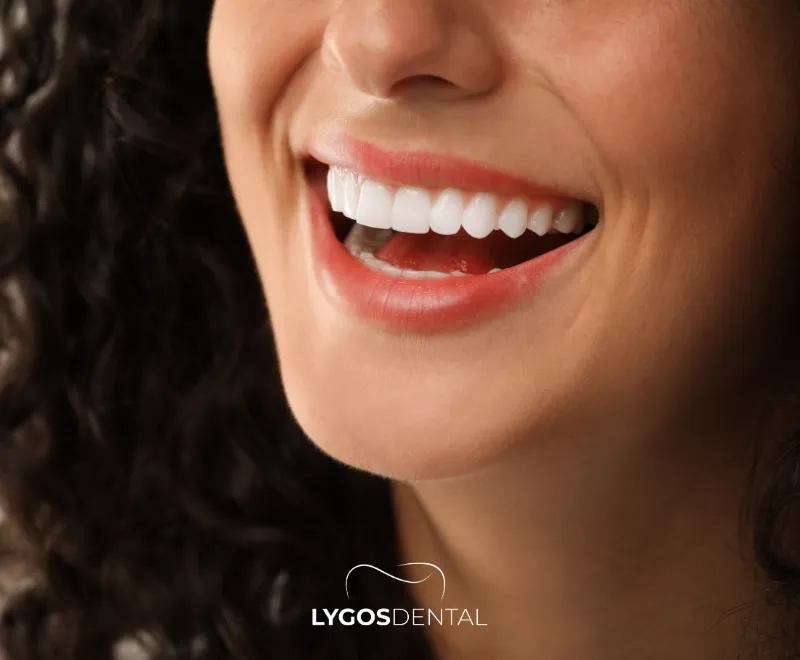
Dental aesthetics focuses on improving how teeth and gums look while protecting function, bite, and long-term oral health.
Demand keeps rising because modern clinics can plan treatment digitally. Intraoral scanners, 3D modeling, and CAD/CAM workflows make it easier to preview a proposed smile and keep outcomes consistent.
Social media has also changed expectations. Many patients now ask for natural symmetry and balanced tooth proportions rather than an overly white, uniform look.
Zirconium Crowns Vs Porcelain Veneers
Both options can deliver an aesthetic result, but they solve different problems and require different amounts of tooth preparation.
Zirconium Crowns
Best for:
- Teeth with large fillings, cracks, root canal treatment, or significant loss of structure, especially in the back.
Advantages:
- High strength and good fracture resistance
- Metal-free option with natural translucency in modern zirconia systems
- Useful when full coverage is needed to protect the tooth
Considerations:
- Usually requires more tooth reduction than veneers
- Shade and translucency depend on the zirconia type and lab work
- Bite forces and grinding habits may require a protective night guard
Porcelain Veneers (Laminates)
Best for:
- Front teeth with discoloration, minor chips, small gaps, or shape issues when the underlying tooth is otherwise healthy.
Advantages:
- Conservative preparation in many cases
- Excellent light transmission for a natural look
- Good option for redesigning tooth length and contour
Considerations:
- Not ideal for heavily filled or structurally weak teeth
- Edge chipping risk increases with nail-biting, ice chewing, or severe bruxism
- Color matching matters most at the margins, so gum health and hygiene are key
Hollywood Smile
A “Hollywood Smile” is not a single material. It is a coordinated smile design that aligns tooth color, shape, gum levels, and lip support.
Plans often combine veneers or crowns with whitening and, when needed, gum contouring. Digital mock-ups help confirm the midline, smile arc, and tooth proportions before any irreversible step.
The strongest results usually come from choosing a natural shade and respecting facial features, rather than chasing extreme whiteness.
Teeth Whitening Options
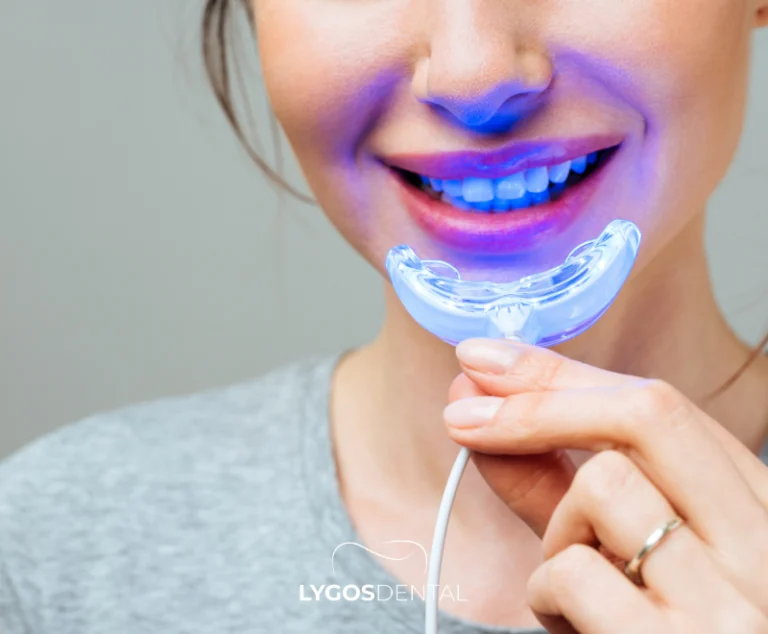
Whitening is one of the fastest ways to refresh a smile when stains are surface-level or mild to moderate in depth. Results depend on the starting shade, enamel condition, and the cause of discoloration.
In-Office Whitening
Performed under dentist supervision with protective barriers for gums. Many clinics use LED- or laser-assisted activation to shorten chair time and reduce uneven results.
At-Home Whitening
Uses custom trays and professional-grade gel. It takes longer than in-office treatment but allows gradual shade change and can be easier for sensitive teeth.
Hybrid Whitening
Combines a clinic session with a short at-home phase to stabilize the shade and improve longevity.
Orthodontic Clear Aligners
Clear aligners straighten teeth with a series of removable trays. They are popular with adults because they are discreet and make brushing and flossing easier than fixed braces.
Aligners work best when trays are worn consistently (often 20–22 hours per day). Attachments and refinement sets are common and help achieve precise movements.
Brand options vary by clinic. The most important factors are a proper diagnosis, realistic treatment goals, and regular follow-ups.
Typical Costs In 2026
Fees vary by city, clinician experience, lab quality, case complexity, and whether additional treatments (fillings, gum therapy, bite adjustments) are required. Many clinics quote in TRY, while medical-tourism clinics may quote in EUR or USD, so the TRY equivalent can change with exchange rates.
| Treatment | Indicative Range (Turkey) |
| Zirconium Crowns (Per Tooth) | 3,000 – 8,000 TRY |
| Porcelain Veneers (Per Tooth) | 4,000 – 12,000 TRY |
| Hollywood Smile (Comprehensive Design) | 50,000 – 150,000 TRY |
| Teeth Whitening | 1,500 – 8,000 TRY |
| Clear Aligners (Full Course) | 30,000 – 80,000 TRY |
How To Choose The Right Option
Start with a full exam, including gum health, bite analysis, and X-rays when indicated. Aesthetic work lasts longer when the foundation is stable.
Ask your dentist to show a digital preview or a temporary mock-up. It helps you confirm tooth length, shape, and shade before finalizing.
Discuss maintenance early. Whitening may need touch-ups, veneers and crowns may require a night guard if you grind, and aligners need retainers after treatment.
Frequently Asked Questions
What Are The Most Popular Dental Aesthetic Methods In 2026?
The most requested options are Hollywood Smile planning, porcelain veneers, zirconium crowns, professional whitening, and clear aligners. The right choice depends on whether you need color improvement, shape correction, strength and coverage, or tooth alignment.
Are Porcelain Veneers Better Than Zirconium Crowns?
Neither is “better” in every case. Veneers are suited to healthy front teeth that need aesthetic enhancement with conservative preparation. Zirconium crowns are chosen when the tooth needs full coverage for strength, especially after large restorations or root canal treatment.
Is Teeth Whitening Safe?
Whitening is generally safe when a dentist checks for cavities, worn enamel, and gum issues first and uses the right concentration for your teeth. Temporary sensitivity is common and can usually be managed with desensitizing products and shorter sessions.
How Much Does A Hollywood Smile Cost In 2026?
Costs vary widely based on the number of teeth treated, the material selected, and whether gum contouring or orthodontics is needed. Many patients receive a staged plan with a clear breakdown after a consultation.
Golden Ratio in Smile Design
Golden Ratio In Smile Design
In smile design, the golden ratio (about 1.618) is used as a visual guide for balancing the widths of the front teeth and how they sit within the lips and face. Dentists measure visible tooth proportions, gum symmetry, and smile line dynamics, then adjust shapes and spacing to create a natural, harmonious look that still fits the individual.
Smile design is a personalised plan that improves how the teeth, gums, and lips work together when you talk and smile. It combines aesthetics with function—so the result looks good, feels comfortable, and supports long-term oral health. The golden ratio is sometimes used during planning to check whether proportions look balanced to the eye.
What Is Smile Design?
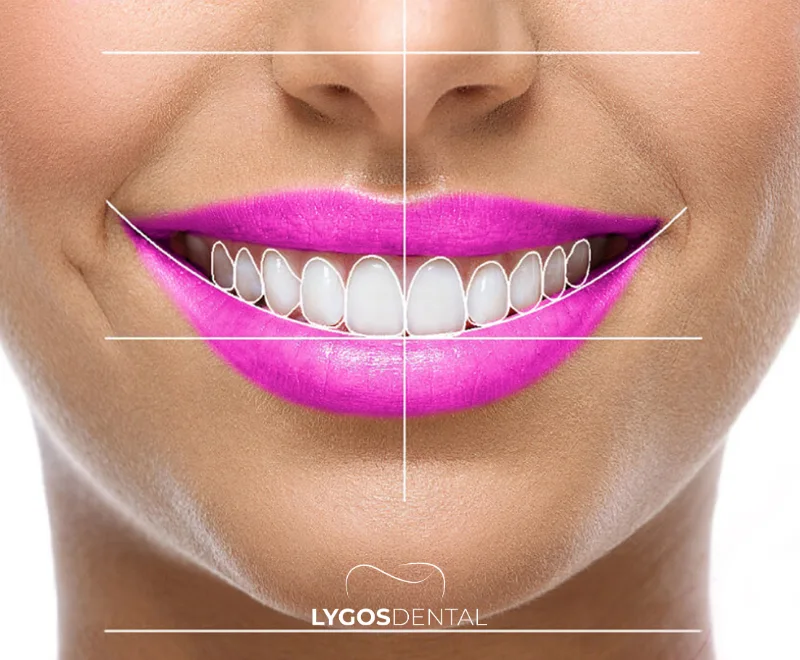
Smile design is the process of planning an ideal smile in harmony with a person’s facial features, lip movement, and oral health. It often starts with photographs, short videos, and dental scans so the dentist can analyse tooth display, gum levels, and bite function.
Depending on the case, treatment may include whitening, porcelain veneers, zirconia crowns, orthodontic alignment, or gum contouring. The goal is proportional harmony: the front teeth should look like they belong to the face, not like a “one-size-fits-all” template.
What Is The Golden Ratio?
The golden ratio (approximately 1.618) is a mathematical proportion that appears in many natural patterns and has been used in art and design. In dentistry, it’s treated as a reference point for visual balance—helpful during planning, but not a strict rule that every smile must follow.
How Dentists Use Golden Ratio Measurements In The Face
Facial proportions influence how we perceive a smile. During smile design, clinicians may check broad facial relationships—such as facial height to width, midline alignment, and how the lips frame the teeth—before choosing tooth shapes and display.
Common facial guidelines that are sometimes compared with the golden ratio include:
- Facial length ÷ facial width ≈ 1.6
- Inter-pupillary distance ÷ eye width ≈ 1.618
- Nose width ÷ mouth width ≈ 1.618
- Forehead, midface, and lower-face thirds that are visually balanced
How The Golden Ratio Is Measured In Teeth
In smile design, golden ratio calculations are usually discussed for the visible widths of the upper front teeth when viewed from straight on. A commonly cited relationship is:
- Central incisor visible width = 1.0 unit
- Lateral incisor visible width ≈ 0.618 units
- Canine visible width ≈ 0.382 units
These numbers describe how the teeth appear across the smile, not their true anatomical widths. Because tooth rotation, arch form, and camera angle change what is “visible,” dentists treat this as a starting point rather than a target.
Example: If a central incisor appears 8.5 mm wide from the front, a lateral incisor might look about 5.3 mm (8.5 × 0.618) in the same view. The canine’s visible width would be smaller again, because the tooth sits further back in the arch.
What Elements Are Considered In Smile Design?
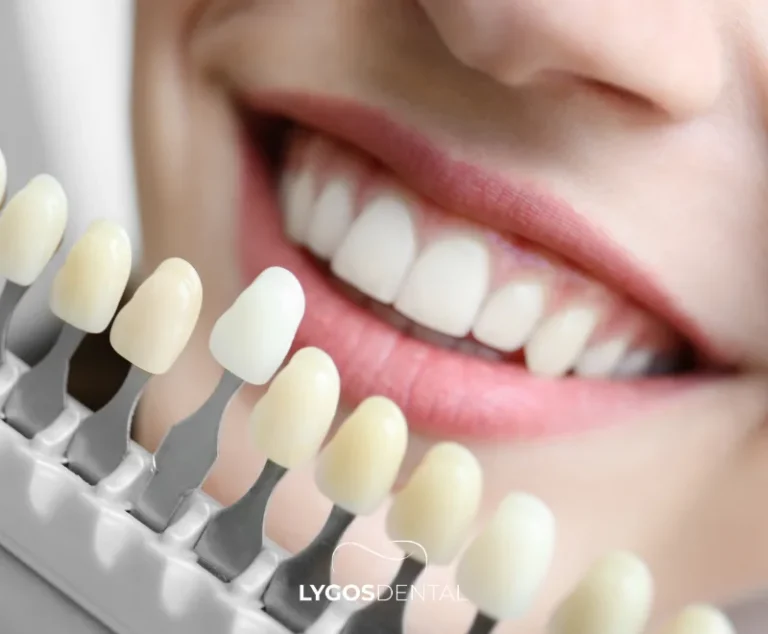
A complete smile design review looks beyond tooth size. Clinicians typically assess:
- Tooth colour and translucency (often supported by whitening before restorations)
- Tooth size, shape, and symmetry (including line angles and incisal edge position)
- Gum level and gum health (symmetry, inflammation control, and “gummy smile” factors)
- Lip shape and mobility (how much tooth shows at rest and during a full smile)
- Facial shape and smile arc (how the incisal edges follow the lower lip line)
- Age and gender expression preferences (softer vs sharper forms, when appropriate)
How The Golden Ratio Is Applied In A Smile Design Workflow
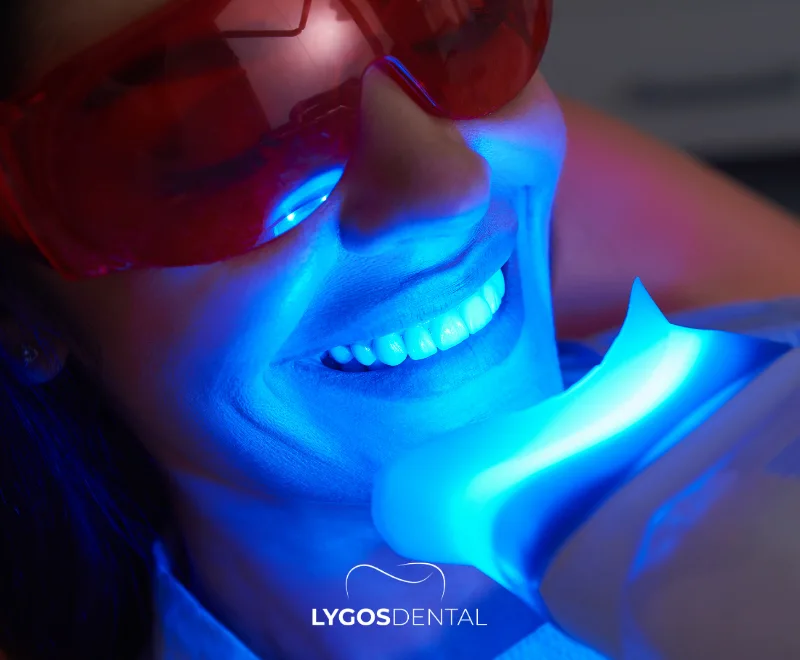
In modern practice, golden ratio checks are typically built into a broader digital workflow. A typical sequence looks like this:
- 1. Photography and measurements: facial and intraoral photos (often with video) plus digital scans.
- 2. Digital Smile Design (DSD): software simulation to test tooth proportions, midline, and smile arc.
- 3. Treatment planning: selection of procedures such as whitening, veneers, crowns, orthodontics, or gum reshaping.
- 4. Mock-up or trial smile: a temporary preview (when appropriate) to validate aesthetics and speech comfort.
- 5. Final delivery and follow-up: final restorations plus bite checks and hygiene guidance.
Where The Golden Ratio Helps—and Where It Doesn’t
The golden ratio can be useful for communicating “balance” between teeth, especially when planning veneer or crown widths. Still, research across different populations shows that naturally attractive smiles often do not match a single fixed ratio. That’s why many clinicians prefer flexible frameworks (such as percentages or recurring aesthetic proportions) over strict formulas.
For durable results, function and biology must lead the plan. Bite stability, enamel thickness, gum health, and restorative material limits will often set the boundaries for what is realistic—even if a ratio looks ideal on screen.
Golden Ratio In Smile Design FAQ
Why is the golden ratio used in smile design?
Because it provides a simple visual reference for harmony between the front teeth and the face. Used carefully, it can help guide tooth width dominance (central vs lateral vs canine) and support a balanced, natural look.
How is the golden ratio applied to the front teeth?
Clinicians measure the visible widths of the upper front teeth from a straight-on view and compare the proportions as the teeth move toward the corners of the smile. If changes are needed, they may adjust tooth shape, spacing, or alignment through orthodontics or restorations.
Do teeth need to be healthy before starting smile design?
Yes. Any active decay, gum disease, or bite instability should be treated first. Aesthetic dentistry lasts longer when the foundation—clean gums, stable bite, and good oral hygiene—is in place.
Is the golden ratio applied differently for men and women?
The mathematics do not change, but the design choices can. Some patients prefer softer contours and rounded line angles, while others prefer squarer forms and stronger definition. A good plan matches the person’s facial features and preferences rather than forcing a single template.
Laminate Veneer Prices
Laminate Veneer Prices In Turkey For 2026
In Turkey, laminate veneer prices in 2026 vary mainly by material (porcelain vs. e.max), the dentist’s experience, and how many teeth are treated. Many clinics quote roughly ₺9,500–₺26,400 per tooth, with premium cases sometimes higher. A clear treatment plan after an exam is the only way to get an exact figure.
What Is A Laminate Veneer?
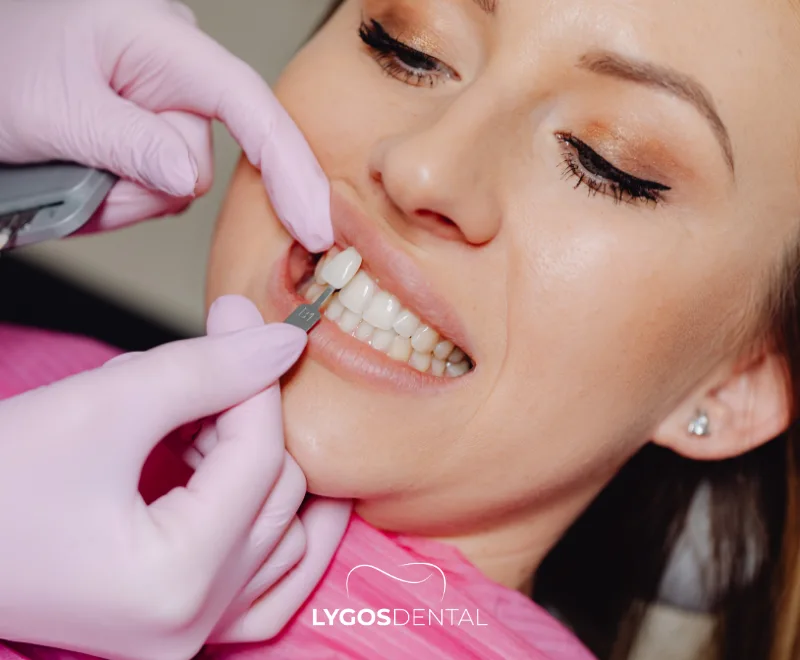
A laminate veneer is a thin porcelain shell bonded to the front surface of a tooth to improve color, shape, or alignment. It’s commonly used for stains that don’t respond to whitening, minor chips, uneven edges, and small gaps. Because the veneer sits on the visible surface, it can deliver a natural look with minimal change to the tooth.
Who Is A Good Candidate?
Most patients with healthy enamel, stable gums, and good oral hygiene can be considered for laminate veneers. They may not be the best option if you have untreated gum disease, heavy tooth grinding, or large fillings that weaken the tooth. A clinical exam is essential, since the best plan depends on bite, enamel thickness, and the cosmetic goal.
How Laminate Veneers Are Applied
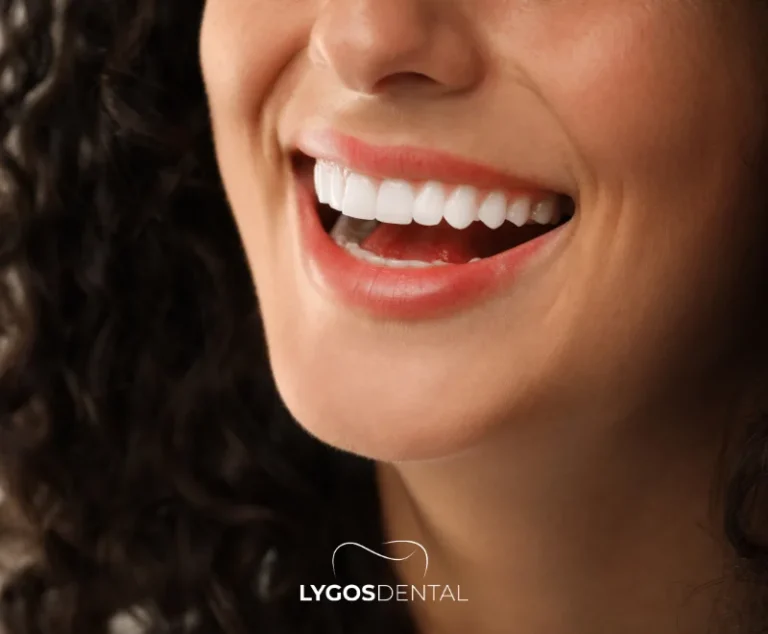
Treatment usually takes two or three visits. The exact steps depend on whether the case is ‘no-prep’, minimal-prep, or requires small reshaping for a clean fit.
Visit 1: Planning And Preparation
Your dentist evaluates your teeth and bite, discusses the shade and shape you want, and checks gum health. If needed, a very thin layer of enamel is removed to create space for the veneer. Digital scans or impressions are taken and sent to the lab, and temporary veneers may be placed in some cases.
Visit 2: Try-In And Bonding
Once the veneers are ready, your dentist tests the fit and color, then bonds them with dental adhesive systems designed for porcelain. The bonding stage is technique-sensitive and takes time, since each tooth is isolated and cured carefully. Many patients find the process comfortable; local anesthetic can be used if enamel preparation was done.
Advantages And Limitations
Laminate veneers are popular because they can look very natural when planned well. They also have limits, especially if you have habits that put extra force on the front teeth.
Main Advantages
- Natural aesthetics with strong control over shape and shade.
- Conservative approach when compared with full crowns, since less tooth structure is removed.
- Good color stability with quality porcelain and proper polishing.
- Fast cosmetic improvement once planning is complete.
Potential Disadvantages
- Veneers can chip or fracture with trauma, biting hard foods, or nail-biting.
- Costs are higher than many direct composite options.
- Not ideal for uncontrolled bruxism (teeth grinding) unless protective measures are used.
- Because the tooth surface is altered, the procedure is not reversible.
Are Laminate Veneers Permanent?
Laminate veneers are a long-term treatment, not a temporary cosmetic fix. Many last 10–15 years, and longer with good hygiene, regular checkups, and a stable bite. Avoiding edge-biting habits and using a night guard when recommended can make a major difference.
Laminate Veneer Prices In 2026
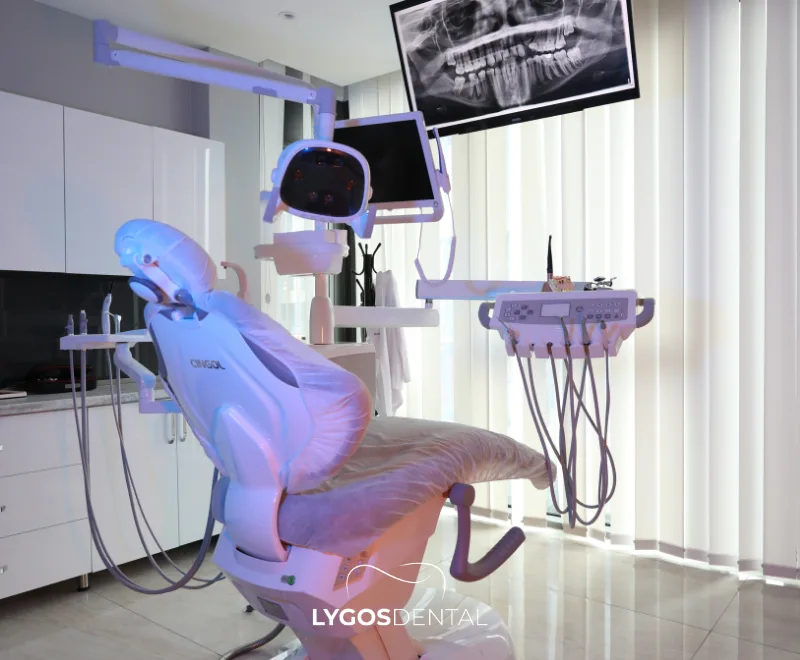
Prices vary widely between cities and clinics, so published ranges should be treated as a starting point. Your final quote depends on the plan for your smile, the material selected, and any extra treatments needed beforehand.
Typical Price Range Per Tooth
Across Turkish clinics, laminate veneer pricing in 2026 is often quoted in a broad band. Some clinics list porcelain laminate ranges around ₺9,500–₺13,000 per tooth, while premium ceramic options can reach ₺20,000+ per tooth. Examples of published clinic pricing place laminate veneer (yaprak porselen) figures up to roughly ₺26,400 per tooth in 2026.
What The Price Usually Includes
- Initial assessment and smile planning (varies by clinic).
- Tooth preparation when needed, plus digital scan or impression.
- Lab work for the veneer (material and technique affect cost).
- Bonding appointment and final bite checks.
- Short-term follow-up visits in the early adaptation phase (clinic-dependent).
Factors That Affect Laminate Veneer Costs
Two patients can receive the same number of veneers and still receive different quotes. These are the main cost drivers you should compare when choosing a clinic.
- Number of teeth: More units increase total cost, though package pricing is common for 6–10 teeth.
- Material choice: Standard porcelain, e.max (lithium disilicate), or other ceramics affect both aesthetics and price.
- Dentist’s expertise: Cosmetic specialists may charge more, especially for complex cases and shade matching.
- Clinic location and overhead: Larger cities and high-demand districts tend to be priced higher.
- Technology and lab standards: CAD/CAM workflows and premium lab work usually cost more.
- Extra treatments: Cleaning, gum therapy, whitening, or bite adjustments can add to the total.
Frequently Asked Questions
Who Is Suitable For Laminate Veneers?
Patients with healthy teeth and gums, adequate enamel, and realistic expectations are typically good candidates. If you grind your teeth, your dentist may recommend a night guard or a different treatment.
Why Do Prices Vary So Much?
The largest differences come from material type, lab quality, the dentist’s experience, and whether extra procedures are required. Published price lists are rarely final; a clinical exam and a written treatment plan provide the most reliable quote.
How Do You Care For Veneers?
Brush and floss daily, attend regular dental checkups, and avoid using your teeth as tools. If you bite hard foods with your front teeth, switch to cutting food into smaller pieces. When bruxism is present, wearing a night guard can protect veneers and natural teeth.
Aesthetic Dental Treatments Preferred by Celebrities
Aesthetic Dental Treatments Popular With Celebrities
Public figures often choose cosmetic dental treatments that look natural on camera and hold up under a busy schedule. The most common options include smile makeover planning (often called a Hollywood Smile), porcelain veneers, zirconia crowns, composite bonding, and professional whitening. The best choice depends on tooth health, bite, timeline, and the level of change you want.
What A Hollywood Smile Means In Dentistry

A “Hollywood Smile” is a smile makeover plan rather than a single treatment. Dentists combine a few procedures to improve tooth colour, symmetry, and gum balance while keeping the result believable up close and on screen.
Depending on the case, the plan may include whitening, veneers or crowns, minor alignment changes, and gum contouring. The goal is consistency: teeth that look evenly shaped and bright without appearing unnaturally flat or opaque.
Porcelain Veneers
Porcelain veneers are thin, custom-made shells bonded to the front of the teeth. They can change colour, shape, length, and the appearance of minor misalignment in a controlled way.
Veneers are popular for camera work because they resist staining better than many alternatives and can be designed to match facial features. With good oral hygiene, routine check-ups, and protection against grinding, porcelain veneers commonly last around 10–15 years, and sometimes longer.
Zirconia Crowns
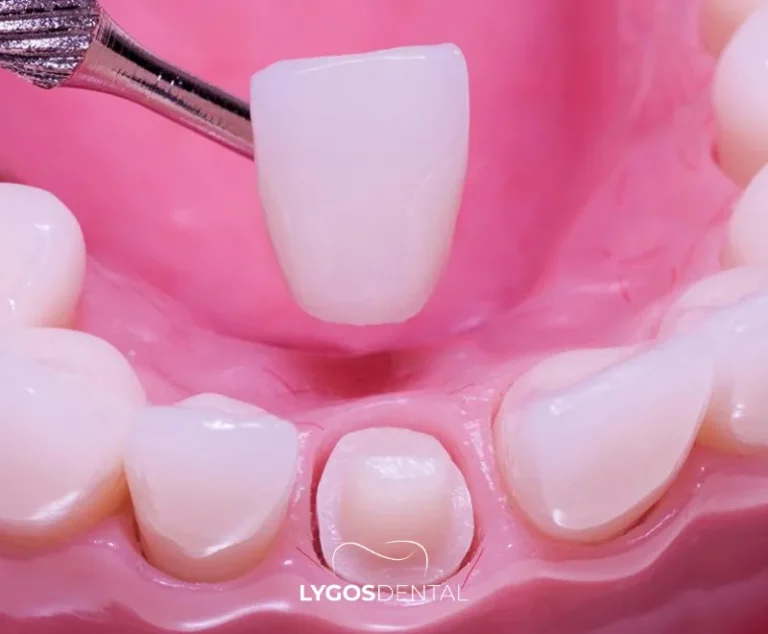
Zirconia crowns cover the entire tooth and are chosen when a tooth needs more structural support than a veneer can provide. They’re valued for strength and for a more natural look compared with older metal-backed crowns.
Modern zirconia materials can transmit light in a way that helps the restoration blend with natural enamel. Your dentist will choose the right type for the tooth position and your bite, since some versions prioritise durability over translucency.
Composite Bonding
Composite bonding uses a tooth-coloured resin to correct small cosmetic issues such as chips, fine cracks, uneven edges, or mild gaps. It’s a conservative option because it often requires little to no removal of natural tooth structure.
Bonding can be completed quickly, which is helpful when someone wants a visible improvement without a long treatment timeline. Like any cosmetic restoration, durability depends on bite forces, habits, and maintenance.
Professional Teeth Whitening
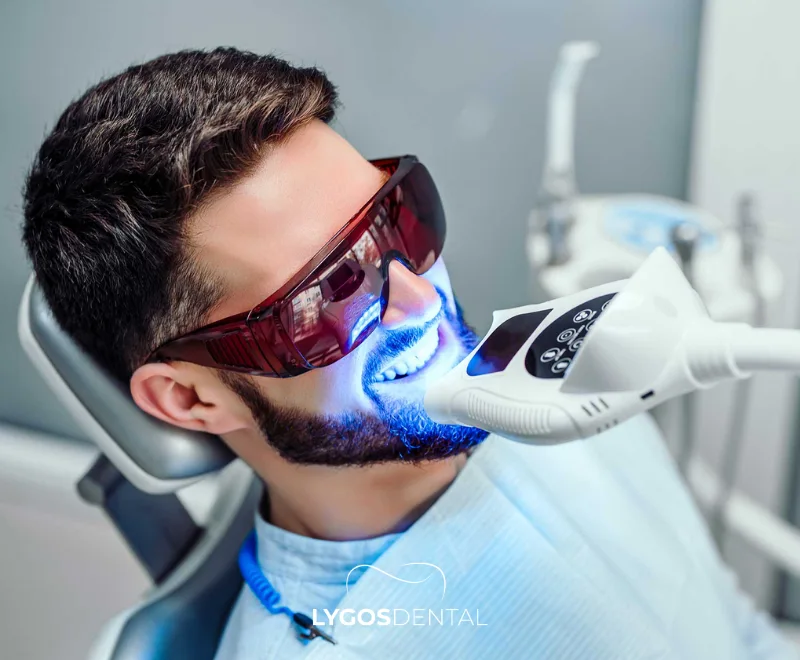
Professional whitening (bleaching) brightens natural tooth enamel using dentist-supervised gels, sometimes combined with light or laser systems. It’s one of the simplest ways to refresh a smile for events, filming, or photography.
Whitening works best for external staining and general yellowing. For deeper discolouration or older fillings and crowns that don’t change colour, your dentist may recommend a combination approach, such as whitening first and then matching restorations to the new shade.
What Celebrities And Public Figures Prioritise
Despite the headlines, most public-facing patients ask for the same things: a natural finish, predictable results, and a treatment plan that fits their schedule. The best cosmetic work is rarely “one-size-fits-all.”
Experienced clinicians usually start with oral health and bite stability, then plan the cosmetic changes. That may mean treating gum inflammation, addressing cavities, or managing grinding before committing to veneers or crowns.
Frequently Asked Questions
Which cosmetic dental treatments are most commonly requested?
Smile makeover planning (Hollywood Smile), porcelain veneers, zirconia crowns, composite bonding, and professional whitening are among the most requested options. Each one targets a different level of change, from subtle refinements to full smile redesigns.
What’s the difference between a Hollywood Smile and a single procedure?
A Hollywood Smile describes a customised plan that may combine multiple treatments. A single procedure, such as whitening or bonding, focuses on one issue and is usually quicker, but it can’t solve every aesthetic concern on its own.
Can these treatments work for anyone?
Many people are suitable candidates, but the right option depends on tooth health, gum condition, and bite forces. A clinical exam is essential, especially for patients with heavy grinding, untreated gum disease, or significant crowding.
How long do porcelain veneers last?
High-quality porcelain veneers commonly last around 10–15 years with proper care. Lifespan is strongly influenced by oral hygiene, regular dental visits, and habits like grinding or using teeth as tools.
Gum Problems in the Elderly
Gum Problems in the Elderly
Gum problems are common in older adults and can progress from mild gum inflammation to advanced periodontitis and tooth loss. Watch for bleeding, swelling, bad breath, receding gums, and loose teeth. With timely dental care, good daily cleaning, and management of dry mouth and chronic conditions, most cases can be controlled.
As we age, gum tissue can become more vulnerable to inflammation and infection. Changes in dexterity, medications that cause dry mouth, and long-term health conditions can make gum disease easier to develop and harder to notice early.
The good news is that most gum problems respond well to early treatment and consistent home care. The sections below cover symptoms to watch for, common risk factors, treatment options, and practical tips for seniors and caregivers.
Symptoms Of Gum Problems In The Elderly
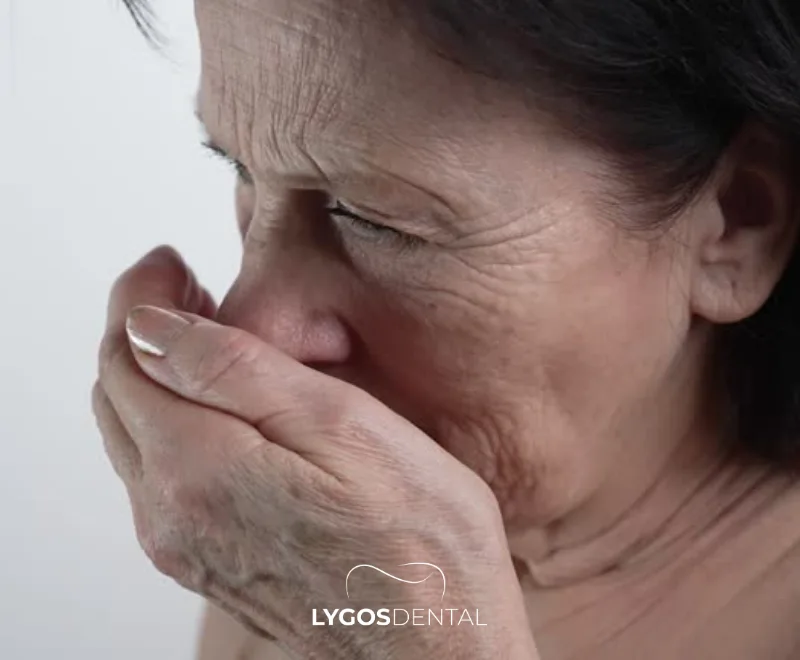
Table of Contents
Gum disease often starts quietly. If symptoms are missed, it can progress and increase the risk of tooth loosening or tooth loss.
- Red, swollen, or tender gums
- Bleeding during brushing or flossing
- Persistent bad breath or a bad taste
- Gums pulling away from the teeth (gum recession)
- Sensitive teeth or exposed roots
- Teeth that feel loose or a bite that feels different
If you notice these changes, schedule a dental visit. Earlier care usually means simpler treatment and better comfort.
Risk Factors For Gum Problems In The Elderly
Several factors can increase the likelihood of gum disease in older adults. Knowing what applies to you helps you prevent flare-ups and catch issues sooner.
- Age-related tissue changes: gums may thin and attachments can weaken over time
- Oral hygiene challenges: arthritis, tremor, or reduced mobility can make brushing and flossing harder
- Smoking or tobacco use: reduces blood flow to the gums and slows healing
- Diabetes and other chronic conditions: can raise inflammation and affect infection control
- Dry mouth (often medication-related): less saliva makes plaque build up faster
- Nutritional gaps: low intake of key nutrients can affect gum resilience and healing
Common Types Of Gum Disease In Older Adults
Treatment options vary depending on the stage of the disease and the patient’s general condition. Key treatment methods include:
- Professional dental cleaning (prophylaxis): To remove plaque and tartar buildup.
- Deep cleaning (scaling and root planing): To remove inflamed tissues below the gumline.
- Antibiotic therapy: Short-term antibiotic use may be required to control infections.
- Surgical interventions: In advanced cases involving gum recession or bone loss.
- Regular follow-up: Ongoing dental check-ups are critical after treatment.
These interventions are crucial for halting the progression of gum disease and maintaining oral health in the elderly.
Dental Implants in the Elderly
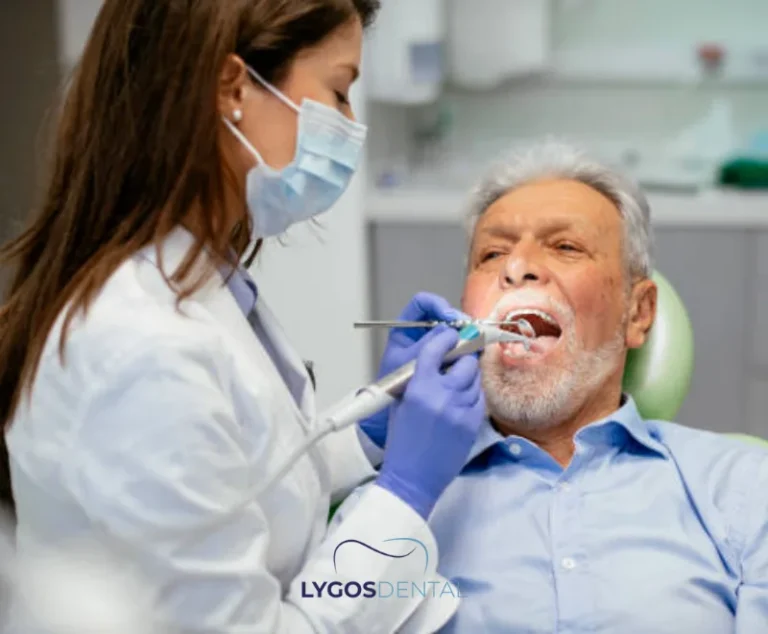
Since tooth loss is common in older age, dental implants have become a popular replacement option. However, gum health must be stabilized before implant placement. Infected gums can prevent successful integration of implants and lead to treatment failure. Therefore:
- Gum disease should be treated first
- Proper oral hygiene must be ensured
- Bone structure suitability must be assessed
When properly planned, implant treatment can provide both aesthetic and functional benefits for seniors.
At-Home Gum Care for the Elderly
The two most common gum conditions are gingivitis and periodontitis. Both start with plaque (bacterial buildup), but they affect different levels of the supporting tissues.
Gingivitis
Gingivitis is inflammation of the gums. It often causes redness and bleeding, but it has not yet damaged the bone that supports the teeth. With thorough cleaning and improved daily care, gingivitis is usually reversible.
Periodontitis
Periodontitis develops when inflammation spreads deeper under the gumline. It can lead to gum recession, bone loss, and tooth mobility. Treatment can stop or slow progression, but lost bone and attachment do not fully grow back without advanced procedures.
How Gum Disease Can Affect Overall Health
Gum infections can contribute to ongoing inflammation in the body. Studies have found associations between periodontitis and conditions such as cardiovascular disease, diabetes control, and some respiratory infections. Treating gum disease is one practical step toward better overall health, especially for people with chronic illnesses.
Treatment Options For Gum Problems In The Elderly
Treatment depends on severity, overall health, and the ability to keep the mouth clean during healing. A dentist or periodontist will usually start with the least invasive option and reassess after healing.
- Professional cleaning: removes plaque and tartar above the gumline
- Scaling and root planing (deep cleaning): clears deposits below the gumline and smooths root surfaces
- Targeted medications: antimicrobial rinses or short-term antibiotics when infection control is needed
- Gum or bone procedures: considered for advanced recession, deep pockets, or significant bone loss
- Maintenance visits: regular check-ups help prevent relapse after treatment
When To Contact A Dentist Quickly
Seek prompt dental advice if there is facial swelling, pus, fever, severe pain, sudden tooth mobility, or bleeding that does not stop. These can be signs of an abscess or a fast-moving infection.
Dental Implants In The Elderly
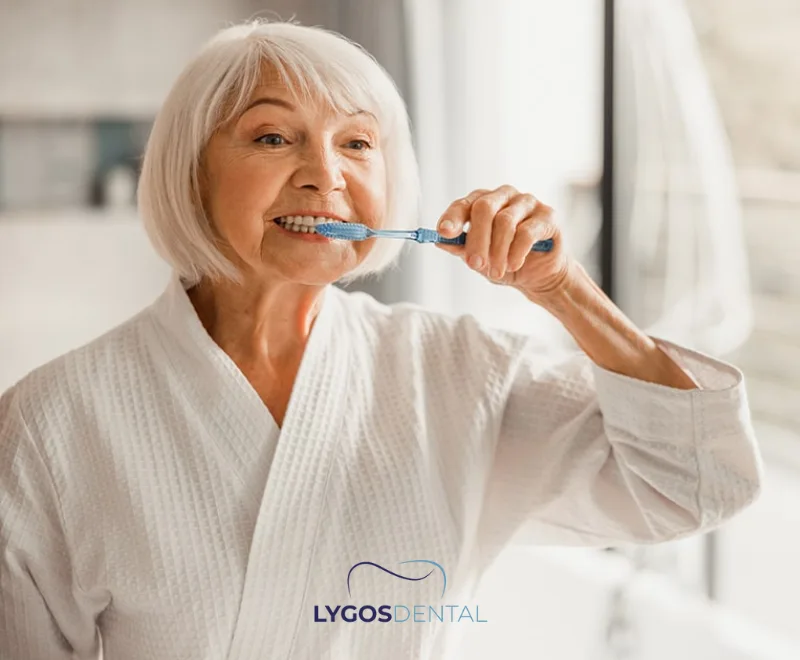
Dental implants can be a reliable option for replacing missing teeth in seniors, but the gums and supporting bone must be healthy enough for predictable healing. Active gum infection raises the risk of implant complications.
- Treat gum disease first and confirm stability
- Review medications and medical conditions that may affect healing
- Assess bone volume and quality with dental imaging
- Plan maintenance care to prevent inflammation around implants (peri-implant disease)
At-Home Gum Care Tips For Older Adults
Daily habits make the biggest long-term difference. If brushing and flossing are difficult, small tool changes often help more than trying harder with the same routine.
- Brush twice a day with a soft-bristled toothbrush; an electric brush can make technique easier
- Clean between teeth daily using floss, floss holders, or interdental brushes (choose what you can use consistently)
- Use fluoride toothpaste and ask your dentist whether an antimicrobial rinse is appropriate
- Stay hydrated and manage dry mouth; discuss saliva substitutes or medication adjustments with your clinician when needed
- Choose a balanced diet with adequate protein, fruits, and vegetables; limit frequent sugary snacks
- Avoid tobacco and reduce alcohol, since both can irritate tissues and slow healing
- Keep regular dental visits for early detection and maintenance
Tips For Caregivers
For seniors who need help, try brushing at the same time each day, use a small-headed soft brush, and keep lighting bright. If there are dentures, clean them daily and remove them at night unless the dentist advises otherwise.
Gum Problems In The Elderly FAQ
When is it too late to reverse gum disease?
It’s too late once periodontitis causes irreversible attachment or bone loss.
What is the best home remedy for gum disease?
Brushing twice daily and cleaning between teeth is the best home care for gum disease.
Can you repair receding gums?
Yes—receding gums can be repaired with periodontal treatment and gum graft surgery.
What toothpaste is good for receding gums?
A stannous-fluoride toothpaste helps reduce gingivitis and protect exposed roots.
Can I live a long life with gum disease?
Yes—with treatment and maintenance, gum disease can be controlled long-term.
How long do you have gum disease before teeth fall out?
Untreated periodontitis can lead to tooth loss over years to decades.
How Should Dental Care Be Done in the Summer Months?
Summer Dental Care: How To Protect Teeth And Gums In Hot Weather
Quick answer: Summer heat, travel, and sugary drinks can make cavities and gum irritation more likely. Stay on track by drinking water often, brushing twice daily with fluoride toothpaste, flossing once a day, and limiting acidic or sugary beverages. After acidic foods or drinks, rinse with water and wait 30–60 minutes before brushing.
Why Summer Can Be Hard On Oral Health
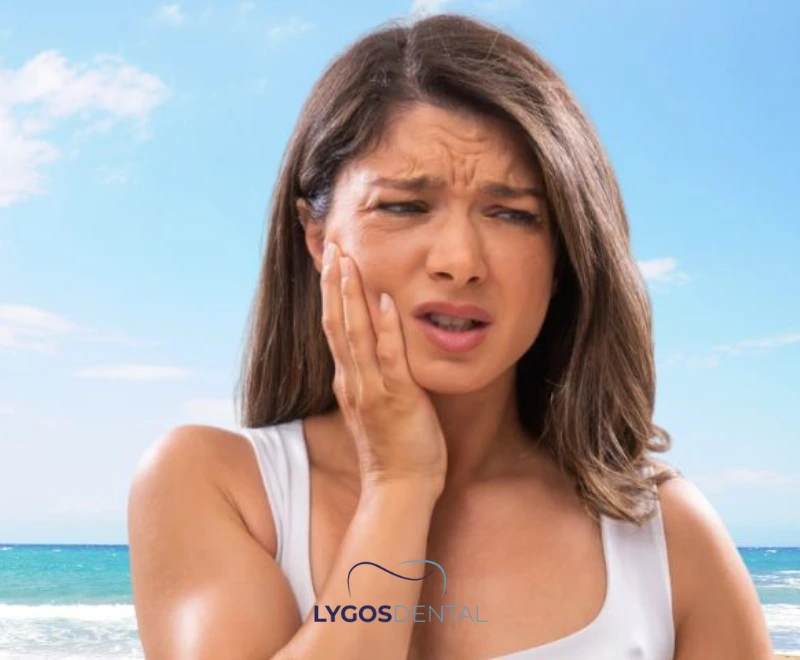
Summer routines often include more snacks, iced drinks, and longer days out of the house. Those habits can raise your exposure to sugar and acid, which weakens enamel over time.
Hot weather also increases fluid loss. When you’re dehydrated, saliva flow may drop, leaving the mouth drier and less able to wash away acids and bacteria.
Daily Summer Oral Hygiene Basics
Hydrate To Prevent Dry Mouth
Water helps maintain saliva flow, which naturally protects enamel and supports healthy gums. Sip water throughout the day, especially after time in the sun, exercise, or air travel.
If your mouth still feels dry, sugar-free gum can help stimulate saliva. Persistent dry mouth is worth discussing with a dentist, especially if you notice bad breath or more sensitivity.
Brush And Floss Consistently
Keep the basics simple and non-negotiable, even on busy days:
- Brush for two minutes, morning and night, using a soft-bristled brush.
- Use fluoride toothpaste to strengthen enamel.
- Clean between teeth daily with floss or interdental brushes.
- If you use mouthwash, choose a fluoride option and use it at a different time than brushing.
Timing Matters After Acidic Foods And Drinks
Cold sodas, citrus juices, sports drinks, and many iced coffees are acidic. Acid softens enamel for a short time, so brushing right away can be too abrasive.
Rinse with water first, then wait at least 30 minutes (up to an hour after very acidic drinks) before brushing.
Smarter Choices For Summer Drinks
Frequent sipping is tougher on teeth than having a drink with a meal. The mouth stays acidic longer, which increases the risk of enamel wear and decay.
To reduce damage when you do have sugary or acidic drinks:
- Use a straw to limit contact with teeth, especially for iced coffee and soda.
- Avoid slowly sipping over long periods; finish the drink in a shorter window.
- Rinse your mouth with water afterward.
- Choose water, milk, or unsweetened options more often.
Ice Cream And Sweets Without The Damage

Ice cream and summer desserts often combine sugar with cold temperatures, which can trigger sensitivity and feed decay-causing bacteria.
Practical ways to lower the risk:
- Enjoy sweets with a main meal rather than grazing between meals.
- Drink water afterward to help neutralize acids and rinse sugar away.
- Wait 30–60 minutes before brushing if the dessert was acidic or very sugary.
- Pick smaller portions or less frequent treats when possible.
Keeping Up With Brushing While Traveling
Vacations can disrupt routines, so make oral care easy to follow. Pack your kit where you can see it, like the top of your toiletry bag.
Helpful habits on the road:
- Keep a travel toothbrush and toothpaste in your day bag for long outings.
- Set a nightly phone reminder so brushing doesn’t get skipped.
- For children, use a simple reward chart or a short song timer to keep brushing consistent.
If you’re leaving for a long trip, a dental check-up beforehand can prevent surprises like a lost filling or a flare-up of sensitivity.
Travel Oral Care Kit Checklist
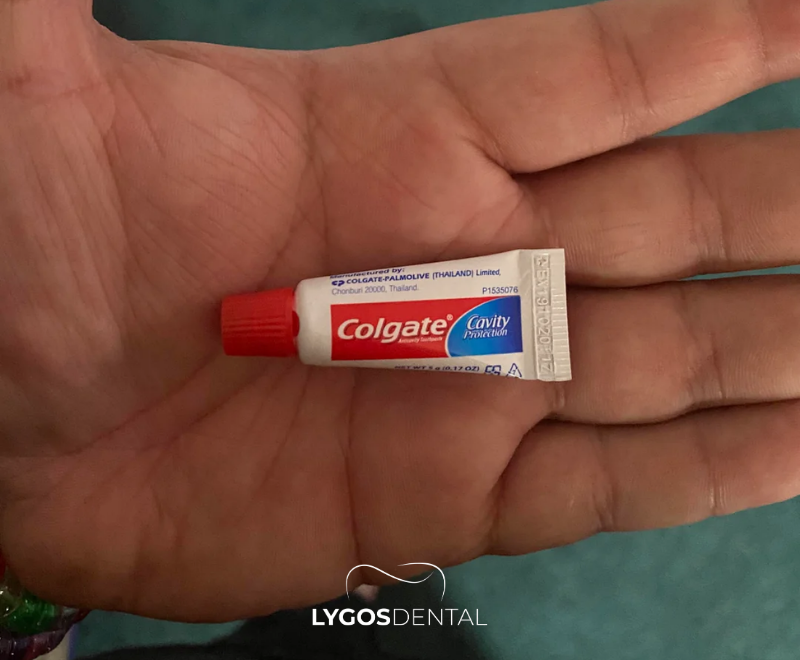
A small, well-chosen kit makes it easier to keep your mouth healthy away from home:
- Compact soft-bristled toothbrush (plus a spare, if possible)
- Fluoride toothpaste (travel size)
- Floss or interdental brushes
- Travel case to keep the brush dry and clean
- Fluoride mouthwash (optional, used separately from brushing)
- Sugar-free gum for dry mouth days
Frequently Asked Questions
Why Do Teeth Seem To Decay Faster In Summer?
Sugar and acid show up more often in summer diets—think sodas, fruit juices, and desserts. Heat and dehydration can also reduce saliva, which normally helps neutralize acids and control bacteria.
How Can I Avoid Forgetting To Brush On Vacation?
Pack travel-size essentials and keep them visible. A simple reminder on your phone helps, and brushing right after dinner can be easier than waiting until you’re exhausted at bedtime.
Does Ice Cream Harm Teeth?
Ice cream can contribute to cavities because it contains sugar, and the cold can trigger sensitivity in already exposed or worn enamel. Enjoying it with meals and rinsing with water afterward helps reduce the impact.
Does Sunbathing Affect Oral Health?
Sunbathing itself doesn’t damage teeth, but dehydration from long hours in the sun can lead to dry mouth. Drinking water regularly helps protect saliva flow and lowers the risk of bad breath and irritation.
Why Do Teeth Get Stained?
Why Do Teeth Get Stained?
Teeth stain when pigments from food, drinks, and tobacco cling to the enamel, or when changes happen inside the tooth, such as medication-related discoloration, fluorosis, trauma, or natural enamel thinning with age. Surface stains often improve with professional cleaning or whitening, while deeper stains may need cosmetic dental treatment.
What A Tooth Stain Is
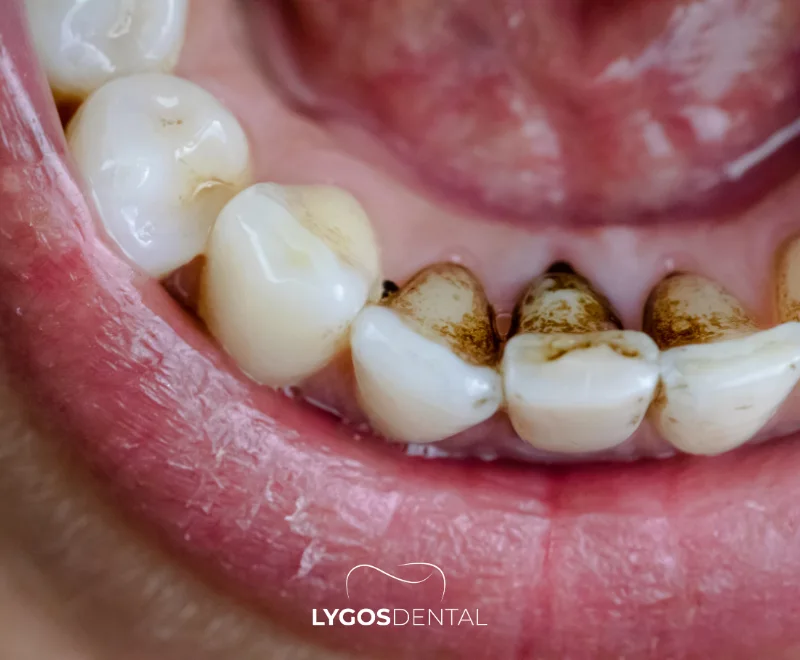
A tooth stain is a change in tooth color that affects the enamel surface or the layers beneath it. Stains can look yellow, brown, gray, or almost black, and they may appear evenly or as patches. Some discoloration is purely cosmetic, but sudden or uneven changes can also point to enamel wear or decay.
Main Reasons Teeth Get Stained
Most staining falls into two categories: extrinsic (on the surface) and intrinsic (within the tooth). Understanding the difference helps you choose the right solution and avoid wasting money on treatments that won’t work for your stain type.
Extrinsic Stains
Extrinsic stains sit on the enamel and are usually linked to daily habits. Dark beverages and tobacco are the usual culprits, but heavily pigmented foods can contribute too. These stains often respond well to professional cleaning and dentist-supervised whitening.
- Coffee and tea (tannins and dark pigments bind to enamel)
- Red wine and cola
- Berries, curries, tomato-based sauces, and other strongly colored foods
- Smoking and other tobacco use (nicotine and tar leave persistent yellow-brown buildup)
Intrinsic Stains
Intrinsic stains form below the enamel, inside the tooth structure. They may appear as overall darkening, gray tones, or bands, and they typically don’t lift with over-the-counter whitening products. A dentist can confirm the cause and recommend options such as internal bleaching, bonding, veneers, or crowns.
- Certain antibiotics during tooth development (for example, tetracycline)
- Excess fluoride exposure while teeth are forming (fluorosis)
- Dental trauma that affects the tooth’s internal tissues
- Developmental enamel defects or inherited factors
Common Types Of Tooth Discoloration
The color and pattern can give clues about the cause, although a dental exam is the best way to confirm it.
- Yellowing: Often linked to enamel thinning with age, revealing the naturally darker dentin underneath
- Brown stains: Common with coffee, tea, and tobacco; can also appear where plaque collects
- Black stains: May be associated with heavy tobacco use, long-term buildup, or certain bacteria in plaque
- White spots: Can be fluorosis or early demineralization (sometimes the first stage before a cavity)
How Tea, Coffee, And Tobacco Contribute
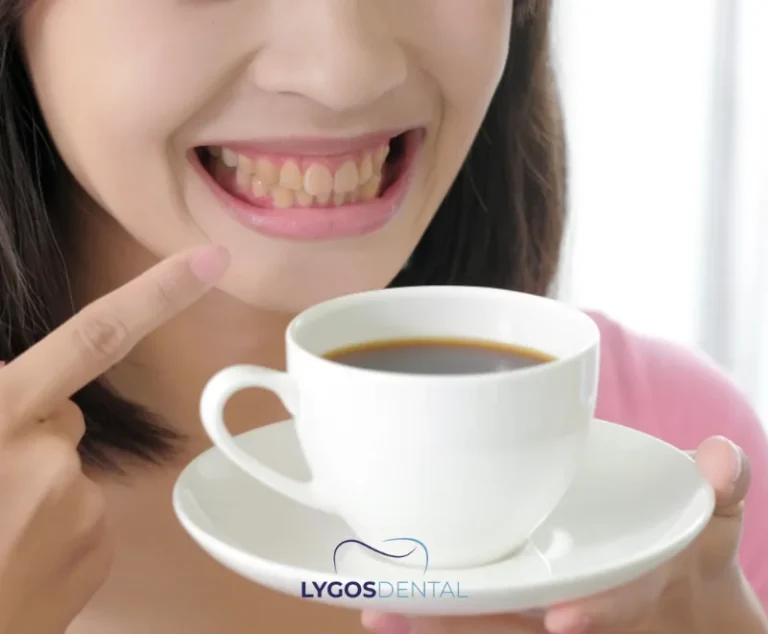
Tea and coffee contain tannins that help pigments stick to enamel. Over time, those pigments build up, especially in grooves and between teeth. Tobacco stains tend to be tougher because tar and nicotine form a sticky film that attracts more discoloration and plaque.
Are Tooth Stains Permanent?
Some stains are temporary, while others are stubborn. Surface stains are often removable with a professional scale and polish, and many people see additional improvement with dentist-supervised whitening. Intrinsic stains can be long-lasting, but cosmetic dentistry offers effective ways to mask or correct them.
How To Prevent Tooth Stains
Prevention is usually easier than reversal. A few consistent habits can reduce staining without changing your diet dramatically.
- Brush twice a day with fluoride toothpaste and clean between teeth daily
- Rinse with water after coffee, tea, or deeply colored foods
- Use a straw for cold, dark beverages to limit contact with front teeth
- Avoid brushing immediately after acidic drinks; wait about 30 minutes to protect enamel
- Limit tobacco use or quit for the biggest long-term improvement
- Book routine dental cleanings as recommended by your dentist
Treatment Options That Actually Work
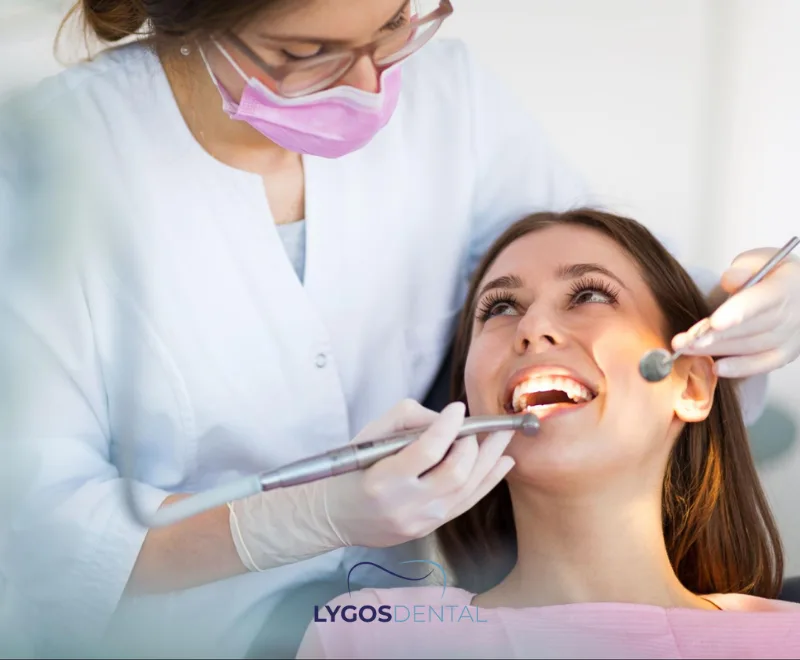
The best treatment depends on whether the stain is surface-level or internal. If you’re unsure, a quick dental check can prevent wasted time and sensitivity from unnecessary whitening products.
- Professional cleaning: Removes plaque and many surface stains
- Dentist-supervised whitening: Stronger and more predictable than most at-home kits
- Bonding or veneers: Covers discoloration and can also improve shape
- Crowns: Used when a tooth is heavily damaged or discolored
Frequently Asked Questions
Do Tooth Stains Go Away On Their Own?
Usually not. Some mild surface discoloration can fade if you stop the habit causing it, but most stains need cleaning or whitening to improve.
Why Do Children Get Tooth Stains?
Common reasons include plaque buildup, certain medications, and fluoride exposure while teeth are developing. A pediatric dentist can identify the cause and advise safe treatment.
Do Stains Cause Cavities?
Stains don’t directly create cavities. Still, the buildup that causes staining—like plaque—can raise the risk of decay if it isn’t removed regularly.
Is Whitening With Lemon Or Baking Soda Safe?
No. Acid and abrasives can wear enamel, increase sensitivity, and make teeth look more yellow over time. Dentist-guided options are safer and more reliable.
Which Foods And Drinks Stain Teeth Most?
Coffee, tea, red wine, cola, berries, and richly colored sauces are frequent causes. Consuming them less often, rinsing with water, and keeping up with cleanings can make a noticeable difference.