
Gappy Teeth
Gappy Teeth: Causes, Treatment & Prevention
Gappy teeth (diastema) are visible spaces between two teeth, most often the upper front teeth. They’re commonly caused by genetics, tooth-size/jaw-size mismatch, missing teeth, gum disease, or habits like tongue thrusting. Treatment ranges from orthodontics and bonding to veneers, crowns, or replacing missing teeth. Good hygiene and early dental advice help prevent gaps related to gum disease and shifting.
What Are Gappy Teeth (Diastema)?
Gappy teeth—clinically called diastema—describe a space between two teeth. The most recognizable gap sits between the two upper front teeth, but spacing can occur anywhere along the arch.
Diastema is common during childhood and often narrows as permanent teeth come in. In adults, a gap may remain stable for years or gradually widen if the underlying cause isn’t addressed.
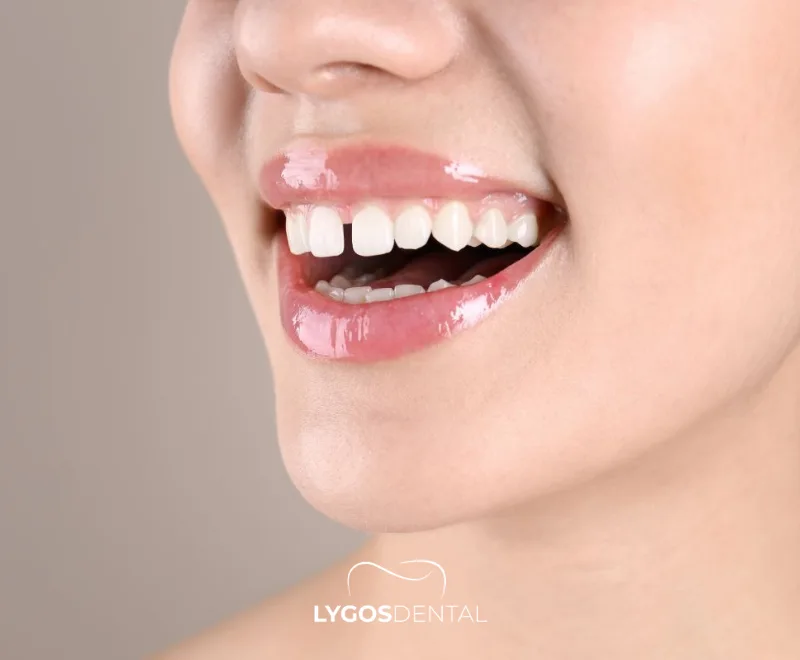
Table of Contents
Common Causes Of Gappy Teeth
More than one factor can contribute to spacing. A dentist or orthodontist will look for the primary cause before recommending treatment.
- Genetics and tooth–jaw size mismatch: Teeth that are relatively small for the jaw can leave extra space.
- Missing or undersized teeth: A missing tooth (or a “peg” lateral incisor) can let neighboring teeth drift.
- Large labial frenum: The band of tissue connecting the upper lip to the gum can sit low or thick and keep the front teeth apart.
- Gum disease (periodontal disease): Bone loss around teeth can make them loosen and shift, creating or worsening gaps.
- Childhood habits: Thumb sucking, prolonged pacifier use, or tongue thrusting can push teeth forward and apart over time.
- Tooth movement over time: Teeth can shift with age, after tooth loss, or if retainers aren’t worn after orthodontic treatment.
Possible Oral Health Issues Linked To Tooth Gaps
A diastema is often harmless, but the space can make plaque control trickier—especially if the gap sits next to inflamed or receding gums.
If spacing is caused by gum disease or missing teeth, treating the underlying condition matters more than the gap itself. In some cases, gaps also accompany bite problems that can contribute to uneven wear or jaw discomfort.
Speech changes are possible, particularly with larger gaps at the front, although not everyone is affected.
Treatment Options For Gappy Teeth
The right approach depends on the cause, the size of the space, and your bite. Your clinician may combine treatments to get a stable result.
Orthodontics: Braces Or Clear Aligners
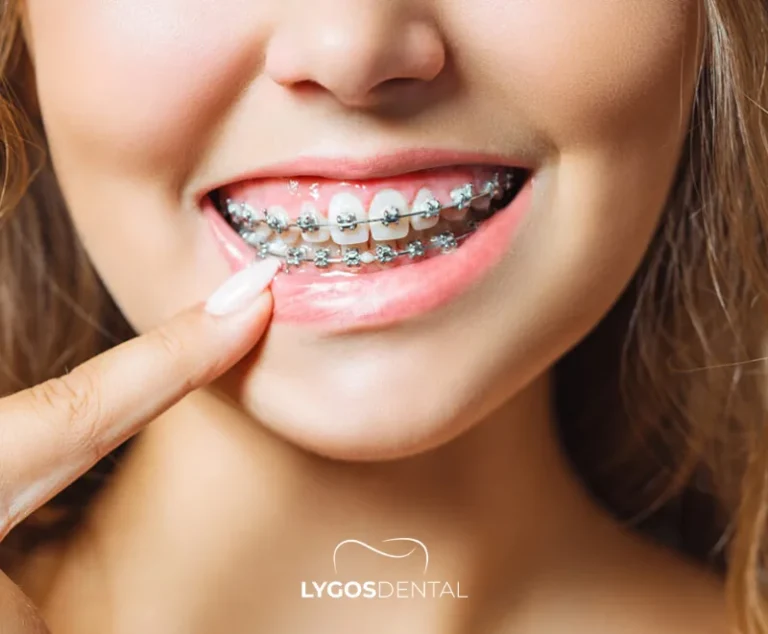
Orthodontic treatment gently moves teeth into position and is often the best choice when there are multiple gaps or broader alignment issues. Retention (wearing a retainer) is essential to reduce the risk of the gap reopening.
Composite Bonding
For small gaps, bonding can close spaces quickly by adding tooth-colored resin to the sides of the teeth. It’s conservative and typically completed in one visit, though it may stain or chip over time and can require maintenance.
Veneers
Porcelain or composite veneers can reshape the visible surface of the teeth to disguise a gap and improve symmetry. Veneers are mainly a cosmetic solution and usually require some enamel preparation.
Crowns
Crowns may be recommended when a tooth is heavily filled, weak, or needs a larger shape change than bonding or veneers can provide. They cover the entire tooth, so the preparation is more extensive.
Frenectomy
If a thick or low labial frenum is keeping the front teeth apart, a minor procedure called a frenectomy may be advised. It’s often paired with orthodontics or restorative work to close the space and help it stay closed.
Replacing Missing Teeth: Implants Or Bridges
When spacing is driven by a missing tooth, replacing it can prevent further drifting and restore function. Your dentist may suggest an implant, a fixed bridge, or another appropriate option based on bone, bite, and overall health.
At-Home Approaches: What Helps And What To Avoid
Be cautious with online “quick fixes.” Any method that moves teeth should be supervised by a dental professional.
Myofunctional therapy (tongue and swallowing training) can be helpful when tongue thrusting is part of the problem, but it usually complements orthodontic care rather than replacing it.
Daily brushing, flossing (or interdental brushes), and regular cleanings support gum health, which can reduce the risk of spacing that worsens due to inflammation or bone loss.
Avoid:
- DIY elastic bands or “gap bands”: These can slip under the gums, damage the supporting tissues, and may lead to serious gum and bone loss.
- Attempting to file teeth at home to “make room” for bonding or alignment: This can permanently damage enamel.
- Relying on oil pulling or supplements to close a gap: These may support general oral hygiene habits, but they do not move teeth.
How To Help Prevent Gaps From Developing Or Worsening
Not all diastemas are preventable, especially those driven by genetics. These steps can lower the risk of gaps related to disease and shifting:
- Keep gums healthy: Brush twice daily, clean between teeth, and get regular dental check-ups and professional cleanings.
- Treat gum disease early: Bleeding gums, persistent bad breath, and gum recession should be checked promptly.
- Replace missing teeth in a timely way to reduce drifting and bite changes.
- Manage childhood habits: Address thumb sucking, extended pacifier use, and tongue thrusting early with professional guidance.
- Wear retainers as prescribed after orthodontic treatment.
When To See A Dentist Or Orthodontist
Book an assessment if a gap is getting larger, if you notice gum bleeding or looseness, or if food traps are becoming a daily issue.
You should also get advice before choosing a cosmetic fix. Closing a gap without checking the bite can create problems elsewhere, such as chipping, uneven wear, or gum irritation.
Gappy Teeth FAQ
How to stop gaps from forming in teeth?
Prevent gaps by maintaining gum health, treating bite issues, and wearing retainers after orthodontics.
What causes gappy teeth?
Gappy teeth result from genetics, tooth-size/jaw mismatch, gum disease, missing teeth, habits.
Can gappy teeth be fixed?
Yes, gaps can be closed with orthodontics, bonding, veneers, crowns, or implants.
Do gaps in teeth cause problems?
Sometimes gaps trap food, affect speech, shift teeth, and worsen bite.
What is the best teeth gap treatment?
Best treatment is orthodontic alignment for larger gaps; bonding or veneers for small gaps.
How to reduce gaps in teeth naturally?
You cannot naturally close most gaps; stop habits and treat gum disease promptly.
What is Amalgam Filling?
Amalgam Filling: Is It Safe and When Is It Used?
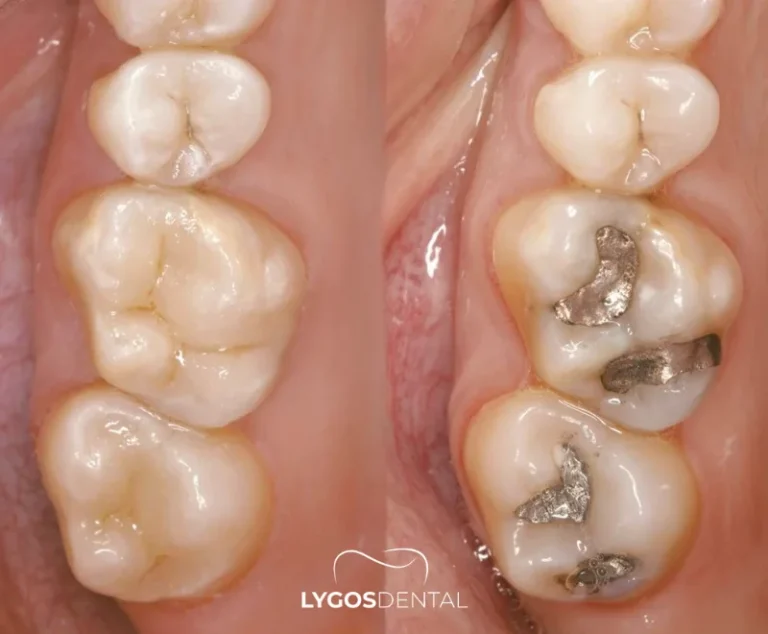
An amalgam filling is a long-lasting “silver” dental filling used mainly for back teeth. It’s made from a blend of metals, including mercury that binds the alloy into a strong material. Most health authorities consider amalgam safe for the general population, while some higher‑risk groups may be advised to choose alternatives.
What Is an Amalgam Filling?
Dental amalgam is a restorative material used to repair a tooth after decay has been removed. Because it resists wear and pressure, it is commonly used for molars and premolars where chewing forces are highest. The dentist shapes the material inside the prepared cavity and it hardens into a solid filling.
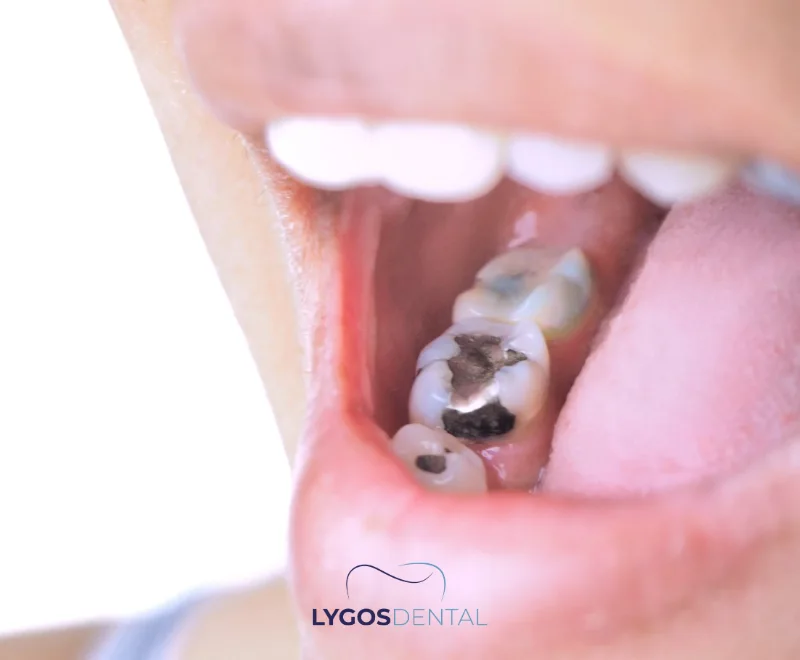
Table of Contents
What Is Amalgam Made Of?
Amalgam is a metal alloy made by mixing liquid mercury with a powdered alloy of other metals. Typical ingredients include silver, tin, and copper, along with mercury to bind the mix. Once placed, the material sets and becomes firm, which is one reason it has a long clinical track record.
Why Dentists Still Use Amalgam
Amalgam remains a practical option in certain situations. It tolerates moisture better than some tooth‑colored materials during placement and can be faster to place in difficult-to-isolate cavities. In large cavities on back teeth, it can offer dependable longevity at a lower cost than many alternatives.
Safety and Mercury Concerns
The main debate around amalgam relates to mercury, which is part of the material. In a set filling, mercury is bound within the restoration, but small amounts of mercury vapor can be released, especially when the filling is placed or removed. Most patients do not experience health problems from amalgam, yet medical guidance can differ for certain groups.
What major health bodies say
Major dental and public health organizations generally state that dental amalgam is a safe and effective filling material for the general population. Some authorities also note that people with allergies to any amalgam components should avoid it. Guidance often emphasizes that removing an intact, well-functioning filling only to “get rid of mercury” is usually not recommended.
Who may be advised to consider alternatives
Some higher‑risk groups may be advised to use non‑amalgam materials whenever suitable. This may include people with known mercury or metal allergies and certain patients with specific health conditions, based on clinical judgment. Pregnant or nursing patients and children may also be offered alternatives depending on local guidance and availability.
Should you remove old amalgam fillings?
If an amalgam filling is intact, not leaking, and there is no decay underneath it, replacement is rarely urgent. Removing a filling can temporarily increase exposure to mercury vapor and may require taking away additional healthy tooth structure. Replacement is typically considered when the filling is cracked, worn, recurrent decay is present, or for a clear medical reason discussed with your dentist.

Amalgam vs Other Filling Types
Choosing a filling material is a balance between strength, appearance, tooth location, and budget. Amalgam is usually stronger than many tooth‑colored options in high‑load areas, but it is also more visible. Your dentist will weigh factors like cavity size, bite forces, and your aesthetic preferences.
- Composite (tooth‑colored): blends with natural teeth and is popular for visible areas, but can be more technique‑sensitive and may wear faster in large back‑tooth cavities.
- Ceramic/inlay restorations: offer excellent aesthetics and stain resistance, but they typically cost more and often require lab work.
- Glass ionomer: can release fluoride and is useful in specific cases, yet it is generally less durable under heavy chewing forces.
Advantages and Disadvantages
Advantages
- Durability: often performs well for years on back teeth under heavy chewing forces.
- Cost: tends to be more affordable than many tooth‑colored or lab-made restorations.
- Placement: can be less sensitive to minor moisture during placement in some clinical situations.
Disadvantages
- Appearance: the silver color is noticeable, so it’s rarely chosen for front teeth.
- Tooth preparation: it may require removing a little more tooth structure to create mechanical retention.
- Mercury concerns: while considered safe for most people, it may not be the best first choice for some higher‑risk patients.
What to Do After Getting an Amalgam Filling
Follow your dentist’s instructions for the first day after treatment. Avoid very hard foods on the treated side until the filling has fully set and your bite feels normal. If you notice a high spot, sharp edge, or pain when chewing, schedule a quick adjustment.
- Brush and floss normally, but be gentle around the area if your gums are sore.
- Avoid chewing ice or very hard foods that could crack any filling material.
- Tell your dentist if you grind your teeth; a night guard may protect restorations.
Cost of Amalgam Fillings
Pricing varies by country, clinic, and the size of the cavity (single‑surface, two‑surface, or three‑surface restorations). Extra needs—such as X‑rays, anesthesia, or treating deeper decay—can also change the total cost. Ask for a written estimate that lists the procedure, material, and any follow‑up visits.
Example: 2026 fee tariff in Turkey
In Türkiye, many clinics reference the Turkish Dental Association’s annual fee tariff as a baseline, though actual clinic fees may differ. In the 2026 tariff, VAT‑included fees for amalgam fillings are listed by surface: one‑surface 2,845 TL, two‑surface 3,805 TL, and three‑surface 4,845 TL. Your dentist can confirm which category your cavity fits and whether additional procedures are needed.
Amalgam Fillings FAQ
Is it safe to use amalgam fillings?
Yes, amalgam is safe for most patients; high-risk groups may need alternatives.
Why did dentists stop using amalgam fillings?
Dentists reduced use due to mercury regulations, aesthetics, and improved tooth-colored composite alternatives.
Is it worth getting amalgam fillings removed?
No, removing intact amalgam isn’t recommended unless failing, leaking, or mercury allergy is diagnosed.
At what age can amalgam be used?
Age 15+: amalgam is allowed; under 15 only when strictly necessary.
Are NHS dentists still using amalgam?
Yes, NHS dentists may still place amalgam fillings when clinically justified and permitted.
How To Clean Teeth
How To Clean Teeth
Clean teeth by brushing twice daily for two minutes with a soft brush, cleaning between teeth with floss or interdental brushes, and removing bacteria from the tongue. Use fluoride toothpaste, limit frequent sugary snacks, and see a dentist for regular professional cleanings to remove tartar you can’t brush away.
Why Teeth Cleaning Matters
Teeth cleaning protects more than your smile. Daily plaque control lowers the risk of cavities, gum inflammation, and persistent bad breath. Healthy gums also matter for general health, since untreated gum disease can contribute to wider health problems.
-
- Helps prevent cavities by reducing plaque and food debris.
- Lowers the risk of gingivitis and more advanced gum disease.
- Supports fresher breath by reducing odor-causing bacteria.
- Keeps teeth stronger for chewing and comfortable eating.
- Helps keep natural tooth color brighter by limiting surface stains.
Table of Contents
How To Clean Teeth At Home
A consistent routine beats intense, occasional cleaning. Focus on technique, timing, and the areas people miss most.
Brush Twice A Day With The Right Technique
Brush in the morning and before bed for about two minutes each time. Angle the bristles toward the gumline and use small, gentle circles. Cover the outer, inner, and chewing surfaces of every tooth. Heavy pressure can irritate gums and wear enamel over time.
- Use a soft-bristled manual brush or an electric toothbrush with a gentle mode.
- Replace the brush head every 3 months, or sooner if bristles splay.
- Spit out excess toothpaste after brushing; avoid rinsing heavily right away to keep fluoride on the teeth.
Clean Between Teeth Every Day
A toothbrush can’t reach tight contacts between teeth. Floss or interdental brushes remove plaque where cavities and gum problems often start. If your gums bleed at first, keep going gently; bleeding usually improves as the area becomes healthier. If bleeding persists, book a dental check.
- Floss once a day, sliding it gently under the gumline on each side of the tooth.
- Use interdental brushes if spaces are wider or if you have bridges or orthodontic wires.
- For sensitive gums, try floss picks or water flossers as a support, not a full replacement.
Don’t Skip The Tongue
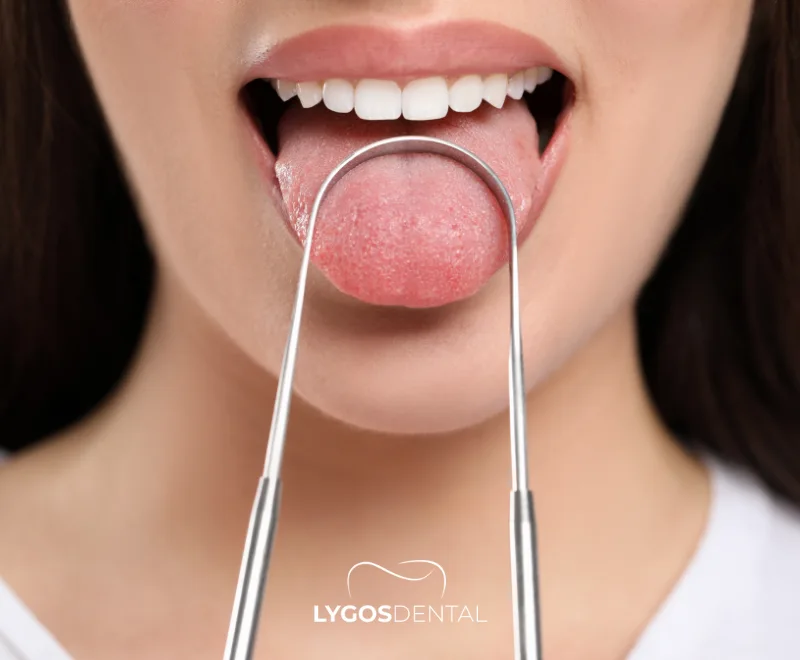
A coated tongue holds bacteria that can cause bad breath and affect taste. Use a tongue scraper or brush the tongue lightly from back to front. Do this once a day, especially before bed.
Use Mouthwash The Right Way
Mouthwash can help with breath and bacterial control, but it doesn’t replace brushing and flossing. Choose an alcohol-free option if you get dryness or sensitivity. If you use a fluoride mouthwash, try it at a different time from brushing so you don’t wash away toothpaste fluoride.
Diet Habits That Keep Teeth Cleaner
What you snack on—and how often—matters. Sugary or acidic foods feed plaque bacteria and soften enamel. Water is your best everyday drink for the mouth, and crunchy fruits and vegetables can help gently clean tooth surfaces between meals.
- Limit frequent sipping on sweet drinks, including fruit juice and sweetened coffee.
- Keep sugary snacks to mealtimes when possible.
- Rinse with water after acidic foods or drinks, then wait about 30 minutes before brushing.
Professional Teeth Cleaning
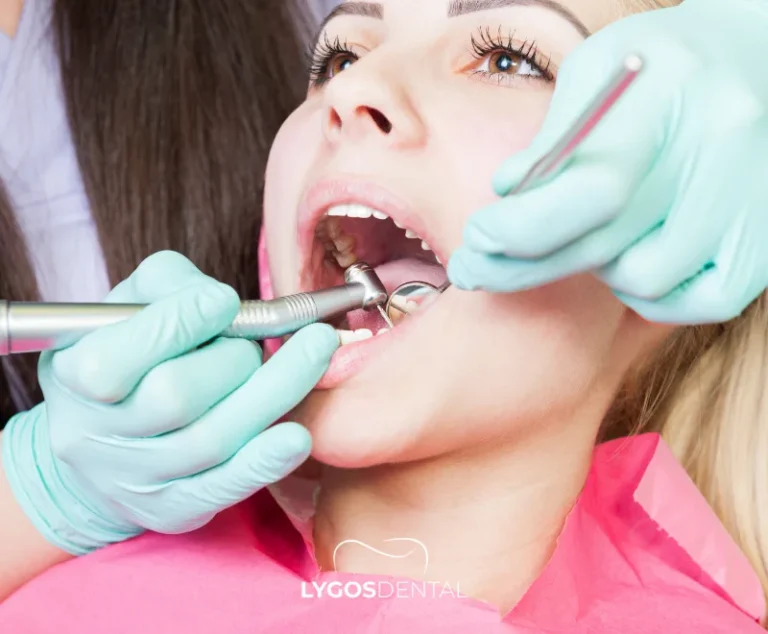
Even with a solid routine, tartar can build up in places you can’t reach. Professional cleaning removes hardened deposits and gives your dentist a chance to spot early gum or tooth problems.
What Happens During A Dental Cleaning
- Tartar removal (scaling) using hand instruments or ultrasonic tools.
- Polishing to smooth tooth surfaces and reduce surface stains.
- Targeted gum assessment, including checks for inflammation and pockets.
- Optional fluoride application when it suits your risk level and sensitivity.
How To Clean Teeth For Babies And Children
Early habits make a big difference. Start cleaning as soon as the first tooth appears, and build routines that fit your child’s age and coordination.
Age-Based Tips
0–12 months: Wipe gums and new teeth gently with a clean, damp gauze or soft cloth after feeds.
1–3 years: Use a small, soft brush. A smear of fluoride toothpaste is usually enough.
4–6 years: Use a pea-sized amount of toothpaste. Supervise brushing and help with hard-to-reach areas.
7+ years: Keep supervision as needed and introduce daily flossing when teeth touch.
Limit frequent sugary snacks and drinks, and keep routine dental visits so kids learn that checkups are normal.
Best Products For Teeth Cleaning
The “best” product is the one you can use correctly every day. Choose tools that match your mouth, your dexterity, and any dental work you have.
Toothbrush: Soft bristles are safest for most people. Electric brushes can make timing and coverage easier.
Toothpaste: Fluoride toothpaste helps strengthen enamel and reduce cavity risk. For sensitivity, look for desensitizing formulas.
Interdental cleaning: Floss for tight spaces; interdental brushes for wider gaps; water flossers can be useful for braces and implants.
Mouthwash: Antibacterial or fluoride mouthwash can help, depending on your needs. Alcohol-free options suit dry mouths.
Tongue cleaner: A scraper is simple and effective for reducing tongue coating and odor.
Common Mistakes To Avoid
- Brushing too hard or using a hard-bristled brush.
- Rushing the routine and missing back teeth and gumlines.
- Skipping flossing because gums bleed (bleeding can be a sign you need it).
- Brushing immediately after acidic drinks instead of waiting a bit.
- Using mouthwash as a substitute for brushing and flossing.
When To See A Dentist
Book a visit if you notice bleeding that doesn’t improve, persistent bad breath, tooth sensitivity, pain when chewing, or loose teeth. These can be early signs of decay, gum disease, or bite problems that need treatment. Professional advice also helps if you have crowns, implants, orthodontics, or a history of gum issues.
Frequently Asked Questions
What is the correct way to clean your teeth?
Brush twice daily 2 minutes with fluoride toothpaste, soft brush, and floss daily.
How can I remove dirty from my teeth?
Brush and floss; schedule a dental cleaning to remove plaque and tartar safely.
How do you clean yellow teeth?
Professional cleaning and whitening work best; brush with fluoride and limit staining foods.
What naturally cleans teeth?
Fluoride toothpaste and saliva naturally clean teeth; chew sugar-free gum after meals.
What drink cleans teeth?
Plain water helps rinse teeth; unsweetened tea offers mild stain-fighting polyphenols.
How can I clean my teeth at home?
Brush twice daily, floss nightly, use fluoride toothpaste, and rinse after sugary foods.
What is Tooth Enamel?
What Is Tooth Enamel? Protection And Care
Tooth enamel is the thin, hard outer coating on your teeth. It shields the softer dentin and nerves from acid, temperature changes, and daily chewing. Enamel can’t regrow once it’s lost, so preventing erosion with fluoride, gentle brushing, and a lower-acid diet is the best way to keep teeth strong.
What Is Tooth Enamel?
Tooth enamel is the hard, protective layer that covers the crown (the visible part) of each tooth. It’s the hardest tissue in the human body, yet it can still wear down or erode over time.
Enamel is made mostly of minerals, mainly a calcium‑phosphate crystal called hydroxyapatite. Because enamel is slightly translucent, the color of the dentin underneath can influence how white or yellow a tooth looks.
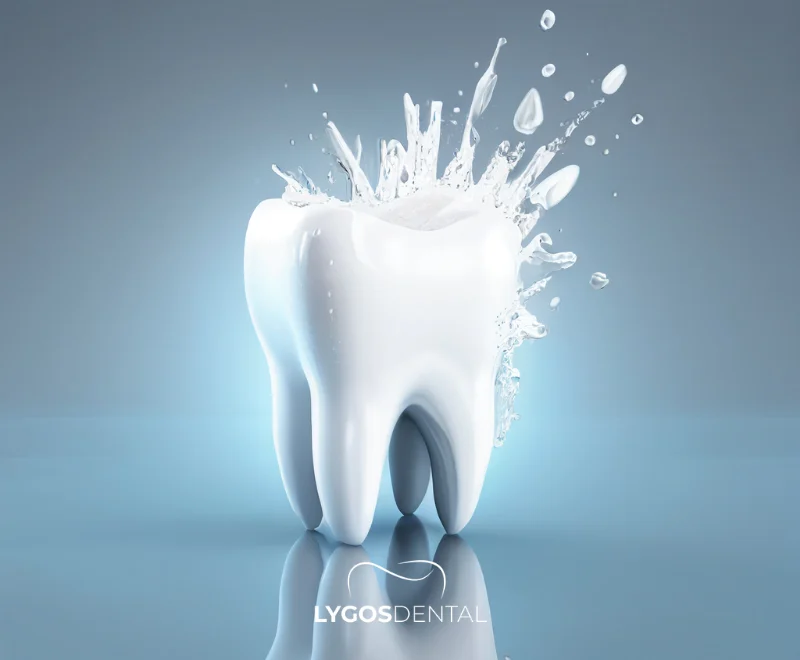
Table of Contents
What Does Tooth Enamel Do?
Enamel works like a shield. When it’s intact, it protects teeth during everyday eating and drinking and helps you avoid sensitivity and decay.
- Guards the inner tooth from acids produced by bacteria and from acidic foods and drinks
- Protects against temperature sensitivity (hot, cold, and sweet triggers)
- Supports chewing by reducing mechanical wear
- Helps teeth look brighter by covering the naturally yellow dentin layer
Signs Of Tooth Enamel Loss
Enamel loss often happens gradually, so early clues matter. Common signs include:
- New or increased sensitivity to hot, cold, or sweet foods and drinks
- A rough, worn, or “dull” feeling on the tooth surface
- Teeth looking more yellow as dentin becomes more visible
- Small chips, cracks, or edges that seem thinner than before
- Changes in tooth shape, such as flattening on biting surfaces
If you notice these changes, a dental exam can help identify the cause and stop further damage.
How To Prevent Tooth Enamel Erosion
Daily Care Habits
- Brush twice a day with a soft‑bristled toothbrush and fluoride toothpaste.
- Use gentle pressure. Scrubbing hard can wear enamel and irritate gums.
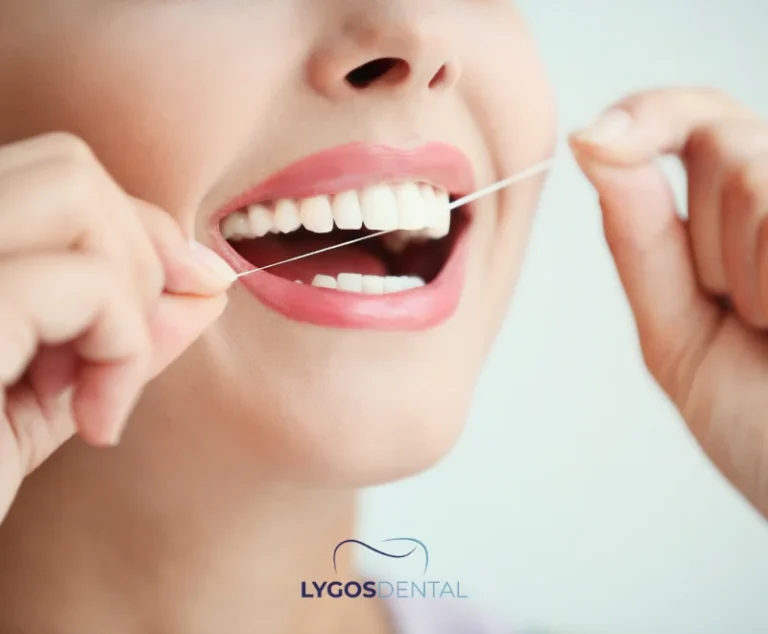
- Floss daily to remove plaque between teeth where a brush can’t reach.
- After acidic foods or drinks, rinse with water and wait 30–60 minutes before brushing.
Diet And Drink Choices
- Limit frequent sipping of soft drinks, sports drinks, and fruit juices. Frequency matters as much as quantity.
- Drink acidic beverages through a straw to reduce contact with teeth.
- Balance acids with enamel‑friendly foods, especially calcium‑ and phosphate‑rich options (milk, yogurt, cheese, leafy greens, nuts).
- Choose water between meals to help neutralize acids and support saliva flow.
Habits That Can Damage Enamel
- Avoid chewing ice, hard candy, or other hard objects that can chip enamel.
- If you grind or clench your teeth, ask about a custom night guard to reduce wear.
- Use whitening products carefully. Overuse can increase sensitivity, especially if enamel is already thin.
Dental Visits And Preventive Treatments
- Schedule regular check‑ups so enamel wear is spotted early.
- Ask your dentist about fluoride varnish or other remineralization options if you’re at higher risk for erosion or cavities.
- If you have dry mouth, reflux, or frequent vomiting, treat the underlying cause—these can speed up enamel erosion.

Can Tooth Enamel Erosion Be Treated?
Enamel doesn’t grow back once it’s lost, but early erosion can often be stabilized and the tooth can be strengthened. Fluoride treatments and targeted remineralization can help protect vulnerable areas and reduce sensitivity.
If enamel loss is more advanced, a dentist may recommend treatments that cover or rebuild the tooth surface, such as bonding (fillings), veneers, or crowns. If grinding is contributing to wear, a night guard can protect your teeth while you sleep.
Tooth Enamel FAQ
What is enamel protection for teeth?
Enamel protection means preventing demineralization and promoting remineralization, mainly with fluoride and habits.
What is the best enamel protection?
Fluoride toothpaste and minimizing acidic exposure provide the best proven enamel protection.
When is it too late to repair enamel?
It’s too late when enamel is worn away; only early demineralization can remineralize.
How to protect and restore teeth enamel?
Use fluoride, limit acids/sugar, brush gently, and get dentist-applied remineralization treatments.
Can I restore enamel on my teeth?
You can remineralize weakened enamel, but you cannot regrow lost enamel.
Is enamel coating healthy?
Dental enamel coatings like sealants/varnish are safe and effective when professionally applied.
What Causes Tooth Fractures?
What Causes Tooth Fractures?
Tooth fractures usually happen when a weakened tooth meets sudden force—such as a fall, biting something hard, or ongoing pressure from teeth grinding. Tooth decay, large fillings, and age-related enamel wear can also make teeth more likely to crack. Prompt dental care helps reduce pain, prevent infection, and limit further breakage.
Common Causes Of Tooth Fractures
A chipped or cracked tooth can happen in a second, but it’s usually linked to a few predictable triggers. Some causes are sudden, like an accident, while others build over time by weakening enamel or internal tooth structure.
Falls And Trauma
Impacts from falls, car accidents, or being hit during sports can chip a tooth or create deeper cracks. The risk is higher in contact sports, especially without a mouthguard.
Biting Or Chewing Hard Objects
Biting down on hard foods (such as nuts, ice, or hard candy) can overwhelm enamel and cause a fracture. Habits like chewing pens or biting nails can also stress teeth over time.
Tooth Decay
Cavities weaken the tooth from the inside out. As decay progresses, the remaining tooth structure becomes more likely to break under normal biting forces.
Bruxism (Teeth Grinding)
Grinding or clenching—often during sleep—puts repeated heavy pressure on teeth. Over time, this can create microcracks that grow into a visible fracture.
Age-Related Enamel Wear
Enamel can thin with age and with years of wear and tear. When enamel is thinner, teeth are more sensitive to pressure and more likely to crack.

Table of Contents
Who Is Most Likely To Experience Tooth Fractures?
Tooth fractures can affect anyone, but they tend to be more common in certain groups. Risk increases with higher impact activities, enamel wear, and conditions that increase bite force.
- Children And Teenagers: Active play, sports, and falls are common reasons for chipped or broken teeth.
- Athletes In Contact Sports: Sports like football, basketball, martial arts, and hockey raise the risk of direct impacts to the mouth.
- Older Adults: Enamel wear, existing dental work, and age-related changes can make teeth more prone to cracking.
- People Who Grind Or Clench: Bruxism increases pressure on teeth and can turn small cracks into larger fractures.
What To Do If A Tooth Breaks
If you suspect a tooth has fractured, quick action can make treatment easier and more comfortable. Use the steps below as first aid, then arrange a dental visit as soon as possible.
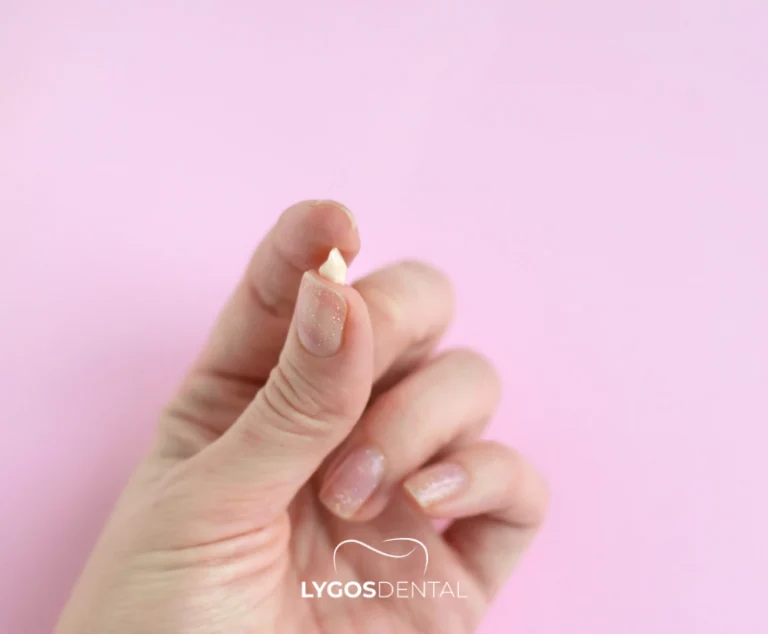
- Stay calm and check the area. Look for sharp edges, bleeding, and whether a piece of tooth is missing.
- Save any broken pieces. If you can find the fragment, store it in clean water or milk and bring it to your appointment.
- Rinse gently. Use lukewarm water to rinse and remove debris. Avoid vigorous swishing if there is bleeding.
- Protect the tooth. If the edge is sharp, cover it with dental wax (or sugar-free chewing gum) until you see a dentist.
- Manage pain and swelling. Use a cold compress on the outside of the cheek. Over-the-counter pain relief may help if it’s safe for you.
Treatment Options For Tooth Fractures
Treatment depends on how deep the crack goes and whether the nerve is affected. A dentist will check the tooth, take imaging when needed, and recommend the option that best protects the tooth long-term.
Composite Bonding Or Fillings
Small chips and minor fractures can often be repaired with tooth-colored composite. This restores shape and function with minimal removal of tooth structure.
Dental Crown Or Porcelain Restoration
When a larger portion of the tooth is damaged, a crown may be used to cover and strengthen it. Crowns help protect against further cracking during chewing.
Root Canal Treatment
If the fracture exposes or inflames the pulp (the nerve), root canal treatment may be recommended. Afterward, a crown is often placed to support the tooth.
Extraction And Dental Implant
If the tooth cannot be repaired, removal may be necessary. A dental implant is one common way to replace a missing tooth and restore biting function.
How To Relieve Pain After A Tooth Fracture
Pain is common after a tooth breaks, especially if the crack is deep or the tooth is sensitive. These steps can help until you’re able to see a dentist.
- Apply a cold compress. Hold a cold pack against the cheek for 10–15 minutes at a time to help with swelling and discomfort.
- Use appropriate pain relief. Over-the-counter pain medicine may help. Follow the label directions and avoid placing aspirin directly on the gum.
- Stick to soft foods. Choose softer foods and chew on the opposite side to avoid worsening the fracture.
Precautions To Reduce The Risk Of Tooth Fractures
Many fractures are preventable with a few habit changes and the right protective gear. These steps are especially useful if you have a history of cracked teeth or grinding.
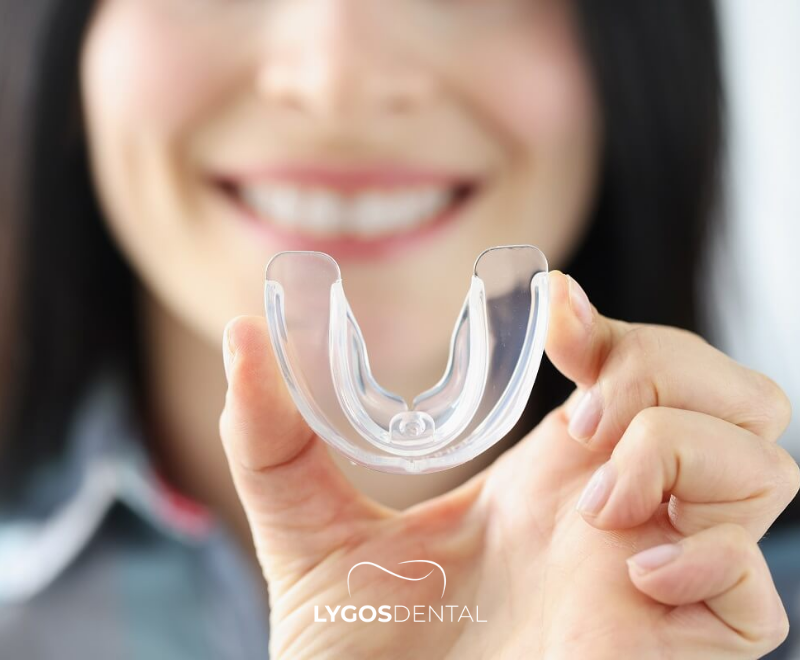
- Wear a mouthguard for sports. A properly fitted mouthguard reduces the risk of impact-related fractures.
- Treat teeth grinding. If you clench or grind, ask your dentist about a night guard and ways to reduce strain on teeth.
- Avoid chewing hard objects. Skip ice, hard candy, and non-food items like pens or fingernails.
- Maintain strong oral hygiene. Brushing, flossing, and treating cavities early helps keep teeth structurally strong.
Frequently Asked Questions
What causes fractures in teeth?
Fractures are caused by trauma, biting hard objects, decay, large fillings, or grinding.
Can fractures in teeth heal?
Teeth cannot truly heal; cracks may be stabilized, but damaged structure won’t regrow.
How to prevent a fractured tooth?
Prevent fractures by avoiding hard chewing, treating decay, wearing a nightguard, and regular dental care.
Why would my tooth suddenly break?
A tooth can break suddenly when hidden decay or cracks weaken it, then biting.
Which teeth are most likely to fracture?
Back teeth, especially molars, and heavily filled or root-treated teeth fracture most.
Can you leave a fractured tooth?
Leaving a fractured tooth risks worsening breakage, pain, and infection; see a dentist.
What is a Tooth Cyst?
Tooth Cyst: Symptoms, Causes, And Treatment
A tooth cyst is a fluid-filled sac that forms near a tooth root or within the jawbone, often after long‑standing infection or around an unerupted tooth. Many cysts cause no symptoms and are found on dental X‑rays. Treatment depends on the type and size and may include root canal therapy, surgical removal, or tooth extraction, followed by monitoring.
Tooth cysts are usually benign, but they can expand over time and damage nearby teeth, bone, or nerves. Because early cysts are often painless, regular dental check-ups and X-rays play a big role in finding them before they cause complications.
What Is A Tooth Cyst?
A tooth cyst is a closed sac lined by tissue and filled with fluid or semi‑fluid material. It may develop at the tip of a tooth root, around an unerupted tooth, or elsewhere in the jawbone. Some cysts stay small, while others slowly enlarge and weaken the surrounding bone.
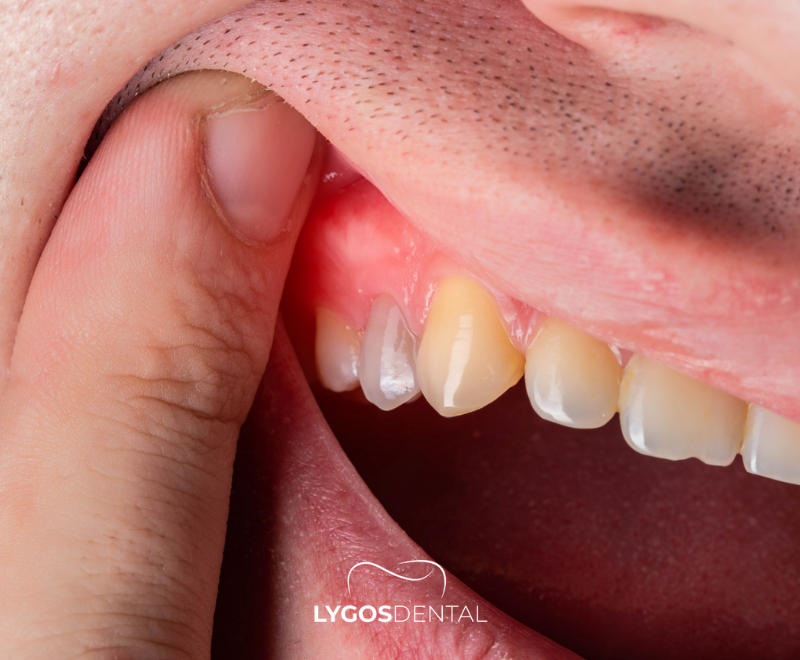
Table of Contents
Common Types Of Tooth Cysts
Dentists may use the term “tooth cyst” broadly, but there are different odontogenic (tooth‑related) cysts. The exact diagnosis matters because it affects treatment and follow-up.
- Radicular (Periapical) Cyst: Often linked to an infected or non‑vital tooth and found near the root tip.
- Dentigerous Cyst: Forms around the crown of an unerupted or impacted tooth, commonly wisdom teeth.
- Other Odontogenic Cysts: Less common types exist and may need specialist evaluation and longer follow‑up.
Symptoms Of A Tooth Cyst
Many tooth cysts cause no obvious symptoms until they grow or become infected. When symptoms do appear, they can look similar to other dental problems, so an exam and imaging are important.
- Swelling in the gum or jaw area
- A dull ache or pressure that may worsen when chewing
- Tenderness of the gum near the affected tooth
- A tooth feeling loose or shifting position as the cyst enlarges
- Changes in tooth color (in some cases)
- Drainage, bad taste, or bad breath if infection develops
What Causes A Tooth Cyst?
Causes depend on the cyst type, but most are related to infection, inflammation, or tooth development. A dentist may also consider past dental trauma, previous treatment, and how the tooth developed in the jaw.
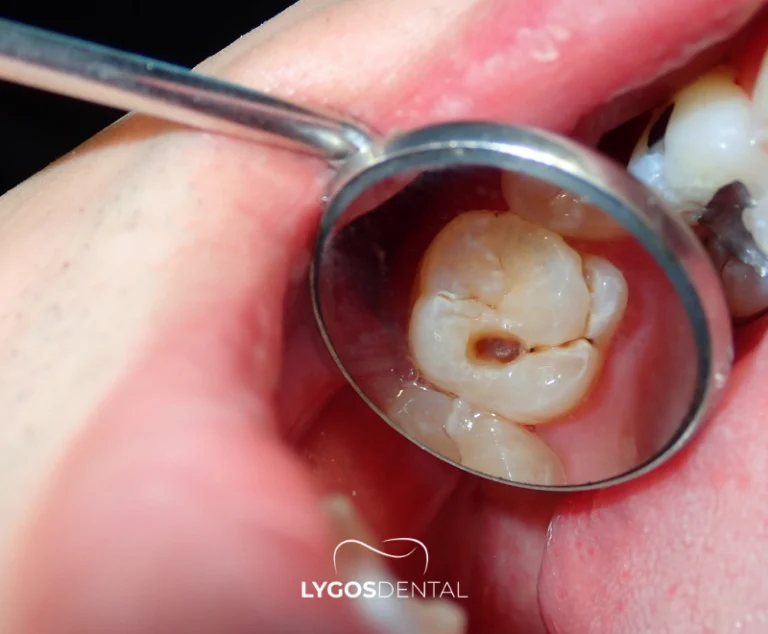
- Untreated tooth decay or deep fillings: Bacteria can reach the pulp and trigger infection near the root.
- Gum or tooth infections: Chronic inflammation can contribute to cyst formation and growth.
- Impacted or unerupted teeth: A cyst may form around a tooth that hasn’t erupted normally.
- Dental trauma: A blow to the tooth can damage the pulp and set the stage for infection‑related cysts.
- Developmental factors: Some cysts arise from tissues involved in tooth development and aren’t caused by poor hygiene.
How Tooth Cyst Treatment Works
Treatment is tailored to the cyst’s size, location, and the health of the tooth involved. Your dentist may refer you to an endodontist (root canal specialist) or an oral and maxillofacial surgeon for complex cases.
1) Diagnosis And Imaging
Most cysts are found on dental X‑rays. Depending on the case, your dentist may use 3D imaging (CBCT) to understand the cyst’s boundaries and its relationship to nearby structures.
2) Root Canal Treatment (When The Tooth Can Be Saved)
If the cyst is associated with an infected tooth, root canal therapy can remove the source of infection. In many cases, addressing the infection allows the surrounding tissue to heal and the lesion to shrink over time.
3) Surgical Removal (Enucleation) Or Decompression
For larger cysts, true cysts that don’t resolve, or cysts linked to impacted teeth, surgical treatment may be recommended. Options include removing the cyst lining (enucleation) or reducing its size first (decompression or marsupialization) to lower surgical risk.
4) Tooth Extraction (When Needed)
If the tooth is severely damaged or cannot be predictably restored, extraction may be the safest option. Your dentist can discuss replacement options such as an implant, bridge, or denture once healing is complete.
5) Antibiotics And Pain Relief
Antibiotics may be prescribed if there are signs of spreading infection, but they don’t remove the cyst itself. Pain relief medications and mouth rinses may also be used as part of your short‑term care plan.

Recovery After Tooth Cyst Surgery
Recovery varies based on the size of the cyst and the procedure performed. Most people can return to normal routines quickly, but full bone healing may take longer.
- Swelling and discomfort: Mild to moderate soreness is common for a few days. Use prescribed medication as directed.
- Stitches and follow-up: If sutures are used, your dentist may remove them in about a week, depending on the material.
- Oral hygiene: Brush gently and follow any rinse instructions to keep the area clean without disturbing healing tissue.
- Diet: Choose soft foods for the first few days and avoid very hot, spicy, or crunchy items if they irritate the area.
- Monitoring: Follow-up visits and repeat X‑rays help confirm healing and reduce the risk of recurrence.
Can You Prevent Tooth Cysts?
Not every tooth cyst can be prevented, especially developmental cysts. Still, you can lower your risk by reducing infections and catching problems early.
- Keep up with regular dental check-ups and recommended X-rays
- Brush twice daily and clean between teeth to reduce decay and gum disease
- Treat tooth pain, swelling, or a broken tooth promptly
- Use a mouthguard for contact sports to reduce dental trauma
- Follow through with planned treatment for impacted teeth when your dentist recommends it
Frequently Asked Questions
What causes a cyst on your tooth?
Pulp infection or impacted teeth trigger cysts from inflammation around tooth roots.
How do you treat a dental cyst?
Treatment includes root canal or extraction plus surgical removal; antibiotics if infected.
Can a dental cyst go away?
Most dental cysts don’t disappear alone; they usually need dental treatment.
What does a tooth cyst feel like?
Often painless; may cause swelling, pressure, tenderness, or a draining salty taste.
Are dental cysts harmful?
Yes; untreated cysts can destroy jawbone, loosen teeth, and cause recurrent infections.
How painful is dental cyst removal?
Removal is usually painless under anesthesia, with mild-to-moderate soreness afterward.
Painless Teeth Cleaning with Airflow
Painless Teeth Cleaning With Airflow
Airflow teeth cleaning (also called air polishing) is a gentle professional cleaning that uses a controlled stream of air, warm water, and fine powder to lift plaque, surface stains, and biofilm. It’s often more comfortable than traditional scraping, especially for sensitive teeth, and it can brighten teeth by removing discoloration from coffee, tea, or smoking.
Daily brushing and flossing matter, but they can’t remove every stain or hardened buildup. A professional cleaning helps protect gum health and keeps breath fresher. If you’ve avoided cleanings because they feel uncomfortable, Airflow is worth asking your dentist about.
What Is Airflow?
Airflow is a modern hygiene technique used during professional cleanings. A handheld device sprays a targeted mix of air, water, and a specially designed powder to break up dental biofilm and remove extrinsic stains on the tooth surface. Because it relies on a spray rather than metal instruments alone, many patients find it more comfortable.
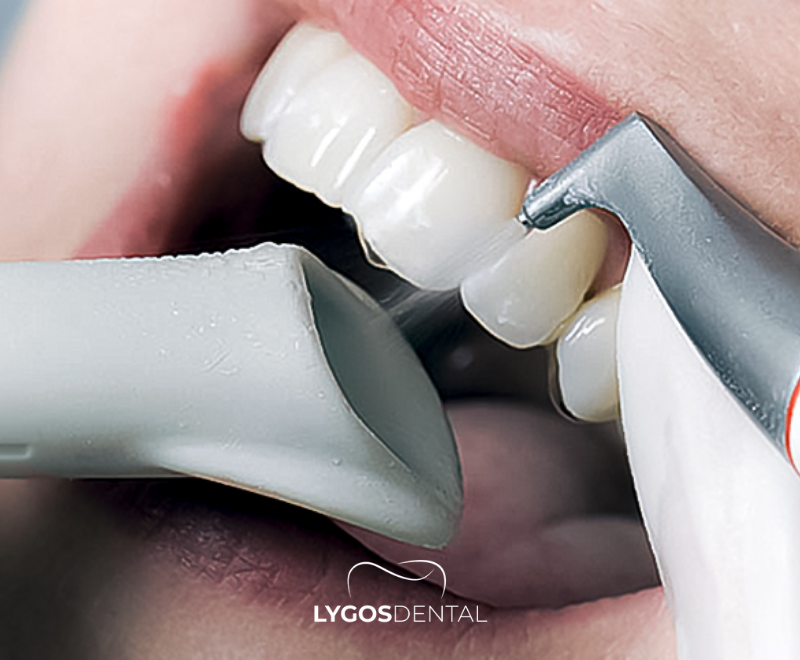
Table of Contents
How Airflow Teeth Cleaning Is Performed
Most appointments are straightforward and usually take around 20–30 minutes, depending on stain and plaque levels. A typical visit looks like this:
- Assessment: Your dentist or hygienist checks your teeth and gums and confirms Airflow is appropriate for you.
- Protection: You’ll wear protective eyewear, and a moisturiser may be applied to keep lips comfortable.
- Airflow cleaning: The spray is guided along tooth surfaces and around gumlines to remove plaque, biofilm, and stains.
- Rinse and review: Your mouth is rinsed and the clinician checks if any areas need extra attention.
- Optional fluoride: If recommended, a fluoride application may be used to support enamel strength.
Benefits Of The Airflow Method
Airflow is popular because it combines comfort with visible results. Key benefits include:
- Comfortable cleaning: Many people report less sensitivity compared with traditional scraping.
- Effective stain removal: Helps lift discoloration from coffee, tea, red wine, and smoking.
- Gentle on enamel: Designed for surface stain and biofilm removal without aggressive abrasion when used correctly.
- Gum-friendly approach: Can feel easier for people with mild gum sensitivity.
- Faster appointments: Often quicker for stain-heavy cases than polishing alone.
- Fresher breath: Reducing bacterial biofilm can help with persistent bad breath.

Who Is Airflow Teeth Cleaning Suitable For?
Airflow is suitable for many adults and teens. It’s commonly recommended if you:
- Have surface stains from coffee, tea, or smoking
- Wear braces or clear aligners and want easier stain and plaque control around appliances
- Have mild gum sensitivity and prefer a gentler-feeling clean
- Have crowns, veneers, or implants and want careful hygiene around restorations (your clinician will choose the right powder and settings)
- Feel anxious about traditional scaling or dislike the scraping sensation
When Airflow May Not Be Recommended
Airflow is safe for most patients, but it may be postponed or adjusted in some situations. Tell your dentist if you have severe or unstable asthma or other significant breathing problems, an active respiratory infection, or a known allergy to ingredients in dental powders. Your clinician may also avoid certain powders for people on a strict low‑sodium diet.
Aftercare Tips Following Airflow Cleaning
To keep the result looking clean for longer and to protect gum health:
- Avoid staining drinks and foods (coffee, tea, red wine) and smoking for at least 2 hours after the visit.
- Skip very hot or very cold drinks for the rest of the day if your teeth are sensitive.
- Brush twice daily and clean between teeth (floss or interdental brushes) to slow plaque build‑up.
- Use a fluoride toothpaste if your dentist recommends it.
- Schedule routine hygiene visits as advised—often every 6 months, and more frequently if you have gum issues.

How Much Does Airflow Cost In Turkey?
Costs vary by city, clinic type, and whether Airflow is done on its own or combined with scaling, polishing, and fluoride. In 2026, some large clinic chains in Turkey publish Airflow packages in the roughly 2,600–3,800 TL range, while more comprehensive “full hygiene” packages can be around 3,700–5,900 TL. The best way to get an accurate figure is to ask for a written quote after an exam.
Airflow Teeth Cleaning: Frequently Asked Questions
Does airflow teeth cleaning hurt?
Airflow cleaning is usually painless, but can feel chilly or sensitive on exposed roots.
Is airflow teeth cleaning better?
Airflow removes biofilm and surface stains better; scaling removes hardened tartar better.
How long does air flow teeth cleaning take?
Airflow cleaning typically takes about 20–30 minutes, depending on staining and plaque.
Is airflow better than scaling?
Airflow is better for biofilm and stains; scaling is better for hardened tartar.
Can airflow damage gums?
Airflow won’t damage healthy gums when used correctly, but may temporarily irritate inflamed tissue.
How long does air flow take?
Airflow usually takes 10–30 minutes per visit, depending on how many teeth.
What Causes Dry Mouth?
What Causes Dry Mouth?
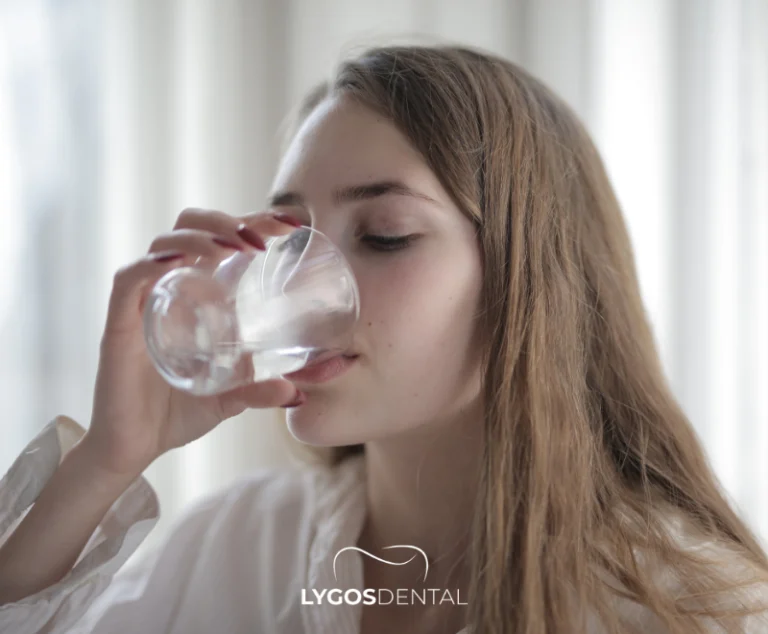
Dry mouth (xerostomia) happens when your salivary glands don’t make enough saliva to keep your mouth comfortably moist. The most common triggers are medications, dehydration, mouth breathing (often during sleep), tobacco or alcohol use, and certain medical conditions such as diabetes or Sjögren’s syndrome. Relief usually starts with finding the cause and protecting your teeth.
What Is Dry Mouth?
Dry mouth is the feeling of oral dryness caused by reduced saliva or changes in saliva quality. Saliva does more than wet your mouth: it helps you chew and swallow, supports taste, buffers acids, and protects teeth and gums. When saliva is low, everyday activities can feel uncomfortable and the risk of dental problems goes up.
Common Symptoms
Dry mouth can show up in different ways. Some people notice it mainly at night, while others feel it throughout the day.
- A sticky or dry feeling in the mouth or throat
- Frequent thirst or needing to sip water to speak
- Bad breath (halitosis)
- Difficulty chewing, swallowing, or wearing dentures comfortably
- Burning sensation, cracked lips, or a sore tongue
- Changes in taste or increased sensitivity to spicy or salty foods
- More cavities, gum irritation, or recurrent oral infections
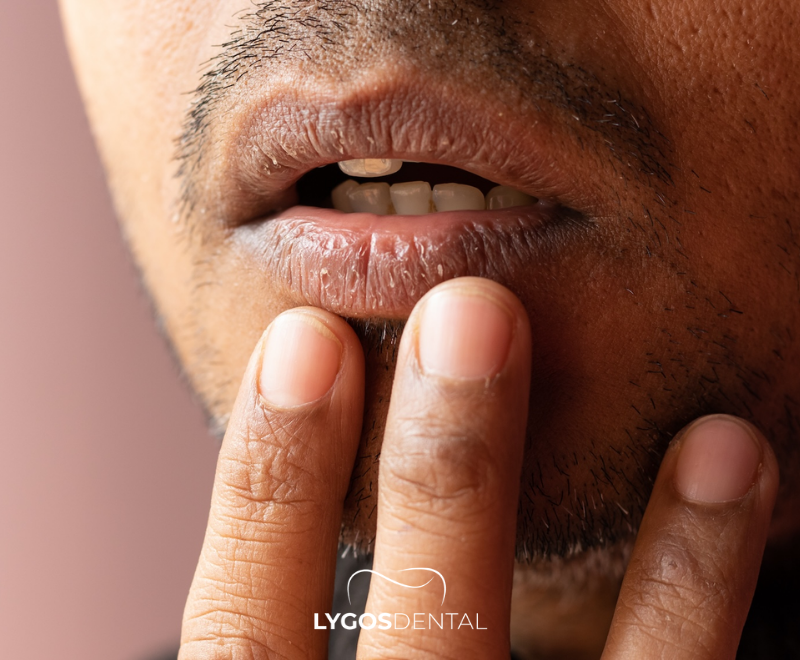
Table of Contents
The Most Common Causes Of Dry Mouth
Dry mouth is usually a symptom rather than a disease on its own. These are the most frequent reasons saliva drops.
1) Medication Side Effects
Many prescription and over-the-counter medicines can reduce saliva. Common examples include antihistamines, decongestants, antidepressants, some blood pressure medicines, diuretics, and certain pain medicines. If your symptoms started after a new medication or dose change, speak with a clinician before stopping anything.
2) Dehydration And Low Fluid Intake
Not drinking enough fluids is a simple but common cause. Dehydration can follow fever, vomiting or diarrhea, heavy sweating, or just inadequate water intake. Alcohol and too much caffeine can also leave you drier than you expect.
3) Mouth Breathing, Snoring, And Sleep Issues
Sleeping with your mouth open dries oral tissues quickly. Nasal congestion, allergies, chronic sinus problems, or sleep-disordered breathing can make mouth breathing more likely. If you wake up with a dry mouth most mornings, this is worth checking.
4) Tobacco, Alcohol, And Irritants
Smoking and other tobacco use can reduce saliva and irritate oral tissues. Alcohol—whether in drinks or alcohol-based mouthwashes—can also worsen dryness. Spicy foods and very salty snacks may feel more irritating when saliva is low.
5) Health Conditions That Affect Saliva
Several medical conditions are linked with dry mouth. Diabetes is a common one, especially when blood sugar is not well controlled. Autoimmune diseases such as Sjögren’s syndrome can directly affect salivary glands. Neurological conditions or nerve damage in the head and neck area may also interfere with normal saliva signals.
6) Cancer Treatments In The Head And Neck Area
Radiation therapy to the head and neck can damage salivary glands. Chemotherapy may also cause dryness in some people. If you are in cancer treatment or recovery and notice persistent dryness, coordinated care between your oncology team and dentist can help reduce complications.
7) Stress And Anxiety
Stress can change breathing patterns and trigger a “dry” sensation, especially during anxious periods. Some people clench their jaw or breathe through their mouth more when stressed, which can make symptoms worse.
Why Dry Mouth Shouldn’t Be Ignored
Saliva protects teeth and soft tissues. When it’s low, plaque builds up faster and acids stay in contact with enamel longer. That can lead to cavities, gum inflammation, mouth sores, and fungal infections. Dry mouth can also affect appetite and sleep, which then feeds the problem.
How Dry Mouth Is Diagnosed
Diagnosis usually starts with a medical and dental history, including a review of all medications and supplements. A clinician may examine your mouth for dryness, irritation, tooth decay, or signs of infection. If an underlying condition is suspected, they might recommend blood tests, salivary flow assessment, or referral to a specialist.
Treatment Options For Dry Mouth
The best treatment depends on the cause. Most people improve with a mix of daily habits and targeted medical care.
Daily Relief You Can Start Right Away
- Sip water regularly instead of drinking a lot at once.
- Chew sugar-free gum or use sugar-free lozenges to stimulate saliva (xylitol is commonly used).
- Use a humidifier at night if your bedroom air is dry.
- Avoid alcohol-based mouthwashes; choose products labeled for dry mouth.
- Limit tobacco and alcohol, and be mindful of caffeine if it worsens dryness.
- Choose softer, moist foods and add sauces or soups if chewing feels difficult.
Dental Protection And Oral Hygiene
Good oral hygiene becomes even more important when saliva is low. Brush twice daily with fluoride toothpaste and clean between teeth every day. Your dentist may recommend fluoride treatments or specific products if you’re getting cavities more easily.
Medical Treatments
If a medication is the trigger, a clinician may be able to adjust the dose, switch to an alternative, or change the timing—without compromising your overall care. For some people, prescription saliva-stimulating medicines (such as pilocarpine or cevimeline) may be considered. Saliva substitutes, gels, and sprays can also provide short-term comfort, especially at night.

Measures To Help Prevent Dry Mouth
You can’t prevent every cause of dry mouth, but a few habits lower the chances of long-lasting symptoms.
- Stay hydrated and increase fluids during exercise, heat, or illness.
- Breathe through your nose when possible; treat nasal congestion and allergies promptly.
- Keep regular dental check-ups so early decay and gum problems are caught quickly.
- Review medication lists periodically with your healthcare team, especially if symptoms change.
- If you snore heavily or feel unrested, consider screening for sleep-related breathing issues.
Natural Solutions That May Help
Some home approaches can be soothing. Use them as comfort measures, and seek medical advice if symptoms persist.
- Aloe vera: Some people find aloe vera juice or gel products soothing, but choose reputable products and avoid anything that irritates your stomach.
- Herbal teas: Unsweetened mint or chamomile tea can feel calming and may reduce the urge to mouth-breathe.
- Honey: A small amount can coat and soothe tissues, but use it sparingly and brush well to protect teeth.
- Saline rinses: Gentle saltwater rinses can reduce irritation without the sting of alcohol-based mouthwash.
When To See A Doctor Or Dentist
Get professional advice if dry mouth lasts more than a couple of weeks, keeps waking you at night, or is getting worse. You should also book an appointment if you notice mouth pain, swelling, sores that don’t heal, new tooth sensitivity, or frequent cavities. If you have diabetes, an autoimmune condition, or you’re receiving cancer treatment, early support can prevent complications.
FAQ: What Causes Dry Mouth?
What can dry mouth be a symptom of?
Dry mouth can signal dehydration, medication side effects, anxiety, diabetes, or Sjögren’s syndrome.
How do you get rid of a very dry mouth?
Sip water often, chew sugar-free gum, avoid alcohol/caffeine, use saliva substitutes, see a doctor.
How can I stop my mouth from being so dry?
Increase hydration, breathe through your nose, use a humidifier, review medicines with clinician.
What are you lacking if you have a dry mouth?
You’re often lacking fluids; sometimes saliva production is reduced from medications or gland disease.
Is there a disease that causes dry mouth?
Yes—Sjögren’s syndrome, diabetes, HIV, Parkinson’s, and radiation damage can cause dry mouth.
Why is my mouth so dry and I feel tired?
Dehydration, sleep apnea, diabetes, anemia, infections, or medications; seek medical evaluation if persistent.
Tooth Lesion Symptoms
What Are The Symptoms Of A Tooth Lesion?
A tooth lesion is damage to enamel or dentin, often from decay, wear, or trauma. Early lesions may cause no symptoms, but as they deepen you may notice cold or sweet sensitivity, tooth discoloration, pain when biting, visible chips or cracks, or gum recession near the affected area. A dental exam (often with X‑rays) confirms the cause and severity.
What Is A Tooth Lesion?
A tooth lesion is an area where the tooth structure has been weakened or lost. Some lesions are caused by tooth decay (caries), while others come from grinding, acidic erosion, aggressive brushing, or a crack after trauma. Lesions can affect enamel, dentin, and—when advanced—the inner nerve tissue.
Early Symptoms Of A Tooth Lesion
Many tooth lesions start silently. When symptoms do appear early, they are usually mild and easy to overlook.
-
- Tooth sensitivity to cold, hot, or sweet foods and drinks.
- A small rough spot, notch, or area that catches floss.
- Light discoloration (a white, yellow, or brown spot), especially along grooves or near the gumline.
- Occasional discomfort when biting, chewing, or brushing.
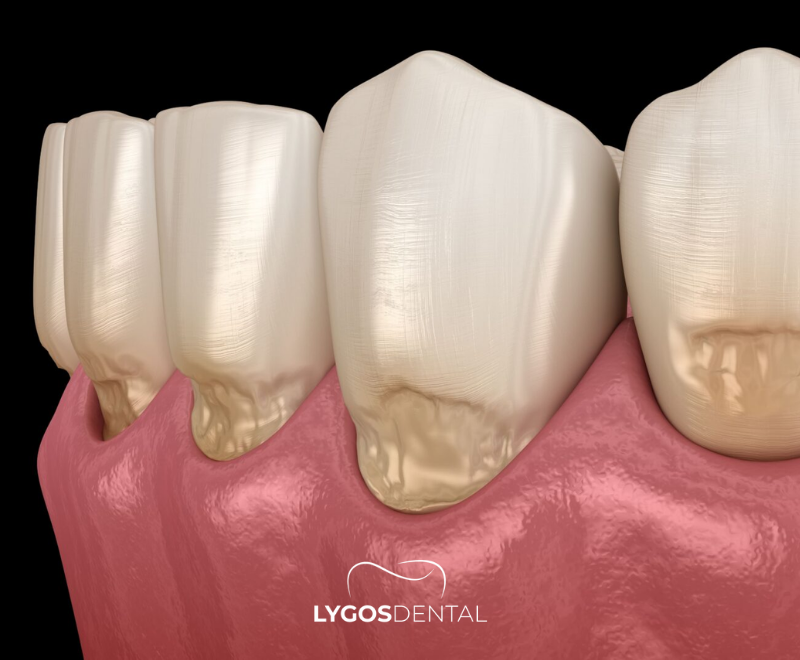
Table of Contents
Later Or More Noticeable Symptoms
As a lesion progresses, symptoms tend to become more consistent and harder to ignore.
- Sharp pain or lingering sensitivity after cold or sweet foods.
- Pain when biting down, especially on one specific tooth.
- Visible cracks, chips, or a piece of tooth that feels missing.
- Darkening of the tooth (brown or black areas) or a shadow under enamel.
- Gum recession around the affected tooth, which can expose the root and increase sensitivity.
- Bad taste, food trapping, or swelling around the tooth (possible sign of infection).
What Causes Tooth Lesions?
Tooth lesions have several common causes. Knowing the likely cause helps your dentist choose the right treatment and prevent recurrence.
- Tooth decay from plaque buildup and frequent sugar intake.
- Acid erosion from acidic foods/drinks or gastric reflux.
- Teeth grinding (bruxism) and heavy bite forces that create micro‑cracks.
- Trauma (a fall, sports injury, or biting something hard).
- Aggressive brushing or abrasive toothpaste, especially near the gumline.

Risk Factors For Tooth Lesions
Risk factors increase the chance of developing a lesion or speed up its progression.
- Poor oral hygiene (infrequent brushing, no flossing, irregular dental cleanings).
- A diet high in sugary or acidic snacks and drinks.
- Dry mouth (from medications, dehydration, or certain health conditions).
- Smoking or tobacco use, which increases gum disease risk and can worsen oral health.
- Bruxism (night grinding) or a misaligned bite.
- Naturally thinner enamel or a personal history of frequent cavities.
- Age-related enamel wear.
How Dentists Diagnose Tooth Lesions
Tooth lesions are usually found during routine checkups, even before they cause pain.
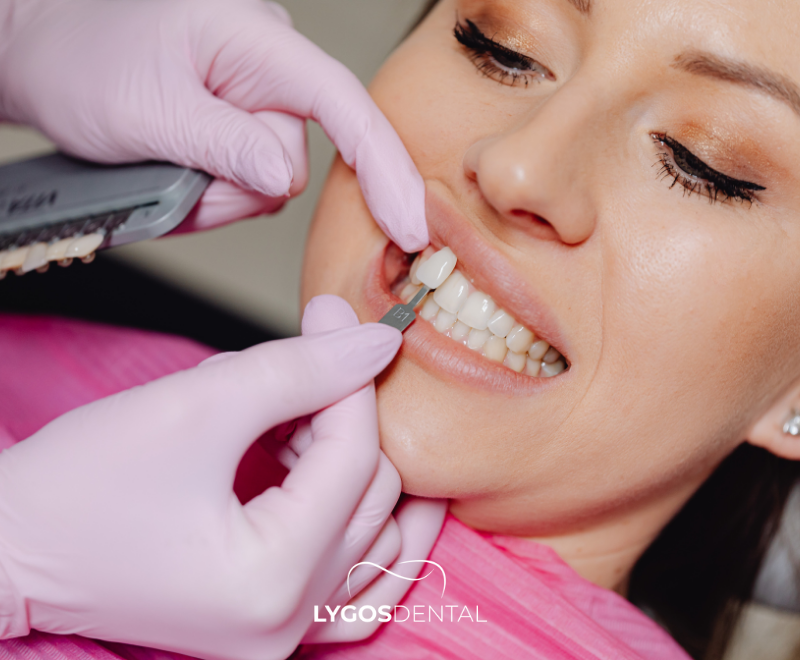
- Clinical exam: your dentist checks for color changes, soft areas, cracks, worn spots, and gum recession.
- Dental X‑rays: help detect decay between teeth and evaluate deeper damage not visible to the eye.
- Bite and sensitivity checks: identify pain triggers and confirm whether the tooth has a crack or inflamed nerve.
How Tooth Lesions Are Treated
Treatment depends on the type of lesion and how deep it goes. Earlier treatment is usually simpler and helps preserve more natural tooth structure.
- Fluoride or remineralization care: may help early enamel lesions and reduce sensitivity.
- Dental filling (restoration): removes damaged areas and rebuilds the tooth’s shape and function.
- Root canal treatment: used when the nerve is infected or irreversibly inflamed, followed by a restoration.
- Crown or onlay: protects a tooth that has lost a large amount of structure or has a significant crack.
Recovery And Aftercare
Recovery varies by procedure, but most people return to normal routines quickly.
- Keep up daily brushing and flossing to prevent new decay around restorations.
- Avoid very hard or sticky foods for a short period if your dentist advises it.
- Use medications only as directed if you have pain or swelling after treatment.
- Contact your dentist if pain worsens, you develop swelling, or your bite feels off.
When To See A Dentist
Book a dental visit if you notice new sensitivity, pain when chewing, visible cracks, or discoloration that doesn’t improve. Regular checkups are still the best way to catch lesions early—often before they become painful.
Tooth Lesion Symptoms: Frequently Asked Questions
What is a tooth lesion?
A tooth lesion is damaged tooth tissue from decay, erosion, trauma, or infection.
What is the 3-3-3 rule for toothache?
Use pain relief or saltwater rinses every 3 hours; see dentist within 3 days.
How to get rid of tooth lesion?
See a dentist; treatment ranges from fluoride remineralization to fillings, crowns, or root canals.
How to treat lesions on teeth?
A dentist treats them with fluoride, fillings, bonding, crowns, or root canal therapy.
What is the most common oral lesion?
Recurrent aphthous ulcers (canker sores) are the most common oral mucosal lesion.
Can tooth lesions be reversed?
Early enamel caries can be reversed by remineralization; cavitated lesions require restoration.
How Long Does Pain Last After a Filling?
How Long Does Pain Last After a Filling?
Most people feel mild soreness or temperature sensitivity after a dental filling for a few hours up to 1–3 days. Deeper fillings can stay tender for a couple of weeks as the tooth settles. Pain that worsens, lasts beyond two weeks, or comes with swelling, fever, or a bad taste needs a dental check.
Dental fillings repair cavities and strengthen a tooth, but it’s normal to feel a bit “off” afterward—especially when eating or drinking something hot or cold. The key is whether the discomfort is improving each day. Below is what to expect, why it happens, and how to get relief.
Is Pain After a Filling Normal?
Yes. A filling can irritate the tooth for a short period because the dentist has cleaned decay, dried the tooth, and placed restorative material. It’s common to notice temporary sensitivity to cold, heat, sweets, or biting pressure. This tends to fade as the tooth and surrounding tissues calm down.
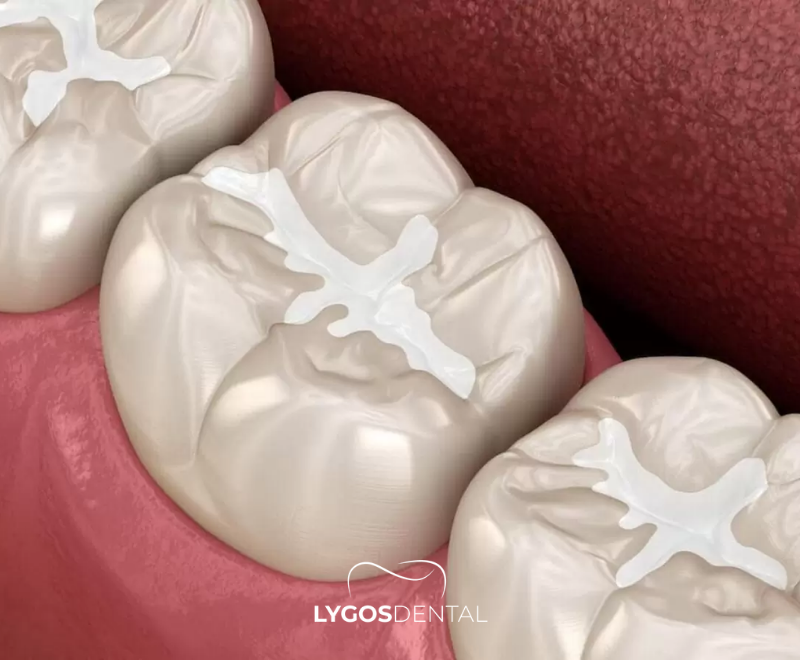
Table of Contents
How Long Does Pain Last After a Filling?
Timelines vary based on how deep the cavity was, which tooth was treated, and whether your bite feels balanced. These ranges are typical:
- Mild sensitivity or aching: often improves within 24–72 hours.
- Deep fillings (close to the nerve): can stay tender for 1–2 weeks and should gradually feel better.
- Pain that persists or gets worse: discomfort beyond two weeks, or pain that intensifies day by day, deserves a dental evaluation.
What Causes Pain After a Filling?
When pain lasts longer than expected, the cause is often mechanical (how the filling meets your bite) or nerve-related. Common reasons include:
- Filling too high: A slightly “tall” filling can create extra pressure when you chew, leading to sharp pain or jaw soreness.
- Irritation close to the nerve: If decay was deep, the nerve can stay inflamed for a while, causing lingering temperature sensitivity.
- Material sensitivity: Some people are more sensitive to certain filling materials, which can trigger short-term discomfort.
- Cracks or micro-leaks: If the tooth has tiny cracks or the seal isn’t perfect, the tooth may remain sensitive.
- New decay under the filling: Less common early on, but a poor seal can allow bacteria to create recurrent decay over time.
How To Relieve Pain After a Filling
For most people, simple steps are enough while the tooth settles:
- Use OTC pain relief if appropriate: Ibuprofen or acetaminophen can help. Follow the label directions and any advice from your dentist or pharmacist.
- Avoid extreme temperatures: Choose lukewarm foods and drinks for a day or two if cold or hot triggers sensitivity.
- Chew on the other side: Give the filled tooth a short break from hard or sticky foods.
- Try a sensitive toothpaste: A fluoride or desensitizing toothpaste can reduce sensitivity with regular use.
- Get your bite checked: If chewing feels “off,” call your dentist. A quick bite adjustment often solves the problem fast.
Home Remedies For Pain After a Filling
Home care can ease mild irritation, but it shouldn’t replace professional help when symptoms are severe or worsening:
- Warm saltwater rinse: Swish gently for 20–30 seconds to soothe tender gums and keep the area clean.
- Cold compress on the cheek: Apply for 10 minutes at a time to reduce soreness.
- Clove oil (use carefully): If you use it, dilute it and apply a small amount to the tooth area—not the gums. Stop if it irritates your mouth.
- Soft foods for 24 hours: Soups, yogurt, eggs, and pasta can reduce pressure on the tooth.

When Pain After a Filling Needs A Dentist
Call your dentist if you notice any of the following, especially if symptoms are not improving:
- Severe, throbbing, or worsening pain that doesn’t respond to over-the-counter medication.
- Pain when biting that feels sharp or “electric,” which may suggest a bite issue or deeper tooth irritation.
- Swelling, pus, a bad taste, or a pimple-like bump on the gum (possible infection).
- Fever, facial swelling, or trouble swallowing—seek urgent care.
- Sensitivity that stays intense for more than two weeks.
If you’re unsure, it’s better to get the tooth checked. A quick exam can confirm whether the filling simply needs time, needs a bite adjustment, or requires further treatment.
Frequently Asked Questions
How long should my tooth hurt after a filling?
Mild sensitivity should improve within 1–2 weeks; persistent or worsening pain needs dentist review.
What are the signs of a failed filling?
Persistent pain, new sensitivity, visible gaps/cracks, loose filling, food trapping, or bad taste.
What is the 3-3-3 rule for toothache?
It’s a popular mnemonic: 600 mg ibuprofen three times daily for up to three days.
How do I relieve tooth pain after a filling?
Use ibuprofen/acetaminophen if safe, avoid chewing there, and use cold compresses.
Why is my toothache getting worse after a filling?
Worsening pain suggests high bite, nerve inflammation, crack, or infection—see your dentist promptly.
Why does my filling only hurt at night?
Night pain often worsens lying down or grinding, increasing pressure on an inflamed nerve.