
Leighton Meester Dental Aesthetics | LYGOS DENTAL
Leighton Meester Dental Aesthetics
Leighton Meester has never confirmed any cosmetic dental work, but her smile appears brighter and more even than in early public photos. That kind of change is often linked to professional whitening, orthodontics (braces or clear aligners), and sometimes porcelain veneers. If you’re considering a similar “Hollywood smile,” the safest approach is a dentist-led plan that protects enamel and bite function.
Who Is Leighton Meester?
Leighton Meester is an American actress and singer best known for playing Blair Waldorf on the TV series Gossip Girl. Alongside her on-screen style, her polished smile has become part of her public image. That visibility naturally leads to questions about cosmetic dentistry and what a camera-ready smile typically involves.
Did Leighton Meester Get Her Teeth Done?
There is no official confirmation from Meester about dental aesthetics, and any discussion is only informed speculation. Still, side-by-side comparisons of older and more recent photos can show changes in shade, symmetry, or tooth edges. Those shifts are common in celebrity dentistry, where subtle improvements are preferred over obvious “one-size-fits-all” veneers.
Treatments That Could Explain A More Refined Smile

Table of Contents
Professional Teeth Whitening
Whitening is often the first step because it is conservative and can make natural teeth look noticeably fresher. In-office whitening and supervised take-home trays can lift common staining from coffee, tea, or natural aging. A dentist can also check for sensitivity risks and existing restorations that won’t change color.
Orthodontics: Braces Or Clear Aligners
Small rotations, crowding, or spacing can often be corrected with braces or clear aligners such as Invisalign-style systems. Orthodontics improves alignment without removing enamel, which is why many dentists prefer it before any veneer planning. Even minor alignment changes can make a smile look more symmetrical in photos.
Veneers Or Cosmetic Bonding
When shape, edge wear, chips, or persistent color issues are the main concern, veneers or composite bonding can help. Veneers cover the front surface of teeth, while bonding builds and reshapes with tooth-colored resin. A responsible plan keeps preparations minimal and prioritizes bite stability, not just whiteness.
Materials Used In Cosmetic Dentistry
Porcelain (Ceramic) Veneers
Porcelain veneers are widely chosen for their natural translucency and stain resistance. They can be tailored for subtle texture and realistic light reflection, which helps them look less “flat” on camera. Because they are custom-made, final results depend heavily on the dentist–lab collaboration.
Composite Resin (Bonding Or Composite Veneers)
Composite resin is typically less expensive and can be shaped directly in the clinic. It can deliver a strong aesthetic improvement, although it may stain or chip more easily than porcelain over time. For some patients, composite can be a practical first step before committing to porcelain.
All-Ceramic Crowns
Crowns are usually considered when a tooth needs structural reinforcement due to large fillings, cracks, or previous damage. Modern all-ceramic crowns can look highly natural, but they require more tooth reduction than veneers. A dentist will only recommend crowns when there is a functional or restorative reason.
Leighton Meester Teeth Before And After: How To Read Celebrity Photos
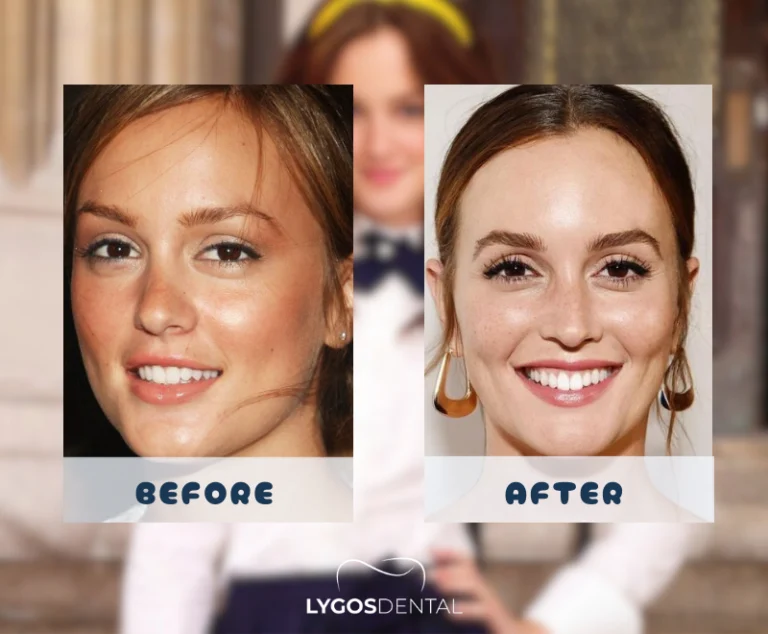
Celebrity “before and after” comparisons can be misleading because lighting, makeup, camera lenses, and retouching change how teeth look. Professional styling can also make gums and lip posture appear different, which affects perceived symmetry. If you use celebrity photos as inspiration, treat them as a style reference rather than proof of a specific procedure.
Cost Of Dental Veneers In Turkey
Turkey is a well-known destination for dental tourism, largely because treatment fees are often lower than in the UK or US. Prices vary by city, clinic reputation, veneer type, lab quality, and whether you need extra procedures such as gum treatment or bite correction. Always budget for diagnostics, temporary restorations, and aftercare—not just the veneer unit price.
As a general price range reported by dental clinics and medical travel platforms, porcelain veneers in Turkey are often quoted around $200–$450 per tooth, while E.max-style veneers may be higher (often roughly $300–$600 per tooth). In the UK, veneers are commonly priced in the hundreds to low-thousands of pounds per tooth, and in the US, porcelain veneers are frequently quoted in the roughly $900–$2,500 per-tooth range, depending on location and case complexity.
How To Choose A Clinic Safely
Start with a comprehensive exam: gum health, X-rays, bite analysis, and a clear treatment plan. Ask for real case photos, the veneer brand or ceramic system, and whether a dental lab is in-house or external. A reputable clinic should discuss conservative preparation, long-term maintenance, and realistic outcomes, not just the whitest shade.
Frequently Asked Questions
Did Leighton Meester get veneers?
No verified public evidence confirms Leighton Meester got veneers.
Did Leighton Meester get braces?
No verified public evidence confirms Leighton Meester got braces.
What do dentists say about Leighton Meester’s teeth?
Dentists have no confirmed public statements; online opinions are speculative.
Does Leighton Meester wear dentures?
No verified public evidence suggests Leighton Meester wears dentures
Has Leighton Meester had her teeth done?
No public confirmation shows Leighton Meester had cosmetic dental work done.
Gordon Ramsay Teeth Veneers | LYGOS DENTAL
Gordon Ramsay Teeth Veneers
Gordon Ramsay’s smile looks noticeably brighter and more even than in earlier photos, which has led to ongoing talk about veneers and professional whitening. Ramsay hasn’t publicly confirmed exact treatments, so the best we can do is explain the most likely cosmetic options, how veneers work, what they’re made from, and what to budget—especially if you’re considering treatment in Turkey.
Who is Gordon Ramsay?
Gordon Ramsay is a Michelin-starred chef, restaurateur, and television personality known for shows such as Hell’s Kitchen and MasterChef. With years in the public eye, his appearance—especially his smile—naturally attracts attention on high-definition cameras and red carpets.
Did Gordon Ramsay get veneers?
There’s no official, detailed statement confirming veneers. Still, many fans point to a clear change over time: teeth that appear whiter, more uniform in shape, and more evenly aligned than in older images. Those are common hallmarks of cosmetic dentistry, though similar results can also come from whitening, bonding, orthodontics, or a combination of treatments.
Common treatments used to create a ‘camera-ready’ smile

Table of Contents
Teeth whitening
Professional whitening can brighten teeth quickly and is often the first step before any cosmetic work. It’s useful for removing staining from coffee, tea, wine, and natural ageing.
Veneers
Veneers are thin shells placed over the front of teeth to improve colour, shape, and symmetry. They’re commonly used to mask stubborn stains, small chips, uneven edges, or minor crowding. A natural result depends on careful shade selection and conservative tooth preparation.
Orthodontic alignment (sometimes before veneers)
Some patients straighten teeth first with clear aligners or braces, then use a small number of veneers for finishing touches. This approach can reduce the need to remove enamel and helps keep the result subtle rather than bulky.
Materials used in veneers
Porcelain veneers
Porcelain is popular because it reflects light in a way that looks close to natural enamel. It also tends to resist staining better than composite. With good oral hygiene and regular check-ups, porcelain veneers can last for many years.
Composite veneers (bonding)
Composite veneers are sculpted directly on the tooth using tooth-coloured resin. They’re typically more budget-friendly and can often be done faster, though they may stain or wear sooner than porcelain.
Ultra-thin veneers
Some veneer systems are designed to be thinner and may require less tooth reduction in suitable cases. Whether that’s appropriate depends on bite, tooth position, and the colour you’re trying to achieve.
Gordon Ramsay teeth before and after
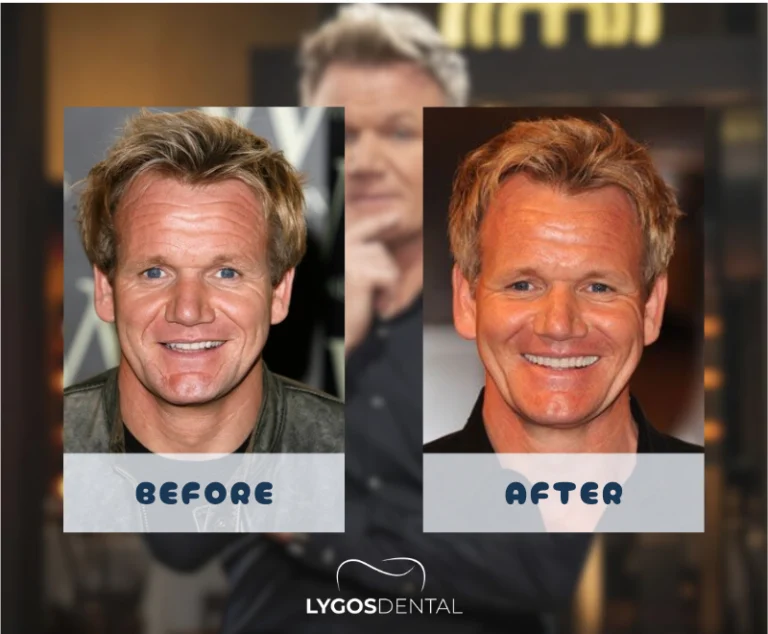
When people compare older and newer photos, the most noticeable differences tend to be brightness, edge uniformity, and a more consistent tooth shape across the front teeth. Those changes are typical goals of cosmetic dentistry. Photos alone can’t confirm exactly which procedures were used, but they do show the kind of improvements that veneers and whitening are designed to deliver.
Cost of dental veneers in Turkey
Turkey is a well-known destination for cosmetic dentistry, partly because many clinics offer lower per-tooth pricing than the UK or the US. Current online price guides often place veneers in Turkey in a broad range depending on the material, brand, and clinic standards.
As a rough benchmark, composite veneers are often quoted around $150–$250 per tooth, while porcelain veneers are commonly quoted around $250–$450 per tooth. Packages can change the overall price, especially for full-smile cases, and may include consultation, imaging, temporary restorations, and follow-up care.
What affects the final price?
The total cost depends on how many teeth are treated, the veneer material, the lab quality, and whether you need extra work first (such as gum treatment, fillings, bite adjustment, or alignment). A lower headline price can become expensive if revisions are needed later, so it’s worth comparing what’s included, not just the per-tooth figure.
How to choose veneers safely
A good veneer case starts with healthy gums and a stable bite. Look for clinics that offer a full exam, digital smile planning, and conservative tooth preparation where possible. Ask to see real before-and-after cases, confirm the exact material and warranty terms, and make sure you have a plan for maintenance and any future repairs once you’re home.
FAQ
Did Gordon Ramsay get veneers?
No verified public statement from Ramsay confirms veneers.
Has Gordon Ramsay had dental cosmetic surgery?
No verified public statement from Ramsay confirms dental cosmetic surgery.
Does Gordon Ramsay wear dentures?
No evidence he wears dentures routinely; he’s worn fake dentures for TV disguises.
Has Gordon Ramsay had her teeth done?
No verified public statement from Ramsay confirms having his teeth done.
Did Gordon Ramsay get braces?
No public evidence shows Ramsay wore braces.
Millie Bobby Brown Teeth Veneers | LYGOS DENTAL
Millie Bobby Brown Teeth Veneers
Millie Bobby Brown has never publicly confirmed getting veneers, so any specific claims about her dental work are speculation. What’s clear is that veneers and professional whitening can dramatically change a smile’s color and symmetry. If you’re considering a similar look, the safest approach is an in-person exam and a conservative treatment plan tailored to your teeth.
Why People Talk About Her Smile
Celebrity smiles are photographed under strong lighting, heavy retouching, and different camera lenses, so small changes can look dramatic. As actors get older, natural dental development, orthodontic history, whitening, and routine dental care can also change how teeth appear on screen. That mix makes it easy for online rumors to spread—even when no treatment has been confirmed.
Who Is Millie Bobby Brown?
Millie Bobby Brown is a British actress and producer who rose to international attention for playing Eleven in Netflix’s “Stranger Things.” She was born in 2004 in Marbella, Spain, and later lived in England and the United States. Alongside acting, she has expanded into producing and business projects, which keeps her in the public eye and fuels interest in her style choices.
Did Millie Bobby Brown Get Veneers?
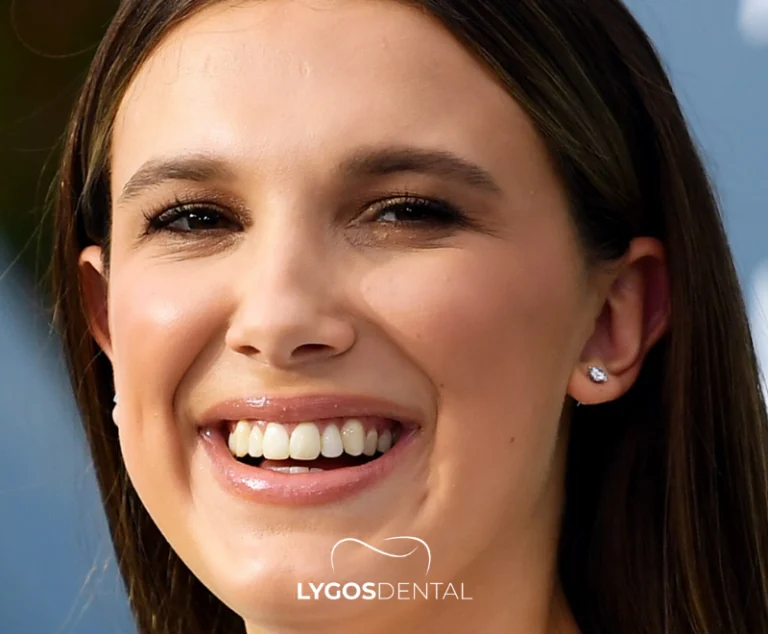
Table of Contents
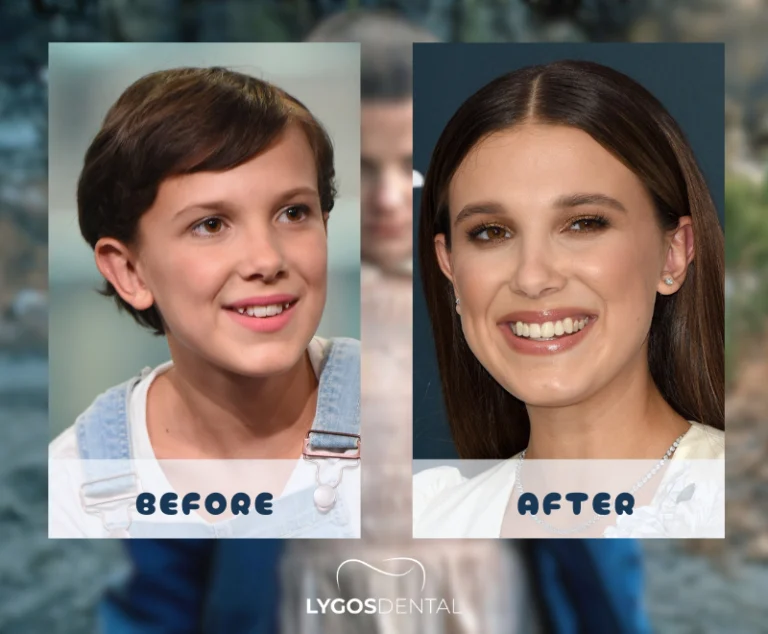
There is no official confirmation that Millie Bobby Brown has had veneers or any other specific cosmetic dental procedure. Online comparisons of “before and after” photos can be misleading because of angles, makeup, lighting, editing, and changes that happen naturally with age. If you’re reading claims that state a particular treatment as fact, treat them as unverified unless they come directly from a reliable statement or interview.
What Treatments Could Create A “Celebrity Smile” Look?
When a smile looks brighter, smoother, or more even, it can be the result of one treatment—or a combination. Here are common cosmetic options dentists use to improve color and symmetry:
- Professional teeth whitening: In-office or supervised at-home whitening to lift stains and brighten enamel.
- Orthodontics (aligners or braces): Moves teeth into a more even position, often improving bite and long-term stability.
- Bonding: Tooth-colored resin that can close small gaps, reshape edges, or mask minor chips.
- Enamel recontouring: Conservative shaping to smooth edges and improve symmetry.
- Veneers: Thin shells (usually porcelain or composite) bonded to the front of teeth to change shape, size, or color.
What Are Veneers?
Veneers are custom-made covers placed on the front surface of teeth. They can correct discoloration that doesn’t respond well to whitening, hide chips and wear, and improve the appearance of mild spacing or uneven edges. Good veneer work aims to look natural—matching your face, lip line, and tooth proportions rather than chasing an overly bright, uniform look.
Porcelain Vs. Composite Veneers
Both materials can improve aesthetics, but they differ in durability, finish, and the amount of tooth preparation required:
Porcelain tends to be stain-resistant, highly polished, and long-lasting when properly planned and cared for. They are typically fabricated in a lab and may require enamel reduction depending on the case.
- Composite veneers
Composite veneers are often applied directly in the clinic. They can be more affordable and quicker, but they generally stain and wear faster than porcelain. In many cases, they’re useful for smaller cosmetic changes or as a step before committing to porcelain.
Before-And-After Photos: What To Look For
If you’re comparing photos online, focus on the signals that are more informative than “whiter teeth.” Ask whether the tooth length changed, whether edges look more uniform, and whether the overall smile line appears more even. Still, remember that photography and editing can mimic these effects, so photos alone can’t confirm a procedure.
Are Veneers Right For You?
Veneers can be a great option if your teeth are healthy and your goals are realistic. They’re not the first choice for everyone, especially if you have untreated decay, gum disease, heavy grinding, or a bite issue that needs orthodontic correction. A cosmetic dentist should evaluate enamel thickness, gum health, bite forces, and your smile design goals before recommending veneers.
Risks And Long-Term Care
Veneers are medical devices bonded to living teeth, so planning matters. Possible downsides include tooth sensitivity, chipping, gum irritation if margins are poorly designed, and the fact that some veneer cases require enamel removal. To protect your investment, use a night guard if you grind, keep up with hygiene and cleanings, and avoid habits like biting hard objects or opening packaging with your teeth.
Cost Of Dental Veneers In Turkey
Turkey is a well-known destination for dental tourism, partly because clinic overheads can be lower than in the UK or US. Prices vary by city, clinic reputation, materials (standard porcelain vs. e.max), and how much work is included (design, temporary veneers, scans, warranty, and aftercare).
As a broad range, many clinics advertise porcelain veneers in Turkey starting roughly around $200–$350 per tooth, with premium options (such as e.max) often higher. Treat any advertised price as a starting point—your final quote depends on your bite, gum health, the number of teeth treated, and whether you need extra procedures like gum contouring or whitening.
How To Choose A Clinic Safely (Turkey Or Anywhere)
If you’re considering veneers abroad, prioritize safety and long-term results over a quick “Hollywood smile” package. A reputable clinic should be comfortable answering detailed questions and showing real case work.
- Ask for a comprehensive exam (including X-rays) and a written treatment plan before you commit.
- Request before-and-after cases that match your starting point (similar tooth shape, color, and bite).
- Confirm the veneer type and brand (porcelain, e.max, zirconia where applicable) and what warranty covers.
- Make sure bite design is addressed—poor bite planning is a common reason veneers chip.
- Plan for follow-up care at home, including how adjustments or repairs will be handled.
Frequently Asked Questions
Has Millie Bobby Brown had veneers?
No—she hasn’t publicly confirmed having veneers.
How did Millie Bobby Brown fix her teeth without braces?
She hasn’t publicly explained; any method used without braces remains unconfirmed.
Why did Millie Bobby Brown change her teeth?
She hasn’t publicly stated why; any reasons for dental changes remain unconfirmed.
Does Millie Bobby Brown have veneers in real life?
No—real-life veneers haven’t been publicly confirmed by her.
Did Millie Bobby Brown get veneers done?
No—she hasn’t publicly confirmed getting veneers done.
Gwen Stefani Teeth Veneers | LYGOS DENTAL
Gwen Stefani Teeth Veneers
Gwen Stefani hasn’t publicly confirmed specific cosmetic dental treatments, but many fans and clinicians speculate her smile has been refined over time with cosmetic dentistry such as veneers and whitening. Veneers are thin shells bonded to the front of teeth to improve shape, color, and symmetry. In Turkey, veneer prices vary by material, clinic, and case complexity.
Who Is Gwen Stefani?
Gwen Stefani is an American singer, songwriter, and fashion figure best known as the lead vocalist of No Doubt. Alongside her music career, her style evolution has been closely followed—right down to her smile, which has looked increasingly bright and uniform in recent years.
Did Gwen Stefani Get Her Teeth Done?
There’s no official, detailed statement from Stefani confirming veneers or any specific procedure. That said, many “before and after” photos show changes that are commonly associated with cosmetic dentistry, such as a more consistent tooth shape, smoother edges, and a brighter, more even shade.
What Treatments Could Explain The Change?

Table of Contents
Several treatments can create the kind of polished, camera-ready smile often attributed to celebrity makeovers. The exact combination varies from person to person and should never be assumed without clinical records. These are the most likely options that dentists typically consider when evaluating a similar transformation.
Common Cosmetic Options
- Professional whitening (in-office or supervised take-home).
- Orthodontics (clear aligners or braces) to refine alignment and bite.
- Dental bonding to reshape small chips or uneven edges.
- Veneers (porcelain or composite) to change shape, color, and symmetry in a predictable way.
- Crowns, in cases where teeth need more coverage due to damage or large restorations.
Veneer Materials Explained
Veneers are most often made from porcelain (including E.max) or composite resin. Porcelain tends to be more stain-resistant and holds its gloss longer, while composite can be more budget-friendly and may require less enamel reduction in some cases.
Porcelain (Including E.max)
Porcelain veneers are lab-made and bonded to the tooth surface. They’re valued for their lifelike translucency, color stability, and durability when placed on a suitable bite and maintained well.
Composite Resin
Composite veneers can be placed directly in the clinic (or made indirectly) and are often chosen for cost or for more conservative reshaping. They may stain or wear faster than porcelain, so maintenance and polishing matter.
Gwen Stefani Teeth Before And After
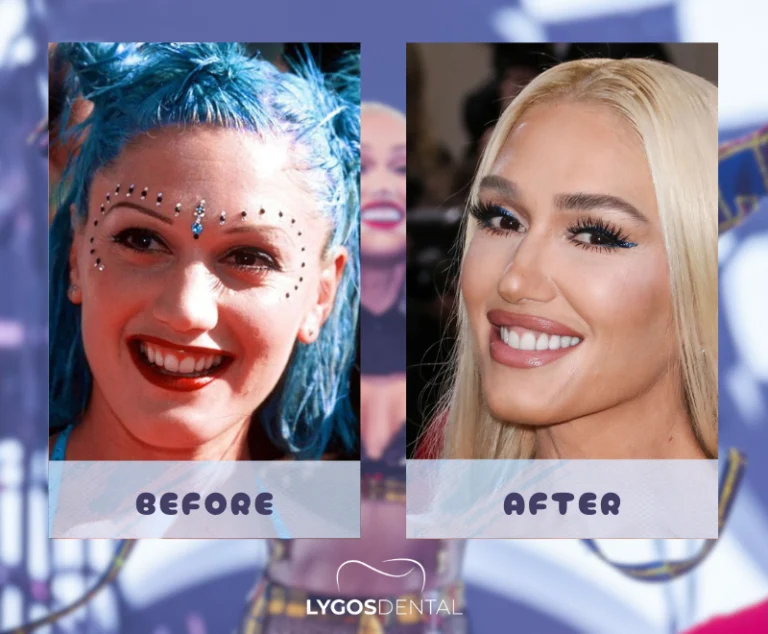
Earlier photos show a natural smile with slight variations in tooth length, edge shape, and shade—completely normal. More recent appearances show a brighter tone and a more uniform contour across the front teeth. Those visual cues are consistent with cosmetic dentistry, but photos alone can’t confirm the exact treatment.
Dental Veneers In Turkey (2026): Typical Price Ranges
Turkey is a popular destination for cosmetic dentistry, largely because treatment costs can be lower than in many Western countries while offering modern clinics and experienced teams. Prices still vary widely based on the city, the dentist’s planning process, the lab, and the veneer type.
Per-Tooth Estimates (Ballpark)
Most clinics advertise veneer prices per tooth. Recent published ranges commonly place porcelain/E.max veneers around the mid-hundreds of US dollars per tooth, with composite options generally lower. Always treat online price lists as starting points until you have an in-person assessment.
- Porcelain / E.max veneers: roughly $250–$500 per tooth (commonly advertised ranges).
- Zirconia-based options (often marketed as “zirconium veneers”): roughly $180–$470 per tooth, depending on type and package.
- Composite veneers: often advertised around $120–$250 per tooth, though some platforms quote higher depending on what’s included.
What Can Change The Final Cost?
A quote can change significantly once a dentist evaluates your enamel thickness, bite, gum health, and the aesthetic target. Costs may also include digital smile design, temporary veneers, gum contouring, X-rays, and follow-ups.
How To Choose A Clinic Safely
If you’re considering veneers abroad, prioritize diagnosis and long-term planning over speed. Ask for a written treatment plan, the exact veneer brand/material (for example, E.max), and what happens if a veneer chips after you return home.
Questions To Ask
- How much enamel will be removed, and is a no-prep or minimal-prep option realistic for me?
- Will you provide a wax-up or mock-up so I can preview the final shape and length?
- Which lab makes the veneers, and what warranty is offered in writing?
- What follow-up schedule do you recommend, and how are adjustments handled after travel?
- Can you show before/after cases with similar starting teeth and a similar bite?
Aftercare And Lifespan
Well-made veneers can last many years, but they’re not indestructible. Night guards are often recommended for clenching or grinding, and routine professional cleaning helps protect the margins. Avoid using veneered teeth as tools, and address gum inflammation early to keep the smile looking natural.
Frequently Asked Questions
Does Gwen Stefani have veneers?
No publicly confirmed evidence shows Gwen Stefani has veneers.
What dental cosmetic procedures has Gwen Stefani had?
Braces are documented; other cosmetic dental procedures haven’t been confirmed by her.
Does Gwen Stefani wear dentures?
No credible reports indicate Gwen Stefani wears dentures.
Has Gwen Stefani had her teeth done?
Braces are documented; other dental work hasn’t been publicly confirmed.
Did Gwen Stefani get dentures?
No credible reports indicate she got dentures.
Scarlett Johansson Teeth Veneers | LYGOS DENTAL
Scarlett Johansson Teeth Veneers
There’s no verified public confirmation that Scarlett Johansson has veneers. What people notice in photos—whiter, more even teeth—can come from veneers, whitening, orthodontics, or professional photography. This guide explains the common cosmetic dentistry options behind a “Hollywood smile,” how veneers work, material choices, lifespan, risks, and what to expect from treatment in Turkey.
Why People Talk About Scarlett Johansson’s Smile
Scarlett Johansson’s on-camera smile has looked brighter and more uniform over different stages of her career. That kind of change often leads to online speculation about veneers. Still, celebrity dental work is rarely confirmed, and photos alone can be misleading due to lighting, angles, retouching, and makeup.
Did Scarlett Johansson Get Veneers?
There is no official statement or reliable public record that confirms veneers or any specific dental procedure. If a change is visible, it could be explained by routine cosmetic dentistry such as whitening, edge bonding, minor reshaping, orthodontic alignment, or veneers. Only a treating clinician and the patient would know what was actually done.
What Veneers Are And What They Fix

Table of Contents
Veneers are thin shells bonded to the front surface of teeth to change their shape, color, or symmetry. They’re commonly used to mask discoloration that doesn’t respond well to whitening, close small gaps, and refine chipped or worn edges. Veneers are a cosmetic solution, not a substitute for treating active decay or gum disease.
Benefits People Seek From Veneers
- Brighter, stain-resistant color that stays consistent across the smile
- More even tooth shape and length for a balanced smile line
- Minor alignment and spacing improvements without braces in select cases
- A smooth, uniform finish that photographs well
Common Veneer Materials
Material choice affects translucency, strength, repairability, and cost. A reputable clinic will recommend the material that fits your bite, tooth preparation needs, and aesthetic goals.
Porcelain (Ceramic) Veneers
Porcelain veneers are popular for a natural, enamel-like translucency and good stain resistance. They’re lab-made and usually require careful planning, including shade selection and a smile design step.
Zirconia-Based Veneers
Zirconia offers high strength and can be useful where extra durability is needed. Because zirconia can look more opaque, the lab technique and material selection matter for a natural finish.
Composite Veneers (Direct Bonding-Style Veneers)
Composite veneers are built chairside with tooth-colored resin. They can be more affordable and are often less invasive, but they usually stain and wear faster than porcelain. They can be easier to repair if small chips occur.
“Before And After” Photos: How To Read Them Safely
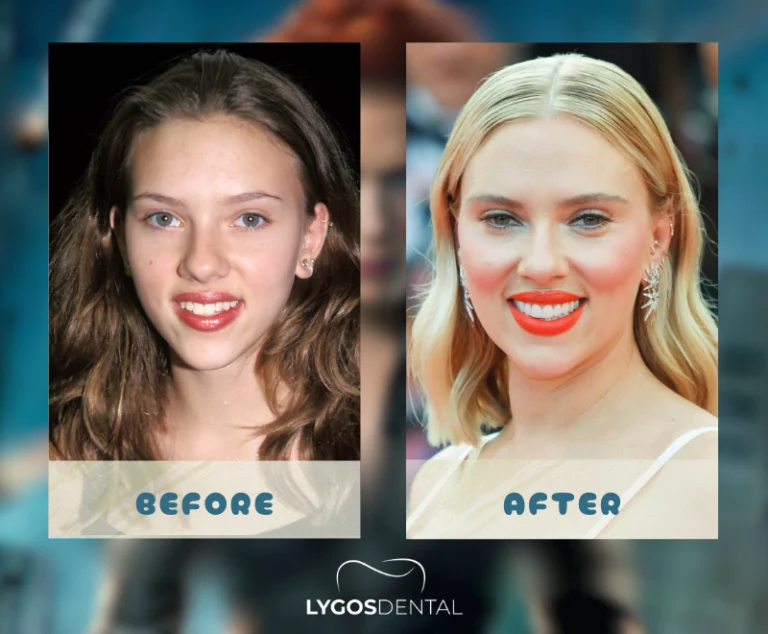
Before-and-after comparisons online can exaggerate differences. Professional photos may use different lighting, lenses, and color grading, and many public images are retouched. If you’re assessing your own candidacy for veneers, rely on an in-person exam and diagnostic photos taken in controlled conditions.
What The Veneer Process Typically Looks Like
Most veneer cases follow a structured sequence: consultation, digital scans or impressions, smile design, and trial options such as a wax-up or mock-up. Depending on the plan, teeth may need minimal enamel reduction, then temporaries may be placed while the final veneers are fabricated. Final bonding is done with careful isolation and bite checks to protect the edges from early chipping.
How Long Veneers Last
With good case selection and care, veneers can last many years. Longevity depends on habits (grinding, nail biting), bite forces, oral hygiene, and regular dental follow-up. A night guard is often recommended for patients who clench or grind.
Risks And Limitations To Understand
Veneers are not “one-size-fits-all.” They can involve irreversible enamel reduction, and poor planning can lead to gum irritation, sensitivity, or a bulky appearance. Chipping, debonding, and edge wear are possible, especially if the bite is not managed properly.
Cost Of Dental Veneers In Turkey
Turkey is a popular destination for cosmetic dentistry, mainly due to a high volume of clinics and competitive pricing. Veneer pricing varies widely by material, number of teeth treated, laboratory quality, clinician experience, and whether a full smile design is included. When comparing quotes, ask what’s included (consultation, scans, temporaries, aftercare, and any revisions).
Questions To Ask Any Clinic Before Booking
- Which veneer material do you recommend for my bite, and why?
- How much enamel reduction is planned, and can I see a mock-up first?
- Who makes the veneers (in-house lab or external lab), and what is the turnaround time?
- What happens if a veneer chips or debonds after I return home?
- Do you provide a night guard if grinding is suspected?
FAQ About Scarlett Johansson Teeth Veneers
Does Scarlett Johansson wear veneers?
No confirmed evidence; Scarlett Johansson hasn’t publicly confirmed wearing veneers.
What surgery did Scarlett Johansson have?
None; she has publicly denied having plastic surgery.
Did Scarlett Johansson have her teeth fixed?
No confirmed evidence; she hasn’t publicly confirmed having her teeth fixed.
Does Gwen Scarlett Johansson wear dentures?
No confirmed evidence; she hasn’t publicly confirmed wearing dentures.
Has Scarlett Johansson had her teeth done?
No confirmed evidence; she hasn’t publicly confirmed having her teeth done.
Side Effects of Teeth Whitening Products | LYGOS DENTAL
Side Effects of Teeth Whitening Products
Teeth whitening can brighten stains, but it can also trigger short-term tooth sensitivity and gum irritation—especially if trays or strips touch the gums or the product is overused. Less common issues include uneven color around fillings or crowns, dry mouth, and enamel wear from repeated treatments. Using the right strength and timing helps reduce these risks.
Teeth whitening is one of the most popular cosmetic dental treatments because it’s quick and usually affordable. Most products work by using peroxide-based ingredients to break down stain compounds in the enamel and dentin. The trade-off is that whitening can temporarily irritate teeth and soft tissues, particularly if you already have sensitivity or gum inflammation.
What Are Teeth Whitening Products?
Teeth whitening products are designed to lighten tooth color and reduce surface or deeper stains from foods, drinks, smoking, or age. Common active ingredients include hydrogen peroxide and carbamide peroxide (which releases hydrogen peroxide). You’ll see them in whitening toothpaste, strips, paint-on gels, tray-based kits, and in-office treatments performed by a dentist.
Whitening changes tooth color, but it does not change the color of existing dental work such as fillings, crowns, veneers, or bonding. That difference matters when you’re aiming for an even shade across your smile.
Common Side Effects Of Teeth Whitening Products
Most people can whiten safely when they follow instructions and avoid overusing products. Still, these side effects show up often enough that it’s worth planning for them—especially if you have recession, thin enamel, or a history of sensitivity.
Tooth sensitivity
Sensitivity is the most common complaint. Whitening can temporarily open pathways in the tooth structure, making nerves react more strongly to cold, heat, air, and sugary foods. It typically peaks during treatment and settles within a few days after you stop.
Gum irritation
If gel touches the gums, it can cause redness, soreness, or a brief burning sensation. This is more likely with ill-fitting trays or when too much gel is applied. Mild irritation usually improves quickly once the product is removed.
Uneven whitening
Natural teeth can lighten, but restorations won’t. If you have visible fillings, crowns, or bonding, the surrounding teeth may brighten while the restoration stays the same shade, creating a patchy look.
Enamel wear from misuse
Whitening products don’t “melt” enamel, but frequent or prolonged use—especially with high-strength gels—can roughen the surface and worsen sensitivity. Aggressive brushing with abrasive whitening toothpaste can add to enamel wear over time.
Dry mouth and irritation
Some people notice a dry mouth or mild throat irritation, particularly with strips or trays worn for long periods. Less saliva can raise the risk of bad breath and cavities if it becomes a habit.
How Whitening Products Can Affect Your Gums
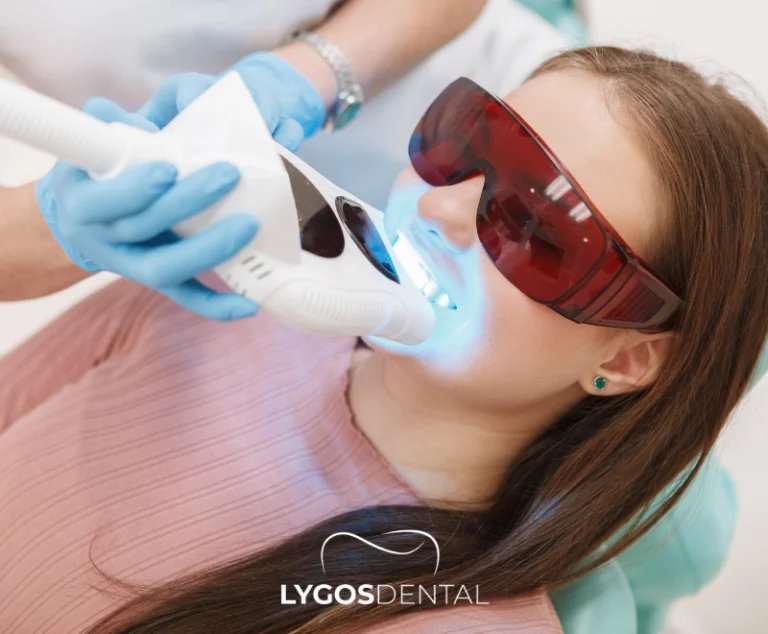
Table of Contents
Gums are more sensitive than tooth enamel, so even small amounts of peroxide gel can sting. When exposure is prolonged, you may see a white patch on the gumline (a chemical irritation) that later turns red as it heals. This is usually temporary, but it’s a sign that the product is contacting soft tissue too often.
Practical ways to reduce gum irritation:
- Use only the recommended amount of gel; more does not mean faster results.
- Keep trays and strips aligned to the tooth surface and away from the gumline.
- Wipe away excess gel with a clean cotton swab before wearing the tray.
- Stop the session if you feel sharp burning, and rinse your mouth with water.
- If you have gum disease, recession, or mouth sores, get dental advice before whitening.
Home Teeth Whitening Vs Professional Whitening
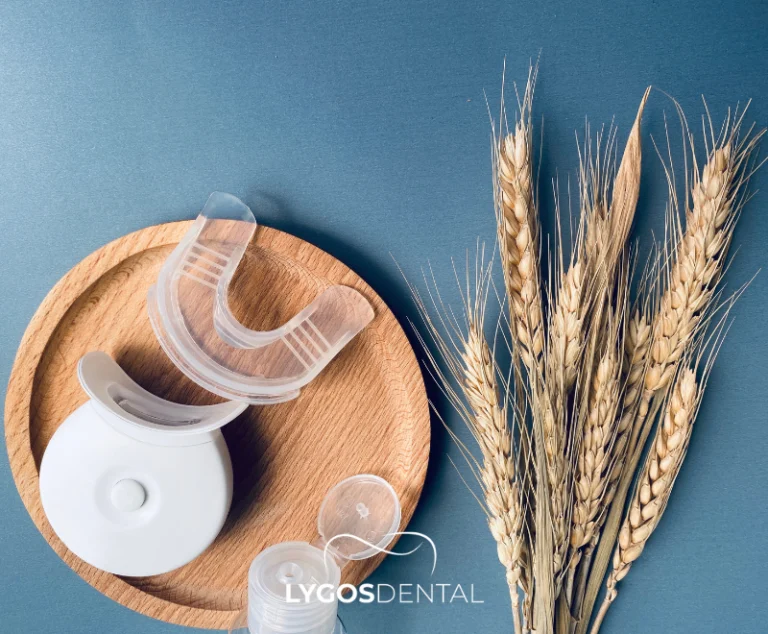
Both at-home and in-office whitening can work. The best choice depends on how quickly you want results, how sensitive your teeth are, and whether you have restorations that may affect the final shade.
Home Teeth Whitening
Over-the-counter strips, gels, and whitening toothpaste are convenient and cost-friendly. Because application is self-directed, side effects often come from longer wear times than recommended, repeated rounds back-to-back, or trays that don’t fit well. If you feel increasing sensitivity, take a break for a few days rather than pushing through.
Professional Teeth Whitening
In-office whitening uses higher-strength products under professional supervision, often with soft-tissue protection and controlled timing. Dentists can also check for cavities, cracks, recession, or gum inflammation that may make whitening uncomfortable. This route tends to be faster and more predictable, especially when you want a specific shade match.
How Teeth Whitening Products Can Affect Long-Term Dental Health
Whitening is cosmetic, but it interacts with real dental issues. If you have untreated decay, leaky fillings, exposed roots, or cracks, whitening agents can penetrate deeper and increase pain. Overusing whitening can also encourage habits that wear enamel—like frequent acidic drinks, hard brushing, or constant “touch-ups.”
A quick dental check is especially helpful if you have crowns or bonding in your smile line, since you may need to plan for replacement after whitening to keep color consistent.
Recovery After Teeth Whitening
Temporary sensitivity and gum irritation often settle within hours to a few days. During that window, keep things gentle and let the tooth surface rehydrate.
- Stick to lukewarm foods and drinks for 24–48 hours; extreme temperatures can trigger sensitivity.
- Limit acidic items like citrus, soda, and vinegar-based foods right after whitening.
- Use a toothpaste for sensitive teeth and a soft toothbrush.
- Skip whitening sessions until symptoms are fully gone.
- Contact a dentist if pain is severe, swelling develops, or sensitivity lasts longer than a week.
When To Speak With A Dentist
If you’re not sure which whitening option fits your teeth—or you’ve had sensitivity in the past—ask a dentist before starting. Professional guidance can prevent unnecessary discomfort and help you choose a plan that won’t clash with fillings or crowns.
Teeth Whitening Products FAQ
Are there any negative side effects to teeth whitening?
Yes: temporary tooth sensitivity and gum irritation are the most common side effects.
How long do teeth whitening side effects last?
Most last 1–4 days; see a dentist if symptoms persist beyond a week.
Do teeth become weak after whitening?
No: used correctly, whitening doesn’t permanently weaken enamel, but may cause temporary sensitivity.
Who shouldn’t do teeth whitening?
Pregnant or breastfeeding people, children, and anyone with untreated cavities, gum disease, or extensive restorations.
What is the healthiest way to whiten your teeth?
Dentist-supervised whitening with ADA-accepted products, used as directed, after a dental exam.
Do dentists recommend teeth whitening?
Yes: dentists recommend it for suitable patients after evaluating causes of discoloration and oral health.
How to Remove Coffee Stains on Teeth | LYGOS DENTAL
How to Remove Coffee Stains on Teeth?
Coffee stains usually come from tannins and dark pigments that cling to enamel. Start with prevention—rinse with water after coffee, brush twice daily with fluoride toothpaste, and floss. For existing stains, try gentle whitening products and a professional cleaning. Avoid harsh DIY abrasives that can wear enamel and make staining worse.
Why Coffee Stains Teeth
Coffee contains tannins, a group of plant compounds that stick to the microscopic texture of enamel. Over time, those pigments become easier to see, especially if you sip coffee throughout the day.
Coffee is also acidic. Acid can soften enamel temporarily, which makes it easier for color to settle in—especially when coffee is paired with sugar, flavored syrups, or smoking.
Do Coffee Stains Damage Teeth?
Stains themselves are mostly cosmetic, but they can be a clue that enamel is being exposed to frequent acid. If enamel thins, teeth may feel more sensitive and become more prone to cavities. Keeping stains under control often goes hand in hand with better daily oral care and fewer acidic exposures.
Daily Habits That Prevent Coffee Stains
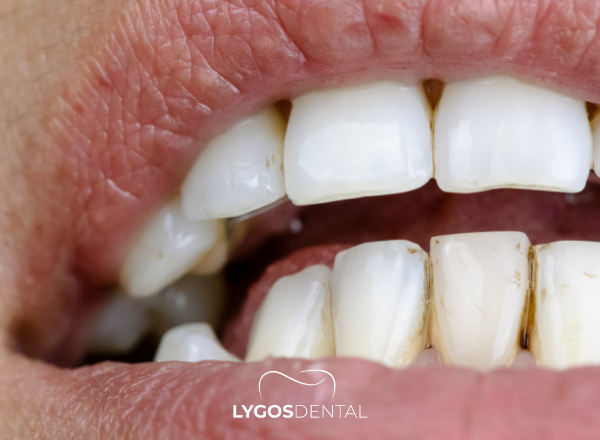
Table of Contents
Rinse, Then Wait Before Brushing
Swish water after your coffee to wash away pigments. If you want to brush, wait about 30 minutes after finishing the drink—brushing right away can scrub softened enamel.
Use The Right Toothpaste
A fluoride toothpaste is the baseline for protecting enamel. If you choose a whitening toothpaste, pick one labeled as enamel-safe and use it as directed. If you notice sensitivity, scale back and talk to your dentist about alternatives.
Floss Daily And Clean Between Teeth
Coffee stains often collect where plaque builds up—along the gumline and between teeth. Flossing and interdental brushes help remove plaque so pigments have fewer places to cling.
Change How You Drink Coffee
Drink coffee in fewer, shorter sessions instead of sipping all morning. A straw can reduce contact with front teeth for iced coffee. If you add milk, it may slightly reduce staining by diluting pigments, though it won’t prevent stains completely.
At-Home Ways To Lighten Coffee Stains
At-home options work best on surface stains. If your teeth look yellow-brown or the discoloration has been there for years, professional care usually delivers the biggest change.
Whitening Strips Or Gels (Over-The-Counter)
Whitening strips and gels typically use hydrogen peroxide or carbamide peroxide to break down stain molecules. Follow the instructions carefully and stop if you develop significant sensitivity or gum irritation.
Electric Toothbrush And Better Technique
Many people see improvement simply by brushing more effectively. Use a soft-bristled brush (manual or electric), angle it toward the gumline, and spend a full two minutes. Hard scrubbing won’t remove deep stains and can irritate gums.
What To Avoid With DIY Whitening
Be cautious with abrasive or acidic DIY methods. Baking soda can be harsh if used too often, and activated charcoal products may be abrasive. Apple cider vinegar and lemon-based mixes are acidic and can erode enamel, which often leads to more staining over time.
Professional Options That Remove Stubborn Stains
Dental Cleaning (Scaling And Polishing)
A professional cleaning removes plaque and tartar that trap stains, then polishes away many surface marks. If you haven’t had a cleaning in a while, this is usually the best first step.
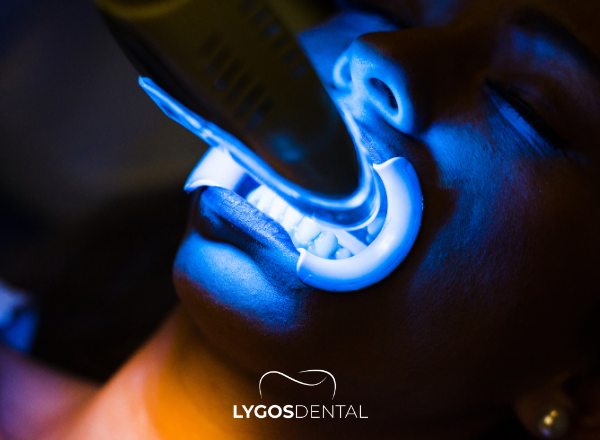
In-Office Whitening
Dentist-supervised whitening uses stronger whitening agents and protects your gums during treatment. It can lift deeper discoloration more predictably than most at-home products.
Veneers Or Bonding
If stains are severe, uneven, or paired with enamel defects, cosmetic options like veneers or composite bonding may be recommended. These cover the tooth surface rather than whitening it, so they’re used when whitening alone won’t meet your goals.
When To See A Dentist
Book a dental visit if stains appear suddenly, if you have tooth pain or sensitivity, or if whitening products cause burning or sores. Your dentist can confirm whether discoloration is from coffee, tartar buildup, medication, or enamel changes—and recommend the safest fix.
FAQ
Do coffee stains on teeth go away?
Often yes—professional cleaning and good brushing can fade coffee stains.
How do I get brown stains off my teeth?
Get a dental cleaning; whitening toothpaste or dentist-approved strips can help at home.
Can old coffee stains be removed?
Yes, old coffee stains are removable with scaling, polishing, or whitening treatments.
How to clean coffee stains off teeth at home?
Brush twice daily with fluoride toothpaste, floss, and consider dentist-approved whitening strips.
Are coffee stains permanent?
Usually no—coffee stains are typically extrinsic and can be removed or lightened.
How to Deal with Dentist Phobia | LYGOS DENTAL
How to Deal with Dentist Phobia?
Dentist phobia (dental anxiety) is an intense fear of dental visits that can cause symptoms like a racing heart, nausea, or panic. The most effective approach is a mix of preparation, clear communication with a supportive dentist, calming techniques, and—when needed—professional help such as CBT or sedation dentistry.
Table of Contents
What dentist phobia is
Dentist phobia goes beyond ordinary nerves. It’s a strong, persistent fear that can make you delay or avoid treatment, even when you know your teeth need care.
People often notice physical symptoms—sweating, a fast heartbeat, shaky hands, dizziness, or stomach upset—either in the waiting room or even while thinking about an appointment.
Common reasons people fear the dentist
Dental anxiety usually has a clear trigger. Common causes include:
- A past painful or rushed experience, especially in childhood.
- Fear of pain or needles, even when modern numbing and pain control are available.
- Feeling judged about oral hygiene or the condition of your teeth.
- Loss of control while someone works in your mouth.
- Sensory triggers such as the drill sound, bright lights, smells, or the taste of dental materials.
What to do before your appointment
Choose the right clinic and dentist
Look for a dentist who regularly treats anxious patients and is willing to slow down, explain options, and agree on a comfort plan. If you can, call ahead and briefly say you have dental anxiety so the team can schedule extra time.
Start small and build momentum
If you’ve been avoiding care, begin with a consultation or a simple exam rather than jumping straight into treatment. A few low-pressure visits can rebuild trust and reduce the “unknown” factor.
Plan comfort tools in advance
Bring headphones, a playlist, or a podcast. If mornings increase your stress, book a later slot. Eat a light meal beforehand (unless you’re told to fast for sedation) and arrive early so you’re not rushing.
What to do during the visit
Agree on a stop signal
Ask for a clear signal—often raising a hand—so you can pause the procedure at any time. Knowing you can stop instantly helps many people feel back in control.
Ask for explanations in plain language
Some patients prefer a step-by-step explanation; others feel better with minimal details. Tell your dentist what helps you, and don’t hesitate to ask for short breaks.
Talk about numbing and sedation options
If fear of pain is your main trigger, ask about local anesthetic, topical numbing gel, and techniques that reduce injection discomfort. For more severe anxiety, some clinics offer nitrous oxide (laughing gas), oral sedation, or IV sedation, depending on your needs and medical history.
Calming techniques that often help
These options can make the appointment feel more manageable, especially when you practice them before you’re in the chair:
- Slow breathing: inhale for 4 seconds, exhale for 6–8 seconds, repeating for a few minutes.
- Progressive muscle relaxation: tense and release muscle groups from shoulders to hands.
- Mindful distraction: focus on music, counting, or a calming image rather than dental sensations.
- Grounding: notice five things you can see, four you can feel, three you can hear, two you can smell, and one you can taste.
Natural remedies: what’s realistic and what to watch for
Some people find gentle supports—like chamomile tea or lavender scent—helpful for settling nerves. If you use herbal products or supplements, check with a clinician first, especially if you take medication, are pregnant, or are having sedation. Natural doesn’t always mean risk-free.
Evidence-based treatments for severe dentophobia
If your anxiety is intense or causes you to avoid care for months or years, structured treatment can make a major difference.
Cognitive behavioral therapy (CBT)
CBT helps you identify fear patterns and replace them with practical coping strategies. Many people notice improvement within a focused course of sessions.
Gradual exposure therapy
Exposure therapy reduces fear by building tolerance in small steps—starting with a clinic visit, then a simple cleaning, and progressing only when you feel ready.
Sedation dentistry and medication support
Sedation can be appropriate for certain procedures or severe anxiety. Your dentist (and sometimes your physician) will review your health history and explain benefits, risks, and recovery time.
Virtual reality (VR) distraction
Some clinics use VR as a calming distraction during treatment. Availability varies, but it can be a helpful add-on for patients who respond well to immersive relaxation.
How to keep improving over time
Try to keep appointments regular once you’ve found a supportive dentist. Each successful visit reduces fear and makes the next one easier.
After an appointment, note what worked (music, breaks, numbing, a calmer explanation style) and share it at your next visit so your care plan stays consistent.
Frequently asked questions
How do you treat a dental phobia?
Treat dental phobia with CBT, gradual exposure, and dentist-supported sedation options.
How to deal with anxiety about dentist?
Use relaxation, short appointments, a stop signal, and a supportive companion.
How common is dental phobia?
About 3% have severe dental phobia; dental anxiety affects about 15% of adults.
Why am I still scared of the dentist?
Past painful experiences, loss of control, and generalized anxiety can maintain dental fear.
How do dentists handle anxious patients?
Dentists use clear communication, tell-show-do, breaks, topical anesthesia, and sedation when needed.
Digital Smile Design | LYGOS DENTAL
Digital Smile Design
Digital Smile Design (DSD) is a planning approach in cosmetic dentistry that uses photos, videos, and digital scans to map a smile that fits your face. Before any veneers, crowns, orthodontics, or implants are started, you can preview the proposed result and approve adjustments. The goal is a smile that looks natural and functions well.
A confident smile can change how you speak, eat, and show up socially, but many people feel held back by crooked teeth, stains, gaps, or worn edges. DSD brings structure to a smile makeover by combining clinical measurements with aesthetic design.
Instead of guessing the outcome from a quick chairside mock-up, your dentist can plan the final look digitally and align each treatment step with that plan. That extra clarity helps patients feel more in control and helps clinicians work with fewer surprises.
Table of Contents
What Digital Smile Design is
Digital Smile Design is a digital workflow used to design and communicate a customized smile plan. It connects your teeth to your facial features—such as lip line, midline, smile curve, and proportions—so the result looks balanced rather than “one-size-fits-all.”
DSD is not a single treatment on its own. It’s a way to plan treatments like veneers, crowns, whitening, orthodontics, bonding, gum contouring, and implants with a shared target outcome.
How Digital Smile Design works
1) Records and facial analysis
Your dentist collects detailed records such as high-resolution photos, short videos (to capture natural speech and smile movement), and digital scans or impressions. These are used to analyze how your teeth relate to your lips and facial features.
2) Digital planning and smile simulation
Design software helps the clinician map tooth shapes, widths, and lengths, then simulate changes based on your goals. You’ll review a proposed smile design and can request tweaks—often before any tooth preparation begins.
3) Trial smile and final treatment
Many clinics create a trial smile (a mock-up) so you can test the look and feel in real life. Once the plan is approved, the dentist carries out the recommended treatment sequence, which may include veneers, crowns, aligners/braces, whitening, or implant work.
Benefits of Digital Smile Design
Patients often choose DSD for predictability and personalization. The key advantages include:
- Clear preview of the proposed result before treatment starts
- Planning tailored to facial proportions, tooth anatomy, and your preferences
- Better communication between patient, dentist, and dental laboratory
- More precise step-by-step treatment sequencing (especially for complex cases)
- Focus on function as well as appearance, supporting long-term comfort
Because you can see the direction early and give input, many people feel more confident moving forward—especially when the plan includes multiple procedures.
Who Digital Smile Design is suitable for
DSD can be helpful for anyone considering cosmetic dentistry, particularly when you want a clear preview and a coordinated plan. It’s commonly used for:
- Crooked or misaligned teeth
- Chipped, cracked, or worn teeth
- Stained or unevenly colored teeth
- Gaps between teeth
- Missing teeth (often planned with implants or bridges)
- Smile makeovers before major events, when timing and sequencing matter
Healthy gums and stable oral health are still essential. If there’s active decay, gum disease, or untreated bite issues, those are typically addressed first to protect the final result.
Dental concerns DSD can help plan
DSD is often used as the “blueprint” for solving several issues at once. Depending on your needs, the plan may include:
Misalignment
Often managed with aligners/braces, and sometimes finished with bonding or veneers for final detailing.
Gaps
Can be closed with orthodontics, bonding, or custom veneers—depending on spacing and bite.
Discoloration
May be treated with professional whitening, or covered with porcelain restorations for uniform shade.
Damage and wear
Edges can be rebuilt with bonding, veneers, or crowns to restore shape and strength.
Missing teeth
Implants or bridges can be placed in a way that matches the designed tooth proportions and gum contours.
Bite problems
Occlusion is assessed so the cosmetic result doesn’t compromise comfort or long-term stability.
Digital Smile Design cost factors
DSD itself is a planning step, so the total price is driven by the treatments included in the plan. A simple case (for example, minor bonding and whitening) is usually less costly than a full makeover that involves veneers, orthodontics, or implants.
Pricing typically depends on:
- Number of teeth being treated
- Type of restorations (bonding, veneers, crowns, implants, etc.)
- Materials selected and laboratory work involved
- Complexity of bite correction and pre-treatment needs
- Clinic location and the technology used for imaging/scanning
If cost is a concern, ask for a staged plan. Many cases can be sequenced so you address the most visible or urgent issues first while keeping the end result consistent with the original design.
What to expect from before-and-after results
Before-and-after results can be striking because DSD targets both tooth details and overall facial harmony. Common improvements include straighter-looking teeth, closed gaps, brighter and more even color, and smoother tooth edges that better match the lip line.
Keep in mind that the best outcomes look natural. A well-planned design aims for symmetry without making the smile look overly uniform or artificial.
Book a consultation
If you’d like a personalized assessment for cosmetic dentistry options such as crowns, implants, or a full smile makeover, contact our clinic to schedule an appointment and discuss whether Digital Smile Design is appropriate for you.
Digital Smile Design FAQ
What is a digital smile design?
A digital smile design is software-based planning to preview and guide cosmetic dental treatment.
Is digital smile design permanent?
Digital smile design isn’t permanent; permanence depends on the dental treatments you choose.
What are the side effects of digital smile design?
Digital smile design itself has no side effects; risks come from the procedures performed.
How does smile design differ from veneers?
Smile design is a planning process; veneers are bonded shells that change tooth surfaces.
What is the difference between smile design and Invisalign?
Smile design plans aesthetics broadly; Invisalign uses aligners to straighten teeth orthodontically.
How To Use An Electric Toothbrush | LYGOS DENTAL
What should you not do with an electric toothbrush?
To use an electric toothbrush, place the bristles gently against your teeth and gumline at about a 45-degree angle, then let the brush do the work. Move slowly tooth by tooth, spending around 30 seconds on each quarter of your mouth for a total of 2 minutes. Avoid scrubbing or pressing hard.
Table of Contents
Why Use An Electric Toothbrush
Electric toothbrushes make the brushing motion for you, so it’s easier to clean consistently.
They can be especially helpful if you have braces, limited hand dexterity, or a tendency to brush too hard.
What Counts As An Electric Toothbrush
Electric toothbrushes are powered brushes that move the bristles automatically.
Depending on the model, the head may oscillate and rotate, pulse, or create high‑frequency vibrations (often called “sonic”).
How To Choose The Right Electric Toothbrush
Brush Head Type
Pick a head that matches your needs. Soft bristles are usually the safest choice for daily use.
If you have sensitive gums, look for a “sensitive” or “gum care” head. For braces, consider an orthodontic head.
Modes And Helpful Features
Common modes include daily clean, sensitive, and deep clean. Start with sensitive if you’re new to powered brushing.
A built‑in 2‑minute timer and 30‑second pacer make it easier to cover every area evenly.
Pressure sensors are useful if you tend to press down while brushing.
Battery And Charging
If you travel, check the expected battery life and whether it uses a charging base or replaceable batteries.
Rinse and dry the handle area before placing it on the charger to avoid buildup.
Budget
Basic models clean well. Higher‑end brushes may add app tracking, extra modes, or more sensors.
How To Use An Electric Toothbrush Step By Step
1) Prepare The Brush
Charge the toothbrush if it’s rechargeable.
Attach the brush head firmly, then wet the bristles and add a pea‑sized amount of toothpaste.
2) Position The Brush Correctly
Place the bristles on the tooth surface and along the gumline at about a 45‑degree angle.
Keep a light grip. You should feel the bristles touch the teeth, not mash into the gums.
3) Let The Brush Do The Work
Turn the toothbrush on after the head is in your mouth to reduce splatter.
Guide the brush slowly—one or two teeth at a time—without scrubbing back and forth.
Spend about 30 seconds on each quadrant: upper right, upper left, lower right, and lower left.
4) Don’t Forget The Inner And Chewing Surfaces
Brush the outer surfaces, inner surfaces, and chewing surfaces of your teeth.
Use the tip of the brush head gently behind the front teeth where plaque builds up easily.
5) Finish Up
Spit out toothpaste, then rinse if you prefer. Many dentists recommend only a light rinse so fluoride can keep working.
Rinse the brush head under running water, shake off excess water, and store it upright to air‑dry.
How Often Should You Brush
Brush twice a day for 2 minutes each time.
If your dentist has recommended specific routines for gum disease, orthodontic treatment, or sensitivity, follow their advice.
Common Mistakes To Avoid
- Pressing too hard. More pressure does not mean a better clean and can irritate gums.
- Scrubbing like a manual toothbrush. With a powered brush, slow guidance beats fast strokes.
- Rushing. Use the timer and make sure you cover every surface.
- Skipping the gumline. Plaque often collects where the teeth meet the gums.
Cleaning And Maintenance
How To Clean The Toothbrush
After each use, rinse the brush head well and let it dry in the open air.
Wipe the handle occasionally with a damp cloth. Avoid soaking the handle unless the manufacturer says it’s waterproof.
When To Change The Brush Head
Replace the brush head every 3 to 4 months, or sooner if the bristles fray.
If you’ve been sick, swapping the brush head can be a sensible hygiene step.
FAQ
What is the correct way to use an electric toothbrush?
Hold brush at 45° to gumline, guide slowly tooth-to-tooth; let it vibrate.
What should you not do with an electric toothbrush?
Don’t scrub hard, use excessive pressure, share heads, or submerge non-waterproof handle.
Are you supposed to use toothpaste when using an electric toothbrush?
Use fluoride toothpaste; a pea-sized amount is enough with an electric toothbrush.
Is there a wrong way to use an electric toothbrush?
Yes—pressing too hard or moving too fast reduces cleaning and can damage gums.
How many times should I brush my teeth with an electric toothbrush?
Brush twice daily for two minutes each time, plus after meals when advised.
Do dentists actually recommend electric toothbrushes?
Yes, dentists often recommend electric toothbrushes because they improve plaque removal and brushing consistency.