
Teething in Babies | LYGOS DENTAL
Teething In Babies: Symptoms, Timeline, And Safe Relief For Parents
Teething is when your baby’s first teeth move through the gums, most often starting around 4–7 months. Common signs include drooling, gum tenderness, and a strong urge to chew. Comfort usually improves with gentle gum massage, cool (not frozen) teething toys, and extra cuddles. If your baby has a true fever (38°C/100.4°F or higher) or seems very unwell, contact a clinician.
What Teething Is And When It Starts
Teething is the normal process of a baby’s primary (baby) teeth breaking through the gums. Many babies start between 4 and 7 months, but a few begin earlier or later and still fall within a healthy range. Most children have all 20 primary teeth by about age 3.
Common Teething Signs
Teething looks a little different from baby to baby. These signs are common around the time a tooth is about to appear.
- More drool than usual
Extra saliva can cause a rash on the chin, cheeks, or chest. Keep the area dry and use a gentle barrier cream if needed.
- Chewing and biting
Babies often chew hands, toys, or fingers to press on sore gums.
- Fussiness
Sore, tight gums can make your baby irritable, especially in the evening.
- Tender, puffy gums
You may see swelling or mild redness where the tooth is coming in.
- Changes in sleep
Some babies wake more often for a day or two around tooth eruption.
- Changes in feeding
Sucking can feel uncomfortable, so a baby may nurse or bottle-feed in shorter bursts.
Teething Timeline By Age
The ages below are typical ranges, not strict deadlines. Teeth often come in pairs, and it’s normal for the order to vary.
- 0–3 months
No teeth yet, but babies explore their mouths and may chew on hands.
- 4–7 months
First teeth often appear (usually the lower front teeth).
- 8–12 months
More front teeth come in; drooling and chewing can increase.
- 12–18 months
First molars may appear, which can bring more gum soreness.
- 16–24 months
Canines and additional molars may erupt.
- 24–33 months
Second molars usually complete the set of 20 primary teeth.
Safe Ways To Soothe Teething Discomfort
Most teething discomfort is mild and comes and goes. Try these options first, and use what your baby responds to best.
Gum Pressure And Massage
Wash your hands, then gently rub your baby’s gums with a clean finger for 1–2 minutes. Some babies also like biting down on a clean, damp washcloth.
Cool (Not Frozen) Teething Items
A chilled teething ring or a cool washcloth can numb sore gums. Skip freezing teething toys, since extreme cold can irritate delicate gum tissue.
Teething Toys And Safe Chewing
Choose one-piece teething toys made of firm rubber or silicone. Avoid toys that can break into parts, and check for damage often.
Pain Relief Medicine When Needed
If your baby is very uncomfortable, ask your pediatrician about infant-appropriate pain relief. Dosing depends on your child’s weight and age. Never use adult medicines or combination cold products for teething.
Natural Remedies: Helpful Ideas And Common Risks
Many “natural” approaches can still cause problems if they aren’t used carefully. Use close supervision and choose the safest option for your baby’s age and feeding stage.
- Chamomile (topical use only, with guidance)
A cooled chamomile tea bag can be gently pressed on the gums for short periods, but check with your clinician first—especially if your baby has allergies.
- Cold fruit in a mesh feeder (for babies already on solids)
This can soothe gums, but it requires constant supervision to reduce choking risk. Use soft fruits and follow safe-feeding guidance.
- Clove oil
Clove oil can irritate the mouth and is easy to overuse. Avoid it unless a clinician specifically recommends a baby-safe product and dilution.
- Amber teething necklaces
These are not recommended because they can create choking or strangulation hazards. Safer options work just as well.
Teething Treatments To Avoid
Some popular teething products carry real safety risks and provide little benefit. These are best avoided.
- Benzocaine or lidocaine numbing gels
Health authorities have warned against using benzocaine products for teething in children under 2, and topical anesthetics can be dangerous if swallowed.
- Homeopathic teething tablets or gels containing belladonna
These products have been associated with serious side effects and have been the subject of FDA safety warnings.
- Alcohol, honey, or rubbing substances on the gums
Alcohol is unsafe for infants, and honey can cause infant botulism in babies under 12 months.
- Tying teething items around the neck
Anything worn around the neck can increase strangulation risk.
Teething Or Illness: When To Worry
Teething can cause gum soreness, drooling, and mild crankiness. A true fever (38°C/100.4°F or higher), diarrhea, vomiting, or significant congestion are more likely to point to an illness than teething.
Contact a clinician if you notice any of the following:
- Fever of 38°C/100.4°F or higher
- Persistent crying that you can’t soothe
- Poor feeding or signs of dehydration (fewer wet diapers, very dry mouth)
- Ear pain signs that persist (repeated ear tugging, worsening sleep, or ear drainage)
- Rash that spreads or looks infected
Teething Vs. Ear Infection
Babies sometimes tug at their ears while teething, especially when the gums are sore. Ear infections more often involve ongoing ear pain, marked fussiness, and sometimes a higher fever. If symptoms last more than a day or two or your baby seems unwell, it’s worth getting checked.
How To Care For Your Baby’s New Teeth
Good oral care starts before the first tooth. Wipe gums with a clean, damp cloth after feeds and before bed. Once a tooth appears, brush twice daily with a soft, baby toothbrush.
Use a tiny smear of fluoride toothpaste (about the size of a grain of rice) unless your dentist advises otherwise. Try to avoid letting your baby fall asleep with a bottle, since frequent exposure to milk or juice can raise cavity risk.
Plan the first dental visit by your child’s first birthday, or within six months of the first tooth erupting.
Frequently Asked Questions
How long does teething pain last?
Discomfort often peaks for a day or two before a tooth breaks through and eases soon after. Some babies feel on-and-off soreness for several days around eruption.
Can teething cause diarrhea?
Loose stools are common in infancy for many reasons. If your baby has ongoing diarrhea, fever, or signs of dehydration, treat it as an illness and seek advice.
What are the best teething toys?
Look for one-piece, easy-to-clean teething rings made of firm silicone or rubber. Avoid liquid-filled toys if they can leak, and avoid items that can snap or shed pieces.
When should I call the pediatrician?
Call if your baby has a fever, seems unusually sleepy, refuses feeds, shows signs of dehydration, or you suspect an ear infection or another illness.
Dental Implants During Pregnancy | LYGOS DENTAL
Dental Implants During Pregnancy: What You Need To Know
Dental implants are usually postponed during pregnancy because the procedure is elective and may require surgery, imaging, and medications. When dental care is needed, most routine treatments—including local anesthesia and dental X‑rays with proper precautions—are considered safe. If you have pain, infection, or a broken tooth, your dentist can offer pregnancy‑friendly options until implant placement after delivery.
Can You Get Dental Implants While Pregnant?
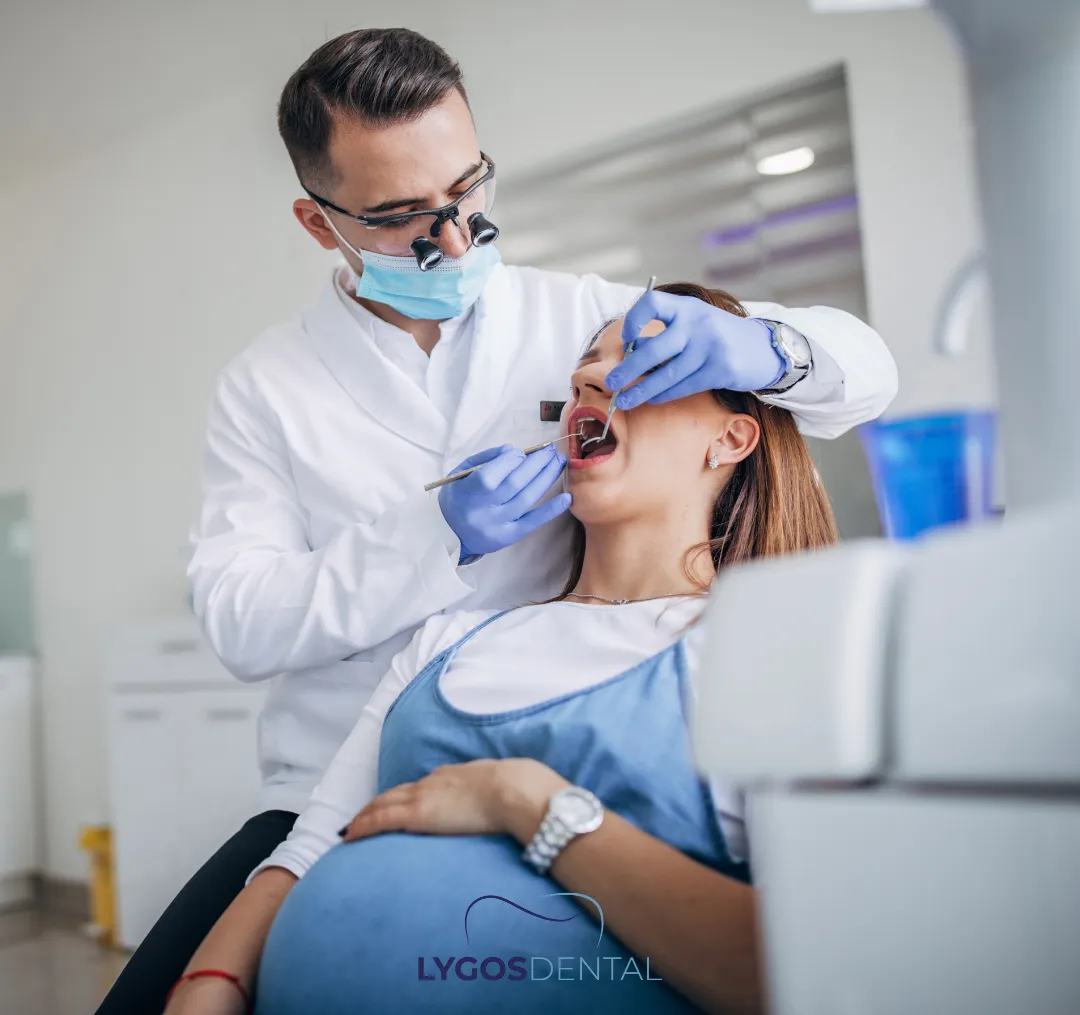
In most cases, dentists recommend waiting until after pregnancy to place dental implants. Implant placement is typically elective, involves a surgical appointment, and may require follow‑up visits and medications during healing.
That said, dental problems do not pause for pregnancy. If you have severe pain, swelling, trauma, or a spreading infection, your dentist and obstetric team can weigh the benefits and risks of treatment and choose the safest plan for you and your baby.
Why Most Dentists Recommend Waiting
The main reason is predictability. Implant success depends on stable healing of bone and gum tissue. Pregnancy can bring changes—like gum inflammation and nausea—that make surgery and recovery harder to manage.
Another factor is medication planning. Implant surgery sometimes involves antibiotics and stronger pain relief. Your dental team can prescribe pregnancy‑appropriate options when needed, but avoiding elective surgery reduces the need for medications in the first place.
Dental X‑Rays And Anesthesia: What’s Considered Safe
Modern dental X‑rays use very low radiation. When imaging is clinically necessary, professional guidelines note that dental radiographs and local anesthetics can be used safely during pregnancy with standard precautions.
If you are pregnant, tell your dentist as early as possible. They can limit imaging to what is necessary, use appropriate shielding when indicated, and choose medications that fit your trimester and health history.
Timing: First, Second, And Third Trimester Considerations
When dental treatment cannot wait, timing and comfort matter. Your dentist may coordinate with your obstetric provider to plan care that keeps you stable and comfortable.
First Trimester
The first trimester is a sensitive period for fetal development. Many clinicians prefer to avoid elective procedures during this time and focus on urgent care only, such as managing pain or infection.
Second Trimester
The second trimester is often the most comfortable window for necessary dental treatment because nausea is usually improved and positioning is easier. Even so, implants are still commonly deferred unless there is a strong medical reason.
Third Trimester
Long appointments can be uncomfortable late in pregnancy. Lying flat may cause dizziness in some people, and stress can be harder to tolerate. If treatment is urgent, dentists can use shorter visits and adjust chair positioning to keep you comfortable.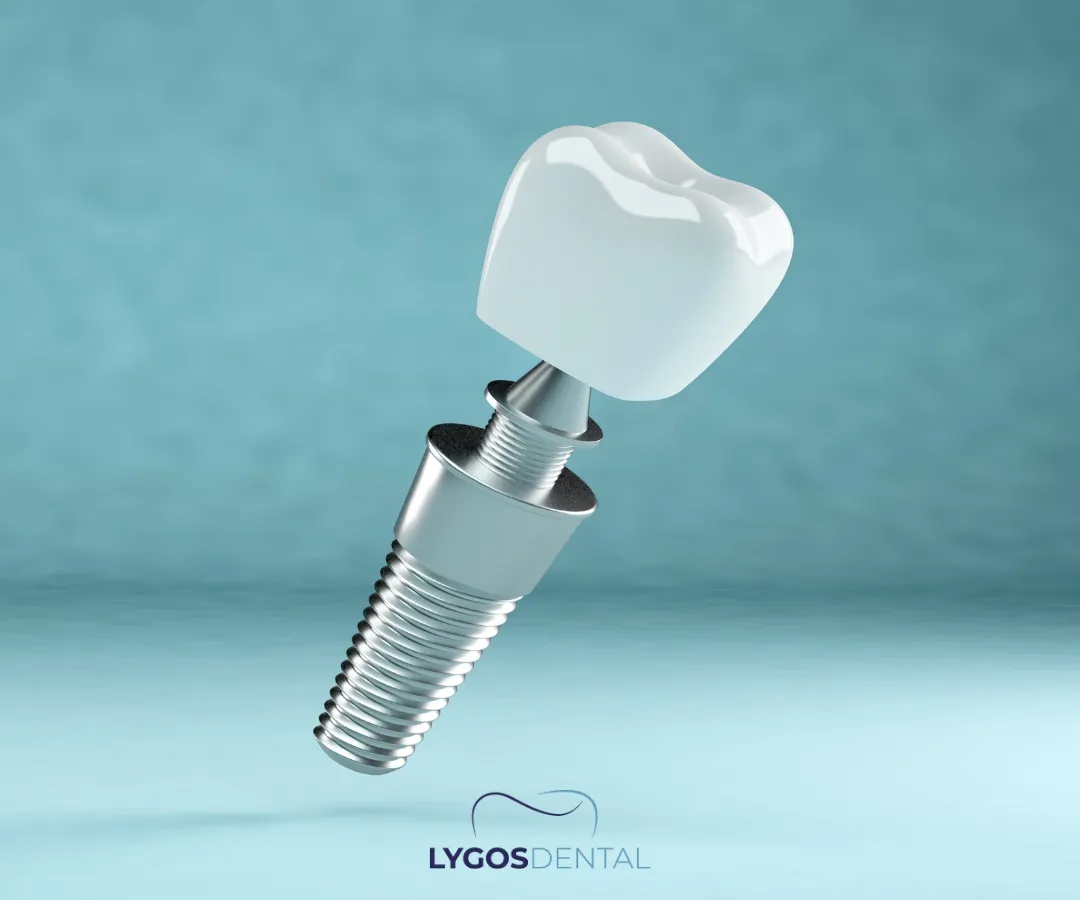
What To Do Instead If You Have A Missing Or Damaged Tooth
If you need to function comfortably while you wait, your dentist can recommend temporary or non‑surgical options that protect the area and improve chewing and appearance.
Common alternatives include:
- A temporary crown or filling to stabilize a broken tooth
- A removable partial denture (“flipper”) for a missing tooth
- A short‑term bridge (when appropriate) to maintain spacing
- Treatment of gum disease or cavities to prepare for implants later
- Extraction of an unfixable tooth when infection or pain is present
Keeping Your Mouth Healthy During Pregnancy
Healthy gums and stable teeth make implant planning easier after delivery. These habits also reduce the chance of infection or flare‑ups while you’re pregnant.
Focus on the basics:
- Brush twice a day with fluoride toothpaste and clean between teeth daily
- Schedule routine dental checkups and professional cleanings
- Limit frequent sugary snacks and sip water after eating
- If morning sickness occurs, rinse with water or a fluoride rinse (avoid brushing immediately after vomiting)
- Tell your dentist about prenatal vitamins and any pregnancy‑related conditions, such as gestational diabetes
Pregnancy And Gum Health: Gingivitis And Periodontal Disease
Hormonal shifts can increase gum sensitivity to plaque, which is why pregnancy gingivitis—swollen or bleeding gums—is common. Early treatment and good home care usually keep it under control.
More advanced periodontal disease can affect the tissues and bone that support teeth. Research has found an association between periodontal disease and adverse pregnancy outcomes, although studies vary. Either way, treating gum disease is good for your oral health and can reduce inflammation and discomfort.
Elective vs. Necessary Dental Treatment
A simple way to decide is urgency. Elective care can be safely planned for after delivery, while necessary care prevents bigger problems.
Usually Elective
Implant placement, cosmetic whitening, and non‑urgent aesthetic work.
Usually Necessary
Treatment for infection, uncontrolled pain, abscess drainage, root canal therapy when indicated, and repairs that prevent a tooth from worsening.
Frequently Asked Questions
Can I start implant planning while pregnant?
Yes. A consultation and non‑invasive planning can be helpful, especially if you want implants soon after delivery. Your dentist can decide what imaging is appropriate now versus later.
If I already have an implant, can pregnancy cause it to fail?
Most existing implants remain stable. The bigger issue is gum inflammation around teeth and implants. Keep up with cleanings and call your dentist if you notice bleeding, swelling, or pain.
What if I have an infection near a missing tooth?
Don’t wait. Dental infections can worsen quickly and may affect overall health. Your dentist can treat the infection using pregnancy‑appropriate approaches and medications.
Final Takeaway
Dental care is part of prenatal health. Routine treatment and necessary procedures are generally manageable during pregnancy, but dental implants are usually best scheduled after delivery for simpler healing and fewer medications.
If you are considering implants, ask your dentist to coordinate with your obstetric provider so you have a clear plan for symptom control now and implant timing later.
Bleeding Gums in Children | LYGOS DENTAL
Bleeding Gums In Children: Causes, Treatment, And Prevention
Bleeding gums in children usually come from irritated, inflamed gum tissue—often caused by plaque buildup, brushing too hard, mouth breathing, braces, or a diet low in key nutrients. Most cases improve with gentler brushing and better cleaning. If bleeding lasts more than 1–2 weeks, is heavy, or comes with swelling or pain, book a dental check.
When Bleeding Gums Are Normal And When To Call A Dentist
A small amount of bleeding during brushing can happen when gums are inflamed or when a child is learning to brush and floss. You should still treat it as a sign that the gums need attention, not as something to ignore.
Arrange a dental visit sooner if bleeding is frequent, if the gums look puffy or very red, if there is persistent bad breath, or if your child reports pain. Seek urgent advice if bleeding is heavy, happens without brushing, or is paired with fever, facial swelling, or easy bruising elsewhere.
Why Children’s Gums Bleed
Bleeding is most often linked to gingivitis (gum inflammation). Gingivitis starts when plaque—a sticky film of bacteria—stays on the teeth and along the gumline. The gums react by swelling and bleeding more easily, especially during brushing.
Common Causes
- Plaque buildup from missed brushing or ineffective flossing
- Brushing too hard or using a hard-bristled toothbrush
- Food and plaque trapped around braces, retainers, or space maintainers
- Mouth breathing or a dry mouth that irritates the gum tissue
- Sore spots from tooth eruption, minor trauma, or a loose baby tooth
- Nutritional gaps (especially low vitamin C); less commonly, vitamin K issues
- Medication side effects (for example, medicines that affect clotting or gum tissue)
- Viral or bacterial mouth infections (such as ulcers or localized gum infections)
Gingivitis In Children: Causes And Risk Factors
Gingivitis is common in school-age children and teens, and it usually reverses with consistent care. Understanding what raises risk helps you prevent flare-ups.
What Triggers Gingivitis
- Plaque and tartar buildup along the gumline
- Hormonal changes during puberty that can make gums more reactive
- Crowded teeth or orthodontic appliances that make cleaning harder
- Frequent snacking on sugary or sticky foods and drinks
Who Is More Likely To Get It
- Children who brush quickly or skip flossing
- Kids with braces or aligners who don’t clean around attachments well
- Children who breathe through the mouth (often due to congestion or allergies)
- A family history of gum disease, which can increase susceptibility
Gum Conditions That Can Cause Bleeding
Most bleeding comes from gingivitis, but other conditions can be involved. A dentist can tell the difference by looking at the gums, checking plaque levels, and assessing how deep the gum pockets are around teeth.
Gingivitis
Gums look red or swollen and may bleed with brushing or flossing. This is usually reversible with better home care and professional cleaning.
Periodontitis
This is less common in children, but it can happen, especially in teens. It involves damage to the tissues and bone that support teeth and can lead to loose teeth if not treated early.
Other Causes A Dentist May Consider
- Eruption-related irritation (new teeth coming in)
- Gum overgrowth or inflammation linked to certain medicines
- Localized infections, ulcers, or trauma
- Systemic causes such as bleeding disorders (rare, but important to rule out when signs suggest it)
How Dentists Diagnose The Cause
A dental exam checks for plaque, tartar, gum swelling, and bleeding points. The dentist may gently measure the space between the tooth and gum (the pocket) and look for areas that trap food, especially around braces.
If the pattern of bleeding suggests something beyond the mouth—such as unexplained bruising, nosebleeds, or bleeding that doesn’t match the gum inflammation—the dentist may recommend a medical review.
Treatment For Bleeding Gums In Children
Treatment depends on the cause. Many children improve quickly when plaque is reduced and brushing becomes gentler and more consistent.
At-Home Steps Parents Can Start Today
- Switch to a soft-bristled toothbrush and use small, gentle circles at the gumline
- Brush twice a day for two minutes; help younger children to make sure all surfaces are cleaned
- Floss once a day (or use floss picks if appropriate for your child’s age and ability)
- If a dentist approves, use a child-appropriate mouth rinse for short-term inflammation control
- Focus on water between meals and reduce frequent sugary snacks and drinks
- Add vitamin C–rich foods (such as citrus, berries, peppers, and broccoli) and balanced meals
Dental Treatment
- Professional cleaning to remove plaque and tartar from hard-to-reach areas
- Oral hygiene coaching tailored to your child’s age and orthodontic needs
- Targeted treatment for ulcers or localized infections when present
- For advanced gum disease (uncommon), deeper cleaning and specialist care may be needed
Prevention Checklist
Good gum health is mostly about daily habits and regular dental care. These steps lower the odds of bleeding returning.
- Schedule regular dental checkups and cleanings as recommended
- Use a soft brush and replace it every 3 months (or sooner if bristles fray)
- Brush along the gumline, not just the chewing surfaces
- Floss daily once teeth touch; ask a dentist for the easiest method for your child
- If your child has braces, use interdental brushes or a water flosser if advised
- Encourage water after snacks and keep sugary foods to mealtimes when possible
Frequently Asked Questions
How long should bleeding gums last after improving brushing?
Mild gingivitis often starts to improve within a week of consistent, gentle cleaning. If bleeding continues beyond 1–2 weeks, or your child can’t tolerate brushing due to pain, a dental exam is the safest next step.
Can brushing cause bleeding even if gums are healthy?
A brand-new brushing or flossing routine can cause a little bleeding for a few days. Ongoing bleeding usually means the gumline is still inflamed or being irritated by pressure, a rough brush, or trapped plaque.
Are bleeding gums a sign of a vitamin deficiency?
They can be, but plaque-related inflammation is more common. If your child is a picky eater, has frequent bleeding, or shows other signs such as tiredness or easy bruising, speak with a dentist or pediatrician for guidance.
Key Takeaway
Most cases of bleeding gums in children improve with better plaque control and gentler brushing. Persistent or heavy bleeding deserves a dental assessment to rule out gum disease, infection, or less common medical causes.
Gingivitis | LYGOS DENTAL
Gingivitis: Symptoms, Causes, and Solutions
Gingivitis is an early, reversible form of gum disease caused by plaque buildup at the gumline. It often shows up as red, swollen gums that bleed when brushing or flossing. With professional cleaning and consistent daily oral care, most people can restore gum health and prevent gingivitis from progressing to periodontitis.
What Is Gingivitis?
Gingivitis is inflammation of the gums (gingiva). It develops when plaque—a sticky film of bacteria—stays on teeth long enough to irritate the gumline.
Gingivitis is usually reversible. When plaque and tartar are removed and daily habits improve, gum tissue can return to a healthy, firm, pink appearance.
Key Facts
- Gingivitis is the mildest form of gum disease and can start with minimal discomfort.
- If left untreated, it can progress to periodontitis, which may damage bone and loosen teeth.
- Gum disease is associated with several health conditions; shared risk factors include smoking and diabetes.
Who Is More Likely To Get Gingivitis?
Anyone can develop gingivitis, but certain life stages, habits, and health conditions increase risk. Knowing your risk factors helps you prevent flare-ups and spot problems early.
Higher-risk groups
- Teens and young adults (hormonal changes can make gums more reactive to plaque).
- Pregnant individuals (pregnancy-related hormone shifts may increase gum inflammation).
- People who smoke or use nicotine products (tobacco reduces blood flow and slows healing).
- Older adults (gum tissue and immune response may weaken over time).
- People with chronic conditions such as diabetes or immune disorders.
Other contributors
- Dry mouth (lower saliva flow allows bacteria to build up faster).
- Poor nutrition, especially low vitamin C and low overall protein intake.
- Certain medications that reduce saliva or affect gum tissue.
- Stress and poor sleep, which can affect immune response and routines.
Gingivitis Symptoms
Gingivitis can be easy to miss at first. Many people notice changes during brushing, flossing, or when they look closely at the gumline.
- Bleeding when brushing or flossing.
- Red, swollen, or tender gums.
- Persistent bad breath or a bad taste in the mouth.
- Gums that look puffy or shiny instead of firm.
- Mild gum discomfort, especially when chewing crunchy foods.
What Causes Gingivitis?
Plaque and tartar are the main triggers. When plaque hardens into tartar (calculus), it becomes harder to remove at home and continues to irritate the gums.
- Inconsistent brushing and flossing, especially along the gumline.
- Skipping regular professional cleanings.
- High-sugar diets that feed plaque-forming bacteria.
- Dry mouth (from medications, dehydration, or certain medical conditions).
- Smoking or vaping, which increases inflammation and delays healing.
Types Of Gum Infections
Not all gum infections are the same. A dental exam helps confirm what you’re dealing with and what kind of treatment you need.
Gingivitis
- Stage: Early and usually reversible.
- Common signs: Bleeding, redness, swelling.
- Typical care: Professional cleaning plus improved daily hygiene.
Periodontitis
- Stage: More advanced gum disease that can damage bone and supporting tissues.
- Common signs: Receding gums, deeper pockets, loose teeth, or pus.
- Typical care: Deep cleaning (scaling and root planing), ongoing periodontal maintenance, and sometimes surgery.
Acute Necrotizing Ulcerative Gingivitis (ANUG)
- Stage: Severe infection, often linked to stress, smoking, poor nutrition, and poor oral hygiene.
- Common signs: Painful ulcers, foul breath, fever, and gum tissue breakdown.
- Typical care: Urgent dental treatment, professional cleaning, and antibiotics when indicated.
Pericoronitis
- Stage: Local infection around a partially erupted tooth, often a wisdom tooth.
- Common signs: Swelling near the back teeth, difficulty opening the mouth, bad taste.
- Typical care: Cleaning the area, irrigating trapped debris, and sometimes extraction.
How Gingivitis Is Treated
Treatment depends on how long symptoms have been present and whether deeper gum pockets have formed. In many cases, simple steps work well when started early.
At-home steps
- Brush twice daily with a soft-bristled toothbrush, focusing on the gumline.
- Clean between teeth daily using floss, interdental brushes, or a water flosser.
- Use a fluoride toothpaste; ask your dentist if an antimicrobial rinse is right for you.
- Stay hydrated and manage dry mouth (sugar-free gum, saliva substitutes, medication review).
In-office care
- Professional dental cleaning to remove plaque and tartar.
- Deep cleaning (scaling and root planing) if gum pockets suggest periodontitis.
- Follow-up periodontal maintenance visits when needed.
Gingivitis Treatment Cost
Costs vary by country, clinic, and severity. Early care is usually simpler and less expensive than treating advanced gum disease.
- Routine professional cleaning: often priced as a standard preventive visit.
- Scaling and root planing (deep cleaning): commonly priced per quadrant; U.S. estimates are often in the $185–$444 range per quadrant.
- Medicated mouth rinses or antibiotics: may be added when clinically appropriate.
If you have dental insurance, preventive cleanings are often covered, and periodontal treatments may have partial coverage. Ask your clinic for an itemized estimate before treatment.
Gum Disease Specialist Near Me
A periodontist is a dentist who specializes in gum disease and the supporting structures of the teeth. If you have persistent bleeding, gum recession, loose teeth, or you’ve been told you have periodontal pockets, a periodontist visit can be helpful.
Ways to find a qualified specialist
- Use a professional directory (such as the American Academy of Periodontology’s “Find a Periodontist”).
- Ask your general dentist for a referral based on your needs.
- Check credentials, experience, and patient reviews, and ask about payment plans if treatment is extensive.
Prevention Checklist
Gingivitis prevention comes down to consistency. Small daily habits add up, and regular dental visits help catch early inflammation before it becomes more serious.
- Brush twice daily and clean between teeth once daily.
- Replace your toothbrush (or brush head) every 3–4 months.
- Limit frequent sugary snacks and drinks; rinse with water after acidic foods.
- Avoid tobacco and nicotine products.
- Keep regular dental checkups and cleanings.
- If you have diabetes, keep blood sugar well-controlled and schedule dental visits as recommended.
Book An Appointment
If you’re seeing gum bleeding, swelling, or persistent bad breath, an exam and cleaning can make a big difference. You can contact us to ask about cosmetic dentistry, dental crowns, dental implants, or general dentistry services.
Frequently Asked Questions
Is gingivitis contagious?
You can’t ‘catch’ gingivitis the way you catch a cold, but the bacteria that contribute to gum inflammation can spread through saliva. That means sharing utensils or kissing may transfer bacteria, but your hygiene habits and immune response determine whether gingivitis develops.
When should I see a dentist for bleeding gums?
If bleeding lasts more than a week despite better brushing and flossing, it’s worth a dental visit. Go sooner if you have swelling, pain, a bad taste, gum recession, or if you’re pregnant or have diabetes.
Does gingivitis cause bad breath?
Yes, it can. Bacteria in plaque and trapped debris along the gumline can lead to persistent bad breath, especially if the gums bleed or feel swollen. Improving oral hygiene and getting a cleaning often helps.
Can I reverse gingivitis at home?
You can reduce inflammation at home, but reversing gingivitis depends on removing plaque thoroughly and consistently. If tartar is present, only a dental professional can remove it, so home care works best when paired with a cleaning.
What’s the fastest way to get rid of gingivitis?
Book a dental cleaning to remove plaque and hardened tartar, then keep the gumline clean at home. Brush twice daily with a soft-bristled brush, floss once a day, and consider an antiseptic mouthwash if your dentist recommends it.
Can gingivitis go away on its own?
Not usually. If plaque stays on the teeth and along the gumline, the inflammation tends to persist or worsen. The good news is that gingivitis is typically reversible once the cause is removed.
What Is Turkey Teeth Trend? | LYGOS DENTAL
What Is The Turkey Teeth Trend?
The Turkey teeth trend refers to people travelling to Turkey for cosmetic dental work—most often veneers or crowns—to achieve a very bright, perfectly even smile. Prices can be lower than in the UK, EU, or US, and treatment is often completed in a short visit. The trade-off is that some options are irreversible and require careful clinic selection.
What People Mean By “Turkey Teeth”
“Turkey teeth” is a nickname for a dramatic smile makeover done in Turkey, usually aiming for straight, uniform, very white teeth. On social media, the term often implies a full set of veneers or crowns across the visible teeth, sometimes alongside whitening or implants.
It’s worth separating the meme from the reality. Many patients travel for legitimate restorative care, but the trend became famous because some makeovers look overly bright or too similar from person to person.
Why Turkey Became A Dental Tourism Hotspot
Turkey built a strong dental tourism market by combining modern private clinics, experienced clinicians, and competitive pricing. Many clinics also offer packages that bundle treatment planning, transfers, and accommodation, which simplifies logistics for international patients.
Popular destinations include Istanbul, Antalya, and Izmir, where patients can fit consultations, preparation, and final fitting into a single trip—often within 5–10 days, depending on the treatment plan.
Most Common Treatments In The Turkey Teeth Trend
Veneers
Veneers are thin shells bonded to the front of teeth to change colour, shape, or minor alignment. They typically require removing a small amount of enamel, which makes the treatment non-reversible once tooth preparation has been done.
Crowns
Crowns cover the whole tooth. They are used when teeth are heavily filled, fractured, severely worn, or need a full-coverage restoration. Because crowns usually require more tooth reduction than veneers, they should be chosen for clear clinical reasons, not just for speed.
Implants, Whitening, And Gum Work
Some “smile makeover” plans include implants for missing teeth, professional whitening, or gum contouring. These can be appropriate, but they add complexity and often require longer healing timelines than a single-week trip suggests.
Dental Crowns In The Turkey Teeth Trend
Crowns are popular in fast makeover packages because they can correct shape, shade, and alignment quickly. Materials commonly offered include zirconia and porcelain-based options, which can look natural when designed with realistic translucency and contour.
The key question is whether you actually need crowns. For younger patients with healthy teeth, conservative options—orthodontics, whitening, or minimal-prep veneers—may protect more natural enamel over the long term.
Typical Costs In Turkey
Costs vary by city, clinic, dentist experience, lab quality, and the materials used. As a rough guide, some clinics advertise prices in these ranges per tooth:
- Porcelain crowns: about €70–€120; zirconia crowns: about €115–€190 (clinic-advertised ranges).
- Porcelain veneers: about $200–$350; E-max laminate veneers: about $300–$600 (clinic-advertised ranges).
- Packages may include imaging, temporary restorations, and transfers, but always confirm what is and isn’t included.
If you’re comparing quotes, ask for the full treatment plan and the final total, including any extractions, root canal treatment, gum treatment, night guards, and aftercare visits.
Advantages Of Having Dental Treatment In Turkey
- Lower overall cost for private cosmetic dentistry compared with many Western markets.
- Modern clinics often use digital scans, 3D imaging, and CAD/CAM workflows for planning and fabrication.
- Short treatment timelines can be convenient for travellers when the case is suitable.
- Many clinics are set up for international patients, with English-speaking coordinators and clear scheduling.
Risks And Disadvantages To Understand
Irreversible Tooth Preparation
Veneers and crowns commonly involve enamel reduction. Once enamel is removed, teeth will always need a restoration on top, and replacements are part of lifetime maintenance.
Over-Treatment And “One Size Fits All” Smiles
The biggest criticism of the trend is aggressive preparation for crowns when less invasive options could work. A good plan is based on your bite, gum health, tooth structure, and long-term maintenance—not just how quickly a makeover can be finished.
Rushed Timelines
Fast schedules can leave little room for trial smiles, bite adjustments, or settling time. If the bite is even slightly off, it can lead to chipping, jaw discomfort, or accelerated wear.
Aftercare And Follow-Up
If you return home and develop sensitivity, gum inflammation, or a loose restoration, follow-up can be complicated. Local dentists may be reluctant to take responsibility for another clinic’s work, and repairs can be costly.
Clinic Quality Varies
Turkey has excellent dentists and high-end clinics, but quality is not uniform. As with any country, outcomes depend on the clinician, the lab, the materials, and how carefully the case is planned.
How To Reduce Risk If You’re Considering Treatment
- Get a second opinion at home, especially if you’re being offered full crowns for otherwise healthy teeth.
- Ask for a written treatment plan that explains why each procedure is needed, plus alternatives.
- Request details on materials (brand/type), lab workflow, and whether your restorations are custom-made or mass-produced.
- Insist on bite assessment and, for larger makeovers, a trial smile or wax-up/mock-up where possible.
- Confirm the aftercare plan: how many review appointments are included and what happens if a crown or veneer fails after you fly home.
- Plan for long-term maintenance: hygiene visits, possible replacements, and a night guard if you grind your teeth.
Questions To Ask A Clinic Before You Book
- Who will do my treatment, and what are their qualifications and registration details?
- How much tooth reduction do you expect, and can you show an example of conservative preparation?
- Will you use temporary restorations, and how many days are needed between preparation and final fitting?
- What material do you recommend for my case, and why?
- What warranty is offered, and what is excluded (bite issues, trauma, hygiene, bruxism)?
- Can you provide a breakdown of the total cost and what’s included in the package?
Alternatives To Consider First
If your main goal is a whiter or more even smile, you may not need crowns or veneers. Orthodontics (including clear aligners), professional whitening, and composite bonding can be more conservative depending on your teeth and bite.
A reputable clinic will explain these options and the trade-offs, even if you ultimately choose veneers or crowns.
Frequently Asked Questions
Is Turkey Teeth The Same As Veneers?
Not always. “Turkey teeth” is a catch‑all phrase for cosmetic smile makeovers, which may involve veneers, crowns, whitening, gum reshaping, or implants. The right option depends on your enamel, bite, and the health of each tooth.
Do Dentists In Turkey Use Crowns Or Veneers More Often?
Both are common. Veneers can be appropriate when teeth are healthy and only the front surface needs improvement, while crowns may be used when a tooth is heavily restored or needs more coverage. If a clinic recommends crowns for every front tooth without explaining alternatives, ask why.
How Long Do Veneers Or Crowns Usually Last?
Longevity depends on materials, your bite, grinding, and hygiene. Many restorations can last for years, but they are not “lifetime” fixes. Plan for maintenance, possible replacements, and routine checkups at home.
How Many Days Do I Need In Turkey For A Smile Makeover?
Timelines vary by treatment. Simple cases may be completed in several days, while complex plans (implants, gum work, bite changes) can require more time or staged visits. Be cautious of schedules that allow no room for adjustments.
What Are The Most Common Problems After Flying Home?
Sensitivity, bite discomfort, and gum irritation are frequent early complaints, and poorly fitted work can chip or cause pain. Make sure you have a written aftercare plan and understand who will handle corrections if something feels off.
How Much to Get Teeth Done in Turkey | LYGOS DENTAL
How Much Does It Cost To Get Teeth Done In Turkey?
Most people travel to Turkey for dental work because prices are usually far lower than in the UK, Europe, or the US, while many clinics offer modern facilities and short appointment lead times. Costs depend on the treatment, materials, and how complex your case is, so the best estimate comes after an exam and X‑rays.
Why Dental Treatment In Turkey Is Often Cheaper
Turkey’s dental prices are typically lower because of differences in operating costs, local wages, and lab fees, not because treatment is “lower quality” by default. Many clinics also streamline care for international patients by bundling consultations, imaging, and follow‑up checks into a package price.
That said, standards and outcomes vary from clinic to clinic. Choosing based on the lowest quote alone can increase the risk of rushed work, unclear aftercare, or unexpected add‑ons.
Common Dental Treatments In Turkey
Clinics in Turkey provide a broad mix of cosmetic and restorative dentistry. The most requested treatments among international patients include:
- Dental implants: Used to replace missing teeth. Pricing changes with the implant brand, bone grafting needs, and whether a crown is included.
- Veneers: Porcelain, composite, or premium options such as E‑max. Veneers are chosen mainly for shape, colour, and uniformity.
- Crowns and bridges: Restorations for damaged teeth or to anchor a bridge. Material choices (zirconia, E‑max, metal‑ceramic) affect price and aesthetics.
- Teeth whitening: In‑office whitening (laser/LED) or dentist‑supervised take‑home trays.
- Orthodontics: Braces or clear aligners for bite and alignment problems.
- Root canal treatment: Treatment of infected tooth pulp, often followed by a crown for strength.
Typical Prices In Turkey
Pricing depends on your case and the clinic, so treat ranges as ballpark figures. Quotes may be shown in euros, pounds, or US dollars, and exchange rates can shift the final amount you pay.
| Treatment | Typical Price Range In Turkey | Notes |
| Single dental implant (implant + surgical placement) | $300–$1,500 per implant | Crown/abutment may be priced separately; bone grafting adds cost. |
| Full‑arch implants (All‑on‑4/All‑on‑6) | $2,500–$7,000 per jaw | Varies by implant system, temporary teeth, and number of implants. |
| Porcelain veneers | $200–$350 per tooth | Premium ceramics (e.g., E‑max) can be higher. |
| E‑max / premium veneers | $300–$600 per tooth | Often used for high‑aesthetic cases. |
| Full set of veneers (16–20 teeth) | €4,000–€8,000 | Depends on materials, number of units, and prep required. |
| Teeth whitening (in‑office) | $200–$400 | Method and inclusions vary (scaling, trays, follow‑ups). |
| Crowns (zirconia / E‑max) | From ~£150 (zirconia) / ~£200 (E‑max) per tooth | Metal‑ceramic can be lower; complex cases cost more. |
What Affects The Final Cost
- Your starting point: Gum health, bite issues, and existing dental work can change the plan.
- Materials and brands: Implant systems, ceramics, and lab quality affect longevity and aesthetics.
- Number of teeth treated: A “full smile” can mean 8, 10, 16, 20, or more units—always confirm the count.
- City and clinic overheads: Clinics in larger cities may price differently based on demand and costs.
- Complexity and extra procedures: Bone grafts, sinus lifts, root canals, or gum treatment add time and fees.
- What’s included in the quote: Some clinics bundle imaging, temporaries, transfers, or accommodation; others price them separately.
Veneers In Turkey: What ‘Full Set’ Really Means
The phrase “full set of veneers” is used loosely. Some clinics mean 16–20 veneers across the visible upper and lower teeth, while others quote for 24 or 28 units. Ask for a written breakdown showing the number of teeth, material, prep level, temporaries, and the warranty terms.
A reputable clinic should discuss whether veneers are the right choice at all. If your teeth are healthy but mildly crooked or discoloured, options like whitening, bonding, or orthodontics may protect more natural tooth structure.
How To Choose A Clinic Safely
Cost matters, but predictable results come from planning and transparency. These checks help reduce risk:
- Ask for a detailed treatment plan after an exam and X‑rays (or CBCT if needed), not a price based on selfies.
- Request before‑and‑after cases for similar mouths, and ask what materials and labs they use.
- Confirm who will do the work (dentist’s name, credentials, and who handles implants vs cosmetic restorations).
- Clarify aftercare: what happens if you have pain, sensitivity, or a loose crown when you’re back home.
- Avoid rushed ‘one‑visit smile makeovers’ if you need gum treatment, bite correction, or complex implant planning.
Travel Planning Tips For Dental Visits
Many cosmetic cases take two trips or a longer stay, especially for veneers, crowns, or implant work. Your timeline depends on healing and lab turnaround.
- Keep a buffer day or two in case an adjustment is needed.
- Book flights that allow changes, and avoid scheduling major work the day before you fly home.
- Bring a recent dental history if you have it (X‑rays, list of medications, allergies).
- Plan for maintenance at home: cleanings and check‑ups protect your investment.
Key Takeaways
Turkey can offer meaningful savings on implants, veneers, and crowns, often with modern clinics and short waiting times. Your final price depends on materials, case complexity, and what’s included in the quote. Prioritise clinics that provide a clear treatment plan, transparent pricing, and realistic aftercare options.
FAQ
How many trips do I need for dental work in Turkey?
It depends on the treatment. Veneers and crowns can often be completed in one stay if your gums are healthy and the lab turnaround is quick. Implants are usually staged, with healing time between surgery and the final crown or bridge.
Is CBCT scanning necessary for implants?
Not in every case, but CBCT is widely used for implant planning because it shows bone volume and nearby anatomy in 3D. If implants are being placed and no proper imaging is offered, ask why and consider getting a second opinion.
What should a dental quote include?
A quote should list the exact treatments, tooth numbers (where relevant), materials/brands, and whether items like imaging, temporaries, medications, and follow‑ups are included. If you are comparing clinics, ask each one to quote the same unit count and material so pricing is like‑for‑like.
Why do some clinics offer very low package prices?
Low packages can reflect lower overheads, but they can also rely on upsells, cheaper materials, rushed appointment schedules, or limited aftercare. The safest approach is to judge the plan, transparency, and clinician track record, not the headline offer.
Do clinics in Turkey offer warranties?
Many do, but warranty terms vary and may depend on attendance at follow‑up checks and good oral hygiene. Ask what is covered (for example, chipping, de-bonding, or implant component issues), the time limits, and whether lab fees or travel costs are excluded.
Dental Work in Turkey | LYGOS DENTAL
Dental Work In Turkey
Dental work in Turkey is popular with international patients looking for modern clinics and lower treatment costs. Most visits combine dental care with short travel, and many clinics help with logistics. Prices vary by city, materials, and case complexity, so a written treatment plan, clear warranty terms, and a realistic follow-up plan matter as much as the headline price.
What “Dental Work In Turkey” Usually Means
Dental clinics across Turkey offer the same core services you’d expect in the UK, EU, or US: routine care, restorative treatments, cosmetic dentistry, orthodontics, and oral surgery. The main difference for overseas patients is the travel element—planning, scheduling, and follow-up often need more structure. A reputable clinic will start with diagnostics, confirm a written plan, and explain what can be completed safely in one trip.
Common Treatments Patients Travel For
Preventive And General Dentistry
Cleanings, check-ups, X-rays, and gum care are often used as a baseline before cosmetic work. If you have active gum disease or untreated decay, addressing that first usually improves long-term outcomes.
Restorative Dentistry
Typical restorative treatments include fillings, crowns, bridges, root canal therapy, and dental implants. For implants, your plan should specify the implant system, whether grafting is needed, and the prosthetic material used for the final crown.
Cosmetic Dentistry
Patients commonly travel for veneers, bonding, whitening, and smile design. Cosmetic dentistry should still protect tooth structure, bite balance, and gum health, not just appearance.
Orthodontics
Clear aligners and braces are available, but orthodontics relies on ongoing monitoring over months. If you live abroad, ask how remote check-ins work and who will manage emergencies at home.
Oral Surgery
Extractions, wisdom tooth surgery, and gum procedures are available in major cities and tourism hubs. If sedation or complex surgery is planned, request details on the clinician’s training, anesthesia approach, and emergency protocols.
Typical Costs In 2026
Costs depend on your diagnosis, the materials used, and whether you need extra steps such as bone grafting or sinus lift procedures. The ranges below reflect commonly advertised private-clinic pricing and should be treated as starting points, not fixed quotes. Always request an itemized plan that separates the procedure, materials, scans, lab work, and any medication.
- Single dental implant (implant + abutment + crown): roughly $500–$1,250+ per tooth, depending on the implant brand and case complexity.
- Porcelain or E-max style veneer: roughly $200–$600+ per tooth, depending on material and lab work.
- In-office teeth whitening: commonly $100–$300+, depending on method and number of sessions.
If you are comparing quotes, check what is included. Some quotes cover the crown and abutment, while others list them separately. For cosmetic work, confirm how many teeth are included, the shade plan, and whether temporary restorations are part of the price.
What Quality And Safety Checks Look Like
Cost matters, but the clinic’s process matters more. Look for a clear diagnostic pathway, transparent materials, and realistic scheduling that leaves time for adjustments. A trustworthy clinic will explain what they can do in one visit and what should be staged across trips.
- Diagnostics: recent X-rays, and often a CBCT scan for implants; written findings and treatment options.
- Materials: brand and model of implants; crown/veneer material (zirconia, E-max, porcelain); lab details if available.
- Infection control: visible sterilization workflow, single-use items where appropriate, and clear hygiene protocols.
- Clinical team: dentist’s qualifications and experience with your procedure; who is responsible for each step.
- Warranty and documentation: written terms, what is covered, and what voids coverage; copies of records for your dentist at home.
How To Choose The Right Dental Clinic In Turkey
Start by narrowing clinics to those that share a written treatment plan before you travel. Ask for your records in writing, and treat vague promises as a red flag. If you have a complex case, prioritize experience and documentation over speed.
- Verify credentials and licensing, and ask who will carry out each part of treatment.
- Read independent reviews and look for consistent feedback on aftercare and communication.
- Request a video consult or detailed messaging consult, and ask for an itemized quote.
- Ask how complications are handled, including revisions, repairs, and local referrals.
Planning Your Trip And Timeline
Most dental travel schedules work best when your clinic sets a realistic timeline from day one. Some treatments can be completed in a few days, while others need healing time between stages. If implants are involved, you may need two trips: one for placement and another later for the final teeth.
- Bring recent dental records if you have them, including X-rays and a list of medications.
- Book flexible flights when possible, so you have time for adjustments.
- Avoid combining extensive dental work with a packed sightseeing schedule on the same days.
- Plan for follow-up: a check-in schedule, cleaning routine, and who to contact if something feels wrong.
Aftercare And Recovery
Good results depend on what happens after you leave the chair. Follow your dentist’s written instructions, keep to the recommended diet, and avoid smoking during healing. If you have swelling, pain that worsens after a couple of days, fever, or a bad taste or discharge, contact the clinic quickly.
- Take prescribed medications exactly as directed and finish the course if antibiotics are given.
- Use gentle brushing and any recommended mouth rinse; avoid vigorous spitting after surgery.
- Keep a copy of your treatment notes and invoices for future care.
- Schedule routine maintenance visits at home, especially after cosmetic or implant work.
Risks And How To Reduce Them
All dental procedures carry risks, including infection, nerve irritation, bite problems, and restoration failure. Travel adds extra risk if the timeline is rushed or follow-up is unclear. You can reduce risk by choosing a clinic that documents everything, uses reputable materials, and plans for post-treatment support.
- Avoid aggressive tooth reduction for cosmetic work when conservative options are suitable.
- Don’t accept treatment plans that skip gum health and bite evaluation.
- Confirm emergency support, revision policy, and what happens if you need an extra day in Turkey.
Legal And Ethical Considerations
You should expect informed consent, privacy, and transparent pricing, just as you would at home. Ask for written consent forms you can read before treatment begins. A clinic that refuses to provide documentation, materials information, or clear contact details is not worth the gamble.
FAQs
How Long Should I Stay For Dental Treatment In Turkey?
It depends on the treatment. Simple procedures may fit into a short visit, while veneers and crowns often need several appointments over a few days. Implants usually require healing time between stages, which can mean two trips.
Is It Safe To Get My Teeth Done In Turkey?
Safety depends on the clinic, the clinician, and the treatment plan—not the country alone. Choose providers that share diagnostics, a written plan, clear materials, and realistic timelines, and that offer structured aftercare.
What Should I Bring To My Consultation?
Bring a list of medications, allergies, medical conditions, and any dental records you have. If you have recent X-rays, send them in advance so the clinic can plan accurately.
Book A Consultation
If you want a treatment plan and a clear quote, share your goals, any recent dental records, and your preferred travel dates. A clinic can then confirm what is realistic to complete in one trip and what should be staged for long-term stability.
Full Mouth Dental Implants Turkey Package Prices
Full Mouth Dental Implants In Turkey Package Prices
Full mouth dental implants in Turkey are commonly offered as All-on-4 or All-on-6 full-arch restorations. Most patients travel twice: the first trip for scans, extractions (if needed), implant placement, and temporary teeth; the second trip 3–6 months later for the final bridge. In 2026, full-mouth packages are often advertised from about $5,200 to $12,600, depending on materials and case complexity.
What Full Mouth Dental Implants Are
Full mouth dental implants replace most or all missing teeth with fixed teeth supported by implants placed in the jawbone. They are designed to feel stable when you eat and speak, unlike removable dentures that can move or rub. Your suitability depends on jawbone volume, gum health, bite forces, and medical history.
Main Components
- Implant posts: usually titanium screws that act like artificial tooth roots.
- Abutments: connectors that link the implants to the bridge or crowns.
- Final teeth: a fixed bridge (full arch) or multiple crowns made in materials such as acrylic, porcelain, or zirconia.
Treatment Options Used For Full-Arch Cases
Clinics in Turkey typically offer fixed full-arch solutions rather than placing an implant for every missing tooth. The right approach depends on your bone density, anatomy, and how much stability you need.
All-on-4
All-on-4 uses four implants per arch (upper or lower jaw) to support a full-arch bridge. Angled posterior implants can help avoid bone-graft sites in some patients, though grafting may still be required in certain cases.
All-on-6
All-on-6 uses six implants per arch, which can improve distribution of bite forces and may be recommended when bone and space allow. It can also offer extra support for people with stronger bite pressure or higher functional demands.
Individual Implants
In selected cases, dentists may plan more implants with multiple bridges or crowns. This is usually discussed when bone quality is good and a segmented design is preferred for maintenance.
How Many Trips You Usually Need
A two-visit plan is still the most common route for international patients. It gives time for osseointegration, the process where bone bonds to the implant surface, which helps long-term stability.
First Visit (Typically 3–7 Days)
- Clinical exam plus digital X-rays or a 3D scan for planning.
- Extractions, if there are unsalvageable teeth.
- Implant placement surgery (with local anesthesia and, when appropriate, sedation).
- A temporary fixed bridge or temporary teeth so you can function during healing.
Second Visit (Typically 5–7 Days, 3–6 Months Later)
- Check of healing and implant integration.
- Final impressions or digital scans for your definitive teeth.
- Delivery of the final bridge and bite adjustments.
Some clinics advertise immediate-load or “same-day” teeth. That usually refers to temporary teeth placed quickly after surgery, while the final prosthesis is still produced after healing.
Recovery And Aftercare After Full-Arch Implant Surgery
A smoother recovery comes down to following the clinic’s instructions, keeping the area clean, and avoiding excess bite pressure early on. Expect a short period of swelling and discomfort in the first week. Soft tissue tends to settle within a few weeks, while deeper integration can take several months.
Diet
- Stick to soft foods at first and avoid chewing hard items on the temporary bridge.
- Follow the clinic’s timeline before returning to tougher foods.
Oral Hygiene
- Brush gently around the gumline and under the bridge using tools recommended by the clinic.
- Use interdental brushes or water flossing devices if advised, plus an antiseptic rinse when prescribed.
Lifestyle Factors
- Smoking and heavy alcohol use can slow healing and raise complication risk.
- Plan check-ups at home after you return, especially in the first year.
Full Mouth Dental Implant Prices In Turkey In 2026
Pricing varies by city, implant brand, the number of implants, and the material used for the final teeth. Cases that need bone grafting, sinus lifts, treatment for gum disease, or complex extractions will usually cost more.
In 2026, full-mouth treatment packages in Turkey are commonly advertised in the region of about $5,200 to $12,600 for both jaws, depending on the system and restorative material. Premium implant brands and zirconia bridges generally sit at the higher end of the range.
Why Prices Can Change Case To Case
- Implant system: All-on-4 vs All-on-6 vs more extensive plans.
- Prosthetic material: acrylic, porcelain-fused options, or full zirconia.
- Jawbone condition: the need for grafting, sinus lift, or zygomatic implants.
- Diagnostic and lab work: 3D imaging, digital design, and laboratory complexity.
- Aftercare and warranties: what’s covered and for how long.
What’s Typically Included In Turkey Implant Packages
Many clinics bundle the clinical work with travel support to simplify planning for international patients. Inclusions differ by provider, so it’s worth asking for a line-by-line quote before you book flights.
- Consultation, imaging (panoramic X-ray and/or 3D scan), and treatment planning.
- Implant surgery and temporary teeth for the healing phase.
- Final bridge fabrication and fitting on the second visit.
- Airport and clinic transfers, often with hotel pickup.
- Hotel accommodation for the treatment stay (varies by clinic and hotel standard).
- Medications prescribed around surgery and scheduled follow-ups during your stay.
Ask which parts are excluded, such as flights, extra hotel nights, specialist sedation fees, or optional upgrades in materials.
Benefits And Long-Term Value
For the right candidate, full-arch implants can restore confidence and improve day-to-day comfort. They also help reduce the jawbone shrinkage that often follows tooth loss, since implants transmit functional forces into bone. With good hygiene and regular professional care, implants can last many years.
Before-And-After Photos: What To Look For
Before-and-after galleries can be helpful, but focus on clinical details rather than dramatic lighting. Look for natural tooth proportions, a bite that closes evenly, healthy-looking gums, and clear explanations of the case type (All-on-4, All-on-6, or other). A reputable clinic should be able to explain materials used and why they were chosen.
Choosing The Right Clinic And Package
Start with a clinical conversation, not just a price list. A responsible plan is based on your scan, medical history, and bite evaluation. If you have existing medical conditions or take medications that affect healing, make sure the clinic reviews them before committing to surgery.
Questions Worth Asking Before You Book
- Which implant brands and prosthetic materials are included in the quoted price?
- How many implants per arch are planned, and why?
- Will I need bone grafting or a sinus lift based on my scan?
- What happens if a temporary tooth fractures during healing?
- What follow-up support is available once I return home?
- Are warranties provided for implants and the final bridge, and what are the terms?
Key Takeaways
- Most full-arch implant treatments in Turkey are planned as two visits, separated by a 3–6 month healing period.
- Typical 2026 advertised full-mouth package ranges are around $5,200 to $12,600, depending on materials and complexity.
- The safest choice is the clinic that bases recommendations on your scan and explains exclusions, risks, and aftercare clearly.
Frequently Asked Questions
How long do full mouth dental implants last?
Implant fixtures are designed to be long-term and can last for many years when they integrate well and are maintained properly. The bridge or set of teeth attached to the implants may need repair or replacement over time due to normal wear. Regular hygiene visits and bite checks help protect both the implants and the prosthesis.
Is All-on-4 always enough, or should I consider All-on-6?
All-on-4 can be an excellent option for many patients, especially when bone volume is limited, but it is not the best fit for every case. All-on-6 can offer extra support for higher bite forces or when the jawbone allows more implant placement. Your scan and bite evaluation should guide the decision, not a one-size package.
Can I get teeth in a day in Turkey?
In suitable cases, clinics can place implants and deliver a fixed temporary bridge quickly, sometimes within the first visit. The final bridge is typically made after the healing phase, once the implants are stable and the gums have matured. Ask whether the clinic plans immediate loading and what conditions must be met for it to be safe.
What is usually included in a full mouth implant package?
Packages often bundle consultation and imaging, implant surgery, temporary teeth, and follow-up checks during your stay. Many clinics also include hotel accommodation and airport-to-clinic transfers. Always confirm exclusions in writing, such as flights, extra nights, medications, sedation fees, and any bone grafting needs.
Will I need bone grafting or a sinus lift?
Some patients do, and some do not. A CBCT scan is the only reliable way to assess bone height, width, and sinus position. In certain full-arch plans, angled implants can help avoid grafting, but grafting is still appropriate in some situations depending on anatomy and long-term stability goals.
What type of anesthesia or sedation is used for implant surgery?
Most full-arch implant surgeries are done with local anesthesia, with sedation available in many clinics for comfort. Options can include oral sedation, IV sedation, or general anesthesia depending on the provider and your medical profile. Discuss your medical history and anxiety level early so the clinic can outline the safest plan.
Why Oral Hygiene Is Important? | LYGOS DENTAL
Why Is Oral Hygiene Important?
Oral hygiene matters because it lowers your risk of cavities, gum disease, and bad breath, and it helps you keep your natural teeth for longer. Healthy gums also reduce ongoing inflammation, which is linked with broader health problems. Brush with fluoride twice daily, clean between teeth once a day, and see a dentist regularly for checks and professional cleaning.
Oral hygiene is the set of daily habits that keep your teeth, gums, tongue, and mouth healthy. It is about controlling plaque (a sticky biofilm of bacteria) before it hardens into tartar and starts damaging enamel and gum tissue.
A clean mouth is not only about a bright smile. It supports comfortable eating and speaking, helps prevent pain and infection, and often saves money by reducing the need for complex dental treatment later.
What Oral Hygiene Includes
A good routine covers more than brushing. It combines mechanical cleaning (to remove plaque), chemical support (fluoride and, for some people, antiseptic rinses), and regular professional care.
- Brushing twice a day with fluoride toothpaste
- Cleaning between teeth daily (floss, interdental brushes, or water flosser)
- Cleaning the tongue to reduce odor-causing bacteria
- Limiting frequent sugary or acidic snacks and drinks
- Seeing a dentist for checkups and cleanings based on your personal risk
Top Reasons Oral Hygiene Matters
1) It Helps Prevent Cavities And Tooth Loss
When plaque sits on teeth, bacteria feed on sugars and produce acids that weaken enamel. Over time this creates cavities, sensitivity, and pain. Keeping plaque under control also reduces the chance that small problems turn into fillings, root canals, or extractions.
2) It Protects Your Gums From Gingivitis And Periodontitis
Gum disease often starts quietly. Gingivitis can cause redness, swelling, and bleeding when brushing or flossing. If it progresses to periodontitis, the tissues and bone that support teeth can break down, leading to loose teeth and tooth loss.
3) It Can Support Whole-Body Health
The mouth is part of the body’s immune and inflammatory system. Research shows clear associations between periodontal disease and conditions such as cardiovascular disease and diabetes. These links do not always prove cause and effect, yet treating gum inflammation and maintaining daily hygiene are sensible parts of a broader health plan.
4) It Improves Breath, Comfort, And Confidence
Bad breath is often caused by bacteria on the tongue, between teeth, and along the gumline. A consistent routine helps you feel comfortable when talking, laughing, and eating. That day-to-day confidence matters at work and in social settings.
5) It Usually Saves Money Over Time
Preventive care is typically cheaper than fixing advanced problems. Brushing, interdental cleaning, and routine dental visits reduce the risk of emergency treatment and more expensive procedures.
A Dentist-Friendly Daily Routine
Morning
- Brush for two minutes with fluoride toothpaste. Aim the bristles toward the gumline and use gentle, small circles.
- Clean your tongue with a tongue scraper or your toothbrush.
- If you use mouthwash, wait 20–30 minutes after brushing so you do not rinse away the fluoride.
Evening
- Clean between your teeth before brushing (floss or interdental brushes).
- Brush for two minutes with fluoride toothpaste.
- If you grind your teeth, wear your night guard as prescribed.
Weekly And Monthly Habits
- Replace your toothbrush or brush head every 3–4 months, or sooner if bristles fray.
- If you have braces, implants, or gum disease, ask your dentist which interdental tools suit you best.
- Book checkups and cleanings at a frequency your dentist recommends (often every 6–12 months, depending on risk).
Common Mistakes That Undermine Oral Hygiene
Brushing too hard: Scrubbing can wear enamel at the gumline and irritate gums. Use light pressure and a soft-bristled brush.
Skipping interdental cleaning: Most cavities in adults and much gum disease start between teeth, where bristles cannot reach.
Frequent sipping on sugary or acidic drinks: Constant exposure gives enamel less time to recover. If you drink these, keep them with meals and rinse with water afterward.
Brushing right after vomiting or a very acidic meal: Acid softens enamel. Rinse with water first, then wait about 30 minutes before brushing.
Using whitening products without addressing gum bleeding: Bleeding is a sign of inflammation that deserves attention. Whitening should not replace a basic hygiene routine.
When To See A Dentist
Book a dental visit if you notice bleeding gums that persist for more than a week, tooth pain, swelling, bad breath that does not improve with cleaning, or sensitivity that affects eating and drinking. These signs often respond best to early care..
FAQ
How often should I brush my teeth?
Most people benefit from brushing twice a day for two minutes with fluoride toothpaste. Brushing more often can help after meals, but avoid aggressive scrubbing and focus on good technique.
Is flossing really necessary if I brush well?
Yes. A toothbrush cannot reliably clean between teeth and under the contact points. Floss, interdental brushes, or a water flosser help remove plaque from those areas.
What is the best mouthwash to use?
It depends on your goals. Fluoride rinses can help strengthen enamel, while antiseptic rinses may be suggested for short-term gum inflammation. If you have dry mouth or are prone to ulcers, ask your dentist for a gentler option.
Why do my gums bleed when I floss?
Bleeding is often a sign of gum inflammation from plaque buildup. With daily, gentle cleaning it often improves within 7–14 days. If bleeding persists, or if you have swelling or pain, schedule a dental check.
Can poor oral hygiene affect overall health?
There are well-studied links between gum disease and conditions such as diabetes and cardiovascular disease. The relationship is complex and not always causal, yet reducing gum inflammation and keeping infections under control is a practical step for long-term health.
How do I keep my teeth healthy if I wear braces or aligners?
Brush carefully around brackets or attachments and clean between teeth daily. Interdental brushes, floss threaders, or a water flosser can make the job easier. Ask your orthodontic team for tool recommendations based on your appliance.
Best Dentists in Turkey | LYGOS DENTAL
Best Dentists in Turkey: A Practical Guide to Choosing Quality Dental Care
If you’re considering dental treatment in Turkey, focus on the dentist’s credentials, the clinic’s hygiene standards, the materials used, and the aftercare plan—not just price. The best clinics provide detailed imaging, transparent treatment plans, written warranties where appropriate, and clear communication in English.
Why Turkey Is A Popular Choice For Dental Care
Turkey attracts international dental patients for a simple reason: many treatments are priced lower than in Western Europe or North America while clinics often use modern equipment and materials. Costs can be lower due to operating expenses and currency differences, not automatically because quality is lower. That said, standards vary, so choosing carefully matters.
What People Mean By “Best Dentists In Turkey”
In practice, “best dentists in Turkey” usually refers to clinicians and clinics that combine strong training with consistent clinical outcomes and reliable patient support. You’ll often see these dentists working in multidisciplinary clinics, where implantologists, prosthodontists, endodontists, and orthodontists collaborate on complex cases.
Best Dental Treatments In Turkey
Turkey’s dental sector covers everything from routine check-ups to full-mouth rehabilitation. Treatment should always begin with a proper examination, X-rays or 3D imaging when needed, and a plan that explains options, risks, timelines, and maintenance.
Popular Treatments Offered By Top Clinics
- Dental implants: Titanium implants used to replace missing teeth. Ask about brand, bone assessment, and the implant-to-crown workflow.
- Cosmetic dentistry: Veneers, crowns, bonding, and whitening designed to improve the smile while keeping bite function and gum health stable.
- Orthodontics: Braces and clear aligners (including Invisalign-style systems) to correct alignment and bite issues.
- Gum treatments: Scaling, periodontal therapy, and maintenance plans that protect the foundation of teeth and implants.
- Prosthodontics: Crowns, bridges, and dentures to restore strength, comfort, and appearance after damage or tooth loss.
- Root canal therapy: Endodontic treatment to save an infected tooth, followed by a restoration that seals and protects it.
Many international patients also choose bundled packages that include airport transfers and accommodation. Packages can be convenient, but the clinical plan should stay the priority.
Key Qualities To Look For In A Cosmetic Dentist
- Relevant specialization: Look for focused experience in veneers, crowns, bonding, and smile design—not just general dentistry.
- A conservative approach: Good cosmetic work protects natural tooth structure and avoids unnecessary aggressive reduction.
- Planning tools: Digital smile design, high-quality photography, and 3D imaging help predict outcomes and reduce surprises.
- Strong communication: A clear explanation of what will change, what will not, and how long results are expected to last.
- Documented results: Before-and-after cases that match your situation (tooth shade, alignment, gum line, bite).
What Leading Dental Clinics In Turkey Typically Offer
Well-run clinics focus on the full patient journey: diagnosis, treatment, and follow-up. For international patients, the details around sterilization, materials, documentation, and aftercare are often what separate a good experience from a frustrating one.
- Comprehensive consultation with a written treatment plan and clear alternatives
- Digital X-rays and, when needed, CBCT/3D imaging for implants and complex cases
- Modern sterilization protocols and traceable instrument handling
- Clear information on materials and brands (implant systems, zirconia, porcelain, etc.)
- English-speaking coordinators and clinicians when treating international patients
- Post-treatment follow-up instructions and support for maintenance or complications
Dental Tourism In Turkey: Benefits And Considerations
Dental travel can work well when the planning is solid and expectations are realistic. Lower prices are common, and wait times may be shorter than at home. Still, complex treatment needs time: healing, bite adjustments, and follow-up visits can be necessary, especially for implants or full-arch cases.
Before you travel, ask who will handle long-term maintenance, what happens if adjustments are needed after you return home, and whether the clinic provides written documentation you can share with your local dentist.
How To Choose The Right Dentist In Turkey For You
A careful selection process protects both your health and your budget. These checks are useful for cosmetic work, implants, and restorative treatment alike.
- Verify qualifications, specialist training, and professional memberships relevant to your procedure
- Ask for a case plan: diagnosis, proposed treatment, timeline, and the rationale for each step
- Request details on materials and brands, plus warranties where applicable
- Review independent patient feedback and look for patterns (communication, pain control, aftercare)
- Confirm hygiene standards and whether the clinic follows recognized accreditation or quality frameworks
- Get a detailed written quote that lists what is included and what may be extra
- Clarify aftercare: follow-up schedule, remote support, and what happens if a revision is required
Book A Consultation
If you’re comparing clinics, a remote consultation can help you understand options and costs before you travel. Share recent dental X-rays if you have them, and ask for a written treatment plan you can review calmly.
What to Look for When Choosing the Best Turkey Dentist for You
Tips for Finding the Right Dentist
- Verify Credentials: Check qualifications and certifications for specialized procedures.
- Read Reviews: Patient testimonials provide valuable insight.
- Clinic Accreditation: Opt for clinics recognized by organizations like JCI (Joint Commission International).
- Modern Technology: Ensure access to advanced tools such as 3D imaging and laser equipment.
- Transparent Pricing: Look for clear and detailed pricing structures.
- Communication: Multilingual staff for easy understanding of procedures.
- Aftercare Services: Clinics offering follow-up support for long-term treatments like implants.
By following these recommendations, you can confidently choose a dentist who aligns with your expectations and provides world-class care.
Conclusion
Turkey has established itself as a global leader in dentistry, combining affordability, innovation, and exceptional patient care. The best dentists in Turkey leverage advanced technologies and compassionate approaches to deliver life-changing results. Whether it’s a smile makeover or essential dental treatment, Turkey offers unmatched opportunities for patients worldwide. Take the first step towards a healthier and more confident smile by discovering what Turkey’s top dentists have to offer. With a perfect blend of expertise and hospitality, your dental journey in Turkey is sure to exceed all expectations. Best Dentist in Turkey please contact our expert team.
Frequently Asked Questions
How Much Does Dental Work Cost In Turkey?
Prices vary by treatment type, materials, complexity, and the clinic’s location. Ask for an itemized quote that names the brand or grade of materials, lab fees, imaging, and follow‑up visits so you can compare like for like.
How Many Visits Will I Need For Veneers Or Crowns?
Many veneer and crown cases can be completed in one trip, often within a week, once scans and preparation are done. More complex cases may need extra time for gum health, bite adjustments, or a second fitting.
How Long Do Dental Implants Take From Start To Finish?
Implants are usually done in phases: placement, healing, then the final crown. Some cases qualify for faster protocols, but timelines depend on bone quality, infection risk, and whether you need grafting.
Are Dental Clinics In Turkey Regulated?
Clinics and practitioners should be licensed and operate under national healthcare rules. A reputable clinic will share licensing details, infection-control standards, and clear consent documents before treatment.
What Qualifications Should I Look For In A Dentist?
Look for formal training in the procedure you want, a portfolio of real cases, and a track record of handling complications. For cosmetic work, pay attention to smile design planning and how the dentist discusses function as well as looks.