
How to Brush Your Teeth? | LYGOS DENTAL
How to Brush Your Teeth Properly
Brush twice a day for two minutes using a soft-bristled toothbrush and fluoride toothpaste. Hold the brush at a 45-degree angle to the gumline, use gentle small circles on every surface, and don’t forget the back teeth and tongue. Spit, rinse if you prefer, and clean and dry your toothbrush.
Quick steps
- Apply a pea-sized amount of fluoride toothpaste to a soft-bristled brush.
- Angle the bristles 45° toward the gumline.
- Use gentle small circles on the outer, inner, and chewing surfaces.
- Spend about 30 seconds per quadrant (top right, top left, bottom right, bottom left).
- Brush your tongue (or use a tongue scraper).
- Spit out the toothpaste. Rinse with water or mouthwash if you like.
- Rinse the toothbrush, shake off water, and store it upright to air-dry.
Step-by-step: the best brushing technique
Use the right toothbrush
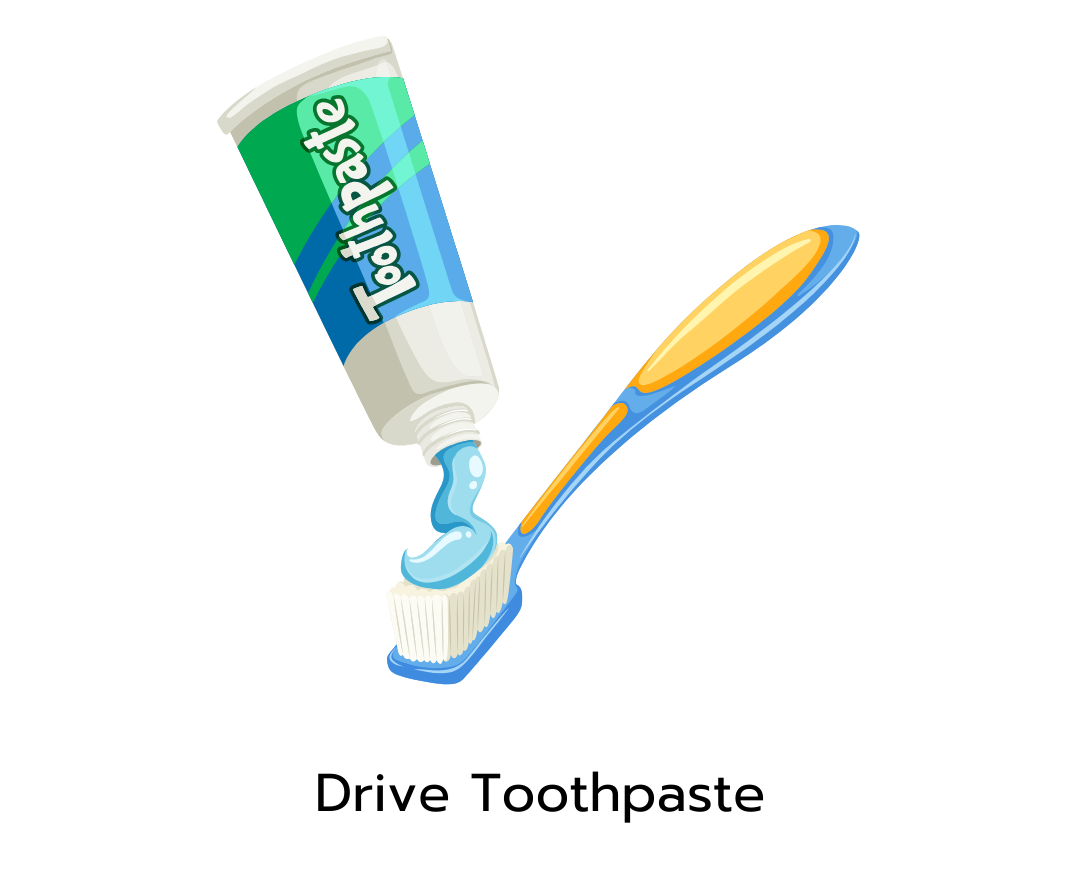
Choose a soft-bristled toothbrush that fits comfortably in your mouth and reaches the back molars. A small head often makes it easier to clean along the gumline. Replace your brush or brush head every 3–4 months, or sooner if the bristles flare.
Pick a toothpaste that matches your needs
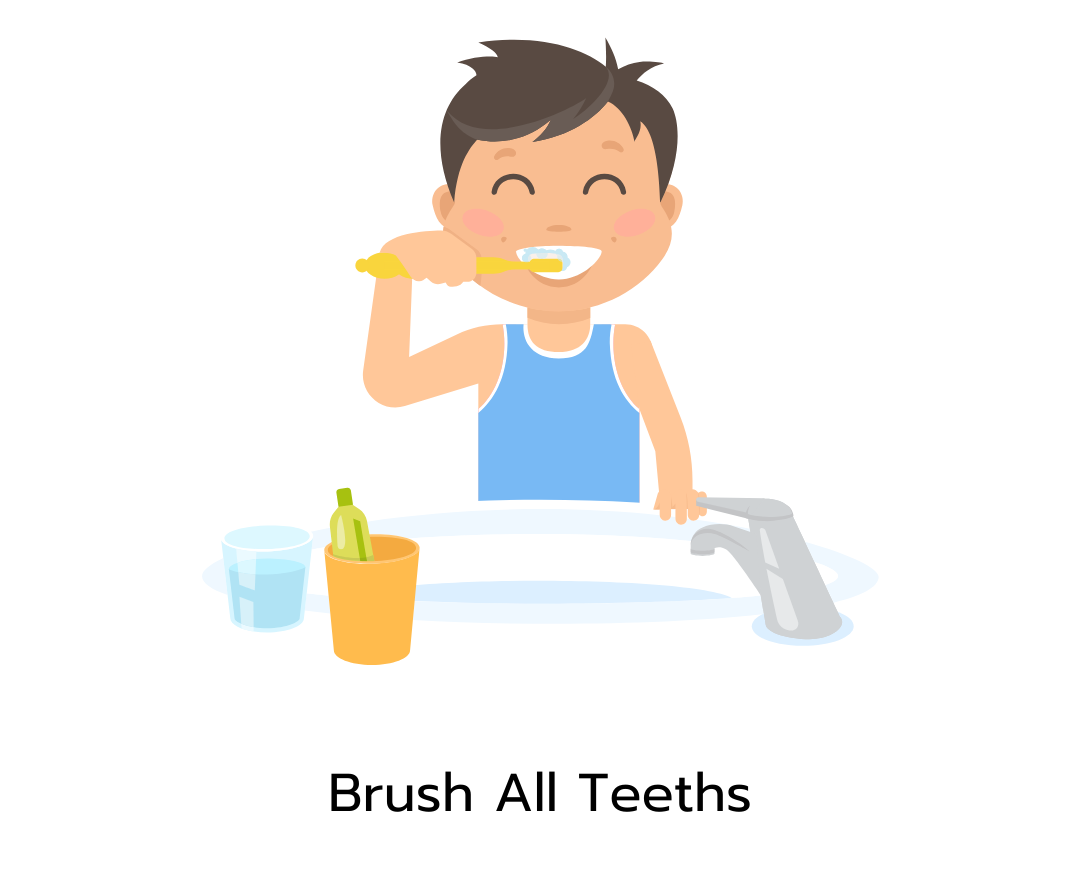
Fluoride toothpaste helps strengthen enamel and lowers the risk of cavities. If you have sensitivity, look for a formula labeled for sensitive teeth. If you build tartar quickly or have gum irritation, ask your dentist which option fits your situation.
Brush for two minutes
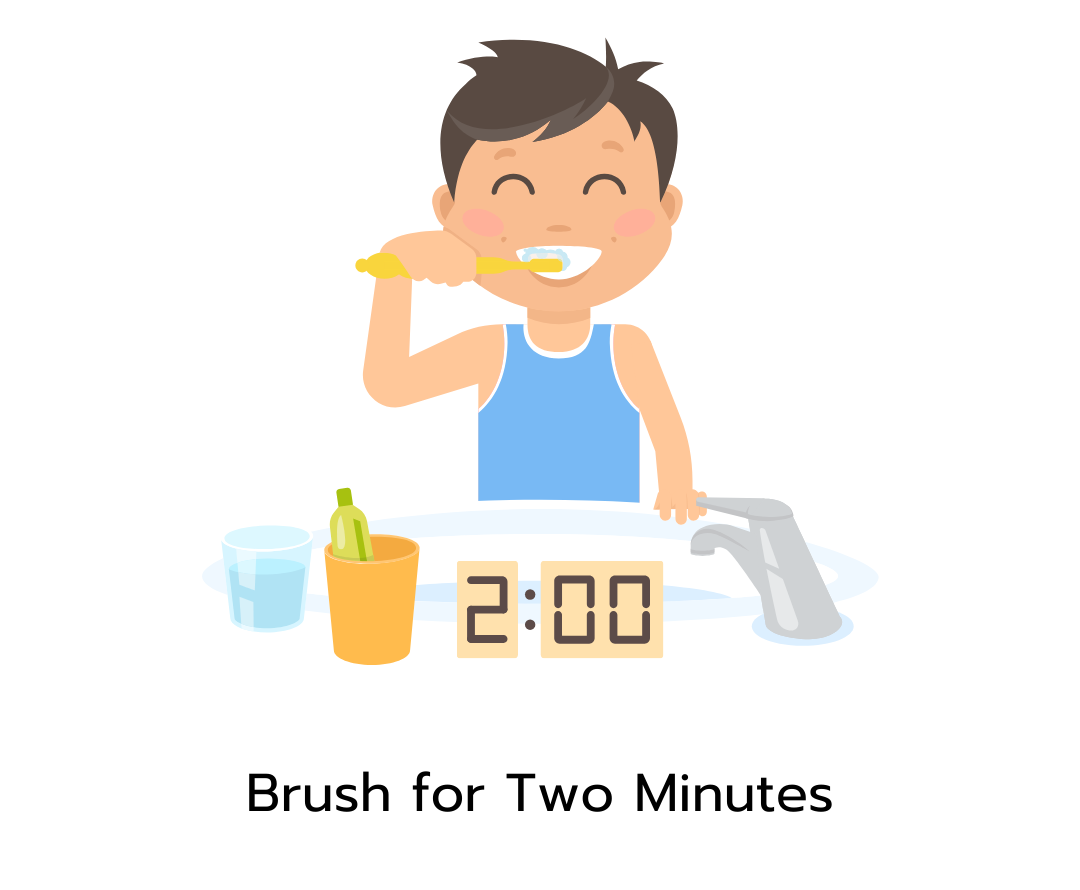
Two minutes gives you enough time to clean every surface without rushing. If you tend to stop early, use a timer, a toothbrush with a built-in timer, or play a two-minute song.
Angle the brush toward the gumline
Hold the brush at about a 45-degree angle where the teeth meet the gums. This targets plaque that collects at the gumline, an area that’s often missed with straight up-and-down brushing.
Use gentle, controlled motions
Move the brush in small circles or short strokes, using light pressure. Scrubbing hard can irritate gums and wear tooth surfaces over time. Cover the outer surfaces, inner surfaces, and chewing surfaces of every tooth.
Don’t skip the back teeth and inside surfaces
Molars and the inner surfaces of the lower front teeth collect plaque quickly. Take your time in these areas and tilt the brush as needed for better contact.
Brush your tongue
Bacteria and debris on the tongue can contribute to bad breath. Brush gently from back to front or use a tongue scraper.
Finish and clean your brush
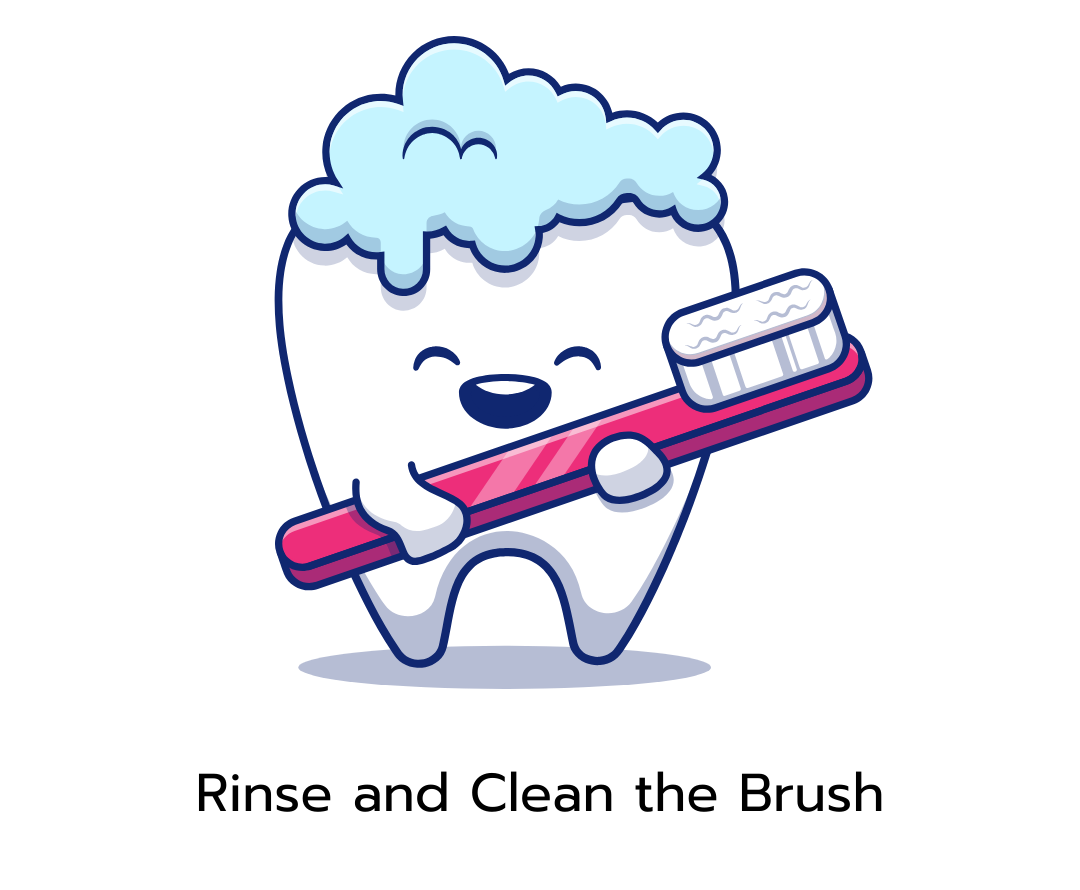
Spit out the toothpaste. If you rinse, use water or an alcohol-free mouthwash. Rinse the toothbrush well, shake off excess water, and store it upright so it can air-dry.
How often should you brush?
Brush twice a day—once in the morning and once before bed. The nighttime brush matters most because it removes the day’s buildup of plaque and food particles. If you snack frequently, rinsing with water after eating can help until you’re able to brush.
How to remove plaque from teeth
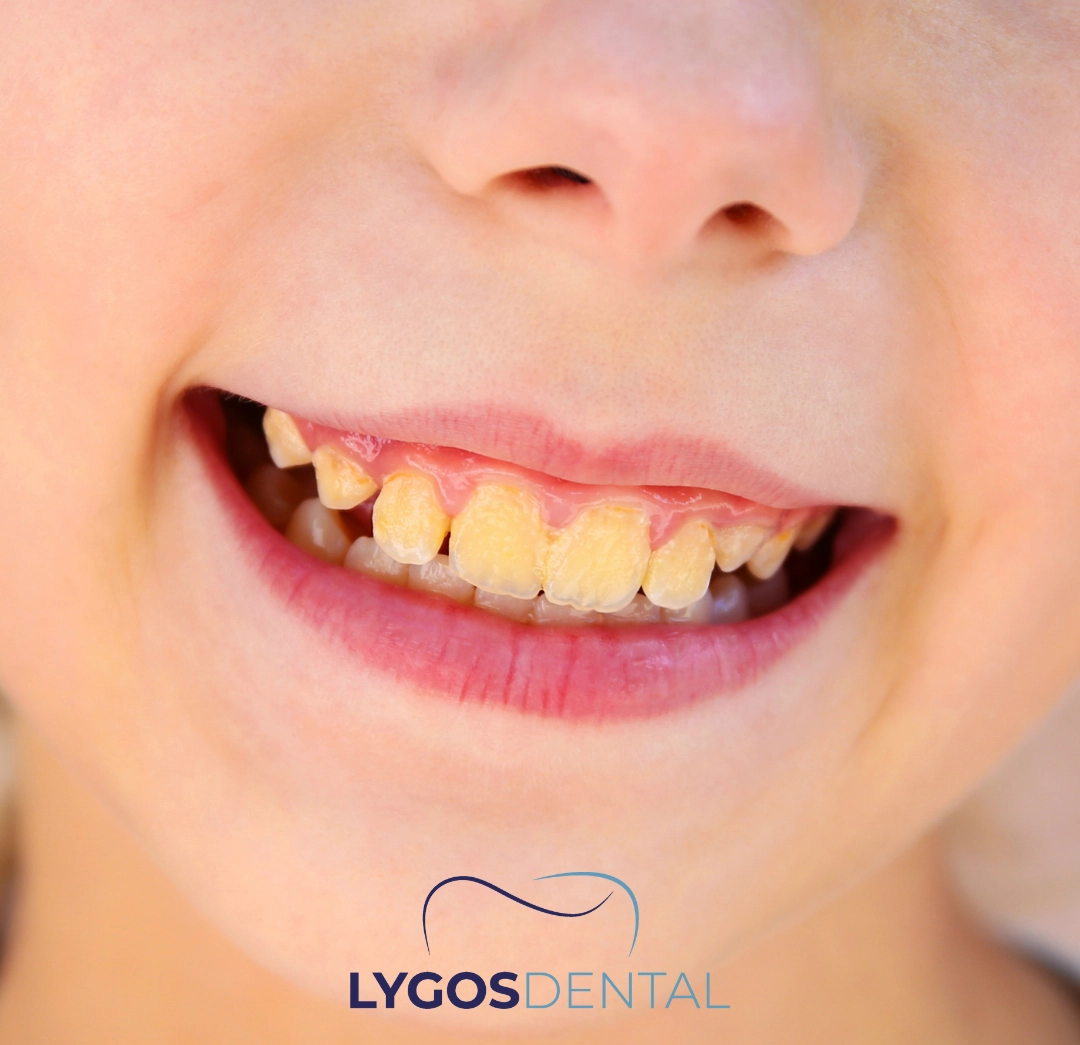
Plaque is a sticky film of bacteria and food debris that forms on teeth every day. Brushing and flossing disrupt plaque before it hardens into tartar. Focus on the gumline and the spaces between teeth, where plaque tends to collect.
Floss once a day, or use interdental brushes if they’re easier for you. An antibacterial mouthwash can support your routine, especially if you’re prone to gum inflammation. Cutting back on frequent sugary snacks also helps because bacteria feed on sugar and produce acids.
How to whiten teeth with baking soda
Baking soda (sodium bicarbonate) can help lift surface stains because it’s mildly abrasive. Used too often or with heavy pressure, it can increase sensitivity and wear enamel.
Steps
- Mix 1 teaspoon of baking soda with 2 teaspoons of water to make a paste.
- Brush gently for about 1 minute, avoiding aggressive scrubbing.
- Rinse well with water.
- Limit use to 2–3 times per week, and keep fluoride toothpaste as your main toothpaste.
If you have crowns, veneers, or significant sensitivity, check with your dentist before using baking soda. Professional whitening options may be a better fit for deeper discoloration.
How to prevent tartar buildup
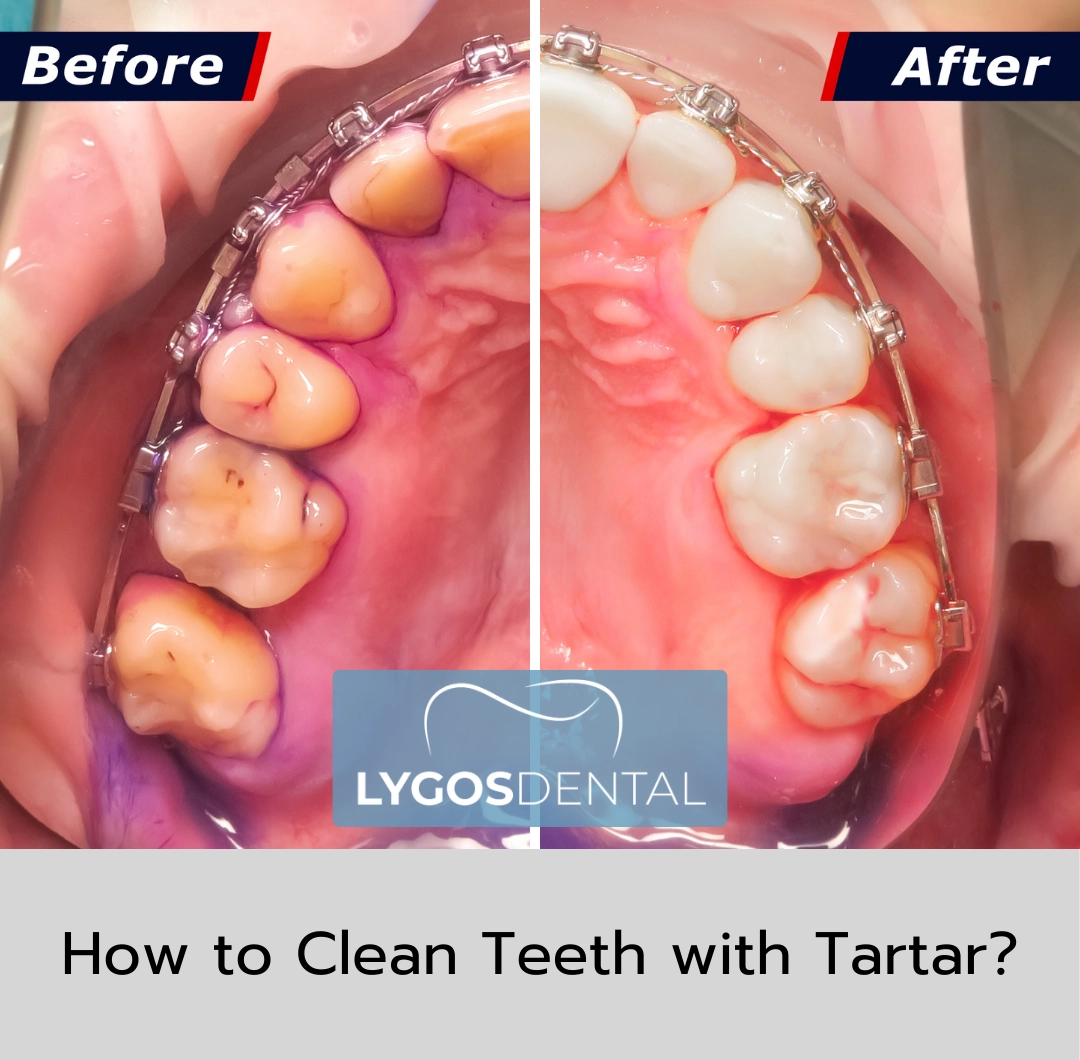
Tartar (calculus) forms when plaque hardens on the teeth and along the gumline. Once tartar forms, it can’t be brushed off at home and usually needs professional cleaning.
To slow tartar buildup, brush twice daily, floss every day, and consider a tartar-control toothpaste if your dentist recommends it. Electric toothbrushes can make it easier to remove plaque consistently, which reduces how much tartar can form over time.
How to brush teeth with braces
Braces create extra surfaces where plaque and food can get trapped. Brushing after meals is ideal, especially if you eat sticky or crunchy foods.
Braces-friendly tips
- Use a soft-bristled or orthodontic toothbrush and angle it above and below the brackets.
- Brush around each bracket and along the gumline, then brush the chewing surfaces.
- Use an interdental brush to clean around wires and tight spaces.
- Floss daily with a floss threader, orthodontic floss, or a water flosser.
- Finish with a fluoride mouthwash if recommended by your orthodontist.
After brushing, look in the mirror for any remaining debris around brackets and between teeth. That quick check prevents missed spots from turning into stains or cavities.
How much does professional teeth cleaning cost?

Cleaning fees vary by country, city, clinic, and the type of cleaning you need. A routine cleaning (often called prophylaxis) is usually less expensive than a deep cleaning used for gum disease. Insurance or dental plans may cover routine cleanings, often on a set schedule each year.
If you’re comparing clinics, ask whether the quote includes an exam, X-rays, polishing, and fluoride treatment. Sticking to daily brushing and flossing helps keep cleanings simpler and reduces the chance you’ll need more complex periodontal care.
When to see a dentist
See a dentist if you have persistent bleeding gums, tooth pain, sensitivity that doesn’t settle, or bad breath that returns quickly after brushing. These can be signs that you need a professional evaluation or a tailored home-care plan.
FAQ
How often should I brush my teeth?
Brush twice a day—once in the morning and once before bed. If you snack often or drink sugary or acidic drinks, rinsing with water afterward can help between brushes.
How long should I brush for?
Aim for two minutes each time. A timer, electric toothbrush timer, or a two-minute song can make it easier to stay consistent.
Is an electric toothbrush better than a manual one?
Both can work well when used correctly. Many people find electric brushes easier for maintaining gentle pressure and steady technique, especially if you tend to rush.
What toothpaste should I use?
Choose a fluoride toothpaste unless your dentist recommends otherwise. If you have sensitivity, look for a toothpaste labeled for sensitive teeth and give it a few weeks of regular use to judge results.
Should I brush my tongue?
Yes—gently brushing your tongue (or using a tongue scraper) can reduce odor-causing bacteria. Keep it light to avoid irritation.
Tooth Erosion (Dental Erosion) | LYGS DENTAL
Tooth Erosion (Dental Erosion)
Tooth erosion is the gradual loss of tooth enamel caused by repeated acid exposure from foods, drinks, stomach reflux, or other sources. As enamel thins, teeth may become sensitive, look more yellow, and chip more easily. Erosion can’t be reversed, but you can slow it with smarter habits, fluoride, and timely dental care.
What Is Tooth Erosion?
Tooth erosion happens when acids dissolve enamel, the hard outer layer that protects your teeth. Unlike tooth decay, which involves bacteria, erosion is a chemical process. Once enamel is lost it does not grow back, so early detection and prevention matter.
Common Causes Of Tooth Erosion
Most cases come from frequent acid contact with the teeth. In many people, more than one factor is involved.
Acidic Foods And Drinks
Acidic items soften enamel on contact. When exposure is frequent or prolonged, enamel wear accelerates.
- Citrus fruits and juices (orange, lemon, grapefruit), especially when sipped slowly or used in water throughout the day.
- Soft drinks, energy drinks, and many flavored sparkling waters.
- Wine and other acidic alcoholic drinks, particularly when consumed regularly.
Gastroesophageal Reflux Disease (GERD)
With reflux, stomach acid can reach the mouth and bathe the teeth. Erosion patterns from reflux often affect the inner (tongue-side) surfaces of upper teeth. If you suspect reflux, managing it can protect both your teeth and your overall health.
Frequent Vomiting
Repeated vomiting exposes teeth to strong stomach acid. This can happen with certain medical conditions, pregnancy-related nausea, or eating disorders. If this applies to you, getting medical support is important, and a dentist can help reduce further enamel loss.
Dry Mouth Or Reduced Saliva Flow (Xerostomia)
Saliva helps neutralize acids and supports natural remineralization. When saliva is reduced, acids stay on the teeth longer and enamel is more likely to soften and wear.
Environmental Factors
Frequent swimming in poorly balanced chlorinated pools can contribute to erosion if the water is too acidic. Some jobs with airborne acids can also raise risk.
Medications
Some medicines can reduce saliva flow or increase mouth acidity. If you notice dry mouth or new sensitivity after starting a medication, mention it to your dentist and prescribing clinician.
Symptoms And Early Signs

Erosion often starts quietly. Catching it early can prevent more extensive damage.
- Sensitivity to cold, hot, or sweet foods and drinks.
- Teeth that look dull, more yellow, or less bright as underlying dentin shows through.
- Smooth, rounded edges or slight changes in tooth shape.
- Chips, small cracks, or thin, translucent tips on front teeth.
- Unusually shiny areas on the tooth surface.
Stages Of Tooth Enamel Erosion
Dentists may describe erosion in stages based on how much enamel has been lost.
Initial stage: Mild softening and thinning of enamel. Sensitivity may begin, but changes can be subtle.
Moderate stage: More noticeable sensitivity and color changes. Edges may start to look rounded or worn.
Severe stage: Significant enamel loss with dentin exposure. Teeth are more likely to chip, crack, or develop restorations-related needs.
How To Prevent Tooth Erosion
The goal is to reduce acid contact, help enamel re-harden, and strengthen teeth with fluoride and good habits.
Change How You Consume Acidic Items
- Limit how often you sip acidic drinks. Frequency matters as much as quantity.
- Use a straw for acidic beverages to reduce contact with teeth.
- Have acidic foods and drinks with meals rather than between meals.
- Finish with water to rinse acids away.
Avoid Brushing Immediately After Acid Exposure
After acidic foods or drinks, enamel is temporarily softened. Rinse with water and wait about 30 minutes before brushing so saliva can help the surface re-harden.
Use Fluoride And Gentle Brushing
- Brush twice daily with fluoride toothpaste and a soft-bristled toothbrush.
- Avoid aggressive scrubbing and abrasive whitening pastes if you already have erosion.
- Ask your dentist if you would benefit from a higher-fluoride toothpaste or professional fluoride varnish.
Support Saliva
- Sip water regularly throughout the day.
- Chew sugar-free gum to stimulate saliva after meals.
- If you have persistent dry mouth, ask about saliva substitutes or medication adjustments where appropriate.
Treatment Options
Treatment depends on severity and the cause. Your dentist may recommend one or more of the following:
- Fluoride varnish or prescription-strength fluoride to reduce sensitivity and strengthen remaining enamel.
- Dental bonding to cover worn areas and restore shape.
- Veneers or crowns for advanced erosion where tooth structure needs protection and reinforcement.
- A night guard if erosion is combined with heavy tooth wear from grinding.
- Medical management of underlying causes such as reflux, when relevant.
When To See A Dentist
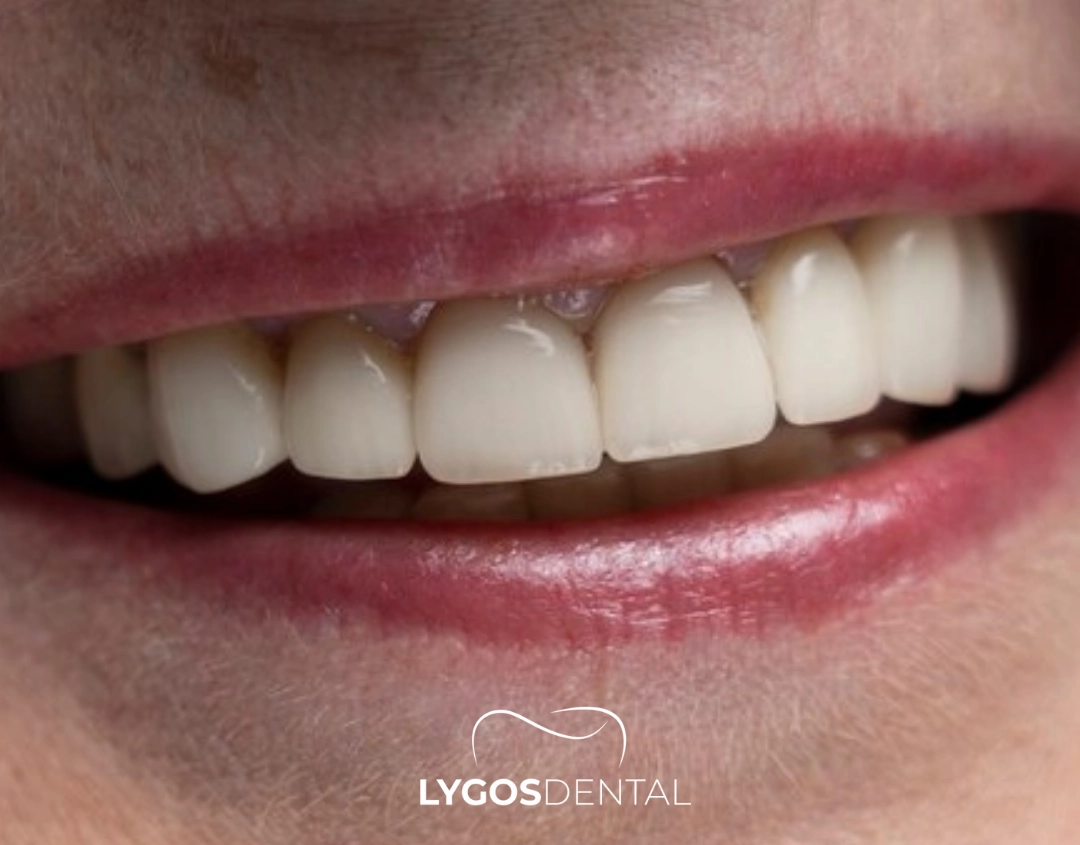
Book an exam if you notice new sensitivity, visible yellowing, chips, or changes in tooth shape. If you regularly experience heartburn, reflux, or frequent vomiting, let your dentist know—addressing the root cause can prevent ongoing damage.
FAQs
Is tooth erosion the same as tooth decay?
No. Decay is driven by bacteria and sugars; erosion is enamel loss caused by acids. A person can have both at the same time.
Can enamel grow back?
Lost enamel does not regenerate. Early erosion can sometimes be stabilized, and weakened areas can be strengthened with fluoride and careful habits.
Is lemon water bad for teeth?
Lemon is highly acidic. If you drink it, keep it to mealtimes, use a straw, and rinse with plain water afterward.
All-on-4 Dental Implants
All-on-4 Dental Implants at LYGOS DENTAL
All-on-4 dental implants replace a full arch of missing teeth using four implants that support a fixed bridge. At LYGOS DENTAL, the treatment typically includes digital planning, implant surgery, and a temporary set of teeth on the same day, followed by a permanent bridge after healing. Suitability depends on your bone and health.
All-on-4 dental implants are a full-arch solution designed for people who have lost most or all of their teeth in the upper jaw, lower jaw, or both. Instead of placing an implant for every missing tooth, four implants are positioned to support a fixed bridge. The goal is a stable bite, a natural-looking smile, and day-to-day comfort that feels closer to real teeth than removable dentures.
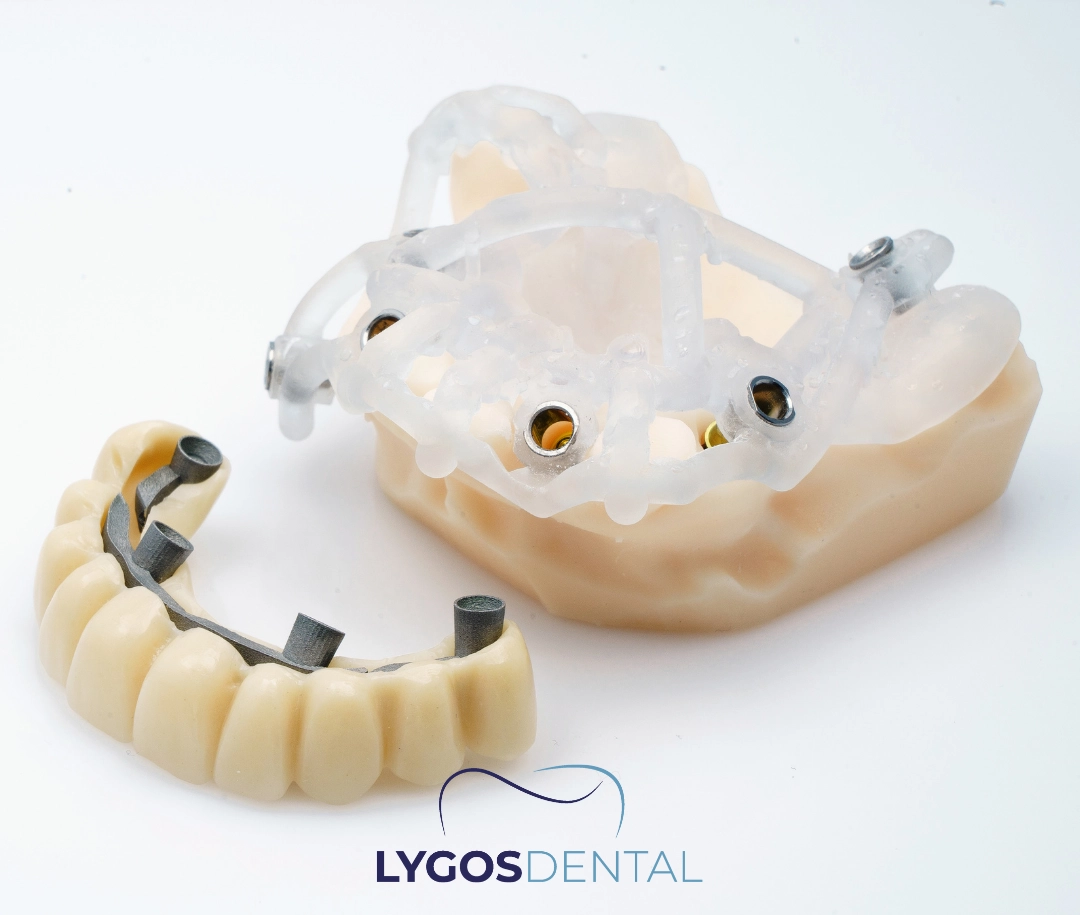
Table of Contents
What Are All-on-4 Dental Implants?
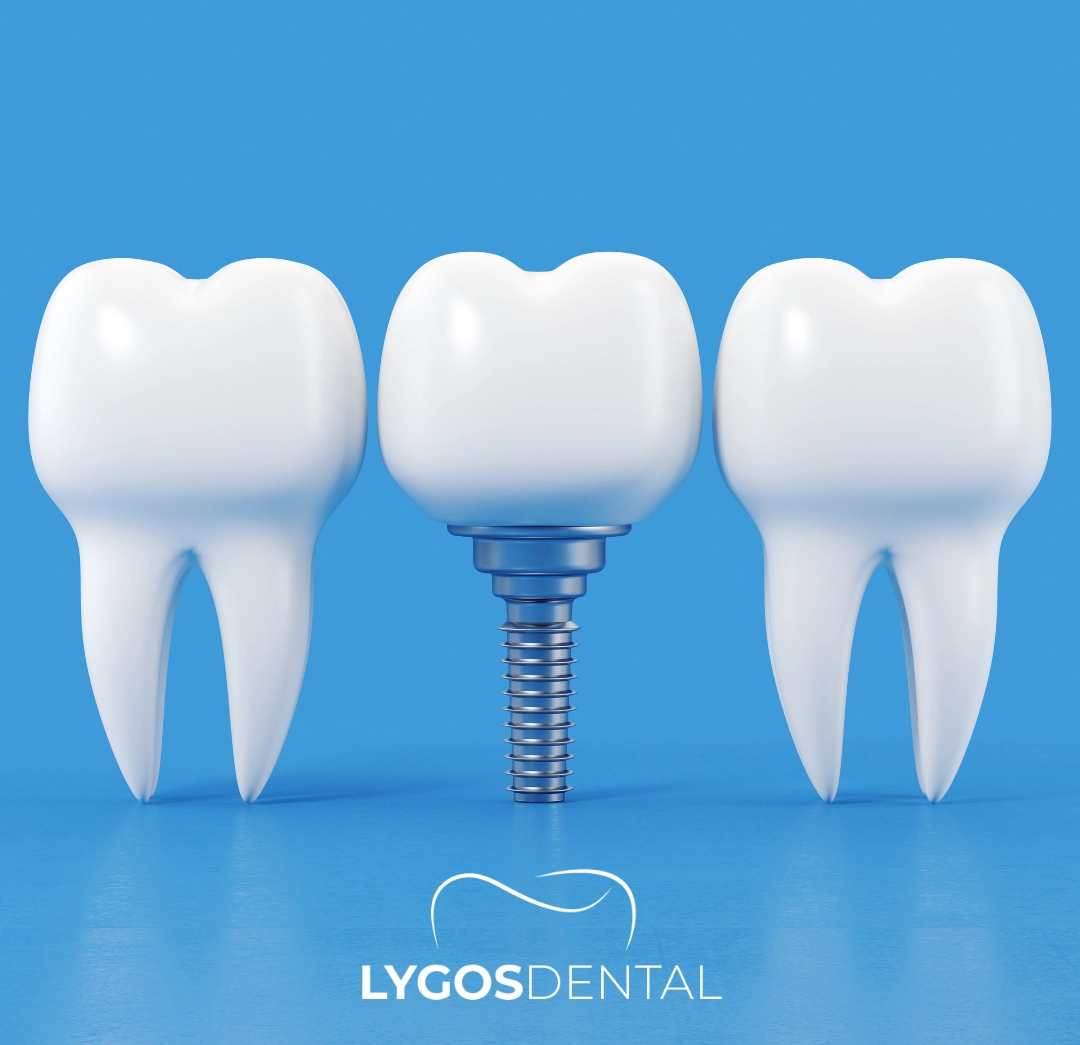
All-on-4 is a technique that uses four dental implants to hold a full set of replacement teeth on one arch. Two implants are typically placed toward the front of the jaw, where bone is often denser, and two are placed at the back on an angle for added anchorage. This angled placement can help use available bone more effectively and, in many cases, reduces the need for bone grafting.
How The All-on-4 Procedure Works
Consultation And 3D Planning
Your visit starts with a full examination and imaging such as X-rays and 3D scans. This lets the dentist evaluate bone levels, bite, gum health, and any teeth that may need extraction. A personalised plan is then created to map implant positions and the shape of your new smile.
Implant Placement And Same-Day Temporary Teeth
Surgery is performed with local anaesthesia, and sedation can be considered when appropriate. Four implants are placed in the jaw, then a temporary fixed bridge may be attached the same day when initial stability allows. Some patients may need a short healing period before loading, which your dentist will explain during planning.
Healing And Osseointegration
Over the next three to six months, the implants bond with the jawbone in a process called osseointegration. During this phase you’ll attend check-ups so healing can be monitored and the bite can be adjusted if needed. Following the post-op instructions closely helps protect the implants while the bone integrates.
Final Fixed Bridge
Once integration is complete, the temporary teeth are replaced with a final, custom-made bridge. The final prosthesis is designed for fit, speech, and chewing efficiency, while also matching the shade and shape you want. You’ll also be shown how to clean around the bridge to support long-term gum and implant health.
Treatment Stages At A Glance
- Assessment and digital planning (including 3D imaging)
- Extractions if required (sometimes on the same day as surgery)
- Implant placement (four implants per arch)
- Temporary fixed teeth when suitable
- Osseointegration and follow-up visits (often 3–6 months)
- Final bridge fitted after healing
Advantages Of All-on-4 Dental Implants
All-on-4 is often chosen because it combines stability with a shorter treatment plan than placing many individual implants. Benefits vary by patient, but the following are commonly reported outcomes.
- Fixed teeth that do not slip like removable dentures
- Potential to avoid bone grafting in many cases due to angled posterior implants
- Fewer implants than traditional full-arch approaches, which can lower overall cost
- Improved chewing efficiency and clearer speech compared with loose dentures
- A smile designed to suit your facial features and preferences
All-on-4 Dental Implants Before And After
Before treatment, missing teeth can make eating and speaking difficult, and dentures may feel unstable or uncomfortable. Over time, tooth loss can contribute to changes in facial support, which may make the face look more sunken. After All-on-4, patients often describe a more secure bite, easier meals, and a smile they feel comfortable showing in daily life.
Recovery And Aftercare
Most people have some swelling and tenderness for a few days after surgery, with gradual improvement over the first week. Soft foods are usually recommended during early healing, especially if you receive temporary teeth right away. Keeping the area clean, taking prescribed medication as directed, and attending follow-up visits are key parts of a smooth recovery.
- Follow a soft-food diet as advised and avoid hard or sticky foods during early healing
- Do not smoke, as it can increase the risk of implant complications
- Clean carefully around the bridge using tools recommended by your dentist
- Contact the clinic if you notice increasing pain, swelling, or a bite that feels off
All-on-4 Dental Implants Price
Pricing depends on your clinical needs, the materials used for the temporary and final teeth, and whether extractions or other treatments are required. The ranges below are typical estimates and can vary by clinic and case complexity.
For easier comparison, the estimates below are shown in EUR. Individual clinics may quote in local currency and package inclusions can differ.
| Implant Treatment Type | Typical Duration | Turkey (EUR) | USA (Approx.) | UK (Approx.) |
| All-on-4 (Single Arch) | 3–4 months | €6,000 – €12,000 | €20,000 – €35,000 | €12,000 – €20,000 |
Many patients consider All-on-4 dental implants in Istanbul because costs in Turkey can be lower than in the USA or the UK. When comparing clinics, focus on the dentist’s experience, the implant system used, laboratory quality, sterilisation protocols, and what aftercare is included. If you are travelling for treatment, ask for a clear written plan that outlines each step, the type of final prosthesis, and follow-up support.
Why Choose LYGOS DENTAL?
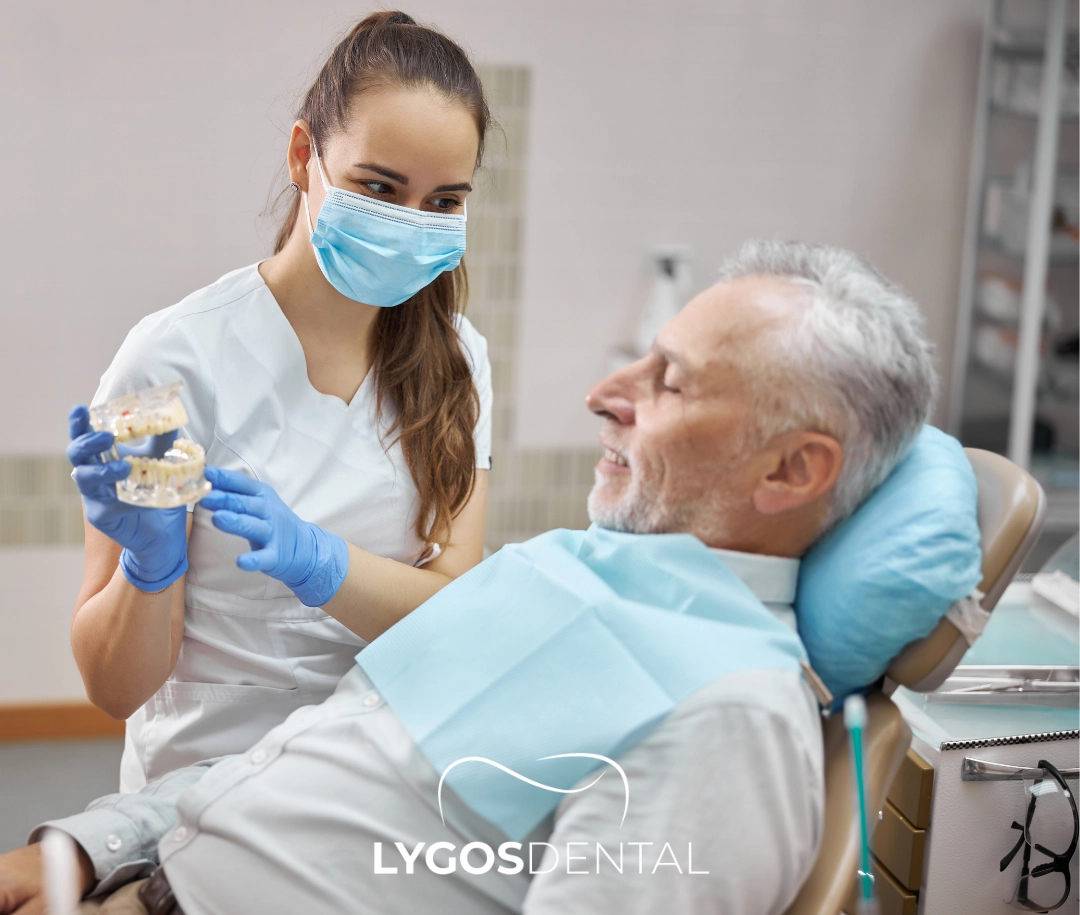
Choosing a clinic for full-arch implants is a long-term decision. At LYGOS DENTAL, the focus is on careful diagnostics, precise planning, and a predictable bite. Your treatment plan should be explained in plain language, including options, risks, and realistic outcomes.
- Comprehensive examination and digital planning before surgery
- Clear staging from temporary teeth to a final fixed bridge
- Aftercare guidance to help you protect your implants long term
FAQ
What are the disadvantages of All-on-4 dental implants?
Disadvantages include surgical risks, implant loss, peri-implantitis, and prosthesis breakage.
How long do All-on-4 dental implants last?
Implants often last 10–20+ years; prosthesis may need replacement after 10–15.
What is the average cost of 4-on-4 dental implants?
Average: $18,000–$35,000 per arch; both arches $40,000–$90,000.
How painful are All-on-4 implants?
Pain is usually manageable; soreness and swelling typically last up to a week.