
The Cheapest Country for Dental Treatment | LYGOS DENTAL
The Cheapest Country For Dental Treatment
Turkey is often the cheapest country for dental treatment when you compare modern clinic standards with typical prices for implants, crowns, and cosmetic work. Hungary, Poland, Thailand, Mexico, and India can also offer strong value. The best option depends on your treatment plan, travel costs, and how carefully you verify the clinic, materials, and aftercare.
Dental care can be expensive in many countries, especially for implants, crowns, and cosmetic dentistry. That’s why dental tourism has grown—patients travel abroad to reduce costs while still choosing reputable clinics and experienced dentists. This guide explains where prices are typically lowest and what to check before you book.
Table of Contents
Which Country Is The Cheapest For Dental Treatment?
There isn’t one perfect answer for everyone. The cheapest destination depends on the procedure, the clinic, and what’s included in the quote (consultations, scans, implant brand, temporary teeth, lab work, and follow-up visits). That said, several countries consistently rank among the most affordable:
- Turkey (often the best overall balance of price and clinic infrastructure)
- Hungary (a long-standing option for patients traveling from Europe)
- Poland (competitive pricing within the EU)
- Thailand (strong private healthcare sector and tourist-friendly services)
- Mexico (popular for patients traveling from the United States)
- India (very low prices, especially for extensive treatment plans)
When patients compare like-for-like treatment plans, Turkey is commonly the most cost-effective choice in Europe and nearby regions.
Why People Choose Dental Treatment Abroad
Patients usually travel for a mix of financial and practical reasons:
- Lower total treatment cost compared with prices in Western Europe, the UK, and the U.S.
- Shorter waiting times for consultations and procedures at many private clinics.
- Access to modern dentistry (digital scans, 3D planning, and newer implant systems) at a lower price point.
- The ability to combine treatment with travel—useful when multiple visits are required.
Why Turkey Is So Popular For Dental Treatment
Lower Prices, Often 50%–70% Less Than The UK Or U.S.
Turkey’s prices are usually lower because of operating costs (rent, staffing, laboratory fees) and the exchange rate, not because modern dentistry is unavailable. As a rough example, a single implant that can cost several thousand pounds in the UK may be quoted in the hundreds to low thousands in Turkey, depending on brand and complexity.
Experienced Dentists And International Patient Services
Many clinics that focus on international patients provide English-speaking coordinators, clear treatment plans, and bundled services. Look for transparent pricing, a named dentist, and clinical documentation (x-rays/CT scans and a written plan).
Modern Clinics, Technology, And Convenience
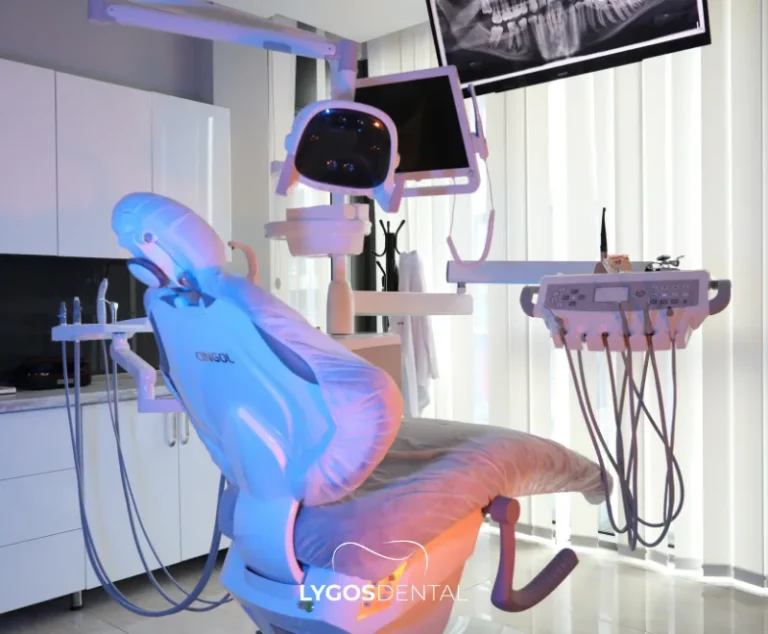
Major cities such as Istanbul, Antalya, and Izmir host clinics equipped with digital dentistry workflows, in-house imaging, and sterilization systems aligned with common European practice. For many travelers, short flight times and frequent routes make planning easier.
Typical Dental Treatment Prices By Country (2026)
Prices vary by clinic, city, implant/crown brand, and what’s included (implant fixture vs. implant + abutment + crown). Use these ranges as a starting point and request a fully itemized quote.
| Country | Implant (per tooth) | Zirconium Crown | Root Canal Treatment | Teeth Whitening |
| Turkey | €500 – €900 | €150 – €250 | €100 – €250 | €150 – €300 |
| Hungary | €800 – €1,500 | €200 – €350 | €150 – €300 | €200 – €350 |
| Poland | €900 – €1,600 | €220 – €400 | €180 – €350 | €200 – €350 |
| Thailand | €900 – €1,700 | €250 – €450 | €200 – €400 | €250 – €450 |
| Mexico | €700 – €1,300 | €200 – €350 | €150 – €300 | €200 – €350 |
| UK | €1,600 – €4,000 (approx.) | €600 – €900 (approx.) | €400 – €900 (approx.) | €450 – €850 (approx.) |
Tip: If your quote seems unusually low, confirm the implant brand, warranty terms, lab quality, and whether the crown, abutment, scans, and medications are included.
What To Consider When Choosing Affordable Dental Care
Low prices are only a win if the treatment is planned well and supported with proper aftercare. Use this checklist before you book:
- Clinic licensing and standards: ask for the clinic’s registration details and sterilization protocol.
- Dentist credentials: confirm who will perform the procedure and review their training and case experience.
- Materials and brands: request the exact implant system and crown material in writing.
- Imaging and planning: ensure you’ll receive x-rays/CT scans and a documented treatment plan.
- Guarantee and aftercare: understand what is covered, for how long, and how issues are handled once you return home.
- Realistic scheduling: implants often require healing time, so avoid “one-trip” promises unless your case truly suits immediate loading.
Best Countries For Dental Tourism
If you want both value and a smooth patient experience, these destinations are the most common starting points:
- Turkey: frequently the best value for implants, crowns, and full smile makeovers.
- Hungary: strong option for EU travelers and multi-visit treatment plans.
- Poland: competitive EU pricing with easy travel from Western Europe.
- Thailand: popular in Asia with many private clinics used to international patients.
- Mexico: convenient for U.S. travelers, especially for border cities and major hubs.
Your “cheapest” option is the one that matches your clinical needs, includes the right materials, and still makes sense after travel and accommodation.
Request Information
If you’re comparing options, share your recent x-ray (or panoramic image), a list of your priorities, and your travel timeline. A reputable clinic should respond with an itemized plan and clear answers about materials, warranties, and follow-up care.
You can contact us to ask about Cosmetic Dentistry, Dental Crowns, Dental Implants, and General Dentistry, and to request an appointment or a quote.
FAQ
Which is the cheapest country to get your teeth treated?
Turkey is among the cheapest for complex dental work, especially package pricing.
Which is the best country to get my teeth treated?
Hungary is a top dental-tourism choice for EU-standard care and specialist implant clinics.
Why is dental treatment so cheap in Mexico?
Lower wages, overhead, and stronger competition make dental care in Mexico cheaper.
Is it cheaper to get dental implants abroad?
Yes, dental implants abroad are often 50–70% cheaper than UK/US prices.
In which country are the best dental implants made?
Switzerland and Sweden lead premium implant manufacturing, including Straumann and Nobel Biocare.
Which country offers cheap crowns?
Turkey offers low-cost dental crowns, often via all-inclusive packages.
Use of Stem Cells in Dental Treatments | LYGOS DENTAL
Use of Stem Cells in Dental Treatments
Stem cells are being studied in dentistry for their potential to support tissue repair—especially in the dental pulp, gums (periodontium), and jawbone. Some approaches have reached early clinical use in carefully selected cases, while others—such as growing a brand‑new tooth—remain experimental and largely limited to animal research.
Table of Contents
What Stem Cells Are and Why They Matter in Dentistry
Stem cells are cells that can self‑renew and, under the right conditions, develop into more specialized cell types. In regenerative dentistry, researchers focus mainly on mesenchymal stem cells (MSCs), including dental‑origin stem cells found in tissues such as dental pulp, periodontal ligament, and exfoliated (baby) teeth.
The goal is not to “fill” or “replace” tissue in the classic sense, but to encourage the body to rebuild damaged structures—often with the help of biomaterials (scaffolds) and signaling molecules that guide the healing process.
Where Stem Cell‑Based Approaches Are Being Explored Today
Pulp and Root Canal‑Related Regeneration
When the dental pulp is severely inflamed or infected, conventional root canal treatment removes the diseased tissue and seals the canal. Regenerative endodontics aims to restore living tissue inside the tooth so it can regain some biological function.
Dental pulp stem cells (DPSCs) and stem cells from exfoliated deciduous teeth (often called SHED) have been widely studied for this purpose. The strongest evidence today sits in early clinical research and controlled clinical trials, but protocols are still being refined and are not yet routine in everyday practice.
Gum, Periodontal Ligament, and Bone Regeneration
Periodontitis can destroy the periodontal ligament and the bone supporting the teeth. Conventional periodontal therapy can control infection and slow progression, yet complete regeneration of lost structures is difficult.
Stem cell‑based tissue engineering is being investigated for periodontal bony defects and advanced periodontal disease. Recent reviews and clinical research report promising improvements in certain outcomes, but results vary by defect type, cell source, delivery method, and patient factors.
Scaffolds, Biomaterials, and Growth‑Factor Support
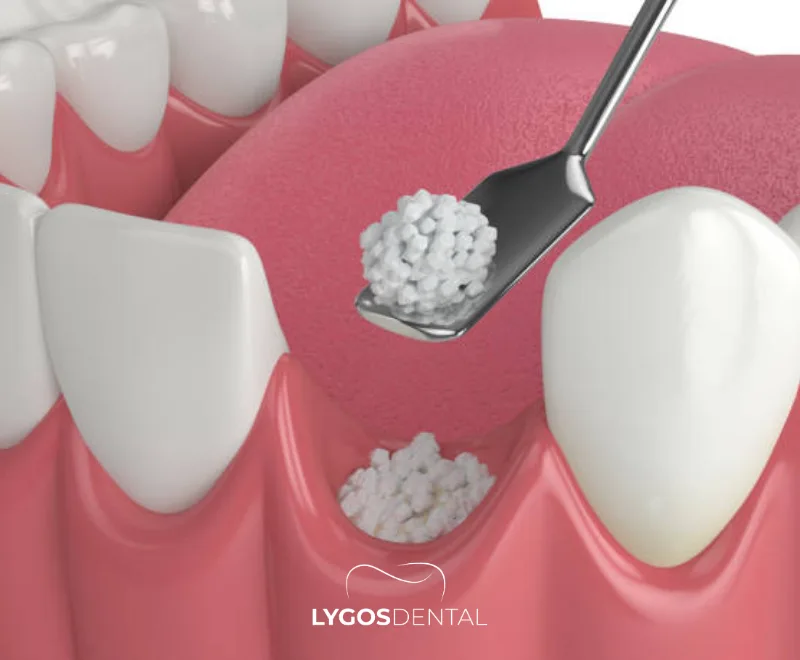
Stem cells rarely work alone. Many regenerative protocols combine cells with biocompatible scaffolds that help the cells attach and organize, plus biological signals that nudge them toward forming the right tissue.
In clinical dentistry, blood‑derived concentrates such as PRP (platelet‑rich plasma) and PRF (platelet‑rich fibrin) are sometimes used as adjuncts because they release growth factors over time. These are not the same as stem cell transplantation, but they can support wound healing and regeneration in selected indications.
Can a New Tooth Be Grown from Stem Cells?
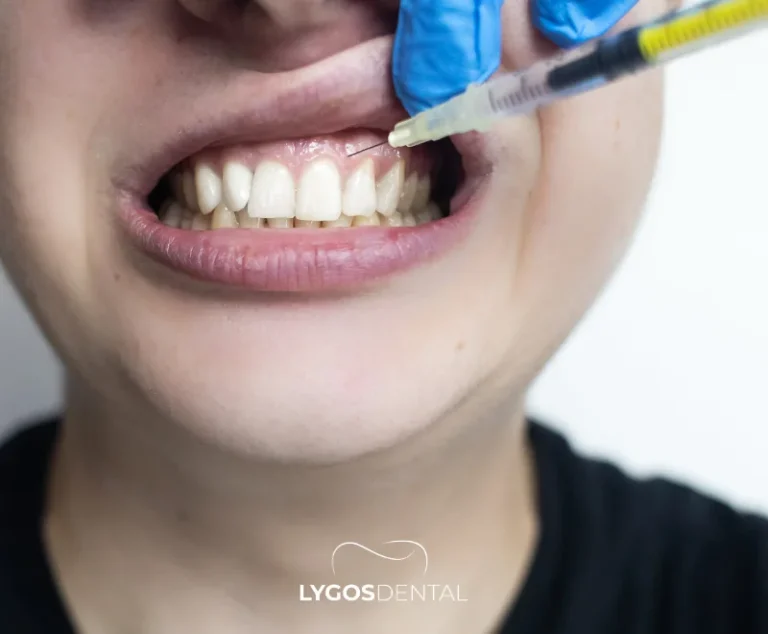
Whole‑tooth regeneration is one of the most exciting ideas in regenerative dentistry—and also one of the least mature clinically. Researchers have created tooth‑germ or tooth‑bud‑like structures in the laboratory and achieved tooth‑like formation in animal models.
At the moment, these advances do not translate to routine “grow me a new tooth” treatment for humans. Challenges include reliably forming enamel, controlling shape and eruption, achieving stable nerve and blood supply, and proving long‑term safety. For patients today, implants, bridges, and prosthetics remain the standard options for missing teeth.
Benefits and Limitations Patients Should Know
Potential benefits
- Biologically driven repair: aims to rebuild tissue rather than simply replace it.
- Better integration: regenerated tissue may behave more like natural gum, bone, or pulp compared with synthetic substitutes.
- Inflammation control: MSCs are being studied for their immunomodulatory effects, which may support healing in some contexts.
Limitations and risks
- Not standardized everywhere: many protocols are still evolving, and availability varies by country and clinic.
- Cost and complexity: cell isolation, expansion, and quality control can be expensive and resource‑intensive.
- Time to see results: true tissue regeneration can take weeks to months, and outcomes are not guaranteed.
- Evidence varies by indication: some applications have stronger human data than others; “tooth regrowth” remains experimental.
Stem Cell–Related Dental Treatments in Turkey
Turkey is a well‑known destination for dental care and health tourism. Regenerative dentistry services may include research‑driven stem cell applications in academic settings, as well as more established adjuncts such as PRP/PRF to support soft‑tissue and bone healing.
As with any cell‑ or tissue‑based intervention, regulatory oversight and clinic credentials matter. Patients should ask whether a procedure is part of an approved clinical protocol, what evidence supports the indication, and how the clinic ensures quality and safety (including laboratory standards when cells are processed).
Get More Information
If you’re considering regenerative options—alongside implants, crowns, or periodontal treatment—book a consultation to review your diagnosis, available therapies, and realistic outcomes based on current evidence.
You can contact us to learn more about Cosmetic Dentistry, Dental Crowns, Dental Implants, and General Dentistry, and to arrange an appointment.
FAQ
Application of stem cells in dentistry
Experimental uses include pulp regeneration, periodontal repair, bone regeneration, and tissue-engineered grafts.
Stem cell dental implants cost
No standard cost; stem-cell dental implants aren’t commercially available outside research trials.
Types of dental stem cells
DPSC, SHED, PDLSC, SCAP, DFSC, gingival MSCs, and alveolar bone MSCs.
Where can i get stem cell dental implants
Only in regulated clinical trials at research dental hospitals; routine clinics don’t offer them.
Stem cell tooth regeneration
Not routine; stem cells may regenerate pulp/periodontium, but whole-tooth regrowth remains experimental.
How Does Tooth Loss Affect Speech? | LYGOS DENTAL
How Does Tooth Loss Affect Speech?
Tooth loss can affect speech by changing how air flows through the mouth and where the tongue and lips make contact. Gaps—especially in the front teeth—often make sounds like s, z, f, v, and th harder to pronounce, leading to lisping or whistling. Replacing missing teeth and adjusting bite support usually improves clarity.
Table of Contents
Why Teeth Matter For Clear Speech
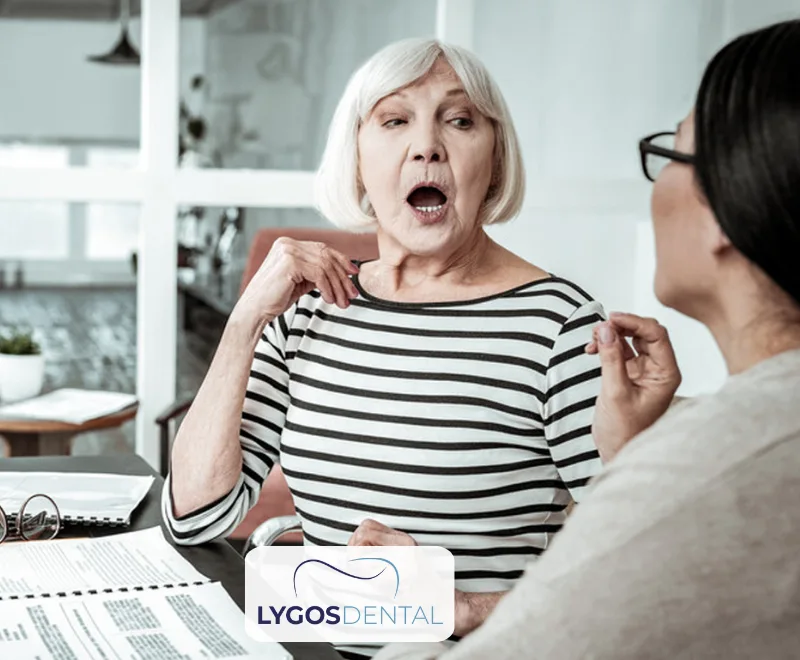
Teeth are part of the “articulation system” that shapes sound. They help control airflow and give the tongue and lips stable surfaces to press against when forming consonants.
When a tooth is missing, the mouth often compensates by changing tongue position or letting extra air escape. That can distort certain sounds, reduce crispness, or make speech feel less effortless—especially at normal conversation speed.
Which Sounds Are Most Affected
S And Z Sounds
Sibilant sounds like “s” and “z” rely on a narrow channel of air directed toward the front teeth. Missing front teeth can widen that channel, causing lisping, whistling, or a softer, less defined sound.
F And V Sounds
For “f” and “v,” the upper front teeth lightly touch the lower lip. If those teeth are missing or significantly shifted, it can be harder to create the correct friction, which may lead to substitutions (for example, a sound closer to “p” or “b”).
T, D, N, And Th Sounds
Sounds such as “t,” “d,” “n,” and “th” depend on precise tongue placement near the teeth and the ridge behind them. Gaps can change the tongue’s target and timing, so words may sound slightly slurred or less clear until you adapt.
What Changes When Teeth Are Missing
The impact isn’t only about the visible gap. Tooth loss can affect speech through several practical changes:
- Air leaks through spaces that used to be sealed by teeth.
- The tongue may sit differently at rest and during speech.
- The bite can shift over time, altering jaw position and muscle balance.
- Chewing efficiency drops, which can affect how you prepare to speak during conversation.
How Location And Number Of Missing Teeth Change The Impact
Missing front teeth tend to cause the most noticeable speech changes because they are directly involved in forming many consonants. A single missing tooth may create a subtle whistle, while multiple gaps can make clarity noticeably worse.
Missing back teeth usually affects chewing more than pronunciation at first. Over time, though, back-tooth loss can reduce bite support, encourage shifting, and change jaw posture—which may indirectly influence speech and comfort.
Tooth Loss And Confidence In Social Settings
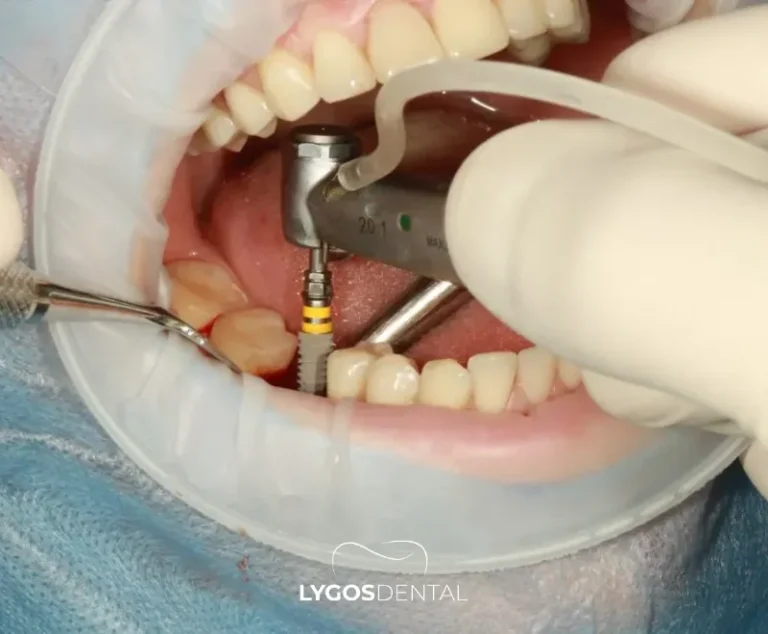
Speech changes can feel frustrating, even when they’re mild. Some people speak more slowly, avoid certain words, or hold back in social situations because they’re self-conscious about pronunciation or appearance.
If you notice yourself avoiding conversations, meetings, or phone calls, it’s worth addressing the dental cause early. Restoring a stable bite and tooth surfaces often helps both clarity and confidence.
How To Improve Speech After Tooth Loss
Many speech issues improve once missing teeth are replaced and the mouth has time to adapt. The right option depends on how many teeth are missing, where they are, and your overall oral health.
Dental Implants
Implants replace the tooth root and crown, providing a stable, fixed surface for speech and chewing. They can be especially helpful for front-tooth gaps where airflow control and lip contact matter most.
Dental Bridges
Bridges can restore missing teeth by anchoring to nearby teeth. When the fit is precise, bridges often improve pronunciation quickly because they recreate the surfaces the tongue and lips need.
Dentures And Partial Dentures
Dentures can improve speech, but fit is everything. If a denture shifts when you talk, it may cause clicking, slipping, or a muffled sound—issues that often improve with adjustments, relines, or design changes.
When Speech Therapy Helps
If you have an established lisp, long-standing tooth loss, or you’re struggling to adapt after dental work, a speech-language pathologist can teach practical placement and airflow strategies. Dental treatment and speech therapy can work well together.
Can Tooth Loss Be Prevented
Not every case is preventable, but risk drops significantly with consistent home care and routine check-ups. Tooth decay, gum disease, trauma, and habits such as grinding are common contributors.
Brush twice daily with fluoride toothpaste, clean between teeth every day, and keep regular dental visits. If you play contact sports or grind your teeth at night, a mouthguard or night guard can also help protect your teeth.
FAQ
Can tooth loss affect speech?
Yes, tooth loss can cause lisping and difficulty pronouncing s, f, v, th.
Can dental problems cause speech problems?
Yes, pain, swelling, malocclusion, or ill-fitting dentures can impair clear speech.
Does tooth loss affect your voice?
Yes, missing teeth can alter articulation and airflow, subtly changing perceived voice.
Which teeth affect speech the most?
Front incisors and canines, plus upper front teeth, affect s, f, v, th sounds.
Can missing teeth cause speech problems?
Yes, missing teeth disrupt tongue placement and airflow, causing distortion of certain consonants.
Permanent Tooth Before Baby Tooth Falls Out | LYGOS DENTAL
Permanent Tooth Before Baby Tooth Falls Out
A permanent tooth can sometimes erupt behind a baby tooth before the baby tooth loosens. This “double row” (often called “shark teeth”) is usually caused by a baby tooth that hasn’t shed on time. Many cases self-correct as the baby tooth falls out, but a dentist should check for crowding, hygiene problems, or a bite issue.
Table of Contents
What This Situation Is Called
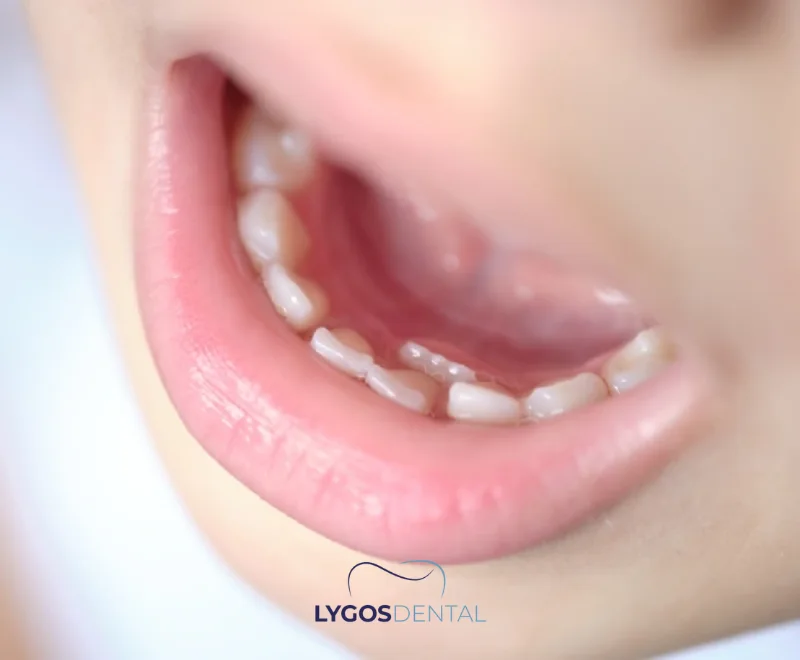
When a permanent tooth appears while the baby tooth is still in place, you may see two rows of teeth. Dentists often describe this as a retained baby tooth with an erupting permanent tooth; many parents know it as “double row teeth” or “shark teeth.” It is common around the lower front teeth, but it can happen anywhere in the mouth.
Normal Tooth Eruption Timeline in Children
Most children get their first baby teeth around 6 months of age, and the full set of 20 baby teeth is usually in place by about 2–3 years old. Permanent teeth commonly begin to come in around age 6 and continue to replace baby teeth through the early teen years. Because every child develops at a slightly different pace, the exact timing can vary.
Why a Permanent Tooth Can Come in Before the Baby Tooth Falls Out
In many cases, the permanent tooth is on schedule, but the baby tooth is not loosening as expected. Here are the most common reasons dentists see:
Genetics and Timing Differences
Eruption patterns often run in families. Some children naturally shed baby teeth later, even when the permanent tooth is ready to erupt.
A Baby Tooth That Is Not Loosening
If the root of the baby tooth does not dissolve on time, the tooth may stay firm in place. The permanent tooth then takes the path of least resistance and can come in behind or in front of it.
Decay, Trauma, or Infection in the Baby Tooth
Cavities or past injury can change how a baby tooth behaves as the permanent tooth approaches. A damaged baby tooth may become unstable, or swelling may alter the eruption path.
Limited Space in the Jaw
If there is not enough room, the permanent tooth may erupt out of line. Crowding is one reason the new tooth may appear behind the baby tooth instead of pushing it out normally.
Signs Parents Often Notice

A second tooth peeking through behind the baby tooth is the classic sign. You may also notice crowding, a tooth that looks rotated, or a baby tooth that does not wiggle even though a new tooth is visible. Mild tenderness can occur during eruption, but significant pain, swelling, or fever should be checked promptly.
What Can Happen If It Is Ignored
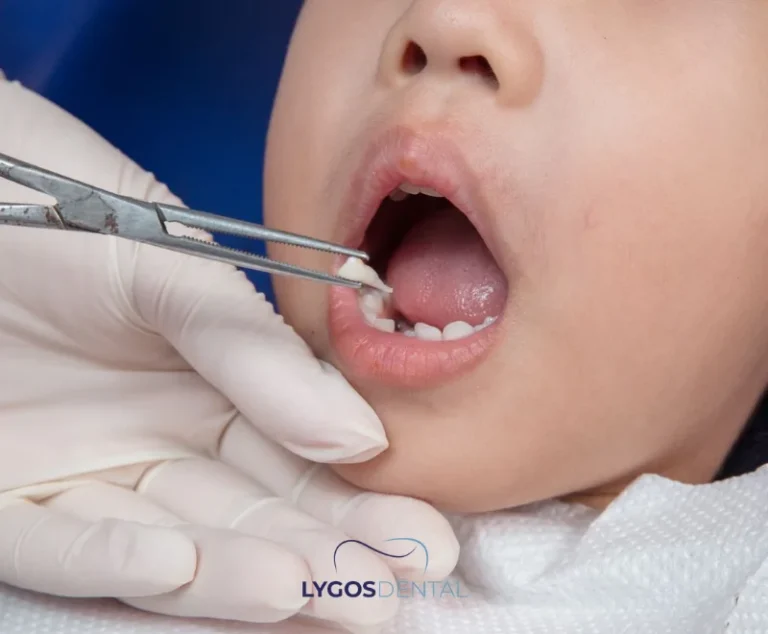
Some children will self-correct once the baby tooth finally falls out, especially if there is good space in the arch. If the baby tooth stays put, the permanent tooth can drift into the wrong position and make future alignment more difficult. Two rows of teeth can also trap food, raising the risk of cavities and gum irritation.
What a Dentist May Recommend
Treatment depends on the child’s age, how loose the baby tooth is, and whether the permanent tooth has room to move into place. A dentist may take an X‑ray to confirm the position of the teeth and the root of the baby tooth.
Watchful Waiting
If the baby tooth is already loose and there is space, the dentist may simply monitor it. Once the baby tooth comes out, the tongue and normal chewing forces often help guide the permanent tooth forward over time.
Removing the Baby Tooth
If the baby tooth is not loosening and it is blocking the permanent tooth, extraction may be recommended. This can reduce the chance of long‑term crowding and helps the permanent tooth move into a healthier position.
Orthodontic Guidance
If crowding is significant or the bite is affected, the dentist may refer your child for orthodontic evaluation. Early interceptive treatment can sometimes create space and reduce the need for more complex treatment later.
What You Can Do at Home
Keep brushing twice a day and pay extra attention to the area where the new tooth is erupting, since food can collect easily. If your child can floss, flossing between crowded teeth helps prevent cavities. Avoid wiggling a firm baby tooth aggressively; let a dentist decide when it is ready to come out.
When to Book a Dental Visit
Schedule an appointment if a permanent tooth is visible and the baby tooth is not loose, or if the tooth looks far out of line. Also seek care if there is swelling, persistent pain, bad taste, or bleeding gums. Early assessment is the best way to prevent crowding and protect the new permanent tooth.
FAQ
Is it normal for permanent teeth to come in before baby teeth fall out?
Yes, it’s common; permanent teeth may erupt before baby teeth shed (“shark teeth”).
What happens if an adult tooth comes in in front of a baby tooth?
It can cause double-row teeth and crowding; a dentist may remove the baby tooth.
What is the 7-4 rule for tooth eruption?
It means first teeth around 7 months, then about four new teeth every 4 months.
What should be done if permanent teeth come in behind baby teeth?
Encourage wiggling if loose; otherwise see a dentist for possible baby-tooth extraction.
How long can a baby tooth remain in place?
Up to age 12 is common; beyond that, evaluate for impaction or missing permanent tooth.
What causes permanent teeth to come in early?
Early eruption can be familial or linked to early baby-tooth loss, trauma, or endocrine disorders.
How to Follow Up with Patients After Dental Tourism | LYGOS DENTAL
How to Follow Up with Patients After Dental Tourism
Dental tourism follow-up works best when you plan it before the patient travels, document every step, and keep structured check-ins after they return home. Use clear discharge instructions, a remote triage pathway for pain or swelling, and a long-term recall schedule (6 and 12 months) shared with the patient and their local dentist.
Table of Contents
What Dental Tourism Is And Why Patients Choose It
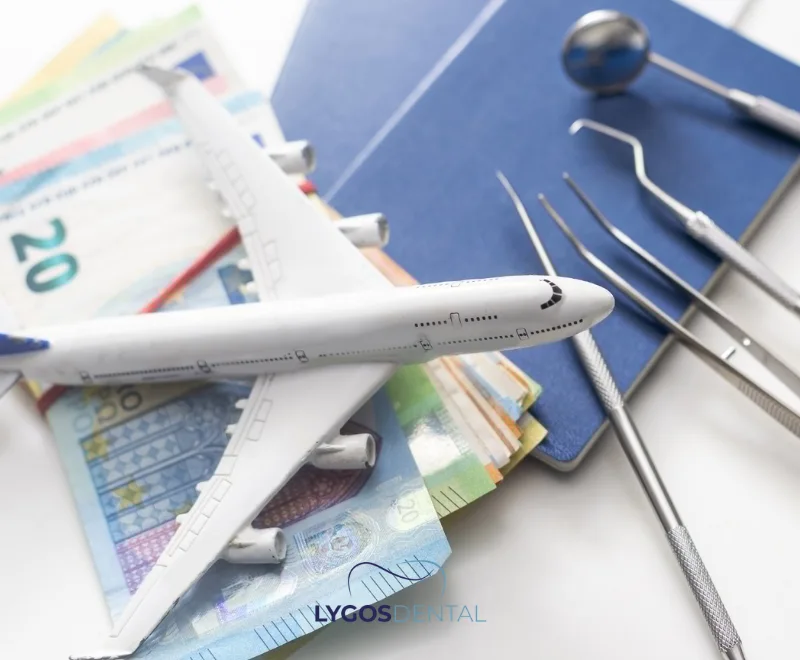
Dental tourism means travelling to another country for dental care, often combining treatment with a short trip. Patients usually choose it for lower costs, faster appointment availability, and access to cosmetic dentistry services.
Turkey, Hungary, Poland, and Thailand are popular destinations because many clinics offer modern equipment, experienced teams, and packaged treatment planning for international patients.
Why Post-Treatment Follow-Up Matters
A successful procedure is only part of the outcome. Implants, crowns, veneers, and complex restorative work need monitoring so small issues don’t become expensive failures.
- Catch complications early (infection, swelling, bite problems, loose restorations).
- Protect treatment longevity with timely adjustments and hygiene support.
- Improve patient satisfaction through clear communication and fast responses.
- Reduce disputes by documenting advice, symptoms, and actions taken.
A Practical Follow-Up System For International Patients
Clinics that treat dental tourism patients need a repeatable system. The steps below can be adapted to your workflow and treatment types.
Before Treatment: Set Expectations And Prepare Documentation
Start follow-up planning before the first procedure. Patients are calmer—and outcomes are better—when they know exactly what happens after they fly home.
- Explain your follow-up policy in writing (what you cover, response times, emergency guidance, warranty terms).
- Confirm the best communication channel for the patient (email, WhatsApp, phone, secure video call).
- Collect baseline records: radiographs/CBCT where relevant, intraoral photos, shade notes, and bite records.
- Prepare a take-home pack: prescriptions, aftercare instructions, material/implant system details, and invoices.
During Treatment: Discharge Planning And The First Check-In
Build follow-up into your discharge routine rather than treating it as an add-on.
- Provide a clear written care plan (medications, diet, smoking guidance, cleaning instructions, red flags).
- Schedule the first remote check-in within 24–72 hours after the final appointment.
- If the patient is flying soon, discuss travel precautions (hydration, rest, and when to seek urgent care).
After The Patient Returns Home: Remote Triage And Local Dentist Coordination
Most follow-up happens once the patient is back in their home country. The goal is fast triage and smooth coordination, not replacing local care.
- Ask the patient to send photos and a short symptom update (pain level, swelling, bleeding, bite changes).
- Recommend an in-person review with a local dentist for persistent pain, fever, pus, or a loose restoration.
- Share a concise treatment summary the patient can forward to their local dentist (materials, implant brand/size, torque values if available).
- Plan a first local check-up around 1–2 weeks after treatment, especially after implants, extensive crown work, or surgeries.
Long-Term Monitoring: Recall Schedule And Maintenance
Long-term success relies on maintenance, especially for implants and full-arch restorations.
- Set reminders for 6-month and annual reviews (clinic-side and patient-side).
- Encourage professional cleanings and periodontal maintenance based on individual risk.
- For implants, recommend periodic radiographic monitoring through the patient’s local dentist.
- Keep remote check-ins simple: a short questionnaire plus photos when needed.
Common Post-Treatment Issues And How To Handle Them
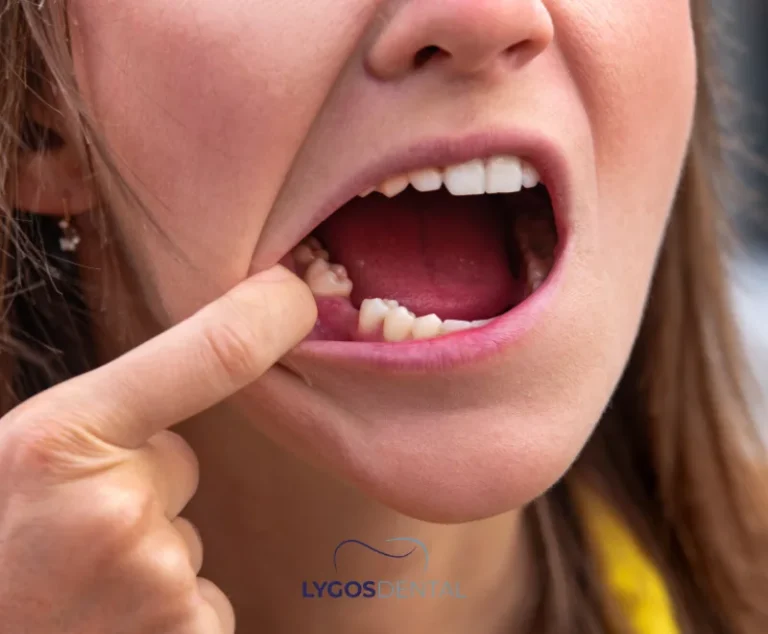
Complications can happen even with good planning. A clear escalation pathway protects both patient safety and your clinic’s reputation.
Typical Issues
- Pain, swelling, or infection signs around a surgical site or implant.
- Loose, chipped, or ill-fitting crowns/bridges.
- Sensitivity, gum recession, or bleeding.
- Occlusion (bite) changes after full-mouth work or multiple crowns.
Practical Responses
- Document the patient’s symptoms and timeline, then advise the next step in writing.
- Use photo/video triage to decide whether it’s routine healing or needs urgent in-person care.
- If urgent signs appear (fever, spreading swelling, difficulty swallowing/breathing), direct the patient to emergency services immediately.
- When local care is required, provide the treating dentist with material and procedural details to speed up treatment.
Legal And Ethical Considerations For Cross-Border Follow-Up
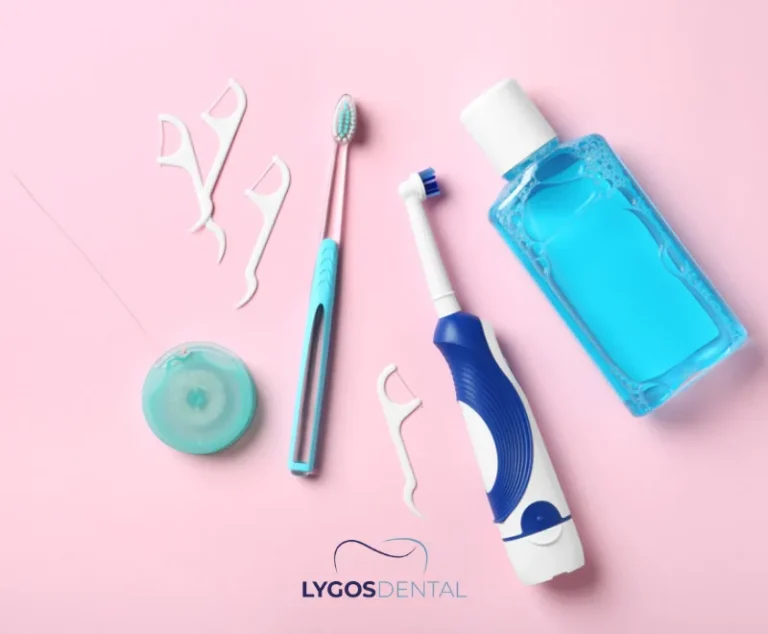
International care adds complexity because regulations differ by country. You can still reduce risk by standardising transparency and documentation.
- Use informed consent forms that the patient understands, covering treatment scope, limitations, and possible complications.
- Provide written warranty terms and what is excluded (trauma, poor hygiene, missed maintenance visits).
- Record material details (manufacturer, batch where available, implant system, crown type) and keep them accessible.
- Maintain secure communication and protect patient data according to applicable privacy rules.
Tools And Workflows That Make Follow-Up Easier
A few operational choices make follow-up smoother and reduce missed messages.
- A dedicated follow-up inbox or CRM pipeline (so messages don’t sit in personal accounts).
- Templates for common scenarios: normal healing, mild swelling, bite discomfort, emergency warnings.
- A single-page discharge summary the patient can share with any local dentist.
- A tracking sheet for check-in dates and outcomes (24–72 hours, 1–2 weeks, 6 months, 12 months).
Get Information Now
If you’d like help planning treatment or follow-up support, contact our team to ask about cosmetic dentistry, dental crowns, dental implants, and general dentistry.
FAQ
Dental treatment abroad
Plan carefully: verify licensing, costs, materials, aftercare, and complication coverage.
Dental treatment in Europe
Choose reputable EU/EEA clinics; confirm dentist credentials, materials, guarantees, and follow-up care.
Laser Teeth Whitening | LYGOS DENTAL
Laser Teeth Whitening
Laser teeth whitening is an in-clinic bleaching treatment that uses a peroxide-based gel to lift stains and brighten natural teeth, sometimes with a laser or light to support the process. Most appointments take about an hour, and results often last 6 months to 2 years with good aftercare. Your dentist will confirm if you’re a suitable candidate.
Teeth can darken over time due to coffee, tea, red wine, tobacco, and natural aging. If you want a quicker, dentist-supervised option than at-home kits, laser-assisted whitening is often positioned as a fast way to refresh your smile.
Table of Contents
What laser teeth whitening is
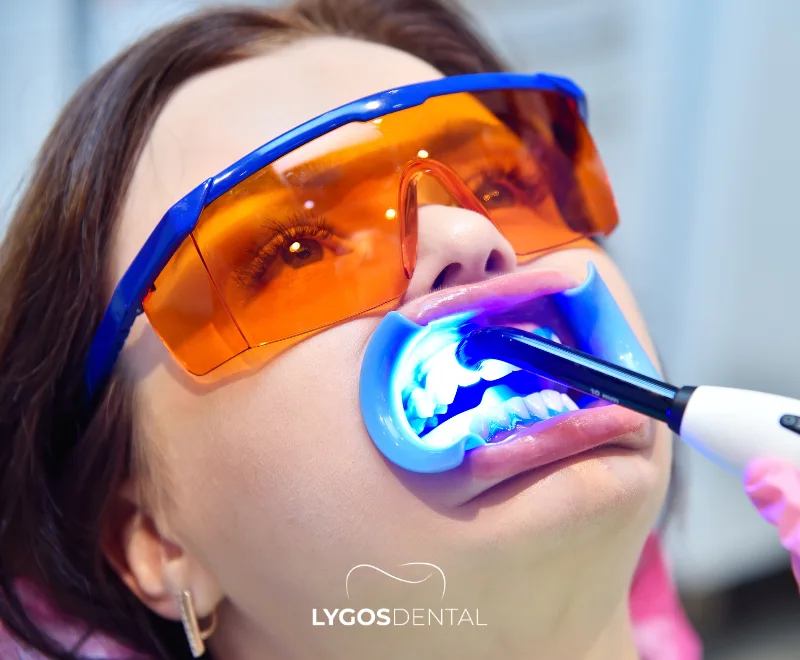
Laser teeth whitening refers to professional, in-office whitening where a high-strength whitening gel is applied to the tooth surface. Some clinics use a laser or another light source during the session. Research suggests the main whitening effect comes from the bleaching gel itself, and light activation may not always improve the final shade compared with conventional in-office whitening.
Who laser teeth whitening is suitable for
It’s commonly chosen by adults who want visible brightening in a short appointment, especially when stains are caused by foods, drinks, or smoking. A dentist will first check your gums, enamel, and any existing dental work to make sure whitening is appropriate.
Whitening gels won’t change the color of crowns, veneers, or fillings, so shade matching may be needed if you have visible restorations. If you have untreated cavities, gum disease, or significant sensitivity, those issues are usually addressed before whitening.
How a session is performed
Most sessions last around 30 to 60 minutes. The exact protocol varies by clinic and product, but the appointment typically follows these steps:
- Assessment and shade check: Your dentist examines your teeth and records a starting shade.
- Protection: Lips and gums are protected so the gel stays on the teeth.
- Gel application: A hydrogen peroxide or carbamide peroxide gel is applied to the front surfaces.
- Optional light activation: A laser or lamp may be used for set time intervals, depending on the system.
- Rinse and review: The gel is removed, your teeth are rinsed, and your new shade is checked.
If you’re aiming for a larger shade change, your dentist may recommend a second session or a custom take-home tray for maintenance.
Benefits and potential downsides
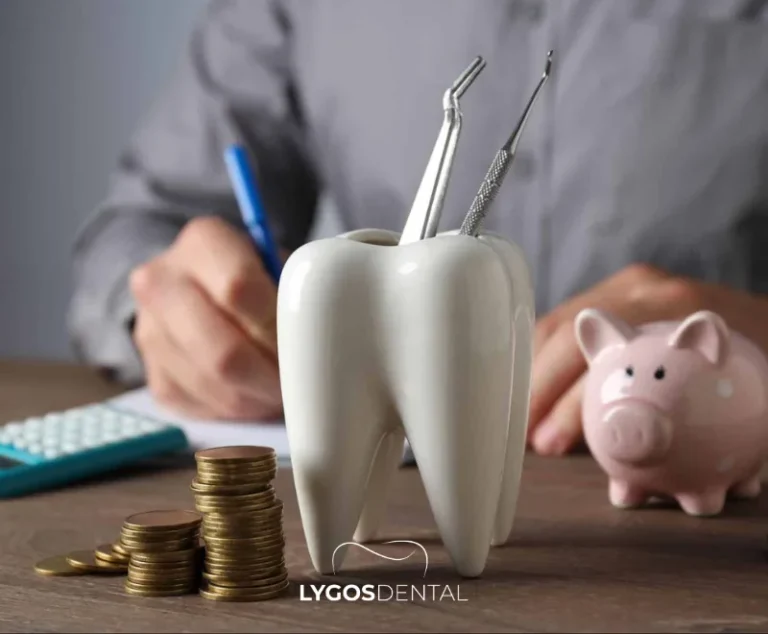
Benefits
- Fast, supervised treatment with immediate shade improvement for many patients.
- Clinically controlled application helps protect gums and soft tissue.
- Often completed in one visit, making it convenient for travel or busy schedules.
Possible downsides
- Temporary tooth sensitivity is common, especially with higher-peroxide gels.
- Results vary based on the type of stain and your natural enamel shade.
- Costs are typically higher than over-the-counter options, and touch-ups may be needed.
Laser teeth whitening cost in Turkey in 2026
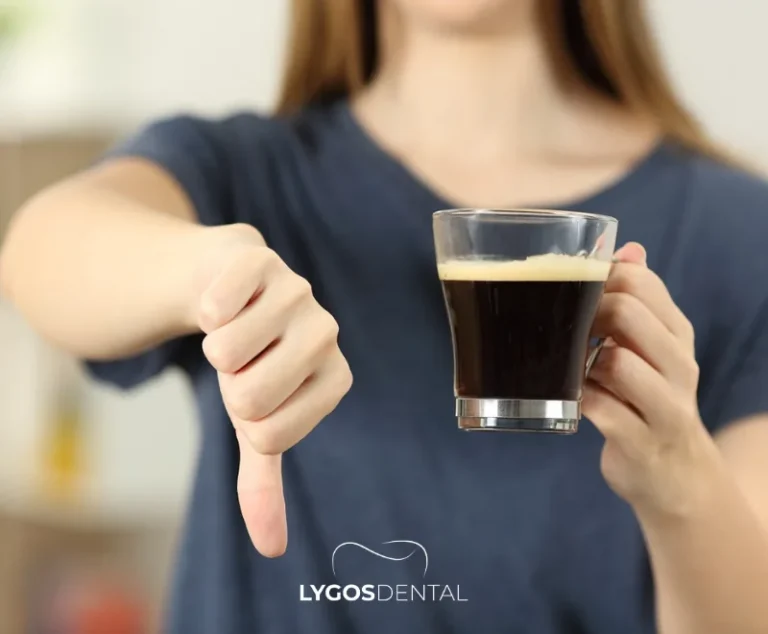
Prices vary widely by city, clinic standards, the whitening system used, and whether a professional cleaning is included. As a general reference, many clinics quote laser-assisted in-office whitening in the mid-thousands of Turkish lira per session, while some medical-travel platforms list typical fees in the few-hundred-euro range.
A practical expectation for 2026 is roughly 5,000 TL to 8,500 TL for laser teeth whitening in Turkey, with lower or higher quotes possible depending on the clinic and package.
What affects the price
- Clinic location and reputation (major cities and tourist areas often cost more).
- The whitening gel brand and peroxide concentration.
- Whether the fee includes cleaning, polishing, or multiple gel applications.
- How many sessions you need to reach your target shade.
Aftercare tips to protect your results
For the first couple of days, teeth can be more prone to re-staining. Most dentists recommend a “white diet” approach during this window.
- Avoid staining foods and drinks for at least 48 hours (coffee, tea, red wine, cola, tomato sauce, curry, berries).
- Skip smoking or vaping, as nicotine can darken teeth quickly.
- Choose lukewarm foods if you feel sensitivity to hot or cold.
- Brush gently twice daily and floss; consider a sensitivity toothpaste if needed.
- Book regular cleanings—surface stains build up gradually over time.
How long results last
For many people, professional whitening lasts about 6 months to 2 years. Longevity depends on your diet, smoking habits, oral hygiene, and how quickly your enamel picks up new stains. If you want to keep the shade stable, a dentist may suggest occasional touch-ups.
FAQ
How much does laser teeth whitening cost?
Costs $300–$1,000 per in-office session, varying by country, clinic, and package.
What are the disadvantages of laser teeth whitening?
Can cause temporary sensitivity, gum irritation, uneven results, and won’t fix intrinsic stains.
Which is better, teeth whitening or laser teeth whitening?
Teeth whitening and laser whitening use similar peroxide; results comparable, laser costs more.
How long does the effect of laser teeth whitening last?
Lasts about 6–24 months, depending on diet, smoking, and oral hygiene.
How many times can I have laser teeth whitening done?
Most people limit it to 1–2 times yearly to reduce sensitivity and enamel risk.
Does laser whitening work on yellow teeth?
Yes, it lightens yellow extrinsic stains; deep intrinsic discoloration may respond poorly.
Smile Aesthetics Prices 2026 | LYGOS DENTAL
Smile Aesthetics Prices 2026
In 2026, smile aesthetics prices in Turkey often fall between 20,000 TL and 150,000 TL. The final cost depends on how many teeth are treated and which procedures you need—whitening, veneers, zirconium crowns, gum contouring, orthodontics, or implants. A dental exam and (if used) digital smile design are the only way to get an exact quote.
Table of Contents
Why Smile Aesthetics Matter
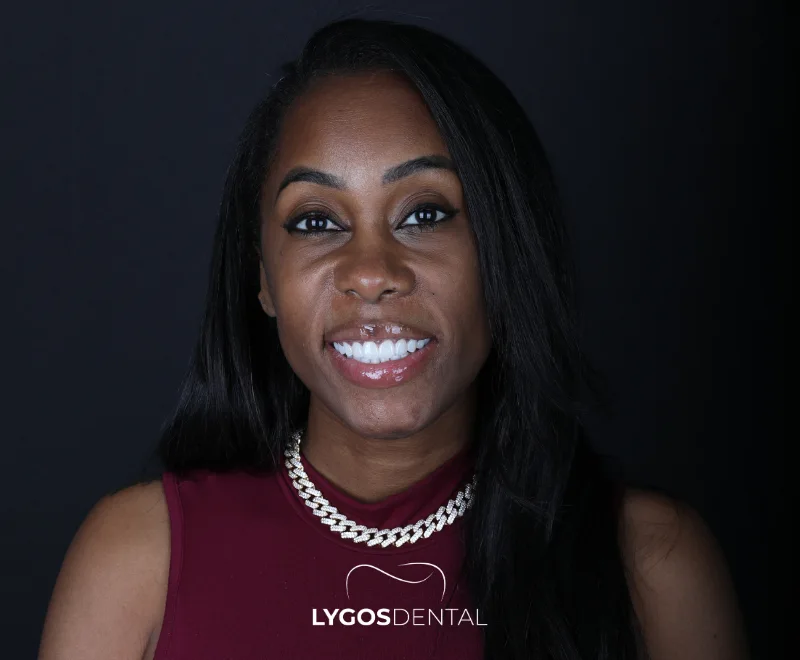
A confident smile can change how you feel in photos, meetings, and everyday conversations. Stains, chips, gaps, uneven edges, or a gummy smile are common reasons people explore cosmetic dentistry. Smile aesthetics (often called smile design) brings teeth, gums, and lips into balance for a natural look.
What Is Smile Aesthetics
Smile aesthetics is a personalised treatment plan that improves the appearance of your smile while respecting facial proportions. Depending on your needs, it can involve one simple procedure or a full smile makeover. Good planning focuses on tooth colour, shape, alignment, gum line, and how your smile fits your facial expressions.
Smile aesthetics is commonly used to address:
- Yellowing or discoloration
- Crooked, crowded, or gapped teeth
- Excess gum visibility (gummy smile)
- Worn, chipped, broken, or missing teeth
Smile Aesthetics Price Range In 2026
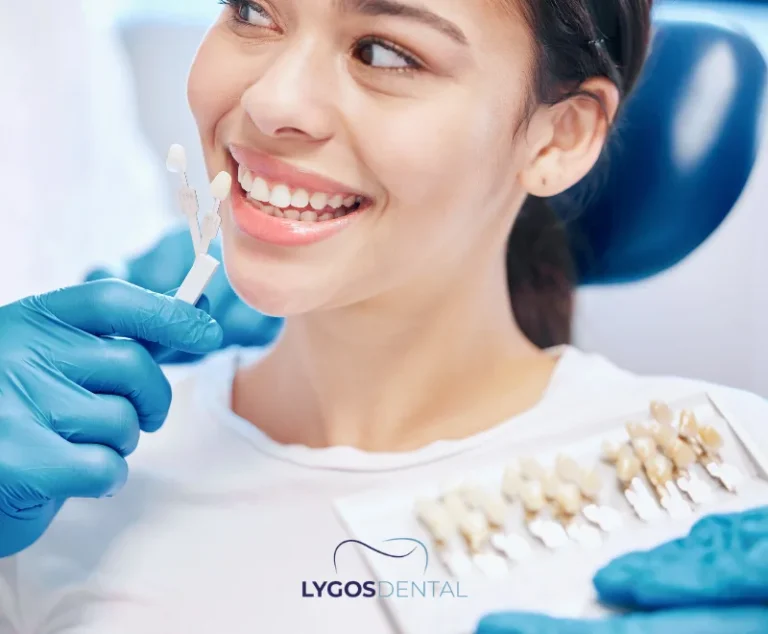
The total cost varies widely because no two treatment plans are the same. In 2026, many clinics quote broad ranges—often around 20,000 TL to 150,000 TL—depending on the scope of work. A whitening-only plan sits at the lower end, while veneers, crowns, or implants raise the total.
Some clinics offer package pricing or instalment options. Ask what is included in the quote—consultation, digital planning, temporary restorations, follow-up visits, and warranty terms can change the real value.
Treatments Used In Smile Aesthetics
Smile aesthetics is a combination approach. Your dentist chooses methods based on oral health, aesthetic goals, bite, and how long you want results to last.
Teeth Whitening (Bleaching)
A fast way to brighten natural teeth. Results can be excellent, but staining foods, smoking, and poor hygiene can shorten how long it lasts.
Porcelain Veneers (Laminate Veneers)
Thin porcelain shells bonded to the front of teeth to improve colour, shape, and minor alignment issues. They are durable and often chosen for a high-end smile makeover look.
Zirconium Crowns
Metal-free crowns with strong durability and good gum compatibility. They’re commonly used when teeth need more coverage due to large fillings, fractures, or major shape changes.
Gum Aesthetics (Gummy Smile Correction)
If too much gum shows when you smile, laser contouring can reshape the gum line for a more balanced look. Suitability depends on gum health and the position of the teeth.
Orthodontics (Clear Aligners Or Braces)
When crowding or spacing affects the bite, orthodontics may be the best first step. Clear aligners offer a discreet option, but they add time and cost.
What Affects Smile Aesthetics Prices
Cost is driven by clinical complexity and the materials used. When comparing quotes, make sure you’re comparing the same treatment plan and the same number of teeth.
Number of teeth and scope of work
A single procedure costs far less than a full smile makeover that combines veneers, crowns, orthodontics, gum work, and implants.
Material quality
Porcelain and zirconium options vary by brand and lab quality. Higher-end materials can look more lifelike and wear better over time.
Dentist experience and lab support
Aesthetic cases rely on planning, shade matching, and precise finishing. Experienced teams may charge more, but consistency and predictability tend to improve.
Clinic technology and location
Digital scanners, CAD/CAM systems, and guided planning can raise fees. Clinics in major cities may have higher overheads.
Digital Smile Design (DSD)
Digital simulations and mock-ups help you preview outcomes and fine-tune shape and shade, but they can add to the overall cost.
What To Know Before Starting Treatment
Get a full clinical exam
Your dentist should check gum health, bite, cavities, and old restorations before focusing on aesthetics.
Aim for a natural result
Very bright shades can look artificial in daylight. A good design matches your skin tone, age, and facial features.
Choose for long-term value
The cheapest option can cost more later if it needs early replacement or causes gum irritation.
Understand timing
Some treatments finish in one appointment, while aligners, implants, or multi-step restorations can take weeks.
Post-Treatment Care
Your results last longer when you treat smile aesthetics like a long-term investment. Daily hygiene and regular checkups protect both appearance and oral health.
- Brush twice daily and floss regularly
- Limit staining habits such as smoking, frequent coffee/tea, and dark-coloured drinks
- Visit your dentist every six months (or as advised) for professional checks and cleaning
- Ask whether touch-ups or polishing are recommended over time
Book A Consultation
If you’re considering smile aesthetics, the next step is a consultation where your dentist can assess your teeth and gums, discuss your goals, and create a personalised plan. Request a written quote that clearly lists the procedures and materials included.
Get Information Now!
You can contact us to learn more about cosmetic dentistry, dental crowns, dental implants, and general dentistry, and to make an appointment.
FAQ
How much does laser teeth whitening cost?
$300–$1,000 per in-office session, depending on country, clinic, and units.
What are the disadvantages of laser teeth whitening?
Temporary sensitivity and gum irritation are common; uneven whitening and higher cost are drawbacks.
Which is better, teeth whitening or laser teeth whitening?
Neither is inherently better; both use peroxide, but laser is pricier.
How long does the effect of laser teeth whitening last?
About 6–24 months, depending on staining habits, diet, and smoking.
How many times can I have laser teeth whitening done?
Typically 1–2 times yearly, spaced months apart, to limit sensitivity.
Does laser whitening work on yellow teeth?
Yes, it brightens yellow surface stains; deep internal discoloration may not lighten.
Aesthetic Practices in Dentistry Across Different Cultures | LYGOS DENTAL
Aesthetic Practices in Dentistry Across Different Cultures
Dental aesthetics are not universal. What looks like a “perfect smile” in one place may feel unnatural in another. Across cultures, tooth color, symmetry, spacing, and even intentional modifications have carried meanings tied to status, maturity, beauty, and identity—shaping how modern cosmetic dentistry is requested and designed.
Table of Contents
What Aesthetic Dentistry Means Today
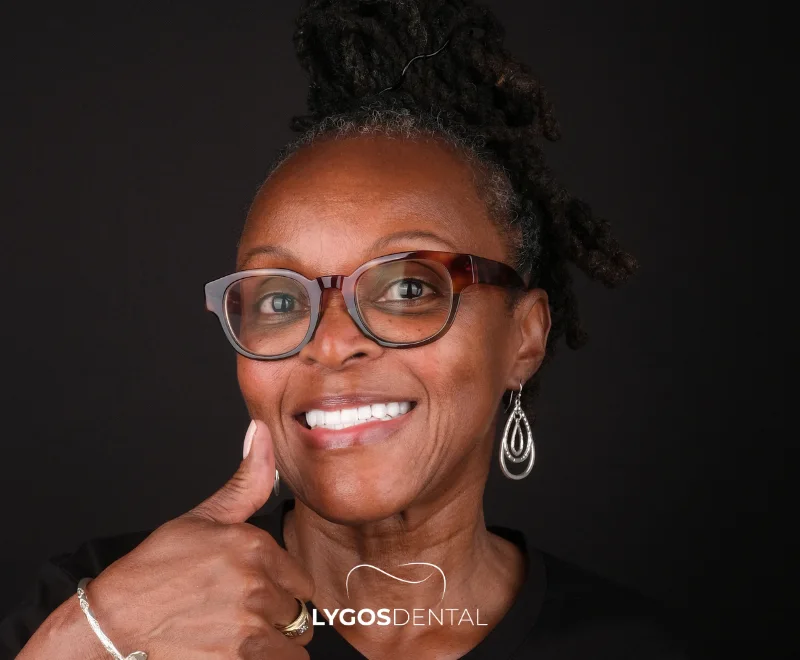
Aesthetic (cosmetic) dentistry focuses on how teeth and gums look as well as how they function. Dentists consider tooth shade, shape, alignment, gum contours, and how the smile fits the face. The end goal is a result that looks healthy and believable, not just bright or uniform.
Common treatments include professional whitening, orthodontics or clear aligners, composite bonding, veneers, crowns, implants, and gum contouring. The “best” option depends on oral health, budget, and—often overlooked—what the patient considers attractive.
Western Preferences: The Rise of the “Hollywood Smile”
In many Western countries, the ideal leans toward straight, symmetrical, light-colored teeth. Media and film helped popularize that look during the mid‑20th century, and it remains closely linked with youthfulness, success, and confidence.
Because of this preference, demand is high for whitening, clear aligners, and veneers designed to create an even tooth line. Digital smile design is also widely used to preview outcomes and match tooth proportions to facial features.
East Asia: Tradition, Technology, and a More Natural Finish
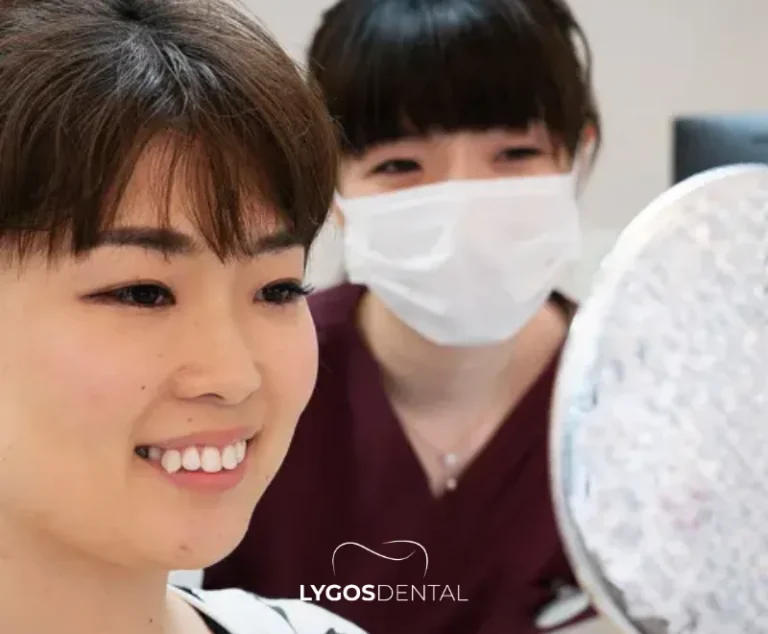
East Asian ideals are diverse, but modern cosmetic dentistry in Japan, South Korea, and China often prioritizes a refined, natural finish over extreme brightness. Subtle shape adjustments, conservative veneers, and minimally invasive bonding are popular when patients want improvements without an obvious “done” look.
Historically, Japan’s ohaguro—teeth blackening—was associated with beauty and social status and was practiced especially among married women and some members of the aristocracy and samurai classes. The contrast between past and present shows how strongly cultural context can redefine what counts as attractive.
Africa, The Middle East, and Beyond: Teeth as Identity and Status
Across parts of Africa, intentional tooth modification has been documented as decoration, a marker of strength, and a rite of passage. Examples include chipping or filing incisors into distinctive shapes among groups such as the Makonde in Tanzania and Mozambique.
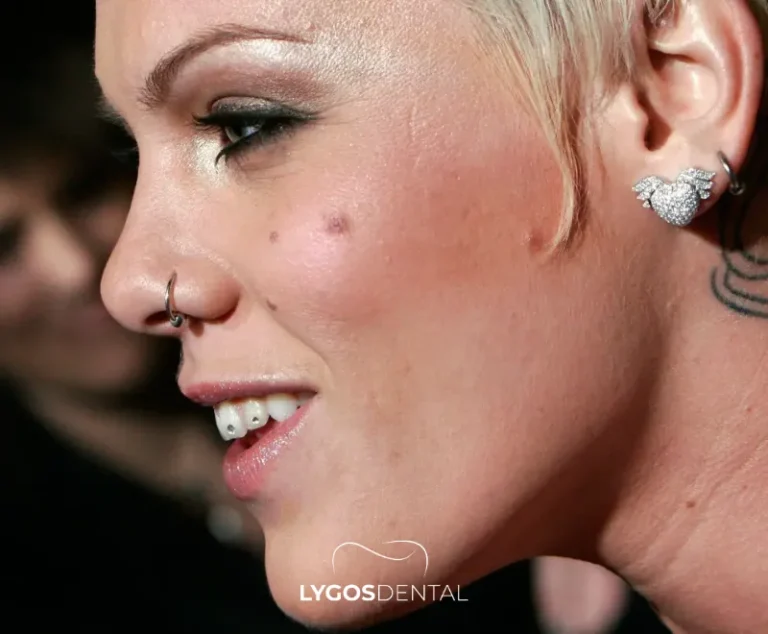
Adornment has also carried status meanings. Gold crowns and decorative dental work have signaled wealth in various regions and eras, and modern “grillz” and tooth jewelry can be seen as contemporary expressions of the same idea.
How Traditional Practices Influence Modern Aesthetic Dentistry
Globalization has spread certain trends, but local preferences still shape treatment plans. Clinics increasingly ask patients for reference photos, discuss what “natural” means to them, and tailor shade and tooth morphology accordingly.
Some influences are indirect: historical tooth adornment helps explain today’s interest in removable jewelry; traditional modification rituals remind clinicians to approach appearance requests with cultural sensitivity. Where practices could harm enamel or gums, modern dentistry favors safer, reversible alternatives.
Popular Cosmetic Treatments Around The World
While the same core procedures are available globally, they are used differently depending on local beauty norms and budgets. The most common requests include:
- Professional teeth whitening for brighter shade (often with a preference for a natural white rather than an opaque “paper” tone).
- Clear aligners and orthodontics to improve alignment with minimal visual impact.
- Composite bonding to close gaps, repair chips, or soften sharp edges with little tooth reduction.
- Veneers or crowns (porcelain or zirconia) to change color and shape when conservative options aren’t enough.
- Digital smile design to plan proportions, gum line symmetry, and the relationship between teeth and lips.
Cultural Sensitivity In Smile Design
Aesthetic dentistry works best when it starts with a conversation, not a template. A dentist may ask about cultural preferences, whether a small gap is considered charming or undesirable, and how bright the patient wants their teeth to look in everyday light.
Good planning also considers long‑term oral health. Treatments that preserve enamel, maintain bite function, and allow easy cleaning usually offer the best balance between beauty and durability.
FAQ
Teeth sharpening dentist
Dentists can perform enameloplasty to slightly reshape teeth; DIY sharpening risks permanent enamel loss.
Yaeba teeth
Yaeba teeth are intentionally crooked, fang-like canines popular in Japan, often created with caps.
What Helps Toothache Caused by Cavities? | LYGOS DENTAL
What Helps Toothache Caused By Cavities?
A toothache from a cavity usually means the decay has irritated the inner tooth. For short-term relief, rinse with warm salt water, use a cold compress, and take over-the-counter pain relief as directed on the label. Schedule a dentist visit for a filling or root canal, especially if swelling or fever appears.
Cavity-related tooth pain is common, and it can disrupt sleep, eating, and concentration. Home remedies can calm symptoms for a few hours, but they do not remove decay. The lasting fix comes from treating the cavity itself.
Why Cavities Cause Tooth Pain

Cavities start when acid from plaque bacteria weakens the enamel. As decay progresses, it can reach dentin and then the pulp, where nerves and blood vessels sit. That irritation can trigger sharp pain, sensitivity to hot or cold, or a constant ache.
Quick Relief At Home (Temporary)
These steps can make you more comfortable until you can see a dentist. If pain is severe, persistent, or keeps returning, book an urgent dental appointment.
Warm saltwater rinse
Mix ½ teaspoon of salt into a glass of warm water. Swish for 30 seconds, then spit. Repeat as needed.
Cold compress for throbbing or swelling
Apply a cold pack to the outside of the cheek for 10–15 minutes at a time. Use a cloth barrier to protect the skin.
Over-the-counter pain relief
Many people find acetaminophen (paracetamol) or ibuprofen helpful when used exactly as directed on the package. Avoid placing aspirin directly on the tooth or gums, and do not give aspirin to children or teens unless a clinician tells you to.
Keep the area clean
Brush gently with fluoride toothpaste and floss carefully around the painful tooth to remove trapped food. If cold air triggers pain, keep the mouth closed outdoors and avoid very cold drinks.
Natural Options People Commonly Use
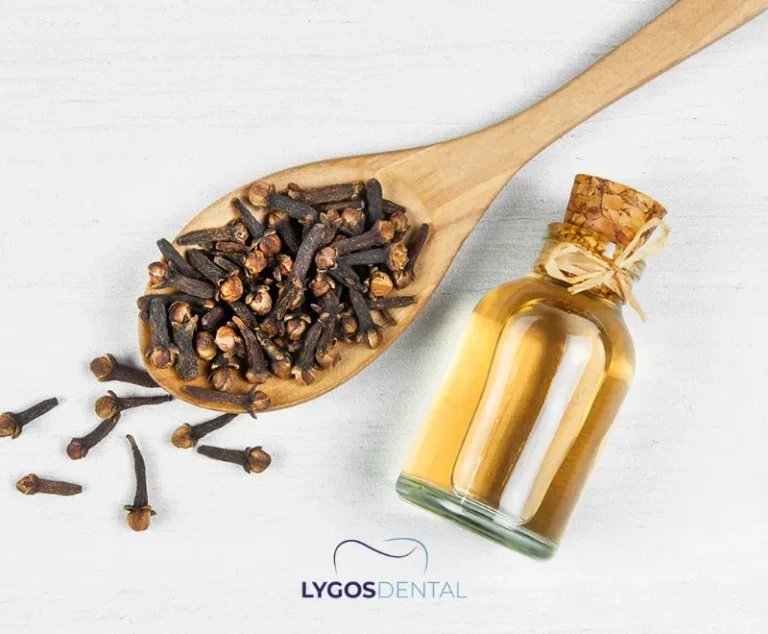
Some natural products may numb the area or reduce irritation for a short time. They can also cause burning or allergy in sensitive mouths, so use small amounts and stop if it stings.
Clove oil (eugenol)
Dab a tiny amount on a cotton swab and apply to the tooth, not the gum. If it feels too strong, dilute with a few drops of edible oil. Do not swallow clove oil.
Peppermint tea bag
Cool a brewed tea bag, then place it against the sore area for a few minutes. This may feel soothing, especially for mild sensitivity.
Garlic, onion, or turmeric paste
These are often suggested for their antimicrobial or anti-inflammatory properties, but evidence is limited. If you try them, use a small amount and avoid leaving strong pastes on the gums, which can irritate tissue.
Dental Treatments That Stop The Pain
A dentist will examine the tooth and may take an X-ray to see how deep the decay goes. Treatment depends on how far the cavity has progressed.
Filling
For early to moderate decay, the dentist removes the decayed portion and seals the tooth with a filling. Pain and sensitivity usually improve quickly once the tooth is restored.
Crown
If a large area is weakened, a crown may be recommended to protect the tooth after decay removal or after a root canal.
Root canal treatment
When decay reaches the pulp and the nerve is inflamed or infected, a root canal can save the tooth. The pulp is removed, the canals are cleaned, and the tooth is sealed, which stops nerve pain.
Extraction
If the tooth cannot be saved, removal may be the safest option. Your dentist can discuss replacement options such as an implant or bridge.
When Toothache Needs Urgent Care
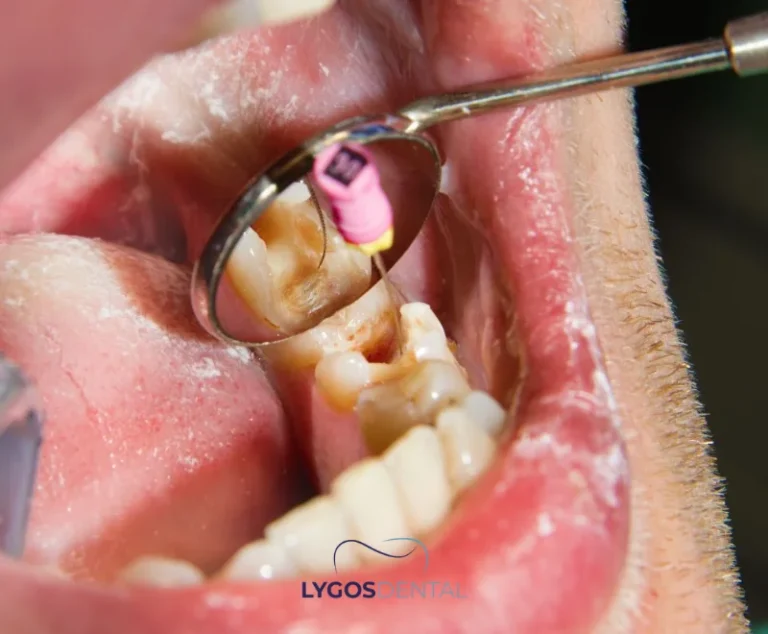
Seek urgent dental or medical help if you notice any of the following signs, which can suggest a spreading infection:
- Swelling of the face, jaw, or neck
- Fever, chills, or feeling unwell
- Difficulty swallowing or breathing
- Pus, a bad taste in the mouth, or a pimple-like bump on the gum
- Severe pain after injury or a cracked tooth
How To Prevent Future Cavities
Cavities are largely preventable with consistent habits and regular dental care:
- Brush twice daily with fluoride toothpaste and spit out excess (do not rinse with lots of water right away).
- Clean between teeth daily with floss or interdental brushes.
- Limit frequent sugary snacks and acidic drinks; keep sweet foods to mealtimes when possible.
- Drink water regularly, especially after eating.
- See a dentist for check-ups and professional cleaning as advised (often every 6 months).
- Ask about fluoride treatments or sealants if you’re prone to cavities.
Frequently Asked Questions
How long does a cavity toothache last?
It depends on how deep the decay is. Early cavities may cause brief sensitivity, while deeper decay can cause ongoing pain. If pain lasts more than a day or two, the chance of worsening is higher, so dental care is the safest next step.
What can I do at night if the pain flares up?
Rinse with warm salt water, take label-directed pain relief if you can use it safely, and sleep with your head slightly elevated. Avoid sugary snacks and very hot or cold drinks before bed.
Do antibiotics help with cavity pain?
Antibiotics do not fix tooth decay. When an infection is present, the main treatment is dental care such as drainage, a root canal, or extraction. A clinician may prescribe antibiotics in specific situations, but they are not needed for most routine dental pain.
Should I use heat on a toothache?
If the toothache is from an infection, heat can sometimes increase throbbing. A cold compress on the cheek is usually the safer choice for swelling.
Benefits of Mouthwash | LYGOS DENTAL
Benefits of Mouthwash
Mouthwash can support daily oral care by reducing odor-causing bacteria, helping control plaque, supporting gum health, and strengthening enamel when it contains fluoride. It works best after brushing and flossing, but it doesn’t replace either. The right formula depends on your needs—fresh breath, cavities, gum care, or orthodontic cleaning.
Good oral hygiene matters for comfort, confidence, and overall health. Brushing twice a day and flossing once a day are the basics. Mouthwash can be a helpful add‑on, especially for people with specific concerns like bad breath, higher cavity risk, gum irritation, or braces.
Table of Contents
What Is Mouthwash?
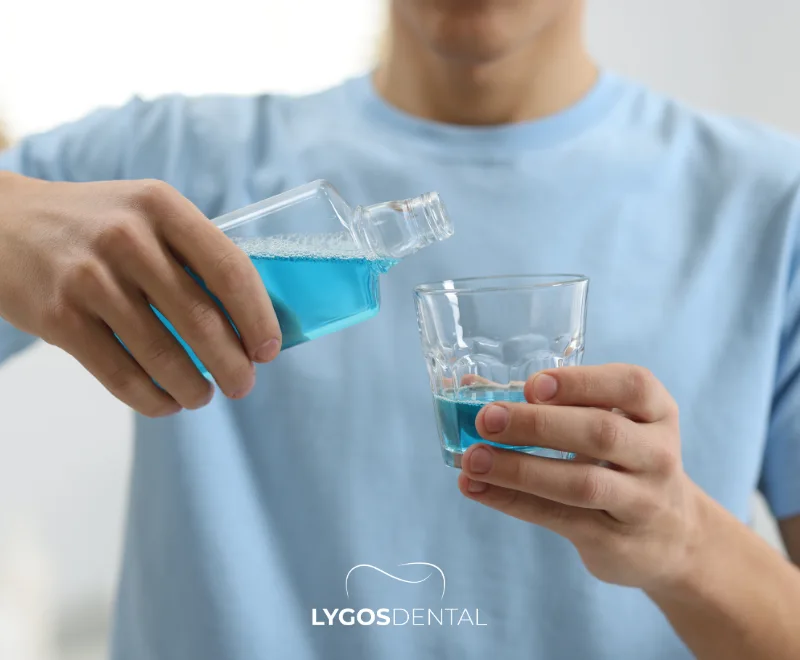
Mouthwash is a liquid oral care product designed to rinse the mouth and deliver active ingredients to teeth and gums. Depending on the formula, it may freshen breath, reduce bacteria, strengthen enamel, or soothe irritated tissues.
Common ingredients include antiseptics (to reduce bacteria), fluoride (to help prevent cavities), flavoring agents such as menthol, and sometimes herbal extracts.
What Mouthwash Can and Can’t Do
Mouthwash can reach areas that brushing may miss and can add targeted benefits based on its ingredients. Still, it’s not a substitute for brushing and flossing, and it won’t remove stuck food or hardened tartar.
Key Benefits of Mouthwash
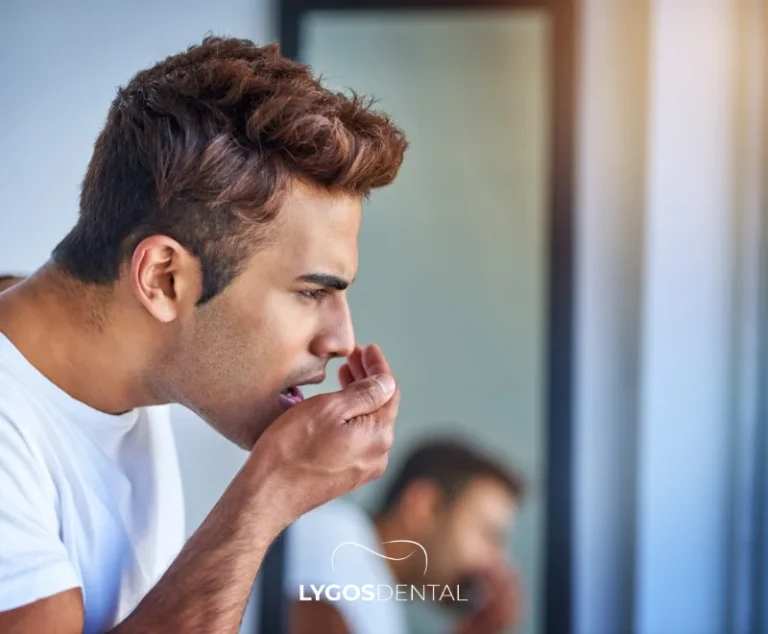
- Helps reduce bacteria and plaque: Antibacterial formulas can lower the amount of plaque-forming bacteria in the mouth, which may reduce the risk of cavities and gum irritation.
- Freshens breath: Breath-freshening rinses can temporarily mask odors and, more importantly, help reduce the bacteria that cause bad breath.
- Supports gum health: When used correctly, antibacterial rinses can support healthier gums by lowering bacterial load, which may help with mild inflammation.
- Helps prevent cavities (fluoride rinses): Fluoride mouthwash strengthens enamel and can help protect teeth against acid attacks—useful for people prone to decay.
- Makes cleaning easier with braces or retainers: Orthodontic appliances create extra surfaces where plaque can build up. Mouthwash can be a convenient support between thorough cleanings.
- Soothes minor mouth irritation: Some rinses can help with comfort during minor irritation, such as occasional canker sores or small mouth wounds.
- Helps reduce surface stains (certain whitening rinses): Whitening mouthwashes may help reduce some surface discoloration, but they’re not the same as professional whitening.
When Mouthwash Is Most Useful
Mouthwash can be especially helpful if you:
- Notice persistent bad breath despite brushing and flossing
- Have early gum irritation or mild bleeding (and your dentist recommends a rinse)
- Are prone to cavities or have dry mouth
- Wear braces, aligners, or a retainer
- Are recovering after certain dental treatments (only with professional guidance)
- Get frequent minor mouth sores
If you’re pregnant, managing a chronic condition, or choosing a rinse for a child, it’s safest to ask a dentist which type is appropriate.
Types of Mouthwash
- Antiseptic mouthwash: Often alcohol-based or containing ingredients such as chlorhexidine (usually prescribed). These can be effective for short-term gum care, but stronger options are typically used under dental supervision and may cause staining with prolonged use.
- Fluoride mouthwash: Designed to strengthen enamel and help prevent cavities. A good option for people with higher decay risk.
- Alcohol-free mouthwash: Useful for people who experience dry mouth or sensitivity. Many alcohol-free options still provide antibacterial or fluoride benefits.
- Herbal mouthwash: May include ingredients like mint, sage, chamomile, or clove. Results vary, so choose reputable brands and avoid irritants if you’re sensitive.
- Whitening mouthwash: May contain mild whitening agents and can help with surface stains. Overuse can increase sensitivity, so follow the label and don’t expect dramatic changes.
How to Use Mouthwash Correctly
- Brush and floss first, unless your dentist advises a different routine for your situation.
- Measure the amount listed on the label (often 10–20 ml).
- Swish for the recommended time (commonly 30–60 seconds).
- Spit it out—do not swallow mouthwash.
- Avoid eating or drinking for about 30 minutes if the label recommends it, especially with fluoride rinses.
Tips and Safety Notes
- Don’t overuse: 1–2 times a day is enough for most people. Overuse may irritate tissues or disrupt the mouth’s natural balance.
- Check alcohol content if you get dry mouth or burning sensations—alcohol-free formulas can be gentler.
- Keep out of reach of young children. Many dentists recommend mouthwash only for children aged 6+ who can reliably spit it out.
- If you have ongoing sores, persistent bleeding, or strong bad breath that doesn’t improve, book a dental check—these can be signs of an underlying issue.
How to Choose the Best Mouthwash for You
The best mouthwash depends on your goal and your oral health history. Use these quick guidelines:
- For cavity prevention: Look for fluoride and follow label directions.
- For gum support: Choose an antibacterial rinse; for stronger treatments, follow a dentist’s recommendation.
- For dry mouth or sensitivity: Pick an alcohol-free formula with mild flavoring.
- For braces or aligners: Consider fluoride or antibacterial options designed for daily use.
- For whitening: Choose a reputable product and stop if you develop sensitivity.
FAQ
Is it good to use mouthwash daily?
Daily mouthwash is fine and may improve gum health, especially fluoride or antimicrobial.
Are there any benefits to using mouthwash?
Mouthwash can reduce bacteria, freshen breath, and fluoride rinses help prevent cavities.
Is mouthwash safe for children?
Mouthwash is unsafe under age six; older children may use alcohol-free rinses supervised.
What is the 2-2-2 rule in dentistry?
Brush 2 minutes twice daily and visit your dentist twice yearly.
What are the disadvantages of mouthwash?
Mouthwash may cause staining, irritation, dry mouth, and can mask poor brushing.
Should I use mouthwash before or after brushing my teeth?
Use mouthwash at a different time, not immediately after brushing, to keep fluoride.