
Sensitivity After Zirconium Crowns | LYGOS DENTAL
Sensitivity After Zirconia Crowns
Mild hot/cold or bite sensitivity after a zirconia crown is common for a few days up to two weeks while the tooth and gums settle. It should steadily improve. Sharp pain when chewing, lingering temperature pain, swelling, or symptoms that worsen after 2–3 weeks need a dental check for bite adjustment, leakage, or nerve irritation.
Zirconia crowns (often called “zirconium crowns”) are a popular way to restore damaged or heavily filled teeth with a natural look and strong bite support.
Some sensitivity right after treatment is expected, but ongoing or worsening discomfort can signal a fit, bite, or nerve problem that needs attention.
Table of Contents
What Is A Zirconia Crown?
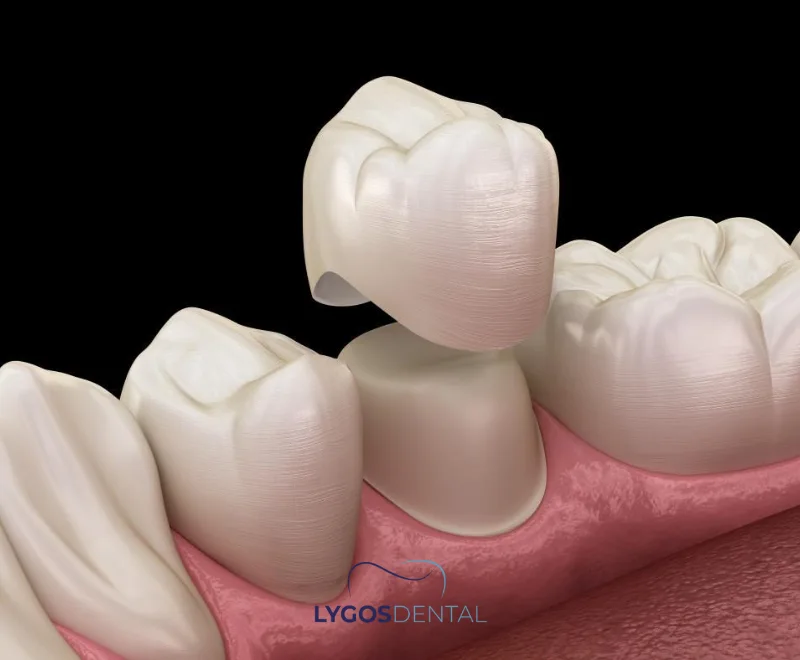
A zirconia crown is a tooth-shaped restoration made from zirconium dioxide, a high‑strength ceramic. It covers the visible part of a tooth to improve appearance, protect weakened structure, and restore chewing function.
Compared with metal‑supported crowns, zirconia can look more like natural enamel and is generally well tolerated by gum tissues. It can be used on front teeth for aesthetics and on back teeth for durability, depending on your bite and the amount of tooth remaining.
Why Sensitivity Can Happen After A Zirconia Crown
Sensitivity usually starts in the first few days after the crown is fitted. The most common causes are related to how the tooth was prepared and how the crown sits on the tooth and gums.
Tooth Preparation And Dentin Exposure
Before a crown is placed, the tooth is reshaped. If the preparation gets close to the nerve or exposes sensitive dentin, the tooth can react to cold, heat, sweet foods, or air.
Cement Or Bonding Irritation
The cement used to fix the crown may temporarily irritate the tooth. This tends to settle as the tooth calms down and the gums heal around the margins.
Gum Healing Around The Crown Margin
The gums can feel tender after a crown appointment, especially if the edge of the crown sits close to the gumline. Inflammation, plaque buildup, or mild recession can make the area feel more sensitive.
High Bite Or Uneven Contact
If the crown is slightly high, it can take extra force when you bite down. This often feels like sharp pain on chewing or a sore tooth that improves quickly after a simple bite adjustment.
Nerve Inflammation Under The Crown
Sometimes the nerve becomes inflamed after crown work, especially on teeth with deep decay, large old fillings, or cracks. Sensitivity that lingers after hot or cold, or pain that starts spontaneously, should be checked promptly.
Is Pain After A Zirconia Crown Normal?
Mild sensitivity or a bruised feeling is common right after crown preparation and cementation. Many people notice it most with cold drinks, sweet foods, or when chewing on that side.
Pain that gets worse each day, throbs, or wakes you at night is not typical. If that happens, contact your dentist so the bite, fit, and health of the tooth can be evaluated.
How Long Does Sensitivity Last?
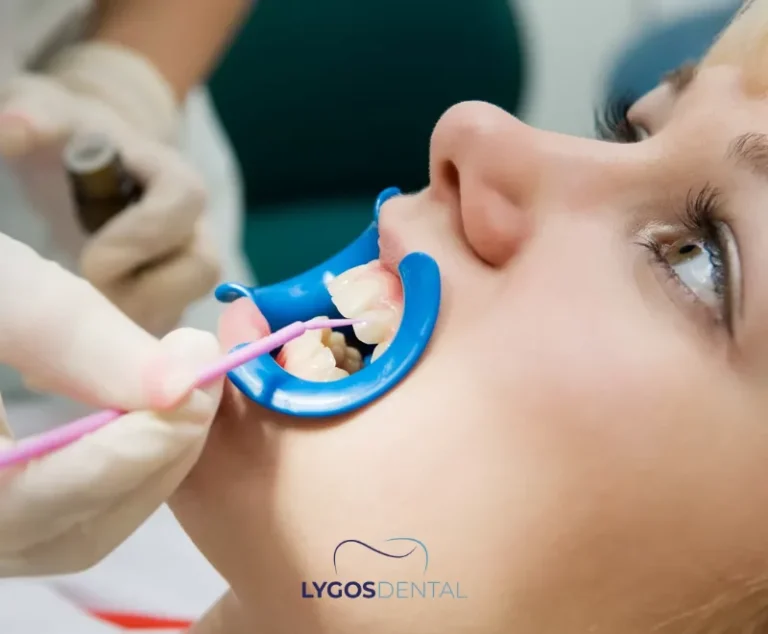
Most post‑crown sensitivity improves within a few days and continues to settle over 1–2 weeks. Teeth that were already heavily restored, or prepared close to the nerve, can take longer to calm down.
If sensitivity lasts longer than 2–3 weeks, lingers after hot or cold, or you have sharp pain when biting, it’s worth booking a review. A quick bite adjustment or a check for leakage can prevent bigger problems.
How To Reduce Sensitivity After Zirconia Crowns
- Use a desensitizing toothpaste for at least two weeks and brush with a soft‑bristled toothbrush.
- Avoid very hot or very cold foods and drinks for the first week, and limit acidic triggers like citrus, fizzy drinks, and pickles.
- Chew on the opposite side for a few days and avoid hard foods (nuts, ice) or sticky foods that can stress a new crown.
- If you clench or grind your teeth, ask about a night guard to reduce pressure on the crowned tooth.
- Keep the gumline clean: floss daily and consider interdental brushes if your dentist recommends them.
- If symptoms persist, your dentist may apply fluoride varnish, check the bite, or evaluate the tooth nerve.
Aftercare Checklist
- Stick to lukewarm meals for the first few days if temperature changes trigger discomfort.
- Avoid biting directly into very hard foods until your tooth feels settled.
- Brush twice daily and clean between teeth to protect the crown margins.
- If the crown feels “high,” return for an adjustment—don’t wait for the tooth to ‘wear in.’
- Attend routine check‑ups so your dentist can monitor the crown seal and gum health.
When Sensitivity Needs Urgent Attention
- Throbbing pain, spontaneous pain, or pain that wakes you up at night.
- Swelling, redness, bleeding that doesn’t settle, pus, or a bad taste or smell around the crown.
- Sharp pain when biting that doesn’t improve within a few days, especially if the crown feels high.
- Hot or cold pain that lingers (rather than fading quickly).
- A loose feeling crown, or a new gap at the gumline.
If you notice any of these, contact your dentist as soon as possible. Early assessment can often solve the problem with a simple adjustment or targeted treatment.
FAQ
How long does sensitivity last after zirconia crowns?
Usually 1–2 weeks; persistent sensitivity beyond that needs dental evaluation.
What problems can arise with zirconia crowns?
Problems include high bite, gum irritation, debonding, leakage, fracture, or opposing-tooth wear.
Why did my crown suddenly become so sensitive?
Sudden sensitivity usually means a high bite, leakage/decay, or pulpal inflammation.
How long does it take for the nerve to calm down after a crown is placed?
The nerve typically settles within days to a few weeks; worsening pain needs evaluation.
Are zirconia crowns more sensitive?
No; sensitivity depends on tooth preparation, bite, and nerve health, not zirconia.
Implant vs Denture | LYGOS DENTAL
Implants Vs Dentures: Which Tooth Replacement Option Is Right For You?
Dental implants are fixed tooth replacements anchored in the jawbone, while dentures replace teeth with a removable (or sometimes fixed) appliance. Implants usually feel more like natural teeth and help limit jawbone loss, but they cost more and take longer. Dentures are faster and more budget-friendly, yet may feel less stable and need replacement sooner.
Table of Contents
What Is A Dental Implant?
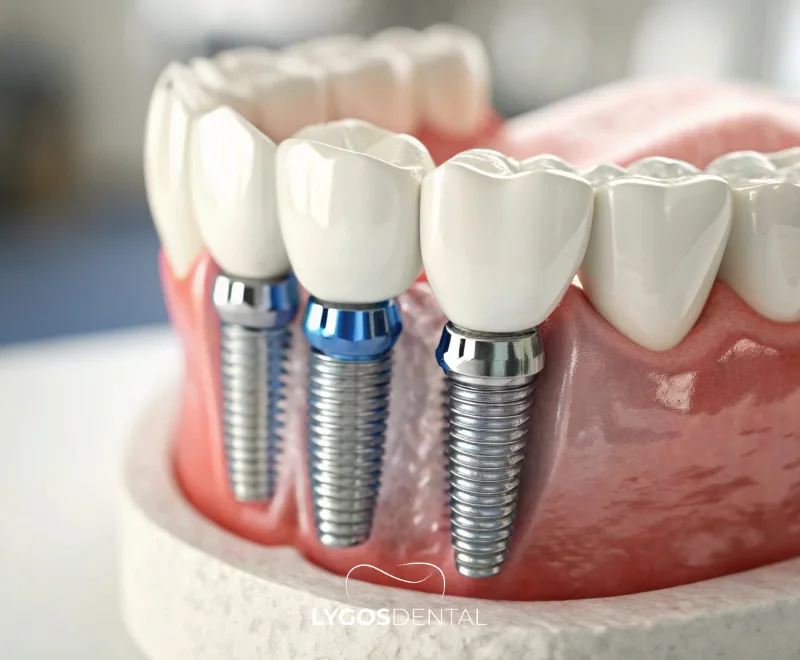
To understand “Implant vs denture” properly, let’s start with what an implant is.
A dental implant is an artificial tooth root made of titanium or zirconium that’s placed into the jawbone. Over time, it fuses with the bone to create a strong, stable foundation. A porcelain or zirconium crown is then attached on top, providing a natural look and function similar to a real tooth.
Implants offer the closest experience to natural teeth — in both appearance and performance. They provide excellent comfort when speaking and chewing, as well as long-term durability. This is why implants often come out ahead in the implant vs denture comparison.
What Is a Denture?
A denture is a tooth replacement appliance that can be removable or fixed, depending on the design. Dentures may replace a full arch (complete denture) or a few missing teeth (partial denture).
Because dentures do not require implant surgery, they’re often chosen when someone needs a quicker solution, has limited bone volume, or prefers a lower upfront cost.
Dental Implants: Advantages And Disadvantages

Advantages
- Faster turnaround: Many patients can receive dentures in a small number of visits.
- No implant surgery required: A common choice for patients who want to avoid surgical treatment.
- Lower upfront cost: Often the most affordable way to replace multiple missing teeth.
- Flexible options: Complete, partial, and implant-supported versions can be tailored to your needs.
- Easy to adjust or remake: Dentures can be relined or replaced as your mouth changes over time.
Disadvantages
- Stability can be an issue: Removable dentures may slip while eating or speaking, especially as the jawbone changes.
- Doesn’t prevent bone loss on its own: Without root stimulation, the ridge can shrink over time.
- Shorter service life: Many dentures need relining or replacement after several years.
- Adaptation period: Some people notice a foreign-body sensation, sore spots, or speech changes at first.
- Maintenance requirements: Daily cleaning and careful handling are important to prevent odor, staining, or breakage.
Implant And Denture Costs In Türkiye (2026 Ranges)
Dental pricing in Türkiye varies by city, clinic, clinician experience, imaging needs, materials (implant brand, crown type), and whether extra procedures are required (bone grafting or sinus lift). The ranges below are meant as a general guide—your exact plan should be confirmed after an exam and scans.
Typical implant costs
- Single implant: commonly around ₺13,000–₺25,000+ per implant, depending on the system and what’s included (implant, abutment, crown).
- Additional procedures (if needed): bone grafting, sinus lift, and temporary teeth may increase the total.
Typical denture costs
- Complete (full) dentures: often around ₺8,000–₺15,000 per arch, depending on materials and design.
- Partial dentures: commonly start around ₺5,000+ and increase with framework type and tooth count.
Dentures may look more affordable initially, but long-term costs can add up due to relines, repairs, adhesives, and replacements. Implants cost more upfront but may be more economical over time because of their durability.
How To Choose Between Implants Vs Dentures
There isn’t a single “best” option for everyone. A dentist will usually consider these factors:
- Bone volume and quality: Adequate bone supports implants; if bone is limited, grafting or alternative designs may be needed.
- Overall health and habits: Conditions like uncontrolled diabetes, certain medications, or heavy smoking can affect healing and success rates.
- Budget and financing: Dentures typically have a lower entry cost, while implants may offer better value over the long term.
- Aesthetic and comfort goals: If you want a fixed solution with a natural feel, implants often rank higher.
- Timeline: Dentures can be quicker; implants often require healing time before the final teeth are placed.
- Daily maintenance: Implants are cleaned like natural teeth; removable dentures require separate cleaning and careful storage.
Questions To Ask At Your Consultation
- Am I a good candidate for implants based on my bone level and medical history?
- Would I need bone grafting or a sinus lift?
- What’s included in the quoted price (implant, abutment, crown, imaging, temporary teeth)?
- How many visits should I expect, and what’s the estimated treatment timeline?
- What aftercare and follow-up schedule do you recommend?
- If I choose dentures, what type is best for my bite and gum anatomy (acrylic, metal framework, flexible, implant-supported)?
FAQ
Which is better, dentures or implants?
Implants provide better stability and bone preservation; dentures are simpler and cheaper.
What are the disadvantages of dental implants?
Disadvantages include surgery, higher cost, healing time, complications, and peri-implantitis risk.
Which is cheaper, dental implants or dentures?
Dentures are cheaper upfront; implants cost more but can last longer.
What isn’t anyone telling you about dental implants?
Implants need bone and meticulous hygiene; complications and future part replacements can occur.
Does insurance cover the cost of dental implants?
Many insurance plans cover part of implant costs, but full coverage is uncommon.
The Effect of Probiotics on Gum Health | LYGOS DENTAL
The Effect of Probiotics on Gum Health
Probiotics are beneficial microorganisms that can help balance the bacteria in your mouth. Research suggests certain strains may reduce plaque buildup, gum bleeding, and inflammation, and may support fresher breath when used alongside daily brushing, flossing, and professional cleanings. They are supportive tools, not a replacement for dental treatment when gum disease is present.
Table of Contents
What Probiotics Are

Probiotics are live microorganisms that, when taken in adequate amounts, can provide health benefits. Most probiotics used in supplements and fermented foods belong to groups such as Lactobacillus and Bifidobacterium. Because the mouth has its own microbiome, oral probiotics are studied for how they influence the balance between helpful and harmful bacteria.
How Probiotics May Support Gum Health
Gum problems often start when plaque builds up and triggers inflammation. Probiotics may support gum health by shifting the oral environment in a direction that is less favorable for disease-causing bacteria. Effects vary by strain, product format, and a person’s baseline oral health.
- Competition with harmful bacteria, making it harder for them to adhere to teeth and gums
- Support for a healthier inflammatory response, which can reduce redness and bleeding in mild cases
- Potential reduction of volatile sulfur compounds linked to bad breath, especially when combined with tongue cleaning
- Possible support for healing after professional cleaning when used as an add-on, not as the main treatment
Can Probiotics Help With Gingivitis And Periodontitis?
Gingivitis is early-stage gum inflammation and is typically reversible with plaque control and professional guidance. Several clinical trials have tested probiotics as an add-on to routine oral hygiene, with Lactobacillus reuteri among the most studied strains for reducing plaque and gum bleeding. For periodontitis (a deeper infection that affects supporting tissues), research is mixed: some reviews find small improvements when probiotics are used alongside scaling and root planing, while others report short-lived or inconsistent benefits.
If you have persistent bleeding, gum recession, loose teeth, or bad taste, treat that as a dental issue first. Probiotics can be considered supportive, but they do not replace diagnosis, professional cleaning, or any prescribed periodontal therapy.
Probiotic Strains Studied For Oral Health
Not all probiotics behave the same way in the mouth. The strain (the full name on the label) matters more than the broader species name. Below are strains and species commonly discussed in oral-health research.
- Lactobacillus reuteri: Often studied for plaque reduction and gum bleeding when delivered as lozenges or chewable tablets.
- Lactobacillus brevis: Studied for anti-inflammatory effects in some oral-health contexts; evidence is less consistent than for L. reuteri.
- Lactobacillus rhamnosus: Investigated for helping maintain microbial balance; outcomes depend on strain and delivery format.
- Bifidobacterium animalis subsp. lactis (e.g., HN019): Studied in specific groups such as orthodontic patients for plaque and bleeding outcomes.
- Streptococcus salivarius (e.g., K12 or M18): Researched for oral ecology and breath support; results can depend on tongue-coating control and oral hygiene.
Natural Food Sources Of Probiotics
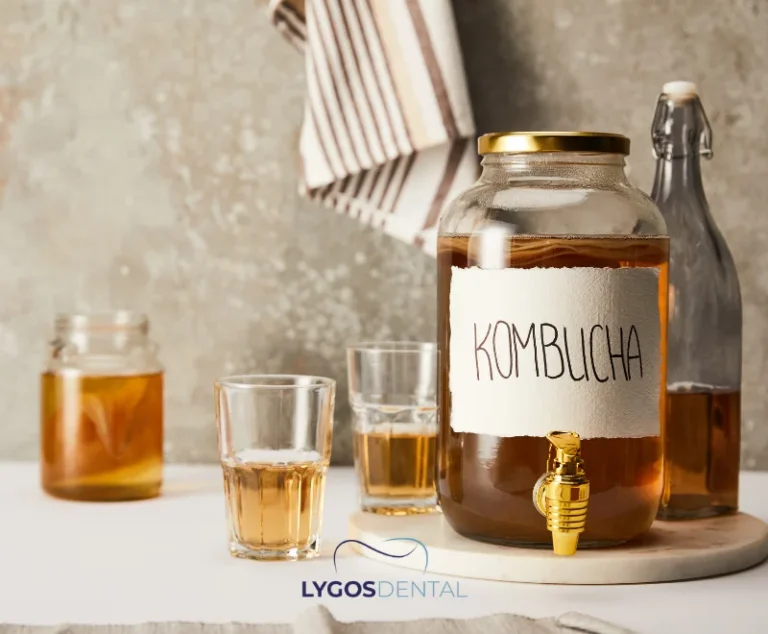
Fermented foods can provide live cultures, though the types and amounts vary by brand, storage, and processing. They can be a practical way to support overall microbial diversity, especially when paired with a balanced diet.
- Yogurt with live cultures
- Kefir
- Fermented vegetables (such as sauerkraut or kimchi)
- Miso
- Kombucha
For oral health, product format matters. Lozenges, chewables, or oral rinses designed for the mouth may have a more direct local effect than foods that are swallowed quickly.
When Probiotic Supplements Might Make Sense
A supplement may be worth discussing with a dentist or physician if you struggle with plaque control despite good technique, have recurring gingivitis, or notice breath issues that persist after improving brushing, flossing, and tongue cleaning. Some people also consider probiotics after antibiotics, since antibiotics can temporarily disrupt microbial balance.
Choose products that clearly list strains, CFU count, and recommended use, and that are intended for oral application when the goal is gum support. Be cautious with vague labels that list only broad species names without strains.
Safety Tips And Practical Use
Probiotics are generally well tolerated for healthy adults, but they are not appropriate for everyone. People who are immunocompromised, critically ill, or who have certain medical devices should seek medical advice before using probiotic supplements.
- Keep the basics strong: brush twice daily with a fluoride toothpaste, clean between teeth, and get regular professional cleanings.
- If using an oral probiotic, follow label instructions and use it consistently for the recommended period before judging results.
- Treat bad breath at the source: tongue cleaning and managing dry mouth often make a bigger difference than supplements alone.
- Stop the product and seek advice if you develop irritation, swelling, or worsening symptoms.
FAQ
The best probiotics for teeth and gums
L. reuteri DSM17938/PTA5289 and S. salivarius M18/K12 have strongest clinical evidence.
The best probiotics for oral health
Best-studied strains are L. reuteri DSM17938/PTA5289 and S. salivarius K12 for halitosis.
A critical review of the effects of probiotics on oral health
Reviews show modest, strain-specific, short-term improvements in plaque, gingivitis, and halitosis.
Oral probiotics for gum disease
Adjunct probiotics can slightly improve gingival inflammation/bleeding, but don’t replace periodontal therapy.
Studies on dental probiotics
Trials and meta-analyses report small benefits; long-term clinical outcomes remain uncertain.
Porcelain vs Laminate Veneers | LYGOS DENTAL
Porcelain Vs Laminate Veneers
Porcelain laminate veneers are ultra-thin porcelain shells bonded to the front of teeth with minimal enamel removal, best for small changes in color, shape, or gaps. Traditional porcelain veneers are slightly thicker and usually need more preparation, making them better when teeth require stronger masking or reshaping. A dentist’s exam determines the safest, most natural option.
Table of Contents
Understanding the two options
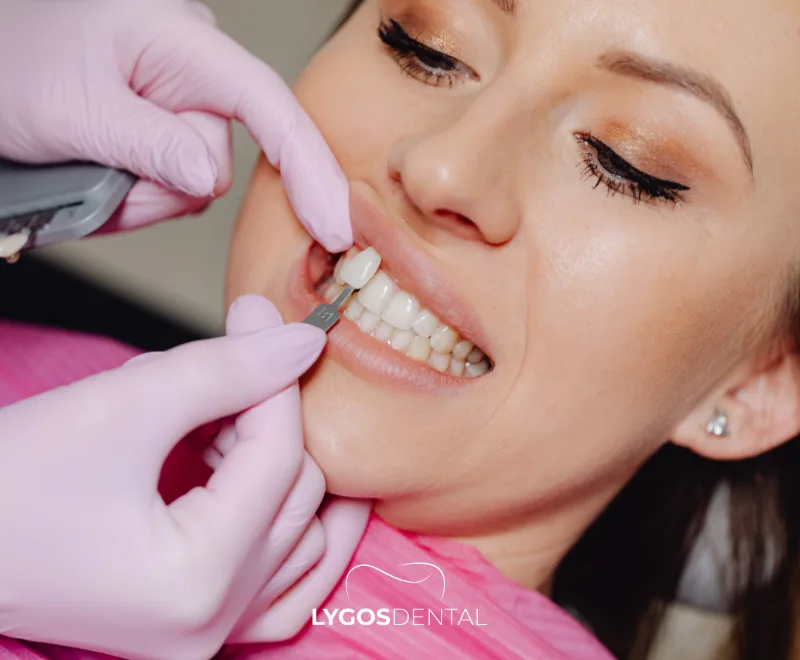
Veneers are custom-made porcelain restorations designed to improve the visible (front) surface of teeth. They can change color, shape, and the way teeth line up when orthodontics is not required. Within porcelain veneers, dentists often distinguish between porcelain laminate veneers (very thin) and traditional porcelain veneers (thicker).
What are porcelain laminate veneers?
Porcelain laminate veneers—sometimes called “porcelain laminates” or “leaf veneers”—are thin shells usually around 0.3–0.7 mm. They are bonded to the front surface of the tooth, so preparation is often minimal and limited to the enamel. They work well for mild discoloration, small chips, tiny gaps, and subtle shape corrections, especially on front teeth.
What are traditional porcelain veneers?
Traditional porcelain veneers are still bonded to the front of the tooth, but they are typically thicker than laminates. Because they can mask darker discoloration and reshape teeth more, they often require slightly more enamel reduction. They are commonly chosen when teeth need stronger color coverage, more contour change, or added strength at the edge.
Note: A restoration that covers the entire tooth is usually called a crown, not a veneer. Full-coverage crowns may be recommended for heavily broken-down teeth or after root canal treatment, while veneers are usually reserved for teeth where most structure is still healthy.
Key differences between laminate and porcelain veneers
| Factor | Porcelain laminate veneers | Traditional porcelain veneers |
| Coverage | Front surface only | Front surface only |
| Typical thickness | About 0.3–0.7 mm | Often thicker than laminates |
| Tooth preparation | Minimal enamel reduction in many cases | Usually more reduction to create space and strength |
| Best for | Minor shape tweaks, small gaps, mild to moderate color issues | Stronger masking, bigger shape changes, worn edges |
| Strength & chipping risk | Very aesthetic; may be more sensitive to biting forces | Generally more robust due to thickness |
| Treatment timeline | Commonly 2–3 appointments | Commonly 2–3 appointments |
Your dentist will also consider bite forces, existing fillings, enamel quality, and habits like teeth grinding when recommending a veneer type.
Similarities
Despite the differences, both options share the same core benefits when planned and bonded correctly.
- They improve tooth color, shape, and symmetry with a natural look.
- Porcelain is color-stable and more stain-resistant than natural enamel.
- They are biocompatible and typically gentle on gums when margins are well-finished.
- With good home care and regular check-ups, they can last for many years.
Lifespan and long-term care
Longevity depends more on technique and habits than on the veneer label. Many clinicians quote roughly 7–12 years for laminate veneers and 10–15 years for traditional porcelain veneers, but real-world outcomes vary widely. Night-time grinding, biting hard foods, and skipping dental visits are common reasons veneers fail early.
- Brush twice daily and clean between teeth to protect gum health around the margins.
- Avoid cracking shells, ice, or hard candy with veneered teeth.
- If you clench or grind, ask about a custom night guard.
- Schedule professional check-ups every 6 months, or as advised.
Cost considerations in Turkey (2026)
Veneer pricing varies by clinic and case complexity, so it’s best discussed after an exam and smile design plan. In Turkey, the total fee is usually influenced by the laboratory used, the dentist’s experience, the number of teeth treated, materials selected, and whether additional work is needed (such as gum contouring or replacing old fillings). Choosing the right indication matters more than choosing the lowest price, because an unsuitable veneer plan can shorten lifespan.
Which option is best?
There isn’t a universal “better” choice. The right veneer is the one that fits your enamel, bite, and aesthetic goals.
- Laminate veneers: often ideal when teeth are mostly healthy and you want small, natural-looking improvements.
- Traditional porcelain veneers: often better when you need stronger color masking, more reshaping, or reinforcement of worn edges.
- Crowns (full coverage): considered when the tooth is structurally compromised and needs complete protection.
Get information or book an appointment
To learn more about cosmetic dentistry, dental crowns, dental implants, or general dentistry, contact the clinic to schedule an appointment and discuss your options.
FAQ
Are laminate veneers better than porcelain?
Neither; the best choice depends on your teeth, goals, and enamel preservation.
Which veneers look the most natural?
Porcelain veneers, especially lithium disilicate, look the most natural.
What is the disadvantage of porcelain veneers?
Irreversible enamel removal and higher cost are key disadvantages of porcelain veneers.
Which type of veneer lasts the longest?
Porcelain veneers usually last the longest with strong bonding to enamel and good care.
What happens 10 years after getting veneers?
Many veneers still work at 10 years, but some need replacement from wear or decay.
Infection Risks After Dental Implants | LYGOS DENTAL
Infection Risks After Dental Implants
Infection after a dental implant usually starts with inflammation of the gum around the implant and can progress to bone loss (peri-implantitis) if ignored. Early signs include increasing pain, swelling, bleeding, bad taste or odor, or pus. Prompt dental care and good home hygiene often stop the problem before the implant is affected.
Dental implants are a reliable way to replace missing teeth, but they still require surgical healing. Like any oral surgery, an implant site can become infected if bacteria build up or the tissues struggle to heal. Knowing what to watch for helps you act early and protect your results.
Table of Contents
What Is A Dental Implant Infection?
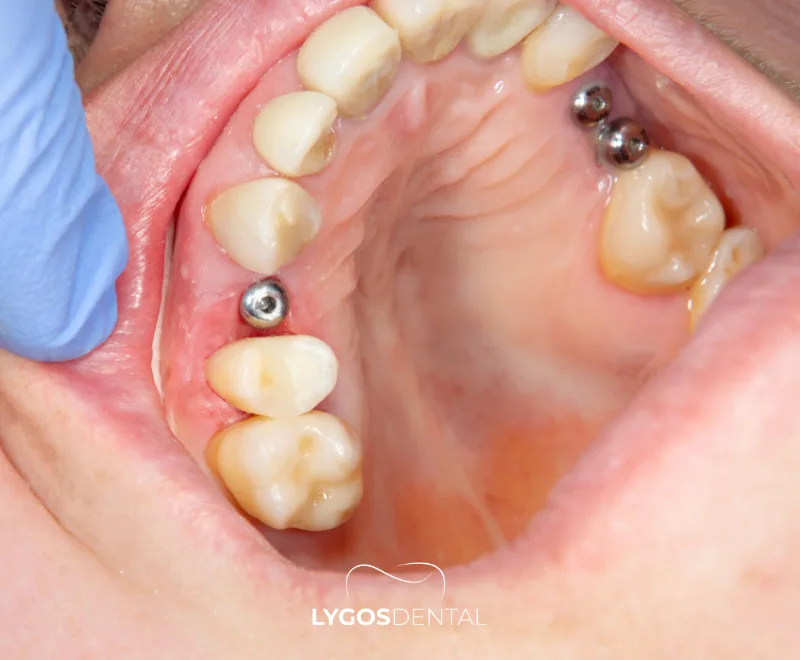
A dental implant infection is inflammation caused by bacteria around an implant. It may involve only the gum tissue (peri-implant mucositis) or, in more advanced cases, the deeper tissues and supporting bone (peri-implantitis). When bone is affected, the implant can loosen over time.
Early Signs And Symptoms
Some soreness is expected after surgery, especially in the first few days. Concern rises when symptoms worsen instead of improving, or when new symptoms appear after the initial healing period.
- Increasing or persistent pain and tenderness around the implant
- Redness, swelling, or bleeding of the gum near the implant
- Bad taste, bad breath, or a feeling of pressure in the area
- Pus (discharge) around the implant or under the gum
- Fever, fatigue, or swollen glands (less common, but urgent when present)
If you notice pus, fever, or rapidly increasing swelling, contact your dentist as soon as possible. These can signal an infection that needs prompt treatment.
Common Causes
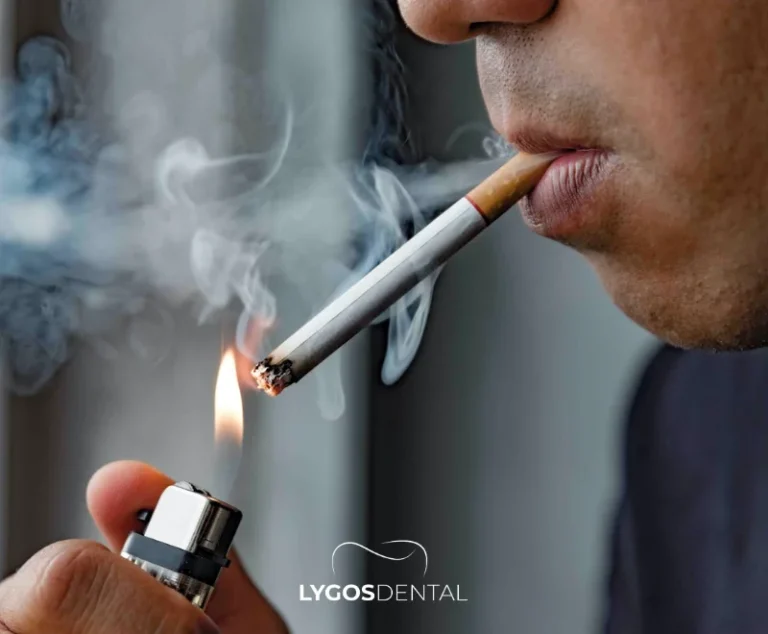
Implant infections are usually linked to bacterial biofilm (plaque) accumulating at the gumline or under the gum. Several factors can make this more likely.
- Oral hygiene gaps that allow plaque to collect around the implant or restoration
- Smoking or vaping, which reduces blood flow and slows healing
- Uncontrolled diabetes or other conditions that affect immune response
- Poor fit of a crown or bridge that traps food and makes cleaning difficult
- Early disruption of the healing site (for example, chewing hard foods too soon)
- Incomplete or inappropriate use of prescribed antibiotics (when they are indicated)
Risk Factors That Raise The Chance Of Infection
Some patients are more prone to peri-implant disease. Your dentist may adjust your aftercare plan if any of the following apply.
- Smoking or heavy alcohol use
- A history of gum disease (periodontitis)
- Diabetes that is not well controlled
- Medications or medical conditions that suppress immunity
- High stress, poor sleep, or nutrition that can slow recovery
- Irregular dental maintenance visits after the implant is placed
How Dentists Diagnose An Implant Infection
Diagnosis usually starts with a clinical exam of the gum around the implant. Your dentist may check for bleeding, swelling, pus, and pocket depth around the implant. X-rays can help assess bone levels and rule out other causes of pain.
Treatment Options
Treatment depends on how early the problem is caught. The main goals are to remove bacteria, reduce inflammation, and protect the surrounding bone.
- Professional cleaning and debridement around the implant to remove plaque and hardened deposits
- Antiseptic mouth rinses, such as chlorhexidine, when recommended by your dentist
- Antibiotics when a bacterial infection is confirmed or strongly suspected (your dentist will choose the right option)
- Adjusting the crown or bite if the restoration is trapping plaque or causing excess pressure
- Surgical cleaning and regeneration procedures for advanced peri-implantitis, when needed
Self-treating with leftover antibiotics is risky and can delay proper care. Always follow your dentist’s instructions.
Home Care While You Arrange A Dental Visit
If you suspect an infection, home care can reduce irritation, but it cannot replace professional treatment. Use gentle brushing, keep the area clean, and avoid smoking.
- Rinse gently with warm salt water (avoid aggressive swishing right after surgery)
- Brush carefully with a soft toothbrush and clean between teeth as advised
- Stick to softer foods and avoid chewing directly on the implant area
- Take pain relief only as recommended by your dentist or pharmacist
- Call the clinic urgently if you develop fever, spreading swelling, or trouble swallowing
What Happens If An Implant Infection Is Left Untreated?
When inflammation persists, it can lead to progressive bone loss around the implant (peri-implantitis). Over time, this may reduce support and increase the risk of implant failure. In rare cases, oral infections can spread beyond the mouth and become a wider health issue.
- Ongoing discomfort and swelling
- Bone loss around the implant and gum recession
- Loosening or loss of the implant
- More complex treatment and longer healing time if re-implantation is needed
How To Reduce Infection Risk After Implant Surgery
Most problems are preventable with consistent aftercare and maintenance. Your dentist may tailor advice based on your health history and the type of restoration placed.
- Follow post-op instructions closely, especially in the first 1–2 weeks
- Brush twice daily and clean between teeth with the tools recommended for implants
- Attend follow-up visits so early inflammation is spotted before bone is affected
- Stop smoking before surgery and avoid nicotine during healing
- Manage chronic conditions such as diabetes with your medical team
- Schedule professional implant maintenance cleanings as advised
Book An Appointment
If you think you may have an implant infection—or you want a preventive check—contact our clinic to arrange an appointment. We provide cosmetic dentistry, crowns, dental implants, and general dentistry services.
FAQ
How common is infection after dental implants?
Early infection is uncommon (around 1–5%); peri-implantitis affects about 10% of implants.
What is the 3/2 rule for dental implants?
Place the implant 3 mm apical and 2 mm palatal to the planned crown.
What are the early signs of implant infection?
Pain, swelling, redness, pus/bad taste, bleeding, and increasing tenderness around the implant.
What is the most common complication of dental implants?
Peri-implant mucositis is the most common complication, causing reversible gum inflammation.
What are the disadvantages of dental implants?
Surgery, higher cost, healing time, possible failure, and peri-implantitis are major disadvantages.
Effects of Thyroid Disorders on Dental Health | LYGOS DENTAL
Effects Of Thyroid Disorders On Dental Health
Thyroid disorders can influence oral health by changing saliva flow, inflammation, and the way tissues heal. People with hypothyroidism or hyperthyroidism may notice dry mouth, higher cavity risk, gum bleeding, taste changes, or slower healing after dental work. With regular check-ups and tailored home care, most complications can be reduced.
The thyroid gland helps regulate metabolism and many body systems, including the salivary glands, immune response, and bone turnover. When thyroid hormone levels are too low or too high, changes can show up in the mouth long before someone connects the symptoms to their thyroid.
Table of Contents
What Are Thyroid Disorders?
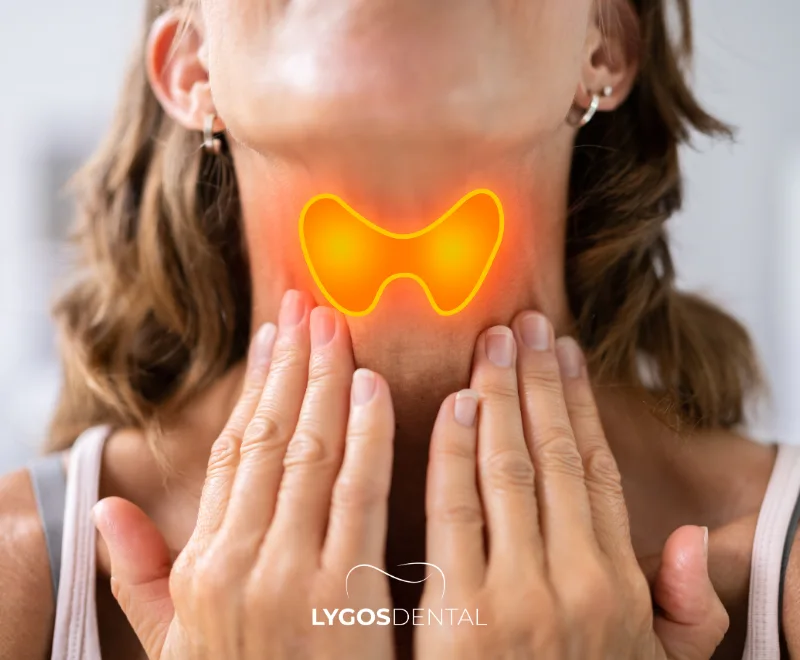
Thyroid disorders occur when the thyroid gland produces too little hormone, too much hormone, or when structural changes affect how the gland functions. Common conditions include:
- Hypothyroidism: an underactive thyroid that slows many body processes.
- Hyperthyroidism: an overactive thyroid that speeds up metabolism and can raise heart rate.
- Goiter: an enlarged thyroid that may occur with normal, low, or high hormone levels.
- Thyroid nodules and thyroid cancer: growths in the thyroid; most nodules are benign, but some require further testing.
Why Thyroid Health Shows Up In The Mouth
Saliva protects teeth and gums by neutralizing acids, washing away food debris, and helping control bacteria. Thyroid conditions and related autoimmune issues can be linked with reduced salivary flow, which can trigger a chain reaction: more plaque, more irritation in gum tissue, and a higher risk of tooth decay.
Common Oral Signs Of Thyroid Disorders
Dry Mouth And Higher Cavity Risk
Dry mouth (xerostomia) can raise the risk of cavities, plaque buildup, and bad breath because saliva is one of the mouth’s main defenses. If your mouth often feels sticky or you need water to swallow food, mention it at your dental visit.
Gum Inflammation And Periodontal Changes
Hormone imbalance and inflammation can make gums more sensitive. Some people notice swelling, tenderness, or bleeding when brushing or flossing. Gum disease also tends to progress faster when dry mouth and plaque buildup are present.
Changes In Tongue, Taste, And Healing
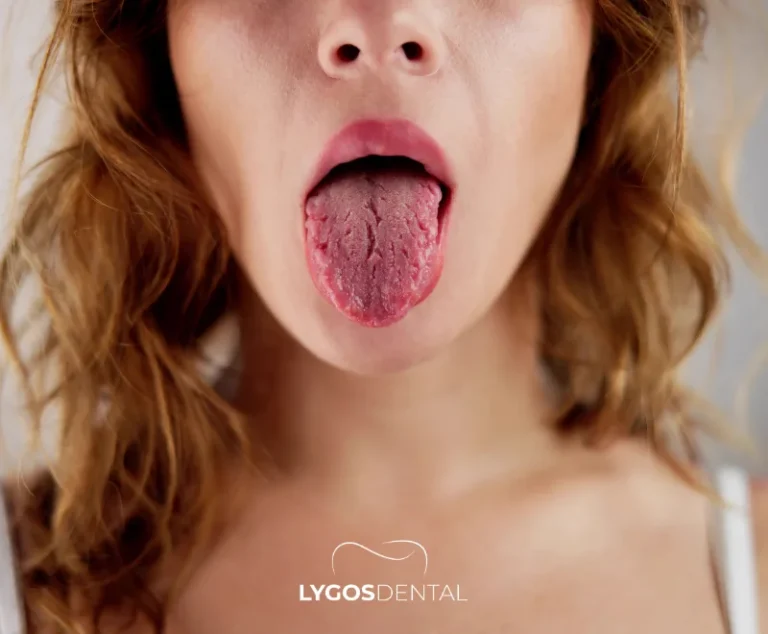
Thyroid disorders can be associated with changes in taste (dysgeusia), burning or discomfort, and slower healing after extractions or other procedures. In hypothyroidism, tongue enlargement (macroglossia) or general oral tissue swelling may occur in some patients.
Tooth Development Issues In Children
In children and teens, thyroid hormones play a role in growth and development. Hypothyroidism has been linked with delayed tooth eruption and altered tooth development, while hyperthyroidism may be associated with earlier eruption in some cases.
Hypothyroidism And Oral Health
Hypothyroidism can affect oral tissues through reduced metabolic activity and changes in immune and inflammatory responses. Common dental and oral findings may include:
- Dry mouth, which can increase cavities and plaque accumulation.
- Gum inflammation and a higher risk of periodontal problems.
- Tongue enlargement or oral tissue puffiness in some patients.
- Taste changes and, in some cases, delayed wound healing.
If hypothyroidism is poorly controlled, some people are more sensitive to sedatives and other central nervous system–active medications used in dental settings. Always share your diagnosis and medication list with your dentist.
Hyperthyroidism And Dental Issues
Hyperthyroidism can increase sensitivity to stress and certain medications. Oral changes can overlap with those seen in other inflammatory conditions, and may include:
- Gum tenderness or bleeding that feels worse than usual.
- Dry mouth and increased cavity risk in people prone to dehydration or mouth breathing.
- Jaw or tooth sensitivity related to muscle tension or heightened response to stimuli.
- Faster progression of oral problems when plaque control is inconsistent.
In uncontrolled hyperthyroidism or thyrotoxicosis, stimulants such as epinephrine (found in some local anesthetics and retraction cords) can provoke a stronger cardiovascular response. Dentists may use the lowest effective dose or consider alternatives when clinically appropriate.
Effects Of Thyroid Treatments On Oral Health

Levothyroxine And Hormone Replacement
Levothyroxine helps restore normal hormone levels in hypothyroidism. Some people still report dry mouth or taste changes, which can be influenced by dose adjustments, other medications, or coexisting conditions.
Antithyroid Medications
Antithyroid drugs such as methimazole or propylthiouracil can have side effects that matter in dentistry. A rare but serious complication is agranulocytosis, which can present with fever, sore throat, or mouth ulcers due to low white blood cell counts. Any new fever or sore throat while on these medications warrants urgent medical advice.
Radioactive Iodine And Salivary Flow
Some thyroid conditions are treated with radioactive iodine. In certain patients, this can affect salivary glands and contribute to dry mouth. If you have had radioactive iodine treatment, tell your dentist so your prevention plan can be tailored.
Dental Care Recommendations For Thyroid Patients
Most people with thyroid conditions can keep their teeth and gums healthy with consistent preventive care and a few targeted habits:
- Schedule regular check-ups and cleanings (often every six months, or more frequently if gum disease is present).
- Brush twice daily with fluoride toothpaste and clean between teeth once a day.
- Support saliva: sip water, use sugar-free gum or lozenges, and ask about saliva substitutes if needed.
- Limit frequent snacking on sugary or acidic foods and drinks, especially if you have dry mouth.
- Share your full medication list, including thyroid dose, with your dental team before procedures.
- If your hyperthyroidism is not well controlled, ask your physician for clearance before major dental treatment and discuss anesthetic options.
When To Seek Help Quickly
Contact a dentist or doctor promptly if you notice persistent mouth sores, swelling, unusual bleeding, severe dry mouth, or signs of infection. If you take antithyroid medication and develop fever or sore throat, seek urgent medical care because it can signal a rare drop in white blood cells.
FAQ
Thyroid and tooth fractures
Thyroid disease rarely fractures teeth directly; dry mouth and bone loss may contribute.
Hypothyroidism dental treatment
Treat dental patients normally if controlled; postpone elective care when hypothyroidism is untreated.
Oral manifestations of thyroid disorders
Possible signs include dry mouth, burning mouth, taste changes, gum disease, delayed eruption.
Hypothyroidism and dental local anesthesia
Local anesthesia is usually safe when controlled; avoid heavy sedation in severe hypothyroidism.
Can thyroid problems cause dental problems?
Yes, thyroid disorders can worsen dry mouth, periodontal disease, healing, and jawbone metabolism.
Swelling After Wisdom Tooth Extraction | LYGOS DENTAL
Swelling After Wisdom Tooth Extraction
Facial swelling after wisdom tooth extraction is usually normal. It often starts within the first day, peaks around days 2–3, and improves over the next week. Using cold compresses early, keeping your head elevated, and following your dentist’s instructions can help. Seek care if swelling worsens after day 3, lasts beyond a week, or comes with fever or pus.
Table of Contents
Why Your Face Swells After Wisdom Tooth Removal
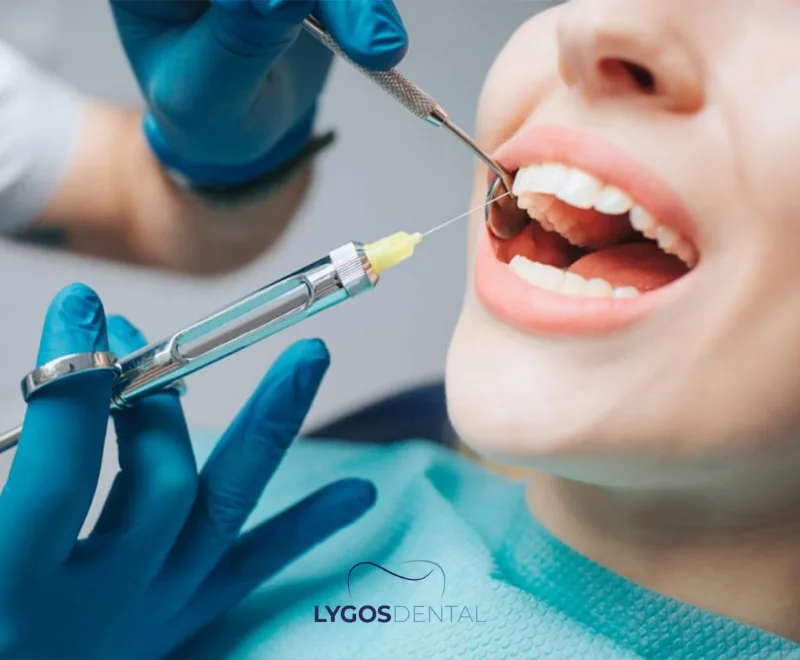
Swelling is part of the body’s inflammatory response to surgery. During extraction, the gum tissue and, in many cases, the bone around the tooth are disturbed. Your immune system increases blood flow and sends repair cells to the area, which can cause temporary fluid buildup in the cheek and jaw.
The severity of the swelling generally depends on:
What Affects How Much You Swell
Swelling varies from person to person. Common factors include:
- Whether the tooth was impacted or partially erupted
- How long and complex the procedure was
- Your age, general health, and healing speed
- The amount of tissue manipulation needed and the surgical approach used
How Long Swelling Usually Lasts
Most people notice swelling within the first 24 hours. It typically reaches its maximum around 48–72 hours after surgery and then gradually improves.
A simple timeline can help set expectations:
- Day 0–1: Swelling begins and may feel tight or puffy.
- Day 2–3: Swelling is often at its peak; bruising may appear.
- Day 4–7: Swelling steadily decreases and comfort improves.
- After day 7: Mild puffiness can linger, especially after difficult extractions, but it should keep improving.
If swelling is still getting worse after the first few days, or it does not start to improve by about a week, contact your dentist or oral surgeon.
How To Reduce Swelling Safely

First 24 Hours
Focus on cold therapy and rest. Cold helps limit fluid buildup in the tissues.
- Use a cold compress on the cheek: 15–20 minutes on, then 15–20 minutes off, repeating as tolerated.
- Rest and avoid strenuous activity.
- Sleep with your head slightly elevated to reduce fluid pooling.
After 24 Hours
Once the first day has passed, gentle warmth and good oral hygiene can support comfort and healing.
- Rinse gently with warm salt water 3–4 times per day (or as directed). Avoid vigorous swishing.
- Stay well hydrated and choose soft foods. Cool or room-temperature foods are usually best early on.
- Take prescribed medications exactly as directed, including any anti-inflammatory medicine or antibiotics.
What To Avoid After Extraction
These habits can increase swelling, disrupt the clot, or slow healing:
- Smoking or vaping
- Alcohol during the early healing period
- Hot foods and drinks in the first day or two
- Straws, forceful spitting, or aggressive rinsing during the first 24 hours
- Hard, crunchy, or grainy foods that can irritate the surgical site
- Touching the area with fingers or probing it with your tongue
Does Swelling Mean Something Is Wrong?
Swelling by itself is expected after wisdom tooth removal. What matters is the pattern. Normal swelling tends to peak around days 2–3 and then improves. A sudden increase in swelling, worsening pain, or new symptoms can point to a problem such as infection or a dry socket.
When To Contact A Dentist
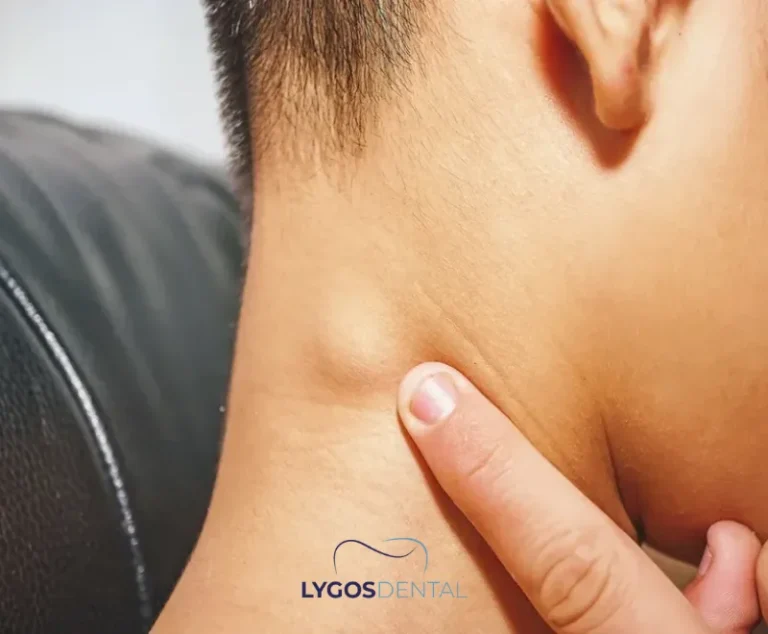
Call your dentist or oral surgeon promptly if you notice any of the following:
- Swelling that keeps increasing after day 3, or swelling that lasts longer than about 7 days without improvement
- Fever, chills, or feeling unwell
- Pus, foul odor, or a persistent bad taste
- Severe one-sided swelling or noticeable facial asymmetry that is worsening
- Trouble swallowing, breathing, or opening the mouth
- Numbness that does not start to improve or gets worse
FAQ
How long does the swelling last after a wisdom tooth extraction?
Swelling peaks day 2–3 and improves within 3–5 days.
Why is the third day the worst after a tooth extraction?
Inflammation and tissue fluid peak around day three, making pain and swelling strongest.
What are the symptoms to watch for after a wisdom tooth extraction?
Watch for uncontrolled bleeding, worsening pain, fever, pus, foul taste, severe swelling, breathing trouble.
Can I tell if I have dry socket on the third day?
Yes; severe throbbing pain, bad odor/taste, and visible socket bone suggest dry socket.
How can I tell if I have an infection after a wisdom tooth extraction?
Infection signs include fever, worsening swelling, pus, increasing pain, and foul discharge.
Turkey Dental Treatment and Post-Treatment Holiday Guide
Turkey Dental Treatment and Post-Treatment Holiday Guide
If you’re coming to Turkey for dental treatment, plan your trip around recovery. Use the first 48–72 hours for rest, soft foods, and follow-up checks, then add gentle sightseeing. Choose a city that fits both your clinic and holiday style—city breaks in Istanbul, beach time in Antalya, or Aegean calm in Izmir and Çeşme.
Table of Contents
Why People Choose Dental Treatment In Turkey
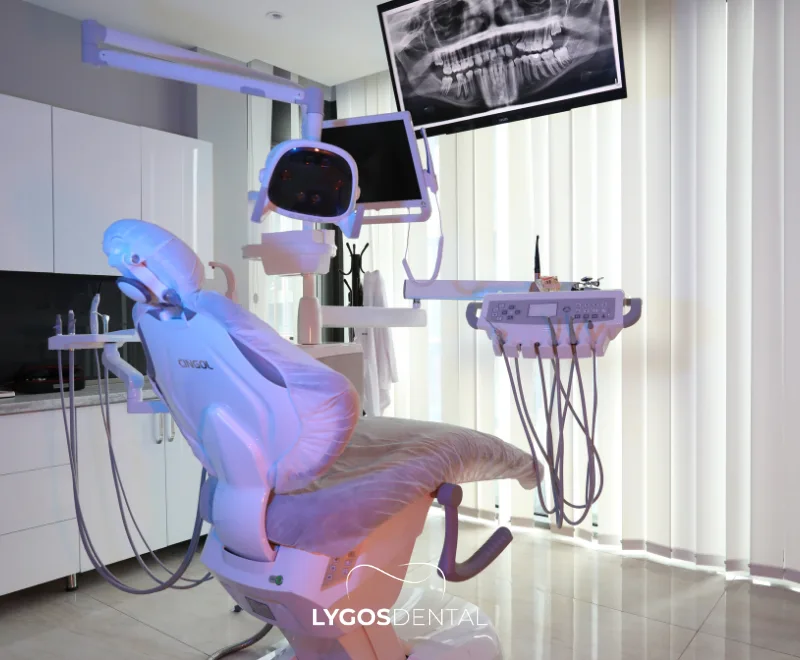
Turkey is a well-known dental tourism destination because many private clinics combine modern equipment, experienced clinicians, and packages that simplify travel. Prices can be lower than in many European countries and the US, but the exact savings depend on the clinic, materials, and the complexity of your case.
Before you book, ask for a written treatment plan that lists the number of visits, the brands/materials used, warranty terms, and what is included in the quote. If you have medical conditions or take regular medication, share that information early so your dentist can plan safely.
How To Schedule Treatment And Holiday Time
Match your holiday to the type of dental work.
Some treatments fit neatly into a short trip, while others need staged visits. Teeth whitening and simple cosmetic procedures may be completed in a couple of appointments. Implants, bone grafts, and complex restorative work often need more time, follow-up checks, and sometimes a second visit after healing.
Build in recovery days from the start.
Plan at least a few low-key days right after any surgical procedure. Swelling and discomfort tend to peak early, so keep your schedule flexible for rest, medication timing, and a follow-up appointment if needed.
Most Popular Bases For Treatment And A Short Break

Istanbul
Best for a city break. Choose calm, walkable plans after treatment: a Bosphorus cruise, museums with elevators, and short neighborhood strolls.
Antalya
Ideal for a resort-style recovery. Many hotels make it easy to rest, hydrate, and eat soft foods while staying close to clinics.
Izmir And Çeşme
Good for a relaxed Aegean pace. Alaçatı and Çeşme are comfortable once you feel better, with plenty of gentle dining options.
Muğla: Bodrum, Marmaris, Fethiye
A strong pick for post-procedure downtime by the sea. Keep boat trips and long hikes for later in your recovery.
Ankara
Often chosen for clinic access and healthcare infrastructure. It also works as a hub if you’re connecting onward to Cappadocia.
Recovery Guidelines For A Comfortable Holiday
First 48–72 hours
- Keep activity light. Skip heavy lifting, intense workouts, and long walking tours.
- Sleep with your head slightly elevated if you have swelling.
- Follow your dentist’s instructions for pain relief, antibiotics (if prescribed), and oral hygiene.
- Stay hydrated. Cabin air, summer heat, and salty foods can make you feel worse.
Days 4–7
- Add gentle sightseeing: short walks, shaded cafés, and seated attractions.
- Choose low-risk activities. Avoid contact sports, diving, and anything that could bump your jaw.
- Keep a buffer for check-ups and unexpected sensitivity.
When flying or taking long transfers
If you’ve had an extraction, implant surgery, or bone grafting, ask your dentist whether you should delay flying. Many clinicians advise avoiding flights in the first few days after oral surgery, especially after more complex procedures. If you must travel, carry your medications in your hand luggage and plan for easy meals on the go.
Food And Drink After Dental Treatment
What usually works well
Soft, lukewarm foods are easier on healing gums. Good options in Turkey include lentil soup, yogurt, well-cooked vegetables, soft egg dishes, and flaky fish. If chewing is uncomfortable, ask the restaurant to serve food without crusty bread, seeds, or hard garnishes.
What to limit early on
- Very hot or very cold foods if you have sensitivity.
- Spicy or acidic dishes if your gums feel sore.
- Alcohol and carbonated drinks if your dentist advised avoiding them after surgery.
- Hard snacks (nuts, chips, crackers) that can irritate the area or get trapped.
Choosing A Clinic With Travel In Mind

- Confirm the clinic’s location, airport transfer options, and how you’ll reach them for follow-up visits.
- Ask which materials and lab work are used (implant brand, crown type, veneer material) and request documentation.
- Check whether a translator is available if you prefer care in English.
- Prioritize clear consent, realistic timelines, and a plan for complications once you return home.
Why Combining Treatment With A Holiday Can Work
A calm environment can make recovery feel easier, and Turkey offers both coastal downtime and culture-rich city breaks. The key is to treat recovery time as part of the trip, not an afterthought. If your itinerary is gentle and your clinic schedule is realistic, you can come home with both a healthier smile and a good travel experience.
FAQ
Turkey dental treatment and post-treatment vacation guide Antalya
Schedule treatment early, rest 48 hours, avoid swimming 24–48 hours, attend follow-ups.
Best All on 4 in Turkey
Choose an experienced implant team using CBCT planning, proven brands, and written guarantees.
How much does a new set of teeth cost in Turkey?
Full-mouth fixed implant teeth in Turkey cost about £5,200–£12,600.
Affordable veneers in Turkey
Veneers in Turkey cost about $150–$450 per tooth, depending on material.
What is the cost of getting dental implants in Turkey?
A single dental implant in Turkey costs about $500–$900 including abutment and crown.
What to Eat During Orthodontic Treatment | LYGOS DENTAL
What to Eat During Orthodontic Treatment
Stick to soft, nutrient-dense foods that won’t bend wires or pop brackets—yogurt, eggs, soups, pasta, cooked vegetables, and smoothies. Cut firmer foods into small pieces, chew slowly, and avoid sticky, hard, or crunchy snacks. These choices reduce soreness, protect your appliance, and help treatment stay on schedule.
Table of Contents
Orthodontic Treatment: What It Is And Who It Helps
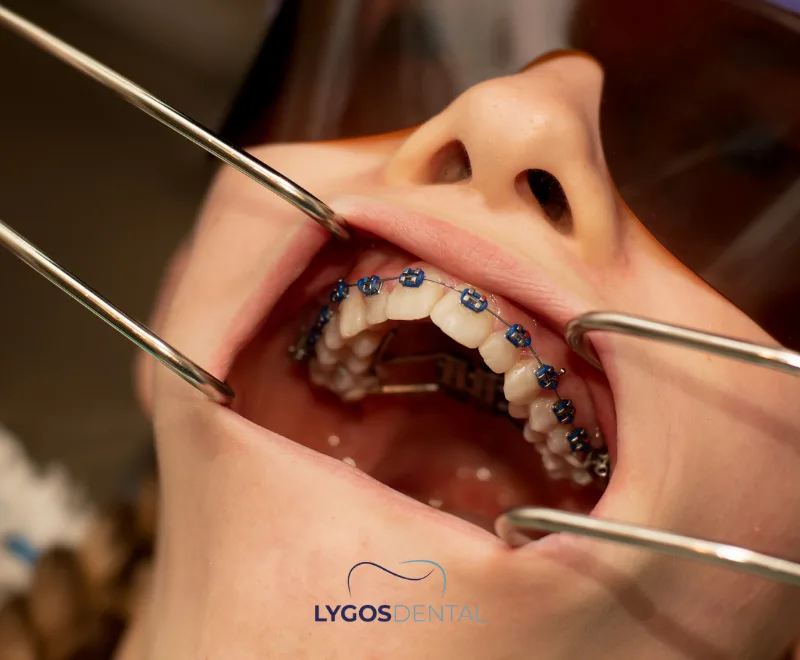 Orthodontic treatment moves teeth and, when needed, the jaw into healthier alignment. It can improve bite function, speech clarity, cleaning access, and overall smile aesthetics. Treatment may involve metal or ceramic braces, lingual braces, or clear aligners such as Invisalign. Because brackets, wires, and attachments sit on the teeth, food choices matter from day one.
Why Diet Matters During Orthodontic Treatment
Brackets and wires create new pressure points in the mouth. Hard or sticky foods can break appliances, irritate soft tissues, and make cleaning harder. Poor choices may lead to plaque buildup, enamel damage, or gum inflammation. A braces-friendly diet can help you:
- Lower the risk of broken brackets, bent wires, or lost aligner attachments
- Reduce cheek and gum irritation
- Keep brushing and flossing easier and more effective
- Support healthy gums and enamel throughout treatment
- Avoid unnecessary delays in your treatment plan
What To Eat In The First Week After Getting Braces
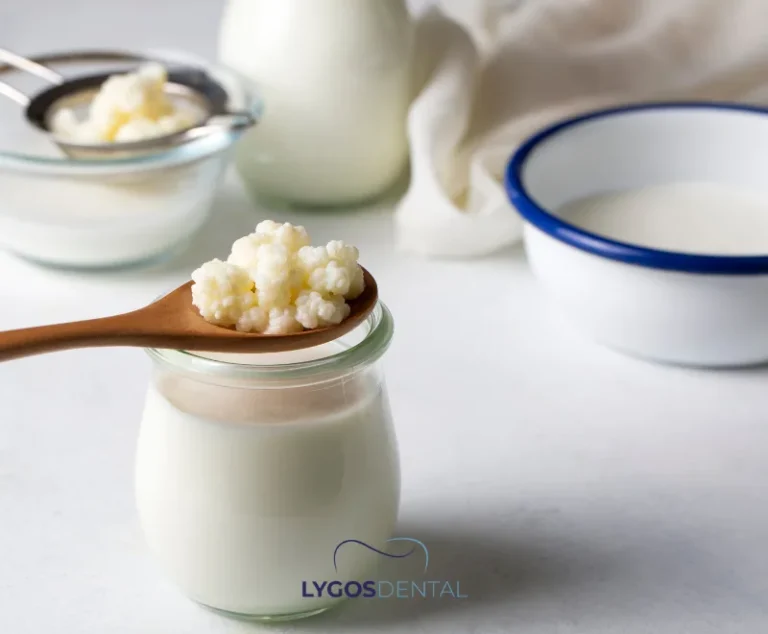 Tenderness is common for the first few days and after adjustment appointments. Choose soft foods that require minimal chewing, and keep foods lukewarm to avoid triggering sensitivity.
- Yogurt or kefir: cool and soothing for sore gums
- Soups and broths: blended vegetable soups or chicken broth are easy to eat
- Mashed potatoes or other purées: filling and gentle on brackets
- Soft fruits: bananas, ripe pears, or avocado
- Cooked vegetables: zucchini, broccoli, pumpkin, or well-steamed carrots
- Oatmeal or soft cereal soaked in milk
Best Braces-Friendly Foods For Everyday Meals
Once the initial soreness eases, you can expand your menu. Aim for foods that are soft, easy to chew, and not likely to stick to brackets or get trapped around wires.
Dairy And Calcium-Rich Options
Milk, cheese, yogurt, and ayran/buttermilk support enamel and are generally easy to eat with braces.
Protein That’s Easy On Braces
Eggs (boiled, scrambled, omelets), flaky fish, tofu, and tender ground meat are practical protein choices. If you eat chicken or beef, choose softer cuts and chop them into small pieces.
Soft Grains And Starches
Pasta, rice, couscous, soft bread without a hard crust, and well-cooked oats are usually safe. Avoid biting into hard rolls or crusty baguettes.
Fruits And Vegetables
Soft fruits are easiest. For firmer produce, slice thinly, grate it, or cook it until tender.
- Smoothies made with berries, banana, yogurt, and oats
- Apples or carrots: cook, grate, or slice into very small pieces
- Leafy greens: add to soups, omelets, or smoothies
Soups, Stews, And One-Bowl Meals
Lentil soup, vegetable soup, and soft stews can deliver vegetables and protein without heavy chewing. Let hot soups cool slightly before eating.
Snacks And Desserts
Try hummus, soft muffins, pudding, custard, or ripe fruit. If you choose ice cream, rinse with water afterward to reduce sugar sitting on the teeth.
Foods to Avoid with Braces
Some foods commonly break brackets, bend wires, or get stuck in places that are hard to clean. Limiting them helps prevent emergency visits and keeps progress steady.
Hard Foods
- Nuts, popcorn kernels, hard candy, ice
- Crusty bread, hard pizza crusts
- Whole raw apples or large raw carrot sticks
Sticky Or Chewy Foods
- Caramel, taffy, gummy candies, Turkish delight
- Chewing gum
- Very chewy bagels or jerky
Crunchy Snacks
- Chips, crackers, pretzels
- Granola clusters and hard cereals
Foods With Pits, Bones, Or Shells
- Cherries, olives, and other fruits with pits (remove pits first)
- Bone-in meats (cut meat off the bone before eating)
Sugary And Acidic Drinks
Soda and frequent acidic drinks can increase enamel wear, especially around brackets. If you drink them occasionally, use a straw and rinse with water afterward.
Foods That Can Help Relieve Braces Soreness
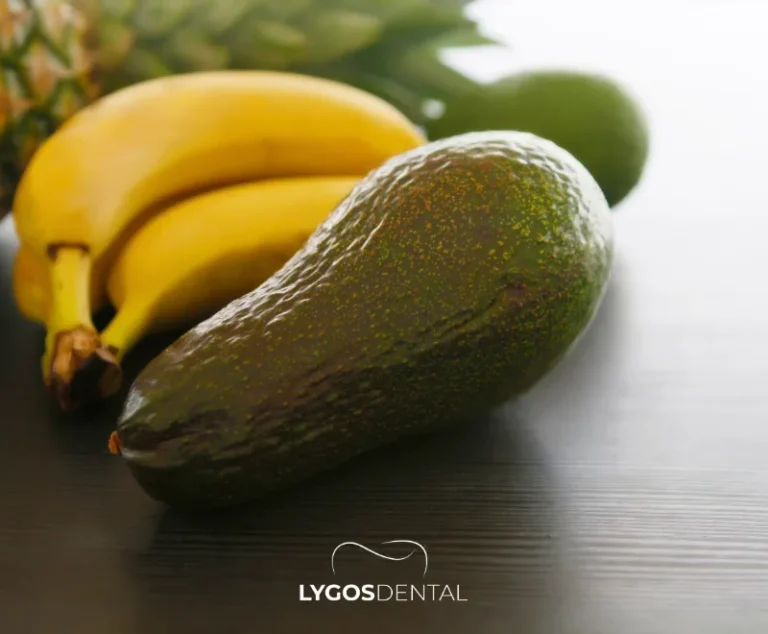 When your teeth feel tender after braces are placed or tightened, focus on temperature and texture.
Cool Options
- Cold yogurt, kefir, or smoothies
- Soft ice cream or frozen yogurt (in moderation)
- Chilled applesauce
Warm (Not Hot) Options
- Vegetable soup, chicken broth, or lentil soup
- Mashed potatoes, soft pasta, or rice
- Warm oatmeal
Practical Eating Tips To Protect Your Braces
- Cut food into small, bite-sized pieces and chew slowly.
- Try to chew with your back teeth rather than biting with the front teeth.
- Rinse with water after meals to clear food from around brackets and wires.
- Brush and floss carefully, especially after sugary or starchy foods.
- If something feels stuck, use an interdental brush or water flosser instead of toothpicks.
- If you wear aligners, remove them for meals and drinks other than water, then clean your teeth before putting them back in.
Orthodontic treatment takes time, but eating well makes it easier. Soft, braces-safe foods support comfort and oral hygiene, while avoiding hard and sticky items protects your appliance. If you’re unsure whether a food is safe, ask your orthodontist at your next visit.
Get More Information
To book an appointment or ask questions about braces, aligners, cosmetic dentistry, dental crowns, implants, or general dentistry, contact our clinic.
FAQ
What should I eat during braces treatment?
Eat soft, non-sticky foods: yogurt, eggs, pasta, rice, cooked vegetables, soft fruits.
What should I avoid eating while wearing braces?
Avoid hard, sticky, chewy foods: nuts, popcorn, caramel, gum, ice, hard candy.
Can I bite into and eat a hamburger while wearing braces?
Yes, if you cut it into small pieces and avoid biting directly.
What drinks should I avoid while wearing braces?
Avoid sugary or acidic drinks: soda, energy drinks, sports drinks, and frequent juice.
Can I eat cookies while wearing braces?
Yes, choose soft cookies; avoid hard, crunchy cookies and biting with front teeth.
Jaw Exercises for TMJ Patients | LYGOS DENTAL
Jaw Exercises for TMJ Patients
Gentle jaw exercises can help many people with TMJ/TMD reduce muscle tension and improve comfortable mouth opening. Work only within a pain‑free range, move slowly, and stop if you feel sharp pain, locking, or worsening symptoms. Pair exercises with good jaw posture and simple self‑care like heat or cold as advised by your clinician.
Temporomandibular disorders (often shortened to TMD or “TMJ pain”) can make chewing, speaking, and yawning uncomfortable. Alongside professional guidance, simple home exercises may support recovery by improving control and reducing muscle guarding.
Table of Contents
What TMJ Is
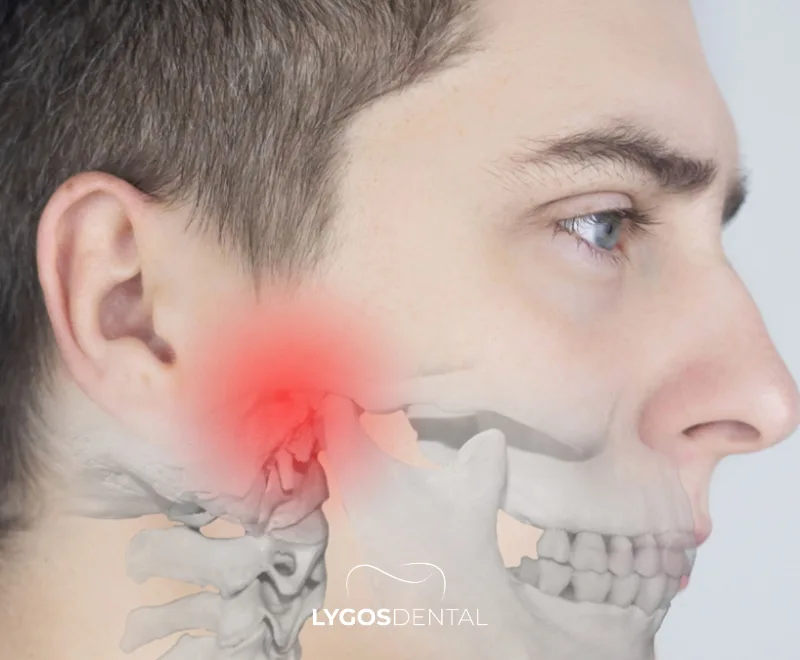
The temporomandibular joint connects your lower jaw (mandible) to your skull and works with a group of chewing muscles. When the joint itself, the surrounding muscles, or both become irritated or overworked, symptoms such as pain, stiffness, and clicking can appear.
Common Symptoms of TMJ Disorders
TMJ/TMD symptoms vary, but common signs include:
- Jaw pain or tenderness (one or both sides)
- Pain or fatigue while chewing
- Tightness in the face or jaw muscles
- Limited or uneven mouth opening
- Clicking, popping, or grinding sounds with jaw movement
- Ear-area pressure or pain (without an ear infection)
- Headaches, neck pain, or facial pain that seems linked to jaw use
How Exercises Support TMJ Treatment
For many patients, first-line care is conservative: self-care, splints/night guards when appropriate, and physical therapy. Targeted exercises may help by improving movement patterns, strengthening supporting muscles, and easing protective muscle spasms.
Benefits you may notice with consistent practice include:
- Better jaw control during opening and closing
- Less muscle tightness and fewer spasms
- Improved comfortable mouth opening over time
- Reduced sensitivity during daily activities like eating or talking
Safe Jaw Exercises You Can Do at Home
Do these exercises slowly and gently. A mild stretch or light muscle effort is okay, but sharp pain is not. Start once daily and build up to 2–3 short sessions if tolerated.
1) Controlled Jaw Opening and Closing
- Sit or stand tall with your head centered (avoid jutting the chin forward).
- Let your jaw relax and slowly open your mouth to a comfortable, pain‑free limit.
- Pause briefly, then close slowly without clenching your teeth at the end.
Suggested dose: 8–10 repetitions, 1–2 times per day.
2) Resisted Jaw Opening (Gentle)
- Place two fingers or the heel of your hand under your chin.
- Begin to open your mouth slowly while applying very light upward resistance.
- Hold the effort for 2–3 seconds, then relax and close slowly.
Suggested dose: 5–8 repetitions, once daily to start.
3) Side‑to‑Side Jaw Glides
- Keep your lips relaxed and teeth slightly apart.
- Move your lower jaw slowly to the right, then return to center.
- Move your lower jaw slowly to the left, then return to center.
Suggested dose: 5 repetitions per side, 1–2 times per day.
4) Tongue‑Up Opening (Resting Tongue on the Palate)
- Rest the tip of your tongue gently on the roof of your mouth, just behind the front teeth.
- Keeping the tongue in place, open your mouth slowly to a comfortable range.
- Close slowly and return to a relaxed jaw position.
Suggested dose: 6–10 repetitions, 1–2 times per day.
5) Relaxed Jaw Position (60‑Second Reset)
- Let your lips come together lightly.
- Keep your teeth slightly apart, with the tongue resting softly on the palate.
- Breathe slowly for 30–60 seconds and release tension from the cheeks and temples.
Suggested dose: 1–3 times per day, especially during stress or after long talking/chewing.
Safety Tips and Precautions
Exercises work best when your technique is calm and controlled. These tips help you stay safe and consistent:
- Stay in a pain‑free range. Stop if pain spikes, the jaw catches/locks, or symptoms worsen afterward.
- Move slowly. Fast or forceful stretching can irritate the joint and surrounding muscles.
- Use heat or cold if it helps (many people prefer moist heat for muscle tightness, cold for soreness after flare-ups).
- Avoid gum chewing, wide yawns, and hard or very chewy foods during flare-ups.
- Check your form in a mirror and keep your head and neck aligned.
When to See a Dentist or Doctor
Home exercises can be useful, but some symptoms need professional assessment. Seek care if you notice:
- Severe or persistent pain that doesn’t improve with self‑care
- A sudden change in your bite or new difficulty bringing teeth together
- Jaw locking (open or closed) or frequent catching during movement
- Significant limitation in mouth opening
- Swelling, fever, trauma, or signs of infection
- Symptoms that steadily worsen over days or weeks
A dentist, physiotherapist, or oral and maxillofacial surgeon can help confirm the cause of your symptoms and tailor a plan that may include splint therapy, medication advice, manual therapy, posture work, and targeted strengthening.
FAQ
Permanently treating TMJ
Permanent cure is uncommon; manage with splints, physiotherapy, stress reduction, and treating causes.
TMJ exercises at home
Do gentle controlled opening, tongue-to-palate, and isometric holds, 5–10 reps.
TMJ exercises for jaw clicking
Controlled opening with tongue on palate and gentle lateral movements may reduce clicking.
Relaxing jaw exercise
Place tongue on palate, lips closed, teeth apart, breathe slowly for 2 minutes.
TMJ exercises before bed
Do warm compress 10 minutes, then gentle stretches and slow diaphragmatic breathing.