
5 Practical Ways to Prevent Sensitivity After Teeth Whitening | LYGOS DENTAL
5 Practical Ways to Prevent Sensitivity After Teeth Whitening
To prevent tooth sensitivity after whitening, use a desensitizing toothpaste, brush gently with a soft-bristled brush, and rinse with an alcohol-free fluoride mouthwash. For the first 48 hours, avoid very hot, cold, or acidic foods. If discomfort lasts longer than a week, book a dental check-up.
A whiter smile is one of the most popular cosmetic dental goals. Most whitening treatments are safe when used as directed, but some people notice short-term tooth sensitivity afterward.
The good news is that discomfort is usually temporary. A few simple aftercare steps can make a noticeable difference in how your teeth feel after whitening.
Table of Contents
Why Teeth Whitening Can Cause Sensitivity
Whitening gels typically use hydrogen peroxide or carbamide peroxide to break down stains on and within enamel. As the peroxide moves through enamel, it can irritate the dentin layer and the tooth’s nerve, which may trigger a sharp response to temperature, touch, or air.
Sensitivity can also feel stronger right after treatment because teeth may be slightly dehydrated. This usually settles as saliva rehydrates the enamel.
1. Use Desensitizing Toothpaste
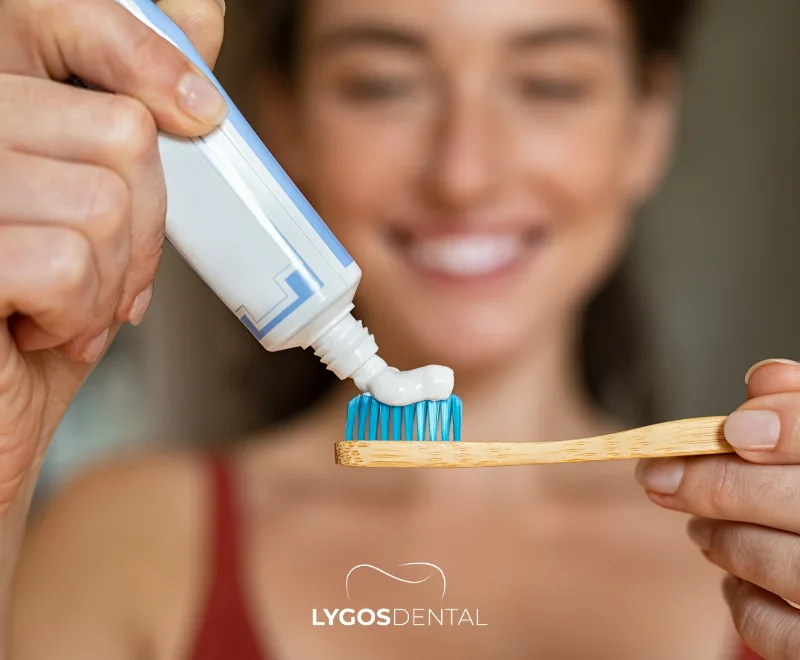
Choose a toothpaste made for sensitive teeth. These formulas help calm the nerve response and reduce “zingers” after whitening.
Look for active ingredients such as:
- Potassium nitrate
- Stannous fluoride
- Strontium chloride
Brush twice a day and keep using the toothpaste for at least two weeks after whitening. If you’re whitening at home, switching to a sensitivity toothpaste during the treatment period can also help.
2. Avoid Hot, Cold, And Acidic Foods For The First 48 Hours
Teeth are often most reactive during the first 48 hours after whitening. During this window, avoid extremes in temperature and foods that are acidic enough to irritate enamel.
Common triggers include:
- Very hot drinks (coffee, tea, soups)
- Ice-cold foods and drinks (ice cream, iced beverages)
- Citrus, soda, and sports drinks
- Vinegar-based dressings, pickles, and sour candies
Instead, choose lukewarm, low-acid foods like eggs, yogurt, oatmeal, rice, potatoes, and soft vegetables. This can reduce sensitivity and helps protect your whitening results.
3. Brush Gently With A Soft-Bristled Toothbrush
Brushing too hard can make sensitivity worse, especially if your enamel is already under stress. Use a soft-bristled brush and gentle, circular strokes along the gumline.
Skip abrasive “charcoal” or strong whitening toothpastes right after treatment. A standard fluoride toothpaste can help support remineralization while your teeth settle.
4. Use An Alcohol-Free Fluoride Mouthwash

A fluoride mouthwash supports enamel by helping replace minerals and reduce sensitivity. Choose an alcohol-free formula, since alcohol can feel drying or irritating when teeth are tender.
Rinse once or twice a day, especially before bed. If you have ongoing sensitivity, ask your dentist which rinse is best for post-whitening care.
5. Talk To Your Dentist If Sensitivity Persists
Call your dentist if sensitivity is severe, keeps getting worse, or lasts longer than a week. Ongoing pain can point to issues like cavities, gum recession, or cracked enamel.
In-office options may include fluoride varnish, desensitizing gels, or protective coatings. Your dentist can also suggest a lower-strength whitening plan or a slower schedule for future touch-ups.
Need Help Choosing A Whitening Option?
If you’re considering whitening and want to minimize sensitivity, start with a dental exam. Your dentist can confirm you’re a good candidate and recommend the safest concentration and timeline for your teeth.
To book an appointment or ask about cosmetic dentistry, dental crowns, implants, or general dentistry, use the form below.
FAQ
How long does tooth sensitivity last after whitening?
Typically 1–3 days; occasionally up to a week.
How can I quickly reduce tooth sensitivity?
Use desensitizing toothpaste, fluoride gel, avoid hot/cold, and take ibuprofen if safe.
How can sensitive teeth be treated after whitening?
Stop whitening, use desensitizing toothpaste, and ask your dentist for fluoride varnish.
Does whitening damage tooth enamel?
No, when used correctly; peroxide may cause temporary sensitivity without permanent enamel loss.
Best Aesthetic Dental Clinics in Nişantaşı | LYGOS DENTAL
Best Aesthetic Dental Clinics in Nişantaşı
Nişantaşı has many cosmetic dentistry clinics offering veneers, whitening, clear aligners, smile design, and implants. The “best” choice depends on your goals, the dentist’s experience, materials used, and digital planning. Shortlist a few clinics, ask for real case examples, and request a written treatment plan with clear pricing.
Aesthetic dentistry focuses on improving the appearance of teeth and gums while protecting bite and long-term oral health. In Nişantaşı (Şişli, Istanbul), demand is high for treatments that look natural, feel comfortable, and fit busy schedules.
If you’re searching for the best aesthetic dental clinics in Nişantaşı, use the checklist below to compare options, understand common treatment types, and plan for costs before you commit.
Table of Contents
Why Aesthetic Dental Clinics Are Popular in Nişantaşı
Nişantaşı attracts both local and international patients for cosmetic dentistry for a few practical reasons:
- Central location: Easy access by public transport and close proximity to many hotels and business areas.
- Experienced teams: Many clinics focus heavily on cosmetic cases, which can matter for shade selection, symmetry, and natural-looking results.
- Modern technology: Digital scans, CAD/CAM dentistry, and guided planning can reduce guesswork and improve communication about expected results.
Premium patient experience: Shorter waiting times, multilingual support, and a higher level of comfort are often part of the service model.
Aesthetic Dental Treatments Commonly Offered
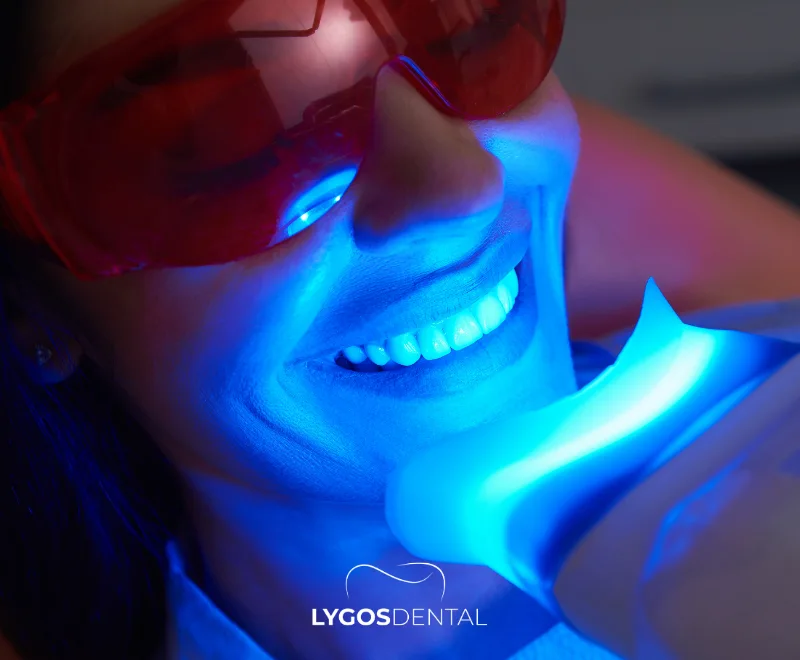
Most cosmetic dentistry clinics in Nişantaşı provide a mix of restorative and aesthetic procedures, such as:
- Porcelain veneers and crowns: Used to refine tooth shape, close small gaps, and improve color. Material choice (e.g., zirconia or E-max) affects translucency and durability.
- Teeth whitening (bleaching): Professional whitening can brighten teeth quickly. Ask whether the clinic offers in-office, take-home trays, or a combined approach.
- Orthodontics and clear aligners: Clear aligners can correct mild to moderate crowding while keeping the look discreet.
- Digital smile design: A planning process that previews changes using photos and digital scans, helping you align expectations before treatment starts.
Dental implants and prosthetics: Options for missing teeth that support chewing function and facial aesthetics, often combined with crowns or bridges.
How to Choose the Right Dental Clinic
Cosmetic treatments can have long-term effects on both health and appearance, so it’s worth being selective. Use the points below to compare an aesthetic dentist in Nişantaşı in a practical, patient-focused way.
- Qualifications and case experience: Look for dentists who routinely perform the procedure you want and can show before/after cases that match your starting point.
- Diagnosis and planning: A thorough exam, digital scan or X-ray review, and a clear plan should come before cosmetic changes.
- Materials and lab standards: Ask which materials will be used, where the lab work is produced, and what warranty or remake policy exists.
- Hygiene and safety protocols: Sterilization standards and clear infection-control procedures are non-negotiable for any dental clinic.
- Communication and transparency: You should receive a written plan, timelines, and a clear breakdown of fees before treatment begins.
- Aftercare and follow-up: Check whether the clinic offers check-ups, bite adjustments, and support if you experience sensitivity or chipping.
Questions To Ask During Your Consultation
- Which treatment options fit my teeth and bite, and why?
- How much tooth preparation is expected, and is the plan reversible?
- Can I see comparable case examples and discuss realistic outcomes?
- What is included in the quoted price (imaging, temporary teeth, follow-ups)?
- What happens if the result needs adjustment after placement?
Clinics Commonly Considered For Aesthetic Dentistry
Clinic names and addresses can change over time, so it’s best to confirm location, licensing, and current services directly with the clinic. That said, some patients researching cosmetic dentistry in and around Nişantaşı often come across clinics such as:
- Lygos Dental: An Istanbul-based clinic that many patients consider for cosmetic procedures, even if their clinic is not directly in Nişantaşı.
- Smile Design Nişantaşı: A clinic associated with cosmetic dentistry and smile design services in the Nişantaşı area.
- White Estetik Diş: A name that appears in some online comparisons for aesthetic dentistry; confirm the clinic’s exact address and service scope before booking.
- Nişantaşı Dental Clinic: A local clinic name used by practices in the district; check the specific branch, dentists, and treatment range offered.
Aesthetic Dentistry Prices in Nişantaşı
Pricing varies widely because cosmetic treatment is usually tailored to the patient. Clinics typically confirm the final cost after an exam, imaging, and a treatment plan.
Common factors that influence pricing include:
- Type and scope of treatment (single tooth vs. full smile makeover)
- Material selection and laboratory work
- Complexity (bite issues, gum health, previous dental work)
- Technology used for planning and production (digital scans, CAD/CAM)
- Number of visits, temporaries, and follow-up appointments
To avoid surprises, ask for a written quote that lists what’s included, the expected timeline, and any additional costs that may arise if extra treatment is needed.
Tips To Maintain Your Dental Aesthetics After Treatment
Small daily habits make a big difference in how long cosmetic results last:
- Regular check-ups: A visit every six months helps detect bite changes, staining, or gum issues early.
- Consistent brushing and flossing: Good home care protects gums and helps veneers, crowns, and bonding last longer.
- Mind staining and hard foods: Limit frequent tea, coffee, and smoking, and avoid biting hard items that can chip restorations.
- Use protective appliances when needed: If you clench or grind, a night guard can protect porcelain work and reduce fractures.
Follow clinic-specific aftercare: Each material and procedure has its own aftercare rules—follow the instructions given for your case.
Get Information Now
To book an appointment or ask about cosmetic dentistry, dental crowns, implants, or general dentistry services, contact the clinic directly and share clear photos of your teeth if possible. A consultation is the fastest way to confirm options and receive a personalized plan.
FAQ
Where is the best cosmetic dentistry clinic in Nişantaşı?
No single best; choose Nişantaşı clinics with accredited specialists, strong labs, and verified outcomes.
Cosmetic Dentistry Prices in Nişantaşı
Nişantaşı prices: whitening ₺7k–₺26k, bonding ₺2.5k–₺4.5k, veneers €350–€800, implants ₺13k–₺38k.
How are cosmetic dentistry prices determined?
Prices reflect case complexity, materials, lab fees, dentist expertise, imaging, and number of teeth.
How long does smile design take in Nişantaşı?
Takes 5–7 days; complex cases needing implants/orthodontics take weeks to months.
Orthodontic Prices Turkey vs Canada | LYGOS DENTAL
Orthodontic Prices In Turkey Vs Canada
Orthodontic treatment is usually more affordable in Turkey than in Canada. Many clinics quote full-course metal braces from roughly 23,000–70,000 TL in Turkey, while Canadian fees commonly fall around 3,000–7,000 CAD. Clear aligners and lingual braces cost more in both countries, and your final quote depends on case complexity and follow-up needs.
Orthodontics focuses on aligning teeth and jaws so your bite works comfortably and your smile looks balanced. If you’re comparing Turkey and Canada, the biggest difference is usually cost—but it’s not the only thing that matters.
Below is a practical price comparison, the key factors that move quotes up or down, and what to check before you commit to treatment in either country.
Quick Price Comparison
Prices vary by city, clinic, and case complexity. These ranges reflect common private-clinic quotes for full-course treatment and are best used for budgeting—not as a final quote.
| Treatment Type | Turkey (Typical Range) | Canada (Typical Range) |
| Metal braces | 23,000–70,000 TL | 3,000–7,000 CAD |
| Ceramic/esthetic braces | 30,000 TL and up | 4,000–8,000 CAD |
| Clear aligners (e.g., Invisalign) | 15,000–40,000 TL | 4,000–8,500 CAD |
| Lingual braces | Premium pricing (often higher than clear aligners) | 6,500–10,000 CAD |
Orthodontic Prices In Turkey
Turkey is a well-known destination for dental care, and orthodontic treatment is often priced below North America. Lower operating costs and strong competition between private clinics can make braces and aligners more accessible for international patients.
Quotes can still vary widely. City, appliance choice, and case complexity tend to matter more than nationality, so a consultation and a written treatment plan are essential.
What Affects Orthodontic Costs In Turkey
- Treatment type (metal, ceramic, self-ligating, lingual, or clear aligners)
- Case complexity and estimated treatment time
- Orthodontist’s training, experience, and the clinic’s technology
- City and clinic setting (major hubs and premium clinics may charge more)
- What’s included in the package (records, X‑rays, adjustments, retainers, and follow-up visits)
- Any add-ons such as extractions, periodontal care, or jaw-related procedures
Orthodontic Prices In Canada
In Canada, orthodontic treatment is typically delivered through private practices, and fees are influenced by higher staffing and operating costs. Prices can also vary by province and by whether you’re treated in a major city or a smaller community.
Metal braces are usually the most budget-friendly option, while ceramic braces, lingual braces, and clear aligners tend to sit higher because of materials, lab work, and chair time.
What Affects Orthodontic Costs In Canada
- Insurance benefits (orthodontics may be a separate benefit with a percentage reimbursement up to a maximum)
- Treatment type and brand (traditional braces vs. premium aligner systems)
- Treatment duration, complexity, and whether two arches are treated
- Clinic location and overhead (city-centre practices often charge more)
- Specialist experience and the tools used for diagnostics and monitoring
- Retainers, refinements, and any extra procedures needed along the way
Turkey Vs Canada: Beyond The Sticker Price
Follow-Up And Aftercare
Orthodontic treatment requires regular check-ups and occasional repairs. If you travel for treatment, plan how you’ll handle mid-treatment adjustments, broken brackets, lost aligners, and retainer checks once you’re back home.
Travel Costs And Time Off
Lower treatment fees can be offset by flights, accommodation, local transport, and time away from work. A clear visit schedule helps you estimate the real total cost before you decide.
Coordination With Your Local Dentist
Before starting treatment abroad, ask whether your local dentist can support cleanings, routine checks, and any urgent issues. Shared records and a written plan make cross-border care smoother.
Price Vs Quality In Orthodontic Treatment
Cost alone doesn’t tell you whether treatment will be safe, comfortable, and predictable. High-quality care exists in both Turkey and Canada, but the right provider is the one who can explain your diagnosis, show a structured plan, and support you through follow-up.
When comparing clinics, look for clear communication, transparent inclusions, sterilization standards, and a realistic timeline. Ask who will manage refinements and retention after active treatment ends.
Questions To Ask Before You Start
- Are you a specialist orthodontist, and who will see me at follow-up visits?
- What’s included in the quoted fee (records, adjustments, retainers, refinements)?
- How often are appointments needed, and what happens if a bracket breaks or an aligner is lost?
- Will I need extractions, jaw expansion, or other procedures before or during treatment?
- How is retention handled after braces or aligners, and what does it cost if a retainer is replaced?
Get Information Now
If you’d like a personalized orthodontic quote, share a recent panoramic X-ray (if available) and a few clear photos of your teeth. A consultation can confirm which option fits your bite, timeline, and budget.
You can also contact us to learn more about cosmetic dentistry, dental crowns, dental implants, and general dentistry.
FAQ
Which country offers the most affordable orthodontic treatment?
Turkey is among the cheapest countries for orthodontic treatment.
Turkey is among the cheapest countries for orthodontic treatment.
C$3,000–C$10,000 for braces or clear aligners.
Is dental treatment cheaper in Turkey?
Yes, private dental treatment in Turkey is often cheaper than in Canada.
Which countries are most suitable for orthodontists?
USA, Switzerland, Australia, Canada, and Germany are attractive markets for orthodontists.
Best Dental Clinics in Bahçelievler | LYGOS DENTAL
Best Dental Clinics in Bahçelievler
The best dental clinics in Bahçelievler are typically those with experienced dentists, strict sterilization protocols, and modern digital diagnostics. Look for clear communication, transparent treatment plans, and consistent patient reviews. Many local patients shortlist clinics such as Lygos Dental for routine care, cosmetic dentistry, orthodontics, and implants.
Table of Contents
Why Choosing the Right Dental Clinic Matters
Oral health affects more than your smile. Gum disease and untreated infections can contribute to pain, sleep issues, and broader health risks, while poor chewing can change how you eat.
A well-run clinic helps you get the right diagnosis early, choose the least invasive option, and finish treatment with fewer surprises.
What to Check Before You Book
- Dentist experience and focus areas: Look for clinicians who routinely perform the treatment you need, whether that’s implants, orthodontics, or cosmetic work.
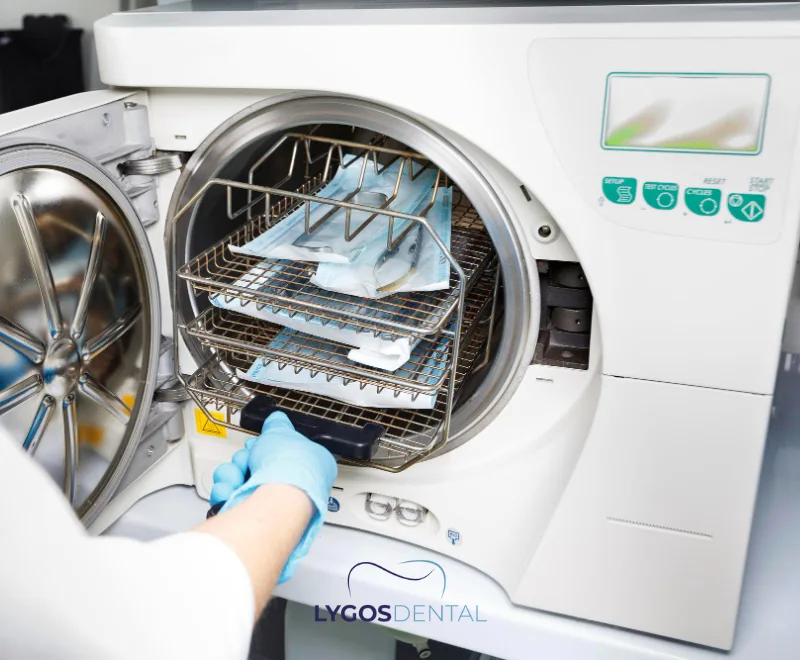
- Hygiene standards and sterilization: Ask about instrument sterilization, single-use items, and how treatment rooms are cleaned between patients.
- Technology that improves planning: Digital X‑rays, 3D scans, and intraoral cameras can support more accurate treatment planning and clearer explanations.
- Patient feedback: Reviews can highlight communication, aftercare, waiting times, and how the clinic handles follow‑ups.
- Transparent treatment plans: A good clinic explains options, timelines, and costs in writing before you start.
Dental Clinics in Bahçelievler to Consider
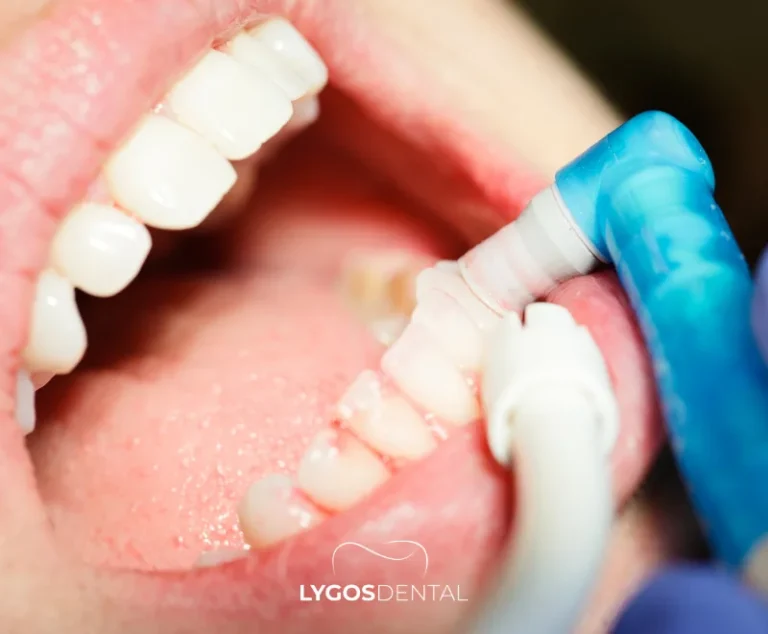
Bahçelievler has many private practices and multi‑specialty dental centers, so it helps to compare a few options rather than booking the first appointment you find.
Many patients in the area shortlist clinics such as Lygos Dental for their broad service range and clinic-style care. Your best fit will still depend on your needs, budget, and the dentist you meet.
What Strong Clinics Tend to Offer
- Comfort-focused care: Clear pain management, calm chairside communication, and sensible appointment timing.
- Coordinated specialties: Access to orthodontics, endodontics, periodontics, and prosthodontics when a case needs more than one discipline.
- Modern diagnostic workflow: Imaging and scanning that supports predictable planning for restorations and implants.
Services Commonly Available in Bahçelievler
- Routine check-ups and professional cleaning: Regular visits help catch cavities and gum problems early.
- Fillings and root canal treatment: Modern techniques aim to preserve the tooth and keep discomfort low.
- Gum care: Scaling, deep cleaning, and periodontal treatment when needed.
- Cosmetic dentistry: Whitening, veneers, bonding, and smile design for aesthetic improvements.
- Dental implants and crowns: Options to replace missing teeth and restore chewing function.
- Orthodontics: Braces and clear aligners to correct alignment and bite issues.
Pediatric dentistry: Child-friendly exams and preventive care to build long-term habits.
How to Choose the Best Dentist for You
The clinic matters, but your day-to-day experience is shaped by the dentist. Aim for someone who explains clearly, answers questions without rushing, and sets realistic expectations.
- Qualifications and continuing education: Check training, certifications, and whether the dentist regularly updates their skills.
- Case experience: Ask to see before-and-after examples for cosmetic work, or discuss success rates and aftercare for implants.
- Communication style: You should understand the plan, the alternatives, and what happens if a step needs to change.
Language support: If you’re not fluent in Turkish, confirm whether the clinic can communicate comfortably in English.
Dental Treatment Costs in Bahçelievler
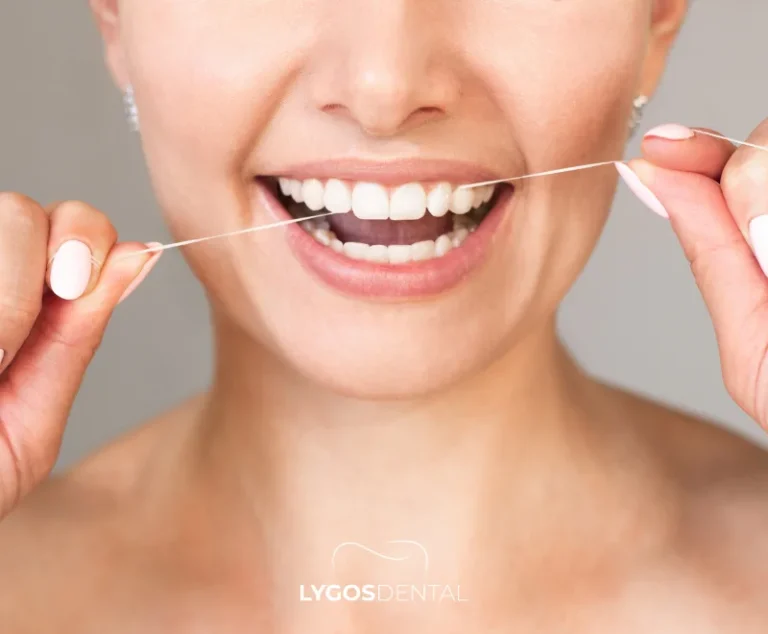
Costs change based on the procedure, materials used, and how complex the case is. Imaging, lab work, and the number of appointments can also affect the total.
Before starting, request a written plan that includes the steps, the estimated timeline, and what the price covers. If payment plans are available, ask how they work and whether follow-up visits are included.
Tips for Maintaining Oral Health
- Brush twice a day for two minutes: Use a fluoride toothpaste and pay attention to the gumline.
- Clean between teeth daily: Floss or interdental brushes help where a toothbrush can’t reach.
- Limit frequent sugar and acidic snacks: Snacking patterns matter as much as the total amount of sugar.
- Stay hydrated: Water supports saliva, which helps protect teeth.
- Schedule routine check-ups: Regular visits can prevent small issues from becoming costly problems.
Appointments and First Visits
Most clinics begin with an examination and, if needed, imaging to confirm what’s happening below the surface. After that, you should receive a treatment plan with options and a clear sequence of steps.
Bring a list of medications and any medical conditions, and mention allergies or past reactions to anesthesia. If you have recent X‑rays or reports, share them to avoid repeating tests.
FAQ
Where is the best cosmetic dentistry clinic in Bahçelievler?
No single best; choose Bahçelievler clinics with prosthodontist-led teams and verified before-after results.
Cosmetic Dentistry Prices in Bahçelievler
Whitening ~₺9,000; veneers ₺9,500–₺26,400; implants ₺13,000–₺40,000 per tooth.
How are cosmetic dentistry prices determined?
They’re determined by diagnosis, materials, lab fees, dentist expertise, imaging, anesthesia, and tooth count.
How long does smile design take in Bahçelievler?
Typically 5–10 days for veneers; orthodontics/implants can extend treatment to months.
Sensitivity After Tartar Cleaning | LYGOS DENTAL
Sensitivity After Tartar Cleaning
Tooth sensitivity after tartar cleaning is usually temporary. Once tartar is removed, cold air, drinks, and brushing can reach areas that were previously covered, especially near the gum line. Most people feel improvement within 24–72 hours, and symptoms typically settle within a week with gentle care.
Table of Contents
Why Teeth Can Feel Sensitive After Tartar Cleaning
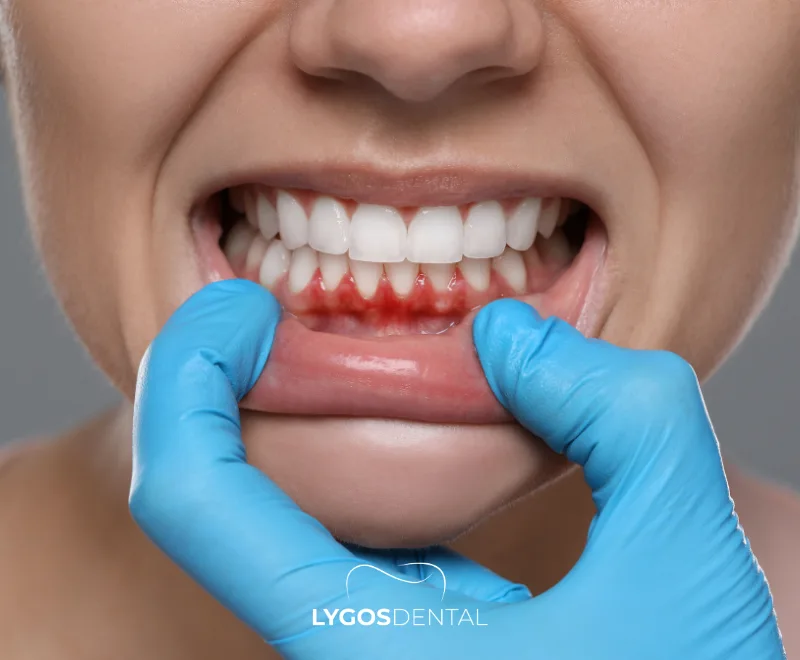
A professional tartar clean (often called scaling and polishing) removes hardened plaque from the tooth surface and around the gum line. When that buildup is gone, teeth and gums can feel “exposed” for a short time. Sensitivity is more noticeable if there was heavy tartar, bleeding gums, or existing recession.
- Gum Tightening After Inflammation: If your gums were swollen from inflammation, they can shrink back to a healthier position after cleaning. That can reveal more of the tooth near the gum line and make cold or brushing feel sharper for a few days.
- Exposed Dentin Near The Gum Line: The root surface and the dentin underneath enamel have tiny channels that transmit temperature changes. If these areas are already exposed, a cleaning can make the sensitivity more noticeable.
- Tartar Was Masking An Irritated Area: Tartar does not protect teeth, but it can cover up sensitive spots. Once removed, you may suddenly notice stimulation from air, water, or certain foods.
- Ultrasonic And Hand Instruments: Cleaning tools can cause temporary vibration and pressure on the tooth surface. This is normal and should not damage enamel when performed correctly.
- Underlying Problems Becoming Obvious: A small cavity, a worn filling edge, or a hairline crack can show up as sensitivity after a cleaning. This is less common, but it’s a reason to get checked if one tooth hurts more than the others.
Is Tingling Or Gum Soreness Normal?
Yes. Mild gum tenderness, a tingling feeling, or slight bleeding when you brush can happen after a thorough clean. Your gums may have been inflamed before the appointment, and they can feel tender as they settle down. Most people notice improvement within the first couple of days.
How Long Does Sensitivity Last?
For most patients, sensitivity fades within 24–72 hours. It can last up to a week if there was heavy tartar, significant inflammation, or a deep clean below the gum line. If discomfort is getting worse, or you still have sharp pain after a week, it’s worth contacting your dentist.
What To Avoid Right After Your Cleaning

The first day or two are when teeth are most reactive. A few small adjustments can make a big difference.
- Very hot or very cold foods and drinks
- Acidic drinks (soda, citrus juices, sports drinks) that can irritate exposed areas
- Hard, crunchy, or sticky foods if your gums feel sore
- Aggressive brushing or a hard-bristled toothbrush
- Whitening products for a few days if you feel sensitivity
- Smoking and excess alcohol, which can slow gum healing
Ways To Reduce Sensitivity At Home
If your symptoms are mild, home care is usually enough. The goal is to protect the tooth surface, keep gums calm, and avoid triggers while your mouth recovers.
- Switch To A Sensitivity Toothpaste: Look for formulas made for sensitive teeth and use them consistently for at least 1–2 weeks.
- Brush Gently With A Soft Brush: Use light pressure and small circles along the gum line. Over-brushing can keep the area irritated.
- Rinse With Warm Salt Water: Mix salt into warm water and rinse for 20–30 seconds, a few times a day, especially if gums feel tender.
- Choose Softer, Lukewarm Foods: Soups, yogurt, eggs, and softer meals can reduce irritation while your gums settle.
Ask About Fluoride Or Desensitizing Treatments: If sensitivity is frequent, your dentist can apply fluoride varnish or a desensitizing agent for extra protection.
When To Call Your Dentist
Contact your clinic if you notice any of the following, as they may point to something beyond normal post-cleaning sensitivity:
- Severe or throbbing pain that doesn’t improve
- Pain that lasts longer than one week
- Swelling, pus, fever, or a bad taste that suggests infection
- Sensitivity focused in one tooth, especially when biting
- A chipped filling, loose crown, or visible crack
Does Tartar Cleaning Damage Enamel?
No. When scaling is performed correctly, it removes tartar and plaque without harming enamel. The tools are designed to target calculus deposits, and enamel is far harder than the buildup being removed. Feeling sensitive after your appointment usually reflects temporary exposure and gum healing, not tooth damage.
Book An Appointment Or Ask A Dentist
If you have ongoing sensitivity, gum bleeding, or you simply want a check-up, it helps to speak with a dentist. You can reach out to learn more about cosmetic dentistry, dental crowns, dental implants, and general dentistry services.
FAQ
How long does tooth sensitivity last after tartar removal?
Typically 1–3 days; deep cleanings can cause sensitivity up to two weeks.
Can tartar buildup cause tooth sensitivity?
Yes; tartar can inflame gums and expose roots, triggering sensitivity.
Why do my teeth feel strange after tartar removal?
It’s from exposed tooth surfaces, gum inflammation reduction, and altered bite sensation.
Is it normal to feel sensitivity after a dental cleaning?
Yes; mild, temporary sensitivity after cleaning is common, especially with gum recession.
Is Dental X-Ray Harmful During Pregnancy? | LYGOS DENTAL
Is Dental X-Ray Harmful During Pregnancy?
Dental X-rays are generally considered safe during pregnancy when they’re clinically necessary. The beam is focused on the mouth, fetal exposure is extremely low, and your dental team uses modern equipment and strict radiation-safety steps. If an X-ray is needed to diagnose pain, infection, or trauma, delaying it can be riskier.
Table of Contents
Are Dental X-Rays Safe During Pregnancy?

Most routine dental care, including radiographs, can be done during pregnancy when it supports diagnosis and treatment. Professional guidance from the American Dental Association (ADA) and the American College of Obstetricians and Gynecologists (ACOG) recognizes that needed dental imaging and treatment should not be postponed if it could worsen the problem.
Modern dental X-ray systems use very small doses of radiation and a tightly collimated beam aimed at the teeth and jaws. Your dentist should only take images that are expected to change care, following the ‘as low as reasonably achievable’ approach.
When An X-Ray Is Actually Worth It
Dentists typically order X-rays when symptoms or clinical findings suggest a problem that can’t be confirmed by sight alone. Common examples include severe toothache, suspected abscess, cracked tooth, advanced gum disease, trauma, or planning for urgent treatment such as a root canal or extraction. In these cases, the benefit of finding the source of infection or pain usually outweighs the minimal radiation exposure.
Does Radiation Reach The Baby?
A dental X-ray targets the mouth area, so the uterus is not in the path of the beam. Research measuring fetal dose from different dental imaging types shows exposure is extremely low, typically in the microgray range even without shielding. That level is far below doses associated with fetal harm in medical imaging guidance.
Which Trimester Is Best For Dental X-Rays?
If imaging is elective and can safely wait, many clinicians prefer the second trimester because nausea is often improved and lying back is more comfortable. That said, urgent dental diagnosis and treatment can be provided at any point in pregnancy when needed. The priority is treating infection and significant pain promptly rather than waiting for a “perfect” trimester.
Precautions Dentists Use For Pregnant Patients
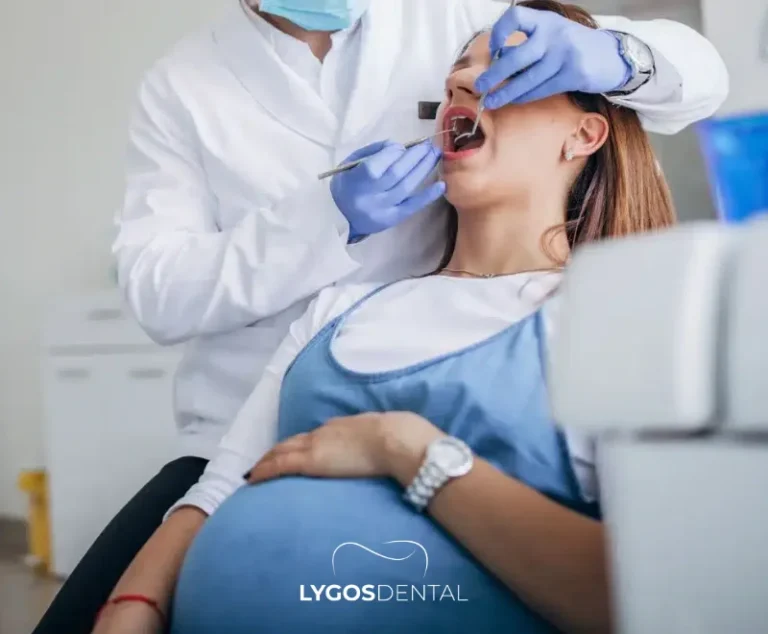
Dental teams reduce exposure by using digital sensors, fast settings, and limiting images to what’s necessary for care. They also position you carefully and focus the beam on the smallest area needed. Some clinics may offer abdominal and thyroid shielding, although the ADA has updated recommendations indicating routine lead shielding is no longer needed for dental radiography; local regulations and office policies may still require or provide it.
If you’re anxious, tell your dentist. Many practices will still use a lead apron for reassurance when it doesn’t interfere with the image, and they can explain exactly why the X-ray is being recommended.
Are There Alternatives To Dental X-Rays?
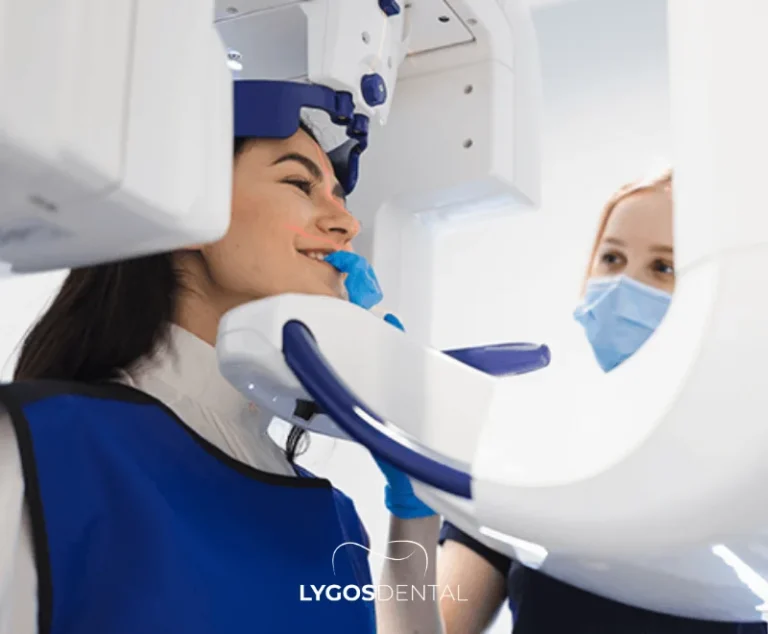
Sometimes a careful exam, periodontal measurements, bite tests, photographs, or previous radiographs are enough to make a safe plan. Still, hidden decay between teeth, root infections, cysts, and bone changes often can’t be confirmed without imaging. Skipping an X-ray when it’s needed can delay treatment and allow infection to progress.
Questions To Ask Your Dentist
- What problem are we trying to confirm or rule out with this X-ray?
- Will the result change my treatment plan today?
- How many images do you need, and what type (bitewing, periapical, panoramic, CBCT)?
- What steps are you taking to keep radiation exposure as low as possible?
- If I prefer shielding, can it be used without affecting image quality?
FAQ
Dental X-rays during the first trimester of pregnancy
Needed dental X-rays are safe with shielding; postpone elective films until later.
Guidelines for dental X-rays during pregnancy
Follow ALARA: take only necessary images, use digital, lead apron, thyroid collar.
Side effects of X-rays during pregnancy
No direct side effects expected; fetal radiation from dental X-rays is extremely low.
Dental X-rays during the third trimester of pregnancy
Dental X-rays remain safe if needed; focus on shielding and comfortable positioning.
All About Invisible Braces | LYGOS DENTAL
All About Invisible Braces
Invisible braces are discreet orthodontic options that straighten teeth with clear aligners or less-visible brace systems. They can correct many mild to moderate alignment issues while keeping treatment subtle. The right option depends on your bite, lifestyle, and how complex the tooth movement is, so an orthodontic evaluation is essential.
Table of Contents
What Are Invisible Braces?
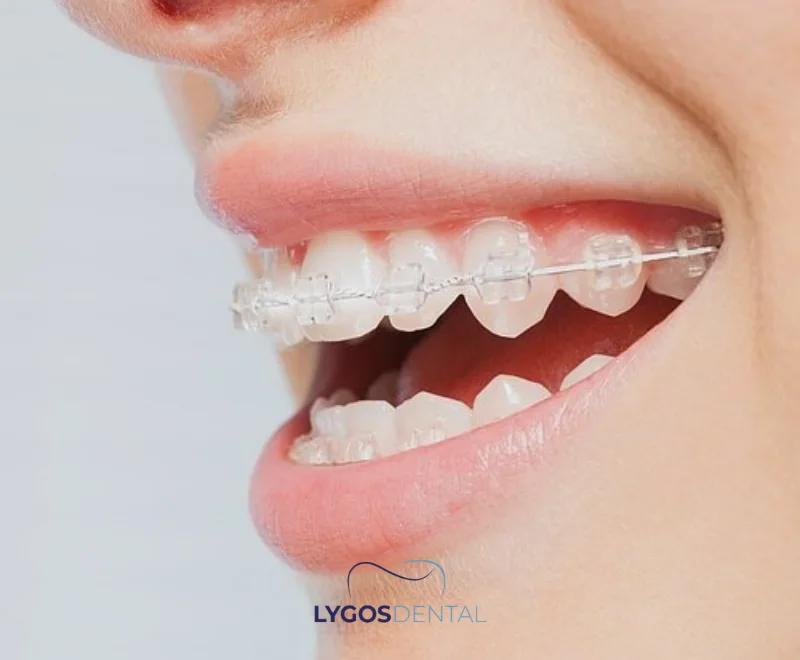
Invisible braces are orthodontic appliances designed to move teeth while remaining hard to notice in everyday life. Instead of visible metal brackets, they use clear, tooth‑colored, or behind-the-teeth systems. They’re popular with adults and teens who want a straighter smile without drawing attention to their treatment.
Types Of Invisible Braces
Clear Aligners (Invisalign And Similar Systems)
Clear aligners are custom, removable trays made to fit over your teeth. You switch to a new set on a schedule set by your orthodontist, gradually guiding teeth into place. Because they’re removable, many people find it easier to eat and clean their teeth during treatment.
Lingual Braces
Lingual braces work like traditional braces, but the brackets and wires are attached to the inner side of the teeth. That placement keeps them out of view when you smile. They can take time to get used to and may require extra attention when cleaning.
Ceramic Braces
Ceramic braces use brackets made from tooth‑colored or clear materials. They’re more discreet than metal braces while offering similar control for many cases. They’re not fully invisible, and some people need to be careful about staining around brackets with certain foods and drinks.
Pros And Cons Of Invisible Braces
Advantages
- More discreet appearance during treatment.
- Clear aligners are removable for eating, brushing, and flossing.
- Often smoother on the cheeks and lips than metal brackets (depending on the option).
- Fits professional and social settings where you may prefer a subtle look.
Disadvantages
- Can cost more than standard metal braces, depending on the system and case complexity.
- Clear aligners require consistent wear (typically most of the day) to stay on track.
- Not every bite or complex movement is best treated with aligners alone.
- Some options may involve an adjustment period for speech or comfort, especially lingual braces.
Who Is A Good Candidate?
Invisible braces can be a strong choice for many mild to moderate orthodontic concerns. The best fit depends on your bite, gum health, and the exact tooth movements needed.
Often Suitable For
- Mild to moderate crowding or spacing.
- Relapse after previous orthodontic treatment.
- Cosmetic alignment concerns when you want a discreet option.
- Adults who prefer a less noticeable treatment approach.
May Not Be Ideal For
- Severe bite problems that require major jaw or bite correction.
- Cases needing complex tooth movements without consistent patient compliance.
- Patients who are unlikely to follow aligner wear and care guidelines.
What To Expect During Treatment
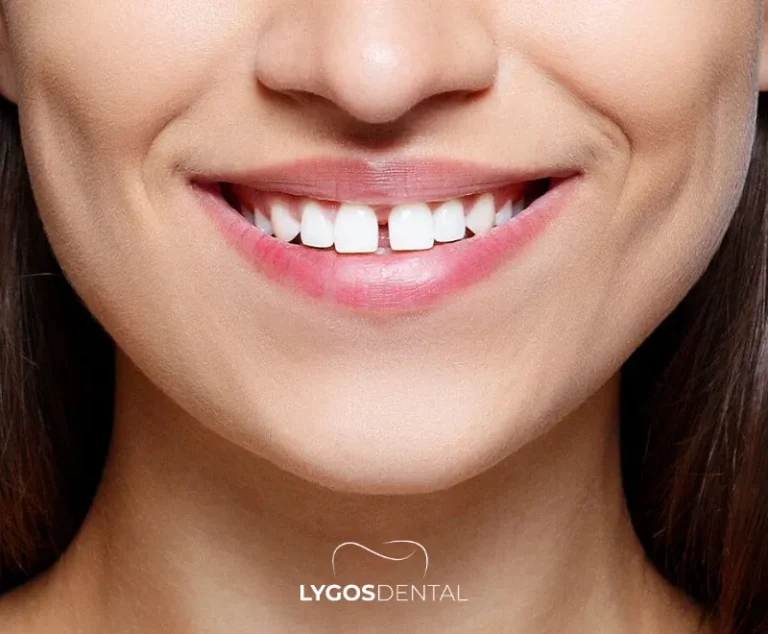
1. Initial Consultation And Planning
Your orthodontist examines your teeth and bite, then uses X‑rays, photos, and measurements to map out a treatment plan.
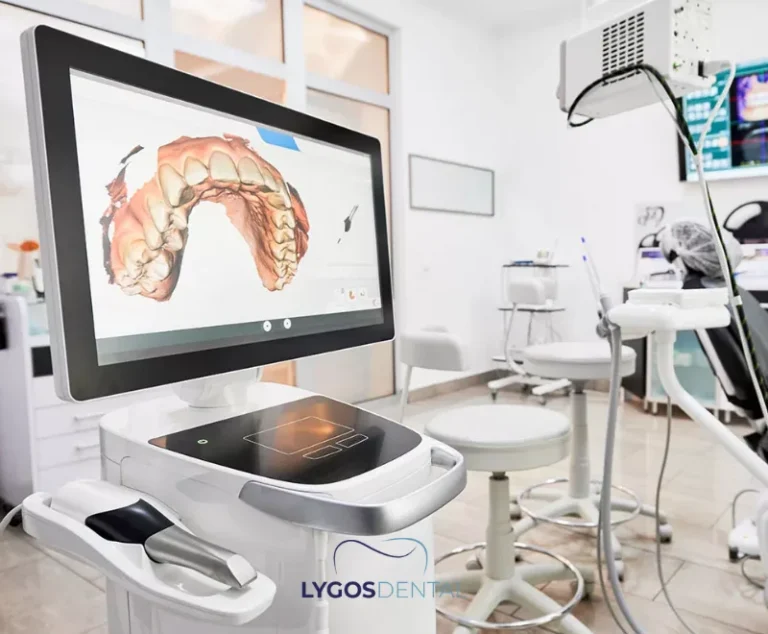
2. Digital Scanning And Appliance Design
For aligners, a digital scan helps design a step‑by‑step series of trays. For lingual or ceramic braces, brackets and wires are planned and customized as needed.
3. Starting Treatment
Aligners are delivered with wear instructions, or braces are fitted in the clinic. You’ll receive guidance on cleaning and what to expect in the first week.
4. Regular Check‑Ups
Appointments track progress and allow refinements. Aligners may be adjusted with attachments, and braces may be tightened or tuned as teeth shift.
5. Finishing And Retention
After active movement, a retainer is used to maintain results and prevent teeth from drifting back.
Treatment time varies by person and method. Many cases fall within roughly 12–24 months, but shorter or longer plans are possible.
Cost Of Invisible Braces In Turkey
Costs vary widely based on the type of system, the complexity of tooth movement, the orthodontist’s experience, and the clinic’s location. As a general trend, ceramic braces often sit closer to standard braces, clear aligners range from moderate to higher costs, and lingual braces are commonly among the most expensive.
For an accurate quote, you’ll need an exam and treatment plan. Many clinics offer installment options, but terms differ by provider.
Care Tips For The Best Result
- If you’re using aligners, wear them exactly as instructed and only remove them for meals and drinks other than water.
- Brush and floss after eating before reinserting aligners to help prevent staining and decay.
- Keep check‑ups on schedule so your orthodontist can fine‑tune movement early.
- Use a retainer as advised after treatment to protect your result.
FAQ
Do invisible braces really work?
Yes, clear aligners work well when worn 20–22 hours daily.
Can we eat with invisible braces?
Yes, but remove them to eat and drink anything except water.
Are invisible braces painful?
Usually mild; pressure and tenderness peak for a few days after new aligners.
Which is better, braces or invisible braces?
Braces handle complex corrections better; invisible braces suit mild-moderate cases and discretion.
Things to Consider During Orthodontic Treatment | LYGOS DENTAL
Things to Consider During Orthodontic Treatment
Orthodontic treatment works best when daily habits match your orthodontist’s plan. Keep braces or aligners clean, protect them from hard and sticky foods, attend scheduled adjustments, and wear retainers exactly as prescribed. Consistent hygiene and follow-ups help prevent cavities, breakages, and avoidable delays.
Orthodontic treatment can improve more than appearance. By correcting crowding, spacing, and bite problems, it also supports easier cleaning, healthier gums, and more balanced chewing.
Whether you choose braces or clear aligners, the small choices you make each day affect comfort and the speed of progress. The guidance below covers the habits that most often keep treatment on track.
Table of Contents
What Is Orthodontic Treatment?
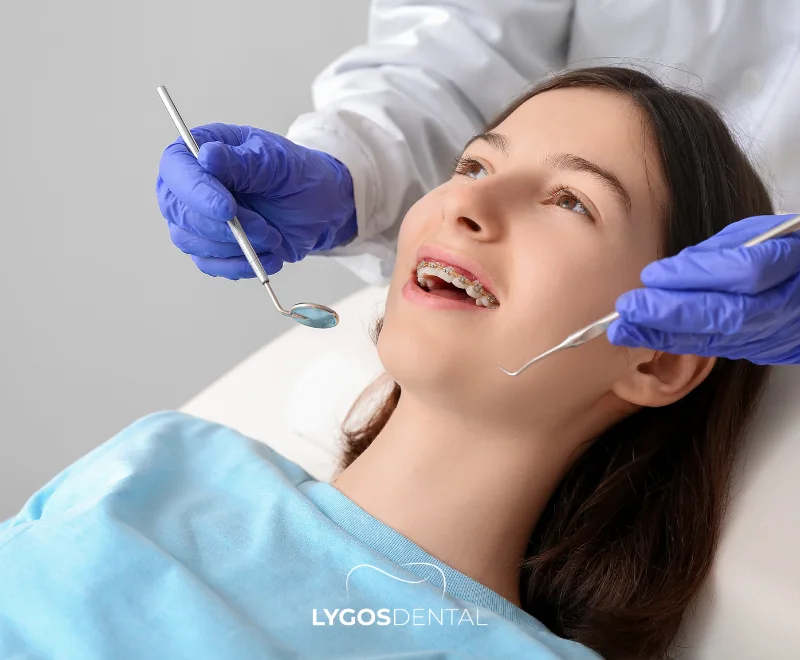
Orthodontics is a branch of dentistry focused on aligning teeth and guiding jaw relationships so the bite functions properly.
It can help with crowding, gaps, protruding teeth, crossbites, overbites, underbites, and other alignment concerns identified during an exam.
Common Treatment Options
Fixed braces (metal or ceramic) move teeth with brackets and wires that are adjusted at follow-up visits.
Clear aligners use a series of removable trays and can be a good fit for many mild to moderate cases, especially when aesthetics and removability matter.
Your orthodontist recommends the right option based on tooth movement needs, bite goals, and your lifestyle.
How Does The Orthodontic Treatment Process Work?
Most treatment plans follow the same stages, even though the details are customized.
- Consultation and diagnosis (exam, photos, and X-rays as needed).
- Treatment plan and appliance selection (braces or aligners).
- Placement or delivery of appliances and at-home instructions.
- Regular follow-ups for adjustments and progress checks.
- Finishing phase once alignment and bite goals are reached.
- Retention with a retainer to help prevent relapse.
Many cases take about 12 to 36 months, but timelines vary. Broken appliances, missed visits, and poor cleaning are common reasons treatment runs longer than expected.
Things To Do Before Starting Treatment
A smooth start usually comes down to preparation. Addressing existing dental issues and setting routines early can prevent setbacks later.
- Treat cavities and gum problems before appliances are placed.
- Build a consistent brushing and flossing routine (you will need it even more with braces).
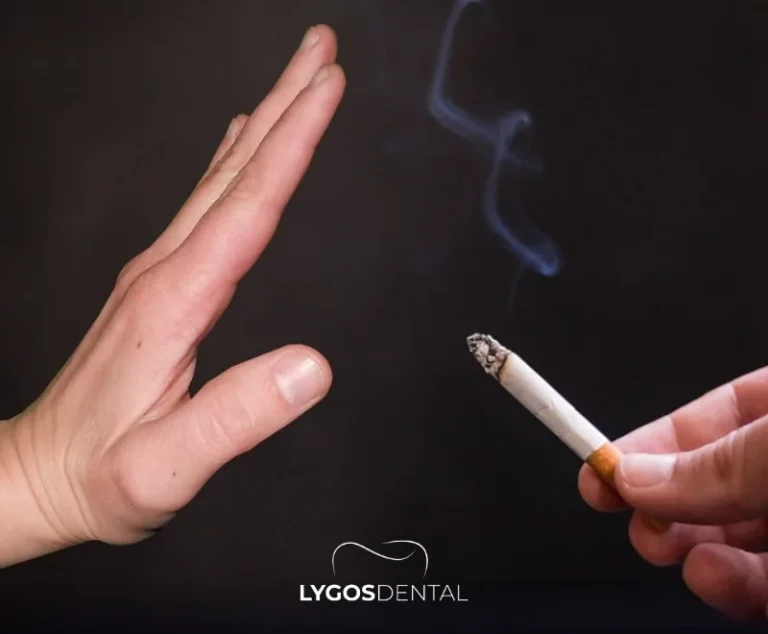
- If you smoke, ask your dentist for help quitting or cutting down—tobacco can slow healing and irritate gums.
- For children, explain what to expect and plan simple meals for the first few days.
Rules To Follow During Orthodontic Treatment
Good results come from teamwork between you and your orthodontic team. These practical habits protect your teeth and your appliance.
- Clean thoroughly every day. Use an orthodontic toothbrush, interdental brushes, and floss threaders or a water flosser.
- Keep your appointments. Adjustments and tray changes are timed for safe, efficient movement.
- Avoid habits that damage appliances, such as chewing ice, pens, or fingernails.
- Contact your clinic if a bracket breaks, a wire is poking, or an aligner does not fit properly.
- Expect some pressure after adjustments or a new aligner set. Use orthodontic wax for irritation and stick to softer foods for a day or two.
What To Eat During Orthodontic Treatment

Food choices can make treatment more comfortable and reduce emergency visits for broken brackets or bent wires.
If you wear clear aligners, remove trays before eating and rinse your mouth before putting them back in to reduce staining and odor.
Foods That Usually Work Well
- Soups, yogurt, and other soft meals
- Eggs, fish, and tender chicken
- Cooked vegetables
- Fruit cut into bite-sized pieces
- Milk, cheese, and other dairy (helpful for calcium intake)
Foods That Commonly Cause Problems
- Hard nuts and shelled snacks
- Popcorn and hard crusty bread
- Chewy or sticky sweets (gum, toffee, caramel)
- Ice and hard candy
- Sugary and acidic drinks that can weaken enamel, including many sodas
If you do have something crunchy, cut it into small pieces and chew with your back teeth. When in doubt, choose softer options—especially in the first week after braces are placed or adjusted.
Retention: Keeping Your New Smile Stable
Teeth can drift after active treatment ends. Retainers hold the result while the gums and bone adapt.
Follow your orthodontist’s wear schedule closely and bring your retainer to checkups so fit and condition can be reviewed.
Get Information Now
Contact us to learn more about Cosmetic Dentistry, Dental Crowns, Dental Implants, and General Dentistry. We can help you book an appointment and answer questions about your treatment options.
FAQ
How do you care for braces at home?
Brush after meals, floss daily, avoid sticky/hard foods, and wear elastics as directed.
What happens at your second braces appointment?
Orthodontist checks progress, adjusts wires, replaces elastics, and answers comfort or hygiene questions.
How long after your first orthodontist appointment will braces be fitted?
Typically 1–4 weeks after records are taken; sometimes the same day.
How can braces pain be relieved?
Take approved pain relievers, eat soft foods, use orthodontic wax, and rinse warm saltwater.
How Long Do Veneers Last? | LYGOS DENTAL
How Long Do Veneers Last?
Most veneers last for years, not months. Porcelain veneers typically hold up for about 10–15 years, while composite veneers usually last around 5–7 years. Good bonding, daily brushing and flossing, a bite that isn’t overly heavy, and regular dental visits can extend those averages.
Table of Contents
What Veneers Are And Why People Choose Them
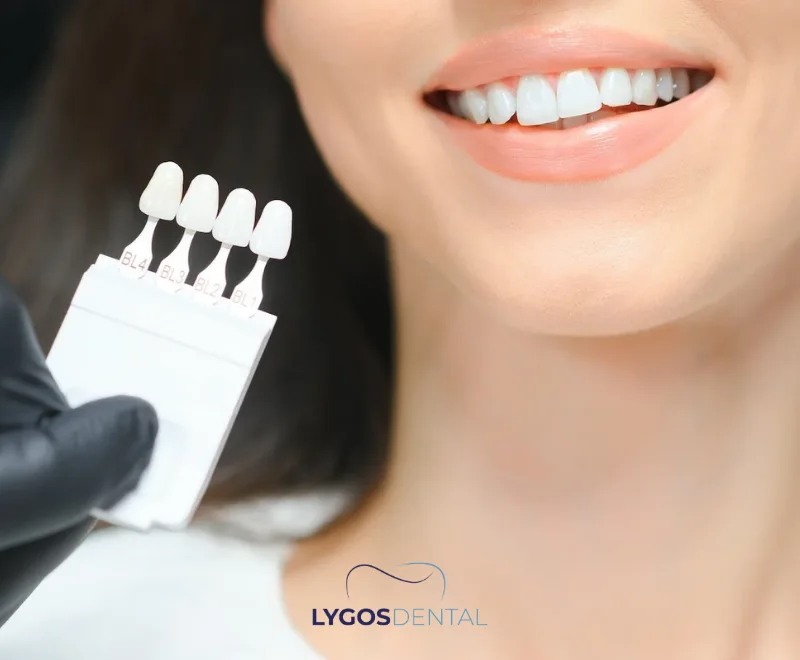
A veneer is a thin facing bonded to the front of a tooth to improve its color, shape, size, or overall symmetry. Dentists most often use porcelain (ceramic) or composite resin to create veneers, depending on the look you want and how long you expect the result to last.
Veneers are commonly chosen for cosmetic concerns such as stains that don’t respond well to whitening, small chips, gaps, mild crowding, or uneven tooth edges. In some cases, they can also help protect a worn or slightly fractured tooth surface.
- Aesthetic benefits: A brighter, more even-looking smile with natural light reflection.
- Functional benefits: A protective covering for minor chips, cracks, or worn enamel.
- Time to results: A faster cosmetic option than orthodontics for certain mild alignment concerns.
Average Lifespan Of Veneers
Veneer longevity varies based on the material, the quality of the fit and bonding, and day-to-day habits like diet and teeth grinding. The ranges below reflect typical expectations rather than a guarantee.
| Veneer Type | Typical Lifespan | Notes |
| Porcelain (Ceramic) | 10–15 years | Strong, stain-resistant, and highly lifelike. |
| Composite (Resin) | 5–7 years | More affordable and quick to apply, but wears and stains more easily. |
Some people keep well-made porcelain veneers for longer than 15 years, especially when bite forces are controlled and routine dental care is consistent. If you grind or clench your teeth, using a night guard can make a major difference.
Porcelain Vs Composite Veneers: What Lasts Longer?
Porcelain Veneers
Porcelain veneers are typically the most durable option. The material resists staining from coffee, tea, and many foods, and it keeps its surface gloss well. When the margins are clean and gums stay healthy, porcelain veneers can maintain a natural look for many years.
Composite Veneers
Composite veneers are made from tooth-colored resin, often sculpted directly on the tooth. They’re usually less expensive and can often be completed faster, but the surface can pick up stains and wear down sooner. The upside is that small chips can sometimes be repaired without replacing the entire veneer.
What Affects Veneer Lifespan?

Veneers don’t fail for one single reason. Durability is usually a mix of how the veneer was designed and bonded, your bite forces, and how well the teeth and gums are cared for over time.
- Fit and bonding quality: Precise shaping, clean margins, and strong adhesive bonding reduce the risk of debonding.
- Oral hygiene: Brushing twice daily and flossing helps prevent decay at the veneer edges and gum inflammation.
- Bite forces and bruxism: Grinding or clenching can chip veneers or stress the bonding; a night guard helps.
- Diet choices: Frequent hard foods (ice, nuts, hard candies) and acidic drinks can shorten lifespan.
- Smoking and frequent staining drinks: Porcelain resists stains, but composite and bonding edges can discolor.
- Regular dental visits: Professional cleanings and early repairs can prevent small issues from becoming replacements.
Habits That Shorten Veneer Lifespan
- Biting hard objects such as pens, nails, or ice.
- Using your teeth to open packaging or tear tape.
- Skipping a night guard if you grind or clench at night.
- Using abrasive whitening toothpaste that can dull composite resin.
- Letting small chips or rough edges go unchecked for months
Signs A Veneer May Need Repair Or Replacement
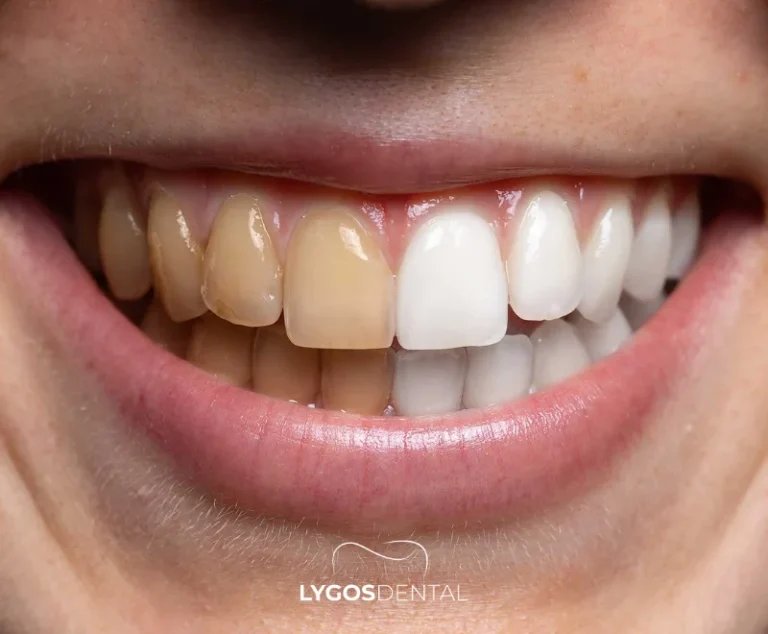
A veneer doesn’t have to fall off to be due for attention. If you notice any of the signs below, a dentist can check whether a polish, repair, rebonding, or replacement is the best option.
- Visible cracks, chips, or rough edges.
- A change in color, especially a dark line near the gumline.
- Looseness, movement, or a “high” feeling when you bite down.
- Gum recession that exposes the veneer margin or changes the look of the smile.
- New sensitivity or discomfort when chewing.
How To Make Veneers Last Longer
- Brush with a soft-bristled toothbrush and a non-abrasive fluoride toothpaste.
- Floss daily and consider interdental brushes if you have wider spaces.
- Wear a night guard if you grind or clench.
- Choose bite-friendly foods and cut very hard items into smaller pieces.
- Keep up with routine cleanings so your dentist can monitor the edges and your gums.
Request An Appointment
If you’re considering veneers or you have existing veneers that feel different, a clinical exam is the fastest way to get a realistic estimate of lifespan and next steps. You can use the form below to ask about cosmetic dentistry, dental crowns, implants, or general dentistry services.
FAQ
What are the disadvantages of veneers?
Irreversible enamel removal, possible sensitivity, chipping, gum irritation, color mismatch, and replacement costs.
What happens to veneers after 10 years?
Many remain intact; some chip, debond, or show margin staining and need replacement.
What is the 4-8-10 rule for veneers?
It means placing 4, 8, or 10 upper veneers depending on smile display.
How much do veneers typically cost?
Typically $900–$2,500 per tooth for porcelain veneers, excluding exams and add-on treatments.
What should I know before getting veneers?
Expect irreversible enamel reduction, maintenance, possible sensitivity, and future replacements; address grinding first.
How to Clean Lingual Braces? | LYGOS DENTAL
How to Clean Lingual Braces?
Clean lingual braces by brushing carefully around the brackets after meals, using a soft orthodontic toothbrush and a small interdental brush for tight spots. Floss daily with super floss or a floss threader, finish with a fluoride rinse, and keep regular orthodontic and hygiene visits to prevent plaque build-up behind the teeth.
Table of Contents
What Are Lingual Braces?
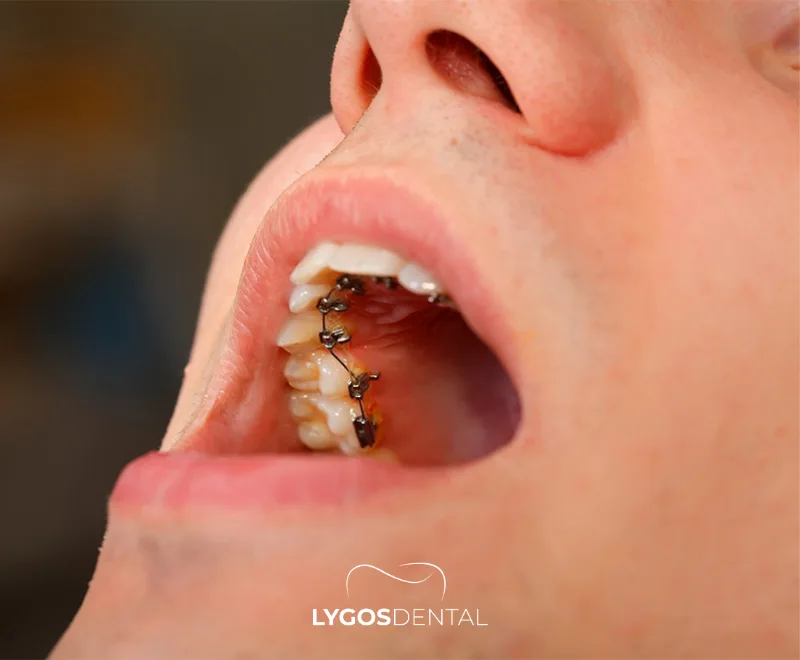
Lingual braces use brackets and wires attached to the back (tongue-side) surface of the teeth. Because they sit behind your smile, they’re a popular option for people who want a discreet orthodontic treatment.
The trade-off is access. Food and plaque can collect around the hardware in areas that are harder to see and reach, so cleaning needs a more precise routine than front-facing braces.
Why Cleaning Lingual Braces Matters
When plaque stays trapped around lingual brackets, it can irritate the gums and increase the risk of decay. Since these areas are out of sight, build-up can go unnoticed until you feel sensitivity, swelling, or persistent bad breath.
- Higher risk of cavities (especially near the gumline)
- Gum inflammation and bleeding
- Bad breath caused by trapped food debris
- White spot marks from early enamel damage
- Treatment delays if hygiene problems develop
Daily Cleaning Routine For Lingual Braces
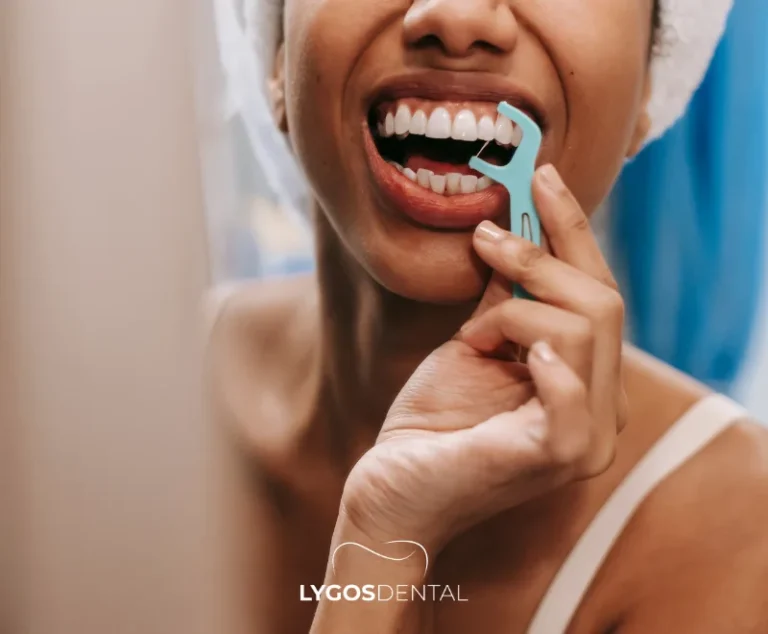
Aim to clean after main meals and before bed. If you can’t brush straight away, rinse with water and brush as soon as you can.
1) Brush With The Right Technique
Use a soft-bristled orthodontic toothbrush or a small-headed brush that can reach behind the teeth. Angle the bristles toward the gumline and the brackets, then use short, controlled strokes. Spend extra time on the back surfaces where the brackets sit.
2) Use An Interdental Brush
Interdental brushes help remove food particles and plaque between brackets and around the wire where a standard brush struggles. Choose a size that slides in gently without forcing it.
- After meals: quick pass around brackets and under the wire
- Use light back-and-forth movements (avoid bending the wire)
- Rinse the brush often and replace it when it frays
3) Floss Daily (Super Floss Or Floss Threader)
Flossing is still essential with lingual braces. Super floss (with a stiff end) or a floss threader helps you guide floss under the wire. Work gently between teeth, hugging each tooth in a “C” shape to clean along the sides.
4) Finish With Fluoride
Fluoride toothpaste is your main protection against enamel weakening around brackets. A fluoride mouth rinse can help reach areas you miss, but it should support brushing and flossing—not replace them.
Optional: Water Flosser
A water flosser can be a helpful add-on for flushing out debris, especially after meals. It’s most effective when used alongside brushing and regular flossing.
Foods And Habits That Make Cleaning Harder
Some foods cling to the back of the teeth and the brackets, making plaque control harder. If you do have these foods, rinse with water right after eating and clean as soon as possible.
- Sticky sweets (toffee, caramel, chewing gum)
- Hard or crunchy foods that can damage brackets (nuts, hard candies, ice)
- Sugary drinks and frequent snacking (feeds plaque bacteria)
- Highly acidic drinks (can weaken enamel when combined with plaque)
Common Cleaning Mistakes To Avoid
- Using a hard toothbrush that irritates gums
- Brushing too quickly and missing the gumline and bracket edges
- Relying on mouthwash alone without brushing and flossing
- Skipping interdental cleaning because it feels fiddly at first
Consistency matters more than force. Gentle, thorough cleaning done every day protects your gums and helps treatment stay on track.
Professional Cleaning And Regular Check-Ups
Home care can’t remove hardened tartar, and lingual braces create extra places for build-up. Regular orthodontic appointments allow your provider to check hygiene, monitor gum health, and make adjustments safely.
Many orthodontic plans include reviews every few weeks, and professional cleanings with a dental hygienist are often recommended during treatment. Your dentist or orthodontist can suggest the right interval for you based on your plaque levels and gum response.
When To Call Your Orthodontist Or Dentist
Get advice sooner rather than later if you notice any of the following:
- Gums that bleed heavily or stay swollen for more than a few days
- Persistent bad breath despite cleaning
- White spots or chalky patches on teeth
- A loose bracket, poking wire, or pain that doesn’t settle
Book An Appointment
If you want personalised cleaning tips or a professional hygiene visit during lingual brace treatment, contact our clinic to schedule an appointment. We can also help with cosmetic dentistry, crowns, implants, and general dental care.
FAQ
How should lingual braces be cleaned properly?
Brush after meals with an orthodontic brush, use interdental brushes, and floss-threaders daily.
What is the final stage of braces?
The final stage is finishing and detailing, followed by debonding and retention.
Why do teeth become discolored after braces are removed?
Plaque trapped around brackets causes white-spot lesions or staining after removal.
What should I avoid eating while wearing lingual braces?
Avoid hard, sticky, and chewy foods like nuts, caramel, gum, and crusty bread.
How often should braces be cleaned?
Clean braces after every meal and snack, plus before bedtime.