
How To Fix Bad Breath Permanently
How To Fix Bad Breath Permanently
Bad breath usually comes from bacteria in the mouth, a coated tongue, dry mouth, diet, or gum disease. For lasting results, brush twice daily with fluoride toothpaste, clean your tongue, clean between teeth every day, drink water regularly, and get routine dental checkups. If odor continues after improving habits, ask a dentist or doctor to look for an underlying cause.

Table of Contents
Why Bad Breath Happens
Most persistent bad breath is linked to oral bacteria. These bacteria break down food particles and proteins, releasing odor-causing compounds. The good news is that the cause is often identifiable—and fixable—once you know where to look.
- Poor oral hygiene: Plaque and trapped food feed bacteria, especially between teeth and along the gumline.
- A coated tongue: The tongue’s surface can hold bacteria and debris, creating a strong odor even when teeth look clean.
- Dry mouth (xerostomia): Saliva helps wash away bacteria. Dehydration, mouth breathing, and some medicines can reduce saliva.
- Diet: Garlic, onions, sugary snacks, and high-protein or very low-carb eating patterns can affect breath.
- Smoking and tobacco: Tobacco dries the mouth, irritates gums, and leaves a lingering smell.
- Gum disease or tooth decay: Infection and deep gum pockets can produce ongoing odor.
- Medical causes: Sinus issues, reflux, and uncontrolled diabetes are examples that may need medical care.
How To Tell If You Have Bad Breath
It’s hard to judge your own breath because you quickly get used to smells. These quick checks can help you confirm whether halitosis is an issue.
- Ask someone you trust: A straightforward check is often the most accurate.
- Wrist test: Lick the back of your wrist, let it dry, then smell it.
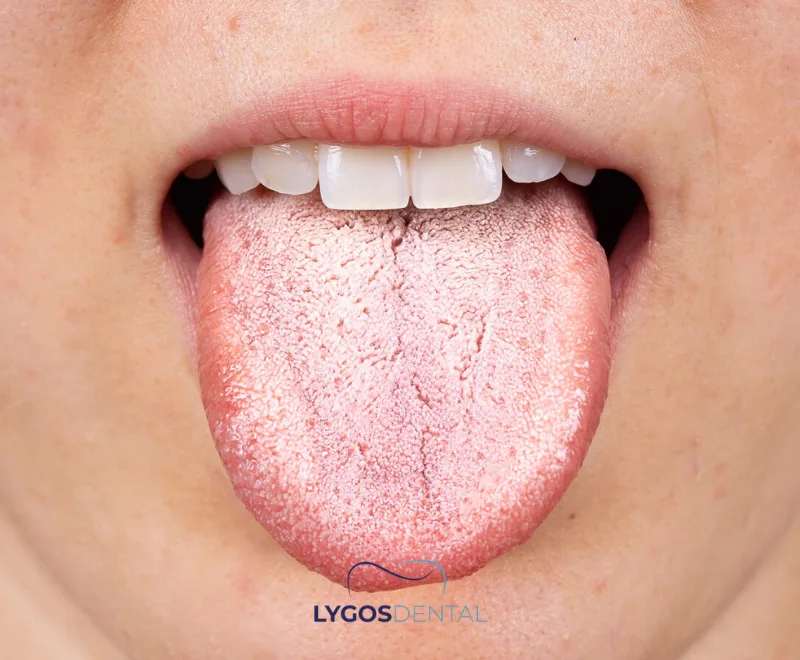
- Look at your tongue: A thick white or yellow coating can be a clue that bacteria are building up.
- Smell your floss: After cleaning between your teeth, sniff the floss to see if odor is coming from trapped debris.
- Notice dryness: If breath worsens after long periods without water (or after waking), dry mouth may be involved.

Daily Routine That Keeps Breath Fresh
Consistency matters more than special products. Build a routine that reduces bacteria, boosts saliva, and addresses the spots a toothbrush can miss.
Morning
- Brush for two minutes: Use fluoride toothpaste and angle the brush toward the gumline.
- Clean your tongue: Use a tongue scraper or a soft brush to remove coating from back to front.
- Rinse if needed: An alcohol-free mouthwash can help short-term, but it doesn’t replace brushing and flossing.
After Meals
- Drink water: A few sips help wash away food and keep saliva flowing.
- Chew sugar-free gum: It can stimulate saliva when brushing isn’t possible.
- Be careful with “quick fixes”: Mints mask odor, but they don’t remove the source.
Night
- Clean between teeth daily: Floss or use interdental brushes to remove plaque where odor often starts.
- Brush again before bed: Nighttime dryness makes bacteria more active, so bedtime cleaning is key.
- Keep dental appliances clean: If you wear retainers, aligners, or dentures, clean them as directed and let them dry overnight.
Two extra habits help long-term: replace your toothbrush every 3–4 months (or sooner if bristles flare), and keep up with routine dental cleanings.
Foods That Help With Fresh Breath
Food can’t replace oral hygiene, but certain choices support saliva and reduce odor-causing bacteria.
- Crunchy fruits and vegetables: Apples, carrots, and celery increase saliva and help remove debris.
- Plain yogurt: Some evidence suggests it can lower odor compounds for some people.
- Green tea: Contains compounds that may reduce odor-causing bacteria.
- Fresh herbs: Parsley and mint can freshen breath, especially after meals.
- Water: The simplest way to reduce dry mouth-related odor.
Foods And Habits That Make Breath Worse
If you’re working on long-term improvement, watch for common triggers and patterns—especially on days when breath seems worse than usual.
- Onions and garlic: Their sulfur compounds can linger for hours.
- Sugary snacks and drinks: Sugar feeds bacteria and can increase plaque buildup.
- Coffee and alcohol: Both can dry the mouth, which makes odor worse.
- Smoking or vaping: Leaves odor behind and increases gum disease risk.
- Skipping meals: A dry mouth and “empty stomach” breath can build up when you don’t eat or drink regularly.
When To See A Dentist Or Doctor
If you’ve improved your routine for a couple of weeks and breath still doesn’t improve, get checked. A dentist can rule out gum disease, cavities, dry mouth, and appliance-related issues. If your mouth is healthy, you may be referred to a medical provider for other causes.
- Bleeding gums, gum swelling, or loose teeth: These can point to gum disease and need dental treatment.
- Ongoing dry mouth: A dentist or doctor can review medicines and suggest saliva-supporting options.
- Sinus symptoms or chronic post-nasal drip: Respiratory infections and sinus problems can affect breath.
- Frequent heartburn: Reflux can contribute to persistent odor.
- A fruity, sweet breath smell with other symptoms: This can be linked to poorly controlled diabetes and needs urgent medical advice.
Book An Appointment
If you suspect gum disease, tooth decay, or dry mouth, a dental exam is the fastest way to find the cause and build a plan that works. Contact your dental clinic to schedule a checkup or cleaning, especially if your breath problem has lasted more than a few weeks.
How To Fix Bad Breath Permanently: Frequently Asked Questions
Is it possible to completely get rid of bad breath?
Yes, if underlying cause is diagnosed and treated and oral hygiene maintained.
How do I clean my gut for bad breath?
You can’t “clean” your gut; treat reflux, constipation, and diet issues medically.
Why does my breath stink even after brushing?
Because tongue coating, gum disease, dry mouth, decay, sinus issues, or reflux persist.
What drink kills bad breath?
Water reduces odors by washing debris; unsweetened green tea may temporarily neutralize odors.
What drink kills mouth bacteria?
No drink safely kills mouth bacteria; antiseptic mouthwash reduces them, but don’t swallow.
How to detox your body from bad breath?
Detox isn’t needed; eliminate bad breath by treating causes like dental disease or reflux.
Why does my breath stink so badly?
Severe halitosis often signals gum disease, infection, dry mouth, or medical illness—seek evaluation.
Dental Cleaning Cost Without Insurance
Dental Cleaning Cost Without Insurance
Without insurance, a routine dental cleaning often costs about $75–$200. A deep cleaning (scaling and root planing) may cost $150–$350 per quadrant, or $600–$1,400 for the full mouth. Pricing changes by location and whether your visit includes an exam, X-rays, or fluoride. Dental schools, community clinics, and discount plans can help lower the bill.
What Is Dental Cleaning?
A professional dental cleaning is a preventive visit where a dental hygienist or dentist removes plaque, tartar (calculus), and surface stains. Cleanings help lower your risk of cavities, gum disease, and bad breath, and they give your provider a chance to spot problems early.
A typical cleaning appointment may include:
-
- Scaling and polishing to remove plaque and tartar.
- A brief exam to check for cavities, gum inflammation, and other concerns.
- Fluoride treatment (optional) to strengthen enamel.
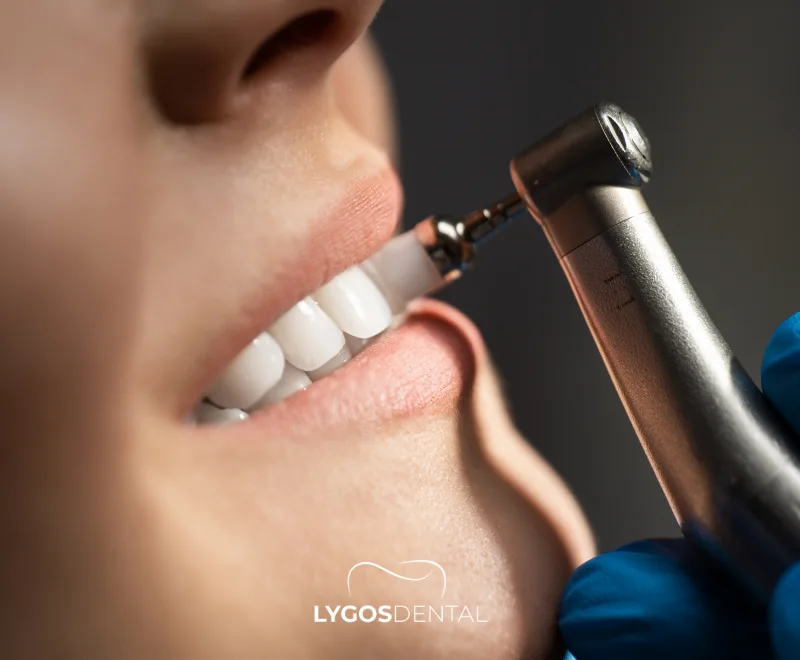
Table of Contents
How Much Does A Teeth Cleaning Cost Without Insurance?
Out-of-pocket pricing depends on the type of cleaning and what’s bundled into the visit. Many offices quote one price for a basic cleaning and a different price if you need deeper periodontal care.
Typical price ranges without insurance:
- Standard cleaning (prophylaxis): $75–$200 per visit
- Deep cleaning (scaling and root planing): $150–$350 per quadrant (often $600–$1,400 for the full mouth)
- Periodontal maintenance (follow-up cleanings for gum disease): $120–$250 per visit
Keep in mind that a first-time visit can cost more if it includes an exam, X-rays, or other diagnostics.
Factors Affecting The Cost Of Dental Cleaning
- Where you live: Dental fees are usually higher in large cities and higher-cost regions than in smaller towns.
- Type of cleaning you need: A routine cleaning is typically the least expensive. If you have gum disease or heavy tartar buildup, a deeper cleaning may be recommended.
- What’s included in the appointment: Some prices include an exam and polishing, while others add separate charges for X-rays, fluoride, or periodontal measurements.
- Provider experience and clinic overhead: Costs can rise at practices with more specialized staff, newer technology, or higher operating expenses.
- Office discounts and payment options: Cash-pay discounts, new-patient specials, membership plans, or payment plans can reduce the total you pay.
Affordable Alternatives For Dental Cleaning Without Insurance
If you’re uninsured, you still have several realistic ways to bring the cost down:
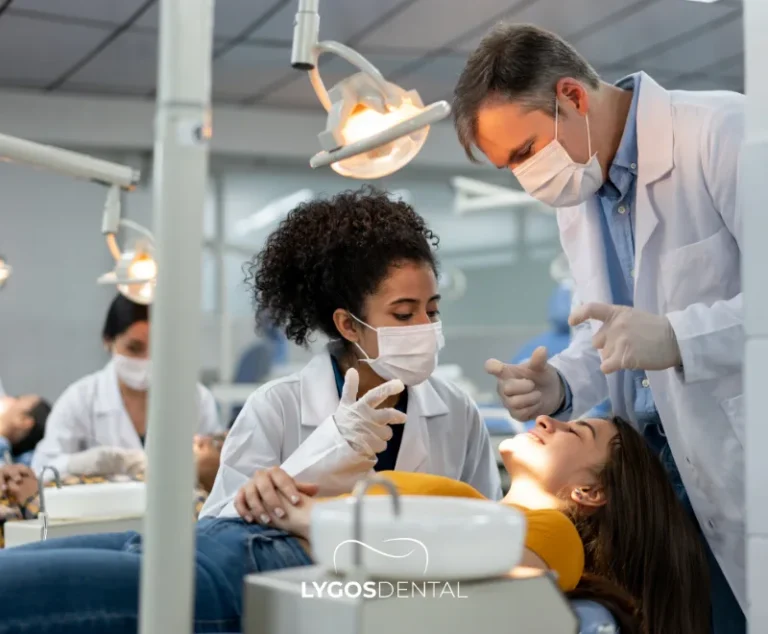
- Dental schools: Supervised students often provide cleanings at reduced rates. Appointments can take longer, but costs are usually lower.
- Community health clinics: Many clinics offer sliding-scale fees based on income, and some run limited free-care days.
- Dental discount plans: You pay an annual fee for access to discounted rates at participating dentists. This isn’t insurance, but it can help with predictable pricing.
- In-office membership plans: Some practices offer a monthly or annual plan that includes cleanings and exams, plus discounts on other services.
- Ask about cash-pay pricing: If you can pay at the visit, many offices can offer a lower rate or bundle services.
- Nonprofits and local programs: Charities, public health programs, and mobile dental events sometimes provide low-cost cleanings in the community.
How Often Should You Get A Dental Cleaning?
Cleaning frequency depends on your risk for cavities and gum disease. Many people do well with a cleaning about every six months, while others benefit from more frequent visits.
Common schedules include:
- About every 6 months for people with generally healthy gums and good home care
- Every 3–4 months if you have gum disease, frequent tartar buildup, or other risk factors (such as smoking or certain medical conditions)
- A personalized interval recommended by your dentist based on your exam
Staying on schedule can prevent bigger problems and help avoid higher costs later.
Get Information Now
Want a clearer estimate for your situation? Contact us to ask about appointment availability and pricing for cosmetic dentistry, dental crowns, dental implants, and general dentistry services.
The Importance Of Regular Dental Cleanings For Oral Health
Routine cleanings support your oral health in ways that daily brushing can’t fully replace:
- Helps prevent cavities and gum disease: Professional scaling removes hardened tartar that can’t be brushed away at home.
- Catches issues early: Regular visits can flag early gum inflammation, decay, worn fillings, or other concerns before they become expensive problems.
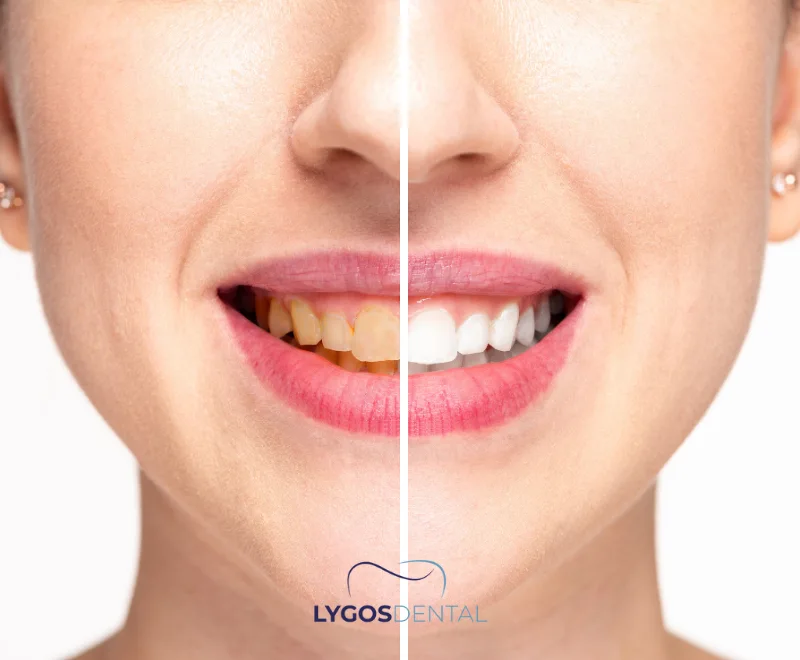
- Improves breath and appearance: Polishing removes surface stains and can leave teeth feeling smoother and cleaner.
- Supports overall health: Oral infections and inflammation can affect the rest of the body, so keeping your mouth healthy matters.
- Saves money over time: Preventive care is usually far cheaper than treating advanced decay or periodontal disease.
Dental Cleaning Cost Without Insurance Frequently Asked Questions
How much is it to clean teeth at the dentist?
Typically $75–$200 per cleaning; costs vary by location and insurance.
Is dental teeth cleaning worth it?
Yes, it reduces gum disease, cavities, bad breath, and tooth loss risk.
How painful is dental deep cleaning?
Usually mild to moderate discomfort; local anesthetic minimizes pain during scaling and planing.
What happens if you skip dental cleanings?
Skipping cleanings increases tartar buildup, gum disease, cavities, and costly future treatment.
Why are dentists not cleaning teeth?
Dentists often delegate routine cleanings to hygienists while they diagnose and treat problems.
What Is Turkey Teeth Trend? | LYGOS DENTAL
What Is The Turkey Teeth Trend?
The Turkey teeth trend refers to people travelling to Turkey for cosmetic dental work—most often veneers or crowns—to achieve a very bright, perfectly even smile. Prices can be lower than in the UK, EU, or US, and treatment is often completed in a short visit. The trade-off is that some options are irreversible and require careful clinic selection.
What People Mean By “Turkey Teeth”
“Turkey teeth” is a nickname for a dramatic smile makeover done in Turkey, usually aiming for straight, uniform, very white teeth. On social media, the term often implies a full set of veneers or crowns across the visible teeth, sometimes alongside whitening or implants.
It’s worth separating the meme from the reality. Many patients travel for legitimate restorative care, but the trend became famous because some makeovers look overly bright or too similar from person to person.
Why Turkey Became A Dental Tourism Hotspot
Turkey built a strong dental tourism market by combining modern private clinics, experienced clinicians, and competitive pricing. Many clinics also offer packages that bundle treatment planning, transfers, and accommodation, which simplifies logistics for international patients.
Popular destinations include Istanbul, Antalya, and Izmir, where patients can fit consultations, preparation, and final fitting into a single trip—often within 5–10 days, depending on the treatment plan.
Most Common Treatments In The Turkey Teeth Trend
Veneers
Veneers are thin shells bonded to the front of teeth to change colour, shape, or minor alignment. They typically require removing a small amount of enamel, which makes the treatment non-reversible once tooth preparation has been done.
Crowns
Crowns cover the whole tooth. They are used when teeth are heavily filled, fractured, severely worn, or need a full-coverage restoration. Because crowns usually require more tooth reduction than veneers, they should be chosen for clear clinical reasons, not just for speed.
Implants, Whitening, And Gum Work
Some “smile makeover” plans include implants for missing teeth, professional whitening, or gum contouring. These can be appropriate, but they add complexity and often require longer healing timelines than a single-week trip suggests.
Dental Crowns In The Turkey Teeth Trend
Crowns are popular in fast makeover packages because they can correct shape, shade, and alignment quickly. Materials commonly offered include zirconia and porcelain-based options, which can look natural when designed with realistic translucency and contour.
The key question is whether you actually need crowns. For younger patients with healthy teeth, conservative options—orthodontics, whitening, or minimal-prep veneers—may protect more natural enamel over the long term.
Typical Costs In Turkey
Costs vary by city, clinic, dentist experience, lab quality, and the materials used. As a rough guide, some clinics advertise prices in these ranges per tooth:
- Porcelain crowns: about €70–€120; zirconia crowns: about €115–€190 (clinic-advertised ranges).
- Porcelain veneers: about $200–$350; E-max laminate veneers: about $300–$600 (clinic-advertised ranges).
- Packages may include imaging, temporary restorations, and transfers, but always confirm what is and isn’t included.
If you’re comparing quotes, ask for the full treatment plan and the final total, including any extractions, root canal treatment, gum treatment, night guards, and aftercare visits.
Advantages Of Having Dental Treatment In Turkey
- Lower overall cost for private cosmetic dentistry compared with many Western markets.
- Modern clinics often use digital scans, 3D imaging, and CAD/CAM workflows for planning and fabrication.
- Short treatment timelines can be convenient for travellers when the case is suitable.
- Many clinics are set up for international patients, with English-speaking coordinators and clear scheduling.
Risks And Disadvantages To Understand
Irreversible Tooth Preparation
Veneers and crowns commonly involve enamel reduction. Once enamel is removed, teeth will always need a restoration on top, and replacements are part of lifetime maintenance.
Over-Treatment And “One Size Fits All” Smiles
The biggest criticism of the trend is aggressive preparation for crowns when less invasive options could work. A good plan is based on your bite, gum health, tooth structure, and long-term maintenance—not just how quickly a makeover can be finished.
Rushed Timelines
Fast schedules can leave little room for trial smiles, bite adjustments, or settling time. If the bite is even slightly off, it can lead to chipping, jaw discomfort, or accelerated wear.
Aftercare And Follow-Up
If you return home and develop sensitivity, gum inflammation, or a loose restoration, follow-up can be complicated. Local dentists may be reluctant to take responsibility for another clinic’s work, and repairs can be costly.
Clinic Quality Varies
Turkey has excellent dentists and high-end clinics, but quality is not uniform. As with any country, outcomes depend on the clinician, the lab, the materials, and how carefully the case is planned.
How To Reduce Risk If You’re Considering Treatment
- Get a second opinion at home, especially if you’re being offered full crowns for otherwise healthy teeth.
- Ask for a written treatment plan that explains why each procedure is needed, plus alternatives.
- Request details on materials (brand/type), lab workflow, and whether your restorations are custom-made or mass-produced.
- Insist on bite assessment and, for larger makeovers, a trial smile or wax-up/mock-up where possible.
- Confirm the aftercare plan: how many review appointments are included and what happens if a crown or veneer fails after you fly home.
- Plan for long-term maintenance: hygiene visits, possible replacements, and a night guard if you grind your teeth.
Questions To Ask A Clinic Before You Book
- Who will do my treatment, and what are their qualifications and registration details?
- How much tooth reduction do you expect, and can you show an example of conservative preparation?
- Will you use temporary restorations, and how many days are needed between preparation and final fitting?
- What material do you recommend for my case, and why?
- What warranty is offered, and what is excluded (bite issues, trauma, hygiene, bruxism)?
- Can you provide a breakdown of the total cost and what’s included in the package?
Alternatives To Consider First
If your main goal is a whiter or more even smile, you may not need crowns or veneers. Orthodontics (including clear aligners), professional whitening, and composite bonding can be more conservative depending on your teeth and bite.
A reputable clinic will explain these options and the trade-offs, even if you ultimately choose veneers or crowns.
Frequently Asked Questions
Is Turkey Teeth The Same As Veneers?
Not always. “Turkey teeth” is a catch‑all phrase for cosmetic smile makeovers, which may involve veneers, crowns, whitening, gum reshaping, or implants. The right option depends on your enamel, bite, and the health of each tooth.
Do Dentists In Turkey Use Crowns Or Veneers More Often?
Both are common. Veneers can be appropriate when teeth are healthy and only the front surface needs improvement, while crowns may be used when a tooth is heavily restored or needs more coverage. If a clinic recommends crowns for every front tooth without explaining alternatives, ask why.
How Long Do Veneers Or Crowns Usually Last?
Longevity depends on materials, your bite, grinding, and hygiene. Many restorations can last for years, but they are not “lifetime” fixes. Plan for maintenance, possible replacements, and routine checkups at home.
How Many Days Do I Need In Turkey For A Smile Makeover?
Timelines vary by treatment. Simple cases may be completed in several days, while complex plans (implants, gum work, bite changes) can require more time or staged visits. Be cautious of schedules that allow no room for adjustments.
What Are The Most Common Problems After Flying Home?
Sensitivity, bite discomfort, and gum irritation are frequent early complaints, and poorly fitted work can chip or cause pain. Make sure you have a written aftercare plan and understand who will handle corrections if something feels off.
Dental Work in Turkey | LYGOS DENTAL
Dental Work In Turkey
Dental work in Turkey is popular with international patients looking for modern clinics and lower treatment costs. Most visits combine dental care with short travel, and many clinics help with logistics. Prices vary by city, materials, and case complexity, so a written treatment plan, clear warranty terms, and a realistic follow-up plan matter as much as the headline price.
What “Dental Work In Turkey” Usually Means
Dental clinics across Turkey offer the same core services you’d expect in the UK, EU, or US: routine care, restorative treatments, cosmetic dentistry, orthodontics, and oral surgery. The main difference for overseas patients is the travel element—planning, scheduling, and follow-up often need more structure. A reputable clinic will start with diagnostics, confirm a written plan, and explain what can be completed safely in one trip.
Common Treatments Patients Travel For
Preventive And General Dentistry
Cleanings, check-ups, X-rays, and gum care are often used as a baseline before cosmetic work. If you have active gum disease or untreated decay, addressing that first usually improves long-term outcomes.
Restorative Dentistry
Typical restorative treatments include fillings, crowns, bridges, root canal therapy, and dental implants. For implants, your plan should specify the implant system, whether grafting is needed, and the prosthetic material used for the final crown.
Cosmetic Dentistry
Patients commonly travel for veneers, bonding, whitening, and smile design. Cosmetic dentistry should still protect tooth structure, bite balance, and gum health, not just appearance.
Orthodontics
Clear aligners and braces are available, but orthodontics relies on ongoing monitoring over months. If you live abroad, ask how remote check-ins work and who will manage emergencies at home.
Oral Surgery
Extractions, wisdom tooth surgery, and gum procedures are available in major cities and tourism hubs. If sedation or complex surgery is planned, request details on the clinician’s training, anesthesia approach, and emergency protocols.
Typical Costs In 2026
Costs depend on your diagnosis, the materials used, and whether you need extra steps such as bone grafting or sinus lift procedures. The ranges below reflect commonly advertised private-clinic pricing and should be treated as starting points, not fixed quotes. Always request an itemized plan that separates the procedure, materials, scans, lab work, and any medication.
- Single dental implant (implant + abutment + crown): roughly $500–$1,250+ per tooth, depending on the implant brand and case complexity.
- Porcelain or E-max style veneer: roughly $200–$600+ per tooth, depending on material and lab work.
- In-office teeth whitening: commonly $100–$300+, depending on method and number of sessions.
If you are comparing quotes, check what is included. Some quotes cover the crown and abutment, while others list them separately. For cosmetic work, confirm how many teeth are included, the shade plan, and whether temporary restorations are part of the price.
What Quality And Safety Checks Look Like
Cost matters, but the clinic’s process matters more. Look for a clear diagnostic pathway, transparent materials, and realistic scheduling that leaves time for adjustments. A trustworthy clinic will explain what they can do in one visit and what should be staged across trips.
- Diagnostics: recent X-rays, and often a CBCT scan for implants; written findings and treatment options.
- Materials: brand and model of implants; crown/veneer material (zirconia, E-max, porcelain); lab details if available.
- Infection control: visible sterilization workflow, single-use items where appropriate, and clear hygiene protocols.
- Clinical team: dentist’s qualifications and experience with your procedure; who is responsible for each step.
- Warranty and documentation: written terms, what is covered, and what voids coverage; copies of records for your dentist at home.
How To Choose The Right Dental Clinic In Turkey
Start by narrowing clinics to those that share a written treatment plan before you travel. Ask for your records in writing, and treat vague promises as a red flag. If you have a complex case, prioritize experience and documentation over speed.
- Verify credentials and licensing, and ask who will carry out each part of treatment.
- Read independent reviews and look for consistent feedback on aftercare and communication.
- Request a video consult or detailed messaging consult, and ask for an itemized quote.
- Ask how complications are handled, including revisions, repairs, and local referrals.
Planning Your Trip And Timeline
Most dental travel schedules work best when your clinic sets a realistic timeline from day one. Some treatments can be completed in a few days, while others need healing time between stages. If implants are involved, you may need two trips: one for placement and another later for the final teeth.
- Bring recent dental records if you have them, including X-rays and a list of medications.
- Book flexible flights when possible, so you have time for adjustments.
- Avoid combining extensive dental work with a packed sightseeing schedule on the same days.
- Plan for follow-up: a check-in schedule, cleaning routine, and who to contact if something feels wrong.
Aftercare And Recovery
Good results depend on what happens after you leave the chair. Follow your dentist’s written instructions, keep to the recommended diet, and avoid smoking during healing. If you have swelling, pain that worsens after a couple of days, fever, or a bad taste or discharge, contact the clinic quickly.
- Take prescribed medications exactly as directed and finish the course if antibiotics are given.
- Use gentle brushing and any recommended mouth rinse; avoid vigorous spitting after surgery.
- Keep a copy of your treatment notes and invoices for future care.
- Schedule routine maintenance visits at home, especially after cosmetic or implant work.
Risks And How To Reduce Them
All dental procedures carry risks, including infection, nerve irritation, bite problems, and restoration failure. Travel adds extra risk if the timeline is rushed or follow-up is unclear. You can reduce risk by choosing a clinic that documents everything, uses reputable materials, and plans for post-treatment support.
- Avoid aggressive tooth reduction for cosmetic work when conservative options are suitable.
- Don’t accept treatment plans that skip gum health and bite evaluation.
- Confirm emergency support, revision policy, and what happens if you need an extra day in Turkey.
Legal And Ethical Considerations
You should expect informed consent, privacy, and transparent pricing, just as you would at home. Ask for written consent forms you can read before treatment begins. A clinic that refuses to provide documentation, materials information, or clear contact details is not worth the gamble.
FAQs
How Long Should I Stay For Dental Treatment In Turkey?
It depends on the treatment. Simple procedures may fit into a short visit, while veneers and crowns often need several appointments over a few days. Implants usually require healing time between stages, which can mean two trips.
Is It Safe To Get My Teeth Done In Turkey?
Safety depends on the clinic, the clinician, and the treatment plan—not the country alone. Choose providers that share diagnostics, a written plan, clear materials, and realistic timelines, and that offer structured aftercare.
What Should I Bring To My Consultation?
Bring a list of medications, allergies, medical conditions, and any dental records you have. If you have recent X-rays, send them in advance so the clinic can plan accurately.
Book A Consultation
If you want a treatment plan and a clear quote, share your goals, any recent dental records, and your preferred travel dates. A clinic can then confirm what is realistic to complete in one trip and what should be staged for long-term stability.
Gum Recession | LYGOS DENTAL
Gum Recession: Causes, Symptoms, Treatment, and Prevention
Gum recession happens when the gum line pulls away from the teeth, exposing more tooth surface or the root. It can cause sensitivity, make teeth look longer, and raise the risk of decay and gum infection. Early care—gentle brushing, daily flossing, and timely dental treatment—can slow progression and protect long-term tooth support.
What Is Gum Recession?
Gum recession is the gradual loss of gum tissue around a tooth, which exposes more of the tooth and sometimes the root. It may affect one tooth or several and often develops slowly, so it can be easy to miss at first. Catching it early matters because exposed roots are more vulnerable to sensitivity and decay.
Common Causes Of Receding Gums
- Aggressive brushing: Brushing with too much pressure or using a hard-bristled toothbrush can wear tissues down and contribute to recession.
- Gum disease (periodontal disease): Bacterial infection and inflammation can damage gum tissue and the bone that supports teeth.
- Genetics: Some people are more prone to thin or fragile gum tissue, even with good oral hygiene.
- Plaque and tartar buildup: Plaque that isn’t removed hardens into tartar, which irritates gums and can accelerate recession.
- Hormonal changes: Hormonal shifts can make gums more sensitive and easier to inflame, which may worsen recession in susceptible patients.
- Misaligned teeth or bite problems: Uneven biting forces can overload certain teeth and their supporting tissues.
Signs And Symptoms
- Tooth sensitivity to cold, hot, or sweet foods and drinks
- Teeth that look longer than before
- Notches near the gum line or a visible root surface
- Tender, swollen, or bleeding gums (especially with gum disease)
- Bad breath or a bad taste that doesn’t improve with brushing
Risk Factors
- Age: Recession becomes more common over time, especially if earlier inflammation or brushing habits have taken a toll.
- Tobacco use: Smoking and smokeless tobacco can irritate gums and worsen periodontal disease.
- Diabetes: Higher infection risk and inflammation can make gum problems harder to control.
- Teeth grinding or clenching: Excess force can strain teeth and the supporting tissues.
- Inconsistent oral hygiene: Irregular brushing/flossing allows plaque to build up and inflame gum tissues.
Why Gum Recession Matters
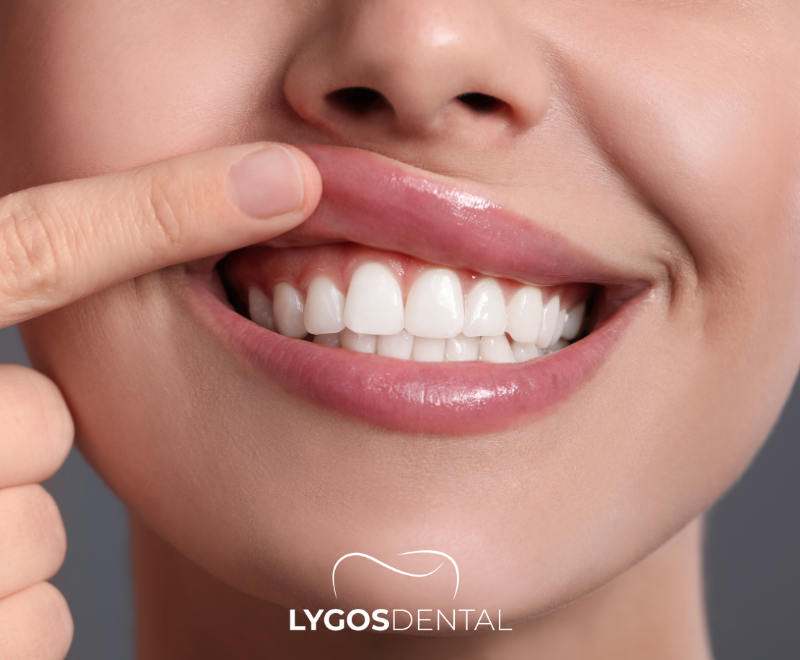
As gums recede, exposed roots can become sensitive and more likely to develop root cavities. Recession can also create areas that trap plaque, increasing the risk of gum inflammation and infection. If the underlying bone support is affected by gum disease, teeth may loosen over time.
Swollen Gums: What It Can Mean
Swollen gums often signal irritation or early gum disease. It can happen alongside recession, but swelling can also occur without visible recession. If swelling lasts more than a few days, comes with bleeding, or you notice a persistent bad taste, a dental exam is recommended.
Treatment Options For Swollen Gums
- Professional cleaning: Removing plaque and tartar helps reduce inflammation and makes home care more effective.
- Deep cleaning (scaling and root planing): A targeted cleaning below the gum line used when gum pockets and infection are present.
- Antibiotics (when needed): Sometimes prescribed to control bacterial infection, often alongside professional cleaning.
- Saltwater rinses: A warm saltwater rinse can soothe irritated tissues and reduce bacteria temporarily.
Can Invisalign Affect Gum Recession?
Clear aligners can be a safe way to straighten teeth, but gum recession can still occur if gums are already thin, if oral hygiene slips during treatment, or if biting forces concentrate on certain teeth. Regular checkups and excellent cleaning around aligners reduce risk, and your dentist or orthodontist can adjust the plan if gum irritation appears.
Managing Gum Recession
- Routine dental visits: Regular examinations help spot recession early and identify gum disease or bite issues.
- Gentle brushing technique: Use a soft-bristled toothbrush and light pressure. Angle the bristles toward the gum line rather than scrubbing.
- Daily interdental cleaning: Floss or use interdental brushes to remove plaque where brushes miss.
- Fluoride support: Fluoride toothpaste or in-office fluoride can reduce sensitivity and help protect exposed roots from decay.
Home Care That Supports Gum Health
Home care can improve comfort and reduce inflammation, but it won’t replace professional treatment when gum disease or significant recession is present. If you try home remedies, treat them as supportive care and stop if irritation worsens.
- Green tea: May support gum health thanks to naturally occurring antioxidants.
- Aloe vera (oral gel): Some people find it soothing for irritated gums when used as directed.
- Oil pulling: Swishing with coconut or sesame oil may reduce oral bacteria for some people, but it should not replace brushing and flossing.
Professional Treatment For Gum Recession
The right treatment depends on the cause, how much tissue has receded, and whether gum disease is present. A dentist will usually check pocket depth, inflammation, bite forces, and the thickness of your gum tissue before recommending a plan.
- Scaling and root planing: Deep cleaning to remove tartar and bacteria below the gum line and help tissues reattach.
- Gum graft surgery: Adds tissue to cover exposed roots and protect vulnerable areas when recession is significant.
- Regenerative procedures: Used in selected cases to encourage regrowth of lost bone and supporting tissues.
How To Help Prevent Gum Recession
- Brush twice a day with a soft-bristled toothbrush and light pressure
- Clean between teeth daily (floss or interdental brushes)
- Treat gum bleeding as a sign to check in with a dentist, not something to ignore
- Wear a night guard if you grind or clench, if recommended
- Avoid tobacco and keep diabetes well managed with your medical team
- Ask your dentist about bite issues or tooth alignment that may be stressing certain areas
What’s New In Gum Recession Care
Dentistry continues to refine less invasive ways to manage gum disease and protect exposed roots. Laser-assisted periodontal therapy is used in some practices to reduce bacteria and inflammation, and ongoing research looks at biologic materials that may support tissue healing. Your dentist can explain which options are appropriate for your case and what evidence supports them.
Frequently Asked Questions
What is gum recession?
Gum recession is when gum tissue pulls away from the teeth, exposing more tooth surface or the root.
What causes gum recession?
Common causes include gum disease, aggressive brushing, plaque and tartar buildup, genetics, tobacco use, and bite or alignment problems.
How do I know if I have gum recession?
Sensitivity, teeth that look longer, notches near the gum line, and gum inflammation are common clues. A dental exam can confirm the extent and the cause.
Can Invisalign lead to gum recession?
It can contribute in susceptible patients if hygiene is poor or tissues are already thin, but many people complete aligner treatment without recession when gums are healthy and monitored.
Are there home treatments for gum recession?
Home care can reduce inflammation and sensitivity, but it won’t rebuild lost gum tissue. Professional evaluation is important to rule out gum disease and prevent further damage.
What is the best treatment for swollen gums?
Professional cleaning and improved daily hygiene are the foundation. If infection or deep pockets are present, your dentist may recommend scaling and root planing and, in some cases, medication.
When To See A Dentist
Book an appointment if you notice new sensitivity, gum bleeding, a change in the gum line, or teeth that look longer. Prompt treatment can protect the roots, reduce inflammation, and prevent further loss of supporting bone.
Dental Tourism in Turkey | LYGOS DENTAL
Dental Tourism in Turkey
Dental tourism in Turkey means traveling to Turkey for dental care—often implants, veneers, crowns, or whitening—at prices that can be lower than in the UK, EU, or North America. Many clinics offer modern technology and English-speaking teams. The key is choosing a properly licensed clinic, confirming what’s included in your quote, and planning follow-up care at home.
Why Turkey Attracts Dental Patients
Turkey has become a well-known destination for patients who want high-quality dentistry with clearer pricing and shorter waiting times. Major cities such as Istanbul, Antalya, and Izmir host clinics that focus on international patients, with treatment plans built around travel schedules. For many visitors, the appeal is the mix of modern clinics, experienced dentists, and the chance to combine care with a city break.
That said, results depend heavily on the provider you choose. Dentistry isn’t a commodity, and the cheapest quote is rarely the best value. If you’re considering treatment abroad, it pays to understand common procedures, typical costs, timelines, and the practical checks that reduce risk.
What Dental Tourism In Turkey Means
In simple terms, dental tourism is when you travel to another country for dental treatment that is expensive or slow to access at home. In Turkey, international patients most often come for cosmetic dentistry, implant dentistry, and full-arch restorations.
Many clinics offer remote consultations before you travel. You can usually share dental X‑rays, photos, and a short medical history to receive a preliminary plan, then confirm details after an in-person exam and 3D imaging once you arrive.
Most Popular Dental Treatments
Dental Implants
Implants are a common reason people fly to Turkey, especially for missing teeth, unstable bridges, or loose dentures. Typical quotes vary based on implant brand, imaging, bone grafting needs, and whether the crown and abutment are included. Patient platforms and clinic price guides commonly list single-implant packages in the range of roughly $470–$700, with wider variation depending on what’s included.
Veneers And Smile Makeovers
Veneers are used to change tooth shape, colour, and alignment for a more uniform smile. Prices depend on material (composite vs porcelain), lab quality, and whether you need gum contouring or bite adjustments. Recent Turkey-focused price guides commonly put veneers around $150–$250 for composite and $250–$450 for porcelain, with premium materials (such as E‑max) often higher.
Teeth Whitening
In-office whitening is popular because it can be completed in a single visit. Pricing depends on the system used (LED, laser, Zoom-style treatments) and whether scaling is required first. Typical Turkish clinic ranges are often quoted around $200–$400 per session, while clinics in the US commonly list several hundred dollars to around $1,000 for in-office whitening.
Orthodontics
For orthodontics, Turkey offers both fixed braces and clear aligners. Because aligner treatment requires multiple check-ins, many visitors choose a local orthodontist for long-term monitoring or plan shared-care between countries.
Full-Arch And Full-Mouth Restorations
Patients who need extensive work sometimes choose full-arch solutions such as All-on-4 style treatment. Costs vary widely by material and complexity, but patient platforms frequently list All-on-4 packages in Turkey roughly between $2,100 and $6,000 per arch, compared with higher typical ranges reported in the US.
Typical 2026 Price Ranges
Real prices vary by city, clinic, and what’s included (consultations, CBCT scans, abutments, crowns, temporary teeth, sedation, and follow-ups). Use ranges as a planning guide, then ask for a written, itemised quote.
Single dental implant (often quoted as implant + abutment + crown): $470–$700+ in Turkey (packages vary)
Porcelain veneer (per tooth): $250–$450
Composite veneer (per tooth): $150–$250
In-office teeth whitening: $200–$400
All-on-4 style full-arch implants (per arch): $2,100–$6,000
If you’re comparing against the UK, private implant quotes are commonly reported in the £1,800–£4,500 range per tooth, and implants are only available through the NHS in limited clinical circumstances. That gap is one of the main reasons some patients look abroad.
Dental Holidays In Istanbul
Istanbul is the most common entry point for dental visitors because it has a large choice of clinics, direct flights, and plenty to do between appointments. Most treatment plans involve at least two visits to the clinic, with free time in between for light sightseeing.
If you’re having surgery (implants, grafting, extractions), keep plans low-key. Gentle walking is fine for many people, but crowded tours, long day trips, and heavy exercise can make swelling and discomfort worse.
What Results To Expect
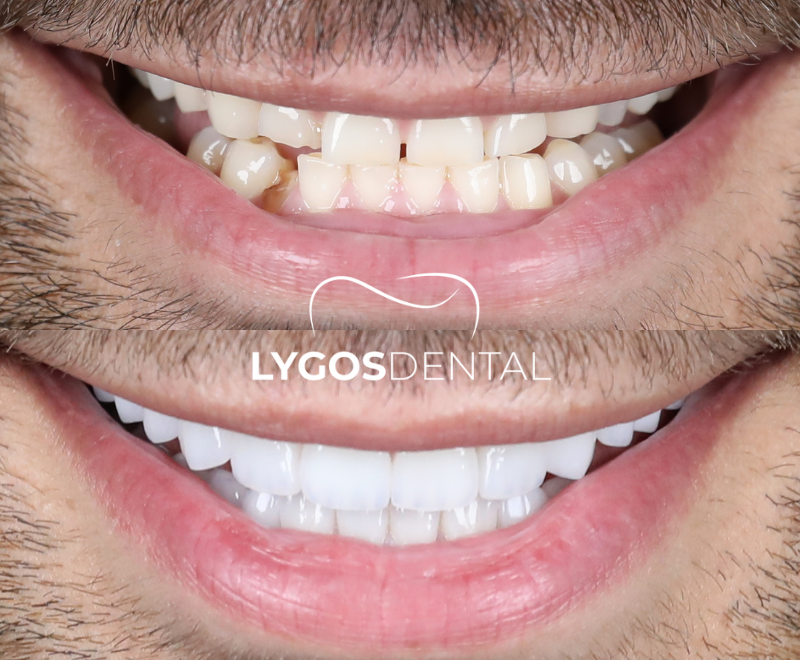
Most reputable clinics can show real case examples, explain material choices, and set realistic expectations about shade, shape, and bite changes. Ask for examples that match your starting point, not just the ‘perfect smile’ cases.
If you’re choosing veneers or crowns, the planning stage matters as much as the final fitting. A careful smile design, temporary teeth (when needed), and a bite check reduce the chance of sensitivity, chipping, or an unnatural look.
How To Choose A Reputable Clinic
- Verify the dentist’s registration and the clinic’s licensing details, and ask who will perform each step (not just who you speak to online).
- Ask what brand of implant system and materials will be used, and whether the lab work is in-house or outsourced.
- Request an itemised quote that lists what is included and what could add cost (CBCT, extractions, bone grafting, sinus lifts, sedation).
- Review aftercare: medications, emergency contact, and how follow-up adjustments are handled once you return home.
- Be cautious with aggressive ‘same-day full mouth’ marketing. Some cases need staged treatment for best long-term stability.
Planning Your Trip And Treatment Timeline
For cosmetic procedures like whitening or a small number of veneers, a short trip may be enough. Implants usually require staged visits because the implant needs time to integrate with bone before the final crown is fitted.
Good clinics will explain what can be completed on the first visit, what needs healing time, and whether you should plan a second trip. If your schedule is tight, ask about temporary options that look good while you’re waiting for final restorations.
FAQs
Is dental treatment in Turkey safe?
Many clinics deliver excellent care, but safety depends on the provider. Choose a licensed clinic, confirm hygiene standards, and make sure your plan includes proper diagnostics (especially CBCT imaging for implants) and clear aftercare.
Do dentists in Turkey speak English?
In clinics that work with international patients, English-speaking staff are common, and translation support may be available. Ask who will translate during clinical appointments so nothing is lost in communication.
Can I travel around after treatment?
After non-invasive treatments you can usually explore as normal. After surgery, keep travel light for a few days and avoid long trips that would make it hard to return to the clinic if you need a check-up.
Will my dentist at home provide follow-up care?
Some dentists will help with routine checks, but they may not take responsibility for work done elsewhere. It’s smart to plan where you’ll go if you need adjustments, repairs, or ongoing maintenance.
Is Turkish dental work internationally recognised?
Quality is clinic-dependent. Focus on the dentist’s training, materials used, documentation (treatment notes, implant passport, warranties), and whether the clinic can provide clear medical records for your dentist at home.
Book A Consultation
If you’re considering treatment in Turkey, start with a remote consultation. Share recent X‑rays if you have them, explain your goals, and ask for a written plan that lists materials, timeline, and total costs. A clear, itemised quote makes it easier to compare clinics on quality—not just price.