
How to Get Rid of Bad Breath?
How To Get Rid Of Bad Breath
Bad breath is most often caused by bacteria on teeth, gums, and the tongue. Brush and floss daily, clean your tongue, stay hydrated, and treat dry mouth. If odor persists for more than a couple of weeks or comes with bleeding gums, reflux, or sinus symptoms, book a dental or medical check-up to find the root cause.
What Causes Bad Breath

Halitosis usually starts in the mouth, but it can also be linked to the nose, throat, or digestive system. Common triggers include:
- Poor oral hygiene: Plaque, trapped food particles, and an unclean tongue allow odor-producing bacteria to build up.
- Dry mouth (xerostomia): Low saliva makes it easier for bacteria and sulfur compounds to linger.
- Gum disease and cavities: Inflamed gums, tartar, and untreated decay can create a persistent odor.
- Tonsil stones, sinusitis, or postnasal drip: Mucus and debris can feed bacteria and cause a strong smell.
- Smoking and alcohol: Both dry the mouth and leave odor-causing residues.
- Diet and fasting: Garlic/onions, low-carb diets, and long gaps between meals can change breath chemistry.
- Reflux: Stomach acid or regurgitation can contribute to unpleasant breath in some people.
Fast Ways To Improve Breath Today
If you need a same-day reset, these steps help most people:
- Brush for two minutes, then floss (or use interdental brushes) to remove trapped debris.
- Clean your tongue from back to front with a tongue scraper or the bristles of your toothbrush.
- Drink water and rinse your mouth; repeat if you’ve had coffee, alcohol, or a dry-mouth spell.
- Chew sugar-free gum (xylitol is a good option) to stimulate saliva.
- Use an alcohol-free, antibacterial mouthwash as a short-term boost.
Daily Oral Care Routine That Prevents Bad Breath
Consistency matters more than any single product. Aim for:
- Brush twice daily: Focus on the gumline and the back molars; brush before bed without rushing.
- Floss once daily: Odor often comes from between teeth where a toothbrush can’t reach.
- Clean your tongue daily: Most odor-causing compounds come from the tongue’s surface.
- Hydrate and manage dry mouth: Sip water, limit alcohol, and ask your dentist about dry-mouth sprays or lozenges if needed.
- See a dentist regularly: Professional cleanings and early treatment of gum disease make a noticeable difference.
Home Remedies That Are Worth Trying
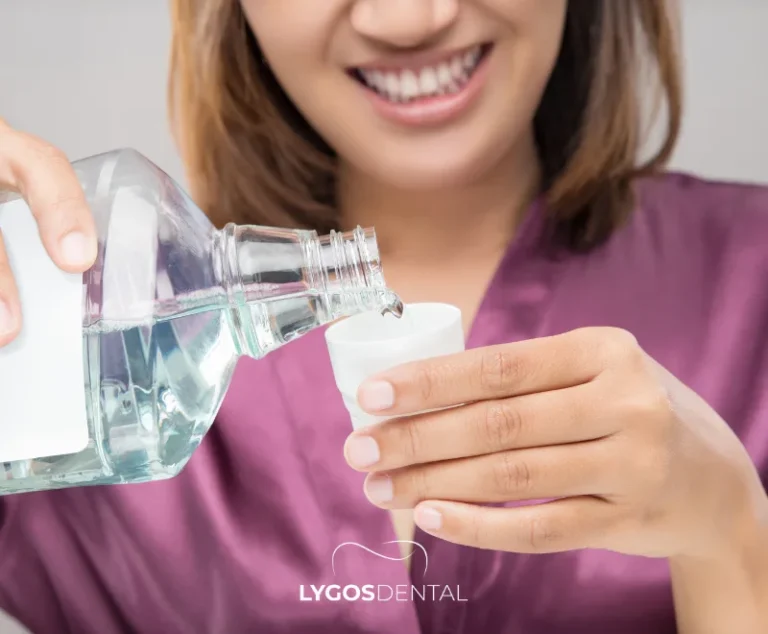
Home remedies can help as add-ons, but they won’t replace brushing, flossing, and dental care.
- Saltwater rinse: A gentle rinse can freshen the mouth and soothe irritated gums.
- Baking soda rinse: May neutralize acids and reduce odor; avoid overuse if it irritates your mouth.
- Parsley or mint: Useful for short-term freshness, especially after meals.
- Green tea: Supports oral hygiene and can reduce sulfur-like odors for some people.
- Plain yogurt or other probiotic foods: May help if digestive imbalance is contributing to odor.
Foods That Help And Foods That Make It Worse
Breath changes with what you eat and how often you eat.
Breath-Friendly Foods
- Crunchy fruits and vegetables (apples, carrots, cucumbers) to stimulate saliva and reduce plaque.
- Plain yogurt and fermented foods for probiotics.
- Water, especially between meals and after coffee.
Common Triggers
- Garlic, onions, and heavily spiced meals (odor can persist for hours).
- Sugary snacks and frequent sipping of sweet drinks (feeds bacteria).
- Alcohol and tobacco (drying effect and residue).
- Very low-carb diets or prolonged fasting (can lead to ketone-related breath).
When Bad Breath Signals A Health Issue

If you’re doing the basics well and the odor doesn’t improve, it’s worth looking beyond brushing. Possible contributors include ongoing sinus infection/postnasal drip, untreated gum disease, reflux, or poorly controlled diabetes. Serious causes are uncommon, but persistent halitosis should be checked rather than ignored.
When To See A Dentist Or Doctor
Book an appointment if you notice any of the following:
- Bad breath that lasts more than 2–3 weeks despite good oral care.
- Bleeding gums, gum swelling, loose teeth, or tooth pain.
- A coated tongue that returns quickly, or a persistent bad taste.
- Frequent heartburn, sour taste, or regurgitation.
- Ongoing congestion, facial pressure, or postnasal drip.
- Unexplained weight loss, fever, or other systemic symptoms.
Frequently Asked Questions
Is morning breath normal?
Yes. Saliva drops during sleep, so odor often increases overnight. Brushing, flossing, and tongue cleaning in the morning usually resolves it.
What’s the best natural option?
A tongue scraper plus hydration is often the most effective “natural” approach. Herbs like parsley can help short term, but they don’t remove the underlying bacterial film.
Does mouthwash cure bad breath?
Mouthwash can reduce odor temporarily, but it won’t fix cavities, gum disease, or dry mouth. Choose alcohol-free formulas if dryness is a problem.
Can stomach problems cause bad breath?
Sometimes. Reflux can contribute to odor, but most cases start in the mouth. If you have frequent heartburn or regurgitation, speak to a clinician.
How to Close Gaps Between Teeth (Diastema)?
How To Get Rid Of Bad Breath
Bad breath is most often caused by bacteria on teeth, gums, and the tongue. Brush and floss daily, clean your tongue, stay hydrated, and treat dry mouth. If odor persists for more than a couple of weeks or comes with bleeding gums, reflux, or sinus symptoms, book a dental or medical check-up to find the root cause.
What Causes Bad Breath

Halitosis usually starts in the mouth, but it can also be linked to the nose, throat, or digestive system. Common triggers include:
- Poor oral hygiene: Plaque, trapped food particles, and an unclean tongue allow odor-producing bacteria to build up.
- Dry mouth (xerostomia): Low saliva makes it easier for bacteria and sulfur compounds to linger.
- Gum disease and cavities: Inflamed gums, tartar, and untreated decay can create a persistent odor.
- Tonsil stones, sinusitis, or postnasal drip: Mucus and debris can feed bacteria and cause a strong smell.
- Smoking and alcohol: Both dry the mouth and leave odor-causing residues.
- Diet and fasting: Garlic/onions, low-carb diets, and long gaps between meals can change breath chemistry.
- Reflux: Stomach acid or regurgitation can contribute to unpleasant breath in some people.
Fast Ways To Improve Breath Today
If you need a same-day reset, these steps help most people:
- Brush for two minutes, then floss (or use interdental brushes) to remove trapped debris.
- Clean your tongue from back to front with a tongue scraper or the bristles of your toothbrush.
- Drink water and rinse your mouth; repeat if you’ve had coffee, alcohol, or a dry-mouth spell.
- Chew sugar-free gum (xylitol is a good option) to stimulate saliva.
- Use an alcohol-free, antibacterial mouthwash as a short-term boost.
Daily Oral Care Routine That Prevents Bad Breath
Consistency matters more than any single product. Aim for:
- Brush twice daily: Focus on the gumline and the back molars; brush before bed without rushing.
- Floss once daily: Odor often comes from between teeth where a toothbrush can’t reach.
- Clean your tongue daily: Most odor-causing compounds come from the tongue’s surface.
- Hydrate and manage dry mouth: Sip water, limit alcohol, and ask your dentist about dry-mouth sprays or lozenges if needed.
- See a dentist regularly: Professional cleanings and early treatment of gum disease make a noticeable difference.
Home Remedies That Are Worth Trying
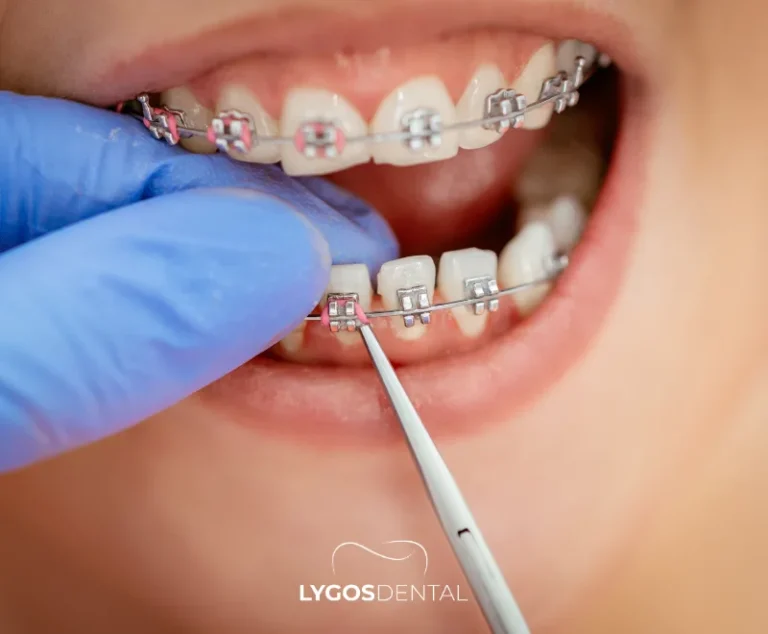
Home remedies can help as add-ons, but they won’t replace brushing, flossing, and dental care.
- Saltwater rinse: A gentle rinse can freshen the mouth and soothe irritated gums.
- Baking soda rinse: May neutralize acids and reduce odor; avoid overuse if it irritates your mouth.
- Parsley or mint: Useful for short-term freshness, especially after meals.
- Green tea: Supports oral hygiene and can reduce sulfur-like odors for some people.
- Plain yogurt or other probiotic foods: May help if digestive imbalance is contributing to odor.
Foods That Help And Foods That Make It Worse
Breath changes with what you eat and how often you eat.
Breath-Friendly Foods
- Crunchy fruits and vegetables (apples, carrots, cucumbers) to stimulate saliva and reduce plaque.
- Plain yogurt and fermented foods for probiotics.
- Water, especially between meals and after coffee.
Common Triggers
- Garlic, onions, and heavily spiced meals (odor can persist for hours).
- Sugary snacks and frequent sipping of sweet drinks (feeds bacteria).
- Alcohol and tobacco (drying effect and residue).
- Very low-carb diets or prolonged fasting (can lead to ketone-related breath).
When Bad Breath Signals A Health Issue

If you’re doing the basics well and the odor doesn’t improve, it’s worth looking beyond brushing. Possible contributors include ongoing sinus infection/postnasal drip, untreated gum disease, reflux, or poorly controlled diabetes. Serious causes are uncommon, but persistent halitosis should be checked rather than ignored.
When To See A Dentist Or Doctor
Book an appointment if you notice any of the following:
- Bad breath that lasts more than 2–3 weeks despite good oral care.
- Bleeding gums, gum swelling, loose teeth, or tooth pain.
- A coated tongue that returns quickly, or a persistent bad taste.
- Frequent heartburn, sour taste, or regurgitation.
- Ongoing congestion, facial pressure, or postnasal drip.
- Unexplained weight loss, fever, or other systemic symptoms.
Frequently Asked Questions
Is morning breath normal?
Yes. Saliva drops during sleep, so odor often increases overnight. Brushing, flossing, and tongue cleaning in the morning usually resolves it.
What’s the best natural option?
A tongue scraper plus hydration is often the most effective “natural” approach. Herbs like parsley can help short term, but they don’t remove the underlying bacterial film.
Does mouthwash cure bad breath?
Mouthwash can reduce odor temporarily, but it won’t fix cavities, gum disease, or dry mouth. Choose alcohol-free formulas if dryness is a problem.
Can stomach problems cause bad breath?
Sometimes. Reflux can contribute to odor, but most cases start in the mouth. If you have frequent heartburn or regurgitation, speak to a clinician.
How Does Using a Tongue Cleaner Affect Dental Health?
How Does Using A Tongue Cleaner Affect Dental Health?
Using a tongue cleaner removes the bacteria and debris that sit on the tongue’s surface, especially toward the back. This can noticeably improve bad breath, support a healthier balance of oral bacteria, and reduce the load that contributes to plaque and gum irritation. It takes seconds and works best as a daily habit.
Brushing and flossing do most of the heavy lifting, but the tongue also holds a large share of oral bacteria. When that layer builds up, it can feed bad breath and spread microbes back onto teeth and gums. Tongue cleaning is a simple add-on that can sharpen your routine without adding much time.
What Is A Tongue Cleaner?

A tongue cleaner (often called a tongue scraper) is an oral care tool designed to lift and remove the coating on the tongue. That coating is a mix of bacteria, dead cells, food particles, and saliva proteins. Most cleaners are plastic, stainless steel, or silicone, and the head is curved to match the tongue’s shape.
Many toothbrushes can reach the tongue, but they are not built for scraping. A dedicated cleaner usually removes the coating more efficiently with fewer passes, which can feel gentler for many people.
How To Use A Tongue Cleaner
Technique matters more than force. Aim for a few light, controlled strokes rather than pressing hard.
- Rinse the cleaner with water before you start.
- Stick out your tongue and place the cleaner toward the back (stop if you gag—start a little further forward and work back over time).
- Glide the cleaner forward to the tip of your tongue.
- Rinse the tool under running water after each stroke.
- Repeat 2–5 times, until the surface looks clearer.
- Rinse your mouth with water. Use mouthwash afterward if it’s part of your routine.
- Wash the cleaner and let it dry fully before storing.
How Tongue Cleaning Supports Oral And Dental Health
Helps reduce bad breath
The back of the tongue often harbors anaerobic bacteria that release volatile sulfur compounds. These compounds are a major driver of morning breath and persistent halitosis. Regular tongue cleaning reduces the bacterial layer where those odors start.
May reduce plaque transfer
Bacteria don’t stay in one place. A coated tongue can re-seed microbes onto teeth, which may contribute to plaque buildup over time. Tongue cleaning helps lower that reservoir and supports a cleaner baseline between brushing sessions.
Supports gum comfort
Lowering overall bacterial load can help reduce irritation triggers in the mouth. Tongue cleaning is not a treatment for gum disease, but it can complement brushing, flossing, and professional cleanings.
Can improve taste
A heavy tongue coating can dull taste buds. When the surface is cleaner, many people notice flavors more clearly, especially after waking up.
Choosing The Most Effective Tongue Cleaner

The “best” option is the one you will use consistently and comfortably. Material and design affect feel, durability, and ease of cleaning.
Stainless steel
Durable, easy to wash thoroughly, and typically provides firm scraping in one or two passes. Choose rounded edges and a shape that fits your tongue width.
Plastic
Lightweight and inexpensive. Replace it if the edge warps, roughens, or develops cracks where bacteria can hide.
Silicone or soft-tipped designs
A good fit for sensitive tongues or people who are new to scraping. They may require a few extra passes compared with firmer scrapers.
Brush-style tongue cleaners
These combine bristles with a scraping edge or textured pad. They can be comfortable, but models without a scraper often leave more coating behind.
Common Mistakes To Avoid
- Using too much pressure, which can cause soreness or tiny cuts.
- Only cleaning the front of the tongue. The back often needs the most attention.
- Skipping tool hygiene. Rinse well and let it dry to limit bacterial growth.
- Sharing a cleaner. Treat it like a toothbrush—one person only.
- Overdoing it. Once a day is enough for most people.
Where Tongue Cleaning Fits In A Daily Routine
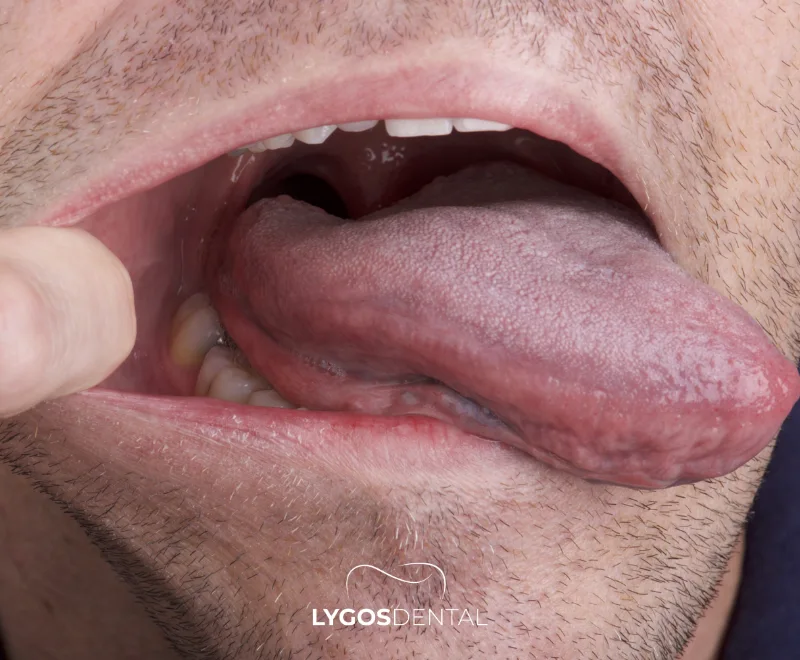
Most people prefer using a tongue cleaner in the morning, when overnight bacteria and dryness make the coating more noticeable. You can do it before brushing or after brushing—either is fine as long as you are consistent. If you have persistent bad breath, a second gentle clean later in the day can help.
When To Speak With A Dentist
If bad breath persists despite brushing, flossing, and tongue cleaning, it may be linked to gum disease, dry mouth, tonsil stones, sinus issues, or digestive causes. Also ask for advice if you have a painful tongue, sores that do not heal, or a coating that does not improve with routine care.
Frequently Asked Questions
Is it really necessary to use a tongue cleaner?
It’s not mandatory, but it can make a noticeable difference for breath and overall oral cleanliness. The tongue holds a large amount of bacteria, and a quick daily clean can reduce that buildup.
How often should I use a tongue cleaner?
Once a day is enough for most people. If you are managing stubborn bad breath, you can use it twice daily as long as you stay gentle.
Is brushing the tongue with a toothbrush enough?
It can help, but toothbrush bristles often smear the coating instead of lifting it. A tongue cleaner is shaped to scrape the surface efficiently.
Can tongue cleaning replace brushing or flossing?
No. Tongue cleaning supports your routine, but brushing and flossing are still the core habits for preventing cavities and gum disease.
Smile Design Prices
How Does Using A Tongue Cleaner Affect Dental Health?
Using a tongue cleaner removes the bacteria and debris that sit on the tongue’s surface, especially toward the back. This can noticeably improve bad breath, support a healthier balance of oral bacteria, and reduce the load that contributes to plaque and gum irritation. It takes seconds and works best as a daily habit.
Brushing and flossing do most of the heavy lifting, but the tongue also holds a large share of oral bacteria. When that layer builds up, it can feed bad breath and spread microbes back onto teeth and gums. Tongue cleaning is a simple add-on that can sharpen your routine without adding much time.
What Is A Tongue Cleaner?

A tongue cleaner (often called a tongue scraper) is an oral care tool designed to lift and remove the coating on the tongue. That coating is a mix of bacteria, dead cells, food particles, and saliva proteins. Most cleaners are plastic, stainless steel, or silicone, and the head is curved to match the tongue’s shape.
Many toothbrushes can reach the tongue, but they are not built for scraping. A dedicated cleaner usually removes the coating more efficiently with fewer passes, which can feel gentler for many people.
How To Use A Tongue Cleaner
Technique matters more than force. Aim for a few light, controlled strokes rather than pressing hard.
- Rinse the cleaner with water before you start.
- Stick out your tongue and place the cleaner toward the back (stop if you gag—start a little further forward and work back over time).
- Glide the cleaner forward to the tip of your tongue.
- Rinse the tool under running water after each stroke.
- Repeat 2–5 times, until the surface looks clearer.
- Rinse your mouth with water. Use mouthwash afterward if it’s part of your routine.
- Wash the cleaner and let it dry fully before storing.
How Tongue Cleaning Supports Oral And Dental Health
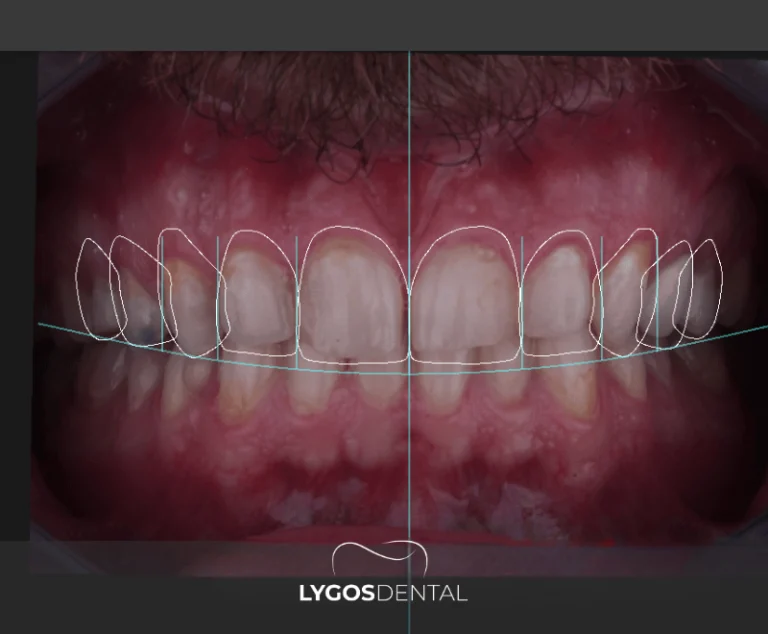
Helps reduce bad breath
The back of the tongue often harbors anaerobic bacteria that release volatile sulfur compounds. These compounds are a major driver of morning breath and persistent halitosis. Regular tongue cleaning reduces the bacterial layer where those odors start.
May reduce plaque transfer
Bacteria don’t stay in one place. A coated tongue can re-seed microbes onto teeth, which may contribute to plaque buildup over time. Tongue cleaning helps lower that reservoir and supports a cleaner baseline between brushing sessions.
Supports gum comfort
Lowering overall bacterial load can help reduce irritation triggers in the mouth. Tongue cleaning is not a treatment for gum disease, but it can complement brushing, flossing, and professional cleanings.
Can improve taste
A heavy tongue coating can dull taste buds. When the surface is cleaner, many people notice flavors more clearly, especially after waking up.
Choosing The Most Effective Tongue Cleaner
The “best” option is the one you will use consistently and comfortably. Material and design affect feel, durability, and ease of cleaning.
Stainless steel
Durable, easy to wash thoroughly, and typically provides firm scraping in one or two passes. Choose rounded edges and a shape that fits your tongue width.
Plastic
Lightweight and inexpensive. Replace it if the edge warps, roughens, or develops cracks where bacteria can hide.
Silicone or soft-tipped designs
A good fit for sensitive tongues or people who are new to scraping. They may require a few extra passes compared with firmer scrapers.
Brush-style tongue cleaners
These combine bristles with a scraping edge or textured pad. They can be comfortable, but models without a scraper often leave more coating behind.
Common Mistakes To Avoid

- Using too much pressure, which can cause soreness or tiny cuts.
- Only cleaning the front of the tongue. The back often needs the most attention.
- Skipping tool hygiene. Rinse well and let it dry to limit bacterial growth.
- Sharing a cleaner. Treat it like a toothbrush—one person only.
- Overdoing it. Once a day is enough for most people.
Where Tongue Cleaning Fits In A Daily Routine
Most people prefer using a tongue cleaner in the morning, when overnight bacteria and dryness make the coating more noticeable. You can do it before brushing or after brushing—either is fine as long as you are consistent. If you have persistent bad breath, a second gentle clean later in the day can help.
When To Speak With A Dentist
If bad breath persists despite brushing, flossing, and tongue cleaning, it may be linked to gum disease, dry mouth, tonsil stones, sinus issues, or digestive causes. Also ask for advice if you have a painful tongue, sores that do not heal, or a coating that does not improve with routine care.
Frequently Asked Questions
Is it really necessary to use a tongue cleaner?
It’s not mandatory, but it can make a noticeable difference for breath and overall oral cleanliness. The tongue holds a large amount of bacteria, and a quick daily clean can reduce that buildup.
How often should I use a tongue cleaner?
Once a day is enough for most people. If you are managing stubborn bad breath, you can use it twice daily as long as you stay gentle.
Is brushing the tongue with a toothbrush enough?
It can help, but toothbrush bristles often smear the coating instead of lifting it. A tongue cleaner is shaped to scrape the surface efficiently.
Can tongue cleaning replace brushing or flossing?
No. Tongue cleaning supports your routine, but brushing and flossing are still the core habits for preventing cavities and gum disease.
What is Apical Resection?
What Is Apical Resection?
Apical resection (apicoectomy) is a minor dental surgery that removes infected tissue and a small portion of the root tip when a tooth still has inflammation after root canal treatment. By sealing the end of the root and clearing the infection, the procedure can preserve the natural tooth and protect nearby bone and gums.
Meta Title: Apical Resection (Apicoectomy): What It Is, When It’s Needed, and Recovery
Meta Description: Learn what apical resection (apicoectomy) is, why it’s done after a failed root canal, how the surgery works, key benefits and risks, and what to expect during recovery and follow-up care.
What is apical resection?
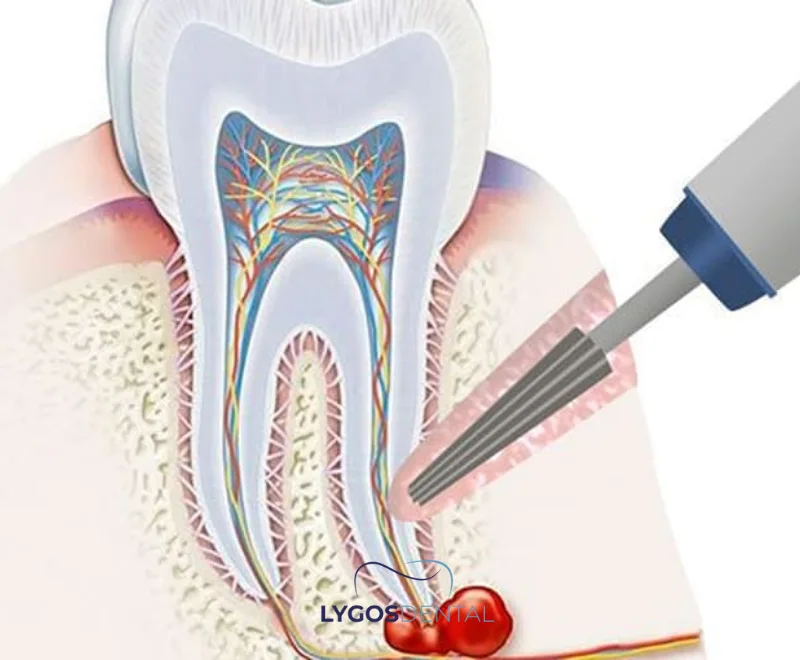
Apical resection is a surgical endodontic procedure used to treat infection at the tip of a tooth root. It’s most often recommended when root canal treatment has already been completed, but the root-end area still shows persistent inflammation, pain, or a recurring abscess. The aim is straightforward: remove the infected tissue and seal the root tip so bacteria can’t keep leaking into the surrounding bone.
Dentists may also call this procedure an apicoectomy. With modern imaging and magnification, it can be carried out with high precision, which improves comfort and predictability for many patients.
When is apical resection recommended?
Your dentist or oral and maxillofacial surgeon may suggest apical resection when non-surgical options aren’t likely to solve the problem. This usually happens after a root canal that cannot be retreated effectively, or when the root anatomy and existing restorations make retreatment risky.
Common reasons include
- A persistent infection or cyst at the root tip after root canal treatment
- Blocked canals (for example, from a post, calcification, or complex anatomy) that prevent adequate retreatment
- A fracture or small defect near the root end that needs direct access
- A root filling that cannot be cleaned or replaced without damaging a crown or bridge
- A desire to keep the natural tooth when extraction is the main alternative
How the procedure is performed
Apical resection is typically done under local anesthesia. After numbing the area, the clinician makes a small incision in the gum and creates a window in the bone to reach the root tip. Inflamed tissue is removed, and a small portion of the root end is trimmed.
The end of the root is then cleaned and sealed with a biocompatible filling material to reduce the chance of reinfection. Finally, the gum is stitched back in place. Most appointments take about 30–60 minutes, depending on which tooth is treated and how complex the root structure is.
Benefits of apical resection
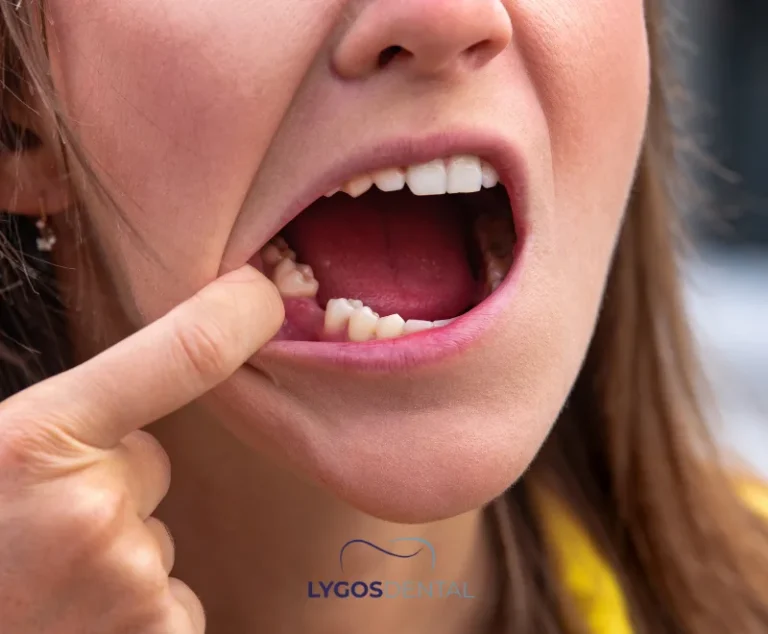
The main advantage is tooth preservation. Keeping your natural tooth can support chewing function, bite stability, and appearance—especially in the front of the mouth. For many patients, apical resection provides a practical “second chance” for a tooth that would otherwise be removed.
Key benefits
- Avoids extraction in suitable cases
- Stops infection from spreading into surrounding bone and tissues
- Can relieve ongoing pain, swelling, or recurrent gum boils
- Often faster and less invasive than replacing the tooth with an implant or bridge
- Helps maintain natural aesthetics and normal bite forces
Risks and possible complications
Like any surgical procedure, apical resection has potential risks. Most are uncommon and manageable, especially when the case is well planned and postoperative instructions are followed.
Possible complications
- Temporary pain, swelling, bruising, or mild bleeding in the first few days
- Infection or delayed healing
- Numbness or tingling (rare), depending on the tooth and nearby nerves
- Sinus involvement when upper back teeth are treated (uncommon)
- Failure to resolve the infection, which may still lead to extraction
Recovery and aftercare
Most patients return to normal routines within a day or two, but the surgical site needs time to heal. Discomfort is usually mild to moderate and can be managed with the medications your clinician recommends. Stitches are commonly removed about 7–10 days after the procedure, unless dissolvable sutures are used.
Practical tips for a smoother recovery
- Use an ice pack for the first 24 hours (10–15 minutes on, then off) to help limit swelling
- Choose soft foods and avoid chewing on the treated side for a few days
- Brush and floss normally, but be gentle around the incision
- Avoid smoking and alcohol while healing, as they can slow recovery
- Take prescribed antibiotics or pain relievers exactly as directed
Contact your dental office if you have heavy bleeding, worsening swelling after the first couple of days, fever, or pain that isn’t improving.
Apical resection vs. extraction

Apical resection is usually considered when the tooth can still be saved and has enough healthy structure to function long term. If the tooth is cracked below the gum line, has severe bone loss, or cannot be restored properly, extraction may be the safer choice. Your clinician will weigh prognosis, costs, timeline, and your overall oral health before recommending the best option.
Frequently asked questions
Is apical resection painful?
The surgery itself is performed under local anesthesia, so you shouldn’t feel pain during the procedure. Soreness afterward is common and typically improves over a few days with appropriate pain relief.
How long does apical resection take?
Most procedures take 30–60 minutes, though complex roots or difficult access can extend the appointment.
How long does healing take?
Initial gum healing usually happens within 7–10 days. Bone healing around the root tip takes longer and is monitored at follow-up visits, often with X-rays.
Can any tooth have apical resection?
Not always. Accessibility, root shape, proximity to nerves or the sinus, and the tooth’s overall restorability all affect suitability. A clinical exam and imaging are needed to confirm whether it’s a good option.
What’s the success rate?
Many cases do well when the tooth is properly selected and the root end can be sealed effectively. Your dentist can give a realistic prognosis based on the tooth involved, existing restoration, and the size of the lesion.
How to Care for Dentures?
How To Care For Dentures
Clean dentures every day by rinsing after meals, brushing with a soft denture brush and non‑abrasive cleanser, and soaking as directed. Handle them over a towel or water-filled sink to prevent breakage. Remove dentures at night unless your dentist advises otherwise, and keep your gums, tongue, and any natural teeth clean too.
Dentures can restore chewing, speech, and smile confidence after tooth loss. They also need routine care because plaque and food debris can build up on the surface just like on natural teeth. A few consistent habits make dentures more comfortable, reduce odour, and help them last longer.
What Dentures Are
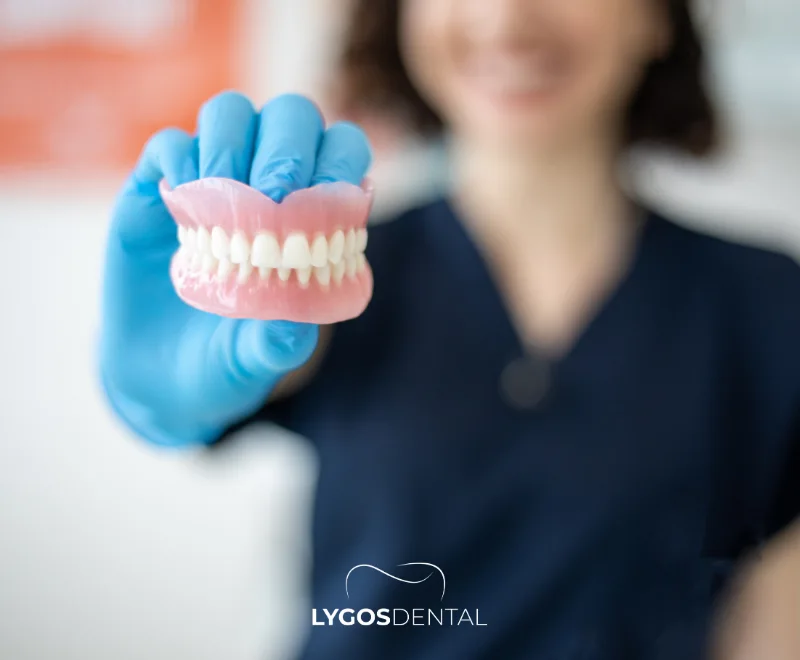
Dentures are removable dental appliances that replace missing teeth. Full dentures replace all teeth in the upper or lower jaw, while partial dentures fill gaps and clip to remaining natural teeth. Some dentures are supported by implants, which can improve stability but may require extra attention around attachments.
Who Might Need Dentures
- Adults who have lost teeth due to decay or gum disease.
- People who have lost teeth after trauma.
- Patients born with missing teeth or tooth development issues.
- Anyone whose missing teeth affect function, comfort, or appearance.
Why Denture Care Matters
Poor denture hygiene can lead to bad breath, gum irritation, and infections such as denture-related stomatitis (often linked to yeast). It can also cause staining, unpleasant taste, and faster wear of the denture material. Regular cleaning and correct storage help maintain fit and reduce the risk of sores.
How Often To Clean Dentures
Aim to clean dentures at least morning and night, and rinse after meals to remove loose food. Night-time cleaning is especially useful because plaque and bacteria can build up during the day. If you use denture adhesive, clean off leftover adhesive daily so it doesn’t harden and trap bacteria.
Step-by-step: How To Clean Dentures
Remove them carefully. Take dentures out gently. Clean them over a folded towel or a sink partly filled with water to protect them if they slip.
Rinse first. Rinse under running water to remove food particles. Use cool to lukewarm water—very hot water can warp some materials.
Brush all surfaces. Use a soft denture brush and a non‑abrasive denture cleanser (or mild soap if recommended). Brush the teeth surfaces, the gum-coloured base, and the grooves that sit against your gums.
Rinse thoroughly. Rinse well before putting dentures back in your mouth. Never use denture cleansers while dentures are in the mouth.
Soak when needed. Soak dentures in water or a denture-soaking solution as directed by the product and your dentist. Many dentures need to stay moist to keep their shape.
Products That Are Safe For Dentures
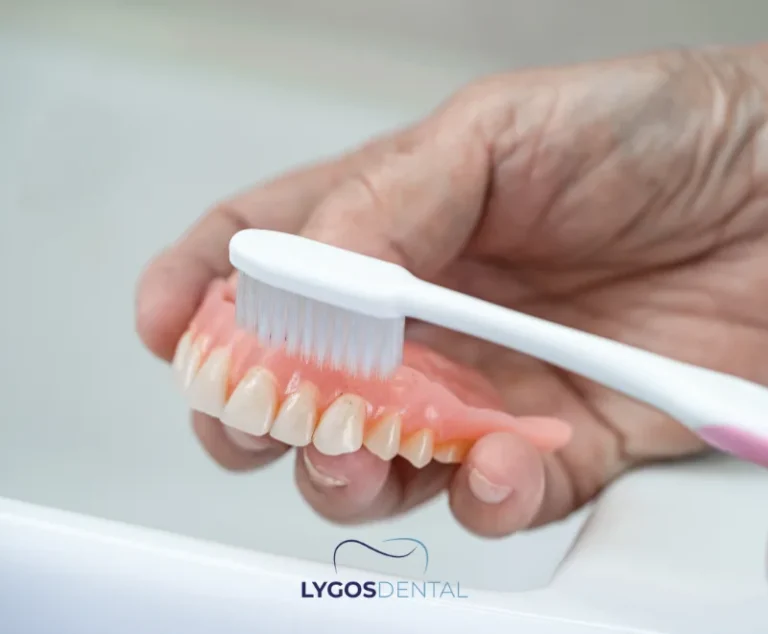
Choose products designed for denture materials, and follow the manufacturer’s instructions for soaking time and use.
- Soft denture brush (or a soft toothbrush used only for dentures).
- Non‑abrasive denture cleanser, cream, paste, or tablets.
- Denture-soaking solution or plain water for overnight storage (as advised).
- Interdental brushes, floss threaders, or water flossers for implant-supported dentures—use the tools your dental team recommends.
Common Mistakes To Avoid
- Using regular toothpaste or abrasive powders (they can scratch dentures and attract more plaque).
- Cleaning with bleach or harsh chemicals (they may weaken materials or discolor the denture).
- Soaking in very hot water (can distort or warp some dentures).
- Scrubbing with hard-bristled brushes (can create surface damage).
- Wearing dentures overnight without guidance (may increase irritation and infection risk).
- Skipping checkups (fit can change over time as gums and bone remodel).
Night-time Routine And Storage
Most people should remove dentures at night to give the gums time to rest, unless their dentist recommends otherwise. After cleaning, store dentures in water or the recommended soaking solution so they don’t dry out. If your dentures have metal parts, ask your dentist which solutions are safe to avoid tarnishing.
Don’t Forget Your Mouth

Even with full dentures, your mouth still needs daily care. Gently brush your gums, tongue, and the roof of your mouth with a soft toothbrush to remove plaque and stimulate circulation. If you have natural teeth, clean them with fluoride toothpaste and floss daily.
When To See A Dentist
Book a dental visit if dentures feel loose, rub, or cause sores, or if you notice persistent bad breath despite cleaning. Also seek advice if you develop red, inflamed tissue under the denture or a burning sensation—these can be signs of infection or an allergy. Regular reviews help ensure fit, comfort, and safe cleaning habits.
Frequently Asked Questions
Is daily denture cleaning really necessary?
Yes. Daily brushing and rinsing reduces plaque, odour, and infection risk. Combine mechanical brushing with soaking as directed for the best results.
Can I use regular toothpaste on my dentures?
Usually no. Many toothpastes are abrasive and can scratch denture surfaces. Use a denture-specific cleanser or a mild soap recommended by your dental professional.
Can I sleep with dentures in?
Many dentists advise removing dentures overnight to reduce irritation and infection risk. Follow your dentist’s guidance if you’ve been told to wear them for a specific reason.
How long do dentures last?
With good care, many dentures last about 5 to 10 years, but they may need relining, adjustments, or replacement as your mouth changes over time.
What Is an Ectopic Tooth?
What Is An Ectopic Tooth? Symptoms, Causes, And Treatment
An ectopic tooth is a tooth that develops or erupts outside its normal path, such as a canine or wisdom tooth that comes in at an unusual angle or in the wrong spot. It may cause crowding, pain, swelling, or damage to nearby teeth, but some cases are found only on X‑rays. Treatment ranges from monitoring to orthodontic guidance or surgical removal.
What Is An Ectopic Tooth?
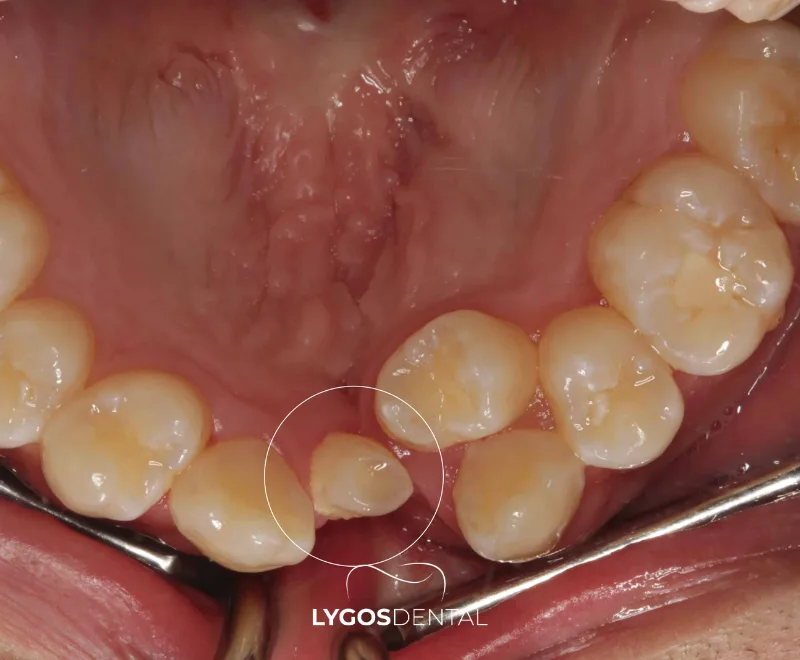
An ectopic tooth is a tooth that erupts in an abnormal position instead of its expected place in the dental arch. It may sit outside the jawbone’s normal eruption pathway, remain trapped in the bone, or emerge in the gum at an unusual angle. Ectopic eruption is most often discussed in relation to maxillary (upper) canines and third molars, but any tooth can be affected.
Why Do Ectopic Teeth Happen?
Ectopic eruption usually has more than one cause. In many people, the issue is local—space, timing, or guidance problems during tooth development—rather than one single trigger.
Common Risk Factors
- Crowding or lack of space in the jaw, especially when the dental arch is narrow.
- Genetics and family history of impacted or ectopic teeth.
- Early loss of baby teeth or delayed shedding, which can alter the eruption path of permanent teeth.
- Abnormal tooth size, shape, or position of the developing tooth bud.
- Trauma or infection affecting the jaw or developing teeth during childhood.
At What Age Are Ectopic Teeth Usually Found?
Many cases are identified in childhood or early adolescence, when permanent teeth are erupting and orthodontic checks are common. A frequent window for detection is roughly ages 7 to 14, particularly for upper canines. Wisdom teeth may be discovered later, often between ages 17 and 25, especially when they become symptomatic or show up on imaging.
Symptoms Of Ectopic Teeth
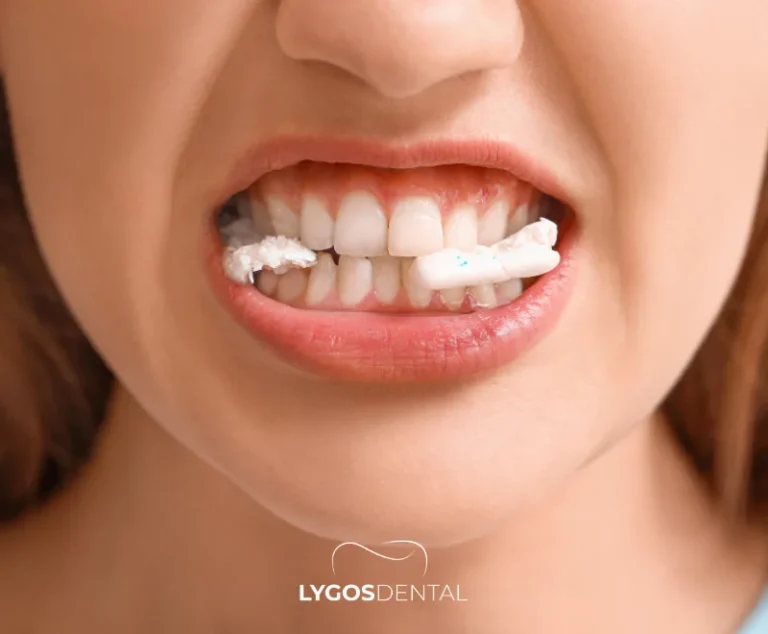
Symptoms depend on where the tooth is located and whether it is erupting into the mouth or remains impacted. Some people have no symptoms and only learn about the problem during a routine dental exam or X‑ray.
Possible Signs
- A tooth erupting in an unexpected spot or at an unusual angle.
- Crowding, shifting, or gaps as neighboring teeth are pushed out of position.
- Gum swelling, tenderness, or recurrent inflammation around the area.
- Jaw pressure, facial discomfort, or pain that comes and goes.
- Chewing difficulty or bite changes if the tooth interferes with normal contact.
Problems Ectopic Teeth Can Cause
Left unmanaged, ectopic teeth can create both cosmetic and functional issues. The main concern is damage to surrounding structures, including adjacent tooth roots and supporting bone.
Potential Complications
- Increased crowding and bite problems that may worsen over time.
- Root resorption of neighboring teeth in some impacted canine cases.
- Cysts associated with impacted teeth (such as dentigerous cysts) in a small number of patients.
- Repeated gum infection or inflammation if the tooth partially erupts and traps bacteria.
- Jaw or sinus-related symptoms in rare cases where a tooth is displaced into an unusual anatomical space.
How Dentists Diagnose An Ectopic Tooth
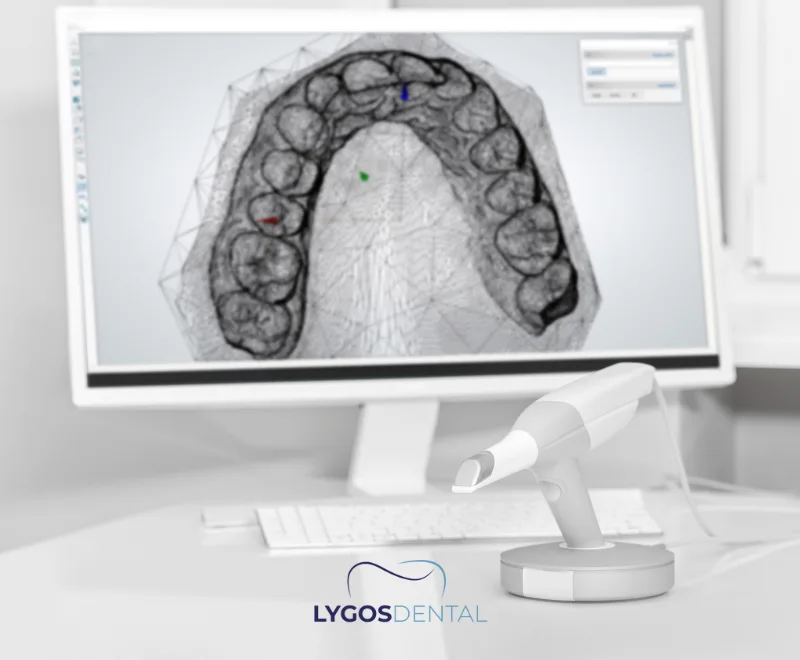
Diagnosis starts with a clinical exam, but imaging is often needed to confirm the tooth’s exact position. Dentists commonly use panoramic X‑rays, and may recommend CBCT (3D imaging) when surgical planning or complex anatomy is involved.
Treatment Options
Treatment depends on the tooth involved, its position, your age, and whether there is a risk of harm to nearby teeth. Many plans aim to prevent complications first, then restore function and alignment.
Orthodontic Guidance
If there is enough space and the tooth can be guided into place, orthodontic treatment may help move it into the correct position. This approach is often considered for ectopic upper canines, especially when detected early.
Surgical Exposure Or Removal
When the tooth is too far from its normal path, or when it poses a risk to nearby teeth, a dentist or oral surgeon may recommend surgery. Options include surgical exposure (sometimes combined with braces) or extraction for teeth that cannot be repositioned safely.
Monitoring
If the ectopic tooth is fully impacted, symptom-free, and not threatening nearby structures, careful monitoring can be appropriate. This usually involves periodic imaging and review to watch for changes such as cyst formation or pressure effects.
Frequently Asked Questions
How do you know if you have an ectopic tooth?
Some people notice a tooth coming in out of place, swelling, or crowding. Others have no symptoms, and the tooth is found on routine X‑rays or orthodontic scans.
Can an ectopic tooth fix itself?
Occasionally a mildly misdirected tooth improves as space is created, but many cases do not self-correct. Early dental assessment is the safest way to avoid complications.
Do ectopic teeth always need to be removed?
No. If the tooth can be guided into position or if it is stable and not causing harm, removal may not be necessary. Your dentist will base the plan on imaging and risk.
What specialist treats ectopic teeth?
General dentists can diagnose ectopic eruption, but orthodontists and oral surgeons often manage treatment, especially for impacted canines or wisdom teeth.
What Is Sinus Lifting?
What Is Sinus Lifting? Why Is It Done?
Sinus lifting (a sinus lift) is a bone‑grafting procedure used before dental implants in the back of the upper jaw. The surgeon raises the sinus membrane and places graft material to create enough bone height for a stable implant. It’s recommended when bone has thinned after tooth loss or when the sinus is too close to the implant site.
What Is Sinus Lifting?
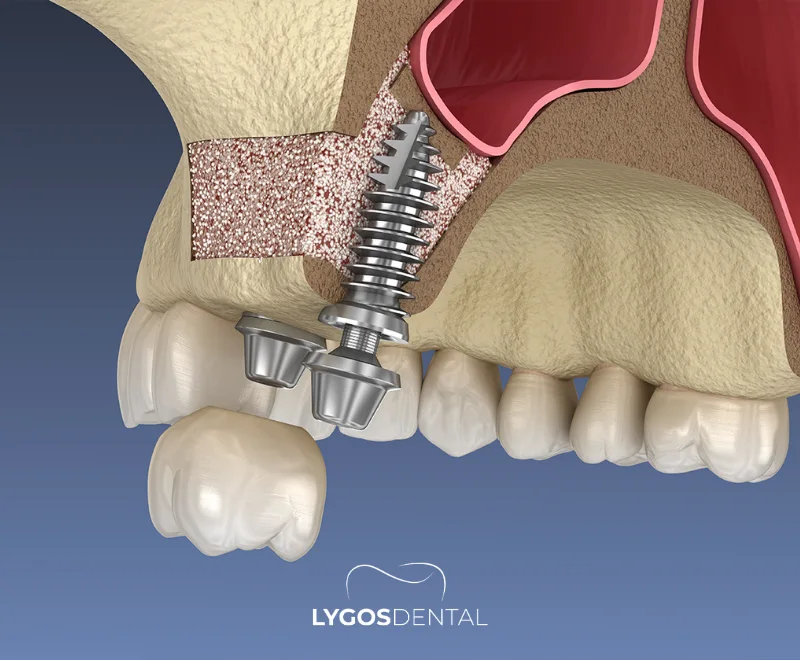
Sinus lifting is a surgical technique that increases bone volume in the posterior (back) part of the upper jaw so dental implants can be placed safely. The maxillary sinus is an air‑filled space above the upper molars and premolars. After tooth loss, the jawbone in this area can shrink and the sinus can expand downward, leaving too little bone for an implant.
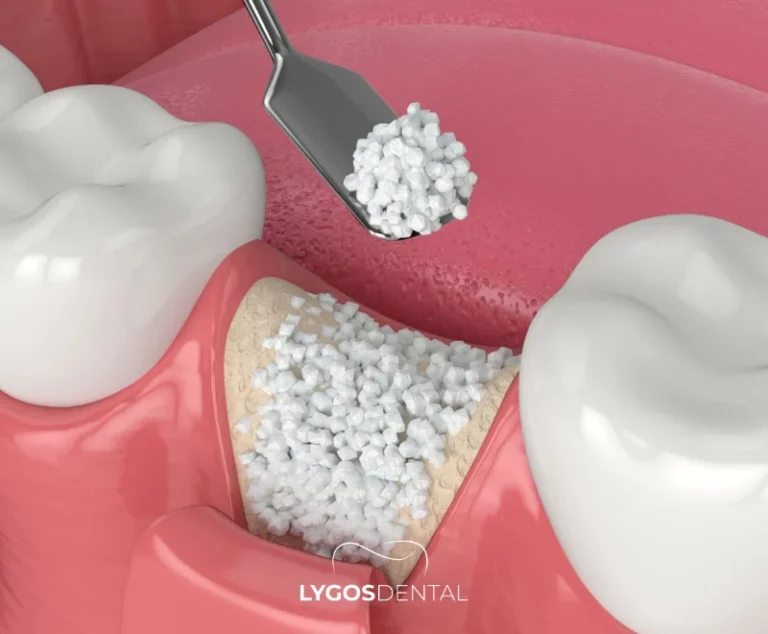
During a sinus lift, the surgeon creates space by elevating the sinus membrane (also called the Schneiderian membrane) and filling the area with bone graft material. Over time, new bone forms around the graft, creating the height and density needed for long‑term implant stability.
Why Is Sinus Lifting Done?
A sinus lift is recommended when there is not enough native bone to anchor an implant in the upper back jaw. Common reasons include long‑standing tooth loss, bone resorption, and natural anatomy where the sinus sits close to the gum line.
The goal is to improve implant support and reduce the risk of implant failure. Your clinician typically confirms the need for sinus lifting with a clinical exam and 3D imaging (often a CBCT scan) to measure bone height and sinus position.
How Is Sinus Lifting Performed?
Sinus lifting is usually performed under local anesthesia, and sedation may be offered for comfort. The exact steps vary by technique, but the procedure generally includes careful access to the sinus, gentle elevation of the membrane, placement of graft material, and closure with sutures.
In some cases, an implant can be placed in the same appointment if there is enough existing bone to secure initial stability. When bone is very thin, the graft is placed first and the implant is inserted after healing.
Open vs Closed Sinus Lifting: What’s The Difference?
Open sinus lift (lateral window technique)
This approach is used when bone height is significantly reduced and more graft volume is needed. The surgeon creates a small window in the side of the upper jaw to access the sinus membrane directly. Implant placement is often delayed until the graft has matured.
Closed sinus lift (crestal approach)
This method is suitable when bone loss is mild to moderate and only a small lift is required. The membrane is elevated through the implant site as the implant socket is prepared. It is less invasive and implants are frequently placed in the same session, depending on bone quality.
What To Consider Before And After Surgery
Before the procedure
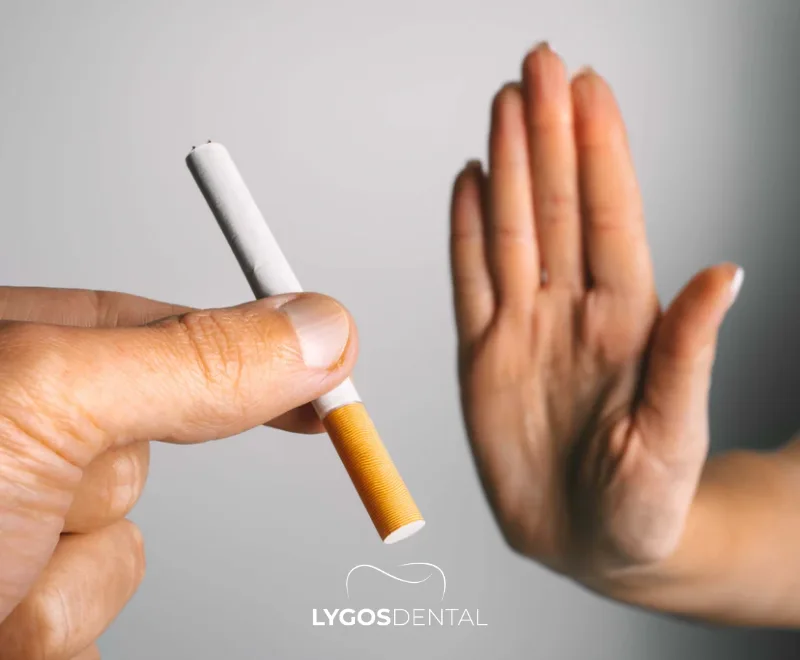
Share your full medical history, medications, and any allergies with your oral surgeon or implant dentist. Smoking can slow healing and increase complication risk, so stopping before surgery is strongly advised. If you have sinus symptoms or an active infection, treatment may need to be postponed until it resolves.
After the procedure
Avoid blowing your nose, forceful sneezing (sneeze with your mouth open), and heavy lifting for the period your surgeon recommends. Take prescribed antibiotics or pain relief exactly as directed, and keep the surgical area clean using the oral hygiene routine provided.
Stick to soft foods and avoid very hot or hard items in the first days. Contact your clinic promptly if you develop increasing swelling, fever, persistent bleeding, or a bad taste or discharge that worsens.
Recovery Time And Healing
Initial soft‑tissue healing typically takes about 7–10 days, which is when sutures are often removed if non‑resorbable stitches were used. Some swelling, mild pain, and bruising are common in the first few days and usually respond well to prescribed medication.
Bone maturation takes longer. Most patients need roughly 4–6 months for the graft to integrate before implant placement (or before the implant is fully loaded), though timelines vary based on graft type, technique, and individual healing.
Possible Risks And How They’re Managed
Sinus lifting is a well‑established procedure, but it remains delicate because the sinus membrane is thin. The most common intra‑operative issue is a membrane tear; when it occurs, surgeons can often repair it and continue or reschedule implant placement depending on severity.
Other potential risks include infection, sinus congestion, graft movement, or sinusitis. Choosing an experienced clinician, following aftercare instructions, and attending follow‑up visits helps keep risks low.
Frequently Asked Questions
Who needs sinus lifting?
It is most often recommended for people who want implants in the upper molar or premolar region but do not have enough bone height. This can happen after tooth loss, periodontal bone loss, or due to naturally large sinuses.
Is sinus lifting painful?
The procedure is performed with anesthesia, so you should not feel pain during surgery. Soreness afterward is common and is usually controlled with prescribed pain relief and cold compresses in the first 24–48 hours.
When can implants be placed after a sinus lift?
If there is adequate bone for initial implant stability, implants may be placed at the same time as the lift. When bone height is very limited, many clinicians wait about 4–6 months for graft integration before placing the implant.
How long does the procedure take?
Many sinus lift procedures take around 30–60 minutes, depending on whether the approach is open or closed and how much grafting is required. Your clinic can give a more accurate estimate after imaging and examination.
What should I avoid after surgery?
Avoid actions that increase sinus pressure, such as nose blowing, using straws, or strenuous exercise until your clinician says it is safe. Smoking should be avoided during healing because it can compromise blood flow and slow bone formation.
Orthodontics During Adolescence
Orthodontics During Adolescence
Orthodontic treatment during adolescence is often faster and more predictable because the jaws are still growing and most permanent teeth have erupted. Treatments like braces or clear aligners can improve bite function, support easier cleaning, and boost confidence. Many teens begin between ages 10 and 14, while an early orthodontic evaluation is commonly recommended around age 7.
Why orthodontic treatment matters in adolescence

Adolescence is a high-growth period for the jaws and face. When orthodontic problems are addressed at this stage, tooth movement can be more efficient and the results are easier to stabilize.
Orthodontic care is not only about aesthetics. Correcting alignment and bite issues can also support clearer speech, more comfortable chewing, and better long-term gum and tooth health.
Common reasons teens need orthodontics
- Crowded or overlapping teeth that are hard to clean, raising the risk of cavities and gum inflammation.
- Narrow, misaligned, or asymmetrical jaws that can affect chewing, speech, and facial balance.
- Overbite, underbite, crossbite, or open bite that can increase uneven tooth wear over time.
- Mouth-breathing and some oral habits that may influence dental and facial development.
- Self-consciousness about prominent or crooked teeth, which can impact social confidence.
Most common orthodontic options for adolescents
Metal braces
Metal braces remain one of the most effective options for a wide range of bite and alignment problems. Brackets and wires apply gentle, controlled forces that move teeth into healthier positions over time.
Ceramic braces
Ceramic braces work like metal braces, but use tooth-colored brackets that are less noticeable. They can be a good choice for teens who want a subtler look while still needing the control braces provide.
Lingual braces
Lingual braces sit behind the teeth, so they are not visible from the front. They may suit select cases, though they often require a specialist with specific training and can take some time to get used to.
Clear aligners (Invisalign Teen and similar systems)
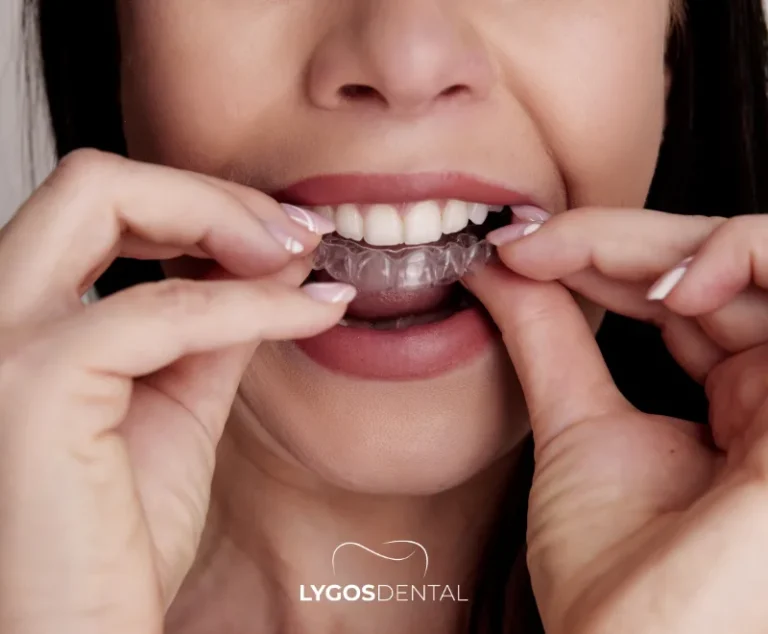
Clear aligners use a series of custom trays to gradually guide teeth into position. They are removable, which can make eating and brushing easier, and many teens like the low-visibility design.
Success depends heavily on daily wear time. Some teen systems include wear indicators that help the orthodontic team and parents track whether the aligners are being used as prescribed.
Best age to start orthodontic treatment
For many adolescents, comprehensive orthodontic treatment begins between ages 10 and 14, when most permanent teeth are present and jaw growth is still active. That said, timing is not identical for every child.
Many orthodontic associations advise an initial orthodontic evaluation around age 7. This does not mean treatment must start immediately, but it helps identify developing concerns early and plan the best window for intervention.
How long treatment usually takes
Treatment length depends on the complexity of the bite and alignment, the type of appliance used, and how consistently the teen follows instructions. Many plans fall in the 12–30 month range, though shorter or longer timelines are possible.
What can affect the timeline
- Severity of crowding or bite discrepancies.
- Growth pattern and jaw development.
- Oral hygiene and the health of gums and teeth.
- Consistency with elastics, aligner wear time, and other instructions.
- Keeping regular follow-up appointments.
Keeping teeth stable after treatment

Retention is a critical part of orthodontic care. Teeth naturally try to drift back toward their old positions, especially in the first year after active treatment.
Retention options
- Removable retainers: Often worn full-time at first, then at night as advised.
- Bonded retainers: A thin wire attached behind the teeth to help maintain alignment.
- Periodic check-ups: Short follow-ups help detect shifting early and adjust retention if needed.
Good brushing and flossing habits should continue after treatment. If teeth grinding (bruxism) is an issue, a dentist or orthodontist may suggest a night guard to protect teeth and retainers.
Frequently asked questions
Is orthodontic treatment painful?
It’s normal to feel pressure or mild soreness after braces are placed or adjusted, or when switching to a new aligner tray. The discomfort usually settles within a few days. Soft foods, good hygiene, and orthodontist-approved pain relief can help if needed.
Do all permanent teeth need to be in before starting treatment?
Not always. Some orthodontic plans begin earlier, especially when jaw growth guidance is helpful. Many comprehensive teen treatments start once most permanent teeth have erupted, but your orthodontist will decide based on development and the specific problem.
Can a teenager straighten teeth without braces?
In many mild to moderate cases, clear aligners are an option. For more complex crowding or bite correction, braces may offer better control. A consultation is the best way to match the method to the case.
Will braces affect school, sports, or music?
Most teens adapt quickly. Mouthguards can protect braces during contact sports, and orthodontic wax can reduce irritation. If a teen plays a wind instrument, there may be a short adjustment period while the lips and cheeks get used to the brackets.
Do braces cause tooth decay?
Braces do not cause decay on their own, but they can trap food and plaque if cleaning is inconsistent. Careful brushing, interdental cleaning, and regular dental visits reduce the risk.
What happens if treatment is delayed until adulthood?
Orthodontic treatment can work at any age, but teen treatment may be faster because growth can be used to guide development. Adults may need longer treatment times, and certain jaw issues may be harder to correct without more complex options.
Dental Implants During Pregnancy | LYGOS DENTAL
Dental Implants During Pregnancy: What You Need To Know
Dental implants are usually postponed during pregnancy because the procedure is elective and may require surgery, imaging, and medications. When dental care is needed, most routine treatments—including local anesthesia and dental X‑rays with proper precautions—are considered safe. If you have pain, infection, or a broken tooth, your dentist can offer pregnancy‑friendly options until implant placement after delivery.
Can You Get Dental Implants While Pregnant?

In most cases, dentists recommend waiting until after pregnancy to place dental implants. Implant placement is typically elective, involves a surgical appointment, and may require follow‑up visits and medications during healing.
That said, dental problems do not pause for pregnancy. If you have severe pain, swelling, trauma, or a spreading infection, your dentist and obstetric team can weigh the benefits and risks of treatment and choose the safest plan for you and your baby.
Why Most Dentists Recommend Waiting
The main reason is predictability. Implant success depends on stable healing of bone and gum tissue. Pregnancy can bring changes—like gum inflammation and nausea—that make surgery and recovery harder to manage.
Another factor is medication planning. Implant surgery sometimes involves antibiotics and stronger pain relief. Your dental team can prescribe pregnancy‑appropriate options when needed, but avoiding elective surgery reduces the need for medications in the first place.
Dental X‑Rays And Anesthesia: What’s Considered Safe
Modern dental X‑rays use very low radiation. When imaging is clinically necessary, professional guidelines note that dental radiographs and local anesthetics can be used safely during pregnancy with standard precautions.
If you are pregnant, tell your dentist as early as possible. They can limit imaging to what is necessary, use appropriate shielding when indicated, and choose medications that fit your trimester and health history.
Timing: First, Second, And Third Trimester Considerations
When dental treatment cannot wait, timing and comfort matter. Your dentist may coordinate with your obstetric provider to plan care that keeps you stable and comfortable.
First Trimester
The first trimester is a sensitive period for fetal development. Many clinicians prefer to avoid elective procedures during this time and focus on urgent care only, such as managing pain or infection.
Second Trimester
The second trimester is often the most comfortable window for necessary dental treatment because nausea is usually improved and positioning is easier. Even so, implants are still commonly deferred unless there is a strong medical reason.
Third Trimester
Long appointments can be uncomfortable late in pregnancy. Lying flat may cause dizziness in some people, and stress can be harder to tolerate. If treatment is urgent, dentists can use shorter visits and adjust chair positioning to keep you comfortable.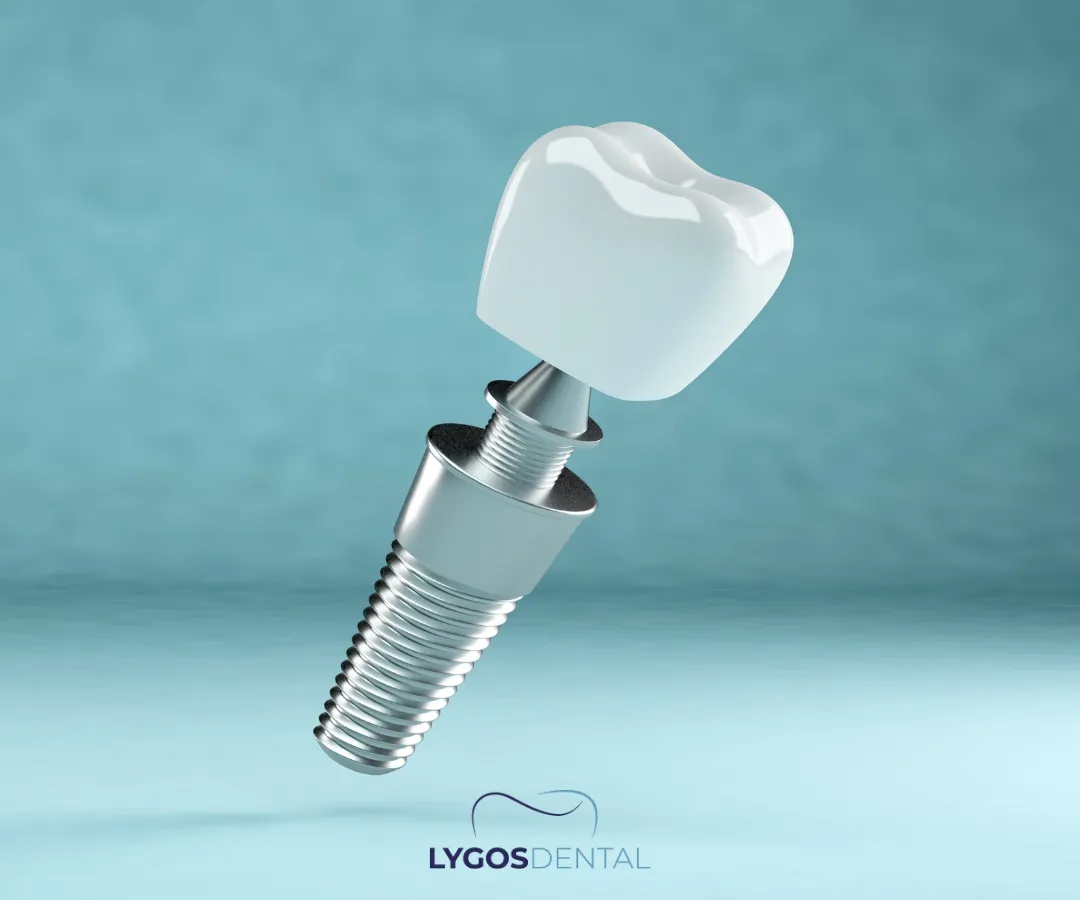
What To Do Instead If You Have A Missing Or Damaged Tooth
If you need to function comfortably while you wait, your dentist can recommend temporary or non‑surgical options that protect the area and improve chewing and appearance.
Common alternatives include:
- A temporary crown or filling to stabilize a broken tooth
- A removable partial denture (“flipper”) for a missing tooth
- A short‑term bridge (when appropriate) to maintain spacing
- Treatment of gum disease or cavities to prepare for implants later
- Extraction of an unfixable tooth when infection or pain is present
Keeping Your Mouth Healthy During Pregnancy
Healthy gums and stable teeth make implant planning easier after delivery. These habits also reduce the chance of infection or flare‑ups while you’re pregnant.
Focus on the basics:
- Brush twice a day with fluoride toothpaste and clean between teeth daily
- Schedule routine dental checkups and professional cleanings
- Limit frequent sugary snacks and sip water after eating
- If morning sickness occurs, rinse with water or a fluoride rinse (avoid brushing immediately after vomiting)
- Tell your dentist about prenatal vitamins and any pregnancy‑related conditions, such as gestational diabetes
Pregnancy And Gum Health: Gingivitis And Periodontal Disease
Hormonal shifts can increase gum sensitivity to plaque, which is why pregnancy gingivitis—swollen or bleeding gums—is common. Early treatment and good home care usually keep it under control.
More advanced periodontal disease can affect the tissues and bone that support teeth. Research has found an association between periodontal disease and adverse pregnancy outcomes, although studies vary. Either way, treating gum disease is good for your oral health and can reduce inflammation and discomfort.
Elective vs. Necessary Dental Treatment
A simple way to decide is urgency. Elective care can be safely planned for after delivery, while necessary care prevents bigger problems.
Usually Elective
Implant placement, cosmetic whitening, and non‑urgent aesthetic work.
Usually Necessary
Treatment for infection, uncontrolled pain, abscess drainage, root canal therapy when indicated, and repairs that prevent a tooth from worsening.
Frequently Asked Questions
Can I start implant planning while pregnant?
Yes. A consultation and non‑invasive planning can be helpful, especially if you want implants soon after delivery. Your dentist can decide what imaging is appropriate now versus later.
If I already have an implant, can pregnancy cause it to fail?
Most existing implants remain stable. The bigger issue is gum inflammation around teeth and implants. Keep up with cleanings and call your dentist if you notice bleeding, swelling, or pain.
What if I have an infection near a missing tooth?
Don’t wait. Dental infections can worsen quickly and may affect overall health. Your dentist can treat the infection using pregnancy‑appropriate approaches and medications.
Final Takeaway
Dental care is part of prenatal health. Routine treatment and necessary procedures are generally manageable during pregnancy, but dental implants are usually best scheduled after delivery for simpler healing and fewer medications.
If you are considering implants, ask your dentist to coordinate with your obstetric provider so you have a clear plan for symptom control now and implant timing later.