
Full Mouth Dental Implants Turkey Package Prices
Full Mouth Dental Implants In Turkey Package Prices
Full mouth dental implants in Turkey are commonly offered as All-on-4 or All-on-6 full-arch restorations. Most patients travel twice: the first trip for scans, extractions (if needed), implant placement, and temporary teeth; the second trip 3–6 months later for the final bridge. In 2026, full-mouth packages are often advertised from about $5,200 to $12,600, depending on materials and case complexity.
What Full Mouth Dental Implants Are
Full mouth dental implants replace most or all missing teeth with fixed teeth supported by implants placed in the jawbone. They are designed to feel stable when you eat and speak, unlike removable dentures that can move or rub. Your suitability depends on jawbone volume, gum health, bite forces, and medical history.
Main Components
- Implant posts: usually titanium screws that act like artificial tooth roots.
- Abutments: connectors that link the implants to the bridge or crowns.
- Final teeth: a fixed bridge (full arch) or multiple crowns made in materials such as acrylic, porcelain, or zirconia.
Treatment Options Used For Full-Arch Cases
Clinics in Turkey typically offer fixed full-arch solutions rather than placing an implant for every missing tooth. The right approach depends on your bone density, anatomy, and how much stability you need.
All-on-4
All-on-4 uses four implants per arch (upper or lower jaw) to support a full-arch bridge. Angled posterior implants can help avoid bone-graft sites in some patients, though grafting may still be required in certain cases.
All-on-6
All-on-6 uses six implants per arch, which can improve distribution of bite forces and may be recommended when bone and space allow. It can also offer extra support for people with stronger bite pressure or higher functional demands.
Individual Implants
In selected cases, dentists may plan more implants with multiple bridges or crowns. This is usually discussed when bone quality is good and a segmented design is preferred for maintenance.
How Many Trips You Usually Need
A two-visit plan is still the most common route for international patients. It gives time for osseointegration, the process where bone bonds to the implant surface, which helps long-term stability.
First Visit (Typically 3–7 Days)
- Clinical exam plus digital X-rays or a 3D scan for planning.
- Extractions, if there are unsalvageable teeth.
- Implant placement surgery (with local anesthesia and, when appropriate, sedation).
- A temporary fixed bridge or temporary teeth so you can function during healing.
Second Visit (Typically 5–7 Days, 3–6 Months Later)
- Check of healing and implant integration.
- Final impressions or digital scans for your definitive teeth.
- Delivery of the final bridge and bite adjustments.
Some clinics advertise immediate-load or “same-day” teeth. That usually refers to temporary teeth placed quickly after surgery, while the final prosthesis is still produced after healing.
Recovery And Aftercare After Full-Arch Implant Surgery
A smoother recovery comes down to following the clinic’s instructions, keeping the area clean, and avoiding excess bite pressure early on. Expect a short period of swelling and discomfort in the first week. Soft tissue tends to settle within a few weeks, while deeper integration can take several months.
Diet
- Stick to soft foods at first and avoid chewing hard items on the temporary bridge.
- Follow the clinic’s timeline before returning to tougher foods.
Oral Hygiene
- Brush gently around the gumline and under the bridge using tools recommended by the clinic.
- Use interdental brushes or water flossing devices if advised, plus an antiseptic rinse when prescribed.
Lifestyle Factors
- Smoking and heavy alcohol use can slow healing and raise complication risk.
- Plan check-ups at home after you return, especially in the first year.
Full Mouth Dental Implant Prices In Turkey In 2026
Pricing varies by city, implant brand, the number of implants, and the material used for the final teeth. Cases that need bone grafting, sinus lifts, treatment for gum disease, or complex extractions will usually cost more.
In 2026, full-mouth treatment packages in Turkey are commonly advertised in the region of about $5,200 to $12,600 for both jaws, depending on the system and restorative material. Premium implant brands and zirconia bridges generally sit at the higher end of the range.
Why Prices Can Change Case To Case
- Implant system: All-on-4 vs All-on-6 vs more extensive plans.
- Prosthetic material: acrylic, porcelain-fused options, or full zirconia.
- Jawbone condition: the need for grafting, sinus lift, or zygomatic implants.
- Diagnostic and lab work: 3D imaging, digital design, and laboratory complexity.
- Aftercare and warranties: what’s covered and for how long.
What’s Typically Included In Turkey Implant Packages
Many clinics bundle the clinical work with travel support to simplify planning for international patients. Inclusions differ by provider, so it’s worth asking for a line-by-line quote before you book flights.
- Consultation, imaging (panoramic X-ray and/or 3D scan), and treatment planning.
- Implant surgery and temporary teeth for the healing phase.
- Final bridge fabrication and fitting on the second visit.
- Airport and clinic transfers, often with hotel pickup.
- Hotel accommodation for the treatment stay (varies by clinic and hotel standard).
- Medications prescribed around surgery and scheduled follow-ups during your stay.
Ask which parts are excluded, such as flights, extra hotel nights, specialist sedation fees, or optional upgrades in materials.
Benefits And Long-Term Value
For the right candidate, full-arch implants can restore confidence and improve day-to-day comfort. They also help reduce the jawbone shrinkage that often follows tooth loss, since implants transmit functional forces into bone. With good hygiene and regular professional care, implants can last many years.
Before-And-After Photos: What To Look For
Before-and-after galleries can be helpful, but focus on clinical details rather than dramatic lighting. Look for natural tooth proportions, a bite that closes evenly, healthy-looking gums, and clear explanations of the case type (All-on-4, All-on-6, or other). A reputable clinic should be able to explain materials used and why they were chosen.
Choosing The Right Clinic And Package
Start with a clinical conversation, not just a price list. A responsible plan is based on your scan, medical history, and bite evaluation. If you have existing medical conditions or take medications that affect healing, make sure the clinic reviews them before committing to surgery.
Questions Worth Asking Before You Book
- Which implant brands and prosthetic materials are included in the quoted price?
- How many implants per arch are planned, and why?
- Will I need bone grafting or a sinus lift based on my scan?
- What happens if a temporary tooth fractures during healing?
- What follow-up support is available once I return home?
- Are warranties provided for implants and the final bridge, and what are the terms?
Key Takeaways
- Most full-arch implant treatments in Turkey are planned as two visits, separated by a 3–6 month healing period.
- Typical 2026 advertised full-mouth package ranges are around $5,200 to $12,600, depending on materials and complexity.
- The safest choice is the clinic that bases recommendations on your scan and explains exclusions, risks, and aftercare clearly.
Frequently Asked Questions
How long do full mouth dental implants last?
Implant fixtures are designed to be long-term and can last for many years when they integrate well and are maintained properly. The bridge or set of teeth attached to the implants may need repair or replacement over time due to normal wear. Regular hygiene visits and bite checks help protect both the implants and the prosthesis.
Is All-on-4 always enough, or should I consider All-on-6?
All-on-4 can be an excellent option for many patients, especially when bone volume is limited, but it is not the best fit for every case. All-on-6 can offer extra support for higher bite forces or when the jawbone allows more implant placement. Your scan and bite evaluation should guide the decision, not a one-size package.
Can I get teeth in a day in Turkey?
In suitable cases, clinics can place implants and deliver a fixed temporary bridge quickly, sometimes within the first visit. The final bridge is typically made after the healing phase, once the implants are stable and the gums have matured. Ask whether the clinic plans immediate loading and what conditions must be met for it to be safe.
What is usually included in a full mouth implant package?
Packages often bundle consultation and imaging, implant surgery, temporary teeth, and follow-up checks during your stay. Many clinics also include hotel accommodation and airport-to-clinic transfers. Always confirm exclusions in writing, such as flights, extra nights, medications, sedation fees, and any bone grafting needs.
Will I need bone grafting or a sinus lift?
Some patients do, and some do not. A CBCT scan is the only reliable way to assess bone height, width, and sinus position. In certain full-arch plans, angled implants can help avoid grafting, but grafting is still appropriate in some situations depending on anatomy and long-term stability goals.
What type of anesthesia or sedation is used for implant surgery?
Most full-arch implant surgeries are done with local anesthesia, with sedation available in many clinics for comfort. Options can include oral sedation, IV sedation, or general anesthesia depending on the provider and your medical profile. Discuss your medical history and anxiety level early so the clinic can outline the safest plan.
Best Dentists in Turkey | LYGOS DENTAL
Best Dentists in Turkey: A Practical Guide to Choosing Quality Dental Care
If you’re considering dental treatment in Turkey, focus on the dentist’s credentials, the clinic’s hygiene standards, the materials used, and the aftercare plan—not just price. The best clinics provide detailed imaging, transparent treatment plans, written warranties where appropriate, and clear communication in English.
Why Turkey Is A Popular Choice For Dental Care
Turkey attracts international dental patients for a simple reason: many treatments are priced lower than in Western Europe or North America while clinics often use modern equipment and materials. Costs can be lower due to operating expenses and currency differences, not automatically because quality is lower. That said, standards vary, so choosing carefully matters.
What People Mean By “Best Dentists In Turkey”
In practice, “best dentists in Turkey” usually refers to clinicians and clinics that combine strong training with consistent clinical outcomes and reliable patient support. You’ll often see these dentists working in multidisciplinary clinics, where implantologists, prosthodontists, endodontists, and orthodontists collaborate on complex cases.
Best Dental Treatments In Turkey
Turkey’s dental sector covers everything from routine check-ups to full-mouth rehabilitation. Treatment should always begin with a proper examination, X-rays or 3D imaging when needed, and a plan that explains options, risks, timelines, and maintenance.
Popular Treatments Offered By Top Clinics
- Dental implants: Titanium implants used to replace missing teeth. Ask about brand, bone assessment, and the implant-to-crown workflow.
- Cosmetic dentistry: Veneers, crowns, bonding, and whitening designed to improve the smile while keeping bite function and gum health stable.
- Orthodontics: Braces and clear aligners (including Invisalign-style systems) to correct alignment and bite issues.
- Gum treatments: Scaling, periodontal therapy, and maintenance plans that protect the foundation of teeth and implants.
- Prosthodontics: Crowns, bridges, and dentures to restore strength, comfort, and appearance after damage or tooth loss.
- Root canal therapy: Endodontic treatment to save an infected tooth, followed by a restoration that seals and protects it.
Many international patients also choose bundled packages that include airport transfers and accommodation. Packages can be convenient, but the clinical plan should stay the priority.
Key Qualities To Look For In A Cosmetic Dentist
- Relevant specialization: Look for focused experience in veneers, crowns, bonding, and smile design—not just general dentistry.
- A conservative approach: Good cosmetic work protects natural tooth structure and avoids unnecessary aggressive reduction.
- Planning tools: Digital smile design, high-quality photography, and 3D imaging help predict outcomes and reduce surprises.
- Strong communication: A clear explanation of what will change, what will not, and how long results are expected to last.
- Documented results: Before-and-after cases that match your situation (tooth shade, alignment, gum line, bite).
What Leading Dental Clinics In Turkey Typically Offer
Well-run clinics focus on the full patient journey: diagnosis, treatment, and follow-up. For international patients, the details around sterilization, materials, documentation, and aftercare are often what separate a good experience from a frustrating one.
- Comprehensive consultation with a written treatment plan and clear alternatives
- Digital X-rays and, when needed, CBCT/3D imaging for implants and complex cases
- Modern sterilization protocols and traceable instrument handling
- Clear information on materials and brands (implant systems, zirconia, porcelain, etc.)
- English-speaking coordinators and clinicians when treating international patients
- Post-treatment follow-up instructions and support for maintenance or complications
Dental Tourism In Turkey: Benefits And Considerations
Dental travel can work well when the planning is solid and expectations are realistic. Lower prices are common, and wait times may be shorter than at home. Still, complex treatment needs time: healing, bite adjustments, and follow-up visits can be necessary, especially for implants or full-arch cases.
Before you travel, ask who will handle long-term maintenance, what happens if adjustments are needed after you return home, and whether the clinic provides written documentation you can share with your local dentist.
How To Choose The Right Dentist In Turkey For You
A careful selection process protects both your health and your budget. These checks are useful for cosmetic work, implants, and restorative treatment alike.
- Verify qualifications, specialist training, and professional memberships relevant to your procedure
- Ask for a case plan: diagnosis, proposed treatment, timeline, and the rationale for each step
- Request details on materials and brands, plus warranties where applicable
- Review independent patient feedback and look for patterns (communication, pain control, aftercare)
- Confirm hygiene standards and whether the clinic follows recognized accreditation or quality frameworks
- Get a detailed written quote that lists what is included and what may be extra
- Clarify aftercare: follow-up schedule, remote support, and what happens if a revision is required
Book A Consultation
If you’re comparing clinics, a remote consultation can help you understand options and costs before you travel. Share recent dental X-rays if you have them, and ask for a written treatment plan you can review calmly.
What to Look for When Choosing the Best Turkey Dentist for You
Tips for Finding the Right Dentist
- Verify Credentials: Check qualifications and certifications for specialized procedures.
- Read Reviews: Patient testimonials provide valuable insight.
- Clinic Accreditation: Opt for clinics recognized by organizations like JCI (Joint Commission International).
- Modern Technology: Ensure access to advanced tools such as 3D imaging and laser equipment.
- Transparent Pricing: Look for clear and detailed pricing structures.
- Communication: Multilingual staff for easy understanding of procedures.
- Aftercare Services: Clinics offering follow-up support for long-term treatments like implants.
By following these recommendations, you can confidently choose a dentist who aligns with your expectations and provides world-class care.
Conclusion
Turkey has established itself as a global leader in dentistry, combining affordability, innovation, and exceptional patient care. The best dentists in Turkey leverage advanced technologies and compassionate approaches to deliver life-changing results. Whether it’s a smile makeover or essential dental treatment, Turkey offers unmatched opportunities for patients worldwide. Take the first step towards a healthier and more confident smile by discovering what Turkey’s top dentists have to offer. With a perfect blend of expertise and hospitality, your dental journey in Turkey is sure to exceed all expectations. Best Dentist in Turkey please contact our expert team.
Frequently Asked Questions
How Much Does Dental Work Cost In Turkey?
Prices vary by treatment type, materials, complexity, and the clinic’s location. Ask for an itemized quote that names the brand or grade of materials, lab fees, imaging, and follow‑up visits so you can compare like for like.
How Many Visits Will I Need For Veneers Or Crowns?
Many veneer and crown cases can be completed in one trip, often within a week, once scans and preparation are done. More complex cases may need extra time for gum health, bite adjustments, or a second fitting.
How Long Do Dental Implants Take From Start To Finish?
Implants are usually done in phases: placement, healing, then the final crown. Some cases qualify for faster protocols, but timelines depend on bone quality, infection risk, and whether you need grafting.
Are Dental Clinics In Turkey Regulated?
Clinics and practitioners should be licensed and operate under national healthcare rules. A reputable clinic will share licensing details, infection-control standards, and clear consent documents before treatment.
What Qualifications Should I Look For In A Dentist?
Look for formal training in the procedure you want, a portfolio of real cases, and a track record of handling complications. For cosmetic work, pay attention to smile design planning and how the dentist discusses function as well as looks.
Dental Implant Front Tooth | LYGOS DENTAL
Dental Implant For A Front Tooth
A front tooth dental implant replaces a missing incisor with a titanium or zirconia post placed in the jawbone and a custom crown on top. It looks and functions like a natural tooth, helps protect the bone under the gum, and avoids trimming healthy neighboring teeth. Treatment usually takes a few months from placement to final crown.
Table of Contents
What A Front Tooth Dental Implant Is
A dental implant for a front tooth uses three parts: an implant post, an abutment, and a crown. The post is placed in the jawbone, where it bonds during healing. Once the area is stable, a custom crown is fitted to match the color and shape of your surrounding teeth.
Why Front Teeth Need Careful Planning
Front teeth sit in a highly visible area, so the gum line, tooth shape, and color matching matter as much as strength. The bone at the front of the mouth can be thin, especially after a tooth has been missing for a while. Your dentist may recommend grafting or soft-tissue work to support a natural-looking result.
Key Benefits
- Natural look and feel: A well-made crown can mirror the translucency and contours of a real incisor.
- Bone preservation: The implant post helps reduce bone shrinkage that can happen after tooth loss.
- Strong, stable bite: Implants do not slip like removable options can.
- Protects neighboring teeth: Unlike a bridge, an implant usually does not require reshaping adjacent teeth.
- Long-term solution: The implant fixture is designed to last for many years, while the crown may need replacement from normal wear.
Front Lower Teeth Replacement
Implants can also replace lower front teeth. Those teeth guide the bite, support speech, and help keep the remaining teeth aligned. Replacing a missing lower incisor can reduce shifting and make cleaning easier compared with leaving a gap.
Which Implant Type Is Best For Front Teeth?
The best option depends on your bone volume, gum thickness, smile line, and medical history. Your clinician will also consider how quickly you need the tooth replaced and whether an extraction is involved.
Common Options
- Titanium implants: The most widely used option, valued for strength and long-term clinical track record.
- Zirconia implants: Metal-free and tooth-colored, sometimes chosen for aesthetics or metal sensitivities.
- Immediate implant placement: In select cases, an implant can be placed at the same visit as extraction, but only when the site is suitable.
- Mini implants: Occasionally used in narrow spaces, but they are not appropriate for every front tooth case and require careful evaluation.
How Natural Can A Front Tooth Implant Look?
A front tooth implant can look very natural when the crown, gum contour, and implant position are planned together. Dentists often use digital scans, photos, and shade guides to match the surrounding teeth. All-ceramic crowns (porcelain or zirconia-based) can reflect light in a way that closely resembles enamel.
Treatment Steps And Timeline
Most patients go through several stages, even when the process is streamlined. Your exact timeline depends on healing, bone quality, and whether grafting is needed.
- Consultation and imaging (often 3D scan) to plan implant position and crown shape.
- Extraction (if needed) and site preparation; grafting may be recommended to support the gum and bone.
- Implant placement surgery, followed by a healing phase while the post bonds to bone.
- Abutment and crown phase: impressions or scans are taken and the final crown is fitted and adjusted.
Cost Of A Front Tooth Implant
Pricing varies widely by country, clinic location, and case complexity. A single-tooth implant is usually priced as a bundle that includes the implant post, abutment, and crown.
Typical Cost Range (United States)
Many clinics quote around $3,000–$6,000 for one front tooth implant including the implant, abutment, and crown. The total can be higher if you need bone grafting, gum grafting, or temporary tooth solutions during healing.
What Influences Price
- Need for bone grafting or soft-tissue grafting
- Type of crown material and lab fees
- Implant brand and surgical complexity
- Specialist involvement (periodontist/oral surgeon vs general dentist)
- Imaging, sedation, and follow-up appointments
Dental Tourism In Turkey
Turkey is a popular destination for implant treatment because prices can be lower than in many Western countries. Depending on the clinic and materials used, a single implant package is commonly advertised in the few-hundred-dollar range, sometimes bundled with transfers and accommodation.
What To Check Before Booking
- Who performs the surgery and their credentials in implant dentistry
- The implant system and crown materials being used (ask for brand names and warranty terms)
- Whether the quote includes imaging, grafting (if required), and a temporary tooth for the front area
- The lab turnaround time and how many visits you will need
- Aftercare plan once you return home, including who will handle adjustments or complications
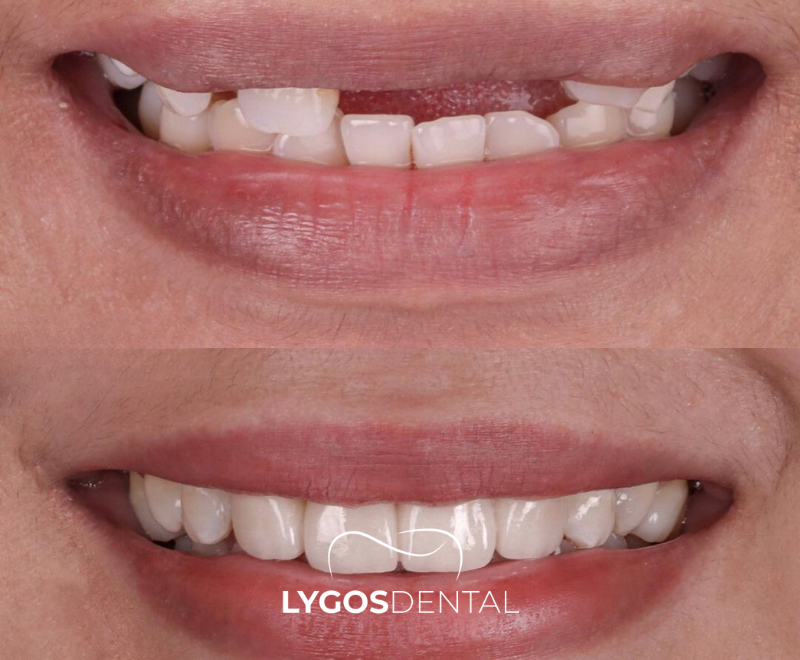
Before And After: What Usually Changes
Before treatment, a missing front tooth can affect confidence, pronunciation, and biting into foods. Over time, bone and gum tissue can shrink in the area, which may change the way the smile line looks.
After healing and the final crown, patients typically notice a fuller smile and easier speech. The goal is a crown that blends with neighboring teeth and a gum line that looks balanced from the front.
Aftercare And Long-Term Maintenance
Implants are not immune to gum disease, so daily cleaning matters. Brush twice a day, clean between teeth, and keep regular dental check-ups so the implant and surrounding gum stay healthy.
- Use interdental brushes or floss designed for implants to clean along the gum line.
- Consider a night guard if you grind your teeth.
- Avoid smoking during healing and long-term if possible, as it increases the risk of implant complications.
- Report bleeding, swelling, or a loose feeling early rather than waiting.
FAQ
Can dental implants be done on front teeth?
Yes, front teeth can be replaced with dental implants when bone and gums allow.
How much does the average front tooth implant cost?
Typically $3,000–$6,000 total per tooth, including crown and abutment.
What is the cheapest way to replace a front tooth?
A removable partial denture (“flipper”) is usually the lowest-cost front-tooth replacement.
How painful is a front tooth implant?
Usually mild-to-moderate soreness for several days; local anesthesia prevents procedure pain.
How long will a front tooth implant last?
Often 15–25+ years with good hygiene, bite control, and regular dental care.
Mini Dental Implant Treatment | LYGOS DENTAL
Mini Dental Implants
Mini dental implants are slim, one-piece titanium posts that can replace missing teeth or secure dentures with less surgery than standard implants. They’re often used when space is tight or bone volume is limited. Treatment can be faster and more affordable, but they’re not ideal for every bite pattern or every area of the mouth.
Table of Contents
What Mini Dental Implants Are
Mini dental implants (MDIs) are narrower than conventional implants and are commonly made as a single, integrated unit (implant and abutment together). Most are roughly 1.8–3.3 mm in diameter, which helps them fit into thinner ridges or narrower gaps.
Because they’re smaller, MDIs may be placed with a smaller incision or even a flapless technique in appropriate cases. Your dentist still needs adequate bone quality and careful planning to avoid nerves, sinuses, and adjacent roots.
How MDIs Differ From Traditional Implants
Traditional implants are wider and often use a two-piece design (implant body plus a separate abutment). MDIs are typically narrower and commonly one-piece, which can simplify placement and reduce components.
The trade-off is strength. Smaller diameter implants can be more vulnerable to overload, especially in patients who clench, grind, or place heavy biting forces on the restoration.
Benefits
- Less invasive placement in many cases, which can mean less swelling and a quicker return to normal routines.
- May reduce the need for bone grafting when bone width is limited (case-dependent).
- Useful in narrow spaces where full-size implants may not fit.
- Commonly used to stabilize removable dentures for improved comfort and chewing confidence.
- Often lower overall cost per implant compared with standard implants.
Limitations And Risks
- Not suitable for every tooth position. They’re often used for small-to-medium biting loads rather than high-load molar zones.
- Higher risk of mechanical complications if the bite is heavy or if the implant is overloaded.
- Like all implants, they can fail due to infection (peri-implant disease), poor oral hygiene, smoking, or uncontrolled medical conditions.
- May not be the best choice when significant bone height is missing or when the site needs major reconstruction.
How The Procedure Works
Most treatment plans start with an exam, X-rays, and often a 3D scan to assess bone and map safe implant positions. If you’re replacing a single tooth, the goal is to position the implant so the crown sits in a clean, easy-to-clean spot.
On the day of placement, the dentist prepares a small pilot site and threads the implant into the jawbone. Depending on stability and the type of restoration, a crown, bridge, or denture attachment may be fitted the same day or after healing.
Recovery And Aftercare
Recovery is usually mild, but you should expect some tenderness for a few days. Follow the clinic’s instructions on pain control, diet, and cleaning around the implant.
Long-term success comes down to daily plaque control and regular professional maintenance. If you grind your teeth, a night guard may be recommended to protect both the implant and the restoration.
How Long Mini Dental Implants Last
Lifespan varies widely. Many clinics quote ranges such as 6–15 years, but outcomes depend on bite forces, placement, the type of restoration, and maintenance habits. Some MDIs perform well for longer, while others may need replacement earlier if they’re overloaded or if gum disease develops.
Ask your dentist what success looks like in your specific case and what the backup plan is if an implant fails. That conversation is especially important if you’re considering MDIs for back teeth or for full-arch work.
Mini Dental Implants Cost
Pricing depends on country, clinic fees, and the complexity of your restoration. A commonly cited range is about $500–$1,500 per mini implant, while standard implants can cost several thousand dollars per implant before the crown or denture work.
Your total cost can also include scans, extractions, temporary teeth, denture conversion, and follow-up visits. If you’re comparing quotes, make sure you’re comparing the same scope of work.
Who May Be A Good Candidate
MDIs can be a good fit for patients who need denture stabilization, have limited bone width, or have narrow spaces between teeth. They’re also considered when patients want a shorter, less invasive route than graft-heavy treatment.
They may not be suitable if you have active gum disease, uncontrolled diabetes, heavy smoking habits, severe grinding, or complex bite problems. A clinician needs to evaluate these factors before recommending any implant type.
Questions To Ask At A Consultation
- Am I a candidate for MDIs, standard implants, or both—and why?
- Will you use a 3D scan, and how will you protect nearby nerves or sinuses?
- Can the restoration be loaded immediately, or do you recommend a healing phase?
- What maintenance visits do you recommend, and what costs should I expect over time?
- If an implant fails, what are the next-step options?
FAQs
Are mini dental implants any good?
Yes, for suitable candidates, they effectively stabilize dentures and some single-tooth replacements.
How much does a mini dental implant cost?
Typically US$500–$2,000 per mini implant, plus abutment/restoration and imaging fees.
How long does a mini dental implant last?
Often 5–10+ years, longer with good bone, hygiene, and low biting forces.
What is the failure rate of mini dental implants?
Reported failure is roughly 5–15% over several years, depending on case selection.
How painful are mini dental implants?
Usually mild-to-moderate soreness for 1–3 days, controlled with OTC pain relievers.
Can mini implants be done in one day?
Yes, many are placed and loaded the same day for denture stabilization.
What are the risks of mini implants?
Risks include infection, loosening, fracture, bone loss, gum recession, and rare nerve injury.
All-on-4 Dental Implants
All-on-4 Dental Implants at LYGOS DENTAL
All-on-4 dental implants replace a full arch of missing teeth using four implants that support a fixed bridge. At LYGOS DENTAL, the treatment typically includes digital planning, implant surgery, and a temporary set of teeth on the same day, followed by a permanent bridge after healing. Suitability depends on your bone and health.
All-on-4 dental implants are a full-arch solution designed for people who have lost most or all of their teeth in the upper jaw, lower jaw, or both. Instead of placing an implant for every missing tooth, four implants are positioned to support a fixed bridge. The goal is a stable bite, a natural-looking smile, and day-to-day comfort that feels closer to real teeth than removable dentures.
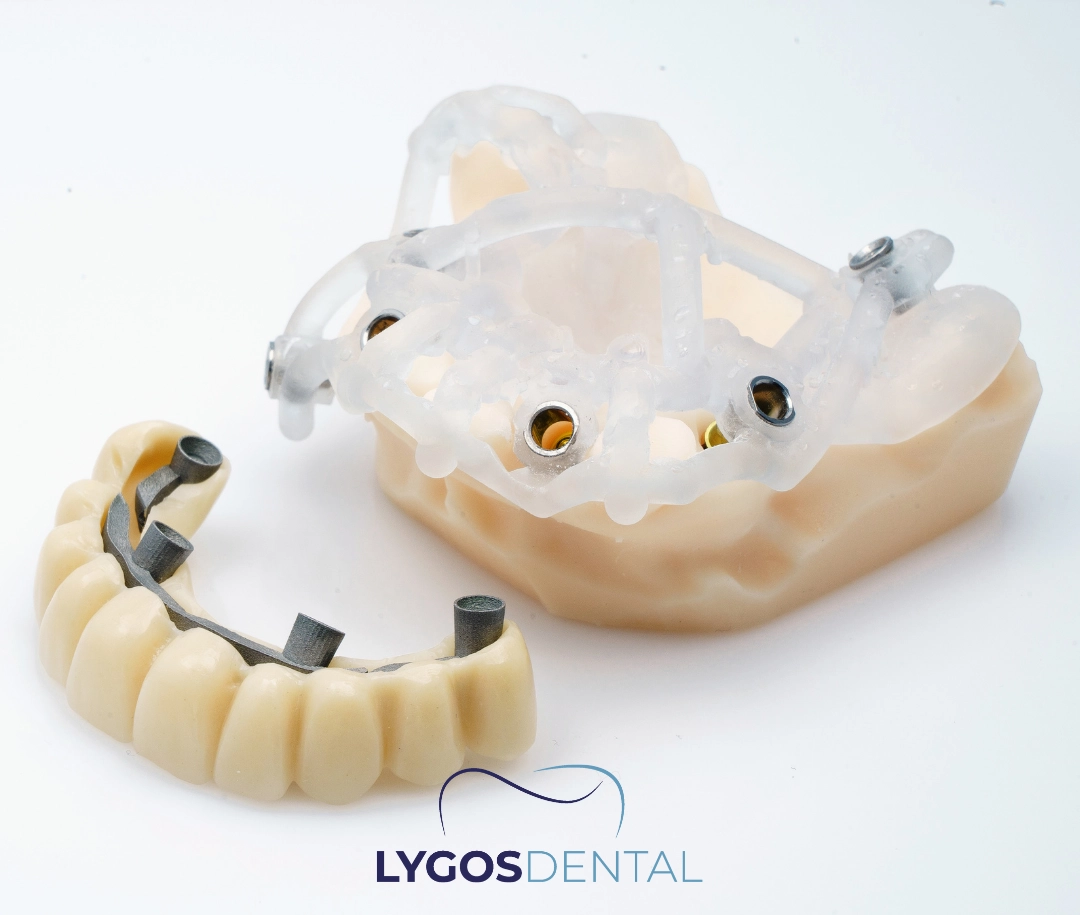
Table of Contents
What Are All-on-4 Dental Implants?
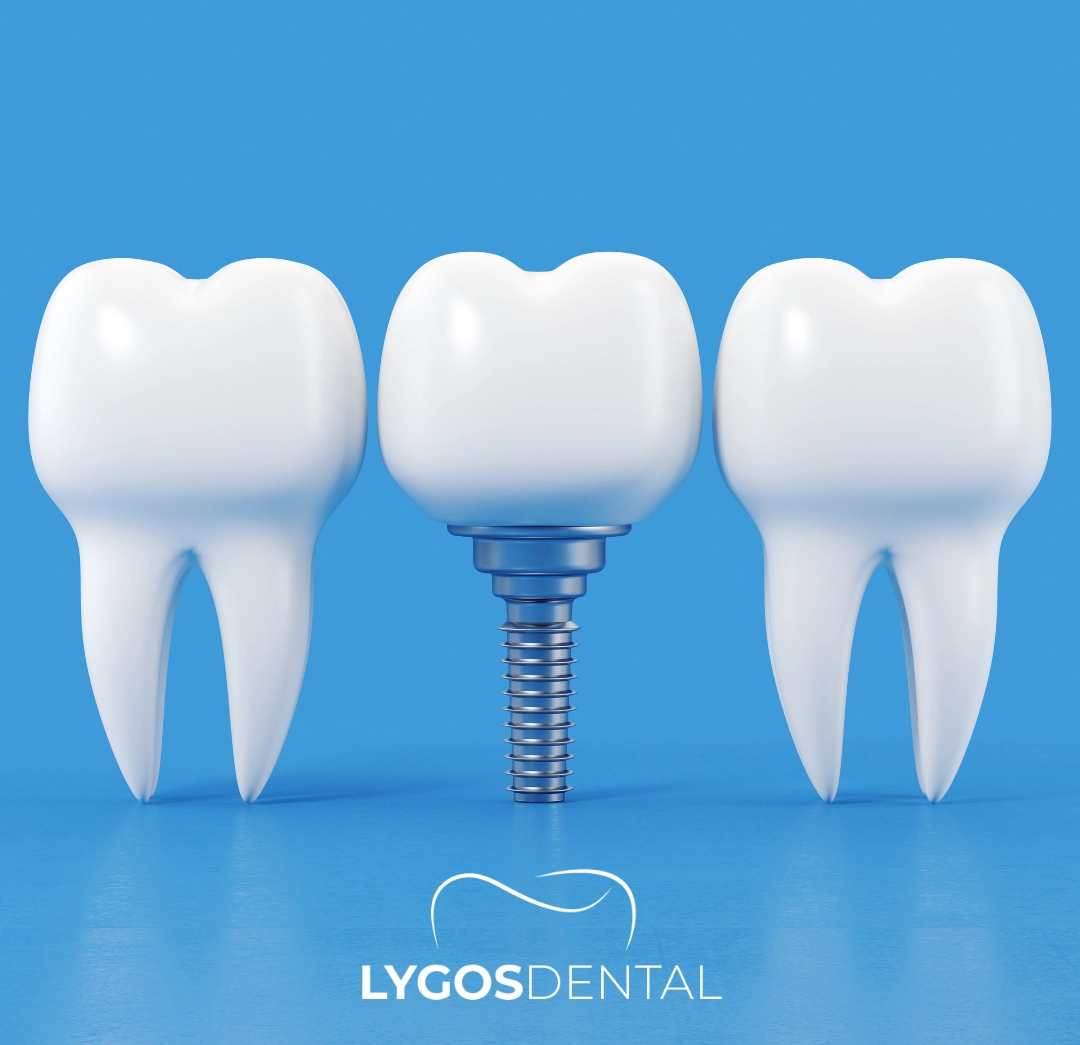
All-on-4 is a technique that uses four dental implants to hold a full set of replacement teeth on one arch. Two implants are typically placed toward the front of the jaw, where bone is often denser, and two are placed at the back on an angle for added anchorage. This angled placement can help use available bone more effectively and, in many cases, reduces the need for bone grafting.
How The All-on-4 Procedure Works
Consultation And 3D Planning
Your visit starts with a full examination and imaging such as X-rays and 3D scans. This lets the dentist evaluate bone levels, bite, gum health, and any teeth that may need extraction. A personalised plan is then created to map implant positions and the shape of your new smile.
Implant Placement And Same-Day Temporary Teeth
Surgery is performed with local anaesthesia, and sedation can be considered when appropriate. Four implants are placed in the jaw, then a temporary fixed bridge may be attached the same day when initial stability allows. Some patients may need a short healing period before loading, which your dentist will explain during planning.
Healing And Osseointegration
Over the next three to six months, the implants bond with the jawbone in a process called osseointegration. During this phase you’ll attend check-ups so healing can be monitored and the bite can be adjusted if needed. Following the post-op instructions closely helps protect the implants while the bone integrates.
Final Fixed Bridge
Once integration is complete, the temporary teeth are replaced with a final, custom-made bridge. The final prosthesis is designed for fit, speech, and chewing efficiency, while also matching the shade and shape you want. You’ll also be shown how to clean around the bridge to support long-term gum and implant health.
Treatment Stages At A Glance
- Assessment and digital planning (including 3D imaging)
- Extractions if required (sometimes on the same day as surgery)
- Implant placement (four implants per arch)
- Temporary fixed teeth when suitable
- Osseointegration and follow-up visits (often 3–6 months)
- Final bridge fitted after healing
Advantages Of All-on-4 Dental Implants
All-on-4 is often chosen because it combines stability with a shorter treatment plan than placing many individual implants. Benefits vary by patient, but the following are commonly reported outcomes.
- Fixed teeth that do not slip like removable dentures
- Potential to avoid bone grafting in many cases due to angled posterior implants
- Fewer implants than traditional full-arch approaches, which can lower overall cost
- Improved chewing efficiency and clearer speech compared with loose dentures
- A smile designed to suit your facial features and preferences
All-on-4 Dental Implants Before And After
Before treatment, missing teeth can make eating and speaking difficult, and dentures may feel unstable or uncomfortable. Over time, tooth loss can contribute to changes in facial support, which may make the face look more sunken. After All-on-4, patients often describe a more secure bite, easier meals, and a smile they feel comfortable showing in daily life.
Recovery And Aftercare
Most people have some swelling and tenderness for a few days after surgery, with gradual improvement over the first week. Soft foods are usually recommended during early healing, especially if you receive temporary teeth right away. Keeping the area clean, taking prescribed medication as directed, and attending follow-up visits are key parts of a smooth recovery.
- Follow a soft-food diet as advised and avoid hard or sticky foods during early healing
- Do not smoke, as it can increase the risk of implant complications
- Clean carefully around the bridge using tools recommended by your dentist
- Contact the clinic if you notice increasing pain, swelling, or a bite that feels off
All-on-4 Dental Implants Price
Pricing depends on your clinical needs, the materials used for the temporary and final teeth, and whether extractions or other treatments are required. The ranges below are typical estimates and can vary by clinic and case complexity.
For easier comparison, the estimates below are shown in EUR. Individual clinics may quote in local currency and package inclusions can differ.
| Implant Treatment Type | Typical Duration | Turkey (EUR) | USA (Approx.) | UK (Approx.) |
| All-on-4 (Single Arch) | 3–4 months | €6,000 – €12,000 | €20,000 – €35,000 | €12,000 – €20,000 |
Many patients consider All-on-4 dental implants in Istanbul because costs in Turkey can be lower than in the USA or the UK. When comparing clinics, focus on the dentist’s experience, the implant system used, laboratory quality, sterilisation protocols, and what aftercare is included. If you are travelling for treatment, ask for a clear written plan that outlines each step, the type of final prosthesis, and follow-up support.
Why Choose LYGOS DENTAL?
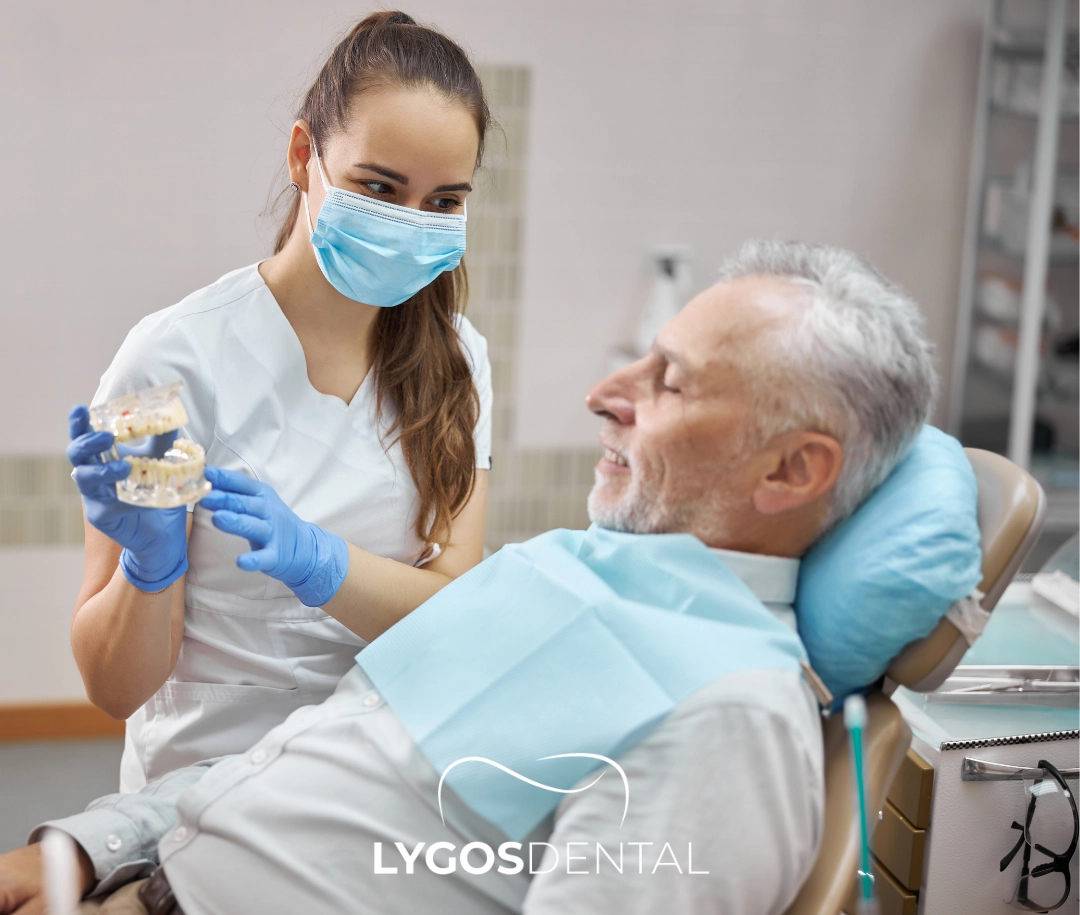
Choosing a clinic for full-arch implants is a long-term decision. At LYGOS DENTAL, the focus is on careful diagnostics, precise planning, and a predictable bite. Your treatment plan should be explained in plain language, including options, risks, and realistic outcomes.
- Comprehensive examination and digital planning before surgery
- Clear staging from temporary teeth to a final fixed bridge
- Aftercare guidance to help you protect your implants long term
FAQ
What are the disadvantages of All-on-4 dental implants?
Disadvantages include surgical risks, implant loss, peri-implantitis, and prosthesis breakage.
How long do All-on-4 dental implants last?
Implants often last 10–20+ years; prosthesis may need replacement after 10–15.
What is the average cost of 4-on-4 dental implants?
Average: $18,000–$35,000 per arch; both arches $40,000–$90,000.
How painful are All-on-4 implants?
Pain is usually manageable; soreness and swelling typically last up to a week.