
How to Follow Up with Patients After Dental Tourism | LYGOS DENTAL
How to Follow Up with Patients After Dental Tourism
Dental tourism follow-up works best when you plan it before the patient travels, document every step, and keep structured check-ins after they return home. Use clear discharge instructions, a remote triage pathway for pain or swelling, and a long-term recall schedule (6 and 12 months) shared with the patient and their local dentist.
Table of Contents
What Dental Tourism Is And Why Patients Choose It
Dental tourism means travelling to another country for dental care, often combining treatment with a short trip. Patients usually choose it for lower costs, faster appointment availability, and access to cosmetic dentistry services.
Turkey, Hungary, Poland, and Thailand are popular destinations because many clinics offer modern equipment, experienced teams, and packaged treatment planning for international patients.
Why Post-Treatment Follow-Up Matters
A successful procedure is only part of the outcome. Implants, crowns, veneers, and complex restorative work need monitoring so small issues don’t become expensive failures.
- Catch complications early (infection, swelling, bite problems, loose restorations).
- Protect treatment longevity with timely adjustments and hygiene support.
- Improve patient satisfaction through clear communication and fast responses.
- Reduce disputes by documenting advice, symptoms, and actions taken.
A Practical Follow-Up System For International Patients
Clinics that treat dental tourism patients need a repeatable system. The steps below can be adapted to your workflow and treatment types.
Before Treatment: Set Expectations And Prepare Documentation
Start follow-up planning before the first procedure. Patients are calmer—and outcomes are better—when they know exactly what happens after they fly home.
- Explain your follow-up policy in writing (what you cover, response times, emergency guidance, warranty terms).
- Confirm the best communication channel for the patient (email, WhatsApp, phone, secure video call).
- Collect baseline records: radiographs/CBCT where relevant, intraoral photos, shade notes, and bite records.
- Prepare a take-home pack: prescriptions, aftercare instructions, material/implant system details, and invoices.
During Treatment: Discharge Planning And The First Check-In
Build follow-up into your discharge routine rather than treating it as an add-on.
- Provide a clear written care plan (medications, diet, smoking guidance, cleaning instructions, red flags).
- Schedule the first remote check-in within 24–72 hours after the final appointment.
- If the patient is flying soon, discuss travel precautions (hydration, rest, and when to seek urgent care).
After The Patient Returns Home: Remote Triage And Local Dentist Coordination
Most follow-up happens once the patient is back in their home country. The goal is fast triage and smooth coordination, not replacing local care.
- Ask the patient to send photos and a short symptom update (pain level, swelling, bleeding, bite changes).
- Recommend an in-person review with a local dentist for persistent pain, fever, pus, or a loose restoration.
- Share a concise treatment summary the patient can forward to their local dentist (materials, implant brand/size, torque values if available).
- Plan a first local check-up around 1–2 weeks after treatment, especially after implants, extensive crown work, or surgeries.
Long-Term Monitoring: Recall Schedule And Maintenance
Long-term success relies on maintenance, especially for implants and full-arch restorations.
- Set reminders for 6-month and annual reviews (clinic-side and patient-side).
- Encourage professional cleanings and periodontal maintenance based on individual risk.
- For implants, recommend periodic radiographic monitoring through the patient’s local dentist.
- Keep remote check-ins simple: a short questionnaire plus photos when needed.
Common Post-Treatment Issues And How To Handle Them
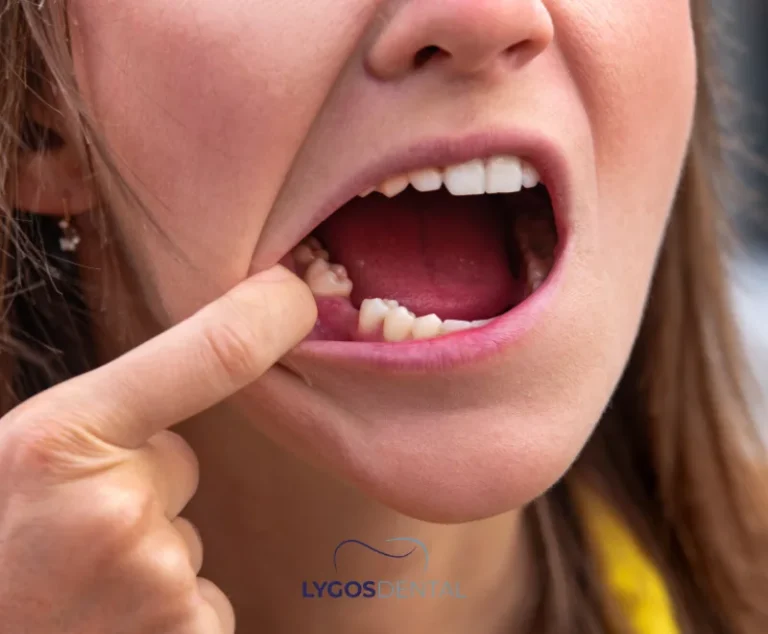
Complications can happen even with good planning. A clear escalation pathway protects both patient safety and your clinic’s reputation.
Typical Issues
- Pain, swelling, or infection signs around a surgical site or implant.
- Loose, chipped, or ill-fitting crowns/bridges.
- Sensitivity, gum recession, or bleeding.
- Occlusion (bite) changes after full-mouth work or multiple crowns.
Practical Responses
- Document the patient’s symptoms and timeline, then advise the next step in writing.
- Use photo/video triage to decide whether it’s routine healing or needs urgent in-person care.
- If urgent signs appear (fever, spreading swelling, difficulty swallowing/breathing), direct the patient to emergency services immediately.
- When local care is required, provide the treating dentist with material and procedural details to speed up treatment.
Legal And Ethical Considerations For Cross-Border Follow-Up
International care adds complexity because regulations differ by country. You can still reduce risk by standardising transparency and documentation.
- Use informed consent forms that the patient understands, covering treatment scope, limitations, and possible complications.
- Provide written warranty terms and what is excluded (trauma, poor hygiene, missed maintenance visits).
- Record material details (manufacturer, batch where available, implant system, crown type) and keep them accessible.
- Maintain secure communication and protect patient data according to applicable privacy rules.
Tools And Workflows That Make Follow-Up Easier
A few operational choices make follow-up smoother and reduce missed messages.
- A dedicated follow-up inbox or CRM pipeline (so messages don’t sit in personal accounts).
- Templates for common scenarios: normal healing, mild swelling, bite discomfort, emergency warnings.
- A single-page discharge summary the patient can share with any local dentist.
- A tracking sheet for check-in dates and outcomes (24–72 hours, 1–2 weeks, 6 months, 12 months).
Get Information Now
If you’d like help planning treatment or follow-up support, contact our team to ask about cosmetic dentistry, dental crowns, dental implants, and general dentistry.
FAQ
Dental treatment abroad
Plan carefully: verify licensing, costs, materials, aftercare, and complication coverage.
Dental treatment in Europe
Choose reputable EU/EEA clinics; confirm dentist credentials, materials, guarantees, and follow-up care.
Laser Teeth Whitening | LYGOS DENTAL
Laser Teeth Whitening
Laser teeth whitening is an in-clinic bleaching treatment that uses a peroxide-based gel to lift stains and brighten natural teeth, sometimes with a laser or light to support the process. Most appointments take about an hour, and results often last 6 months to 2 years with good aftercare. Your dentist will confirm if you’re a suitable candidate.
Teeth can darken over time due to coffee, tea, red wine, tobacco, and natural aging. If you want a quicker, dentist-supervised option than at-home kits, laser-assisted whitening is often positioned as a fast way to refresh your smile.
Table of Contents
What laser teeth whitening is
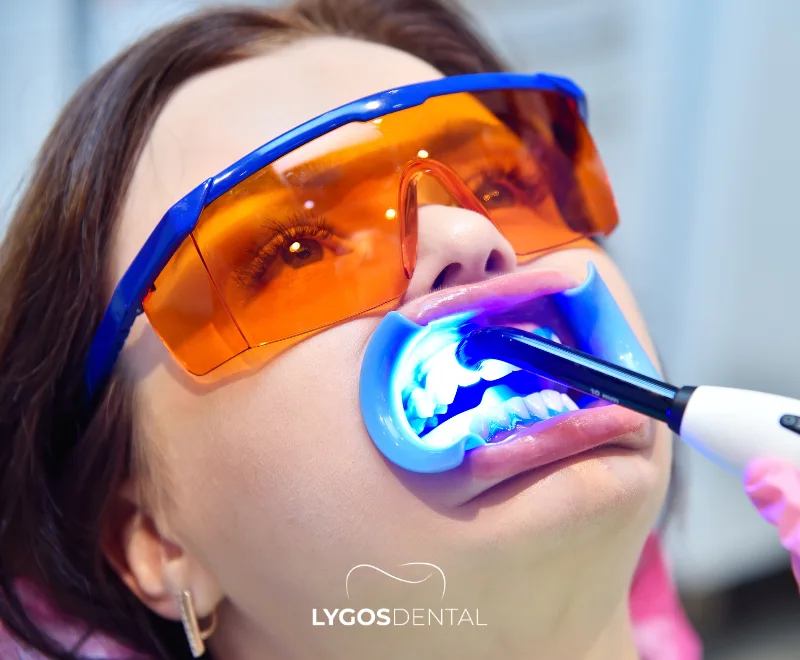
Laser teeth whitening refers to professional, in-office whitening where a high-strength whitening gel is applied to the tooth surface. Some clinics use a laser or another light source during the session. Research suggests the main whitening effect comes from the bleaching gel itself, and light activation may not always improve the final shade compared with conventional in-office whitening.
Who laser teeth whitening is suitable for
It’s commonly chosen by adults who want visible brightening in a short appointment, especially when stains are caused by foods, drinks, or smoking. A dentist will first check your gums, enamel, and any existing dental work to make sure whitening is appropriate.
Whitening gels won’t change the color of crowns, veneers, or fillings, so shade matching may be needed if you have visible restorations. If you have untreated cavities, gum disease, or significant sensitivity, those issues are usually addressed before whitening.
How a session is performed
Most sessions last around 30 to 60 minutes. The exact protocol varies by clinic and product, but the appointment typically follows these steps:
- Assessment and shade check: Your dentist examines your teeth and records a starting shade.
- Protection: Lips and gums are protected so the gel stays on the teeth.
- Gel application: A hydrogen peroxide or carbamide peroxide gel is applied to the front surfaces.
- Optional light activation: A laser or lamp may be used for set time intervals, depending on the system.
- Rinse and review: The gel is removed, your teeth are rinsed, and your new shade is checked.
If you’re aiming for a larger shade change, your dentist may recommend a second session or a custom take-home tray for maintenance.
Benefits and potential downsides
Benefits
- Fast, supervised treatment with immediate shade improvement for many patients.
- Clinically controlled application helps protect gums and soft tissue.
- Often completed in one visit, making it convenient for travel or busy schedules.
Possible downsides
- Temporary tooth sensitivity is common, especially with higher-peroxide gels.
- Results vary based on the type of stain and your natural enamel shade.
- Costs are typically higher than over-the-counter options, and touch-ups may be needed.
Laser teeth whitening cost in Turkey in 2026
Prices vary widely by city, clinic standards, the whitening system used, and whether a professional cleaning is included. As a general reference, many clinics quote laser-assisted in-office whitening in the mid-thousands of Turkish lira per session, while some medical-travel platforms list typical fees in the few-hundred-euro range.
A practical expectation for 2026 is roughly 5,000 TL to 8,500 TL for laser teeth whitening in Turkey, with lower or higher quotes possible depending on the clinic and package.
What affects the price
- Clinic location and reputation (major cities and tourist areas often cost more).
- The whitening gel brand and peroxide concentration.
- Whether the fee includes cleaning, polishing, or multiple gel applications.
- How many sessions you need to reach your target shade.
Aftercare tips to protect your results
For the first couple of days, teeth can be more prone to re-staining. Most dentists recommend a “white diet” approach during this window.
- Avoid staining foods and drinks for at least 48 hours (coffee, tea, red wine, cola, tomato sauce, curry, berries).
- Skip smoking or vaping, as nicotine can darken teeth quickly.
- Choose lukewarm foods if you feel sensitivity to hot or cold.
- Brush gently twice daily and floss; consider a sensitivity toothpaste if needed.
- Book regular cleanings—surface stains build up gradually over time.
How long results last
For many people, professional whitening lasts about 6 months to 2 years. Longevity depends on your diet, smoking habits, oral hygiene, and how quickly your enamel picks up new stains. If you want to keep the shade stable, a dentist may suggest occasional touch-ups.
FAQ
How much does laser teeth whitening cost?
Costs $300–$1,000 per in-office session, varying by country, clinic, and package.
What are the disadvantages of laser teeth whitening?
Can cause temporary sensitivity, gum irritation, uneven results, and won’t fix intrinsic stains.
Which is better, teeth whitening or laser teeth whitening?
Teeth whitening and laser whitening use similar peroxide; results comparable, laser costs more.
How long does the effect of laser teeth whitening last?
Lasts about 6–24 months, depending on diet, smoking, and oral hygiene.
How many times can I have laser teeth whitening done?
Most people limit it to 1–2 times yearly to reduce sensitivity and enamel risk.
Does laser whitening work on yellow teeth?
Yes, it lightens yellow extrinsic stains; deep intrinsic discoloration may respond poorly.
Smile Aesthetics Prices 2026 | LYGOS DENTAL
Smile Aesthetics Prices 2026
In 2026, smile aesthetics prices in Turkey often fall between 20,000 TL and 150,000 TL. The final cost depends on how many teeth are treated and which procedures you need—whitening, veneers, zirconium crowns, gum contouring, orthodontics, or implants. A dental exam and (if used) digital smile design are the only way to get an exact quote.
Table of Contents
Why Smile Aesthetics Matter
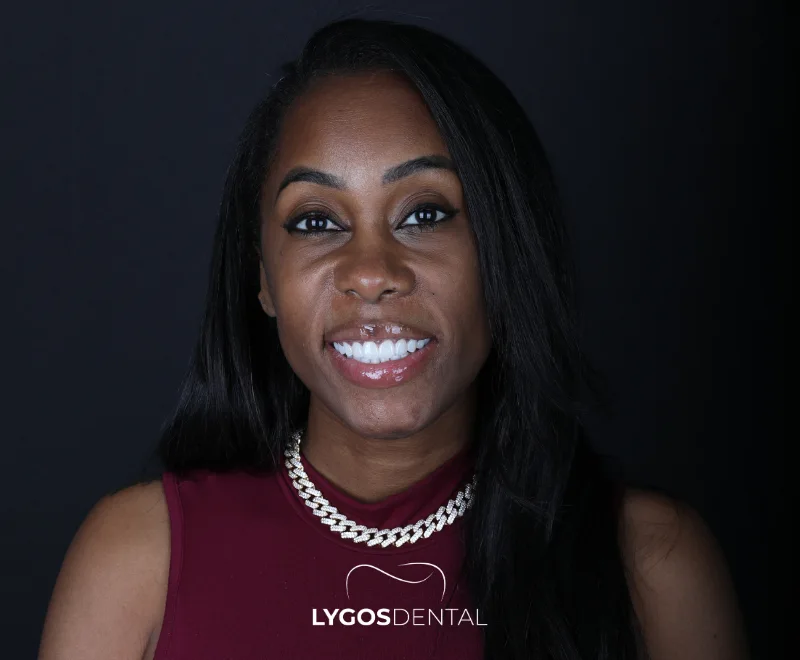
A confident smile can change how you feel in photos, meetings, and everyday conversations. Stains, chips, gaps, uneven edges, or a gummy smile are common reasons people explore cosmetic dentistry. Smile aesthetics (often called smile design) brings teeth, gums, and lips into balance for a natural look.
What Is Smile Aesthetics
Smile aesthetics is a personalised treatment plan that improves the appearance of your smile while respecting facial proportions. Depending on your needs, it can involve one simple procedure or a full smile makeover. Good planning focuses on tooth colour, shape, alignment, gum line, and how your smile fits your facial expressions.
Smile aesthetics is commonly used to address:
- Yellowing or discoloration
- Crooked, crowded, or gapped teeth
- Excess gum visibility (gummy smile)
- Worn, chipped, broken, or missing teeth
Smile Aesthetics Price Range In 2026
The total cost varies widely because no two treatment plans are the same. In 2026, many clinics quote broad ranges—often around 20,000 TL to 150,000 TL—depending on the scope of work. A whitening-only plan sits at the lower end, while veneers, crowns, or implants raise the total.
Some clinics offer package pricing or instalment options. Ask what is included in the quote—consultation, digital planning, temporary restorations, follow-up visits, and warranty terms can change the real value.
Treatments Used In Smile Aesthetics
Smile aesthetics is a combination approach. Your dentist chooses methods based on oral health, aesthetic goals, bite, and how long you want results to last.
Teeth Whitening (Bleaching)
A fast way to brighten natural teeth. Results can be excellent, but staining foods, smoking, and poor hygiene can shorten how long it lasts.
Porcelain Veneers (Laminate Veneers)
Thin porcelain shells bonded to the front of teeth to improve colour, shape, and minor alignment issues. They are durable and often chosen for a high-end smile makeover look.
Zirconium Crowns
Metal-free crowns with strong durability and good gum compatibility. They’re commonly used when teeth need more coverage due to large fillings, fractures, or major shape changes.
Gum Aesthetics (Gummy Smile Correction)
If too much gum shows when you smile, laser contouring can reshape the gum line for a more balanced look. Suitability depends on gum health and the position of the teeth.
Orthodontics (Clear Aligners Or Braces)
When crowding or spacing affects the bite, orthodontics may be the best first step. Clear aligners offer a discreet option, but they add time and cost.
What Affects Smile Aesthetics Prices
Cost is driven by clinical complexity and the materials used. When comparing quotes, make sure you’re comparing the same treatment plan and the same number of teeth.
Number of teeth and scope of work
A single procedure costs far less than a full smile makeover that combines veneers, crowns, orthodontics, gum work, and implants.
Material quality
Porcelain and zirconium options vary by brand and lab quality. Higher-end materials can look more lifelike and wear better over time.
Dentist experience and lab support
Aesthetic cases rely on planning, shade matching, and precise finishing. Experienced teams may charge more, but consistency and predictability tend to improve.
Clinic technology and location
Digital scanners, CAD/CAM systems, and guided planning can raise fees. Clinics in major cities may have higher overheads.
Digital Smile Design (DSD)
Digital simulations and mock-ups help you preview outcomes and fine-tune shape and shade, but they can add to the overall cost.
What To Know Before Starting Treatment
Get a full clinical exam
Your dentist should check gum health, bite, cavities, and old restorations before focusing on aesthetics.
Aim for a natural result
Very bright shades can look artificial in daylight. A good design matches your skin tone, age, and facial features.
Choose for long-term value
The cheapest option can cost more later if it needs early replacement or causes gum irritation.
Understand timing
Some treatments finish in one appointment, while aligners, implants, or multi-step restorations can take weeks.
Post-Treatment Care
Your results last longer when you treat smile aesthetics like a long-term investment. Daily hygiene and regular checkups protect both appearance and oral health.
- Brush twice daily and floss regularly
- Limit staining habits such as smoking, frequent coffee/tea, and dark-coloured drinks
- Visit your dentist every six months (or as advised) for professional checks and cleaning
- Ask whether touch-ups or polishing are recommended over time
Book A Consultation
If you’re considering smile aesthetics, the next step is a consultation where your dentist can assess your teeth and gums, discuss your goals, and create a personalised plan. Request a written quote that clearly lists the procedures and materials included.
Get Information Now!
You can contact us to learn more about cosmetic dentistry, dental crowns, dental implants, and general dentistry, and to make an appointment.
FAQ
How much does laser teeth whitening cost?
$300–$1,000 per in-office session, depending on country, clinic, and units.
What are the disadvantages of laser teeth whitening?
Temporary sensitivity and gum irritation are common; uneven whitening and higher cost are drawbacks.
Which is better, teeth whitening or laser teeth whitening?
Neither is inherently better; both use peroxide, but laser is pricier.
How long does the effect of laser teeth whitening last?
About 6–24 months, depending on staining habits, diet, and smoking.
How many times can I have laser teeth whitening done?
Typically 1–2 times yearly, spaced months apart, to limit sensitivity.
Does laser whitening work on yellow teeth?
Yes, it brightens yellow surface stains; deep internal discoloration may not lighten.
Aesthetic Practices in Dentistry Across Different Cultures | LYGOS DENTAL
Aesthetic Practices in Dentistry Across Different Cultures
Dental aesthetics are not universal. What looks like a “perfect smile” in one place may feel unnatural in another. Across cultures, tooth color, symmetry, spacing, and even intentional modifications have carried meanings tied to status, maturity, beauty, and identity—shaping how modern cosmetic dentistry is requested and designed.
Table of Contents
What Aesthetic Dentistry Means Today
Aesthetic (cosmetic) dentistry focuses on how teeth and gums look as well as how they function. Dentists consider tooth shade, shape, alignment, gum contours, and how the smile fits the face. The end goal is a result that looks healthy and believable, not just bright or uniform.
Common treatments include professional whitening, orthodontics or clear aligners, composite bonding, veneers, crowns, implants, and gum contouring. The “best” option depends on oral health, budget, and—often overlooked—what the patient considers attractive.
Western Preferences: The Rise of the “Hollywood Smile”
In many Western countries, the ideal leans toward straight, symmetrical, light-colored teeth. Media and film helped popularize that look during the mid‑20th century, and it remains closely linked with youthfulness, success, and confidence.
Because of this preference, demand is high for whitening, clear aligners, and veneers designed to create an even tooth line. Digital smile design is also widely used to preview outcomes and match tooth proportions to facial features.
East Asia: Tradition, Technology, and a More Natural Finish
East Asian ideals are diverse, but modern cosmetic dentistry in Japan, South Korea, and China often prioritizes a refined, natural finish over extreme brightness. Subtle shape adjustments, conservative veneers, and minimally invasive bonding are popular when patients want improvements without an obvious “done” look.
Historically, Japan’s ohaguro—teeth blackening—was associated with beauty and social status and was practiced especially among married women and some members of the aristocracy and samurai classes. The contrast between past and present shows how strongly cultural context can redefine what counts as attractive.
Africa, The Middle East, and Beyond: Teeth as Identity and Status
Across parts of Africa, intentional tooth modification has been documented as decoration, a marker of strength, and a rite of passage. Examples include chipping or filing incisors into distinctive shapes among groups such as the Makonde in Tanzania and Mozambique.
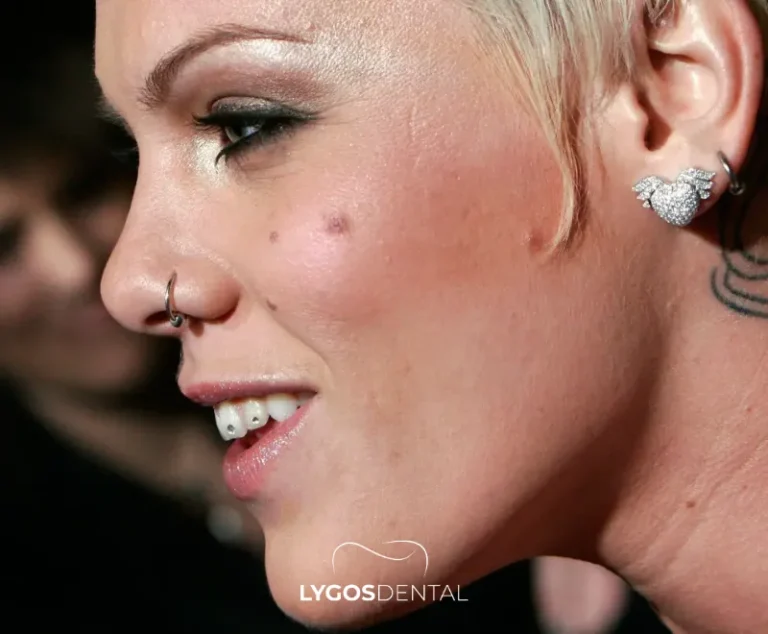
Adornment has also carried status meanings. Gold crowns and decorative dental work have signaled wealth in various regions and eras, and modern “grillz” and tooth jewelry can be seen as contemporary expressions of the same idea.
How Traditional Practices Influence Modern Aesthetic Dentistry
Globalization has spread certain trends, but local preferences still shape treatment plans. Clinics increasingly ask patients for reference photos, discuss what “natural” means to them, and tailor shade and tooth morphology accordingly.
Some influences are indirect: historical tooth adornment helps explain today’s interest in removable jewelry; traditional modification rituals remind clinicians to approach appearance requests with cultural sensitivity. Where practices could harm enamel or gums, modern dentistry favors safer, reversible alternatives.
Popular Cosmetic Treatments Around The World
While the same core procedures are available globally, they are used differently depending on local beauty norms and budgets. The most common requests include:
- Professional teeth whitening for brighter shade (often with a preference for a natural white rather than an opaque “paper” tone).
- Clear aligners and orthodontics to improve alignment with minimal visual impact.
- Composite bonding to close gaps, repair chips, or soften sharp edges with little tooth reduction.
- Veneers or crowns (porcelain or zirconia) to change color and shape when conservative options aren’t enough.
- Digital smile design to plan proportions, gum line symmetry, and the relationship between teeth and lips.
Cultural Sensitivity In Smile Design
Aesthetic dentistry works best when it starts with a conversation, not a template. A dentist may ask about cultural preferences, whether a small gap is considered charming or undesirable, and how bright the patient wants their teeth to look in everyday light.
Good planning also considers long‑term oral health. Treatments that preserve enamel, maintain bite function, and allow easy cleaning usually offer the best balance between beauty and durability.
FAQ
Teeth sharpening dentist
Dentists can perform enameloplasty to slightly reshape teeth; DIY sharpening risks permanent enamel loss.
Yaeba teeth
Yaeba teeth are intentionally crooked, fang-like canines popular in Japan, often created with caps.
What Helps Toothache Caused by Cavities? | LYGOS DENTAL
What Helps Toothache Caused By Cavities?
A toothache from a cavity usually means the decay has irritated the inner tooth. For short-term relief, rinse with warm salt water, use a cold compress, and take over-the-counter pain relief as directed on the label. Schedule a dentist visit for a filling or root canal, especially if swelling or fever appears.
Cavity-related tooth pain is common, and it can disrupt sleep, eating, and concentration. Home remedies can calm symptoms for a few hours, but they do not remove decay. The lasting fix comes from treating the cavity itself.
Why Cavities Cause Tooth Pain
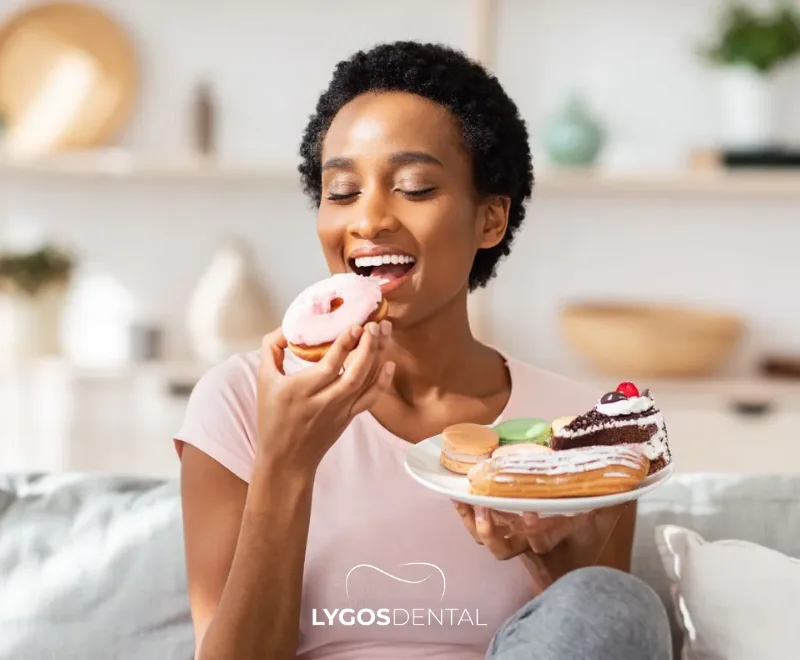
Cavities start when acid from plaque bacteria weakens the enamel. As decay progresses, it can reach dentin and then the pulp, where nerves and blood vessels sit. That irritation can trigger sharp pain, sensitivity to hot or cold, or a constant ache.
Quick Relief At Home (Temporary)
These steps can make you more comfortable until you can see a dentist. If pain is severe, persistent, or keeps returning, book an urgent dental appointment.
Warm saltwater rinse
Mix ½ teaspoon of salt into a glass of warm water. Swish for 30 seconds, then spit. Repeat as needed.
Cold compress for throbbing or swelling
Apply a cold pack to the outside of the cheek for 10–15 minutes at a time. Use a cloth barrier to protect the skin.
Over-the-counter pain relief
Many people find acetaminophen (paracetamol) or ibuprofen helpful when used exactly as directed on the package. Avoid placing aspirin directly on the tooth or gums, and do not give aspirin to children or teens unless a clinician tells you to.
Keep the area clean
Brush gently with fluoride toothpaste and floss carefully around the painful tooth to remove trapped food. If cold air triggers pain, keep the mouth closed outdoors and avoid very cold drinks.
Natural Options People Commonly Use
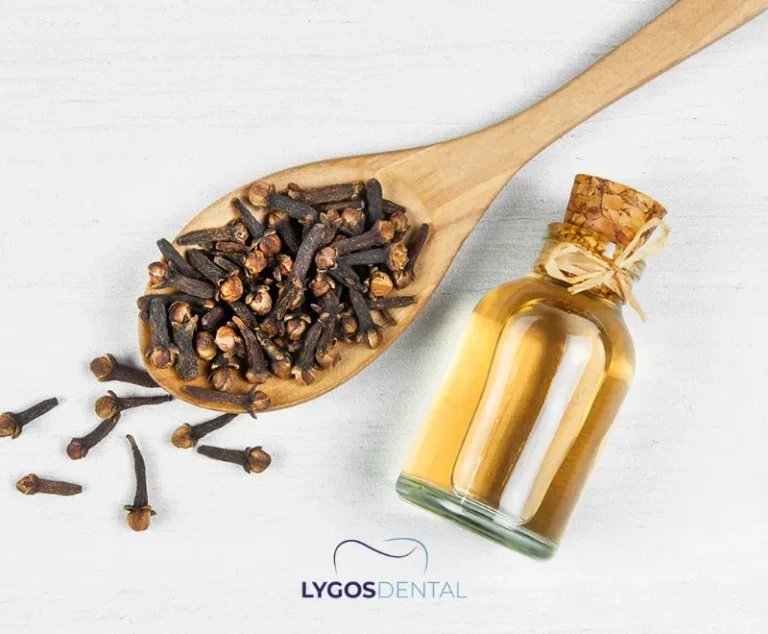
Some natural products may numb the area or reduce irritation for a short time. They can also cause burning or allergy in sensitive mouths, so use small amounts and stop if it stings.
Clove oil (eugenol)
Dab a tiny amount on a cotton swab and apply to the tooth, not the gum. If it feels too strong, dilute with a few drops of edible oil. Do not swallow clove oil.
Peppermint tea bag
Cool a brewed tea bag, then place it against the sore area for a few minutes. This may feel soothing, especially for mild sensitivity.
Garlic, onion, or turmeric paste
These are often suggested for their antimicrobial or anti-inflammatory properties, but evidence is limited. If you try them, use a small amount and avoid leaving strong pastes on the gums, which can irritate tissue.
Dental Treatments That Stop The Pain
A dentist will examine the tooth and may take an X-ray to see how deep the decay goes. Treatment depends on how far the cavity has progressed.
Filling
For early to moderate decay, the dentist removes the decayed portion and seals the tooth with a filling. Pain and sensitivity usually improve quickly once the tooth is restored.
Crown
If a large area is weakened, a crown may be recommended to protect the tooth after decay removal or after a root canal.
Root canal treatment
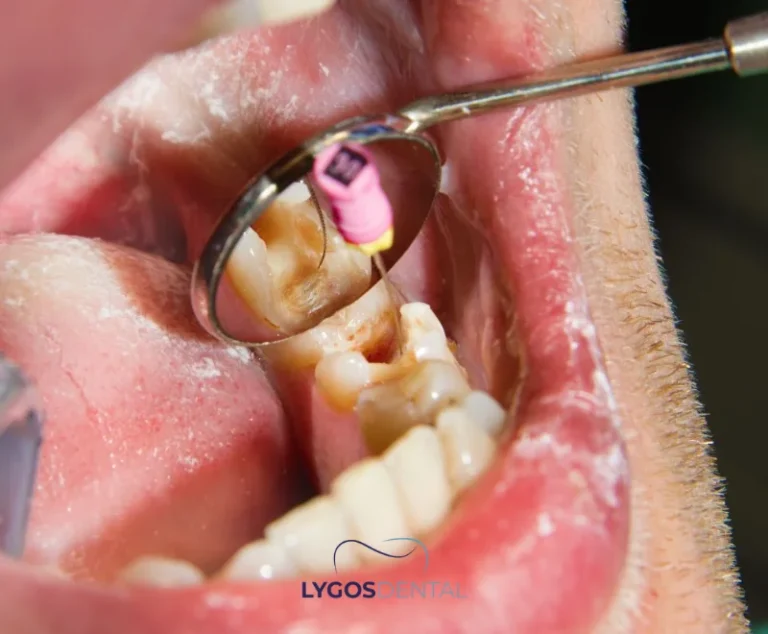
When decay reaches the pulp and the nerve is inflamed or infected, a root canal can save the tooth. The pulp is removed, the canals are cleaned, and the tooth is sealed, which stops nerve pain.
Extraction
If the tooth cannot be saved, removal may be the safest option. Your dentist can discuss replacement options such as an implant or bridge.
When Toothache Needs Urgent Care
Seek urgent dental or medical help if you notice any of the following signs, which can suggest a spreading infection:
- Swelling of the face, jaw, or neck
- Fever, chills, or feeling unwell
- Difficulty swallowing or breathing
- Pus, a bad taste in the mouth, or a pimple-like bump on the gum
- Severe pain after injury or a cracked tooth
How To Prevent Future Cavities
Cavities are largely preventable with consistent habits and regular dental care:
- Brush twice daily with fluoride toothpaste and spit out excess (do not rinse with lots of water right away).
- Clean between teeth daily with floss or interdental brushes.
- Limit frequent sugary snacks and acidic drinks; keep sweet foods to mealtimes when possible.
- Drink water regularly, especially after eating.
- See a dentist for check-ups and professional cleaning as advised (often every 6 months).
- Ask about fluoride treatments or sealants if you’re prone to cavities.
Frequently Asked Questions
How long does a cavity toothache last?
It depends on how deep the decay is. Early cavities may cause brief sensitivity, while deeper decay can cause ongoing pain. If pain lasts more than a day or two, the chance of worsening is higher, so dental care is the safest next step.
What can I do at night if the pain flares up?
Rinse with warm salt water, take label-directed pain relief if you can use it safely, and sleep with your head slightly elevated. Avoid sugary snacks and very hot or cold drinks before bed.
Do antibiotics help with cavity pain?
Antibiotics do not fix tooth decay. When an infection is present, the main treatment is dental care such as drainage, a root canal, or extraction. A clinician may prescribe antibiotics in specific situations, but they are not needed for most routine dental pain.
Should I use heat on a toothache?
If the toothache is from an infection, heat can sometimes increase throbbing. A cold compress on the cheek is usually the safer choice for swelling.
Benefits of Mouthwash | LYGOS DENTAL
Benefits of Mouthwash
Mouthwash can support daily oral care by reducing odor-causing bacteria, helping control plaque, supporting gum health, and strengthening enamel when it contains fluoride. It works best after brushing and flossing, but it doesn’t replace either. The right formula depends on your needs—fresh breath, cavities, gum care, or orthodontic cleaning.
Good oral hygiene matters for comfort, confidence, and overall health. Brushing twice a day and flossing once a day are the basics. Mouthwash can be a helpful add‑on, especially for people with specific concerns like bad breath, higher cavity risk, gum irritation, or braces.
Table of Contents
What Is Mouthwash?
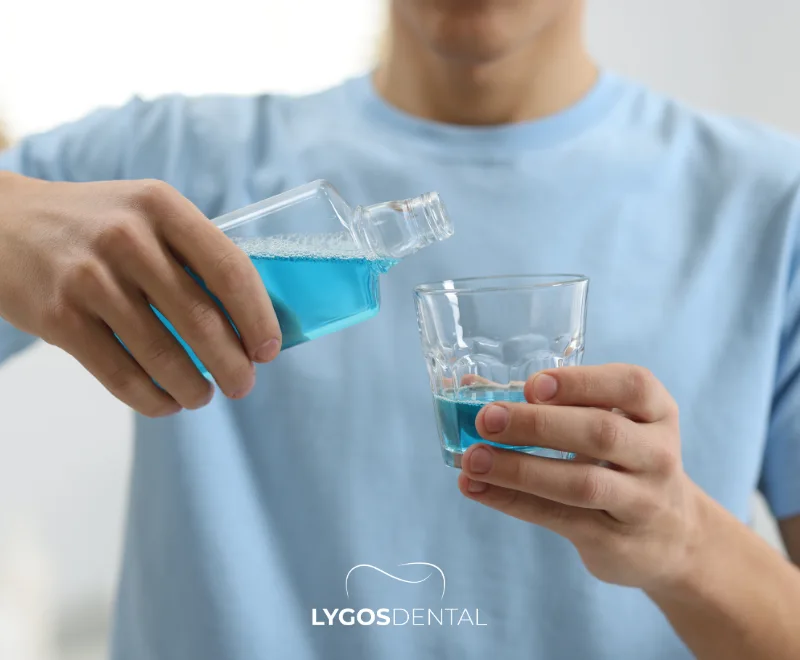
Mouthwash is a liquid oral care product designed to rinse the mouth and deliver active ingredients to teeth and gums. Depending on the formula, it may freshen breath, reduce bacteria, strengthen enamel, or soothe irritated tissues.
Common ingredients include antiseptics (to reduce bacteria), fluoride (to help prevent cavities), flavoring agents such as menthol, and sometimes herbal extracts.
What Mouthwash Can and Can’t Do
Mouthwash can reach areas that brushing may miss and can add targeted benefits based on its ingredients. Still, it’s not a substitute for brushing and flossing, and it won’t remove stuck food or hardened tartar.
Key Benefits of Mouthwash
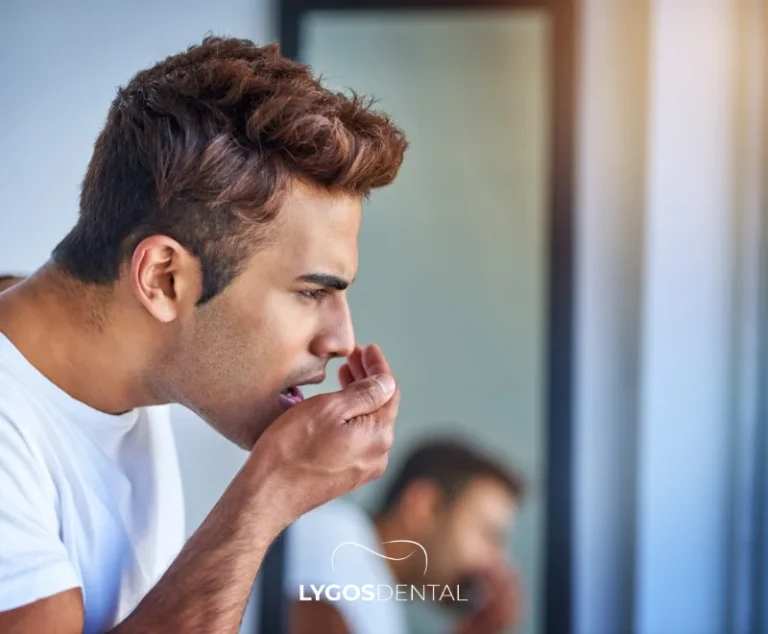
- Helps reduce bacteria and plaque: Antibacterial formulas can lower the amount of plaque-forming bacteria in the mouth, which may reduce the risk of cavities and gum irritation.
- Freshens breath: Breath-freshening rinses can temporarily mask odors and, more importantly, help reduce the bacteria that cause bad breath.
- Supports gum health: When used correctly, antibacterial rinses can support healthier gums by lowering bacterial load, which may help with mild inflammation.
- Helps prevent cavities (fluoride rinses): Fluoride mouthwash strengthens enamel and can help protect teeth against acid attacks—useful for people prone to decay.
- Makes cleaning easier with braces or retainers: Orthodontic appliances create extra surfaces where plaque can build up. Mouthwash can be a convenient support between thorough cleanings.
- Soothes minor mouth irritation: Some rinses can help with comfort during minor irritation, such as occasional canker sores or small mouth wounds.
- Helps reduce surface stains (certain whitening rinses): Whitening mouthwashes may help reduce some surface discoloration, but they’re not the same as professional whitening.
When Mouthwash Is Most Useful
Mouthwash can be especially helpful if you:
- Notice persistent bad breath despite brushing and flossing
- Have early gum irritation or mild bleeding (and your dentist recommends a rinse)
- Are prone to cavities or have dry mouth
- Wear braces, aligners, or a retainer
- Are recovering after certain dental treatments (only with professional guidance)
- Get frequent minor mouth sores
If you’re pregnant, managing a chronic condition, or choosing a rinse for a child, it’s safest to ask a dentist which type is appropriate.
Types of Mouthwash
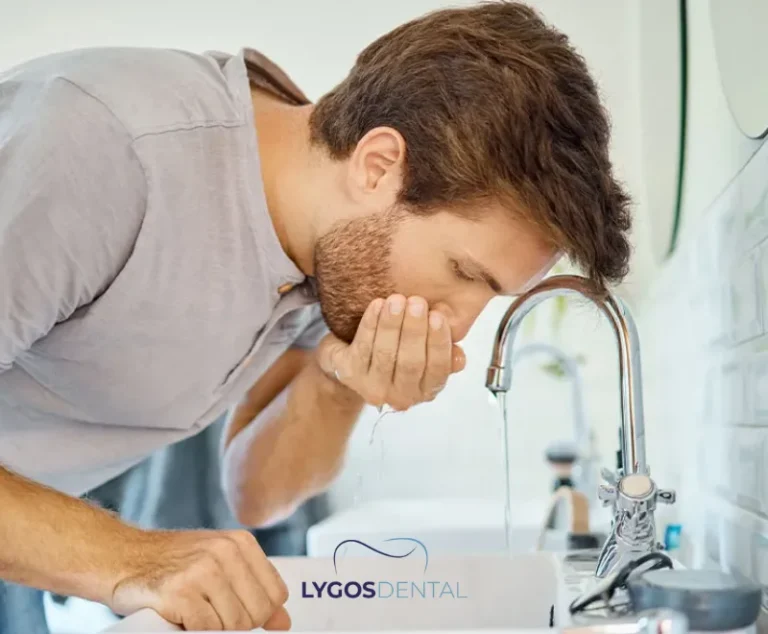
- Antiseptic mouthwash: Often alcohol-based or containing ingredients such as chlorhexidine (usually prescribed). These can be effective for short-term gum care, but stronger options are typically used under dental supervision and may cause staining with prolonged use.
- Fluoride mouthwash: Designed to strengthen enamel and help prevent cavities. A good option for people with higher decay risk.
- Alcohol-free mouthwash: Useful for people who experience dry mouth or sensitivity. Many alcohol-free options still provide antibacterial or fluoride benefits.
- Herbal mouthwash: May include ingredients like mint, sage, chamomile, or clove. Results vary, so choose reputable brands and avoid irritants if you’re sensitive.
- Whitening mouthwash: May contain mild whitening agents and can help with surface stains. Overuse can increase sensitivity, so follow the label and don’t expect dramatic changes.
How to Use Mouthwash Correctly
- Brush and floss first, unless your dentist advises a different routine for your situation.
- Measure the amount listed on the label (often 10–20 ml).
- Swish for the recommended time (commonly 30–60 seconds).
- Spit it out—do not swallow mouthwash.
- Avoid eating or drinking for about 30 minutes if the label recommends it, especially with fluoride rinses.
Tips and Safety Notes
- Don’t overuse: 1–2 times a day is enough for most people. Overuse may irritate tissues or disrupt the mouth’s natural balance.
- Check alcohol content if you get dry mouth or burning sensations—alcohol-free formulas can be gentler.
- Keep out of reach of young children. Many dentists recommend mouthwash only for children aged 6+ who can reliably spit it out.
- If you have ongoing sores, persistent bleeding, or strong bad breath that doesn’t improve, book a dental check—these can be signs of an underlying issue.
How to Choose the Best Mouthwash for You
The best mouthwash depends on your goal and your oral health history. Use these quick guidelines:
- For cavity prevention: Look for fluoride and follow label directions.
- For gum support: Choose an antibacterial rinse; for stronger treatments, follow a dentist’s recommendation.
- For dry mouth or sensitivity: Pick an alcohol-free formula with mild flavoring.
- For braces or aligners: Consider fluoride or antibacterial options designed for daily use.
- For whitening: Choose a reputable product and stop if you develop sensitivity.
FAQ
Is it good to use mouthwash daily?
Daily mouthwash is fine and may improve gum health, especially fluoride or antimicrobial.
Are there any benefits to using mouthwash?
Mouthwash can reduce bacteria, freshen breath, and fluoride rinses help prevent cavities.
Is mouthwash safe for children?
Mouthwash is unsafe under age six; older children may use alcohol-free rinses supervised.
What is the 2-2-2 rule in dentistry?
Brush 2 minutes twice daily and visit your dentist twice yearly.
What are the disadvantages of mouthwash?
Mouthwash may cause staining, irritation, dry mouth, and can mask poor brushing.
Should I use mouthwash before or after brushing my teeth?
Use mouthwash at a different time, not immediately after brushing, to keep fluoride.
Sensitivity After Zirconium Crowns | LYGOS DENTAL
Sensitivity After Zirconia Crowns
Mild hot/cold or bite sensitivity after a zirconia crown is common for a few days up to two weeks while the tooth and gums settle. It should steadily improve. Sharp pain when chewing, lingering temperature pain, swelling, or symptoms that worsen after 2–3 weeks need a dental check for bite adjustment, leakage, or nerve irritation.
Zirconia crowns (often called “zirconium crowns”) are a popular way to restore damaged or heavily filled teeth with a natural look and strong bite support.
Some sensitivity right after treatment is expected, but ongoing or worsening discomfort can signal a fit, bite, or nerve problem that needs attention.
Table of Contents
What Is A Zirconia Crown?
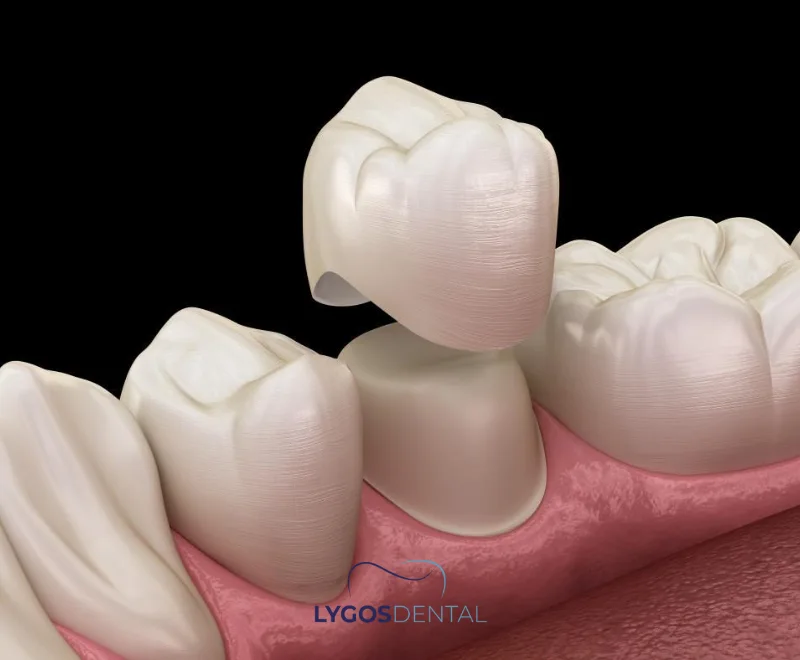
A zirconia crown is a tooth-shaped restoration made from zirconium dioxide, a high‑strength ceramic. It covers the visible part of a tooth to improve appearance, protect weakened structure, and restore chewing function.
Compared with metal‑supported crowns, zirconia can look more like natural enamel and is generally well tolerated by gum tissues. It can be used on front teeth for aesthetics and on back teeth for durability, depending on your bite and the amount of tooth remaining.
Why Sensitivity Can Happen After A Zirconia Crown
Sensitivity usually starts in the first few days after the crown is fitted. The most common causes are related to how the tooth was prepared and how the crown sits on the tooth and gums.
Tooth Preparation And Dentin Exposure
Before a crown is placed, the tooth is reshaped. If the preparation gets close to the nerve or exposes sensitive dentin, the tooth can react to cold, heat, sweet foods, or air.
Cement Or Bonding Irritation
The cement used to fix the crown may temporarily irritate the tooth. This tends to settle as the tooth calms down and the gums heal around the margins.
Gum Healing Around The Crown Margin
The gums can feel tender after a crown appointment, especially if the edge of the crown sits close to the gumline. Inflammation, plaque buildup, or mild recession can make the area feel more sensitive.
High Bite Or Uneven Contact
If the crown is slightly high, it can take extra force when you bite down. This often feels like sharp pain on chewing or a sore tooth that improves quickly after a simple bite adjustment.
Nerve Inflammation Under The Crown
Sometimes the nerve becomes inflamed after crown work, especially on teeth with deep decay, large old fillings, or cracks. Sensitivity that lingers after hot or cold, or pain that starts spontaneously, should be checked promptly.
Is Pain After A Zirconia Crown Normal?
Mild sensitivity or a bruised feeling is common right after crown preparation and cementation. Many people notice it most with cold drinks, sweet foods, or when chewing on that side.
Pain that gets worse each day, throbs, or wakes you at night is not typical. If that happens, contact your dentist so the bite, fit, and health of the tooth can be evaluated.
How Long Does Sensitivity Last?
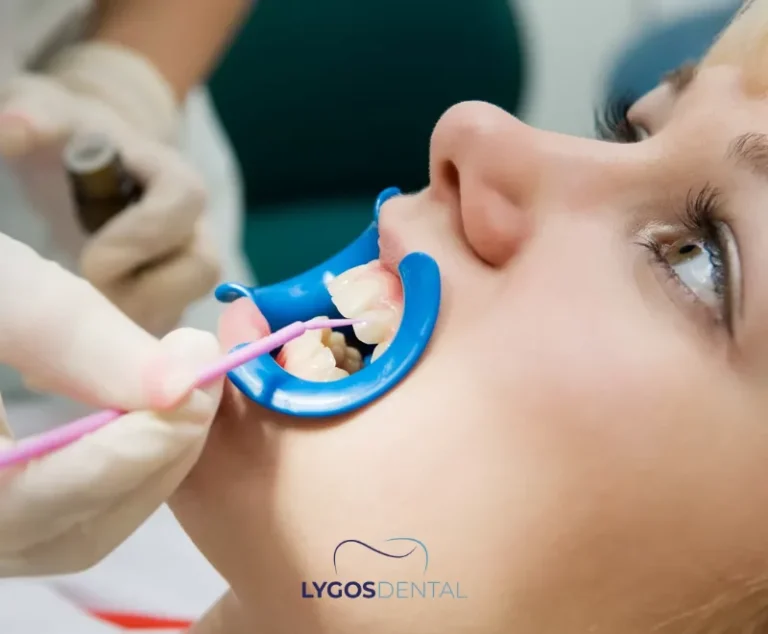
Most post‑crown sensitivity improves within a few days and continues to settle over 1–2 weeks. Teeth that were already heavily restored, or prepared close to the nerve, can take longer to calm down.
If sensitivity lasts longer than 2–3 weeks, lingers after hot or cold, or you have sharp pain when biting, it’s worth booking a review. A quick bite adjustment or a check for leakage can prevent bigger problems.
How To Reduce Sensitivity After Zirconia Crowns
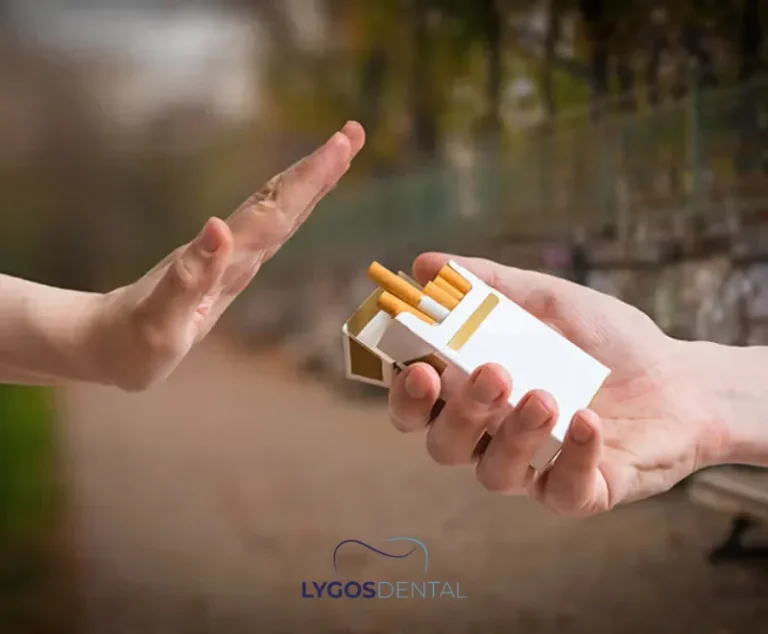
- Use a desensitizing toothpaste for at least two weeks and brush with a soft‑bristled toothbrush.
- Avoid very hot or very cold foods and drinks for the first week, and limit acidic triggers like citrus, fizzy drinks, and pickles.
- Chew on the opposite side for a few days and avoid hard foods (nuts, ice) or sticky foods that can stress a new crown.
- If you clench or grind your teeth, ask about a night guard to reduce pressure on the crowned tooth.
- Keep the gumline clean: floss daily and consider interdental brushes if your dentist recommends them.
- If symptoms persist, your dentist may apply fluoride varnish, check the bite, or evaluate the tooth nerve.
Aftercare Checklist
- Stick to lukewarm meals for the first few days if temperature changes trigger discomfort.
- Avoid biting directly into very hard foods until your tooth feels settled.
- Brush twice daily and clean between teeth to protect the crown margins.
- If the crown feels “high,” return for an adjustment—don’t wait for the tooth to ‘wear in.’
- Attend routine check‑ups so your dentist can monitor the crown seal and gum health.
When Sensitivity Needs Urgent Attention
- Throbbing pain, spontaneous pain, or pain that wakes you up at night.
- Swelling, redness, bleeding that doesn’t settle, pus, or a bad taste or smell around the crown.
- Sharp pain when biting that doesn’t improve within a few days, especially if the crown feels high.
- Hot or cold pain that lingers (rather than fading quickly).
- A loose feeling crown, or a new gap at the gumline.
If you notice any of these, contact your dentist as soon as possible. Early assessment can often solve the problem with a simple adjustment or targeted treatment.
FAQ
How long does sensitivity last after zirconia crowns?
Usually 1–2 weeks; persistent sensitivity beyond that needs dental evaluation.
What problems can arise with zirconia crowns?
Problems include high bite, gum irritation, debonding, leakage, fracture, or opposing-tooth wear.
Why did my crown suddenly become so sensitive?
Sudden sensitivity usually means a high bite, leakage/decay, or pulpal inflammation.
How long does it take for the nerve to calm down after a crown is placed?
The nerve typically settles within days to a few weeks; worsening pain needs evaluation.
Are zirconia crowns more sensitive?
No; sensitivity depends on tooth preparation, bite, and nerve health, not zirconia.
Implant vs Denture | LYGOS DENTAL
Implants Vs Dentures: Which Tooth Replacement Option Is Right For You?
Dental implants are fixed tooth replacements anchored in the jawbone, while dentures replace teeth with a removable (or sometimes fixed) appliance. Implants usually feel more like natural teeth and help limit jawbone loss, but they cost more and take longer. Dentures are faster and more budget-friendly, yet may feel less stable and need replacement sooner.
Table of Contents
What Is A Dental Implant?
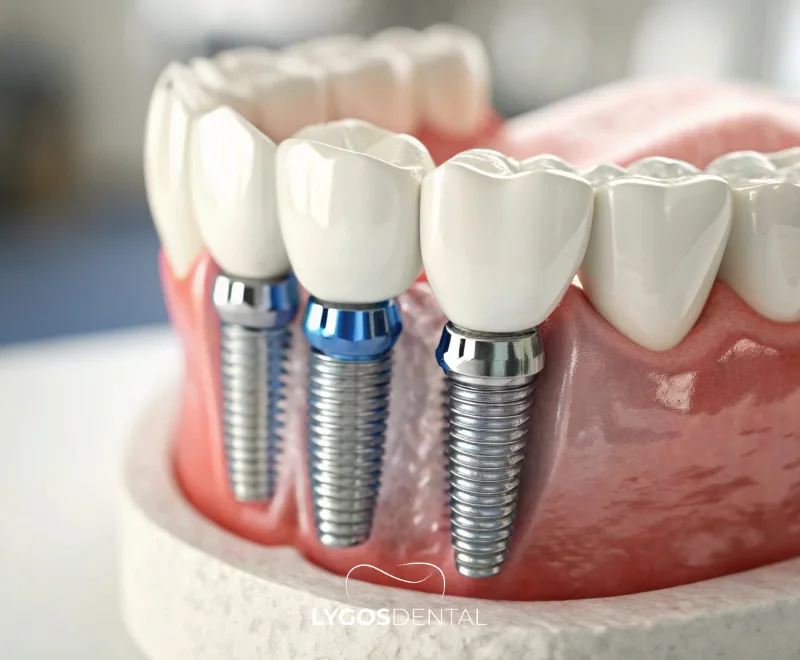
To understand “Implant vs denture” properly, let’s start with what an implant is.
A dental implant is an artificial tooth root made of titanium or zirconium that’s placed into the jawbone. Over time, it fuses with the bone to create a strong, stable foundation. A porcelain or zirconium crown is then attached on top, providing a natural look and function similar to a real tooth.
Implants offer the closest experience to natural teeth — in both appearance and performance. They provide excellent comfort when speaking and chewing, as well as long-term durability. This is why implants often come out ahead in the implant vs denture comparison.
What Is a Denture?
A denture is a tooth replacement appliance that can be removable or fixed, depending on the design. Dentures may replace a full arch (complete denture) or a few missing teeth (partial denture).
Because dentures do not require implant surgery, they’re often chosen when someone needs a quicker solution, has limited bone volume, or prefers a lower upfront cost.
Dental Implants: Advantages And Disadvantages

Advantages
- Faster turnaround: Many patients can receive dentures in a small number of visits.
- No implant surgery required: A common choice for patients who want to avoid surgical treatment.
- Lower upfront cost: Often the most affordable way to replace multiple missing teeth.
- Flexible options: Complete, partial, and implant-supported versions can be tailored to your needs.
- Easy to adjust or remake: Dentures can be relined or replaced as your mouth changes over time.
Disadvantages
- Stability can be an issue: Removable dentures may slip while eating or speaking, especially as the jawbone changes.
- Doesn’t prevent bone loss on its own: Without root stimulation, the ridge can shrink over time.
- Shorter service life: Many dentures need relining or replacement after several years.
- Adaptation period: Some people notice a foreign-body sensation, sore spots, or speech changes at first.
- Maintenance requirements: Daily cleaning and careful handling are important to prevent odor, staining, or breakage.
Implant And Denture Costs In Türkiye (2026 Ranges)
Dental pricing in Türkiye varies by city, clinic, clinician experience, imaging needs, materials (implant brand, crown type), and whether extra procedures are required (bone grafting or sinus lift). The ranges below are meant as a general guide—your exact plan should be confirmed after an exam and scans.
Typical implant costs
- Single implant: commonly around ₺13,000–₺25,000+ per implant, depending on the system and what’s included (implant, abutment, crown).
- Additional procedures (if needed): bone grafting, sinus lift, and temporary teeth may increase the total.
Typical denture costs
- Complete (full) dentures: often around ₺8,000–₺15,000 per arch, depending on materials and design.
- Partial dentures: commonly start around ₺5,000+ and increase with framework type and tooth count.
Dentures may look more affordable initially, but long-term costs can add up due to relines, repairs, adhesives, and replacements. Implants cost more upfront but may be more economical over time because of their durability.
How To Choose Between Implants Vs Dentures
There isn’t a single “best” option for everyone. A dentist will usually consider these factors:
- Bone volume and quality: Adequate bone supports implants; if bone is limited, grafting or alternative designs may be needed.
- Overall health and habits: Conditions like uncontrolled diabetes, certain medications, or heavy smoking can affect healing and success rates.
- Budget and financing: Dentures typically have a lower entry cost, while implants may offer better value over the long term.
- Aesthetic and comfort goals: If you want a fixed solution with a natural feel, implants often rank higher.
- Timeline: Dentures can be quicker; implants often require healing time before the final teeth are placed.
- Daily maintenance: Implants are cleaned like natural teeth; removable dentures require separate cleaning and careful storage.
Questions To Ask At Your Consultation
- Am I a good candidate for implants based on my bone level and medical history?
- Would I need bone grafting or a sinus lift?
- What’s included in the quoted price (implant, abutment, crown, imaging, temporary teeth)?
- How many visits should I expect, and what’s the estimated treatment timeline?
- What aftercare and follow-up schedule do you recommend?
- If I choose dentures, what type is best for my bite and gum anatomy (acrylic, metal framework, flexible, implant-supported)?
FAQ
Which is better, dentures or implants?
Implants provide better stability and bone preservation; dentures are simpler and cheaper.
What are the disadvantages of dental implants?
Disadvantages include surgery, higher cost, healing time, complications, and peri-implantitis risk.
Which is cheaper, dental implants or dentures?
Dentures are cheaper upfront; implants cost more but can last longer.
What isn’t anyone telling you about dental implants?
Implants need bone and meticulous hygiene; complications and future part replacements can occur.
Does insurance cover the cost of dental implants?
Many insurance plans cover part of implant costs, but full coverage is uncommon.
The Effect of Probiotics on Gum Health | LYGOS DENTAL
The Effect of Probiotics on Gum Health
Probiotics are beneficial microorganisms that can help balance the bacteria in your mouth. Research suggests certain strains may reduce plaque buildup, gum bleeding, and inflammation, and may support fresher breath when used alongside daily brushing, flossing, and professional cleanings. They are supportive tools, not a replacement for dental treatment when gum disease is present.
Table of Contents
What Probiotics Are

Probiotics are live microorganisms that, when taken in adequate amounts, can provide health benefits. Most probiotics used in supplements and fermented foods belong to groups such as Lactobacillus and Bifidobacterium. Because the mouth has its own microbiome, oral probiotics are studied for how they influence the balance between helpful and harmful bacteria.
How Probiotics May Support Gum Health
Gum problems often start when plaque builds up and triggers inflammation. Probiotics may support gum health by shifting the oral environment in a direction that is less favorable for disease-causing bacteria. Effects vary by strain, product format, and a person’s baseline oral health.
- Competition with harmful bacteria, making it harder for them to adhere to teeth and gums
- Support for a healthier inflammatory response, which can reduce redness and bleeding in mild cases
- Potential reduction of volatile sulfur compounds linked to bad breath, especially when combined with tongue cleaning
- Possible support for healing after professional cleaning when used as an add-on, not as the main treatment
Can Probiotics Help With Gingivitis And Periodontitis?
Gingivitis is early-stage gum inflammation and is typically reversible with plaque control and professional guidance. Several clinical trials have tested probiotics as an add-on to routine oral hygiene, with Lactobacillus reuteri among the most studied strains for reducing plaque and gum bleeding. For periodontitis (a deeper infection that affects supporting tissues), research is mixed: some reviews find small improvements when probiotics are used alongside scaling and root planing, while others report short-lived or inconsistent benefits.
If you have persistent bleeding, gum recession, loose teeth, or bad taste, treat that as a dental issue first. Probiotics can be considered supportive, but they do not replace diagnosis, professional cleaning, or any prescribed periodontal therapy.
Probiotic Strains Studied For Oral Health
Not all probiotics behave the same way in the mouth. The strain (the full name on the label) matters more than the broader species name. Below are strains and species commonly discussed in oral-health research.
- Lactobacillus reuteri: Often studied for plaque reduction and gum bleeding when delivered as lozenges or chewable tablets.
- Lactobacillus brevis: Studied for anti-inflammatory effects in some oral-health contexts; evidence is less consistent than for L. reuteri.
- Lactobacillus rhamnosus: Investigated for helping maintain microbial balance; outcomes depend on strain and delivery format.
- Bifidobacterium animalis subsp. lactis (e.g., HN019): Studied in specific groups such as orthodontic patients for plaque and bleeding outcomes.
- Streptococcus salivarius (e.g., K12 or M18): Researched for oral ecology and breath support; results can depend on tongue-coating control and oral hygiene.
Natural Food Sources Of Probiotics
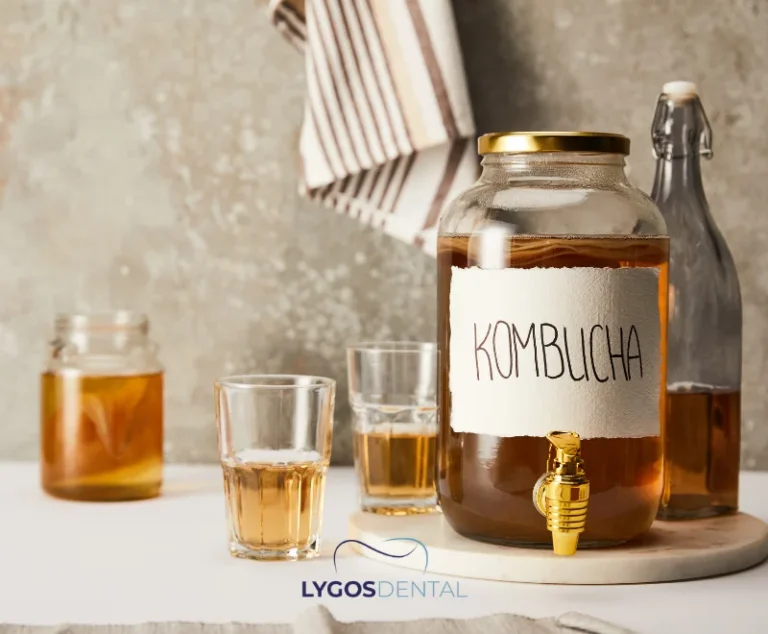
Fermented foods can provide live cultures, though the types and amounts vary by brand, storage, and processing. They can be a practical way to support overall microbial diversity, especially when paired with a balanced diet.
- Yogurt with live cultures
- Kefir
- Fermented vegetables (such as sauerkraut or kimchi)
- Miso
- Kombucha
For oral health, product format matters. Lozenges, chewables, or oral rinses designed for the mouth may have a more direct local effect than foods that are swallowed quickly.
When Probiotic Supplements Might Make Sense
A supplement may be worth discussing with a dentist or physician if you struggle with plaque control despite good technique, have recurring gingivitis, or notice breath issues that persist after improving brushing, flossing, and tongue cleaning. Some people also consider probiotics after antibiotics, since antibiotics can temporarily disrupt microbial balance.
Choose products that clearly list strains, CFU count, and recommended use, and that are intended for oral application when the goal is gum support. Be cautious with vague labels that list only broad species names without strains.
Safety Tips And Practical Use
Probiotics are generally well tolerated for healthy adults, but they are not appropriate for everyone. People who are immunocompromised, critically ill, or who have certain medical devices should seek medical advice before using probiotic supplements.
- Keep the basics strong: brush twice daily with a fluoride toothpaste, clean between teeth, and get regular professional cleanings.
- If using an oral probiotic, follow label instructions and use it consistently for the recommended period before judging results.
- Treat bad breath at the source: tongue cleaning and managing dry mouth often make a bigger difference than supplements alone.
- Stop the product and seek advice if you develop irritation, swelling, or worsening symptoms.
FAQ
The best probiotics for teeth and gums
L. reuteri DSM17938/PTA5289 and S. salivarius M18/K12 have strongest clinical evidence.
The best probiotics for oral health
Best-studied strains are L. reuteri DSM17938/PTA5289 and S. salivarius K12 for halitosis.
A critical review of the effects of probiotics on oral health
Reviews show modest, strain-specific, short-term improvements in plaque, gingivitis, and halitosis.
Oral probiotics for gum disease
Adjunct probiotics can slightly improve gingival inflammation/bleeding, but don’t replace periodontal therapy.
Studies on dental probiotics
Trials and meta-analyses report small benefits; long-term clinical outcomes remain uncertain.
Porcelain vs Laminate Veneers | LYGOS DENTAL
Porcelain Vs Laminate Veneers
Porcelain laminate veneers are ultra-thin porcelain shells bonded to the front of teeth with minimal enamel removal, best for small changes in color, shape, or gaps. Traditional porcelain veneers are slightly thicker and usually need more preparation, making them better when teeth require stronger masking or reshaping. A dentist’s exam determines the safest, most natural option.
Table of Contents
Understanding the two options
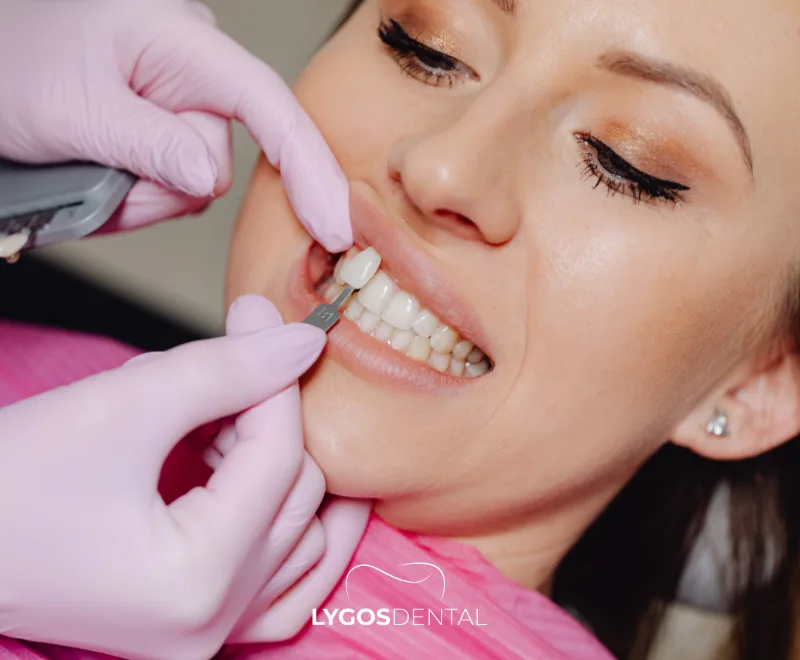
Veneers are custom-made porcelain restorations designed to improve the visible (front) surface of teeth. They can change color, shape, and the way teeth line up when orthodontics is not required. Within porcelain veneers, dentists often distinguish between porcelain laminate veneers (very thin) and traditional porcelain veneers (thicker).
What are porcelain laminate veneers?
Porcelain laminate veneers—sometimes called “porcelain laminates” or “leaf veneers”—are thin shells usually around 0.3–0.7 mm. They are bonded to the front surface of the tooth, so preparation is often minimal and limited to the enamel. They work well for mild discoloration, small chips, tiny gaps, and subtle shape corrections, especially on front teeth.
What are traditional porcelain veneers?
Traditional porcelain veneers are still bonded to the front of the tooth, but they are typically thicker than laminates. Because they can mask darker discoloration and reshape teeth more, they often require slightly more enamel reduction. They are commonly chosen when teeth need stronger color coverage, more contour change, or added strength at the edge.
Note: A restoration that covers the entire tooth is usually called a crown, not a veneer. Full-coverage crowns may be recommended for heavily broken-down teeth or after root canal treatment, while veneers are usually reserved for teeth where most structure is still healthy.
Key differences between laminate and porcelain veneers
| Factor | Porcelain laminate veneers | Traditional porcelain veneers |
| Coverage | Front surface only | Front surface only |
| Typical thickness | About 0.3–0.7 mm | Often thicker than laminates |
| Tooth preparation | Minimal enamel reduction in many cases | Usually more reduction to create space and strength |
| Best for | Minor shape tweaks, small gaps, mild to moderate color issues | Stronger masking, bigger shape changes, worn edges |
| Strength & chipping risk | Very aesthetic; may be more sensitive to biting forces | Generally more robust due to thickness |
| Treatment timeline | Commonly 2–3 appointments | Commonly 2–3 appointments |
Your dentist will also consider bite forces, existing fillings, enamel quality, and habits like teeth grinding when recommending a veneer type.
Similarities
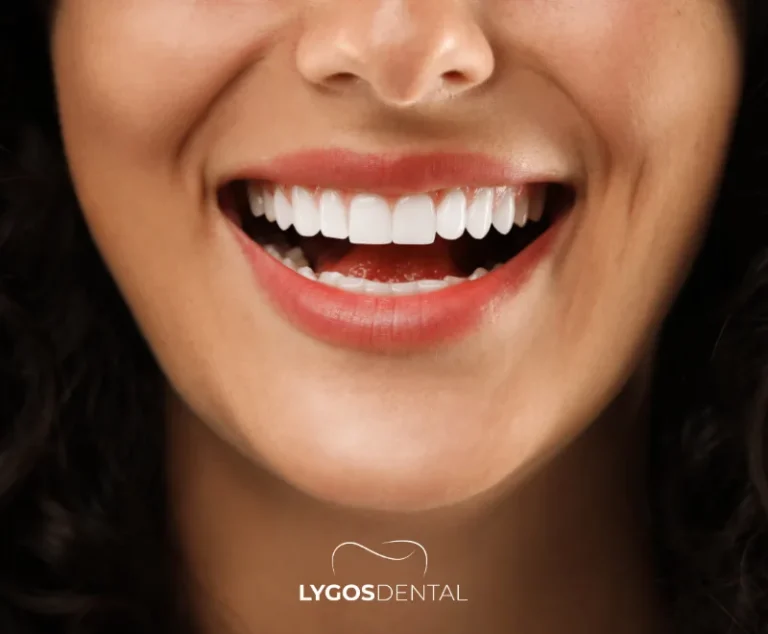
Despite the differences, both options share the same core benefits when planned and bonded correctly.
- They improve tooth color, shape, and symmetry with a natural look.
- Porcelain is color-stable and more stain-resistant than natural enamel.
- They are biocompatible and typically gentle on gums when margins are well-finished.
- With good home care and regular check-ups, they can last for many years.
Lifespan and long-term care
Longevity depends more on technique and habits than on the veneer label. Many clinicians quote roughly 7–12 years for laminate veneers and 10–15 years for traditional porcelain veneers, but real-world outcomes vary widely. Night-time grinding, biting hard foods, and skipping dental visits are common reasons veneers fail early.
- Brush twice daily and clean between teeth to protect gum health around the margins.
- Avoid cracking shells, ice, or hard candy with veneered teeth.
- If you clench or grind, ask about a custom night guard.
- Schedule professional check-ups every 6 months, or as advised.
Cost considerations in Turkey (2026)
Veneer pricing varies by clinic and case complexity, so it’s best discussed after an exam and smile design plan. In Turkey, the total fee is usually influenced by the laboratory used, the dentist’s experience, the number of teeth treated, materials selected, and whether additional work is needed (such as gum contouring or replacing old fillings). Choosing the right indication matters more than choosing the lowest price, because an unsuitable veneer plan can shorten lifespan.
Which option is best?
There isn’t a universal “better” choice. The right veneer is the one that fits your enamel, bite, and aesthetic goals.
- Laminate veneers: often ideal when teeth are mostly healthy and you want small, natural-looking improvements.
- Traditional porcelain veneers: often better when you need stronger color masking, more reshaping, or reinforcement of worn edges.
- Crowns (full coverage): considered when the tooth is structurally compromised and needs complete protection.
Get information or book an appointment
To learn more about cosmetic dentistry, dental crowns, dental implants, or general dentistry, contact the clinic to schedule an appointment and discuss your options.
FAQ
Are laminate veneers better than porcelain?
Neither; the best choice depends on your teeth, goals, and enamel preservation.
Which veneers look the most natural?
Porcelain veneers, especially lithium disilicate, look the most natural.
What is the disadvantage of porcelain veneers?
Irreversible enamel removal and higher cost are key disadvantages of porcelain veneers.
Which type of veneer lasts the longest?
Porcelain veneers usually last the longest with strong bonding to enamel and good care.
What happens 10 years after getting veneers?
Many veneers still work at 10 years, but some need replacement from wear or decay.