
Splint Prices for Teeth Grinding (Bruxism)
Splint Prices For Teeth Grinding (Bruxism) In Turkey
Splints (night guards) are custom dental appliances that protect teeth and jaw joints from grinding. In Turkey, prices usually depend on the splint type, materials, and lab work. Most patients pay within typical clinic ranges for soft, hard, or hybrid designs, with extra fees possible for consultation, scans, and follow‑up adjustments.
Splints (night guards) are custom dental appliances that protect teeth and jaw joints from grinding. In Turkey, prices usually depend on the splint type, materials, and lab work. Most patients pay within typical clinic ranges for soft, hard, or hybrid designs, with extra fees possible for consultation, scans, and follow‑up adjustments.
Table of Contents
What Is Teeth Grinding (Bruxism)?
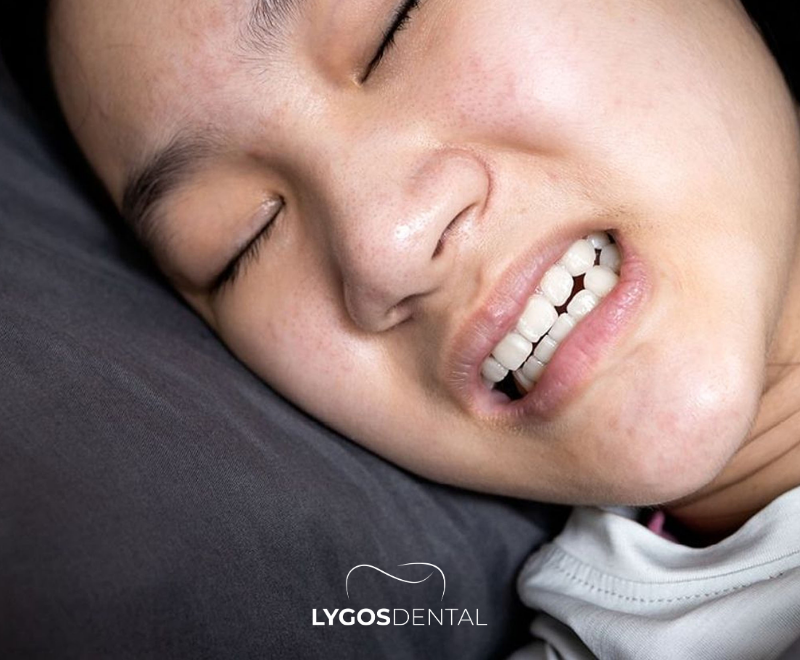
Bruxism is involuntary clenching or grinding of the teeth. It most often happens during sleep, but some people also clench during the day when stressed or concentrating. Over time, untreated bruxism can wear down enamel, strain jaw muscles, and irritate the temporomandibular joint (TMJ).
Common Symptoms
Bruxism can be subtle, especially if it happens at night. Signs dentists commonly see include:
- Jaw or facial muscle pain, especially in the morning
- Headaches (often around the temples)
- Flattened, chipped, or worn tooth surfaces
- Tooth sensitivity or cracked enamel
- Ear pain without an ear infection
- Grinding noises noticed by a partner
If these symptoms sound familiar, a dental exam can confirm wear patterns and rule out other causes. Your dentist may also ask about sleep quality, stress, and any jaw clicking or locking.
What Is A Splint And How Does It Help?
A splint (often called a night guard) is a clear appliance fitted to your teeth. It creates a protective barrier so your teeth do not grind directly against each other. It can also help reduce muscle overload and protect the TMJ by stabilizing the bite during sleep.
A properly fitted splint can help with:
- Reducing tooth wear and preventing fractures
- Lowering jaw muscle fatigue and morning tightness
- Protecting dental work such as crowns or veneers
- Supporting TMJ comfort in patients who clench
Types Of Splints Used For Bruxism
Dentists recommend different designs depending on the severity of grinding, your bite, and jaw symptoms. The three most common options are soft, hard, and hybrid splints.
Soft Splints
Soft splints are flexible and often used for mild to moderate clenching or grinding. They can feel more comfortable at first, but they may wear out faster in heavy grinders.
Hard Splints
Hard splints are made from more rigid materials and are usually recommended for moderate to severe bruxism. They are durable and typically provide more stable bite guidance, which can be helpful for TMJ protection.
Hybrid Splints
Hybrid designs combine a softer inner surface with a harder outer shell. They aim to balance comfort with durability, especially for patients with sensitive jaws or strong bite forces.
Splint Prices In Turkey (2026)
Clinics set fees based on materials, lab work, and the appointment plan. The ranges below reflect common private-clinic pricing and can vary by city, dentist expertise, and technology used.
| Splint Type | Typical Price Range (TL) |
| Soft splint | 1,500 – 2,500 |
| Hard splint | 2,500 – 4,000 |
| Hybrid splint | 3,000 – 4,500 |
These ranges may or may not include the exam, impressions or digital scan, fitting, and follow‑up adjustments. If you have private insurance, ask whether dental splints are covered and what documentation is required.
What Affects The Total Cost?
A price quote can differ from one clinic to another even for the same splint type. The biggest factors usually include:
- Dentist experience and clinic location (major cities and central locations often cost more)
- Splint material and design (hard and hybrid options tend to be higher priced)
- Laboratory workflow (precision impressions, CAD/CAM production, and quality control)
- Number of visits and adjustments included in the package
- Extra services when clinically needed (e.g., TMJ assessment, physiotherapy referral)
How To Choose The Right Splint
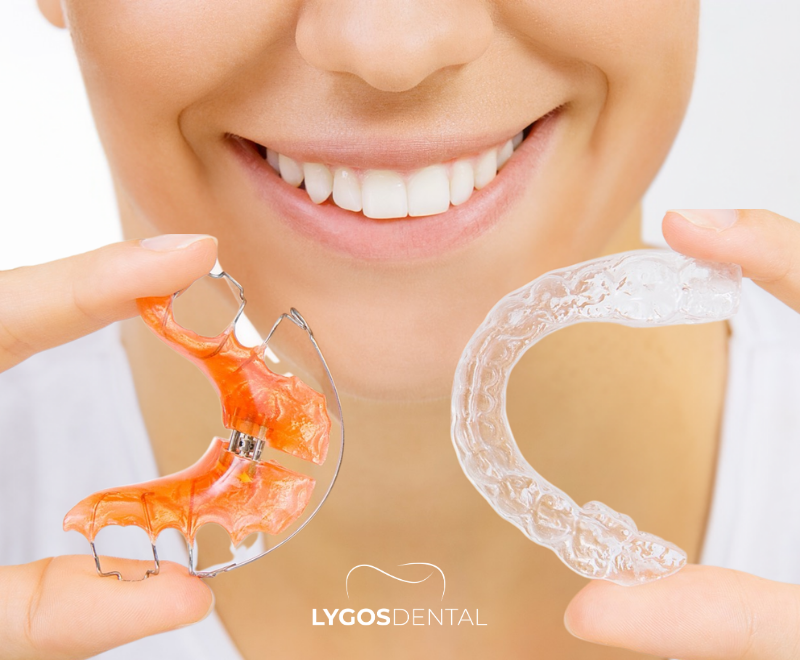
The best splint is the one that fits accurately and matches your diagnosis. Over‑the‑counter guards may look cheaper, but they can fit poorly and may worsen bite or jaw symptoms. A dentist‑made splint is designed from your bite records and can be adjusted if it feels too tight or changes your bite.
When comparing clinics, ask:
- Is the price for a custom, lab‑made splint or a chairside/standard guard?
- Does the quote include follow‑up adjustments?
- What is the expected lifespan for my grinding intensity?
- What should I do if the splint feels uncomfortable or changes my bite?
How Long Does A Splint Last?
Lifespan depends on how strongly you grind, the splint material, and daily care. Many patients replace a splint every 1 to 3 years. Regular checkups help catch cracks, thinning areas, and bite changes early.
FAQ
What is a splint for teeth grinding (bruxism)?
A bruxism splint is a custom nightguard that protects teeth and relaxes jaw muscles.
How much does a splint for bruxism cost?
$200–$800 for a custom dentist-made splint; store-bought guards cost less.
Are dental splints expensive?
Yes; custom splints can feel expensive, but they’re cheaper than repairing tooth damage.
How long is a splint used?
Months to years, worn nightly, depending on ongoing grinding and symptoms.
Does wearing a splint cause pain?
Usually not; mild pressure or soreness may occur initially, then settles quickly.
The Harms of Using a Hard Toothbrush
The Harms Of Using A Hard Toothbrush
Hard toothbrushes can look like they clean better, but stiff bristles combined with heavy pressure often do more harm than good. They can wear down enamel at the gumline, irritate and injure gum tissue, and increase tooth sensitivity over time. For most people, a soft-bristled brush used gently is the safer everyday option.
Oral hygiene supports overall health, but the tools you choose matter as much as how often you brush. Hard-bristled toothbrushes are designed for specific situations, yet many people use them daily because they feel “stronger.” When a hard brush is paired with forceful brushing or an abrasive toothpaste, it can slowly damage teeth and gums.
Table of Contents
What Is A Hard Toothbrush And When Is It Used?
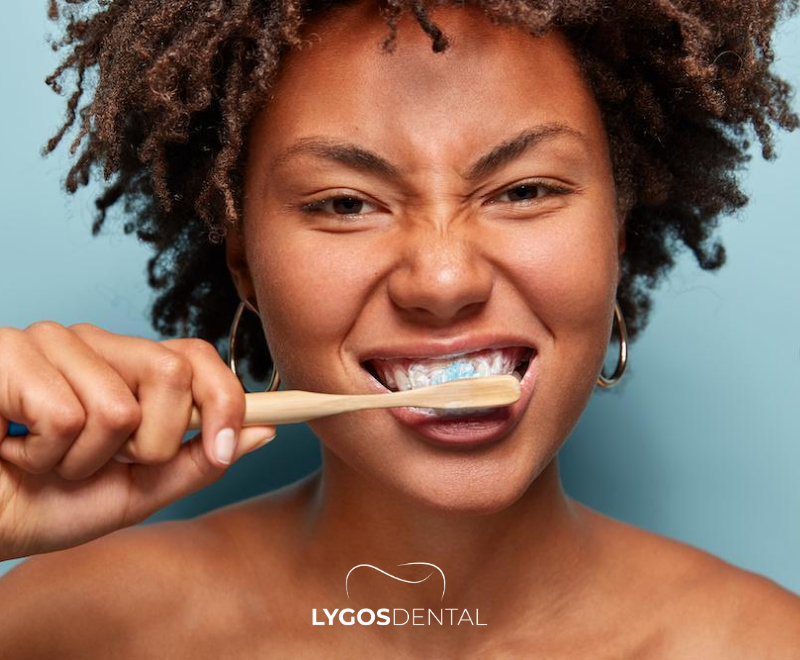
A hard toothbrush has dense, stiff bristles that do not flex easily. Dentists may recommend one for targeted, short-term tasks, such as cleaning certain prosthetic surfaces, orthodontic appliances, or areas where plaque control is difficult. It is not a default choice for routine daily brushing for most natural teeth and gums.
The common belief that “harder cleans better” is misleading. Plaque removal depends more on technique, time, and reaching the gumline gently than on bristle stiffness.
Can A Hard Toothbrush Damage Tooth Enamel?
Yes, it can contribute to tooth surface wear, especially near the gumline where enamel is thinner and root surfaces may be exposed. With repeated heavy pressure, stiff bristles can increase abrasion and lead to non-cavity wear (sometimes seen as notches at the neck of the tooth). Because enamel does not grow back, this kind of wear is cumulative.
As enamel thins, teeth may look more yellow, feel sensitive to cold or heat, and become more prone to chipping at weakened areas. If the wear reaches dentin, sensitivity often increases and restorative treatment may be needed.
Can Hard Bristles Cause Gum Recession?
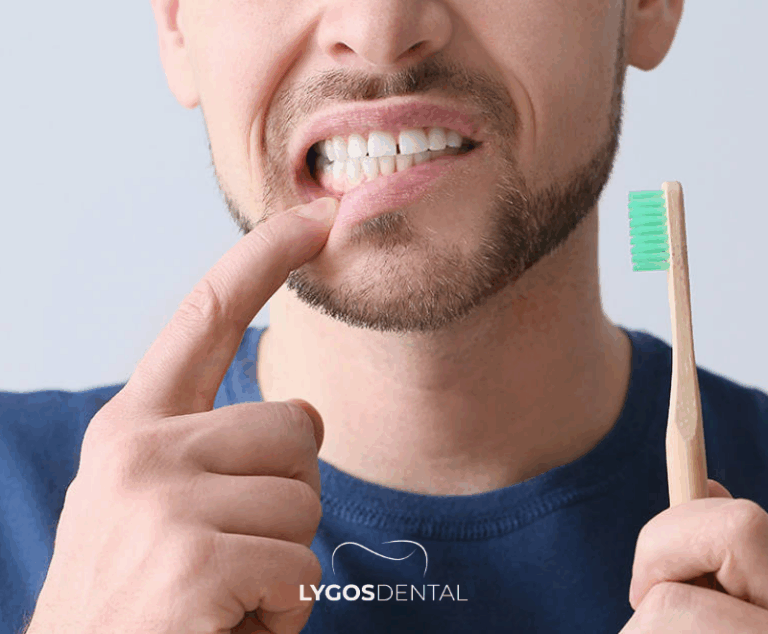
Gum tissue is delicate, and repeated scrubbing with stiff bristles can cause irritation, small abrasions, and gradual recession. Recession exposes the tooth root, which is softer than enamel and more vulnerable to wear and sensitivity. It can also make teeth look longer and create spaces that trap plaque.
Gum recession has many causes, including genetics, inflammation from gum disease, and poor brushing technique. A hard toothbrush can speed up the process when brushing is aggressive.
Other Problems Linked To Hard Toothbrush Use
- Mouth irritation: repeated trauma to the cheeks, tongue, or palate can trigger soreness or ulcers.
- Gum bleeding from abrasions: bleeding is not “normal” if it is caused by mechanical injury.
- Worsening sensitivity: exposed root surfaces react strongly to cold, sweets, and acidic foods.
- Cosmetic changes: wear at the gumline can alter tooth shape and create uneven edges over time.
If you notice rough gumline notches, persistent sensitivity, or bleeding right after brushing, your brush and technique should be reassessed. These signs are often easier to address early than after significant tissue loss.
Long-Term Damage From Using A Hard Toothbrush
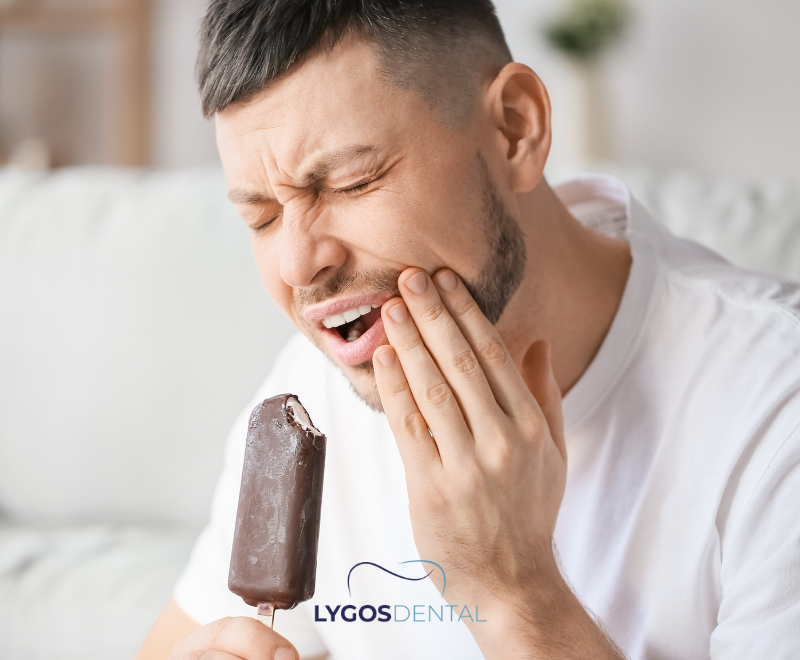
Short-term discomfort can be easy to ignore, but long-term brushing trauma may lead to chronic sensitivity and progressive gum recession. As roots become exposed, they are more likely to wear down and develop decay. In advanced cases, restoring function and aesthetics can require fillings, gum grafting, or other periodontal treatment.
How To Choose A Toothbrush And Brush Safely
For most adults and children, dentists commonly advise a soft-bristled toothbrush for daily use. Medium bristles may be suitable for some people with good technique, but hard bristles increase the risk of abrasion when pressure is high.
Toothbrush Checklist
- Bristles: soft (or extra-soft if you have sensitivity or recession).
- Head size: small to medium so it can reach behind molars comfortably.
- Bristle tips: end-rounded filaments are gentler on gums.
- Handle: comfortable grip so you are less likely to “scrub.”
- Replacement: replace the brush every 3–4 months, or sooner if bristles fray.
Brushing Technique Tips
- Use light pressure. If the bristles bend dramatically, you are pressing too hard.
- Angle the brush about 45 degrees toward the gumline and use small, controlled motions.
- Brush for two minutes and avoid sawing back and forth across the gumline.
- If you use an electric brush, let it do the work—don’t add extra pressure.
Who Should Use A Hard Toothbrush?
A hard toothbrush may be appropriate only when a dentist recommends it for a specific reason, and typically for limited use. If you have gum recession, enamel wear, sensitivity, or a history of abrasion, a hard brush is rarely the best choice. When in doubt, ask your dentist or hygienist to demonstrate the right brush and technique for your mouth.
Book An Appointment
If you have sensitivity, gum recession, or signs of brushing abrasion, a dental exam can identify the cause and the best next step. Contact us to learn more about Cosmetic Dentistry, Dental Crowns, Dental Implants, and General Dentistry, or to schedule an appointment.
FAQ
Is it better to brush hard or soft?
Soft brushing is better; use gentle pressure to clean without damaging gums.
Is brushing your teeth too hard harmful?
Yes, brushing too hard can wear enamel and irritate gums, causing recession.
Which toothbrush is the healthiest to use?
A soft-bristled, small-head toothbrush (manual or electric) is healthiest for most people.
Which toothbrush do dentists recommend most?
Dentists most often recommend soft-bristled brushes; oscillating-rotating electric models can be very effective.
Is brushing hard harmful to gum recession?
Yes, hard brushing worsens gum recession by traumatizing gum tissue and abrading roots.
How to Choose a Dental Clinic?
How To Choose A Dental Clinic
Choose a dental clinic by checking the dentist’s credentials, the clinic’s sterilization standards, and the range of treatments offered. Confirm pricing is transparent, modern diagnostic tools are available, and the location is practical for follow‑up visits. A short visit or consultation helps you assess cleanliness, communication, and whether the team can handle your needs in one place.
Oral health affects comfort, confidence, and long‑term wellbeing—so picking the right clinic matters. While cleanliness and location are part of the decision, they’re rarely enough on their own.
Use the checks below to compare clinics in a practical, patient-first way and avoid surprises once treatment starts.
Check The Dental Team And Specialties
Dentistry includes several sub‑specialties, and the right expertise can change both the outcome and the experience. Look for a clinic that can provide the services you may need—such as orthodontics, periodontics (gum care), pediatric dentistry, endodontics (root canals), oral surgery, and cosmetic dentistry—without constantly referring you elsewhere.
When a clinic has multiple dentists with clear focus areas, complex cases can be planned together. That team approach often means faster diagnosis, smoother treatment planning, and better continuity of care.
Look For Clear Sterilization And Infection‑Control Standards
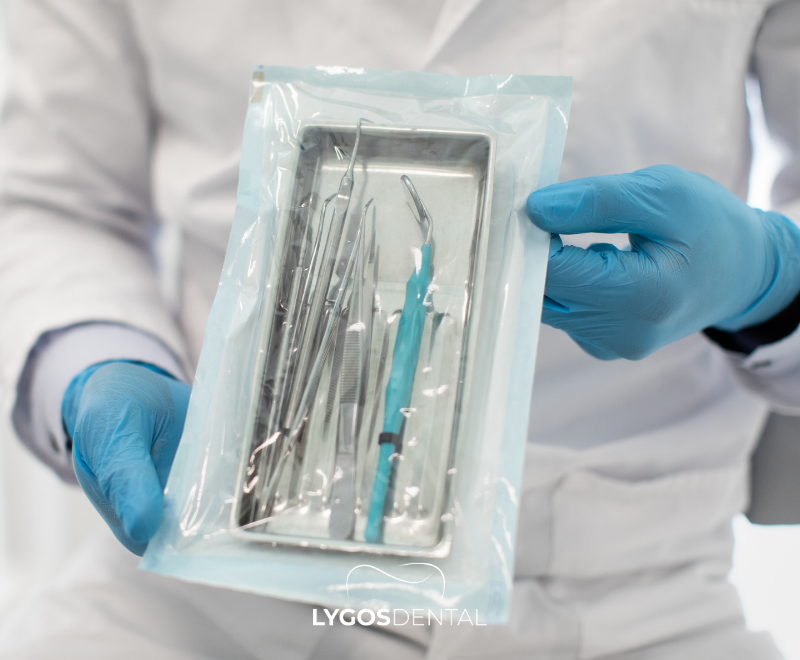
Because dental care involves close contact and instruments used in the mouth, infection control should be visible and consistent. A trustworthy clinic will be open about how instruments are cleaned, packaged, and sterilized between patients.
Pay attention to practical signals: single‑use items where appropriate, sealed sterilization pouches, staff wearing gloves and masks, and a tidy clinical area. Clean restrooms, an organized waiting area, and a well‑maintained reception space usually reflect the same standards in treatment rooms.
Review The Treatment Range And Referral Process
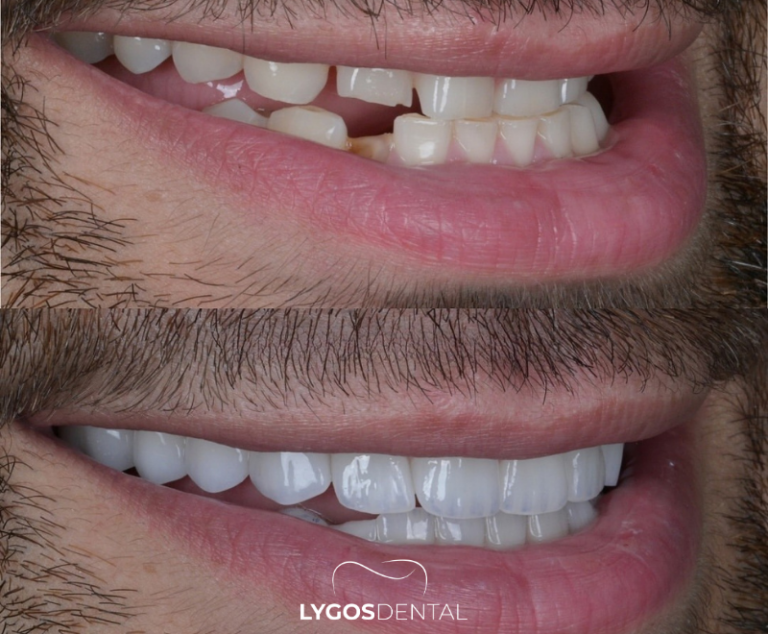
A good way to gauge a clinic’s scope is to review the treatments it provides and how it handles referrals. Some clinics focus on routine care, while others also offer implants, orthodontics, pediatric care, laser dentistry, and smile-design services.
If you expect longer-term treatment (for example, orthodontics or implant planning), ask whether everything can be done in-house. When referrals are needed, the clinic should explain why, share options, and coordinate your records so you’re not starting from scratch elsewhere.
Consider Location, Accessibility, And Follow‑Up Visits
Many dental treatments require more than one appointment. A clinic that is easy to reach can make follow‑ups far less stressful—especially when you have a tight schedule or you’re dealing with discomfort.
Check public transport access, parking options, and how quickly you could get there in an urgent situation. Also consider appointment availability, evening or weekend hours, and how the clinic handles unexpected problems after a procedure.
Compare Pricing With Transparency, Not Just The Lowest Fee
Price matters, but the lowest quote isn’t always the best value. Fees can reflect the dentist’s experience, materials used, the lab work involved, and the technology required for accurate planning.
Look for clear, written estimates before treatment begins and ask what is included. A reputable clinic explains potential add‑on costs, warranty terms (where relevant), and payment options such as insurance coverage or installments.
Ask About Technology, Imaging, And Materials
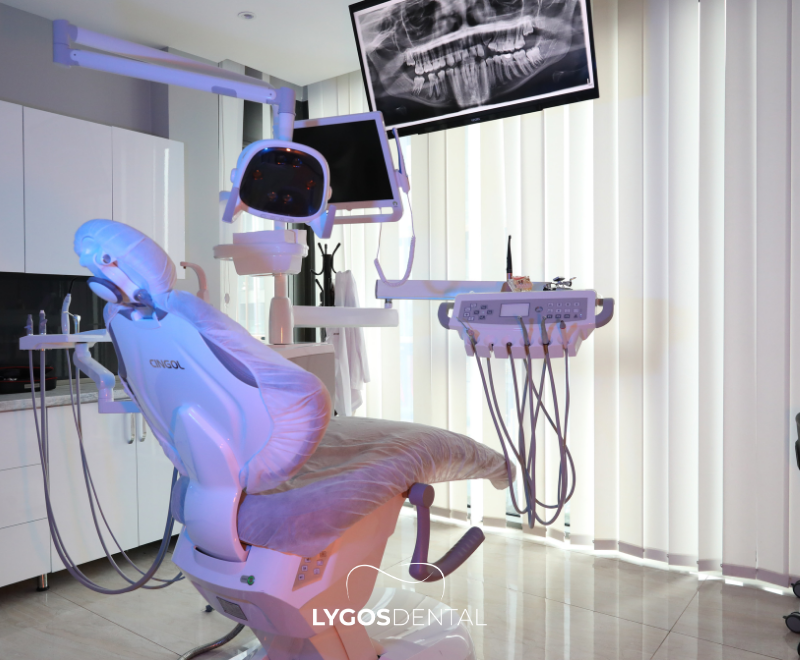
Modern equipment can improve comfort and accuracy. Digital X‑rays, panoramic imaging, 3D scans, and digital impressions can speed up diagnostics and reduce guesswork in treatment planning.
Technology alone isn’t the goal—the goal is safer, more predictable care. Ask how imaging is used in your case, whether the clinic follows up-to-date protocols, and what brands or material standards are used for restorations like crowns or implants.
Questions To Ask Before You Book
- Which dentist will be responsible for my treatment, and what is their experience with cases like mine?
- How do you sterilize instruments, and do you use single‑use items where appropriate?
- What diagnostic imaging will you use, and will I receive a copy of my records if needed?
- Can you provide a written treatment plan with an itemized estimate?
- Who should I contact if I have pain or complications after hours?
- Do you offer alternatives if a treatment option isn’t suitable for me?
Make An Appointment Or Request Information
If you’re considering cosmetic dentistry, dental crowns, dental implants, or general dentistry, reach out to the clinic to ask about suitability, timelines, and fees. A short consultation is often the quickest way to confirm whether the team and facilities match your expectations.
How To Choose A Dental Clinic: Frequently Asked Questions
What is the most important factor when choosing a dental clinic?
Start with the dentist’s qualifications and experience in the treatment you need. Strong infection control, clear communication, and reliable diagnostics should support that expertise.
How can you assess the hygiene of a dental clinic?
Visit the clinic if you can. Look for clean, organized treatment areas, properly packaged instruments, and staff using protective equipment. A clinic should be comfortable explaining its sterilization process.
Why is a dental clinic’s technological infrastructure important?
Technology can make diagnosis more accurate and treatment more comfortable. Digital imaging and modern impression systems can improve planning for procedures such as orthodontics, crowns, and implants.
Are high-quality dental clinics always expensive?
Not always. High fees don’t guarantee quality, and very low fees can lead to compromises or extra costs later. What matters is transparent pricing that matches the materials, skill, and scope of care provided.
Can a single clinic handle all types of dental treatments?
Many clinics can manage routine care and advanced treatments under one roof, especially when they have multiple specialists. If something must be referred out, you should expect clear explanations and good coordination.
Confidence Issues After Tooth Loss
Confidence Issues After Tooth Loss
Tooth loss can make people feel self‑conscious about smiling, speaking, and being seen, which may lead to avoidance and social anxiety. Confidence often improves when the cause is addressed—through a dental plan that restores function and appearance, plus emotional support if needed. With the right steps, most people return to normal social and professional life.
Psychological Impact Of Tooth Loss
Missing teeth can change how you see yourself. People often report embarrassment, shame, or a sense of loss because their smile no longer matches their identity. If front teeth are involved, everyday moments—laughing, talking, even ordering coffee—can start to feel stressful.
For some, tooth loss also brings worries about aging or health, especially when it happens earlier than expected. Those thoughts can spiral into low mood, withdrawal, or reluctance to meet new people. If these feelings persist or interfere with daily life, professional support can help.
Signs Your Confidence Is Taking A Hit
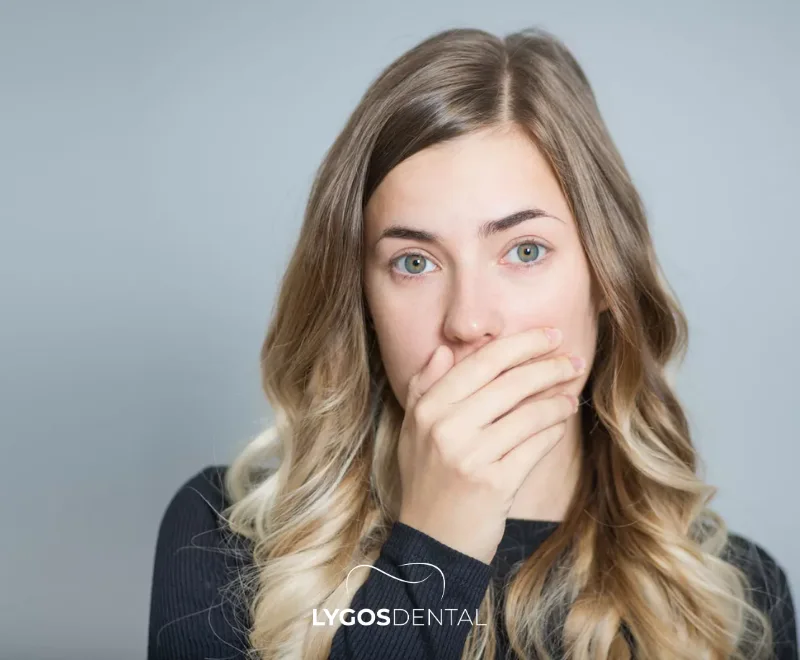
Confidence changes look different for everyone, but these patterns are common after losing teeth:
- Avoiding smiling, laughing, or speaking in public
- Covering your mouth with your hand, phone, or other objects
- Keeping conversations short or staying quiet in groups
- Skipping photos, video calls, or social events
- Feeling unhappy with your appearance when you look in the mirror
- Avoiding situations that involve scrutiny, such as interviews, presentations, or dating
If you recognize several of these signs, it may help to name the problem clearly: you are reacting to a real change in comfort, function, and appearance. That means there are practical solutions.
How Missing Teeth Can Trigger Social Anxiety
Tooth loss is not only cosmetic. It can affect speech clarity, chewing, and breath, which may increase self‑monitoring during conversations. Many people become preoccupied with the idea that others are staring or judging, even when that isn’t happening.
This type of anxiety can show up at work, in close relationships, and in new social settings. Over time, avoidance can shrink your social circle and reinforce the fear. Addressing both the dental cause and the emotional response tends to work best.
Practical Ways To Cope And Rebuild Confidence

Reframe The Situation
Try to treat tooth loss as a health issue with options, not a personal failure. Reframing reduces shame and makes it easier to take action. A plan, even a simple one, often brings immediate relief.
Get Dental Advice Early
A dentist can explain what caused the tooth loss and what can be done next. Early advice helps prevent shifting teeth, bite changes, and further complications. It also replaces uncertainty with clear choices and timelines.
Support Your Mental Health
If your self‑esteem has dropped sharply, speaking with a therapist can help you challenge harsh self‑talk and reduce avoidance behaviors. Simple strategies—breathing techniques, exposure steps, and confidence scripts for conversations—can make social situations feel manageable again.
Stay Social While You Heal
It’s tempting to disappear until everything is “fixed,” but isolation usually makes anxiety worse. Choose low‑pressure meetups with trusted people first, then build up from there. Small wins matter.
Build Confidence Habits
Posture, eye contact, and steady speech can signal confidence even when you feel unsure. Some people also find it helpful to focus on fitness, hobbies, or skills that reinforce a positive self‑image. The goal is to keep your sense of identity bigger than your smile.
Treatment Options That Can Restore Function And Appearance
Modern dentistry offers several ways to replace missing teeth. The right option depends on the number of missing teeth, gum health, jawbone support, budget, and personal preferences.
Dental Implants
Implants replace the tooth root and are designed to feel stable during eating and speaking. They can be used for single teeth, multiple teeth, or full‑arch restorations, depending on your case. Your dentist will check bone levels and overall health to confirm suitability.
Bridges
A bridge fills the gap by anchoring to neighboring teeth or implants. It can be a strong choice when adjacent teeth already need crowns, or when implants aren’t suitable. Good hygiene is important to protect the supporting teeth and gums.
Dentures
Removable dentures can replace several teeth or a full arch and are often a cost‑effective solution. Fit and comfort vary, and adjustments may be needed as your mouth changes. Some people choose implant‑supported dentures for extra stability.
Zirconia Crowns And Aesthetic Restorations
For visible areas, zirconia and other modern materials can create natural‑looking results. These restorations may be part of a broader plan that includes implants or bridges. A shade match and bite check are key to a comfortable, lifelike outcome.
Oral Health Habits That Help Prevent Future Tooth Loss
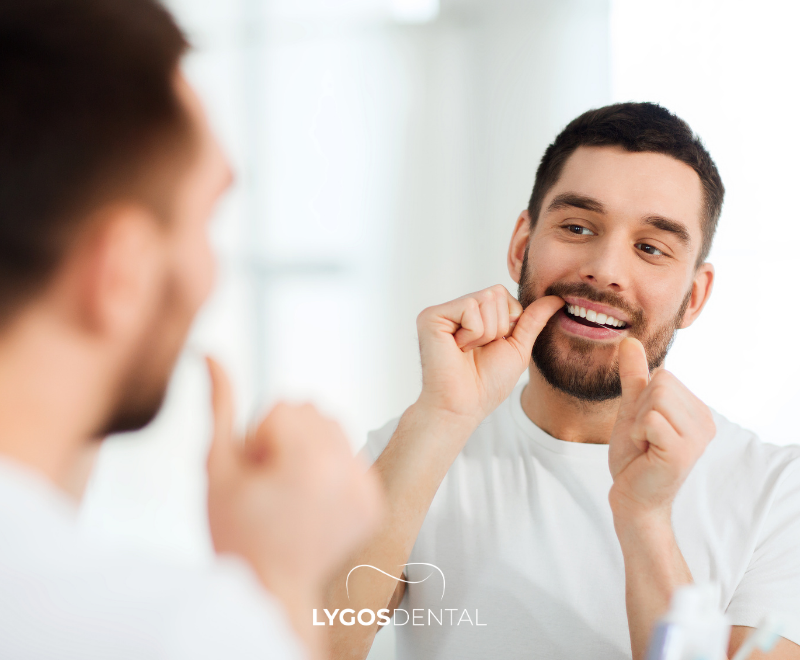
Preventing further problems protects both your health and your confidence. These habits make a measurable difference:
- Brush twice a day with fluoride toothpaste and use an interdental brush or floss daily
- Attend routine dental checkups and cleanings (your dentist will advise the best schedule for you)
- Treat gum bleeding early; it can be an early sign of gum disease
- Limit frequent sugary or acidic snacks and drinks
- Avoid tobacco and moderate alcohol use
- Use a mouthguard for contact sports and ask about a night guard if you grind your teeth
When To Seek Professional Support
Consider extra support if you avoid work, dating, or social situations because of your teeth, or if you notice ongoing low mood, sleep changes, or persistent worry. A dentist can handle the functional side, while a mental health professional can help with social anxiety and self‑image. Many people benefit from addressing both at the same time.
Frequently Asked Questions
Does tooth loss really affect confidence?
Yes. Changes in appearance, speech, and chewing can make people feel exposed or judged. That can lead to avoiding smiles, photos, and conversations, which reinforces low confidence.
How can I cope with confidence loss after losing teeth?
Start with a dental assessment so you understand your options. Then focus on small, consistent steps: stay socially connected, practice calm breathing in stressful moments, and consider counseling if anxiety or shame is taking over.
Will my confidence return after dental treatment?
For most people, confidence improves once function and appearance are restored. Feeling comfortable speaking and smiling again often reduces self‑consciousness quickly, especially when paired with supportive habits.
How do missing teeth affect social and professional life?
People may hold back in meetings, avoid interviews, or feel hesitant when meeting someone new. Restoring your bite and addressing anxiety early helps prevent those patterns from becoming long‑term.
How to Clean Tongue Coating?
How to Clean Tongue Coating?
Tongue coating is a layer of bacteria, dead cells, and debris trapped between the tongue’s tiny bumps. To clean it, brush or gently scrape from the back of your tongue toward the tip once a day, then rinse well. Stay hydrated and address dry mouth or smoking. If it lasts more than a few weeks or hurts, get checked.
What Tongue Coating Is
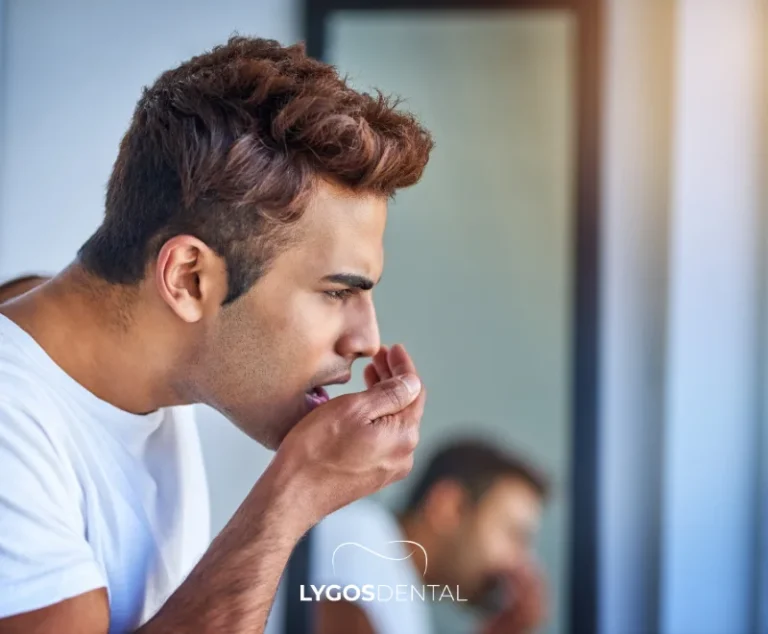
Tongue coating (sometimes called a “white tongue” or “coated tongue”) is a visible layer that can look white, yellow, or light brown. It forms when bacteria, dead cells, and food particles build up on the tongue’s surface, especially toward the back. It’s common and often improves with routine oral hygiene.
Why Tongue Coating Forms
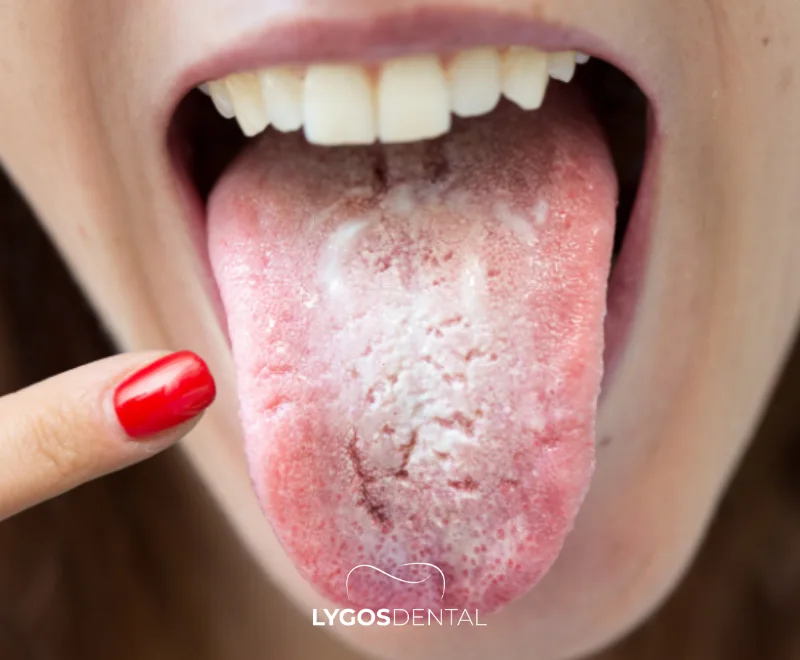
The tongue has papillae—small bumps that can trap debris. When saliva flow is low or cleaning is inconsistent, that debris sticks around and thickens into a coating. Lifestyle factors and certain health issues can also play a role.
- Not cleaning the tongue regularly as part of oral hygiene
- Dry mouth (dehydration, mouth breathing, some medications, or reduced saliva)
- Smoking or tobacco use
- Alcohol use, which can worsen dryness
- Irritation from very hot foods or a recent illness
- Oral thrush (a yeast infection) and other infections in some cases
- Digestive symptoms such as reflux may be associated for some people
Common Symptoms
- A white, yellow, or brown film on the tongue
- Bad breath (halitosis)
- A fuzzy or rough tongue texture
- A lingering unpleasant taste or reduced taste
- Dry mouth, especially on waking
Why It Matters
A mild coating is usually harmless, but it can contribute to bad breath and make your mouth feel less fresh. A persistent, painful, or worsening coating can sometimes point to an underlying issue such as dry mouth, infection, or irritation that needs targeted treatment.
Natural Ways To Remove Tongue Coating
1) Use A Tongue Scraper Or Soft Brush
Mechanical cleaning is the most direct method. A tongue scraper is designed to lift buildup efficiently, but a soft toothbrush works well for many people too.
- Brush your teeth first, then stick out your tongue.
- Place the scraper (or brush) gently toward the back of the tongue, without forcing it.
- Pull forward toward the tip with light pressure. Repeat 3–5 passes.
- Rinse the scraper/brush between passes, then rinse your mouth with water.
- Clean the tool with soap and water and let it dry.
2) Rinse With Salt Water
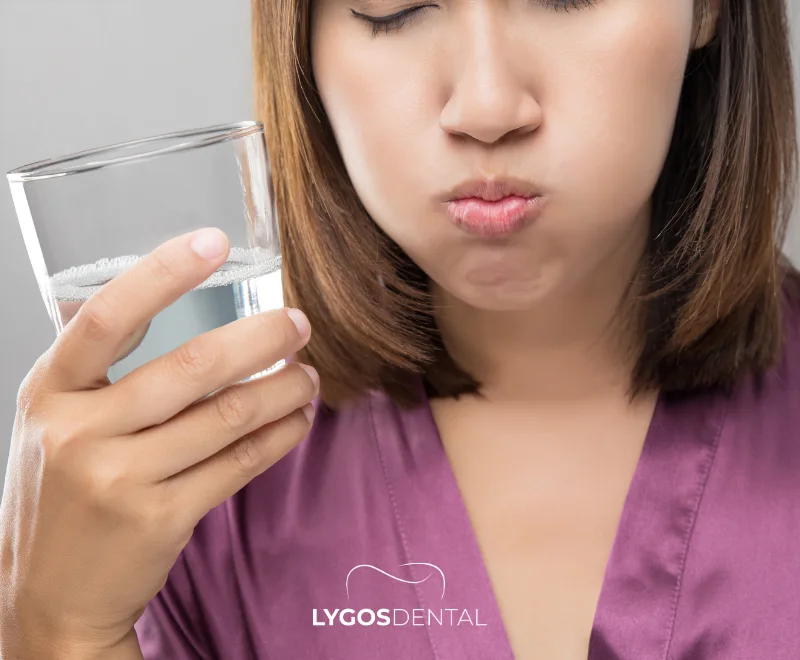
A warm salt-water rinse can help reduce bacteria and loosen debris. Mix about ½ teaspoon of salt in a cup of warm water, swish for 20–30 seconds, then spit. Use once daily if it feels helpful.
3) Baking Soda A Few Times Per Week
Baking soda can help neutralize acids and reduce odor-causing compounds. You can choose a toothpaste that contains baking soda, or make a thin paste with water and gently brush the tongue 2–3 times per week. If your tongue feels irritated, stop and switch back to water only.
4) Support A Healthier Oral Environment
- Drink enough water through the day to support saliva production.
- If you wake up with a coated tongue, try managing dry mouth (humidifier at night, nasal breathing, sugar-free gum).
- Consider yogurt with live cultures if you tolerate dairy, as part of a balanced diet.
- Cut back on smoking or tobacco, which commonly worsens tongue coating.
Tips For Safe Tongue Cleaning
- Be gentle. Scraping too hard can irritate the tongue and make the problem worse.
- Clean once per day for most people. More isn’t always better.
- Avoid sharp-edged tools or aggressive brushing, especially if you have sores or a sensitive gag reflex.
- Rinse your mouth afterward to wash away loosened debris.
- Keep up the basics: brush twice daily, floss, and replace toothbrush heads regularly.
When To See A Dentist Or Doctor
Book a checkup if the coating doesn’t improve with good hygiene, if it lasts longer than a few weeks, or if you have pain. Seek prompt care for symptoms such as sores that don’t heal, bleeding, fever, trouble swallowing, or swelling that affects breathing.
Frequently Asked Questions
Why Is Tongue Coating More Noticeable In The Morning?
Saliva flow drops while you sleep, and the mouth can dry out. With less saliva to wash away bacteria and debris, a coating may be more visible when you wake up.
Is Tongue Coating Only Caused By Poor Oral Hygiene?
No. Oral hygiene is a common factor, but dry mouth, smoking, recent illness, irritation, and infections like oral thrush can also contribute. That’s why persistent or painful changes are worth checking.
What Happens If You Don’t Clean Tongue Coating?
Many cases stay mild, but the buildup can worsen bad breath and taste changes. If an underlying issue is driving it, ignoring it may delay the right treatment.
What Products Work Best?
A tongue scraper or a soft toothbrush is usually enough. If you use mouthwash, choose alcohol-free options if you’re prone to dryness. For suspected infections, a clinician may recommend specific treatment.
Chronic Periodontitis
Chronic Periodontitis
Chronic periodontitis is a long-term gum infection caused mainly by plaque and tartar buildup. It can quietly inflame the gums, deepen pockets around teeth, and gradually weaken the bone that holds teeth in place. With early diagnosis, professional cleaning, and consistent home care, progression can be slowed or stopped and tooth loss can often be prevented.
Gum disease often starts with mild symptoms, so it can be easy to ignore. Chronic periodontitis is one of the most common forms and may progress for months or years before pain appears. Untreated disease can lead to loose teeth, tooth loss, and ongoing inflammation that affects overall health.
What Is Chronic Periodontitis?
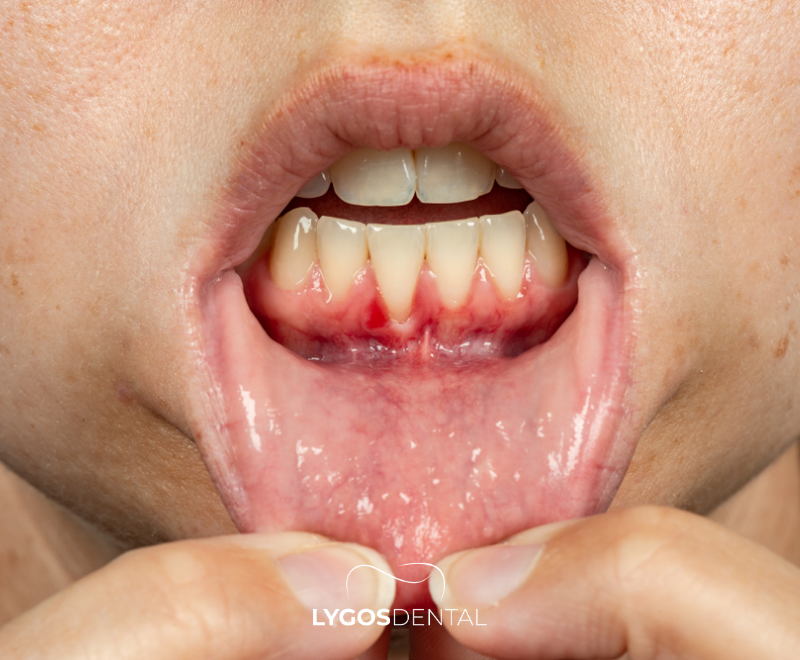
Chronic periodontitis is a slow-progressing inflammation and infection of the tissues that support the teeth. Bacteria in dental plaque trigger irritation of the gums, and over time the infection can reach the periodontal ligament and jawbone. As the supporting structures break down, gums may recede and teeth can become mobile.
Chronic Vs Acute Periodontitis
Both chronic and acute periodontitis affect the gums and the tissues around teeth, but they behave differently. Chronic disease tends to develop gradually with subtle symptoms, while acute episodes usually appear suddenly and can be painful.
| Feature | Chronic Periodontitis | Acute Periodontitis |
| Onset | Slow, often unnoticed at first | Sudden |
| Symptoms | Often mild at the beginning; may include bleeding, recession, bad breath | More intense pain, swelling; may include fever in severe cases |
| Progression | Develops over months or years | Can worsen quickly |
| Prevalence | More common | Less common |
| Treatment urgency | Planned treatment plus long-term maintenance | Needs prompt care to control symptoms and infection |
Acute flare-ups can sometimes occur on top of chronic disease. If pain or swelling appears suddenly, a dental visit should not be delayed.
What Causes Chronic Periodontitis?
The primary trigger is bacterial plaque that stays on the teeth and along the gumline. When plaque hardens into tartar, it becomes harder to remove without professional cleaning and provides a surface where bacteria thrive.
- Plaque and tartar: Inadequate brushing and interdental cleaning allow deposits to build up and irritate the gums.
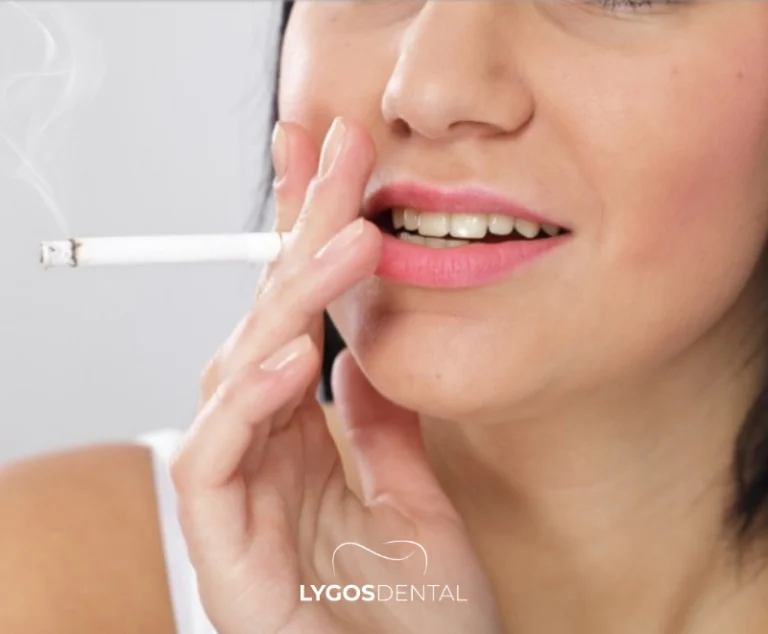
- Smoking and tobacco use: Tobacco reduces blood flow to gum tissue and makes healing slower.
- Genetic susceptibility: A family history can increase risk, even with reasonable hygiene.
- Systemic conditions: Diabetes and other conditions that affect immunity can make gum infections more likely and harder to control.
- Hormonal changes: Pregnancy, puberty, and menopause can make gums more reactive to plaque.
Who Is at Risk?
Chronic periodontitis can affect anyone, but certain factors make it more likely or more severe. If you recognise one or more of the risks below, regular dental checks are especially important.
- Irregular brushing and flossing or difficulty cleaning around crowded teeth, bridges, or implants
- Smoking or vaping nicotine products
- Uncontrolled diabetes or other conditions that affect immune response
- Family history of gum disease
- Skipping routine dental cleanings and checkups
- High stress and poor sleep, which can affect immunity and habits
- Diet low in key nutrients (including vitamin C and protein)
Symptoms of Chronic Periodontitis
Symptoms can be mild in the early stages. Many people first notice bleeding while brushing or persistent bad breath rather than pain.
- Red, tender, or swollen gums
- Bleeding when brushing, flossing, or eating
- Gum recession or teeth looking “longer”
- Persistent bad breath or a bad taste
- Loose, shifting, or spreading teeth
- Sensitivity or discomfort when chewing
- Pus, abscesses, or a change in how the teeth fit together
How Dentists Diagnose It
Diagnosis is based on a clinical exam and measurements around each tooth. Dentists often use a small probe to measure pocket depths and check for bleeding, along with X‑rays to look for bone loss. The results help determine severity and guide a treatment plan.
Treatment Options
Treatment aims to control infection, reduce inflammation, and stabilise the supporting tissues. The right approach depends on how advanced the disease is and how well you can keep the area clean at home.
Non-Surgical Treatment
Most cases begin with professional deep cleaning, often called scaling and root planing. This removes plaque and tartar above and below the gumline and smooths root surfaces to make reattachment easier. Your dentist may recommend antiseptic rinses or local medications depending on pocket depth and inflammation.
Antibiotics
Antibiotics may be used in selected cases to reduce bacterial load, either as a local gel placed into pockets or as tablets. They are usually an add-on to thorough cleaning rather than a replacement for it.
Surgical Treatment
When pockets are deep or bone loss is significant, surgery may be recommended. Procedures can include flap surgery to clean deep areas, and regenerative options such as bone grafting or guided tissue regeneration to support healing where appropriate.
Laser Treatment
Some practices use laser-assisted therapy as part of periodontal treatment. The goal is to reduce bacteria and inflamed tissue with a minimally invasive approach. Suitability depends on the case and the equipment available.
Maintenance and Follow-Up
Long-term success depends on maintenance. After active treatment, your dentist or periodontist will usually recommend periodontal maintenance visits at a tailored interval, along with a home-care routine to prevent relapse.
Aftercare and Prevention
Chronic periodontitis is typically managed rather than “cured” overnight, so consistency matters. These habits help protect the gums and reduce the chance of recurrence.
- Brush twice daily: Use a soft brush and focus on the gumline.
- Clean between teeth daily: Floss, interdental brushes, or water flossers can help, depending on spacing and restorations.
- Stop smoking: Quitting improves blood flow and healing response.
- Manage medical conditions: Good diabetes control is strongly linked to better gum outcomes.
- Keep up with maintenance visits: Professional monitoring catches relapse early.
Frequently Asked Questions
Can chronic periodontitis be completely cured?
It is a long-term condition, so the focus is usually on stopping progression and keeping the disease stable. With early care, professional treatment, and ongoing maintenance, many people keep their teeth and gums healthy for years.
How long does treatment take?
Mild cases may improve after a small number of visits, while moderate to advanced disease may need several appointments and ongoing follow-up. If surgery is needed, healing and reassessment can extend the timeline.
Can periodontitis cause tooth loss?
Yes. As bone support decreases, teeth can loosen and may eventually need to be removed. Early treatment significantly reduces this risk.
Is chronic periodontitis contagious?
The disease itself is not “caught” like a cold, but the bacteria involved can be shared through saliva. Good oral hygiene for everyone in the household and avoiding sharing toothbrushes are sensible precautions.
If you notice bleeding gums, swelling, or persistent bad breath, book a dental evaluation. Early care is usually simpler and more cost-effective, and it helps protect the teeth and bone support over the long term.
In-Office Laser Teeth Whitening Process and Prices
In-Office Laser Teeth Whitening: Process and 2026 Prices
In-office laser teeth whitening is a chairside procedure where a dentist applies a professional whitening gel and activates it with a light/laser system to brighten your natural tooth color. Most people see a noticeable change after one visit, with results depending on staining, enamel thickness, and aftercare habits like avoiding dark foods for 48 hours.
What In-Office Laser Teeth Whitening Is
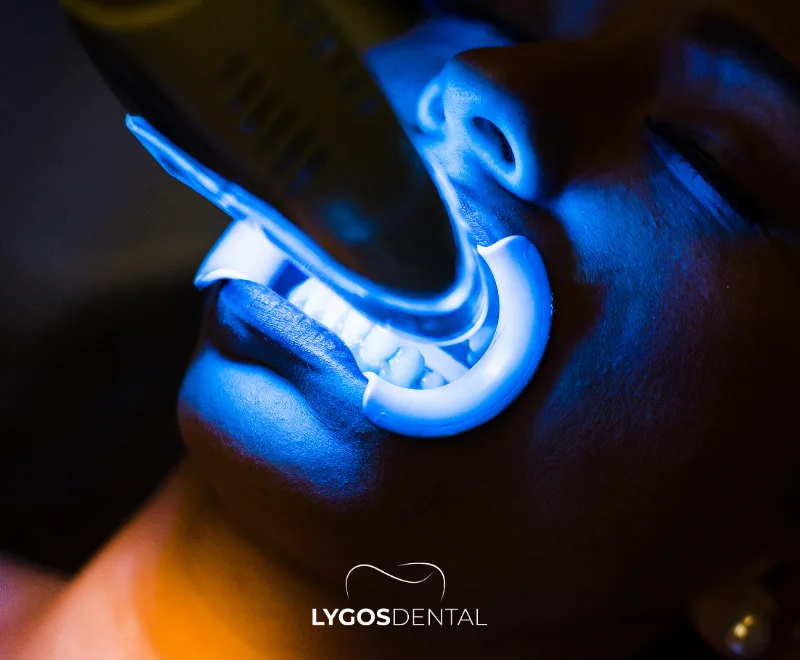
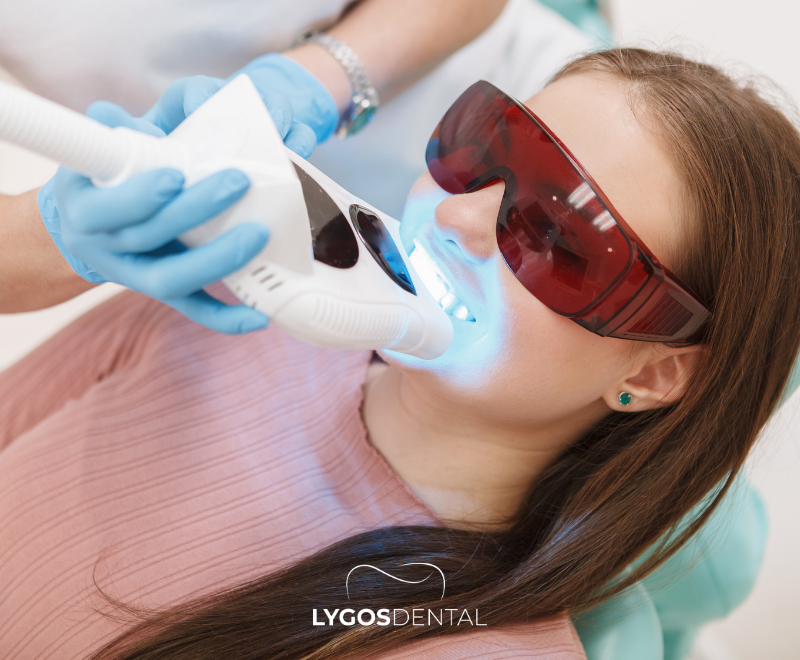
In-office laser teeth whitening is a professional whitening treatment performed in a dental clinic. A high-strength whitening gel is placed on the tooth surfaces and activated with a laser or high-intensity light to speed up the brightening effect.
Because the process is controlled by a dentist, it tends to be faster and more predictable than over-the-counter products. It targets external stains (tea, coffee, smoking) and some deeper discoloration, depending on the cause.
How The Procedure Works
Exact protocols vary by clinic and brand of whitening system, but most appointments follow a similar sequence.
Exam And Shade Selection
Your dentist checks the health of your teeth and gums and identifies issues that should be treated first, such as cavities, gum inflammation, or heavy tartar. A starting shade is recorded so you can compare the change after treatment.
Gum Protection And Gel Application
A protective barrier is placed over the gums to reduce irritation. The whitening gel is then applied only to the visible tooth surfaces.
Light/Laser Activation
The gel is activated with a light or laser system to enhance the whitening reaction. Depending on the system, the gel may be refreshed and reactivated in short cycles during the visit.
Rinse And Final Check
After the last cycle, the gel is removed and the teeth are rinsed. Your dentist checks the final shade and may recommend a desensitizing product if you are prone to sensitivity.
How Many Sessions You Might Need
Many patients complete in-office whitening in one session, usually lasting about 30–60 minutes. If your teeth start out very dark or you want a brighter target shade, your dentist may recommend 2–3 sessions.
Spacing sessions gives the teeth time to rehydrate and helps manage sensitivity. Your dentist can set realistic expectations based on the cause of discoloration and your enamel condition.
Who Is A Good Candidate
In-office whitening is typically suitable for healthy, natural teeth with yellow or brown staining. It may be postponed if you have untreated cavities, active gum disease, or severe enamel wear.
Fillings, crowns, and veneers do not whiten with gel. If you have visible restorations on the front teeth, plan for possible replacement after whitening so the shades match.
Before And Aftercare Tips
24 Hours Before
Have a dental exam first, and consider a professional cleaning if you have tartar buildup. Try to limit smoking and strongly colored drinks like coffee, tea, and red wine the day before your appointment.
First 48 Hours After
For the first two days, choose a “white diet” where possible: water, milk, yogurt, rice, pasta, eggs, and light-colored soups. Avoid staining foods and drinks such as coffee, tea, cola, wine, tomato sauces, and dark spices.
Managing Sensitivity
Mild sensitivity can happen and usually settles within a few days. A toothpaste for sensitive teeth, lukewarm water, and avoiding very cold or acidic foods can help. Contact your dentist if sensitivity is strong or lasts longer than a week.
To keep results longer, brush twice daily, floss regularly, and schedule routine cleanings. Stain habits (smoking, coffee/tea) have the biggest impact on how long your shade lasts.
Advantages And Limitations
Advantages include speed, professional supervision, and controlled gum protection. Many patients see a noticeable change after a single visit.
Limitations include temporary sensitivity and the fact that whitening does not change the color of crowns, veneers, or fillings. Very gray discoloration (such as some tetracycline staining) may need a different cosmetic plan.
2026 Laser Teeth Whitening Prices In Turkey
Prices vary widely by city, clinic facilities, the whitening system used, and whether you are whitening one arch (upper or lower) or both arches. A consultation is the only way to get a precise quote for your teeth.
What Affects Cost
- Number of sessions and whether the fee is per session or a package
- Upper arch only vs. both arches
- Pre-treatment needs (exam, X-rays, tartar cleaning, fillings)
- Dentist experience, clinic location, and the brand of whitening system
Typical Price Ranges
Based on publicly listed 2025–2026 clinic ranges and current fee guides in Turkey, in-office laser/LED-assisted whitening is commonly quoted in the following bands:
| Service (Typical) | Estimated 2026 Range (TRY) |
| Single in-office session (both arches) | 9,000 – 15,000 |
| Single arch (upper or lower) | 8,000 – 13,000 |
| Two-session package | 16,000 – 26,000 |
| Three-session package | 22,000 – 35,000 |
Clinics may price whitening separately from the exam and cleaning, while others bundle these into a package. If you see a much lower quote, confirm whether it covers both arches and whether it includes gum protection and follow-up checks.
Frequently Asked Questions
Is in-office laser teeth whitening safe?
When performed by a licensed dentist with proper gum isolation, in-office whitening is considered a safe cosmetic procedure for most adults. Your dentist will screen for cavities, gum problems, and enamel issues before starting.
Does it hurt?
Most people do not feel pain during the appointment. Some experience temporary sensitivity, especially to cold air or drinks, and it typically improves within a few days.
How long do results last?
Results vary with diet and habits. Many people maintain a brighter shade for several months, and longer with good oral hygiene and reduced staining habits.
What age is it suitable for?
Dentists often prefer to wait until tooth development is complete. Your dentist can advise whether whitening is appropriate for teenagers based on dental maturity and sensitivity risk.
How long does a session take?
A typical appointment takes around 30–60 minutes, depending on the whitening system and the number of gel cycles used.
Will it whiten crowns or veneers?
No. Restorations do not change color with whitening gel. If you have visible restorations, plan shade matching with your dentist after whitening.
Symptoms of Tooth Decay
Symptoms Of Tooth Decay
Tooth decay often starts quietly, then progresses to sensitivity, visible spots, and pain. Early signs include brief twinges with cold or sweet foods and chalky white areas on the enamel. As the cavity deepens, you may notice persistent toothache, bad breath, pain when chewing, or gum swelling. A dentist can confirm decay and recommend the right treatment.
Tooth decay (dental caries) happens when acids produced by mouth bacteria gradually break down tooth enamel. Catching it early usually means simpler treatment and less risk of infection, root canal treatment, or tooth loss.
What Tooth Decay Is
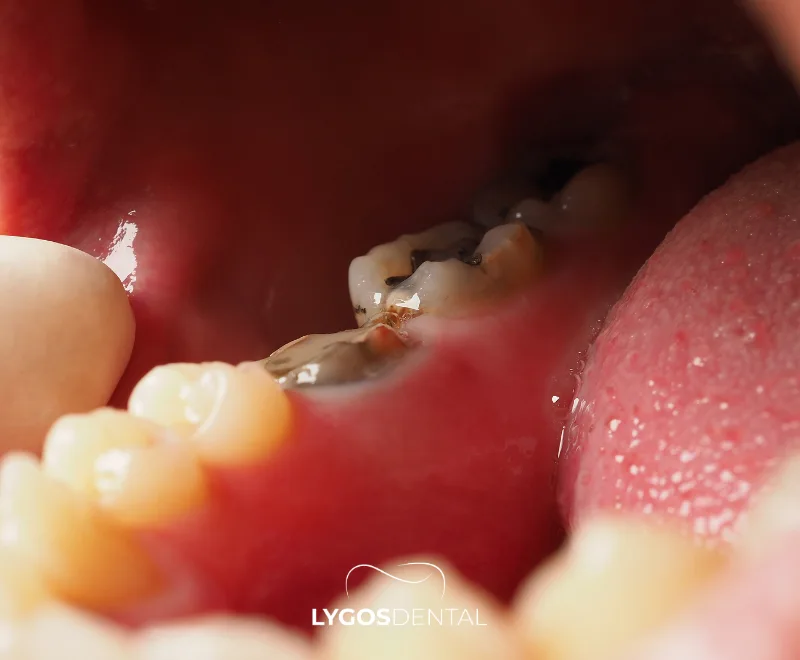
Tooth decay begins when plaque bacteria feed on sugars and starches and produce acid. Over time, repeated acid attacks pull minerals out of the enamel (demineralization). If the surface breaks down, a cavity forms and can spread into dentin and, eventually, the pulp where the nerve sits.
Common Causes Of Tooth Decay
Most cavities develop due to a mix of diet, daily habits, and individual risk factors. The most common triggers include:
- Poor oral hygiene: Infrequent brushing and flossing allow plaque to build up and stay on the tooth surface.
- Sugary or acidic foods and drinks: Frequent soda, sweets, juice, and sticky snacks raise acid levels and weaken enamel.
- Dry mouth: Low saliva reduces the mouth’s ability to neutralize acids and wash away food particles.
- Frequent snacking: Eating or sipping throughout the day gives teeth less time to recover between acid attacks.
- Tooth anatomy and genetics: Deep grooves, crowded teeth, and naturally weaker enamel can increase risk.
Symptoms Of Tooth Decay
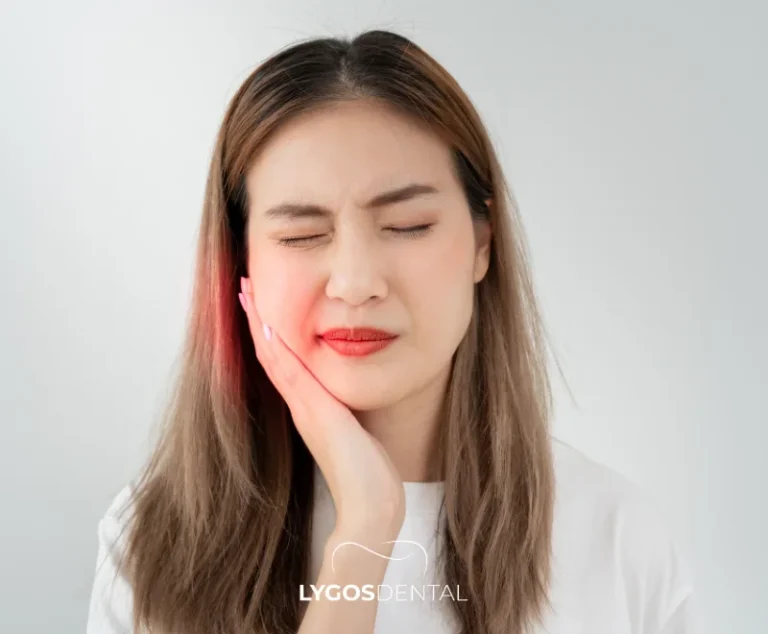
Symptoms depend on how deep the decay is. Some cavities cause no pain at first, especially between teeth, so regular dental check-ups still matter. These are the most typical signs people notice:
- Tooth sensitivity: A quick, sharp feeling with cold, hot, or sweet foods.
- Toothache: A dull ache or throbbing pain, sometimes worse at night.
- Visible changes: White, brown, or black spots; rough areas; or a visible pit or hole.
- Pain when chewing: Discomfort when biting, especially on hard or sugary foods.
- Bad breath or bad taste: Plaque bacteria and food trapped in a cavity can cause persistent odor or taste.
- Gum tenderness or swelling: Irritation near the tooth, sometimes linked to a deeper infection.
What A Tooth Decay Toothache Can Feel Like
Early decay often causes brief sensitivity that stops once the trigger is gone. When decay reaches dentin, pain can become more frequent and more intense. If the pulp is involved, pain may be constant, throbbing, or sharp, and it can radiate to the jaw or ear. Severe pain with swelling or fever can signal an abscess and needs urgent dental care.
How Dentists Diagnose Tooth Decay
A dentist usually checks for soft spots, discoloration, and areas that catch or feel rough. Bitewing X-rays are commonly used to find decay between teeth and assess depth. Some clinics also use light-based tools to spot early enamel mineral loss.
Treatment Options For Tooth Decay
Treatment depends on the stage of decay and whether the nerve is affected. A dentist will recommend the most conservative option that restores strength and stops the bacteria.
- Fluoride treatment: In very early decay (before a hole forms), fluoride varnish, gel, or prescription toothpaste can help remineralize enamel.
- Dental filling: Once a cavity forms, the decayed area is removed and the tooth is restored with a filling material.
- Crown: If a large portion of the tooth is weakened, a crown may be used to protect it from cracking.
- Root canal treatment: If decay reaches the pulp, infected tissue is removed and the tooth is sealed and restored.
- Extraction and replacement: Severely damaged teeth may need removal; common replacements include implants, bridges, or dentures.
When To See A Dentist
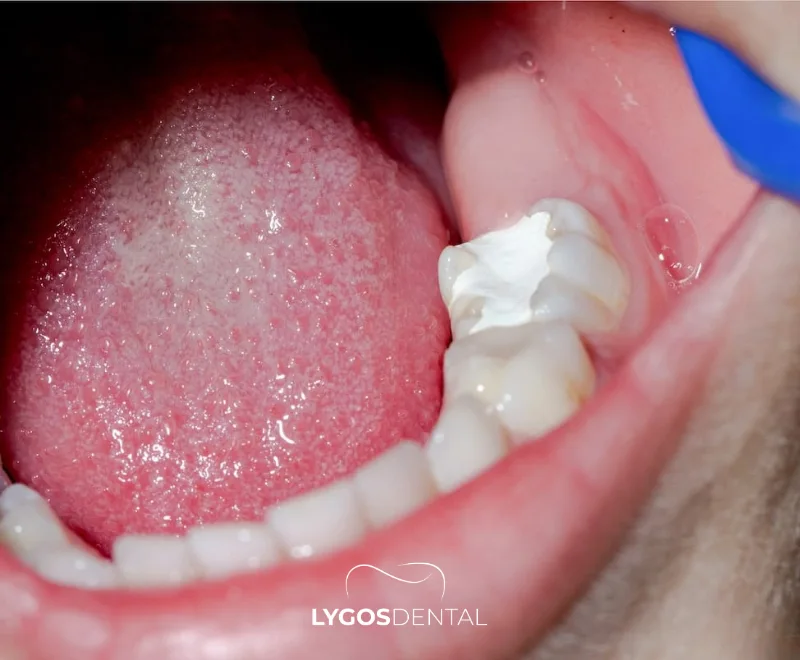
Book a dental visit if you have sensitivity that keeps returning, a toothache, pain on chewing, or any visible pits or dark spots. Seek urgent care if you have facial swelling, pus, fever, or trouble swallowing, as these can point to a spreading infection.
How To Prevent Tooth Decay
Good prevention focuses on plaque control, fluoride exposure, and reducing how often teeth are exposed to sugar and acid.
- Brush twice daily with fluoride toothpaste and clean along the gumline.
- Floss (or use interdental brushes) once a day to clean between teeth.
- Limit sugary snacks and drinks, especially between meals.
- Drink water after eating and consider fluoridated water where available.
- Keep up with regular dental check-ups and professional cleanings based on your dentist’s advice.
Book An Appointment
If you’d like a professional assessment or treatment options such as fillings, crowns, implants, or cosmetic dentistry, contact your dental clinic to arrange an appointment.
Symptoms Of Tooth Decay FAQ
Can a decayed tooth heal on its own?
A formed cavity cannot “heal” back to normal. In the earliest stage—before a hole develops—enamel can sometimes be strengthened through remineralization with fluoride and improved home care.
How long do symptoms of tooth decay last?
Sensitivity may come and go at first. If decay continues, symptoms often become more frequent and can progress to persistent pain until the tooth is treated.
How can I relieve tooth decay pain at home?
Short-term relief may come from over-the-counter pain medicine (follow the label), avoiding very hot, cold, or sweet triggers, and rinsing with warm salt water. These steps do not treat the cause, so a dental visit is still needed.
What are the most common symptoms of a decayed tooth?
Typical signs include sensitivity to hot or cold, toothache, pain when chewing, visible white/brown/black spots or a pit, bad breath, and gum tenderness near the tooth.
Emax or Zirconium on Implants
Emax Or Zirconium On Implants
For implant crowns, zirconium (zirconia) is usually chosen when strength and long-term durability come first, especially for back teeth or heavy biting. Emax can be an excellent option in the front when you want the most natural translucency and the bite load is controlled. The best choice depends on tooth position, bite force, and design.
Dental implants can replace missing teeth with a result that looks and functions like a natural tooth. The implant itself is only part of the outcome—the crown material plays a major role in appearance, comfort, and longevity. Two of the most common all-ceramic options are Emax and zirconium. Below is a practical comparison to help you understand where each material tends to perform best.
What’s The Difference Between Emax And Zirconium?
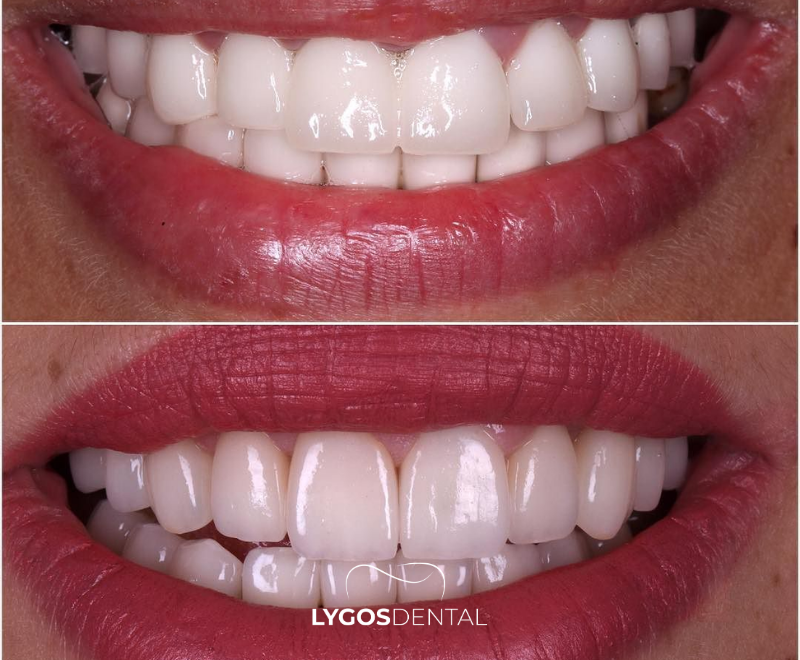
Both options are metal-free, tooth-colored ceramics, but they behave differently under light and pressure. You’ll also see different terms used in clinics: “zirconium” crowns typically refer to zirconia (zirconium dioxide).
Emax (Lithium Disilicate)
Emax is a lithium disilicate glass-ceramic known for its translucency. It lets light pass through in a way that closely mimics enamel, which is why it is often selected for visible front teeth. With careful planning, it can also be used on implants when bite forces are moderate.
Zirconium (Zirconia)
Zirconia is a very strong ceramic with high fracture resistance. That strength makes it a common choice for implant crowns, particularly in the back of the mouth where chewing forces are highest. Modern monolithic zirconia has also improved in shade and surface texture compared with earlier generations.
Advantages Of Emax And Zirconium Crowns
Each material has clear strengths. Your dentist may recommend one over the other based on the location of the implant, bite forces, and how visible the tooth is when you smile.
Emax Crown Advantages
- High translucency for a natural, enamel-like appearance
- Strong aesthetic performance in the front teeth
- Good soft-tissue (gum) response when contours are designed correctly
- Smooth surface that can be comfortable for the opposing teeth
- Color stability with proper hygiene and regular checks
Zirconium Crown Advantages
- Very high strength, suitable for molars and heavy chewing
- Metal-free and generally well tolerated by soft tissues
- Low risk of discoloration over time
- Long service life when the bite is properly adjusted
- Often preferred for full-contour (monolithic) implant crowns
Which Looks More Natural On Implants?
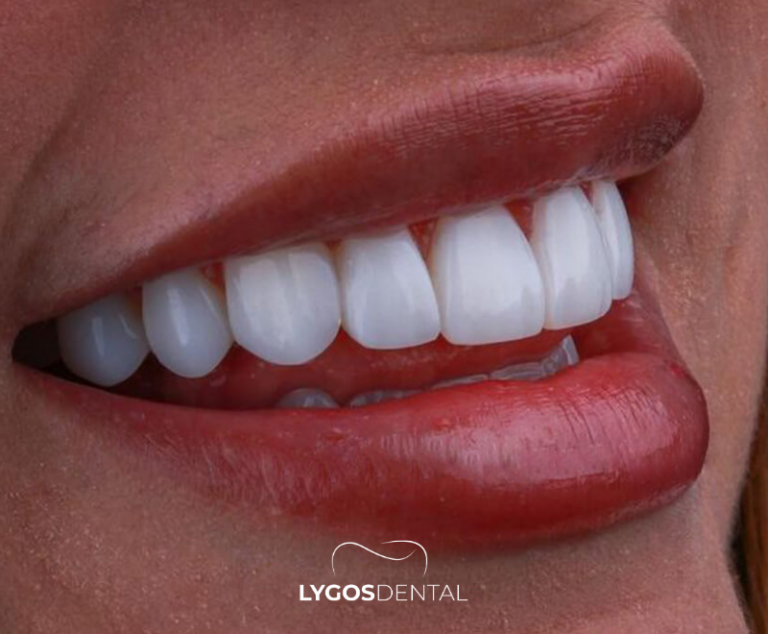
If your priority is the most lifelike appearance—especially for a single front tooth—Emax often has the edge. Its light transmission can blend more seamlessly with adjacent natural teeth, particularly in bright environments or under flash photography.
Zirconia can still look excellent, especially with newer translucent grades and good staining and glazing. The main difference is that zirconia typically remains a bit more opaque than Emax, which may matter when the tooth is very visible or the gum line is thin.
Which Is More Durable For Chewing Forces?
For strength under pressure, zirconia is usually the safer bet. Implant crowns can be exposed to high forces, and zirconia’s fracture resistance makes it a reliable option for premolars and molars.
Emax is durable for many cases, but it is more sensitive to heavy load or parafunctional habits such as grinding (bruxism). When a patient clenches or grinds, dentists often lean toward zirconia and may also recommend a night guard to protect both the crown and the implant components.
Emax Or Zirconium: How Dentists Decide
There isn’t a one-size-fits-all answer, but a few clinical patterns show up again and again:
- Front implant crown with high aesthetic demand: Emax may be considered, especially when bite forces are controlled.
- Back implant crown, bridges, or high bite force: zirconia is commonly preferred for strength and stability.
- Grinding or clenching: zirconia is often recommended, plus bite adjustment and protective night guard if needed.
- Thin gum tissue or high smile line: Emax or highly translucent zirconia may be selected depending on shade matching and the abutment design.
Your dentist will also consider crown design (screw-retained vs cement-retained), available space, and the condition of the opposing teeth. A careful bite check is essential with either material, because implants don’t have the same shock absorption as natural teeth.
Emax And Zirconium Prices In Turkey
Pricing varies by city, clinic experience, laboratory quality, and whether the crown is part of a larger implant plan. Clinics commonly quote ranges like the following in 2026:
| Crown Type | Typical Range (TRY) |
| Emax crown | 4,000 – 7,000 TL |
| Zirconium (zirconia) crown | 3,000 – 5,500 TL |
Ask whether the quote includes the abutment, try-in appointments, and any warranty or follow-up checks. A lower price can sometimes reflect a different lab process, a less customized shade match, or fewer follow-up visits.
Frequently Asked Questions
Can Emax Be Used On Implants?
Yes. Emax can be used for implant crowns, most commonly in the aesthetic zone. The case needs proper planning so the crown isn’t exposed to excessive bite forces, and the shade and contours must be matched carefully to the surrounding teeth and gums.
Does Zirconium Look As Natural As Emax?
In many cases, zirconia can look very natural, especially with modern translucent materials and good finishing. Emax still tends to provide a slightly more enamel-like translucency, which can matter most for a single front tooth or very high cosmetic expectations.
Which Crown Is More Durable?
Zirconia is generally more durable under heavy chewing forces and is often selected for molars, implant bridges, and patients who clench or grind. Emax is strong enough for many situations, but it is typically chosen when the visual result is the main priority and forces are moderate.
Single Tooth Implant Crown Prices
Single Tooth Implant Crown Prices
Single tooth implant crown prices in Turkey depend on the implant brand, crown material, clinic location, and whether you need extra procedures like bone grafting. In 2025, typical total costs for one implant with a crown ranged from 9,000 TL to 24,000 TL. Your final quote is confirmed after an exam and imaging.
A single implant crown replaces a missing tooth with an artificial root (the implant) and a fixed crown. It restores chewing, supports jawbone health, and avoids trimming adjacent teeth for a bridge. Because pricing varies widely between cases and clinics, it helps to understand what drives the total cost.
What Is A Single Tooth Implant?
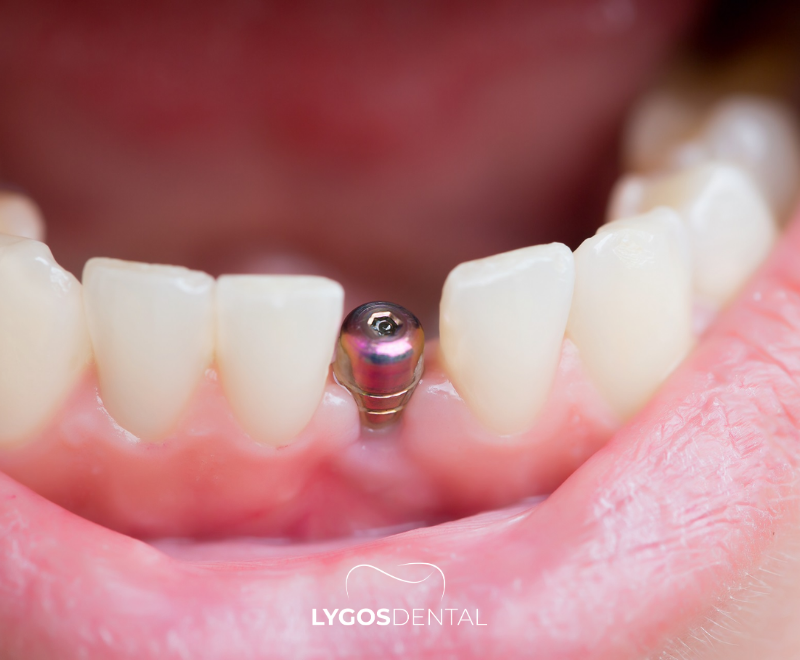
A single tooth implant is a small titanium (or titanium-alloy) post placed into the jawbone to act as an artificial root. After healing and bone integration, a crown is attached to restore the look and function of the missing tooth. When planned correctly, it is a long-term, fixed solution that feels and functions close to a natural tooth.
What’s Included In The Total Price?
Clinics may quote prices as an all-in package or as separate items. A complete single-tooth restoration often includes the implant, the connecting part (abutment), and the crown, plus clinical and lab work. Always confirm exactly what is included so you can compare offers fairly.
- Implant fixture (the root placed in bone)
- Abutment (the connector between implant and crown)
- Crown (porcelain or zirconia, depending on your choice)
- Surgical and prosthetic appointments
- Laboratory fees (if billed separately)
Factors Affecting Single Tooth Implant Crown Prices
Single tooth implant crown prices are influenced by both clinical needs and material choices. Two people missing the same tooth can receive different quotes because bone quality, aesthetics, and bite forces vary. The key cost drivers are below.
Implant Brand And Country Of Manufacture
Implant systems differ in design, research background, and manufacturing standards. Domestic implants are usually priced lower, while well-known imported systems from countries such as Germany, Switzerland, or the USA tend to cost more.
Crown Material
Porcelain crowns are often the more budget-friendly option. Zirconia crowns typically offer stronger aesthetics and durability, which can increase the overall price—especially for front teeth where appearance matters most.
Dentist Experience And Clinic Location
Fees can be higher in major cities such as Istanbul and Ankara due to operating costs and demand. A clinician’s experience, planning approach, and the lab they work with can also affect pricing and the quality of the final fit.
Additional Procedures
Some cases require preparatory treatments before the implant is placed. Bone grafting, sinus lift procedures, and gum shaping can add to the total, but they may be necessary for stability and long-term success.
Price Ranges For Single Tooth Implants In Turkey (2025–2026)
The ranges below reflect typical 2025 pricing shared by clinics and may shift in 2026 due to inflation, exchange rates, and differences in what is included. Use them as a starting point, not as a fixed tariff.
- Domestic implant + porcelain crown: 9,000 TL – 13,000 TL
- Imported implant + porcelain crown: 13,000 TL – 18,000 TL
- Imported implant + zirconia crown: 17,000 TL – 24,000 TL
Does SGK Cover Single Tooth Implant Treatment?
SGK coverage for dental implants is limited and usually depends on medical necessity and where the treatment is provided. In many routine, private-clinic cases, implants are not covered. In specific situations—such as trauma-related tooth loss or congenital absence—partial support may be possible with documentation and an approved medical board report in a public setting.
Additional Costs To Consider
Ask for a written plan that lists any extra fees beyond the implant and crown. These items can change the final total and are useful for comparing clinics.
- X-rays and 3D tomography: Imaging may be needed for safe planning and precise placement.
- Bone grafting (bone powder): If bone volume is insufficient, grafting may add roughly 2,000 TL – 5,000 TL.
- Temporary crown or healing cap: Sometimes used to protect the area or manage appearance during healing.
- Medications and follow-up visits: Some clinics include check-ups; others bill them separately.
What To Know Before Getting A Single Tooth Implant
Treatment Timeline
Bone integration commonly takes around 2–4 months, then the crown is fitted. Depending on your bone condition and whether extra procedures are needed, the full process often completes within 3–6 months.
Who Is A Good Candidate?
General health, smoking habits, gum condition, and bone density all influence suitability and success. A clinical exam and imaging are essential to confirm whether an implant is the best option for you.
Aftercare And Maintenance
Implants need daily brushing and cleaning between teeth, just like natural teeth. Regular check-ups help catch early gum inflammation and protect the investment long term.
Warranty And Documentation
Some clinics provide written warranties for implant components or workmanship. Ask what is covered, for how long, and what maintenance visits are required to keep the warranty valid.
Single Tooth Implant Crown Prices: FAQ
How long does a single tooth implant take to complete?
It typically takes 2–4 months for the implant to integrate with the jawbone. After that, the crown is placed. If your bone is adequate and no additional procedures are needed, many cases finish within 3–6 months.
What are the 2025–2026 prices for a single tooth implant in Turkey?
Typical 2025 ranges for an implant with a crown were 9,000 TL to 24,000 TL, depending on implant brand and crown material. Prices can shift in 2026 and vary by clinic, city, and what is included in the package.
Is a single tooth implant painful?
Implant placement is done under local anesthesia, so you shouldn’t feel pain during the procedure. Mild swelling or tenderness afterward is common and is usually controlled with prescribed medication.
Does SGK cover dental implants?
SGK coverage is limited. Routine implants in private clinics are often not covered, while medically necessary cases in public settings may be supported with proper documentation and approvals.
What should I watch out for after the procedure?
Follow your dentist’s instructions, keep the area clean, and avoid smoking during healing. Stick to softer foods at first and attend follow-up visits so the implant can be monitored as it integrates.