
Post-Dental Implant Care
Post-Dental Implant Care
Post-dental implant care is about protecting the surgical site while the implant bonds with your jawbone. For the first 24 hours, control bleeding with gentle gauze pressure, use cold compresses, and avoid rinsing, spitting, straws, and smoking. Over the following weeks, keep the area clean, choose soft foods, take prescribed medication, and attend follow-ups.
What Is a Dental Implant?
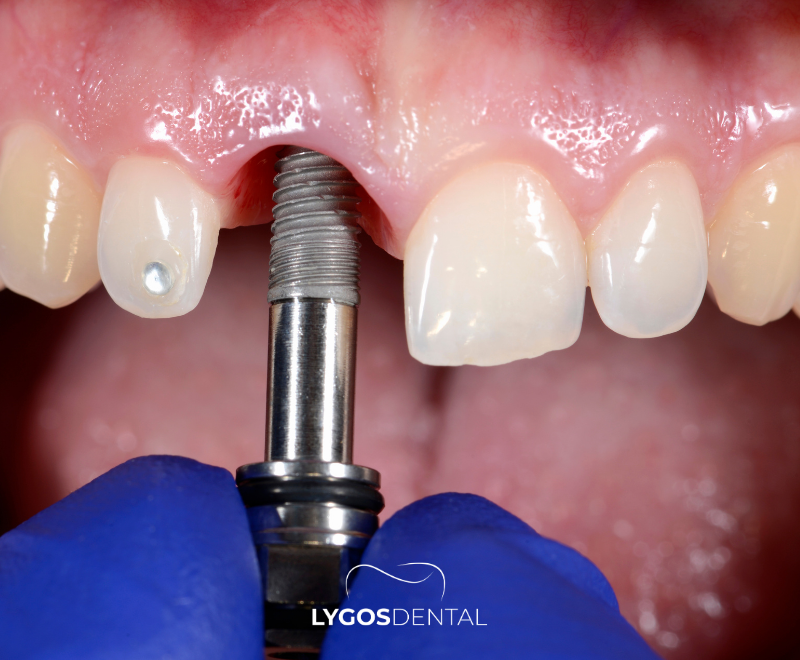
A dental implant is a titanium post placed in the jawbone to replace a missing tooth root. After it heals and becomes stable, a crown (or another restoration) is attached on top to restore chewing function and appearance.
Implants can be a long-lasting solution, but the result depends heavily on how well the area heals in the weeks and months after surgery.
The First 24–72 Hours After Surgery
Swelling, mild bleeding, and soreness are common early on. The goal in this phase is simple: protect the blood clot, keep the area calm, and follow your clinic’s instructions.
Control Bleeding
Light bleeding or oozing can happen during the first day. Bite down gently on gauze as instructed and replace it if needed. If bleeding becomes heavy or won’t settle, contact your dentist or surgeon.
Reduce Swelling
Swelling often peaks within the first couple of days. Cold packs on the outside of the face can help during the early period, especially on day one. Keep sessions short and give your skin breaks.
Manage Pain Safely
Take pain relief exactly as advised. If you were prescribed antibiotics or an antiseptic rinse, use them on schedule. If pain worsens rather than improves after a few days, get checked.
Rest and Activity
Take it easy for the first couple of days. Avoid strenuous exercise, heavy lifting, and anything that raises your heart rate too much, since this can increase bleeding and swelling.
Avoid These Common Mistakes
For the first 24 hours, many clinics advise avoiding anything that can disturb healing, such as vigorous rinsing, spitting, drinking through a straw, and smoking. Skip very hot drinks and alcohol during early recovery, especially if you’re taking medication.
Dental Implant Healing Process
After placement, the implant needs time to fuse with the jawbone (osseointegration). A typical healing window is around 3 to 6 months, though timing can vary based on bone quality, implant location, and personal health factors.
During this period, your dentist may schedule follow-ups to monitor healing and plan the next step (such as fitting the crown). Keep those appointments even if you feel fine.
Eating and Drinking After a Dental Implant
Food choices can either protect the site or irritate it. Aim for soft, nourishing meals and avoid chewing directly on the surgical side until your dentist says it’s safe.
First 24–48 Hours
Stick with liquids and very soft foods. Many post-op instructions recommend a soft or liquid diet at first, then a gradual return as comfort improves.
Good options:
- Yogurt, smoothies (no straw), soups that are not hot
- Mashed potatoes, scrambled eggs, oatmeal
- Soft fish, well-cooked pasta
The First Week
Choose soft foods and avoid anything hard, crunchy, sticky, or spicy. Some guidance suggests keeping meals soft for at least a week while tissues settle.
Drink plenty of water. Avoid alcohol early on, especially with pain medication.
How To Clean Around a New Implant
Cleanliness matters, but early on you need a gentle approach. Your dentist may give instructions that differ based on stitches, bone grafts, or how the implant is positioned.
Brushing and Cleaning
Continue brushing the rest of your teeth carefully. For the implant area itself, some hospitals advise not brushing directly over the surgical site for about a week, using an antiseptic (chlorhexidine) mouthwash instead if recommended.
Use a soft toothbrush and avoid aggressive scrubbing near stitches. Once your dentist gives the green light, clean around the implant daily using gentle brushing and interdental cleaning.
Rinsing
Many post-op instructions recommend avoiding rinsing for the first 24 hours, then starting gentle rinses after that. This may be warm salt water or a recommended mouthwash, depending on your dentist’s plan.
Smoking and Alcohol
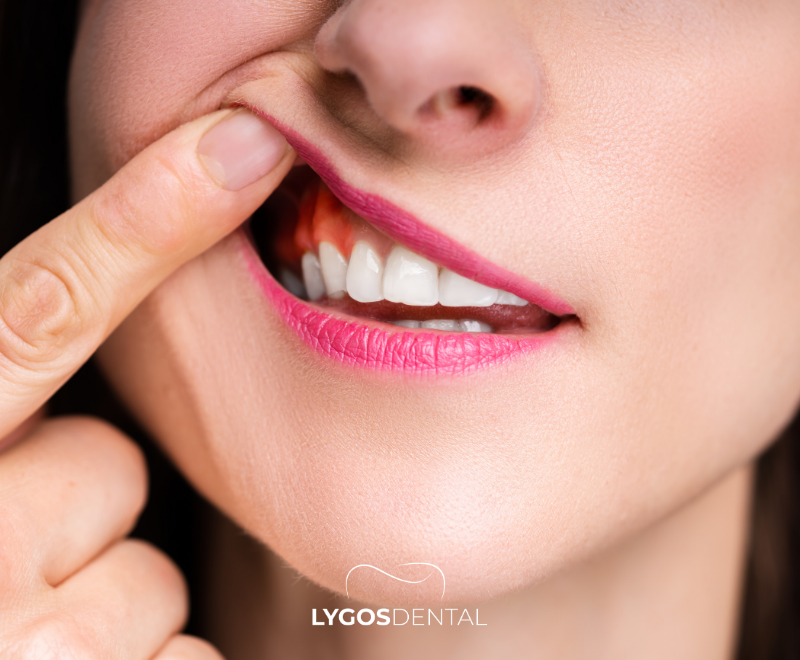
Smoking is strongly linked with slower healing and higher complication risk. If you smoke, the best move for healing is to stop completely, or at least avoid smoking throughout the critical early healing window.
Alcohol can interfere with healing and is often discouraged in the early days, especially if you’re taking post-op medication.
Possible Complications and When To Call Your Dentist
Some discomfort is normal. These signs deserve a call:
- Bleeding that doesn’t slow down
- Swelling that gets worse after a few days
- Fever, pus, or a bad taste that suggests infection
- Severe or increasing pain
- Implant feels loose
- Ongoing numbness or tingling
When in doubt, check in. Early treatment prevents small issues from becoming bigger ones.
Post-Dental Implant Care FAQ
How Long Does Post-Dental Implant Care Last?
Daily care starts immediately and continues for life, like caring for natural teeth. The main surgical healing and bone bonding phase often takes about 3 to 6 months.
When Can I Return To Normal Eating Habits?
Most people start with soft foods and progress gradually. Many providers suggest staying on softer foods for at least the first week and avoiding chewing directly on the implant site until advised.
How Long Does Pain Last After Implant Surgery?
Soreness usually improves over several days. If pain is severe, worsening, or not improving, contact your dentist for an assessment.
Can I Smoke After Dental Implant Surgery?
It’s best not to. Smoking can slow healing and raise the risk of complications and implant failure.
How Should Dental Implants Be Cleaned Long Term?
Brush twice daily, clean between teeth, and attend regular professional check-ups. Your dentist may recommend specific tools (interdental brushes, implant-safe floss) based on the type of restoration.
Hollywood Smile and Social Media
Hollywood Smile And Social Media
A Hollywood Smile is a customized smile design that improves tooth color, shape, and symmetry—often through whitening, veneers, gum contouring, or aligners. On social media, a balanced smile reads clearly on camera, can reduce reliance on filters, and helps profiles look polished. Results depend on planning and oral health.
Social media puts faces front and center. High-resolution photos, short-form video, and close-up selfies make small details—especially teeth and gums—more noticeable than ever.
That’s why “Hollywood Smile” treatments have become a common topic for people who want a brighter, more balanced smile for both everyday confidence and on-camera presence. The key is getting a result that looks natural, functions well, and fits your facial features.
What Is A Hollywood Smile?

A Hollywood Smile is a personalized smile makeover designed by a dentist. Instead of a single procedure, it’s a plan that can combine cosmetic and restorative treatments to improve color, alignment, proportions, and gum symmetry while protecting bite function.
Treatments That May Be Included
Your dentist selects options based on tooth structure, gum health, bite, and your goals. Common components include:
- Professional teeth whitening (bleaching) — Brightens natural enamel. Touch-ups are sometimes needed over time, especially if you drink coffee, tea, or smoke.
- Laminate veneers or zirconia restorations — Changes shape and color for a more even look. The best choice depends on enamel thickness, bite forces, and how many teeth are treated.
- Gum contouring (pink aesthetics) — Reshapes gum levels to improve symmetry or reduce a “gummy” smile when clinically appropriate.
- Orthodontics (braces or clear aligners) — Moves teeth into a better position so restorations can be minimal and more conservative.
- Implants or restorative work when needed — Replaces missing teeth or rebuilds damaged teeth so the smile looks complete and functions comfortably.
- Composite bonding (in some cases) — A more conservative option for small chips or gaps, often used when veneers are not necessary.
Why The Hollywood Smile Stands Out On Social Media
Cameras exaggerate contrast. Bright teeth framed by healthy gums create a clear focal point in thumbnails, Reels, and TikTok clips, even with fast scrolling.
A well-planned smile design can also make facial expressions look more relaxed, because you’re less likely to hide your teeth or force a tight smile for the camera.
That said, a “white” smile isn’t always a better smile. Natural shade, surface texture, and symmetry usually read more believable than an overly uniform look.
Why Influencers And Public-Facing Professionals Choose It
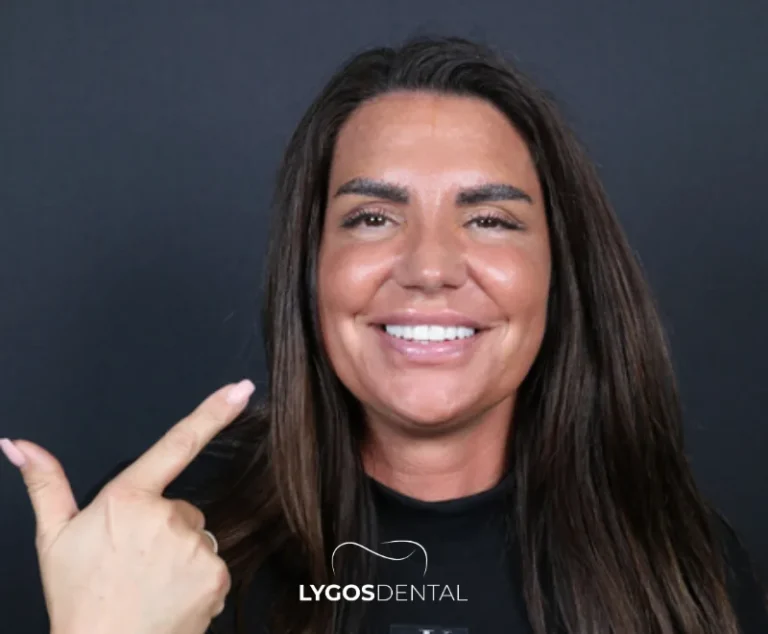
For creators and professionals who appear on camera daily, small visual improvements can add up. A consistent, healthy-looking smile can help profiles feel polished across photos, live streams, and brand content.
People often pursue a Hollywood Smile to look more refreshed on camera, cut down on heavy filters, and feel more confident speaking or laughing in videos.
Smile Design For Photos And Video: What Dentists Look At
A natural-looking result comes from planning, not just whitening. During a consultation, dentists commonly assess:
- Facial midline and tooth proportions (width-to-length balance)
- Lip line and how much tooth shows when talking and smiling
- Gum symmetry and the contour of the gumline
- Bite function and grinding habits (bruxism) that affect durability
- Shade selection that suits skin tone and avoids a “flat” appearance on camera
Many clinics use digital smile design tools to preview shape and shade before any irreversible steps. This is useful for setting expectations and avoiding a result that looks too artificial in real life.
How A Hollywood Smile Can Affect Content And Engagement
After treatment, many people feel more comfortable smiling widely, which can change how they present themselves on camera. That confidence shift is often what followers notice first.
Transformations also perform well as “before and after” content, but it’s smart to share responsibly. Clear lighting, consistent angles, and honest context help viewers understand what changed and why.
What To Know Before You Start Treatment
A Hollywood Smile is a long-term decision. Before moving forward, consider the points below:
- Start with oral health — Cavities, gum disease, and old restorations may need treatment first for predictable results.
- Ask for a conservative plan — In many cases, aligners, bonding, or limited veneers can achieve the goal with less tooth reduction.
- Choose a natural shade — Very bright shades can look opaque in daylight and harsh under studio lighting.
- Understand longevity and maintenance — Veneers and zirconia restorations can last many years, but they still require checkups, good hygiene, and sensible habits.
- Protect your investment — If you grind your teeth, a night guard can reduce the risk of chipping or wear.
- Discuss cost and timeline clearly — Pricing and appointment count vary based on the number of teeth and the treatments involved.
For most people, the best outcome is a smile that looks healthy and believable in everyday life. When that foundation is right, it also tends to photograph well—without relying on heavy edits.
Frequently Asked Questions
How long does a Hollywood Smile take?
It depends on what’s included. Whitening can be done quickly, while aligners, gum work, or veneers often require multiple visits over several weeks. Your dentist can confirm a timeline after an exam and planning.
Is the Hollywood Smile permanent?
Results are long-lasting, but not “forever.” Whitening may need occasional touch-ups. Veneers and zirconia restorations can commonly last 10–15 years or longer with good care, depending on bite forces and habits.
Is the Hollywood Smile painful?
Most steps are done with local anesthesia when needed. Some people feel temporary sensitivity after whitening or tooth preparation, which usually settles with time and proper aftercare.
Will dental aesthetics alone make me look better on social media?
A balanced smile helps, but camera angle, lighting, facial expression, and overall styling also matter. Think of smile design as one part of a wider on-camera presentation.
Can everyone get a Hollywood Smile?
Many people are candidates, but gum disease, untreated cavities, or severe bite issues may need to be addressed first. A dental exam is essential to confirm what’s safe and realistic.
7 Factors That Damage Your Gum Health
7 Factors That Damage Your Gum Health
Gum problems usually start when plaque and inflammation build up. Smoking, tartar, pregnancy hormones, chronic stress and teeth grinding, certain medications, vitamin and mineral deficiencies, and poorly controlled diabetes can all weaken gum tissue. Addressing these triggers early helps prevent gingivitis, recession, and tooth loss.
Healthy gums hold teeth in place and act as a barrier against bacteria. When gums stay inflamed, the risk of bleeding, bad breath, and sensitivity rises. Early gum disease (gingivitis) can often be reversed with consistent care, while advanced disease (periodontitis) may lead to bone loss and tooth mobility.
Most gum problems come down to inflammation plus a trigger that keeps irritation going. Some triggers are lifestyle-related, while others are linked to hormones, nutrition, or medical conditions. Below are seven common factors that can undermine gum health, along with practical ways to reduce the impact.
1. Smoking And Tobacco Use
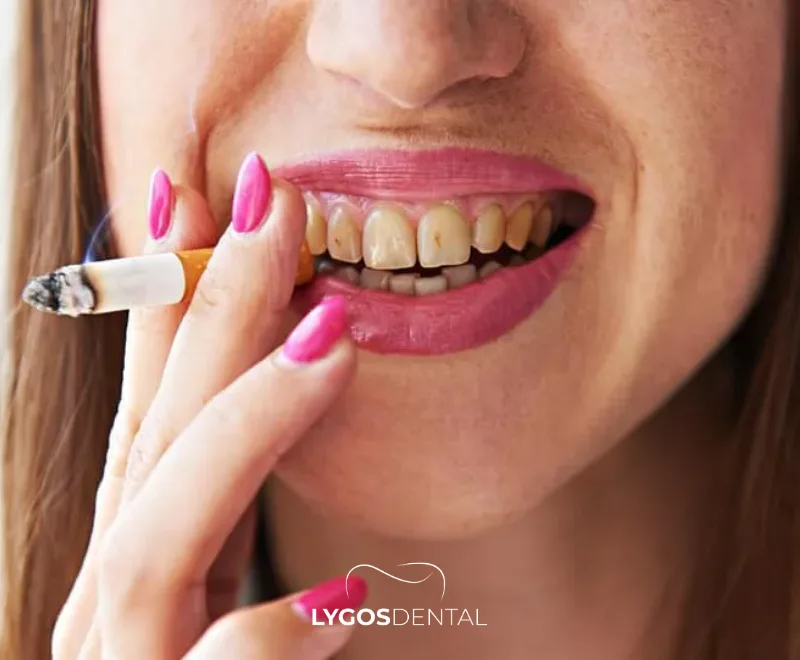
Tobacco use reduces blood flow in the mouth and makes it harder for gum tissue to heal. It also changes the balance of bacteria and can mask early warning signs, such as bleeding.
People who smoke often see faster progression of gum disease and a weaker response to treatment. Quitting is one of the most effective steps you can take for long-term gum stability.
What helps:
- Ask your dentist about support options, including quit plans and nicotine alternatives.
- Schedule regular cleanings so inflammation is spotted early.
2. Plaque And Tartar Buildup
Plaque is a sticky film of bacteria that forms on teeth every day. If it is not removed, it can harden into tartar (calculus), especially near the gumline.
Tartar is rough and holds more bacteria against the gums, which keeps inflammation active. Once tartar forms, it usually needs professional removal to prevent gum pockets from deepening.
What helps:
- Brush twice daily and clean between teeth once a day with floss or interdental brushes.
- Consider an electric toothbrush if plaque tends to build up quickly.
3. Pregnancy-Related Hormonal Changes
During pregnancy, hormonal shifts can make gums more reactive to plaque and easier to irritate. Swelling, tenderness, and bleeding with brushing are common signs of pregnancy gingivitis.
Good daily cleaning and routine dental visits can keep symptoms under control. If nausea makes brushing difficult, rinsing with water after vomiting and brushing later can help protect gums and enamel.
What helps:
- Tell your dentist you are pregnant so care can be tailored appropriately.
- Choose bland-flavored toothpaste if strong flavors trigger nausea.
4. Stress And Teeth Grinding (Bruxism)

High stress can weaken immune defenses and make it easier for gum inflammation to linger. Stress can also contribute to clenching or grinding, which puts extra force on teeth and supporting tissues.
Over time, bruxism may aggravate gum recession and lead to jaw discomfort or cracked teeth. Managing stress and protecting teeth at night can reduce the load on gums.
What helps:
- Ask your dentist if a night guard is suitable for you.
- Try short, realistic stress reducers such as daily walks, breathing exercises, or a consistent sleep routine.
5. Medications That Affect Gums
Some medications can change the way gums respond, either by causing dry mouth or by triggering gum overgrowth. Dry mouth lowers saliva’s protective effect and can raise the risk of plaque buildup.
Examples include certain blood pressure medications, anticonvulsants, and immune-suppressing drugs. Never stop a prescribed medicine on your own—work with your dentist and prescribing clinician if gum changes appear.
What helps:
- Sip water regularly and consider sugar-free gum to stimulate saliva, if appropriate for you.
- Bring an up-to-date medication list to dental appointments.
6. Vitamin And Mineral Deficiencies
Gum tissue relies on nutrients to maintain its structure and resist infection. Low intake of vitamin C, vitamin D, calcium, and certain B vitamins can make gums more prone to bleeding and irritation.
A balanced diet with fruit, vegetables, protein, and calcium-rich foods supports both gums and bone. If you suspect a deficiency, discuss testing and supplements with a healthcare professional.
What helps:
- Aim for whole foods first; supplements can help when diet alone is not enough.
- If you follow a restricted diet, mention it during dental and medical visits.
7. Diabetes And Blood Sugar Control
Diabetes can increase the risk of gum infection by affecting circulation and the body’s response to bacteria. Gums may heal more slowly, and inflammation can become harder to control.
There is also a two-way relationship: severe gum disease may make blood sugar harder to manage. Consistent oral hygiene, regular cleanings, and working toward stable glucose levels all support healthier gums.
What helps:
- Tell your dentist if you have diabetes and share your latest control status if you track it.
- Keep dental appointments on schedule, even when symptoms feel mild.
Practical Ways To Protect Gum Health
Daily habits make the biggest difference because plaque forms continuously. A few small changes can lower inflammation and keep gums firm.
- Brush gently along the gumline for two minutes, twice a day.
- Clean between teeth daily; this is where gum inflammation often starts.
- Limit frequent sugary snacks and acidic drinks that feed bacteria.
- Replace your toothbrush (or brush head) regularly and after illnesses.
- Book routine dental check-ups and cleanings based on your dentist’s advice.
When To See A Dentist
Contact a dentist if you notice any of the following signs, especially if they persist for more than a week or two:
- Bleeding when brushing or flossing
- Red, swollen, or tender gums
- Persistent bad breath or a bad taste
- Gums pulling away from teeth
- Loose teeth or changes in the way your bite feels
- Pain when chewing
This information is for general education and does not replace a personalized diagnosis or treatment plan.
Frequently Asked Questions
What Are The Early Signs Of Gum Disease?
Common early signs include bleeding with brushing or flossing, redness, swelling, and tenderness. Bad breath and mild gum recession can also appear. Early evaluation helps prevent progression into deeper gum pockets.
What Daily Oral Hygiene Habits Protect Gum Health?
Brush twice a day with gentle pressure and clean between teeth once daily with floss or interdental brushes. A fluoride toothpaste is usually recommended, and a dentist may suggest a specific mouthwash based on your needs. Regular professional cleanings support home care by removing tartar.
What Should You Do If Gum Problems Increase During Pregnancy?
Book a dental check-up and keep up daily brushing and interdental cleaning. Tell your dental team that you are pregnant so they can plan care appropriately. If bleeding or swelling worsens, do not ignore it—early treatment is typically simpler.
How Does Diabetes Affect Gum Disease?
High blood sugar can make it easier for infections to take hold and can slow healing. This raises the risk of inflammation, gum pockets, and bone loss around teeth. Strong oral hygiene plus good blood sugar control offers the best protection.
Zirconium Crown or Metal-Supported Crown?
Zirconium Crown or Metal-Supported Crown?
Zirconia crowns (often called “zirconium” crowns) are metal‑free ceramic crowns valued for a natural, light‑reflecting look and good gum tolerance. Metal‑supported crowns (porcelain‑fused‑to‑metal) use a metal core for proven strength, but may look more opaque and can show a gray line if gums recede. The best choice depends on tooth location and bite forces.
What Is A Zirconia (Zirconium) Crown?
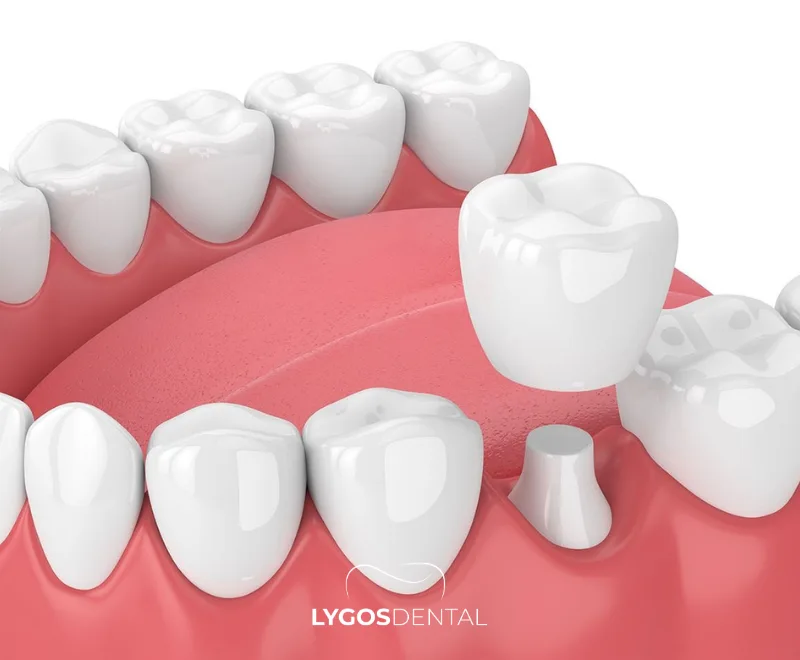
A zirconia crown is an all‑ceramic crown made from zirconium dioxide, a high‑strength dental ceramic. Many clinics call it a “zirconium crown,” but the crown itself is zirconia. Because it contains no metal, it can look closer to a natural tooth, especially near the gumline.
Zirconia crowns are commonly produced with digital scanning and CAD/CAM milling for a precise fit. They can be made as monolithic zirconia (one solid piece) for strength, or layered with porcelain for extra translucency in visible areas. Your dentist will choose the design based on where the tooth sits and how you bite.
What Is A Metal-Supported Crown (PFM)?
A metal‑supported crown is usually a porcelain‑fused‑to‑metal (PFM) crown. It has a metal substructure for strength with a porcelain outer layer for tooth‑colored appearance. PFM crowns have a long clinical track record and are still used widely, especially where durability matters.
Because the core is metal, the crown can appear less translucent than natural enamel. If the gums recede over time, a thin dark line at the edge of the crown may become visible. This is mainly an aesthetic issue, but it can be a deciding factor for front teeth.
Zirconia Vs Metal-Supported Crowns: Key Differences
| Factor | Zirconia (“Zirconium”) Crown | Metal-Supported Crown (PFM) |
| Appearance | Naturally tooth‑colored and can reflect light; no metal margin at the gumline. | Tooth‑colored porcelain on top, but can look more opaque; metal edge may show if gums recede. |
| Strength Under Bite Force | Very strong and fracture‑resistant; monolithic designs are often chosen for molars and heavy bites. | Strong metal framework; porcelain veneer can chip in some cases. |
| Gumline Look Over Time | No gray line from metal; usually a cleaner gumline appearance. | Higher chance of a gray/dark line if gum tissue thins or recedes. |
| Allergy / Sensitivity | No metal; very low risk of material sensitivity. | Depends on the alloy; sensitivities can occur in a small number of patients (often nickel‑related). |
| Tooth Reduction | Often needs slightly less space than PFM, depending on the case and crown design. | May require more room for both metal and porcelain layers. |
| Best Fit For | Patients prioritizing aesthetics, gum harmony, or metal‑free dentistry; also common for molars when strength is needed. | Patients who want a proven option for back teeth or when a metal framework is preferred. |
Which Crown Is Best For Different Situations?
Front Teeth And Visible Areas
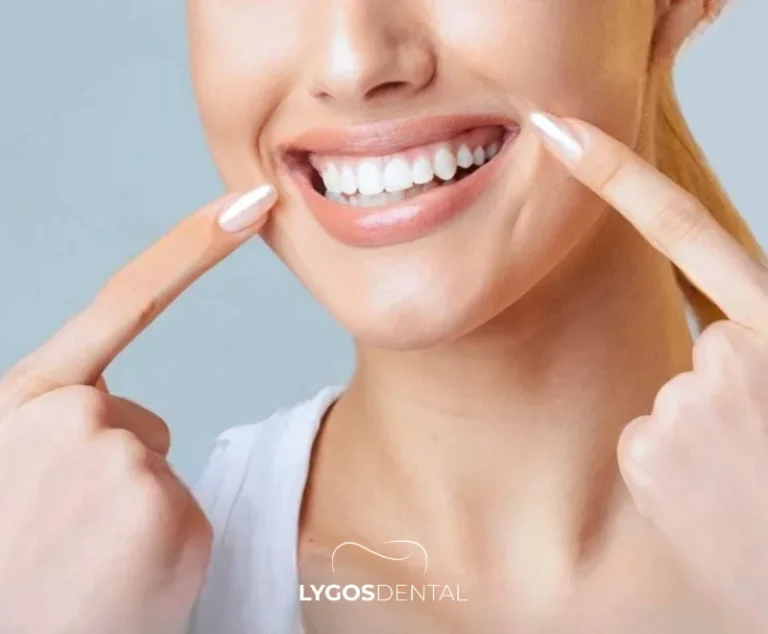
Zirconia is often chosen for front teeth because it avoids a metal edge and can look more natural at the gumline. If you have a thin gumline or a high smile line, this difference can be noticeable. For very high translucency needs, your dentist may consider a layered zirconia option.
Molars And Heavy Chewing Force
Both materials can work well on molars. Monolithic zirconia is frequently selected when maximum strength is needed, such as in patients who clench or grind. PFM can also be a solid choice, particularly when the bite is complex and a metal substructure offers predictable support.
Gum Recession Risk Or Dark Gumline Concerns
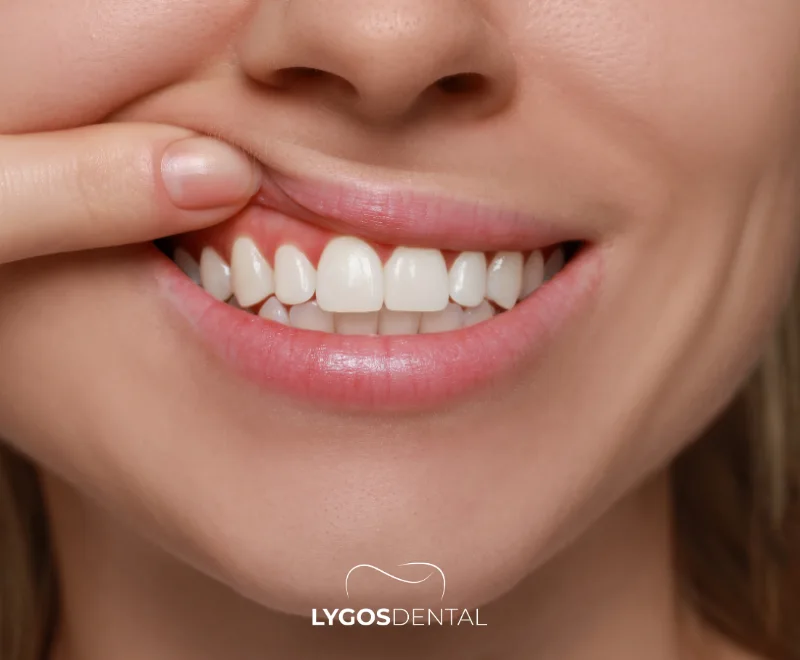
If you are prone to gum recession or you have had a dark crown margin in the past, zirconia may be the safer aesthetic bet. Metal‑supported crowns can look excellent at first, but recession can reveal the metal edge. Your dentist can also design margins to reduce visibility, yet the risk cannot be fully removed.
Metal Allergy Or Sensitivity History
If you have reacted to jewelry metals or have been told you have a nickel sensitivity, tell your dentist before choosing a crown. Zirconia is metal‑free and is often selected for patients who want to avoid metal alloys. When PFM is still preferred, your dentist can discuss high‑noble or nickel‑free alloy options.
Opposing Tooth Wear
Any crown material can contribute to wear if the bite is uneven or the surface is rough. With zirconia, careful polishing after bite adjustments helps reduce wear against the opposing tooth. Ask your dentist how the crown will be finished and checked after cementation.
Cost And Value Considerations
Fees vary by clinic, lab, and the complexity of the case, so it is rarely helpful to compare prices without an exam. Zirconia crowns can cost more because of material and lab processes, especially when advanced shading or layering is used. PFM crowns are often positioned as a cost‑effective option with a long history of use.
Value is not only about price. A crown that fits well, supports the bite, and is easy to keep clean can save you time and discomfort later. When you compare options, ask what is included in the fee, such as temporary crowns, follow‑up checks, and warranty policies.
Questions To Ask Your Dentist Before Choosing
- Which crown material fits my tooth position and bite pattern best?
- Do I show signs of clenching or grinding that should influence the material choice?
- How will you manage the gumline margin to keep it natural‑looking over time?
- Will the crown be monolithic zirconia, layered zirconia, or PFM, and why?
- What steps will you take to polish and adjust the crown so it is gentle on the opposing teeth?
- What is the expected lifespan for my situation, and what maintenance will help it last?
Frequently Asked Questions
Which Looks More Natural?
Zirconia crowns generally look more natural at the gumline because there is no metal underneath. That said, an experienced dentist and dental lab can make a PFM crown look very good, especially on back teeth. Shade matching and gum position are often more important than the material alone.
Do Metal-Supported Crowns Cause A Dark Line At The Gum?
They can. If the gumline recedes or thins, the metal margin may become visible as a gray or dark line. This is less common with zirconia because it has no metal substructure.
Which Is Stronger For Molars?
Both can be strong choices for molars. Monolithic zirconia offers high fracture resistance, while PFM benefits from a metal framework with decades of clinical use. Your dentist will consider your bite, tooth structure, and habits like grinding.
Is Zirconia A Good Option If I Have A Metal Allergy?
Zirconia is metal‑free, so it is commonly used when patients want to avoid metal alloys. True allergies to crown materials are uncommon, but sensitivities to certain dental metals can occur. If you have a known allergy, share it before treatment so the alloy choice can be adjusted.
Will A Zirconia Crown Wear Down The Opposing Tooth?
Polished zirconia is generally considered wear‑friendly, especially when the bite is balanced. Rough or heavily glazed surfaces can increase wear, which is why finishing and polishing matter. Follow‑up visits help your dentist fine‑tune the bite if needed.
How Long Do Crowns Last?
Crown lifespan depends on fit, bite forces, oral hygiene, and habits such as grinding. Many crowns last for years with good care, but no material is “lifetime.” Regular checkups help catch small issues before they become failures.
Prevent Sensitivity After Teeth Whitening
Prevent Sensitivity After Teeth Whitening: 5 Practical Ways
To reduce sensitivity after teeth whitening, start with a desensitizing toothpaste, avoid very hot, cold, and acidic foods for 24–48 hours, brush gently, and use fluoride to support enamel. If discomfort gets stronger, wakes you at night, or lasts longer than a week, pause whitening and speak with a dentist.
Whitening can brighten your smile quickly, but it can also leave teeth feeling “zingy” for a short time. That sensitivity is usually temporary, and most people can keep it mild with a few simple aftercare steps.
The key is to protect enamel while your teeth settle, and to avoid triggers that make nerves react. The tips below work for both in-office whitening and at-home kits, with one rule: follow your dentist’s or product’s instructions first.
Why Teeth Whitening Can Trigger Sensitivity
Most whitening products use peroxide-based ingredients that move through enamel and into the underlying tooth structure. During and shortly after whitening, the tooth can be more reactive to temperature and certain foods, which is why cold water or hot coffee may suddenly feel sharp.
Sensitivity tends to be more noticeable if you already have thin enamel, gum recession, worn fillings, or a history of sensitive teeth. Stronger gels and longer wear times can also increase the chance of discomfort.
5 Practical Ways To Reduce Sensitivity After Whitening
1. Use A Desensitizing Toothpaste Before And After Whitening
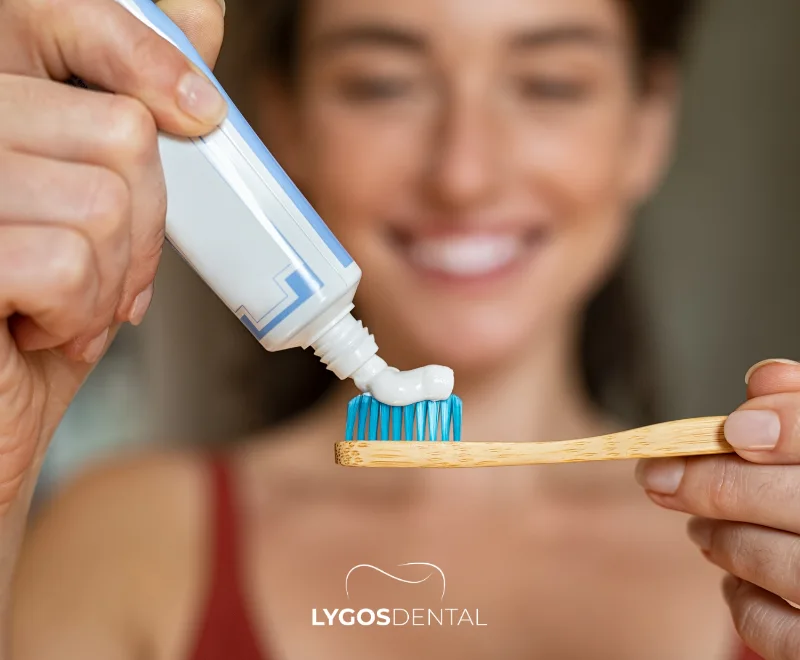
Choose a toothpaste made for sensitive teeth and use it for several days before whitening, then keep using it afterward. Many formulas rely on ingredients such as potassium nitrate, which helps calm the nerve response over time.
For an extra boost, you can smear a thin layer on the sensitive areas for a minute before rinsing (unless the label says otherwise). If you’re whitening with trays, ask your dentist whether a desensitizing gel is a good fit for you.
2. Avoid Extreme Temperatures And Acidic Foods For 24–48 Hours
Right after whitening, stick to lukewarm foods and drinks and keep acidic items to a minimum. Citrus, soda, vinegar-based dressings, and very spicy foods can irritate teeth that are already on edge.
This is also the window when teeth can re-stain more easily. If you can, choose lighter-colored options (water, milk, plain yogurt, rice, eggs, chicken, bananas) until the next day or two.
3. Brush Gently With A Soft-Bristled Toothbrush
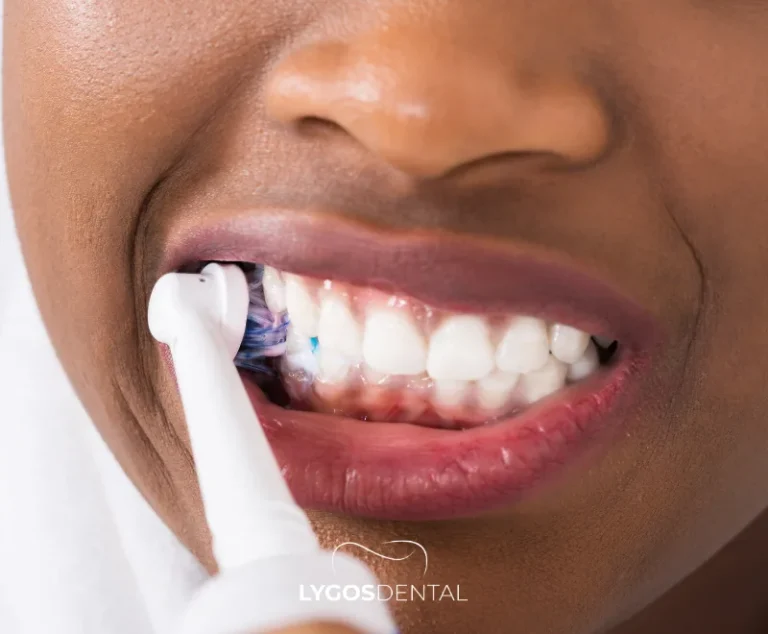
A firm brush and heavy pressure can make sensitivity worse, especially if the gumline is exposed. Use a soft-bristled toothbrush and small circular motions, letting the bristles do the work.
If you floss, do it gently and avoid snapping the floss into the gums. A fluoride toothpaste is a good everyday choice because it supports enamel strength.
4. Add Fluoride Support (Rinse Or Gel)
Fluoride helps strengthen enamel and can reduce sensitivity for some people. An alcohol-free fluoride mouthwash is often easier to tolerate right after whitening than a strong, minty rinse.
If you’re prone to sensitivity, your dentist may suggest a fluoride or desensitizing gel to use in trays for a short period. This is a common option when you want whitening results without the sting.
5. Take A Break And See A Dentist If Sensitivity Is Intense
Mild sensitivity that fades within a couple of days is common. Pain that keeps getting worse, feels one-sided, or lingers long after a cold drink can signal a problem such as decay, a crack, or gum recession.
Stop whitening and book a dental check if you have strong pain, swelling, or symptoms that last longer than a week. A dentist can apply professional-strength fluoride, protective coatings, or adjust your whitening plan to something gentler.
Frequently Asked Questions
How Long Does Sensitivity Last After Teeth Whitening?
Most people notice sensitivity for a few hours to a few days. If it isn’t improving after several days, or it’s severe from the start, stop whitening and contact a dentist for advice.
Can I Eat Right After Teeth Whitening?
You can eat once you feel comfortable, but avoid very hot, cold, and acidic foods right away. For the first 24–48 hours, many dentists also recommend skipping strongly pigmented foods and drinks (coffee, red wine, berries) to protect the new shade.
How Long Does Desensitizing Toothpaste Take To Work?
Some people feel improvement within a few days, but best results usually come from consistent use for at least two weeks. If you’re whitening again later, start the toothpaste a few days before you begin.
Does Everyone Experience Sensitivity After Whitening?
No. Sensitivity varies from person to person and depends on enamel thickness, gum recession, existing restorations, and the strength and wear time of the whitening product. If you’ve had sensitivity in the past, a dentist-supervised approach can help you choose a gentler method.
Gum Health Before Laminate Veneers
Gum Health Before Getting Laminate Veneers
Before getting laminate veneers, your gums should be free of inflammation, bleeding, and active infection. Healthy gum tissue supports a natural gumline, helps veneers seat correctly, and reduces the risk of recession exposing veneer margins. A dentist will check your gums first and treat any problems before moving forward.
What Are Laminate Veneers?
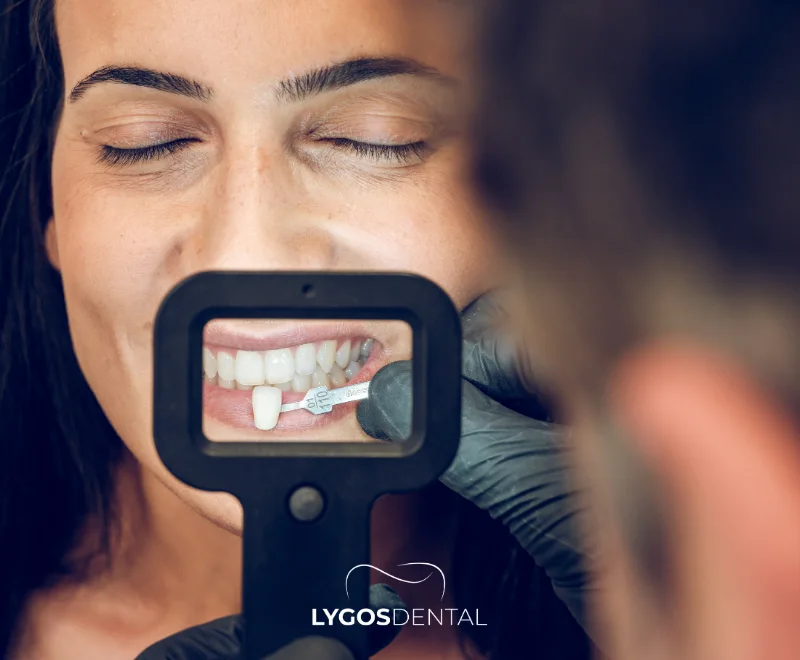
Laminate veneers are thin shells—most commonly porcelain—bonded to the front surfaces of teeth to improve appearance. They are used to mask discoloration, close small gaps, and reshape teeth that look chipped, worn, or uneven.
Because veneers sit right at the gumline, they need a stable, healthy foundation. If the gums are inflamed or actively infected, the final fit and the long-term look of the veneers can suffer.
Why Gum Health Matters Before Veneers
Healthy gums frame the teeth and create a clean, even gumline—one of the details that makes veneers look natural. When gum tissue is swollen, tender, or bleeding, it becomes harder to take accurate impressions and place veneers precisely.
Good gum health before laminate veneers also supports durability. Reducing inflammation and plaque around the margins lowers the risk of recession, sensitivity, and decay near the veneer edges.
How Dentists Check Gum Health Before Veneer Placement
A gum evaluation is part of the planning stage for laminate veneers. Your dentist will look for signs that the gum tissue is stable enough for cosmetic work.
Typical checks include:
- Redness, swelling, tenderness, or visible inflammation
- Bleeding when brushing or during an exam
- Gum recession that could expose veneer margins
- Plaque and tartar (calculus) buildup around the gumline
- Periodontal pocket depths and, when needed, X-rays to assess bone support
If any concerns show up, treatment comes first. Once the gums are healthy and settled, the dentist can finalize shade selection, impressions, and the veneer design.
How Gum Disease Can Affect Laminate Veneer Results
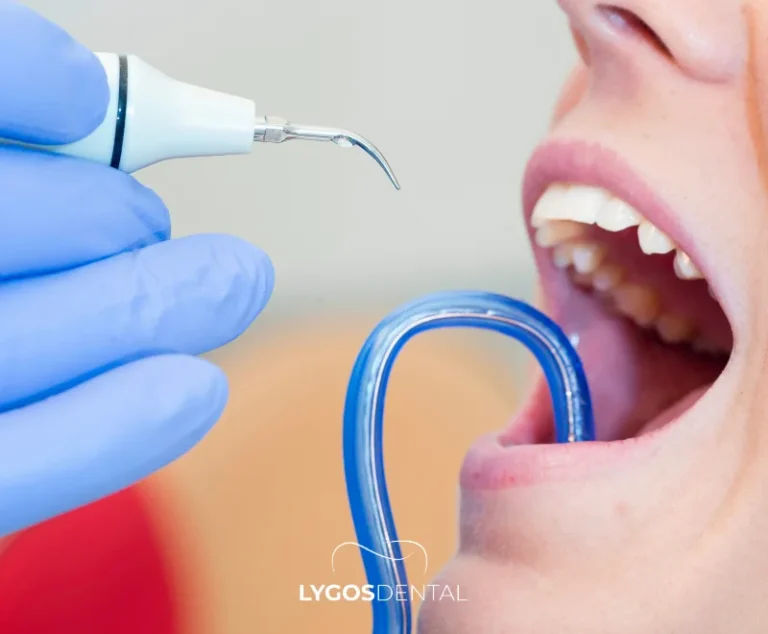
Gum disease can range from gingivitis (early inflammation) to periodontitis (a deeper infection that can affect the supporting tissues). Placing veneers on unhealthy gums increases the chance of uneven margins, ongoing bleeding, and irritation.
Recession is a common aesthetic concern. If the gumline pulls back after veneers are placed, the edges may become visible, creating dark lines or gaps that distract from the smile.
Is Tartar Cleaning Necessary Before Laminate Veneers?
In most cases, yes. Professional cleaning removes tartar that can irritate gums and trigger bleeding. Cleaning also gives your dentist a clearer view of the gumline so veneer margins can be planned more accurately.
Some patients need a simple scale and polish, while others may need deeper cleaning if there is significant buildup. Your dentist will usually allow time for the gums to calm down before moving to final impressions.
Treatments That May Be Needed Before Veneers
The right preparation depends on your gum condition and overall oral health. Your dentist may recommend one or more of the following before starting veneer work:
- Treatment for gum infection: Managing inflammation and infection so the gumline is stable.
- Tartar removal and periodontal cleaning: Reducing calculus and plaque around the teeth and under the gums when needed.
- Gum recession management: Assessing whether coverage procedures or other options are appropriate for exposed areas.
- Gingivectomy or gingivoplasty: Reshaping gum contours for a more balanced smile when indicated.
- Orthodontic adjustments: Correcting alignment issues that could affect veneer thickness, bite, or symmetry.
These steps help create healthier tissue around the teeth and a cleaner surface for bonding, which supports both appearance and longevity.
What To Consider Before Getting Laminate Veneers
Laminate veneers can be a long-term cosmetic solution, but results depend on planning and maintenance. A few habits and decisions make the process smoother:
- Choose an experienced dentist: Look for a clinician who regularly performs cosmetic veneer cases and explains options clearly.
- Keep oral hygiene consistent: Brush twice daily, clean between teeth, and follow any gum-care instructions from your dentist.
- Attend routine checkups: Regular visits help monitor gum stability before, during, and after treatment.
- Limit smoking and heavy alcohol use: These habits can irritate gums and affect healing and long-term oral health.
If you notice bleeding, swelling, or persistent bad breath, address it before scheduling veneer placement. Healthy gums are not just an aesthetic detail—they support overall oral health.
Gum Health Before Getting Laminate Veneers FAQ
Why is gum health so important before getting laminate veneers?
It affects both the look and the lifespan of the veneers. Inflamed or bleeding gums can make placement less precise and increase the risk of recession showing veneer margins.
Can I get veneers if I have gum disease?
Yes, but treatment should come first. Veneers are typically planned only after gum disease is controlled and the gum tissue is stable.
Is tartar cleaning a must before laminate veneers?
For most people, yes. Removing tartar reduces gum irritation and helps your dentist plan the veneer margins on a cleaner, healthier gumline.
Can I get veneers if I have gum recession?
It depends on the cause and severity. Your dentist will assess whether the recession is stable and how it might affect veneer edges and overall aesthetics before recommending a plan.
How to Protect Your Oral Microbiome?
How to Protect Your Oral Microbiome?
To protect your oral microbiome, keep plaque under control without over-stripping your mouth’s natural balance. Brush twice daily, clean between teeth, limit frequent sugar, stay well hydrated, and avoid unnecessary antibiotics. Choose mouthwash carefully, support saliva, and see a dentist regularly—small daily choices help beneficial bacteria stay dominant.
Oral health is closely tied to overall health, yet many people only think about teeth and gums. Your mouth also hosts a complex ecosystem of bacteria, fungi, and viruses that work together every day.
When this ecosystem stays balanced, it supports fresher breath, healthier gums, and stronger resistance to common oral problems. This guide explains what the oral microbiome is, what disrupts it, and practical ways to support it.
What The Oral Microbiome Is
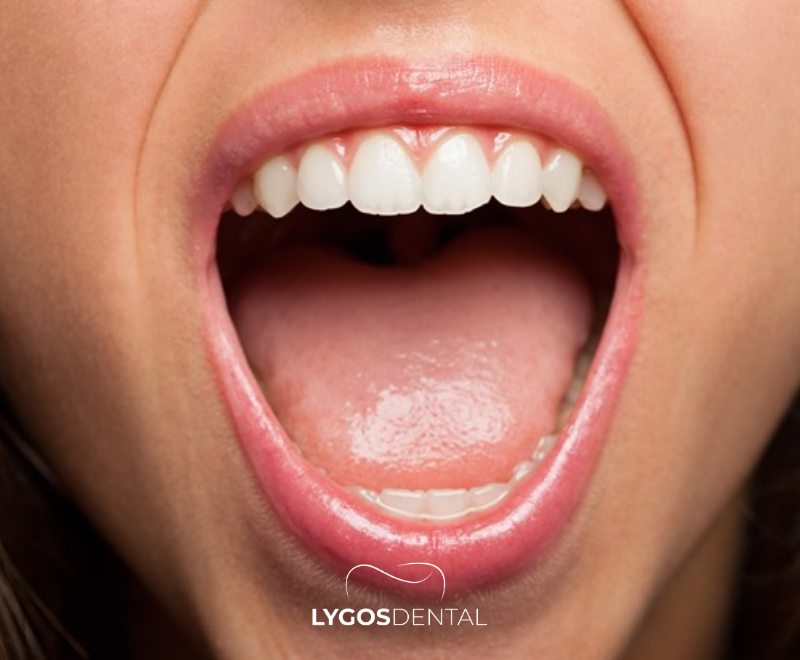
The oral microbiome is the community of microorganisms living on your teeth, tongue, gums, and saliva. It includes both helpful and potentially harmful species. A healthy microbiome is usually defined by balance: beneficial microbes are plentiful enough to keep problem-causing microbes in check.
Why A Balanced Oral Microbiome Matters
A stable oral microbiome helps protect enamel and gum tissue by limiting acid production and inflammation. It also supports the earliest steps of digestion by helping break down food and by stimulating normal saliva flow.
Research also links poor gum health and oral dysbiosis with wider health concerns. These connections are still being studied, but keeping your mouth healthy is a sensible, low-risk step for whole-body health.
Common Signs Your Oral Microbiome May Be Off-Balance
- Bad breath that returns quickly after brushing
- Bleeding gums, tenderness, or persistent gum swelling
- Frequent cavities or noticeable sensitivity
- Dry mouth (especially on waking)
- White patches, recurring sores, or repeated oral infections
These signs can have many causes, so they’re not a diagnosis. If symptoms last more than a week or two, a dental check is worth it.
Daily Habits That Protect Healthy Mouth Bacteria
Brush, But Don’t Overdo It
Brush twice a day for two minutes, using a soft-bristled brush and gentle pressure. Harsh scrubbing can irritate gums and wear enamel. A fluoride toothpaste is still the standard choice for cavity prevention.
Clean Between Teeth Every Day
Floss, interdental brushes, or a water flosser help remove plaque where a toothbrush can’t reach. This is one of the fastest ways to reduce gum inflammation and keep bacterial levels in check.
Use Mouthwash With A Clear Purpose
Mouthwash can be helpful, but strong antiseptic formulas aren’t always needed for daily use. If you’re using chlorhexidine or another medicated rinse, follow your dentist’s guidance and use it for the recommended duration.
Don’t Treat Antibiotics Like A Shortcut
Antibiotics can be essential for certain infections, but unnecessary use can disrupt oral and gut bacteria. Only take them when prescribed, and follow the full course exactly as directed.
Habits That Can Disrupt The Oral Microbiome
- Smoking or any tobacco use
- Frequent sipping on sugary drinks (including sweetened coffee/tea)
- Snacking on refined carbs throughout the day
- Poor sleep and chronic stress
- Low water intake and ongoing dry mouth
If you want one high-impact change, start with sugar frequency. Reducing how often sugar hits your teeth usually matters more than reducing sugar “per day” in a single sitting.
How Diet Influences The Oral Microbiome
Food choices shape the mouth’s environment by changing acidity, saliva flow, and the fuel available to bacteria. Your goal is to support saliva and limit long stretches of low pH, which favors cavity-causing microbes.
Foods And Habits That Help
- Crunchy, fiber-rich produce (apples, carrots, leafy greens) to support saliva and gentle cleaning
- Dairy or calcium-rich foods to support enamel
- Water as the default drink between meals
- Sugar-free gum (especially after meals) to stimulate saliva
What To Limit
- Sticky sweets and frequent grazing on refined carbs
- Sodas, energy drinks, and acidic flavored waters
- Alcohol-heavy routines that dry the mouth
Natural Ways To Support The Oral Microbiome
“Natural” doesn’t always mean better, and it shouldn’t replace professional dental care. Still, a few low-risk options have some evidence behind them when used thoughtfully.
Oil Pulling With Coconut Oil
Some clinical research suggests coconut oil pulling may reduce plaque and gingivitis markers, though overall evidence quality is mixed. If you try it, swish gently for 5–10 minutes, then spit it into the trash (not the sink) and brush as usual. Stop if it irritates your jaw or gums.
Aloe Vera Mouthwash
Aloe vera mouthwash has shown plaque and gingivitis improvements in some studies, and it may be an option for people who dislike stronger antiseptics. Choose products intended for oral use and avoid DIY mixes if you have allergies or sensitivities.
Baking Soda Rinse (Occasional)
A mild baking soda rinse can help neutralize acids after very acidic foods. Use it occasionally rather than as an everyday habit, and avoid vigorous swishing if your gums are inflamed.
Oral Probiotics
Certain probiotic strains have been studied for bad breath and gum health, with some trials showing benefit and others showing limited effect. If you use an oral probiotic, pick a reputable brand, follow the label directions, and reassess after 4–8 weeks. People with immune conditions should check with a clinician first.
When To See A Dentist
See a dentist if you have persistent bleeding gums, pain, swelling, sores that don’t heal, or bad breath that doesn’t improve with cleaning. Professional cleanings remove hardened plaque (tartar) that home care can’t reach.
Frequently Asked Questions
What is the oral microbiome?
It’s the community of microorganisms living in your mouth. When it stays balanced, it supports healthier gums, fewer cavities, and more stable breath.
What happens when the oral microbiome is disrupted?
Harmful species can become dominant. This can raise the risk of cavities, gingivitis, and recurring infections, especially if plaque builds up.
Do probiotics help the oral microbiome?
They may help in certain cases, especially for halitosis or gum inflammation, but results depend on the strain and the person. They work best alongside strong daily hygiene habits.
Does oil pulling work?
It may modestly reduce plaque and gum inflammation in some studies, but it’s not a substitute for brushing, interdental cleaning, or dental care.
Emax Veneers Durability
Emax Veneers Durability
Emax veneers are thin lithium disilicate ceramic shells bonded to the front of teeth. In well-planned cases with healthy enamel, a stable bite, and good home care, they often last 10–15 years and may reach 20 years. Most problems come from overload, cracking, or debonding—risks reduced by careful bite design and, when needed, a night guard.
What Are Emax Veneers?
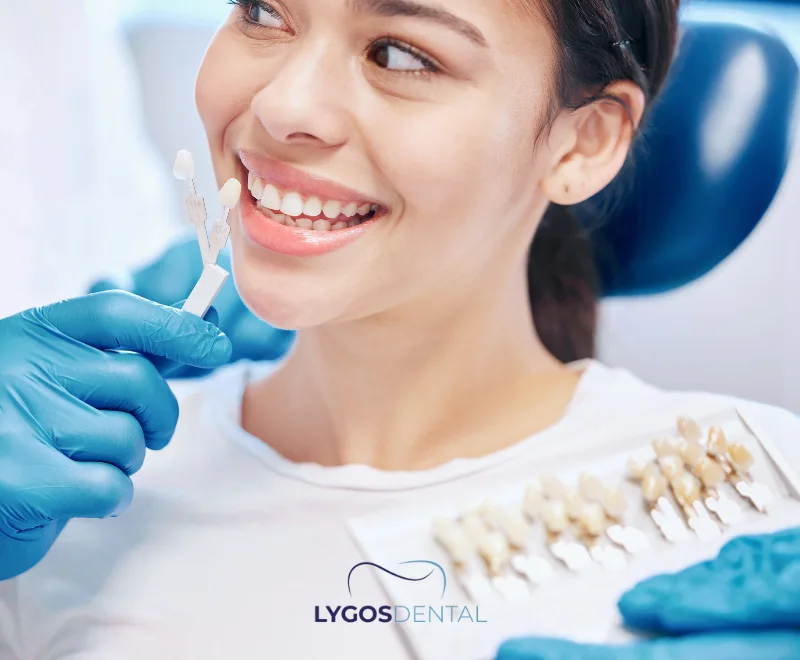
Emax veneers are custom-made ceramic restorations produced from lithium disilicate glass-ceramic. They’re commonly used on front teeth because their translucency and light transmission can closely mimic natural enamel. Many labs fabricate them using pressed or CAD/CAM workflows to achieve a precise fit and consistent thickness.
Why Emax Veneers Are Considered Durable
Lithium disilicate has a microstructure that helps resist cracking and chipping compared with more brittle traditional porcelains. Because Emax veneers can be made thin without sacrificing strength, dentists can often preserve more tooth structure while still achieving a stable restoration.
Durability also depends on how the veneer is bonded. When the veneer is adhesively cemented to sound enamel and the bite is carefully adjusted, the tooth and veneer behave more like a single unit, improving long-term performance.
How Long Do Emax Veneers Last?
There isn’t a single expiration date for veneers. Many patients can expect a service life of roughly 10–15 years, and longer outcomes are possible when the case is well planned and well maintained. Clinical reports of lithium disilicate restorations show strong 10-year performance, and long-term veneer studies of glass-ceramics report survival in the mid‑90% range around 10 years with gradual decline over longer follow-ups.
Your dentist will estimate longevity based on enamel quality, bite forces, and habits such as clenching or chewing hard objects. If you have bruxism, a night guard is often the difference between a veneer lasting years versus decades.
Emax vs Zirconia: Durability and Best Use Cases
Emax and zirconia are both strong ceramics, but they’re typically chosen for different priorities. Zirconia is generally indicated for higher-load situations, while lithium disilicate is often selected for minimally invasive veneers and anterior crowns where optical integration matters.
In simple terms: choose Emax when a natural, enamel-like appearance is the top priority and bite forces are moderate; consider zirconia when strength under heavy load is the main concern. Your dentist may still recommend Emax on premolars in the right bite, but material choice should follow a functional evaluation—not aesthetics alone.
What Can Reduce the Durability of Emax Veneers?
- Teeth grinding or clenching (bruxism), which increases the risk of cracking or debonding.
- Uncontrolled bite forces, especially edge-to-edge biting or heavy anterior guidance.
- Chewing hard items such as ice, pens, or nail biting.
- Poor bonding conditions (limited enamel, moisture contamination, or an unsuitable cementation protocol).
- Inconsistent oral hygiene and gum inflammation, which can compromise margins over time.
Practical Tips to Make Emax Veneers Last Longer
- Brush twice daily with a non-abrasive toothpaste and floss consistently to protect the margins.
- Keep routine dental check-ups and professional cleanings so small issues are caught early.
- Wear a night guard if you grind or clench—especially during stressful periods.
- Use your teeth for eating, not for opening packages or biting hard objects.
- If you smoke, consider quitting; healthier gums support longer-lasting restorations.
Emax Veneers Durability FAQ
Are Emax veneers strong enough for everyday biting?
For most patients, yes—especially on front teeth where forces are typically lower than molars. Strength and longevity depend on a stable bite, proper bonding, and avoiding harmful habits like nail biting or chewing ice.
Can Emax veneers chip?
They can, but chipping is less common when the veneer is designed with adequate thickness, bonded to enamel, and protected from heavy clenching. If you have bruxism, a night guard significantly reduces risk.
Is zirconia always more durable than Emax?
Zirconia is often selected for high-load areas, but ‘more durable’ depends on the situation. Emax may outperform in cases where bonding to enamel and aesthetics are critical, while zirconia can be a better choice for heavy posterior forces.
When should an Emax veneer be replaced?
Replacement is considered if there’s a crack, repeated debonding, margin leakage, significant color mismatch, or gum recession that exposes the edge. Many issues can be corrected early if you keep regular follow-ups.
Can Root Canal Treated Teeth Be Whitened?
Can Root Canal Treated Teeth Be Whitened?
Yes. A root canal treated tooth can often be whitened using internal bleaching, where a dentist places a whitening gel inside the tooth to lift stains from within. Results depend on the cause of discoloration and the tooth’s structure. If whitening cannot deliver a stable shade, a veneer or crown may be recommended.
Why Root Canal Treated Teeth Change Color
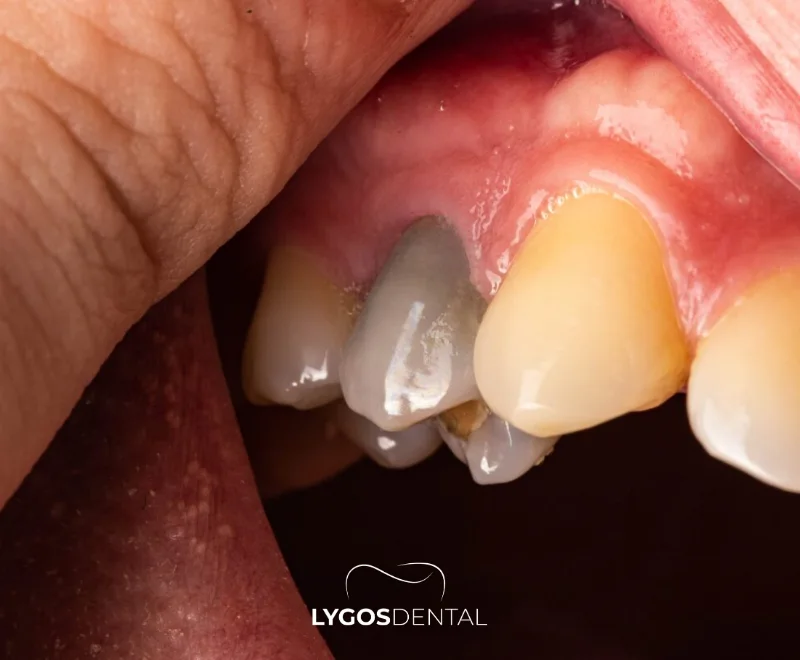
After a root canal, the tooth is no longer vital, which means it no longer has a blood supply. Over time, that can dull the tooth and change how light reflects through enamel and dentin. Discoloration is common, especially after trauma or deep decay.
- Residual pulp tissue or blood products can oxidize and darken the tooth from the inside.
- Some root canal materials and medicaments may contribute to gray or brown tones over time.
- Large fillings, cracks, or microleakage can allow pigments to penetrate dentin.
- Everyday stains from tea, coffee, red wine, and tobacco can make the shade mismatch more noticeable.
Whitening Options For A Root Canal Treated Tooth
Internal Bleaching (Non-Vital Whitening)
Internal bleaching is the main technique for a single dark tooth that has had a root canal. Your dentist creates a small access opening, places a protective barrier over the root filling, then applies a whitening agent inside the pulp chamber. The tooth is temporarily sealed and the gel is replaced over one or more visits until the color blends with neighboring teeth.
In-Office External Whitening
External whitening works on the outer enamel surface. It can help if the surrounding teeth are also being brightened, but it may not fully correct a dark non-vital tooth on its own. Dentists sometimes combine external whitening with internal bleaching to match shades more precisely.
Veneers Or Crowns
If the tooth has extensive restorations, a crack, or stubborn discoloration, covering the tooth may be more predictable than repeated bleaching. A porcelain veneer can mask color when enough enamel remains. A crown may be preferred when the tooth is heavily filled or structurally weakened.
How Long Does Whitening Take And How Long Do Results Last?
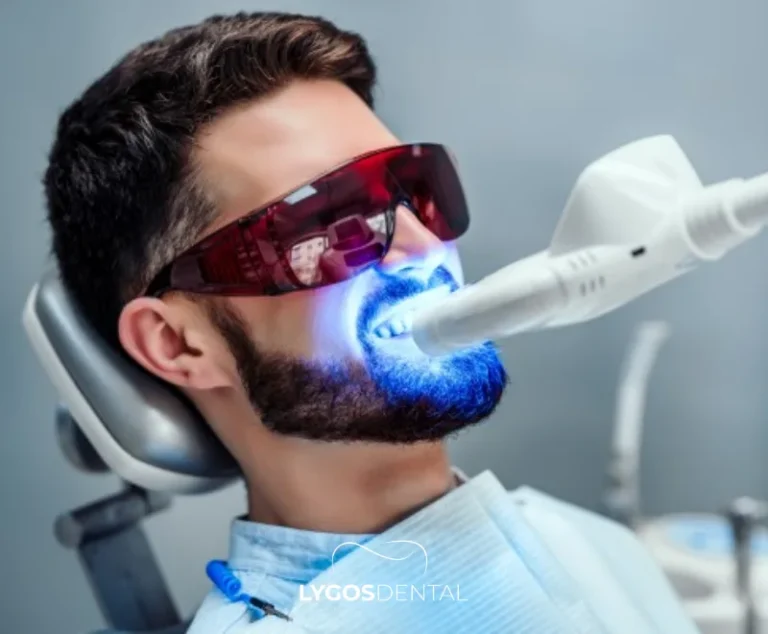
Internal bleaching is typically completed in one to three visits, spaced a few days apart. Many cases finish within one to two weeks, depending on how quickly the shade changes. Longevity varies, but many patients maintain the result for years with good hygiene and stain control.
What Affects The Outcome
- Cause of discoloration (trauma-related staining can behave differently than staining from old materials).
- Quality of the root canal seal and the presence of any leakage.
- Amount of remaining natural tooth structure and the size of existing restorations.
- Daily habits such as smoking and frequent intake of staining drinks.
Safety And Side Effects
When performed by a dentist, internal bleaching is generally considered conservative because it preserves more natural tooth structure than placing a crown solely to mask color. As with any dental procedure, there are risks. A rare but important complication is external cervical resorption, which is why clinicians use a protective cervical barrier and avoid unsafe techniques.
Do not try to whiten a root canal treated tooth with over-the-counter gels placed into the tooth. Non-vital whitening requires proper isolation, correct materials, and a seal that prevents leakage.
Aftercare Tips To Keep The Shade Stable

- Avoid strongly colored foods and drinks for 48 hours after each session.
- Brush twice daily and clean between teeth with floss or interdental brushes.
- Limit smoking and tobacco products, which are among the strongest staining factors.
- Schedule routine dental checkups so the restoration and seal can be monitored.
Cost Considerations In Turkey
Fees vary by city, clinic, and the number of sessions required. Many clinics set pricing based on whether the whitening is for a vital tooth (external) or a devital tooth (internal bleaching). In Turkey, the Turkish Dental Association publishes a guide tariff; clinics may charge above or below that guide depending on materials and service scope.
For reference, the 2026 guide tariff lists devital single-tooth whitening per session at 2,250 TL (excluding VAT) and 2,475 TL (including VAT), with restorations and material fees handled separately. A chairside exam is the only reliable way to estimate your total cost.
Frequently Asked Questions
Can every root canal treated tooth be whitened?
Many can, but not all respond the same way. Teeth with large restorations, cracks, or severe internal staining may need a veneer or crown for a stable cosmetic result.
Is internal bleaching painful?
It is usually comfortable because the nerve tissue has been removed. You may feel mild tenderness from the temporary filling or bite changes, which typically settles quickly.
Will the tooth become dark again?
Color relapse can happen over time. Good oral hygiene and limiting staining habits help the shade last longer, and touch-up treatment may be possible if needed.
Does whitening weaken the tooth?
Whitening itself is not meant to “thin” the tooth, but the tooth may already be structurally compromised from decay or large fillings. Your dentist will recommend the most protective option based on your bite and remaining tooth structure.
Most Preferred Dental Aesthetic Methods in 2026
Most Preferred Dental Aesthetic Methods In 2026
In 2026, patients most often choose minimally invasive, highly predictable dental aesthetic treatments: porcelain veneers for front teeth, zirconium crowns for strength and coverage, professional whitening for a brighter shade, and clear aligners for discreet orthodontics. Digital smile planning and 3D scans help match tooth shape, color, and gum levels to a natural-looking result.
Dental Aesthetics In 2026
Dental aesthetics focuses on improving how teeth and gums look while protecting function, bite, and long-term oral health.
Demand keeps rising because modern clinics can plan treatment digitally. Intraoral scanners, 3D modeling, and CAD/CAM workflows make it easier to preview a proposed smile and keep outcomes consistent.
Social media has also changed expectations. Many patients now ask for natural symmetry and balanced tooth proportions rather than an overly white, uniform look.
Zirconium Crowns Vs Porcelain Veneers
Both options can deliver an aesthetic result, but they solve different problems and require different amounts of tooth preparation.
Zirconium Crowns
Best for:
- Teeth with large fillings, cracks, root canal treatment, or significant loss of structure, especially in the back.
Advantages:
- High strength and good fracture resistance
- Metal-free option with natural translucency in modern zirconia systems
- Useful when full coverage is needed to protect the tooth
Considerations:
- Usually requires more tooth reduction than veneers
- Shade and translucency depend on the zirconia type and lab work
- Bite forces and grinding habits may require a protective night guard
Porcelain Veneers (Laminates)
Best for:
- Front teeth with discoloration, minor chips, small gaps, or shape issues when the underlying tooth is otherwise healthy.
Advantages:
- Conservative preparation in many cases
- Excellent light transmission for a natural look
- Good option for redesigning tooth length and contour
Considerations:
- Not ideal for heavily filled or structurally weak teeth
- Edge chipping risk increases with nail-biting, ice chewing, or severe bruxism
- Color matching matters most at the margins, so gum health and hygiene are key
Hollywood Smile
A “Hollywood Smile” is not a single material. It is a coordinated smile design that aligns tooth color, shape, gum levels, and lip support.
Plans often combine veneers or crowns with whitening and, when needed, gum contouring. Digital mock-ups help confirm the midline, smile arc, and tooth proportions before any irreversible step.
The strongest results usually come from choosing a natural shade and respecting facial features, rather than chasing extreme whiteness.
Teeth Whitening Options
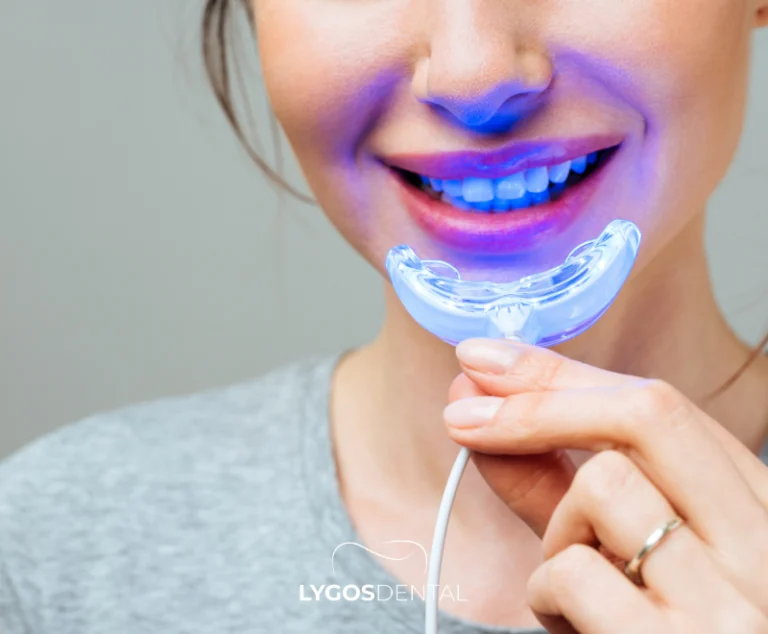
Whitening is one of the fastest ways to refresh a smile when stains are surface-level or mild to moderate in depth. Results depend on the starting shade, enamel condition, and the cause of discoloration.
In-Office Whitening
Performed under dentist supervision with protective barriers for gums. Many clinics use LED- or laser-assisted activation to shorten chair time and reduce uneven results.
At-Home Whitening
Uses custom trays and professional-grade gel. It takes longer than in-office treatment but allows gradual shade change and can be easier for sensitive teeth.
Hybrid Whitening
Combines a clinic session with a short at-home phase to stabilize the shade and improve longevity.
Orthodontic Clear Aligners
Clear aligners straighten teeth with a series of removable trays. They are popular with adults because they are discreet and make brushing and flossing easier than fixed braces.
Aligners work best when trays are worn consistently (often 20–22 hours per day). Attachments and refinement sets are common and help achieve precise movements.
Brand options vary by clinic. The most important factors are a proper diagnosis, realistic treatment goals, and regular follow-ups.
Typical Costs In 2026
Fees vary by city, clinician experience, lab quality, case complexity, and whether additional treatments (fillings, gum therapy, bite adjustments) are required. Many clinics quote in TRY, while medical-tourism clinics may quote in EUR or USD, so the TRY equivalent can change with exchange rates.
| Treatment | Indicative Range (Turkey) |
| Zirconium Crowns (Per Tooth) | 3,000 – 8,000 TRY |
| Porcelain Veneers (Per Tooth) | 4,000 – 12,000 TRY |
| Hollywood Smile (Comprehensive Design) | 50,000 – 150,000 TRY |
| Teeth Whitening | 1,500 – 8,000 TRY |
| Clear Aligners (Full Course) | 30,000 – 80,000 TRY |
How To Choose The Right Option
Start with a full exam, including gum health, bite analysis, and X-rays when indicated. Aesthetic work lasts longer when the foundation is stable.
Ask your dentist to show a digital preview or a temporary mock-up. It helps you confirm tooth length, shape, and shade before finalizing.
Discuss maintenance early. Whitening may need touch-ups, veneers and crowns may require a night guard if you grind, and aligners need retainers after treatment.
Frequently Asked Questions
What Are The Most Popular Dental Aesthetic Methods In 2026?
The most requested options are Hollywood Smile planning, porcelain veneers, zirconium crowns, professional whitening, and clear aligners. The right choice depends on whether you need color improvement, shape correction, strength and coverage, or tooth alignment.
Are Porcelain Veneers Better Than Zirconium Crowns?
Neither is “better” in every case. Veneers are suited to healthy front teeth that need aesthetic enhancement with conservative preparation. Zirconium crowns are chosen when the tooth needs full coverage for strength, especially after large restorations or root canal treatment.
Is Teeth Whitening Safe?
Whitening is generally safe when a dentist checks for cavities, worn enamel, and gum issues first and uses the right concentration for your teeth. Temporary sensitivity is common and can usually be managed with desensitizing products and shorter sessions.
How Much Does A Hollywood Smile Cost In 2026?
Costs vary widely based on the number of teeth treated, the material selected, and whether gum contouring or orthodontics is needed. Many patients receive a staged plan with a clear breakdown after a consultation.