
Why Oral Hygiene Is Important? | LYGOS DENTAL
Why Is Oral Hygiene Important?
Oral hygiene matters because it lowers your risk of cavities, gum disease, and bad breath, and it helps you keep your natural teeth for longer. Healthy gums also reduce ongoing inflammation, which is linked with broader health problems. Brush with fluoride twice daily, clean between teeth once a day, and see a dentist regularly for checks and professional cleaning.
Oral hygiene is the set of daily habits that keep your teeth, gums, tongue, and mouth healthy. It is about controlling plaque (a sticky biofilm of bacteria) before it hardens into tartar and starts damaging enamel and gum tissue.
A clean mouth is not only about a bright smile. It supports comfortable eating and speaking, helps prevent pain and infection, and often saves money by reducing the need for complex dental treatment later.
What Oral Hygiene Includes
A good routine covers more than brushing. It combines mechanical cleaning (to remove plaque), chemical support (fluoride and, for some people, antiseptic rinses), and regular professional care.
- Brushing twice a day with fluoride toothpaste
- Cleaning between teeth daily (floss, interdental brushes, or water flosser)
- Cleaning the tongue to reduce odor-causing bacteria
- Limiting frequent sugary or acidic snacks and drinks
- Seeing a dentist for checkups and cleanings based on your personal risk
Top Reasons Oral Hygiene Matters
1) It Helps Prevent Cavities And Tooth Loss
When plaque sits on teeth, bacteria feed on sugars and produce acids that weaken enamel. Over time this creates cavities, sensitivity, and pain. Keeping plaque under control also reduces the chance that small problems turn into fillings, root canals, or extractions.
2) It Protects Your Gums From Gingivitis And Periodontitis
Gum disease often starts quietly. Gingivitis can cause redness, swelling, and bleeding when brushing or flossing. If it progresses to periodontitis, the tissues and bone that support teeth can break down, leading to loose teeth and tooth loss.
3) It Can Support Whole-Body Health
The mouth is part of the body’s immune and inflammatory system. Research shows clear associations between periodontal disease and conditions such as cardiovascular disease and diabetes. These links do not always prove cause and effect, yet treating gum inflammation and maintaining daily hygiene are sensible parts of a broader health plan.
4) It Improves Breath, Comfort, And Confidence
Bad breath is often caused by bacteria on the tongue, between teeth, and along the gumline. A consistent routine helps you feel comfortable when talking, laughing, and eating. That day-to-day confidence matters at work and in social settings.
5) It Usually Saves Money Over Time
Preventive care is typically cheaper than fixing advanced problems. Brushing, interdental cleaning, and routine dental visits reduce the risk of emergency treatment and more expensive procedures.
A Dentist-Friendly Daily Routine
Morning
- Brush for two minutes with fluoride toothpaste. Aim the bristles toward the gumline and use gentle, small circles.
- Clean your tongue with a tongue scraper or your toothbrush.
- If you use mouthwash, wait 20–30 minutes after brushing so you do not rinse away the fluoride.
Evening
- Clean between your teeth before brushing (floss or interdental brushes).
- Brush for two minutes with fluoride toothpaste.
- If you grind your teeth, wear your night guard as prescribed.
Weekly And Monthly Habits
- Replace your toothbrush or brush head every 3–4 months, or sooner if bristles fray.
- If you have braces, implants, or gum disease, ask your dentist which interdental tools suit you best.
- Book checkups and cleanings at a frequency your dentist recommends (often every 6–12 months, depending on risk).
Common Mistakes That Undermine Oral Hygiene
Brushing too hard: Scrubbing can wear enamel at the gumline and irritate gums. Use light pressure and a soft-bristled brush.
Skipping interdental cleaning: Most cavities in adults and much gum disease start between teeth, where bristles cannot reach.
Frequent sipping on sugary or acidic drinks: Constant exposure gives enamel less time to recover. If you drink these, keep them with meals and rinse with water afterward.
Brushing right after vomiting or a very acidic meal: Acid softens enamel. Rinse with water first, then wait about 30 minutes before brushing.
Using whitening products without addressing gum bleeding: Bleeding is a sign of inflammation that deserves attention. Whitening should not replace a basic hygiene routine.
When To See A Dentist
Book a dental visit if you notice bleeding gums that persist for more than a week, tooth pain, swelling, bad breath that does not improve with cleaning, or sensitivity that affects eating and drinking. These signs often respond best to early care..
FAQ
How often should I brush my teeth?
Most people benefit from brushing twice a day for two minutes with fluoride toothpaste. Brushing more often can help after meals, but avoid aggressive scrubbing and focus on good technique.
Is flossing really necessary if I brush well?
Yes. A toothbrush cannot reliably clean between teeth and under the contact points. Floss, interdental brushes, or a water flosser help remove plaque from those areas.
What is the best mouthwash to use?
It depends on your goals. Fluoride rinses can help strengthen enamel, while antiseptic rinses may be suggested for short-term gum inflammation. If you have dry mouth or are prone to ulcers, ask your dentist for a gentler option.
Why do my gums bleed when I floss?
Bleeding is often a sign of gum inflammation from plaque buildup. With daily, gentle cleaning it often improves within 7–14 days. If bleeding persists, or if you have swelling or pain, schedule a dental check.
Can poor oral hygiene affect overall health?
There are well-studied links between gum disease and conditions such as diabetes and cardiovascular disease. The relationship is complex and not always causal, yet reducing gum inflammation and keeping infections under control is a practical step for long-term health.
How do I keep my teeth healthy if I wear braces or aligners?
Brush carefully around brackets or attachments and clean between teeth daily. Interdental brushes, floss threaders, or a water flosser can make the job easier. Ask your orthodontic team for tool recommendations based on your appliance.
Oral and Maxillofacial Surgery | LYGOS DENTAL
Oral And Maxillofacial Surgery: Everything You Need To Know
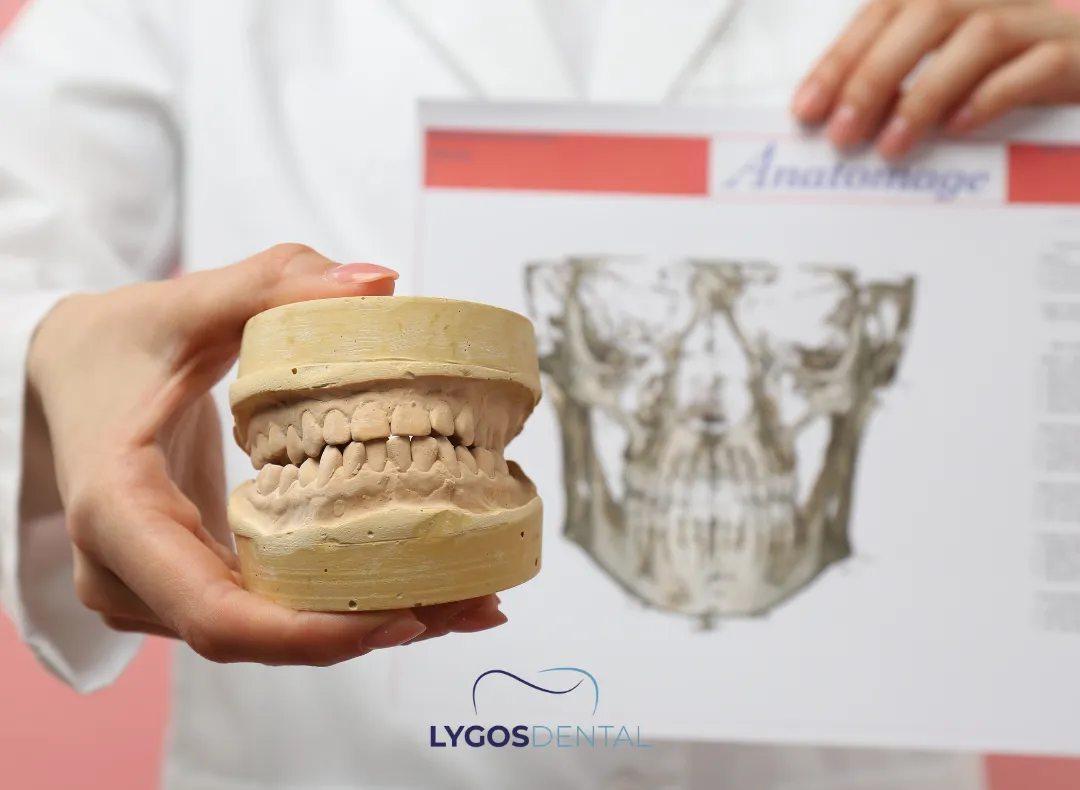
Oral and maxillofacial surgery is a fascinating and essential branch of healthcare that addresses a wide range of conditions affecting the face, jaw, mouth, and teeth. This surgical specialty combines the precision of dentistry with the expertise of medical surgery, offering solutions for everything from impacted wisdom teeth to complex facial reconstructions.
If you’ve ever wondered about procedures like jaw realignment, treatment for facial trauma, or even dental implants, oral and maxillofacial surgery is at the forefront of these advancements. In this article, we’ll delve into the details of what oral and maxillofacial surgery entails, its risks and benefits, costs, and when you might need to see a specialist.
What Is Oral And Maxillofacial Surgery?
Oral and maxillofacial surgery (often shortened to OMFS) focuses on diagnosing and surgically treating conditions of the face, jaws, mouth, teeth, and surrounding tissues. Many surgeons complete both dental training and advanced surgical training, which is why they may handle problems that are too complex for routine dental care.
Common Conditions And Procedures
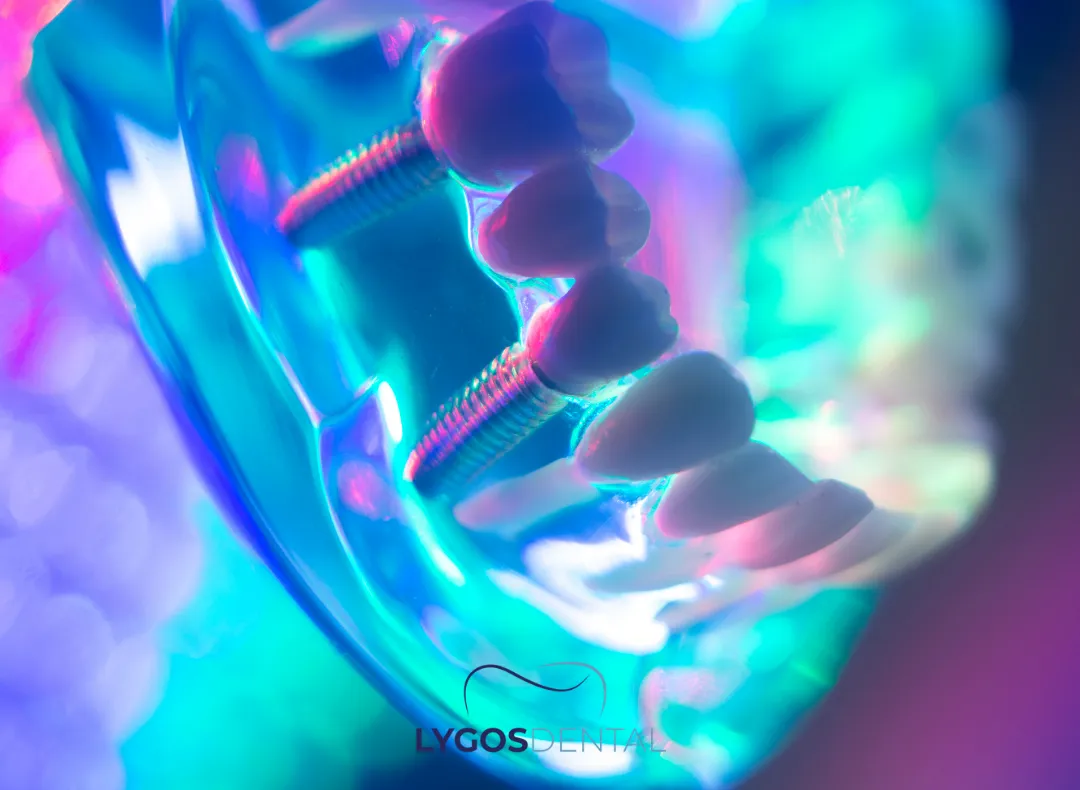
Oral and maxillofacial surgeons manage both functional and medically urgent problems, as well as planned corrective care. Common reasons people are referred include:
- Impacted or painful wisdom teeth
- Dental implant placement and related bone grafting
- Corrective jaw surgery (orthognathic surgery) for bite issues, jaw asymmetry, or airway concerns
- Facial trauma, including jaw fractures and soft-tissue injuries
- Temporomandibular joint (TMJ) problems when surgery is appropriate
- Cysts, benign growths, and evaluation/removal of suspicious oral lesions
- Congenital or developmental conditions such as cleft lip/palate (often as part of a multidisciplinary team)
The exact treatment plan depends on your diagnosis, imaging findings, and overall health. For major jaw surgery or trauma care, planning may include 3D imaging, virtual surgical planning, and coordination with orthodontic treatment.
Benefits And Risks
Every procedure has trade-offs. A good consultation should cover why surgery is recommended, what alternatives exist, and what recovery will realistically look like for your situation.
Potential Benefits
- Better chewing, speech, and jaw function
- Relief from pain or recurrent infections caused by impacted teeth or disease
- Improved facial balance after corrective jaw procedures
- Restoration after injury, helping return normal appearance and function
- A single specialist who can manage both dental and surgical aspects of care
Possible Risks
- Swelling, bruising, and temporary discomfort
- Bleeding, especially within the first 24–48 hours
- Infection (usually uncommon when post-op instructions are followed)
- Nerve irritation or injury, which can cause temporary or, rarely, persistent numbness
- Complications related to anesthesia or sedation, which are uncommon but possible
Your surgeon will explain how these risks apply to your specific procedure, and what steps are used to reduce them (sterile technique, careful planning, medication guidance, and follow-up care).
Typical Cost And Insurance Considerations
Costs vary widely by country, clinic setting, complexity, imaging needs, and whether anesthesia or a hospital stay is required. Many insurance plans cover procedures that are medically necessary, such as trauma repair, infection management, tumor removal, and jaw surgery performed to correct function or breathing. Cosmetic-only procedures are less likely to be covered.
As a general guide, wisdom tooth removal and surgical extractions can range from a few hundred dollars to several thousand depending on complexity, location, and anesthesia fees. Dental implant treatment is usually quoted as a package that may include the implant, abutment, and crown. If you are comparing quotes, ask what is included, what imaging is needed, and whether bone grafting may be required.
Before booking surgery, request a written estimate and ask your insurer what documentation they need (diagnosis codes, pre-authorization, and proof of medical necessity where relevant).
How To Find The Right Oral And Maxillofacial Surgeon
Start with referrals from your general dentist, orthodontist, or primary care clinician. When narrowing your options, focus on experience with your specific procedure and the quality of the consultation.
- Credentials and training that match your needs (hospital privileges can be a helpful sign for complex cases)
- Clear explanation of the diagnosis, options, and expected recovery
- A detailed plan for anesthesia/sedation and post-op pain control
- Transparent pricing and a written treatment estimate
- Comfort with the team and communication style—especially if you need multi-stage care
In the United States, some surgeons also hold certification through the American Board of Oral and Maxillofacial Surgery (ABOMS).
When To Call A Doctor
Seek urgent care if you have any of the following:
- Facial trauma with suspected fracture, uncontrolled bleeding, or changes in your bite
- Rapidly increasing swelling, fever, or spreading redness
- Severe pain that does not improve with prescribed medication
- Trouble breathing, swallowing, or opening your mouth
For non-urgent concerns—like wisdom tooth pain, recurring jaw clicking with discomfort, or a mouth sore that does not heal—book an evaluation. Early assessment often leads to simpler treatment.
FAQs
How long is recovery?
Recovery depends on the procedure. Simple extractions may improve within a few days, while jaw surgery and trauma repair can take weeks. Your surgeon will give a timeline based on your plan.
Will it hurt?
You should not feel pain during the procedure due to anesthesia or sedation. Afterward, soreness is expected, but it is usually manageable with the plan your surgeon provides.
How do I prepare?
Follow your pre-op instructions closely. They may include fasting, arranging transport home, reviewing medications, and planning soft foods and time off work or school.
Are oral and maxillofacial surgeons dentists?
Many are dentists with advanced surgical training, and some also have medical degrees. Training pathways vary by country.
Is it covered by insurance?
Coverage depends on your plan and the reason for treatment. Medically necessary procedures are more commonly covered than cosmetic-only care.
Tooth Abscess Causes – Dental Abscess – LYGOS DENTAL
Everything You Need to Know About a Tooth Abscess
A tooth abscess is a pocket of pus caused by a bacterial infection in or around a tooth. It can trigger severe toothache, swelling, and a bad taste in the mouth. Treatment usually requires a dentist to drain the infection and fix the cause (often a root canal or extraction). Seek urgent care right away if you have fever, facial swelling, or trouble swallowing or breathing.
A dental abscess is not something to “wait out.” Without proper treatment, the infection can spread to the jaw, face, or deeper tissues. Below you’ll find the main types of abscesses, common symptoms, the usual causes, and what dentists do to treat them. You’ll also learn what a wisdom tooth infection looks like and what to consider during pregnancy.
What A Tooth Abscess Is
A dental abscess is an infection that collects as pus either at the tip of a tooth’s root or within the gum and supporting tissues. It usually starts when bacteria reach the dental pulp (the soft inner tissue that contains nerves and blood vessels) or when gum disease creates a deep pocket around the tooth. The pressure from the infection is what often causes the intense, throbbing pain.
Types Of Tooth Abscess
- Periapical abscess: forms at the tip (apex) of the tooth’s root, usually after decay reaches the pulp.
- Periodontal abscess: develops in the gum near the root, often linked to gum disease or food trapped in a deep pocket.
- Gingival abscess: occurs in the gum tissue only, often related to a foreign object (such as a popcorn hull) lodged in the gum.
Symptoms You Should Not Ignore
Symptoms can vary, but most people notice pain and swelling. Sometimes the abscess drains and the pain eases, but the infection can still be present.
- Severe, throbbing toothache or gum pain
- Sensitivity to hot or cold
- Swollen, red, or tender gums
- Facial or jaw swelling on the affected side
- Bad breath or a foul taste (especially if pus drains)
- Pain when chewing, or difficulty opening the mouth (trismus)
When It Becomes An Emergency
Seek urgent dental or medical care the same day if you have fever, rapidly worsening swelling, or trouble swallowing, speaking, or breathing. These signs can mean the infection is spreading and needs immediate attention.
Common Causes
A tooth abscess usually happens when bacteria have a path into the tooth or gum tissues. The most common reasons include untreated tooth decay, advanced gum disease, and cracks or trauma that expose deeper layers of the tooth. Poor oral hygiene raises risk, but abscesses can also occur in people who brush well if there is decay under a filling or a deep gum pocket.
- Untreated cavities that progress into the pulp
- Gum disease (periodontitis) and deep gum pockets
- Cracked, chipped, or traumatized teeth
- Dental work complications (for example, leakage under a crown or filling)
Wisdom Tooth Infection (Pericoronitis)
A partially erupted wisdom tooth can trap food and bacteria under a gum flap. This is called pericoronitis and it can progress into a deeper infection or abscess if it spreads. Recurring infections are one reason dentists may recommend removing the wisdom tooth.
- Pain and swelling around the back molars
- Bad taste or bad breath
- Jaw stiffness and discomfort when chewing
- Swollen lymph nodes or fever in more severe cases
How Dentists Treat A Tooth Abscess
The goal is to drain the infection, relieve pain, and remove the source so it does not come back. Antibiotics may be used in certain situations, but they usually do not solve the problem on their own when the source remains in place.
1) Drainage
A dentist may make a small opening to drain pus and reduce pressure. This can provide fast relief, but the underlying cause still needs definitive treatment.
2) Root Canal Therapy
If the tooth can be saved, a root canal removes the infected pulp, disinfects the inside of the tooth, and seals it. A crown is often recommended afterward to protect the tooth from fracture.
3) Extraction (Infected Tooth Removal)
If the tooth is too damaged to restore, extraction may be the safest option. After removal, the socket is cleaned and you’ll receive aftercare instructions to lower the risk of complications. Your dentist can discuss replacement options such as an implant, bridge, or partial denture when healing is complete.
4) Antibiotics
Antibiotics may be prescribed when there are signs the infection is spreading, when you have fever, or when urgent dental treatment is not immediately available. Always take them exactly as directed and follow up for definitive dental care, because medication alone may not eliminate the source of infection.
Dental Abscess And Pregnancy
Dental infections should still be treated during pregnancy. Let your dentist and prenatal care team know you’re pregnant, especially if you’re in the first trimester or close to delivery. Many routine dental procedures are considered safe, and treating infection is often safer than delaying care.
Medication And Treatment Notes
- Local anesthetics and urgent treatments like drainage can be used when needed, with appropriate precautions.
- Acetaminophen is commonly used for pain in pregnancy; avoid taking any medication without your clinician’s advice.
- Certain antibiotics are commonly used in pregnancy for dental infections (for example, penicillins such as amoxicillin, and some cephalosporins). Your clinician will choose what’s appropriate for you.
Preventing A Future Abscess
Most abscesses start with decay or gum disease, so prevention focuses on catching problems early. Brush twice daily with fluoride toothpaste, clean between teeth every day, and keep up with routine dental visits. If you notice a cracked tooth, persistent sensitivity, or bleeding gums, book a dental exam before it turns into an emergency.
Frequently Asked Questions
Can a tooth abscess heal on its own?
Usually not. Symptoms may temporarily improve if the abscess drains, but the infection source often remains and can flare again or spread. A dentist should evaluate and treat it.
Is a tooth abscess contagious?
The abscess itself is not “catching” in the way a cold is. The bacteria involved are common in the mouth, but the infection develops when they get into vulnerable tissue through decay, gum pockets, or cracks.
How fast should I get treatment?
As soon as possible. Same-day care is recommended if you have swelling, fever, or significant pain, and emergency care is needed for trouble swallowing or breathing.
Are antibiotics enough?
They can help control infection in certain cases, but many abscesses also require dental treatment such as drainage, a root canal, or extraction to remove the source.
Tooth Reshaping | LYGOS DENTAL
Tooth Reshaping: The Complete Guide To A Beautiful Smile
Tooth reshaping (also called dental contouring or enameloplasty) is a conservative cosmetic treatment that gently smooths or shortens tooth edges by removing tiny amounts of enamel. It’s best for small chips, uneven edges, or slight overlaps. Results are immediate and permanent, but it must be done carefully to avoid sensitivity or weakening the tooth.
What Is Tooth Reshaping?
Tooth reshaping is a minimally invasive cosmetic dental procedure that changes a tooth’s shape, length, or surface by removing a very small amount of enamel. Dentists use it to refine minor issues such as uneven edges, tiny chips, pointy corners, or slight overlaps. Because enamel has no nerves, many patients feel little to no discomfort during treatment.
Tooth reshaping works best when your teeth and gums are healthy and the changes needed are subtle. If you have larger chips, deep cracks, significant crowding, or bite problems, your dentist may recommend alternatives such as bonding, veneers, or orthodontics.
How Tooth Reshaping Works
Most appointments are completed in one visit. Your dentist will aim for small, conservative adjustments so your teeth still look natural and stay strong.
Step-By-Step
- Consultation and assessment: Your dentist checks your enamel thickness, tooth shape, and bite. X-rays may be taken to confirm there’s enough enamel for safe contouring.
- Planning the changes: The dentist identifies the areas to smooth or shorten and discusses the expected result. Some clinics use photos or a quick mock-up to guide the plan.
- Shaping the enamel: Using fine diamond burs, discs, or polishing tools (and sometimes a laser), the dentist removes tiny amounts of enamel gradually. The goal is a smooth, symmetrical outline—not a dramatic reduction.
- Smoothing and polishing: The tooth surface is refined and polished so it feels natural and is easier to clean.
- Final checks and protection: Your bite is checked to make sure no area is taking extra pressure. A fluoride application may be used to support enamel after contouring.
Benefits Of Tooth Reshaping
- Fast results, often in a single appointment.
- Conservative treatment that preserves most of the natural tooth.
- Typically painless, with little or no downtime.
- Can improve symmetry and make small chips and edges less noticeable.
- A smoother surface may help reduce plaque retention in hard-to-clean spots.
Risks And Limitations
Tooth reshaping is generally safe when performed by an experienced dental professional, but it isn’t risk-free. The main consideration is that enamel does not grow back, so the change is permanent.
- Tooth sensitivity (usually temporary) if enamel is thinned near sensitive areas.
- Higher risk of wear, chips, or cavities if too much enamel is removed.
- Limited correction—reshaping cannot fix major crowding, gaps, or discoloration.
- Uneven bite forces if contouring changes how your teeth meet, which is why bite checks are essential.
How Much Does Tooth Reshaping Cost?
Pricing depends on the number of teeth treated, the complexity of the shaping, your location, and the clinician’s experience. Many clinics charge per tooth, and costs are often lower than veneer or orthodontic treatment for small cosmetic changes.
A common estimate is about $50–$400 per tooth. Your dentist should provide a written quote after examining your teeth.
What Can Affect The Price?
- Dentist’s experience and technology: Advanced cosmetic planning, magnification, or digital imaging may raise fees but can improve precision.
- Location and clinic overhead: Urban areas and specialist practices often price higher.
- Number of teeth and degree of adjustment: Minor smoothing of one edge costs less than contouring multiple teeth and balancing a bite.
Before And After: What Changes To Expect
Results tend to be subtle but noticeable. Before treatment, you may see small chips, uneven edges, or a tooth that looks slightly longer than its neighbor. After reshaping, the edges typically look smoother and more even, and the overall smile line can appear more balanced.
If you want a more dramatic change in shape or color, ask your dentist to show options such as bonding or veneers, often combined with contouring for a more refined result.
Who Is A Good Candidate?
Tooth reshaping is usually a good fit if you have healthy teeth with enough enamel and you want minor cosmetic refinement. It’s commonly used for:
- Small chips or worn edges.
- Slightly uneven tooth length or shape.
- Minor overlaps or pointy corners.
- Tiny rough spots that catch floss.
If you have thin enamel, active decay, gum disease, or significant bite issues, reshaping may not be recommended until those problems are addressed.
Aftercare Tips
- Brush twice daily with fluoride toothpaste and floss consistently.
- Avoid biting hard objects (ice, pens, packaging) to reduce the chance of chipping.
- If you clench or grind, ask about a night guard to protect the reshaped edges.
- Keep regular checkups so your dentist can monitor wear and polish if needed.
FAQs About Tooth Reshaping
Is tooth reshaping painful?
It’s usually not painful because the dentist works on enamel, which doesn’t contain nerves. Some people feel mild vibration or brief sensitivity.
How long does tooth reshaping last?
The change is permanent. Your teeth can still wear over time, so protecting them from grinding and maintaining good hygiene matters.
Can tooth reshaping fix crooked teeth?
It can mask very slight irregularities, but it cannot correct significant crowding or alignment problems. Orthodontic treatment is better for true straightening.
Can reshaping be combined with bonding?
Yes. Bonding can add tooth-colored material where needed, while reshaping refines edges for a smoother, more natural finish.
Will my teeth be sensitive afterward?
Some people notice short-term sensitivity to cold. It usually settles quickly, but persistent sensitivity should be assessed by your dentist.
Types of Dental Implants | LYGOS DENTAL
Tooth Reshaping: The Complete Guide To A Beautiful Smile
Tooth reshaping (also called dental contouring or enameloplasty) is a conservative cosmetic treatment that gently smooths or shortens tooth edges by removing tiny amounts of enamel. It’s best for small chips, uneven edges, or slight overlaps. Results are immediate and permanent, but it must be done carefully to avoid sensitivity or weakening the tooth.
What Is Tooth Reshaping?
Tooth reshaping is a minimally invasive cosmetic dental procedure that changes a tooth’s shape, length, or surface by removing a very small amount of enamel. Dentists use it to refine minor issues such as uneven edges, tiny chips, pointy corners, or slight overlaps. Because enamel has no nerves, many patients feel little to no discomfort during treatment.
Tooth reshaping works best when your teeth and gums are healthy and the changes needed are subtle. If you have larger chips, deep cracks, significant crowding, or bite problems, your dentist may recommend alternatives such as bonding, veneers, or orthodontics.
How Tooth Reshaping Works
Most appointments are completed in one visit. Your dentist will aim for small, conservative adjustments so your teeth still look natural and stay strong.
Step-By-Step
- Consultation and assessment: Your dentist checks your enamel thickness, tooth shape, and bite. X-rays may be taken to confirm there’s enough enamel for safe contouring.
- Planning the changes: The dentist identifies the areas to smooth or shorten and discusses the expected result. Some clinics use photos or a quick mock-up to guide the plan.
- Shaping the enamel: Using fine diamond burs, discs, or polishing tools (and sometimes a laser), the dentist removes tiny amounts of enamel gradually. The goal is a smooth, symmetrical outline—not a dramatic reduction.
- Smoothing and polishing: The tooth surface is refined and polished so it feels natural and is easier to clean.
Final checks and protection: Your bite is checked to make sure no area is taking extra pressure. A fluoride application may be used to support enamel after contouring.
Benefits Of Tooth Reshaping
- Fast results, often in a single appointment.
- Conservative treatment that preserves most of the natural tooth.
- Typically painless, with little or no downtime.
- Can improve symmetry and make small chips and edges less noticeable.
- A smoother surface may help reduce plaque retention in hard-to-clean spots.
Risks And Limitations
Tooth reshaping is generally safe when performed by an experienced dental professional, but it isn’t risk-free. The main consideration is that enamel does not grow back, so the change is permanent.
- Tooth sensitivity (usually temporary) if enamel is thinned near sensitive areas.
- Higher risk of wear, chips, or cavities if too much enamel is removed.
- Limited correction—reshaping cannot fix major crowding, gaps, or discoloration.
- Uneven bite forces if contouring changes how your teeth meet, which is why bite checks are essential.
How Much Does Tooth Reshaping Cost?
Pricing depends on the number of teeth treated, the complexity of the shaping, your location, and the clinician’s experience. Many clinics charge per tooth, and costs are often lower than veneer or orthodontic treatment for small cosmetic changes.
A common estimate is about $50–$400 per tooth. Your dentist should provide a written quote after examining your teeth.
What Can Affect The Price?
- Dentist’s experience and technology: Advanced cosmetic planning, magnification, or digital imaging may raise fees but can improve precision.
- Location and clinic overhead: Urban areas and specialist practices often price higher.
Number of teeth and degree of adjustment: Minor smoothing of one edge costs less than contouring multiple teeth and balancing a bite.
Before And After: What Changes To Expect
Results tend to be subtle but noticeable. Before treatment, you may see small chips, uneven edges, or a tooth that looks slightly longer than its neighbor. After reshaping, the edges typically look smoother and more even, and the overall smile line can appear more balanced.
If you want a more dramatic change in shape or color, ask your dentist to show options such as bonding or veneers, often combined with contouring for a more refined result.
Who Is A Good Candidate?
Tooth reshaping is usually a good fit if you have healthy teeth with enough enamel and you want minor cosmetic refinement. It’s commonly used for:
- Small chips or worn edges.
- Slightly uneven tooth length or shape.
- Minor overlaps or pointy corners.
- Tiny rough spots that catch floss.
If you have thin enamel, active decay, gum disease, or significant bite issues, reshaping may not be recommended until those problems are addressed.
Aftercare Tips
- Brush twice daily with fluoride toothpaste and floss consistently.
- Avoid biting hard objects (ice, pens, packaging) to reduce the chance of chipping.
- If you clench or grind, ask about a night guard to protect the reshaped edges.
- Keep regular checkups so your dentist can monitor wear and polish if needed.
FAQs About Tooth Reshaping
Is tooth reshaping painful?
It’s usually not painful because the dentist works on enamel, which doesn’t contain nerves. Some people feel mild vibration or brief sensitivity.
How long does tooth reshaping last?
The change is permanent. Your teeth can still wear over time, so protecting them from grinding and maintaining good hygiene matters.
Can tooth reshaping fix crooked teeth?
It can mask very slight irregularities, but it cannot correct significant crowding or alignment problems. Orthodontic treatment is better for true straightening.
Can reshaping be combined with bonding?
Yes. Bonding can add tooth-colored material where needed, while reshaping refines edges for a smoother, more natural finish.
Will my teeth be sensitive afterward?
Some people notice short-term sensitivity to cold. It usually settles quickly, but persistent sensitivity should be assessed by your dentist.
What is Tooth Extraction? | LYGOS DENTAL
Tooth Extraction: A Comprehensive Guide to Understanding the Procedure, Benefits, and Costs
A tooth extraction is the removal of a tooth from its socket to stop pain, control infection, or protect your overall oral health. Dentists use local anaesthetic for most cases, and oral surgeons handle more complex extractions such as impacted wisdom teeth. With proper aftercare, most people heal in about 1–2 weeks.
What Is Tooth Extraction?
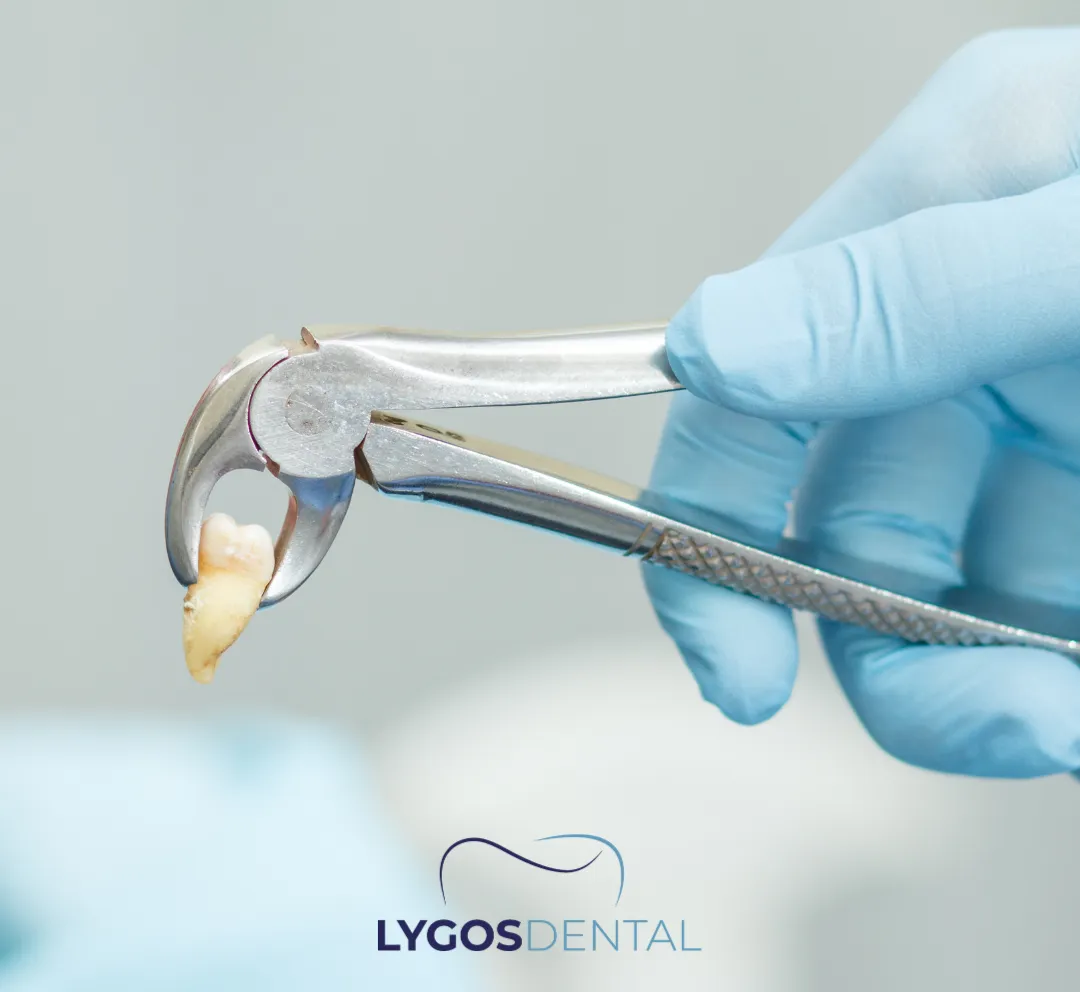
Tooth extraction is a dental procedure where a tooth is removed from the gum and jawbone socket. It’s commonly recommended when a tooth can’t be saved with treatments such as a filling, root canal, or crown, or when keeping the tooth may harm nearby teeth and gums. Extractions are usually done in an outpatient setting.
Your dentist will numb the area with local anaesthetic, and may recommend sedation if you feel anxious or if the procedure is expected to be lengthy. After the tooth is removed, the goal is to protect a stable blood clot in the socket, because it’s essential for normal healing.
Types Of Tooth Extraction
Dentists generally perform two main types of extraction:
- Simple extraction: Used when the tooth is fully visible above the gum line. The dentist loosens the tooth and removes it with specialised instruments.
Surgical extraction: Used when the tooth is broken at the gum line, has curved roots, or is trapped under the gum (impacted). The clinician may make a small incision and, in some cases, remove a little bone or section the tooth to remove it safely.
When Is Tooth Extraction Recommended?
- Severe tooth decay or infection: If decay reaches the pulp and the tooth can’t be predictably restored, removing it may be the safest way to stop pain and prevent the infection from spreading.
- Advanced gum disease: Periodontal disease can weaken the bone and tissues that support teeth. When a tooth becomes very loose, extraction may prevent ongoing infection and discomfort.
- Overcrowding for orthodontic treatment: In some cases, removing one or more teeth creates space so the remaining teeth can align properly.
- Impacted wisdom teeth: Wisdom teeth often lack space to erupt. When they cause pain, recurrent gum infections, decay, or pressure on neighbouring teeth, removal is often advised.
- Teeth fractured beyond repair: Trauma can crack a tooth below the gum line or into the root. If a crown can’t stabilise it, extraction may be recommended.
- Preventive reasons: Occasionally, a tooth is removed to reduce the risk of future problems—for example, a problematic wisdom tooth that’s likely to cause recurring infection.
What Happens During The Procedure?
Most extractions follow a similar flow: an exam (often with an X‑ray), numbing the area, gently loosening the tooth, and removing it. If the extraction is surgical, your clinician may make a small opening in the gum and remove the tooth in one piece or in sections.
Before you leave, you’ll receive aftercare instructions tailored to your case. If sedation or general anaesthetic is used, you’ll need someone to accompany you home and you may be advised to rest for the remainder of the day.
Risks And Possible Complications
Tooth extraction is considered a safe procedure, but any surgical treatment comes with risks. Your dentist or surgeon will review your medical history and explain what applies to your situation.
- Dry socket: The blood clot dislodges or doesn’t form properly, causing significant pain and delayed healing. This is more common after lower wisdom tooth removal.
- Infection: Bacteria can enter the site, especially if aftercare instructions aren’t followed or if you have an existing infection.
- Nerve irritation or injury (rare): Lower molar and wisdom tooth extractions carry a small risk of temporary numbness in the lip, chin, or tongue.
Sinus complications: Upper back teeth can be close to the sinus. In rare cases, an opening can occur and may need additional care.
Benefits Of Tooth Extraction
- Relief from pain: Removing a badly decayed, infected, or cracked tooth can quickly reduce persistent pain.
- Prevention of infection spread: Extraction can help prevent infection from progressing to the jawbone or nearby teeth.
- Improved oral function: Once the problem tooth is removed and the area heals, chewing comfort often improves—especially when the tooth is replaced appropriately.
- Supports orthodontic outcomes: In selected cases, extractions create space to align teeth more effectively.
Wisdom Tooth Extraction
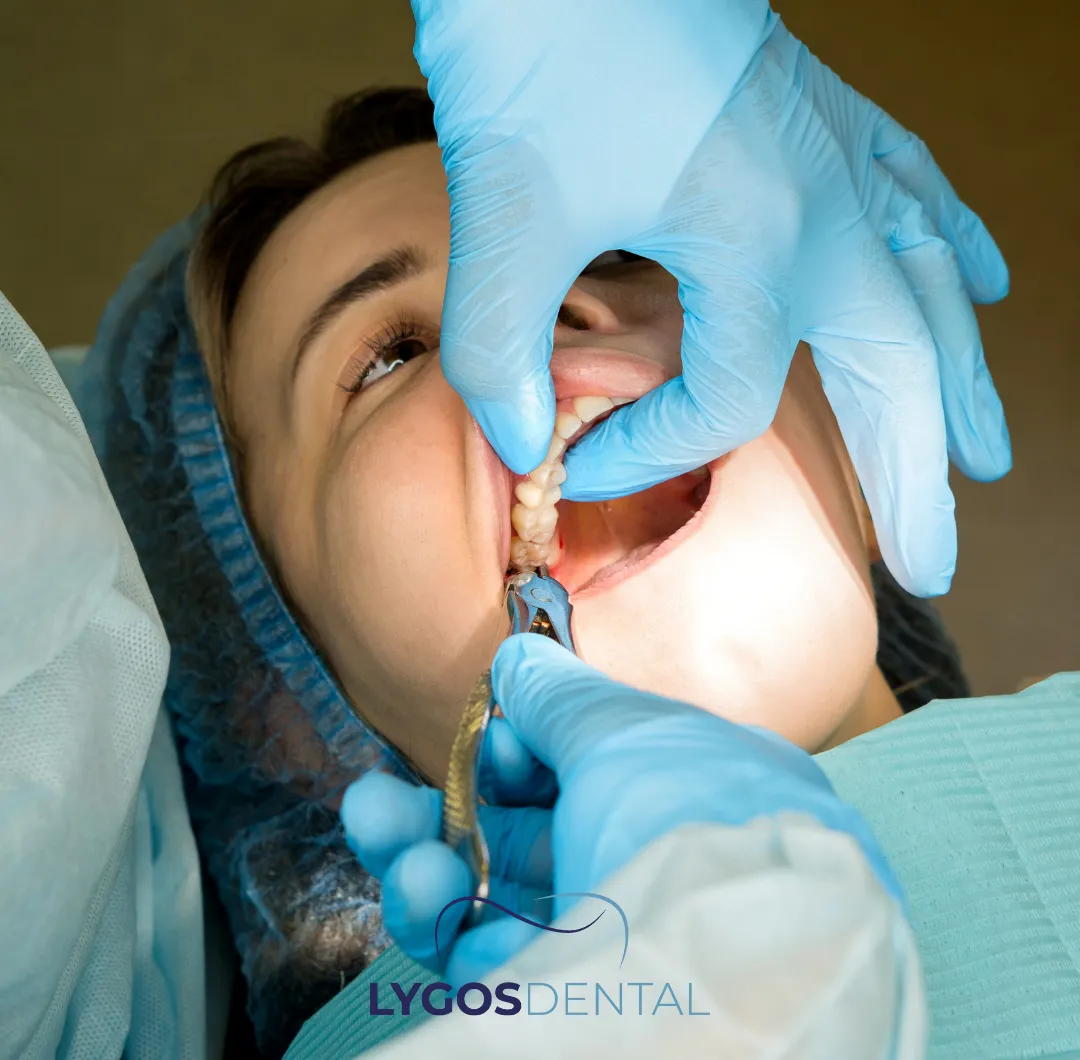
Wisdom teeth (third molars) typically erupt between ages 17 and 25. Because many people have limited jaw space, these teeth may come through at an angle, only partially erupt, or remain trapped under the gums.
When Is Wisdom Tooth Extraction Necessary?
Removal is commonly recommended when wisdom teeth are impacted, repeatedly inflame the gums, develop decay that’s hard to treat, or contribute to crowding or damage to neighbouring teeth. Your dentist may also suggest removal if imaging shows a high risk of future problems.
Tooth Extraction Near Me: How To Choose A Provider
If you’re comparing clinics, look for a licensed dentist or oral surgeon with clear experience in the type of extraction you need (simple, surgical, or impacted wisdom teeth). Patient reviews can be useful, but prioritise clinical credentials, transparent explanations, and a practice that explains anaesthetic options and aftercare clearly.
A short consultation can help you understand the treatment plan, expected recovery, and total cost. If you have dental insurance, ask the clinic to check your coverage and provide an itemised estimate before scheduling the procedure.
Tooth Extraction Cost
Pricing varies by location, the clinician’s experience, whether imaging or sedation is needed, and how complex the extraction is. Insurance may cover part of the cost when the extraction is medically necessary.
Typical cost ranges (may vary widely):
- Simple extraction: Often falls in the range of about $70–$250 per tooth.
- Surgical extraction: Commonly ranges around $200–$600 per tooth, depending on difficulty and setting.
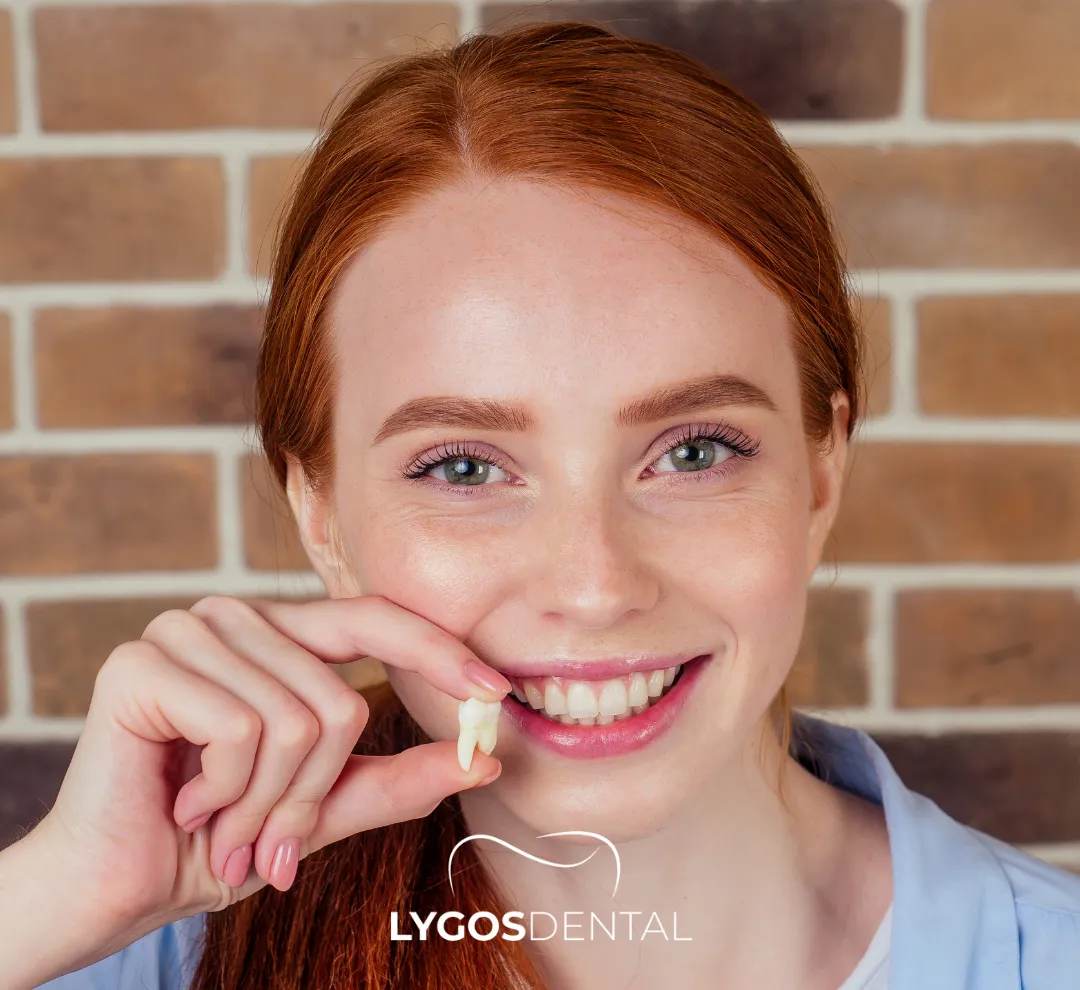
Wisdom Tooth Extraction Cost
Wisdom tooth removal can cost more than routine extractions because the teeth are often impacted and may require sectioning, bone removal, and/or deeper sedation. Total costs are also influenced by how many teeth are removed in one visit and the type of anaesthesia used.
Typical cost ranges (may vary widely):
- Erupted (non‑impacted) wisdom tooth: Often similar to a simple extraction, commonly around $75–$250 per tooth.
- Impacted wisdom tooth (surgical): Frequently in the $300–$1,000+ per tooth range, depending on depth and complexity.
- All four wisdom teeth: Can range from the low thousands upward, especially if multiple impacted teeth and IV sedation are involved.
Care After Tooth Extraction
Good aftercare protects the blood clot and lowers the risk of dry socket and infection. Follow your clinician’s instructions, since recommendations can vary based on the tooth removed and your medical history.
- Control bleeding: Bite on gauze for 30–45 minutes. Replace as directed, and avoid spitting forcefully for the first day.
- Reduce swelling: Use an ice pack on the outside of the cheek in short intervals during the first 24 hours.
- Manage discomfort: Take any prescribed medication as directed. Over‑the‑counter pain relief may be appropriate if your dentist confirms it.
- Protect the clot: Avoid smoking, vaping, alcohol, drinking through a straw, or vigorous rinsing for at least 48 hours (or longer if advised).
- Eat and drink carefully: Choose soft foods, avoid very hot drinks, and chew away from the extraction site for the first few days.
- Keep the mouth clean: Brush gently, avoiding the socket. If you’re told to rinse, do it gently—often starting the day after the procedure.

When To Call Your Dentist
Contact your dental provider promptly if you have heavy bleeding that doesn’t slow, fever, worsening swelling after the first 2–3 days, a bad taste or pus, or severe pain that starts a few days after the extraction (which can be a sign of dry socket).
Frequently Asked Questions
How long does healing take?
Most people feel significantly better within a few days. Soft tissue often heals in about 1–2 weeks, while the underlying bone can take longer.
Will I need a replacement tooth?
If a molar or visible tooth is removed, ask about replacement options such as an implant, bridge, or partial denture to prevent shifting and restore chewing function.
Can I go back to work the same day?
Many people return to normal activities the next day after a simple extraction. Surgical cases, especially wisdom teeth with sedation, often need more recovery time.
How to Brush Your Teeth? | LYGOS DENTAL
How to Brush Your Teeth Properly
Brush twice a day for two minutes using a soft-bristled toothbrush and fluoride toothpaste. Hold the brush at a 45-degree angle to the gumline, use gentle small circles on every surface, and don’t forget the back teeth and tongue. Spit, rinse if you prefer, and clean and dry your toothbrush.
Quick steps
- Apply a pea-sized amount of fluoride toothpaste to a soft-bristled brush.
- Angle the bristles 45° toward the gumline.
- Use gentle small circles on the outer, inner, and chewing surfaces.
- Spend about 30 seconds per quadrant (top right, top left, bottom right, bottom left).
- Brush your tongue (or use a tongue scraper).
- Spit out the toothpaste. Rinse with water or mouthwash if you like.
- Rinse the toothbrush, shake off water, and store it upright to air-dry.
Step-by-step: the best brushing technique
Use the right toothbrush
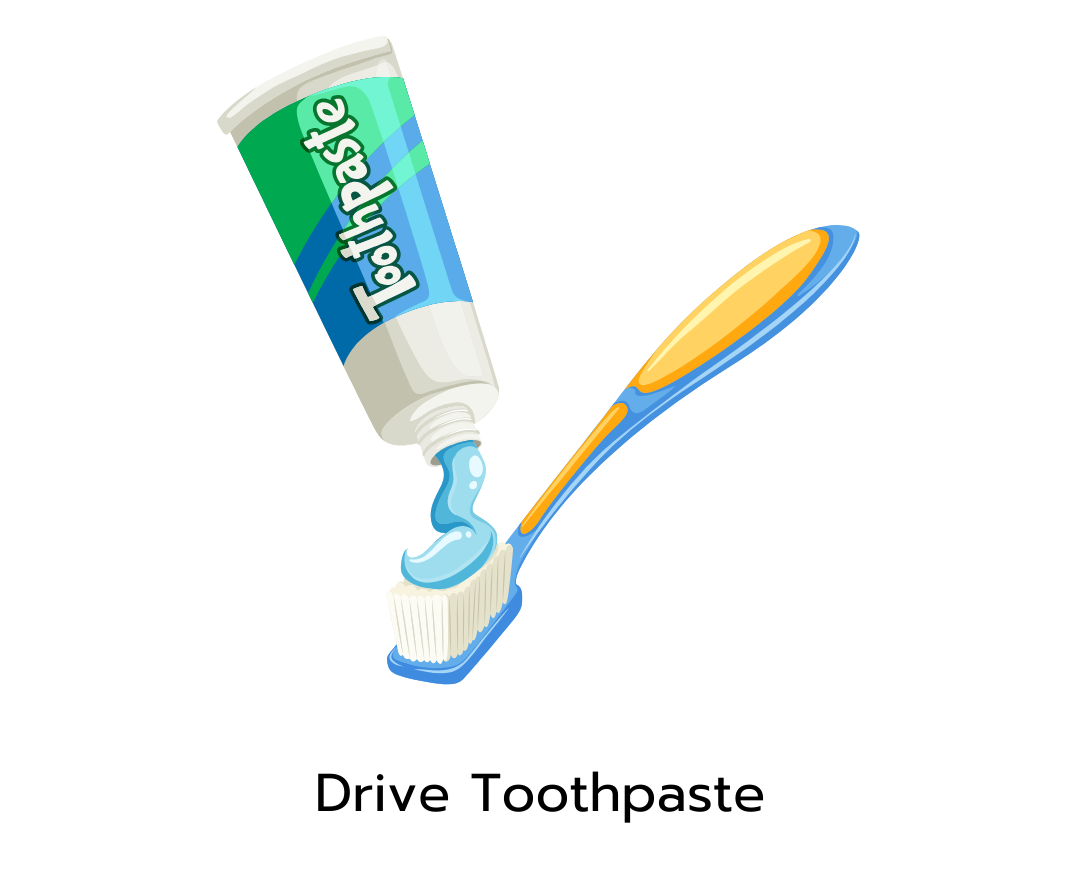
Choose a soft-bristled toothbrush that fits comfortably in your mouth and reaches the back molars. A small head often makes it easier to clean along the gumline. Replace your brush or brush head every 3–4 months, or sooner if the bristles flare.
Pick a toothpaste that matches your needs
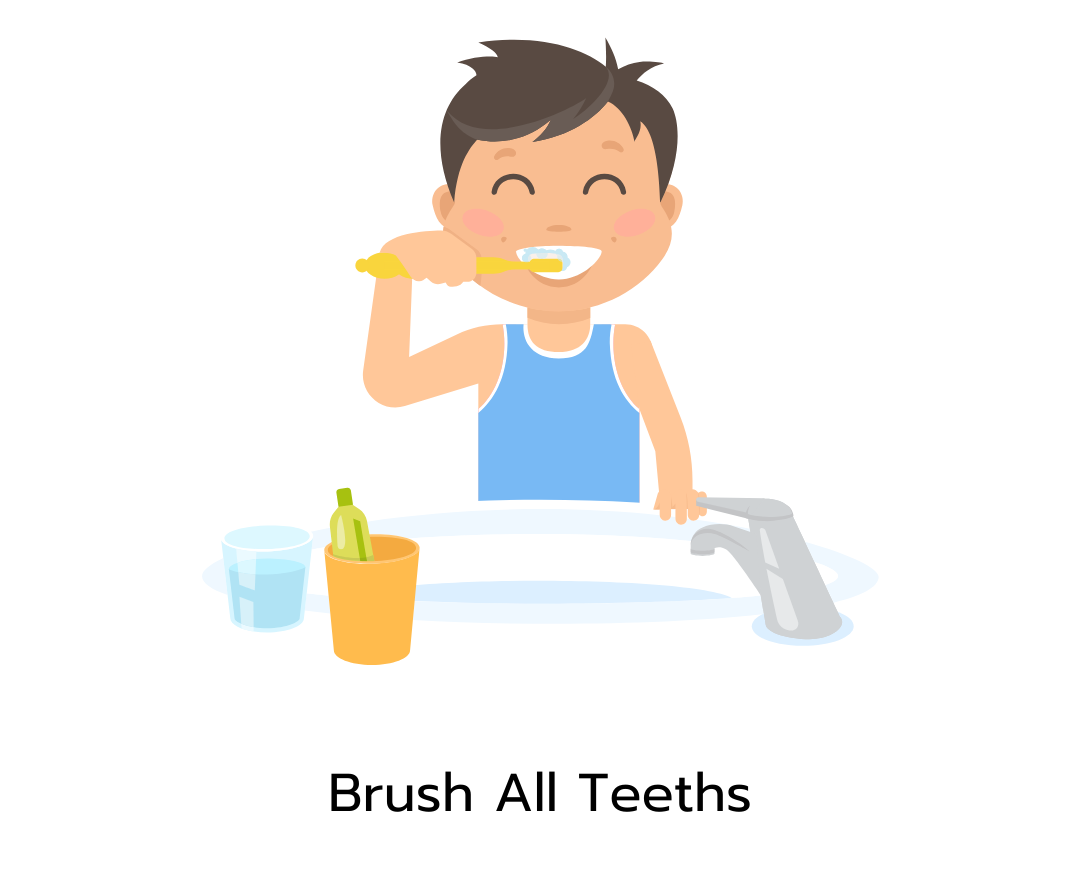
Fluoride toothpaste helps strengthen enamel and lowers the risk of cavities. If you have sensitivity, look for a formula labeled for sensitive teeth. If you build tartar quickly or have gum irritation, ask your dentist which option fits your situation.
Brush for two minutes
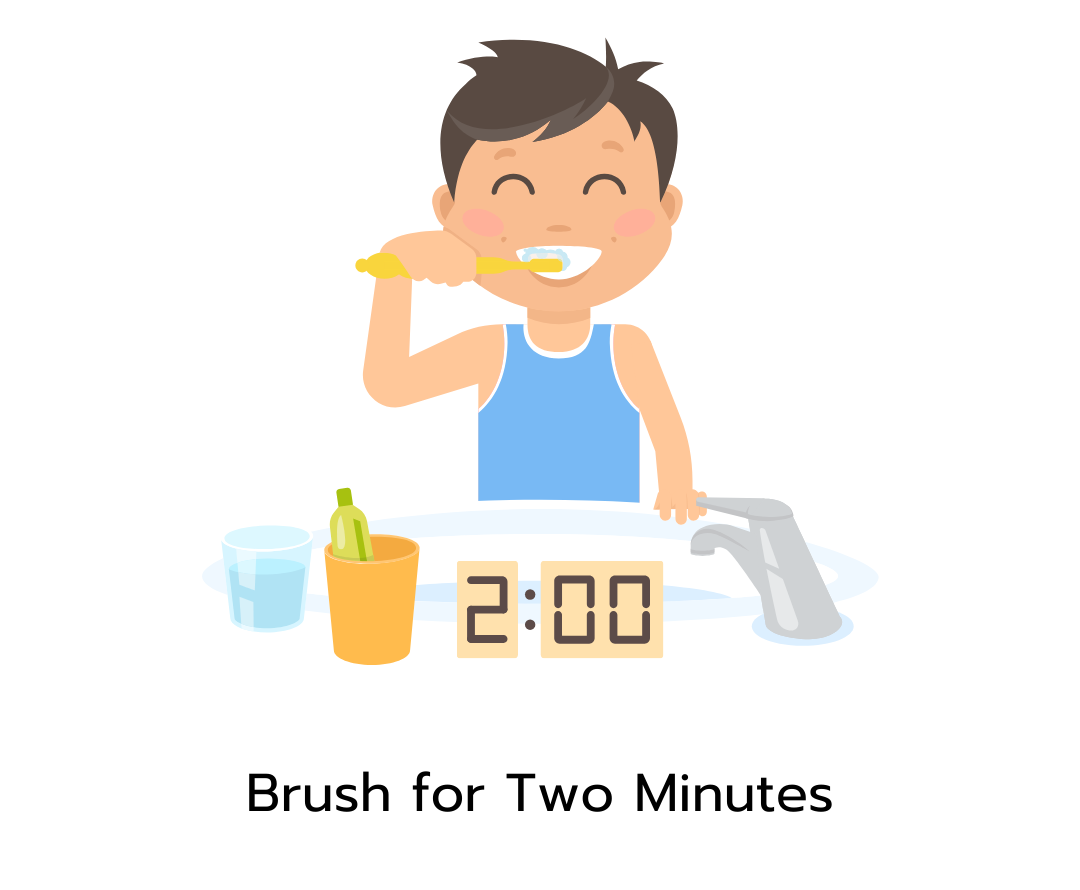
Two minutes gives you enough time to clean every surface without rushing. If you tend to stop early, use a timer, a toothbrush with a built-in timer, or play a two-minute song.
Angle the brush toward the gumline
Hold the brush at about a 45-degree angle where the teeth meet the gums. This targets plaque that collects at the gumline, an area that’s often missed with straight up-and-down brushing.
Use gentle, controlled motions
Move the brush in small circles or short strokes, using light pressure. Scrubbing hard can irritate gums and wear tooth surfaces over time. Cover the outer surfaces, inner surfaces, and chewing surfaces of every tooth.
Don’t skip the back teeth and inside surfaces
Molars and the inner surfaces of the lower front teeth collect plaque quickly. Take your time in these areas and tilt the brush as needed for better contact.
Brush your tongue
Bacteria and debris on the tongue can contribute to bad breath. Brush gently from back to front or use a tongue scraper.
Finish and clean your brush
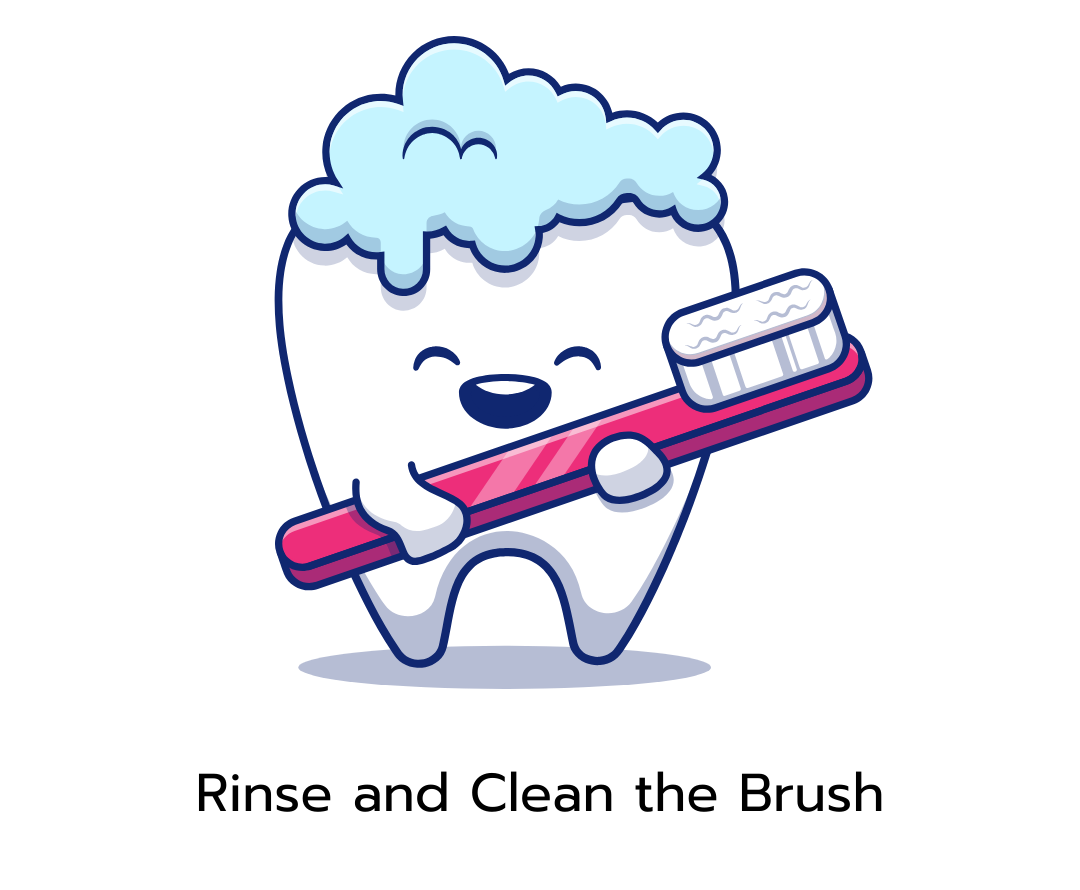
Spit out the toothpaste. If you rinse, use water or an alcohol-free mouthwash. Rinse the toothbrush well, shake off excess water, and store it upright so it can air-dry.
How often should you brush?
Brush twice a day—once in the morning and once before bed. The nighttime brush matters most because it removes the day’s buildup of plaque and food particles. If you snack frequently, rinsing with water after eating can help until you’re able to brush.
How to remove plaque from teeth
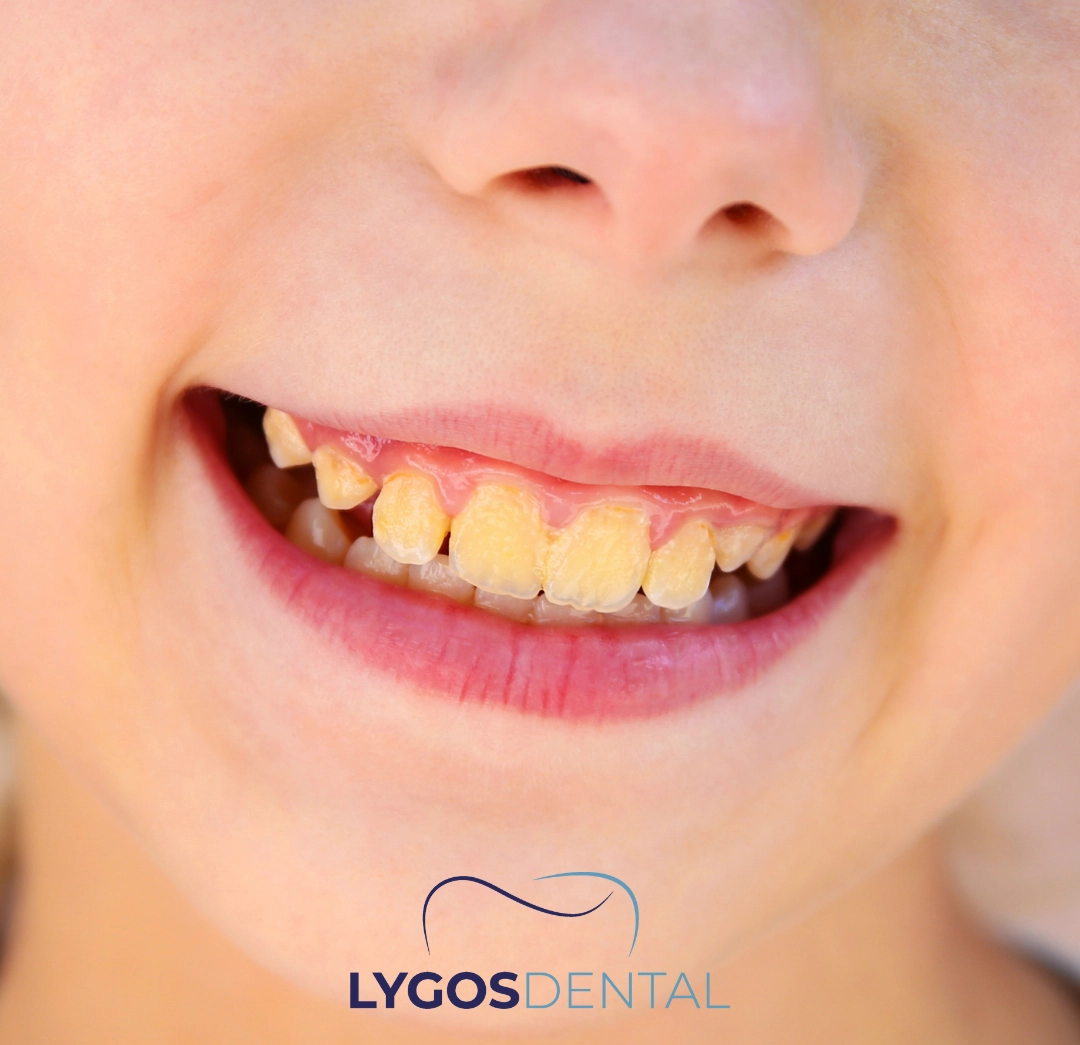
Plaque is a sticky film of bacteria and food debris that forms on teeth every day. Brushing and flossing disrupt plaque before it hardens into tartar. Focus on the gumline and the spaces between teeth, where plaque tends to collect.
Floss once a day, or use interdental brushes if they’re easier for you. An antibacterial mouthwash can support your routine, especially if you’re prone to gum inflammation. Cutting back on frequent sugary snacks also helps because bacteria feed on sugar and produce acids.
How to whiten teeth with baking soda
Baking soda (sodium bicarbonate) can help lift surface stains because it’s mildly abrasive. Used too often or with heavy pressure, it can increase sensitivity and wear enamel.
Steps
- Mix 1 teaspoon of baking soda with 2 teaspoons of water to make a paste.
- Brush gently for about 1 minute, avoiding aggressive scrubbing.
- Rinse well with water.
- Limit use to 2–3 times per week, and keep fluoride toothpaste as your main toothpaste.
If you have crowns, veneers, or significant sensitivity, check with your dentist before using baking soda. Professional whitening options may be a better fit for deeper discoloration.
How to prevent tartar buildup
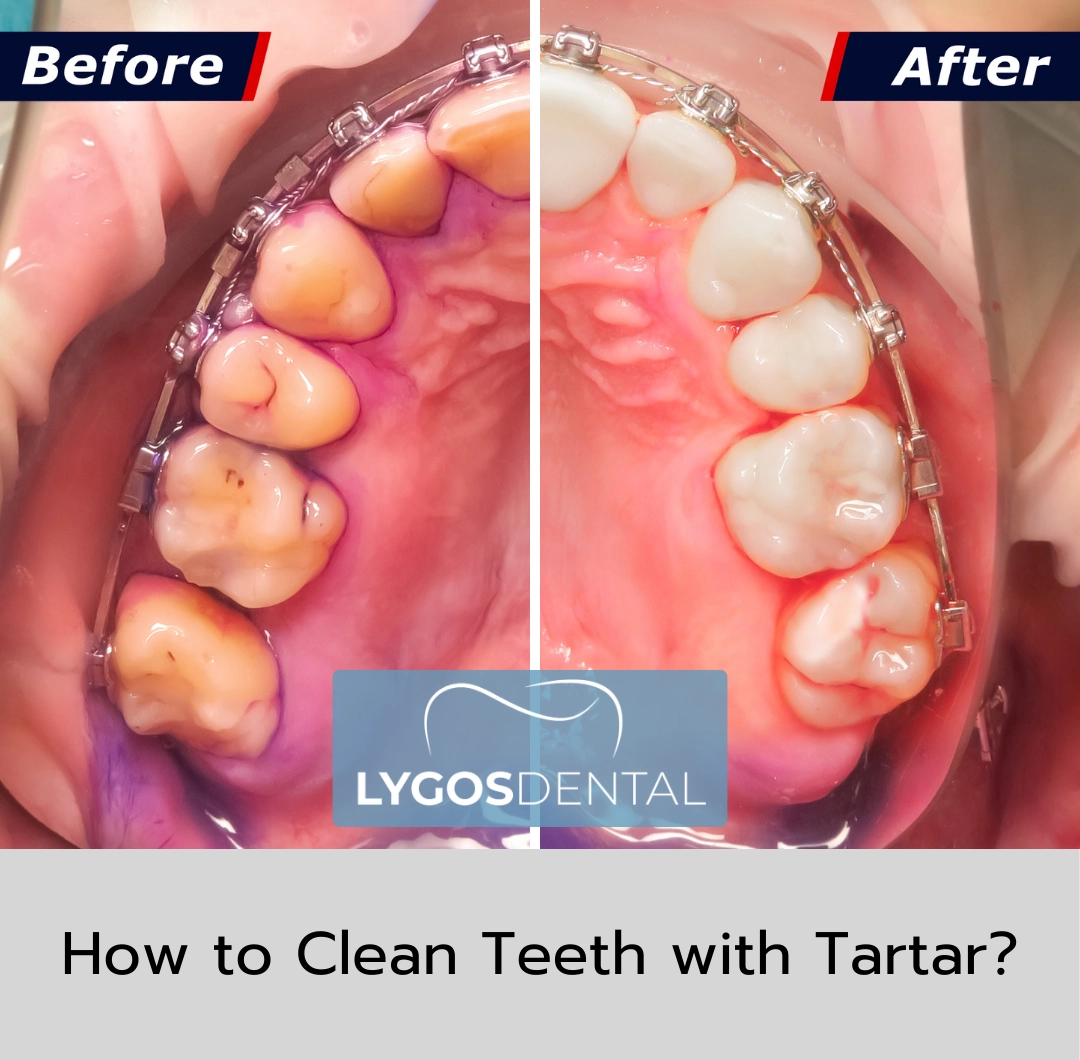
Tartar (calculus) forms when plaque hardens on the teeth and along the gumline. Once tartar forms, it can’t be brushed off at home and usually needs professional cleaning.
To slow tartar buildup, brush twice daily, floss every day, and consider a tartar-control toothpaste if your dentist recommends it. Electric toothbrushes can make it easier to remove plaque consistently, which reduces how much tartar can form over time.
How to brush teeth with braces
Braces create extra surfaces where plaque and food can get trapped. Brushing after meals is ideal, especially if you eat sticky or crunchy foods.
Braces-friendly tips
- Use a soft-bristled or orthodontic toothbrush and angle it above and below the brackets.
- Brush around each bracket and along the gumline, then brush the chewing surfaces.
- Use an interdental brush to clean around wires and tight spaces.
- Floss daily with a floss threader, orthodontic floss, or a water flosser.
- Finish with a fluoride mouthwash if recommended by your orthodontist.
After brushing, look in the mirror for any remaining debris around brackets and between teeth. That quick check prevents missed spots from turning into stains or cavities.
How much does professional teeth cleaning cost?

Cleaning fees vary by country, city, clinic, and the type of cleaning you need. A routine cleaning (often called prophylaxis) is usually less expensive than a deep cleaning used for gum disease. Insurance or dental plans may cover routine cleanings, often on a set schedule each year.
If you’re comparing clinics, ask whether the quote includes an exam, X-rays, polishing, and fluoride treatment. Sticking to daily brushing and flossing helps keep cleanings simpler and reduces the chance you’ll need more complex periodontal care.
When to see a dentist
See a dentist if you have persistent bleeding gums, tooth pain, sensitivity that doesn’t settle, or bad breath that returns quickly after brushing. These can be signs that you need a professional evaluation or a tailored home-care plan.
FAQ
How often should I brush my teeth?
Brush twice a day—once in the morning and once before bed. If you snack often or drink sugary or acidic drinks, rinsing with water afterward can help between brushes.
How long should I brush for?
Aim for two minutes each time. A timer, electric toothbrush timer, or a two-minute song can make it easier to stay consistent.
Is an electric toothbrush better than a manual one?
Both can work well when used correctly. Many people find electric brushes easier for maintaining gentle pressure and steady technique, especially if you tend to rush.
What toothpaste should I use?
Choose a fluoride toothpaste unless your dentist recommends otherwise. If you have sensitivity, look for a toothpaste labeled for sensitive teeth and give it a few weeks of regular use to judge results.
Should I brush my tongue?
Yes—gently brushing your tongue (or using a tongue scraper) can reduce odor-causing bacteria. Keep it light to avoid irritation.
Tooth Erosion (Dental Erosion) | LYGS DENTAL
Tooth Erosion (Dental Erosion)
Tooth erosion is the gradual loss of tooth enamel caused by repeated acid exposure from foods, drinks, stomach reflux, or other sources. As enamel thins, teeth may become sensitive, look more yellow, and chip more easily. Erosion can’t be reversed, but you can slow it with smarter habits, fluoride, and timely dental care.
What Is Tooth Erosion?
Tooth erosion happens when acids dissolve enamel, the hard outer layer that protects your teeth. Unlike tooth decay, which involves bacteria, erosion is a chemical process. Once enamel is lost it does not grow back, so early detection and prevention matter.
Common Causes Of Tooth Erosion
Most cases come from frequent acid contact with the teeth. In many people, more than one factor is involved.
Acidic Foods And Drinks
Acidic items soften enamel on contact. When exposure is frequent or prolonged, enamel wear accelerates.
- Citrus fruits and juices (orange, lemon, grapefruit), especially when sipped slowly or used in water throughout the day.
- Soft drinks, energy drinks, and many flavored sparkling waters.
- Wine and other acidic alcoholic drinks, particularly when consumed regularly.
Gastroesophageal Reflux Disease (GERD)
With reflux, stomach acid can reach the mouth and bathe the teeth. Erosion patterns from reflux often affect the inner (tongue-side) surfaces of upper teeth. If you suspect reflux, managing it can protect both your teeth and your overall health.
Frequent Vomiting
Repeated vomiting exposes teeth to strong stomach acid. This can happen with certain medical conditions, pregnancy-related nausea, or eating disorders. If this applies to you, getting medical support is important, and a dentist can help reduce further enamel loss.
Dry Mouth Or Reduced Saliva Flow (Xerostomia)
Saliva helps neutralize acids and supports natural remineralization. When saliva is reduced, acids stay on the teeth longer and enamel is more likely to soften and wear.
Environmental Factors
Frequent swimming in poorly balanced chlorinated pools can contribute to erosion if the water is too acidic. Some jobs with airborne acids can also raise risk.
Medications
Some medicines can reduce saliva flow or increase mouth acidity. If you notice dry mouth or new sensitivity after starting a medication, mention it to your dentist and prescribing clinician.
Symptoms And Early Signs

Erosion often starts quietly. Catching it early can prevent more extensive damage.
- Sensitivity to cold, hot, or sweet foods and drinks.
- Teeth that look dull, more yellow, or less bright as underlying dentin shows through.
- Smooth, rounded edges or slight changes in tooth shape.
- Chips, small cracks, or thin, translucent tips on front teeth.
- Unusually shiny areas on the tooth surface.
Stages Of Tooth Enamel Erosion
Dentists may describe erosion in stages based on how much enamel has been lost.
Initial stage: Mild softening and thinning of enamel. Sensitivity may begin, but changes can be subtle.
Moderate stage: More noticeable sensitivity and color changes. Edges may start to look rounded or worn.
Severe stage: Significant enamel loss with dentin exposure. Teeth are more likely to chip, crack, or develop restorations-related needs.
How To Prevent Tooth Erosion
The goal is to reduce acid contact, help enamel re-harden, and strengthen teeth with fluoride and good habits.
Change How You Consume Acidic Items
- Limit how often you sip acidic drinks. Frequency matters as much as quantity.
- Use a straw for acidic beverages to reduce contact with teeth.
- Have acidic foods and drinks with meals rather than between meals.
- Finish with water to rinse acids away.
Avoid Brushing Immediately After Acid Exposure
After acidic foods or drinks, enamel is temporarily softened. Rinse with water and wait about 30 minutes before brushing so saliva can help the surface re-harden.
Use Fluoride And Gentle Brushing
- Brush twice daily with fluoride toothpaste and a soft-bristled toothbrush.
- Avoid aggressive scrubbing and abrasive whitening pastes if you already have erosion.
- Ask your dentist if you would benefit from a higher-fluoride toothpaste or professional fluoride varnish.
Support Saliva
- Sip water regularly throughout the day.
- Chew sugar-free gum to stimulate saliva after meals.
- If you have persistent dry mouth, ask about saliva substitutes or medication adjustments where appropriate.
Treatment Options
Treatment depends on severity and the cause. Your dentist may recommend one or more of the following:
- Fluoride varnish or prescription-strength fluoride to reduce sensitivity and strengthen remaining enamel.
- Dental bonding to cover worn areas and restore shape.
- Veneers or crowns for advanced erosion where tooth structure needs protection and reinforcement.
- A night guard if erosion is combined with heavy tooth wear from grinding.
- Medical management of underlying causes such as reflux, when relevant.
When To See A Dentist
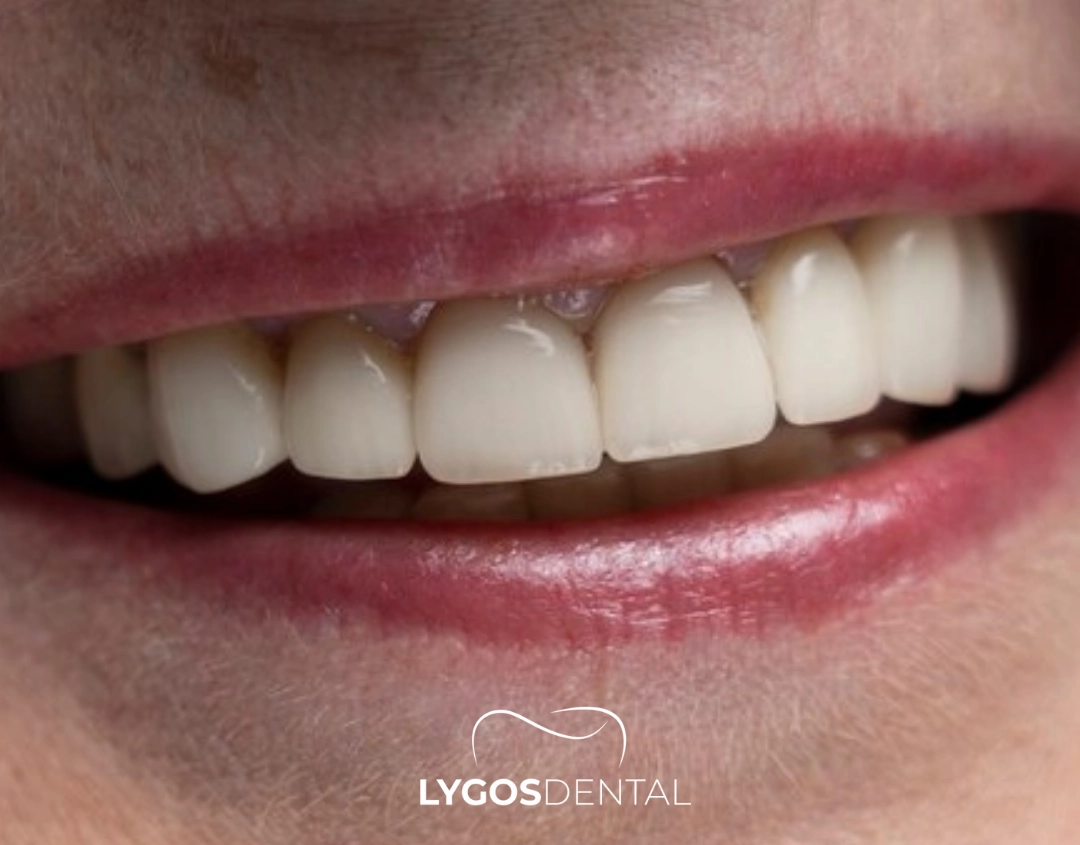
Book an exam if you notice new sensitivity, visible yellowing, chips, or changes in tooth shape. If you regularly experience heartburn, reflux, or frequent vomiting, let your dentist know—addressing the root cause can prevent ongoing damage.
FAQs
Is tooth erosion the same as tooth decay?
No. Decay is driven by bacteria and sugars; erosion is enamel loss caused by acids. A person can have both at the same time.
Can enamel grow back?
Lost enamel does not regenerate. Early erosion can sometimes be stabilized, and weakened areas can be strengthened with fluoride and careful habits.
Is lemon water bad for teeth?
Lemon is highly acidic. If you drink it, keep it to mealtimes, use a straw, and rinse with plain water afterward.