
Apr 9, 2025
Dental Cleaning Cost Without Insurance
Maintaining oral health is crucial for overall well-being, but the dental cleaning cost without insurance can…
Tooth loss can make people feel self‑conscious about smiling, speaking, and being seen, which may lead to avoidance and social anxiety. Confidence often improves when the cause is addressed—through a dental plan that restores function and appearance, plus emotional support if needed. With the right steps, most people return to normal social and professional life.
Missing teeth can change how you see yourself. People often report embarrassment, shame, or a sense of loss because their smile no longer matches their identity. If front teeth are involved, everyday moments—laughing, talking, even ordering coffee—can start to feel stressful.
For some, tooth loss also brings worries about aging or health, especially when it happens earlier than expected. Those thoughts can spiral into low mood, withdrawal, or reluctance to meet new people. If these feelings persist or interfere with daily life, professional support can help.
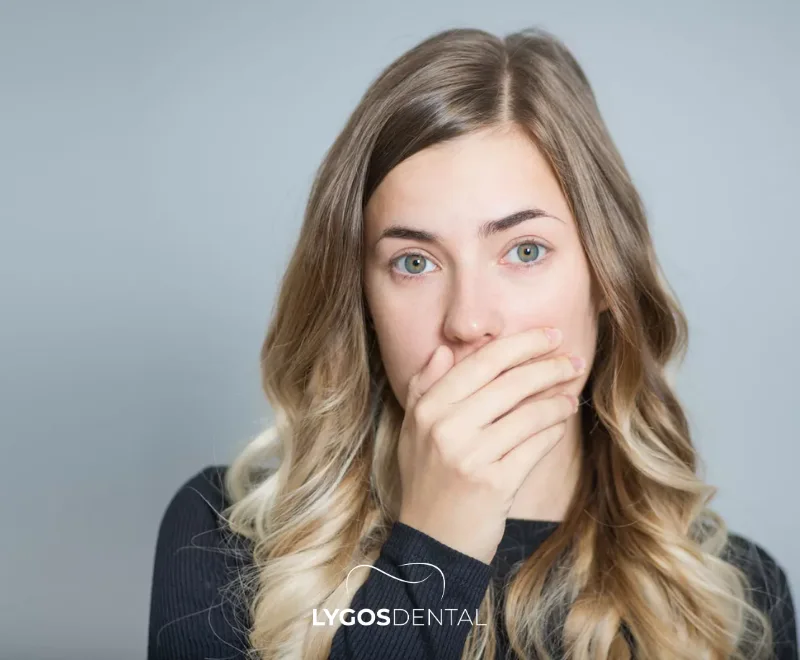
Confidence changes look different for everyone, but these patterns are common after losing teeth:
If you recognize several of these signs, it may help to name the problem clearly: you are reacting to a real change in comfort, function, and appearance. That means there are practical solutions.
Tooth loss is not only cosmetic. It can affect speech clarity, chewing, and breath, which may increase self‑monitoring during conversations. Many people become preoccupied with the idea that others are staring or judging, even when that isn’t happening.
This type of anxiety can show up at work, in close relationships, and in new social settings. Over time, avoidance can shrink your social circle and reinforce the fear. Addressing both the dental cause and the emotional response tends to work best.

Try to treat tooth loss as a health issue with options, not a personal failure. Reframing reduces shame and makes it easier to take action. A plan, even a simple one, often brings immediate relief.
A dentist can explain what caused the tooth loss and what can be done next. Early advice helps prevent shifting teeth, bite changes, and further complications. It also replaces uncertainty with clear choices and timelines.
If your self‑esteem has dropped sharply, speaking with a therapist can help you challenge harsh self‑talk and reduce avoidance behaviors. Simple strategies—breathing techniques, exposure steps, and confidence scripts for conversations—can make social situations feel manageable again.
It’s tempting to disappear until everything is “fixed,” but isolation usually makes anxiety worse. Choose low‑pressure meetups with trusted people first, then build up from there. Small wins matter.
Posture, eye contact, and steady speech can signal confidence even when you feel unsure. Some people also find it helpful to focus on fitness, hobbies, or skills that reinforce a positive self‑image. The goal is to keep your sense of identity bigger than your smile.
Modern dentistry offers several ways to replace missing teeth. The right option depends on the number of missing teeth, gum health, jawbone support, budget, and personal preferences.
Implants replace the tooth root and are designed to feel stable during eating and speaking. They can be used for single teeth, multiple teeth, or full‑arch restorations, depending on your case. Your dentist will check bone levels and overall health to confirm suitability.
A bridge fills the gap by anchoring to neighboring teeth or implants. It can be a strong choice when adjacent teeth already need crowns, or when implants aren’t suitable. Good hygiene is important to protect the supporting teeth and gums.
Removable dentures can replace several teeth or a full arch and are often a cost‑effective solution. Fit and comfort vary, and adjustments may be needed as your mouth changes. Some people choose implant‑supported dentures for extra stability.
For visible areas, zirconia and other modern materials can create natural‑looking results. These restorations may be part of a broader plan that includes implants or bridges. A shade match and bite check are key to a comfortable, lifelike outcome.
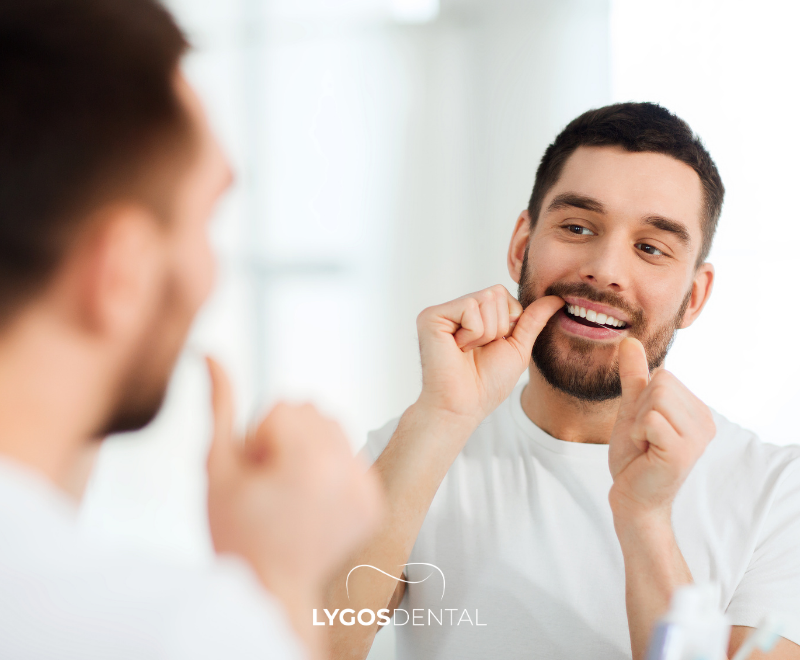
Preventing further problems protects both your health and your confidence. These habits make a measurable difference:
Consider extra support if you avoid work, dating, or social situations because of your teeth, or if you notice ongoing low mood, sleep changes, or persistent worry. A dentist can handle the functional side, while a mental health professional can help with social anxiety and self‑image. Many people benefit from addressing both at the same time.
Yes. Changes in appearance, speech, and chewing can make people feel exposed or judged. That can lead to avoiding smiles, photos, and conversations, which reinforces low confidence.
Start with a dental assessment so you understand your options. Then focus on small, consistent steps: stay socially connected, practice calm breathing in stressful moments, and consider counseling if anxiety or shame is taking over.
For most people, confidence improves once function and appearance are restored. Feeling comfortable speaking and smiling again often reduces self‑consciousness quickly, especially when paired with supportive habits.
People may hold back in meetings, avoid interviews, or feel hesitant when meeting someone new. Restoring your bite and addressing anxiety early helps prevent those patterns from becoming long‑term.
