
May 27, 2025
How Do Gum Diseases Affect Heart Health?
So, how do gum diseases affect heart health? Let’s explore this question from every angle..
Cracked tooth syndrome is a small fracture in a tooth that can trigger sharp pain when you bite, especially on release, along with hot/cold sensitivity. Cracks are often hard to spot on X-rays, so diagnosis relies on a careful dental exam. Treatment ranges from bonding or crowns to root canal therapy, depending on depth.
Cracked tooth syndrome refers to a crack in the enamel and/or dentin that causes pain or sensitivity but may not be visible to the naked eye. Because the crack can open slightly under pressure, you may feel a sharp, fleeting pain while chewing and then feel fine once the pressure is released.
People often struggle to identify which tooth is responsible, and the symptoms can come and go. Early assessment matters because a small crack can deepen over time and reach the tooth’s nerve (pulp), making treatment more complex.

Cracks can develop from repeated stress on the tooth or from a single traumatic event. Common triggers include:
Symptoms can be intermittent, which is why this condition is sometimes missed at first. The most common signs include:
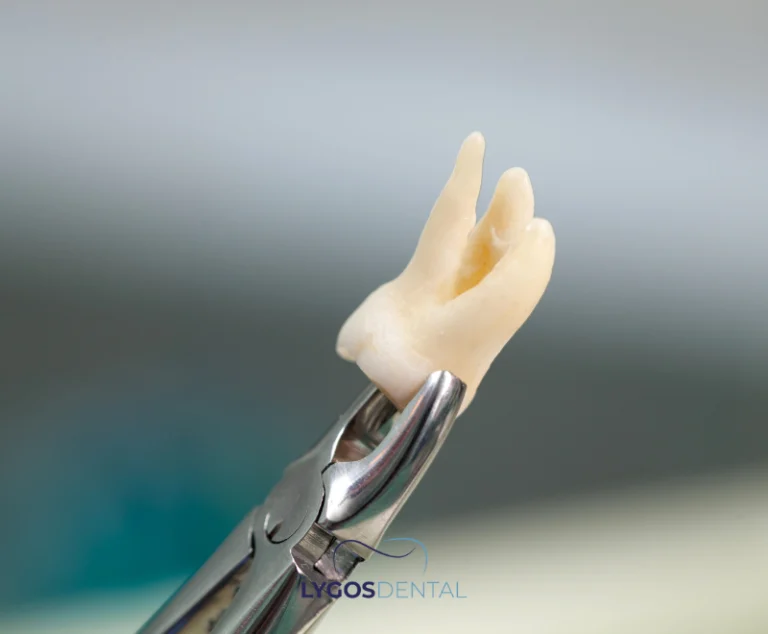
A dental exam is essential because fine cracks may not appear on standard X-rays. Your dentist may use a bite test, special lighting (transillumination), staining, magnification, or periodontal probing to locate the crack and assess its depth.
If symptoms suggest the crack may extend deeper, additional imaging may be recommended to evaluate the tooth and surrounding bone. Diagnosis also includes ruling out other causes of bite pain, such as high fillings, gum inflammation, or tooth decay.
Treatment depends on where the crack sits, how deep it is, and whether the tooth’s nerve is affected. Your dentist will recommend the least invasive option that protects the tooth and prevents the crack from spreading.
You can’t prevent every crack, but these habits can lower your risk:
Leaving a crack untreated increases the chance it will spread. Possible outcomes include:
Book an appointment if you notice sharp pain on biting, recurring sensitivity to temperature or sweets, or pain that comes and goes. These symptoms can overlap with other conditions, so an exam is the safest way to identify the cause and protect the tooth.
Crown/onlay to splint; bond minor cracks; root canal if pulp involvement.
Cracked teeth can’t be repaired naturally; only temporary protection and prompt dental care help.
Crack flexing irritates dentin/pulp, causing sharp bite pain and cold sensitivity.
Pain on biting/release, cold sensitivity, sometimes sweet sensitivity; vitality tests usually positive.
Yes—treat as urgent; early evaluation prevents crack propagation, infection, and tooth loss.
Only if the crack inflames/infects pulp; otherwise crown/onlay or bonding may suffice.
Bite test, transillumination, probing, and vitality tests; X-rays often miss cracks.
Vitamin D deficiency can weaken mineralization; vitamin A deficiency is also linked to brittleness.

So, how do gum diseases affect heart health? Let’s explore this question from every angle..
 Blog
Blog
Gwen Stefani, a name synonymous with iconic music and bold fashion, has also become a topic…
This condition is commonly referred to as “tetracycline tooth stain.” So, what is a tetracycline tooth…