
May 20, 2025
Braces for Adults
In this article, we answer the most frequently asked questions about braces for adults and adult…
Baby teeth help children chew comfortably, speak clearly, and guide adult teeth into the right position. Cavities in primary teeth can cause pain, infections, and missed school days, and may also affect eating and sleep. Early routines make brushing and dental visits feel normal, so kids are less likely to resist care later.
Oral care starts at birth. Before teeth erupt, gently wipe your baby’s gums once a day with a clean, damp cloth.
When the first tooth appears (often around 6 months), brush twice daily with a soft, age-appropriate toothbrush. Use a tiny smear of fluoride toothpaste—about the size of a grain of rice—until age 3.
From ages 3 to 6, increase to a pea-sized amount of fluoride toothpaste. Supervise brushing and help your child spit out toothpaste; young kids don’t have the coordination to brush well on their own.
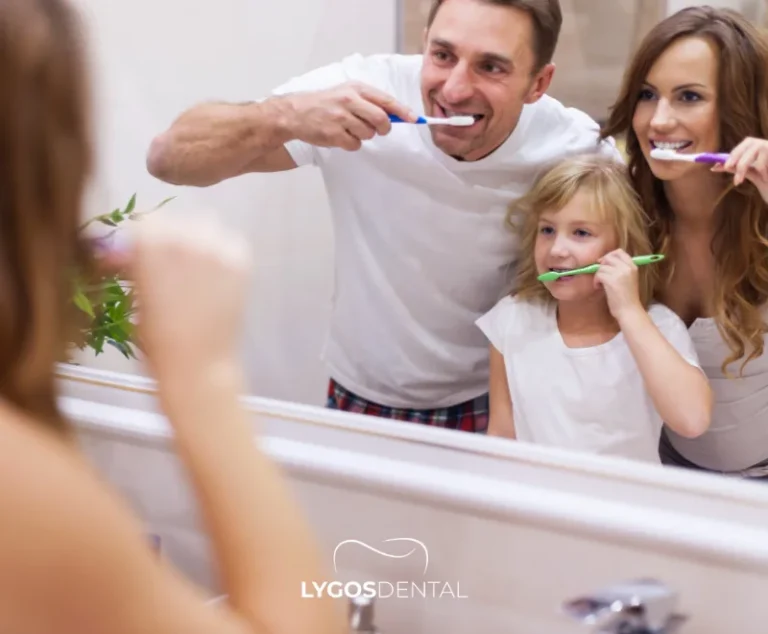
Kids learn routines faster when brushing feels predictable and positive. Aim for two minutes, twice a day, and keep the tone calm even if it takes time to cooperate.
If your child fights brushing, start small and build up. Even 30 seconds twice a day is a useful first step while you work toward the full two minutes.
The best products are the ones your child will actually use. Look for a comfortable handle, a small brush head, and soft bristles.
Plan the first dental visit by your child’s first birthday or within six months of the first tooth erupting. This early appointment is usually quick and focuses on prevention, not procedures.
Your dentist will check growth and bite development, look for early signs of decay, and review feeding, brushing, and fluoride needs. Regular checkups are typically recommended every six months, unless your dentist suggests a different schedule based on risk.
Even with good routines, some children are more prone to dental issues due to diet, enamel strength, crowding, or dry mouth. Spotting problems early keeps treatment simpler and reduces discomfort.
Cavities form when bacteria feed on sugars and produce acids that weaken enamel.
Prevention Tips:
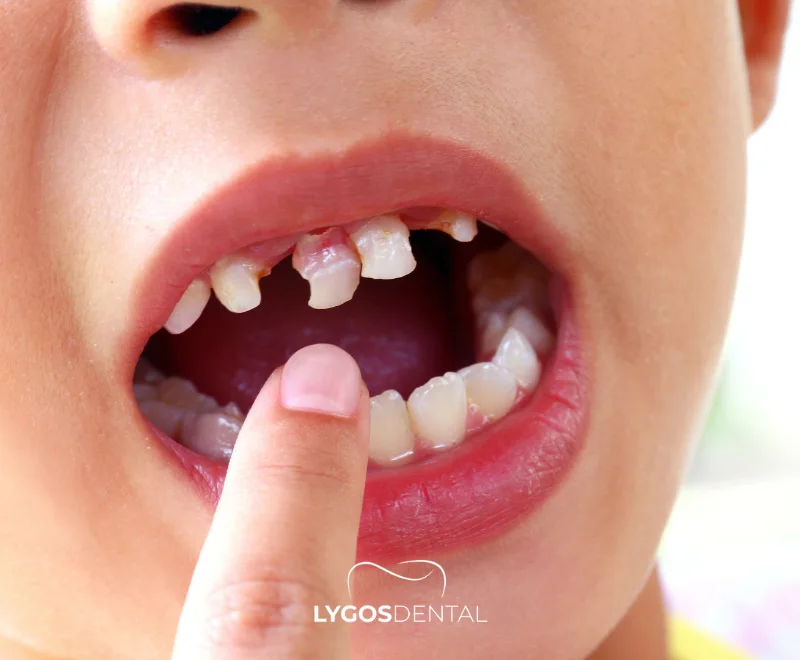
Losing baby teeth too early can affect spacing and how adult teeth come in.
Prevention Tips:
Red, swollen, or bleeding gums can be a sign that plaque is building up along the gumline.
Prevention Tips:
Non-nutritive sucking is common in infants, but long-term habits can affect bite alignment.
Prevention Tips:
Start oral care at birth by wiping gums daily. Begin brushing as soon as the first tooth erupts, usually around 6 months.
Book the first visit by age 1, or within six months after the first tooth comes in. Early visits help prevent cavities and build comfort with the dental office.
Use fluoride toothpaste as soon as teeth erupt: a rice-grain smear until age 3, then a pea-sized amount from ages 3 to 6. Your dentist can recommend the right fluoride level if your child is at higher cavity risk.
Keep it routine and low-pressure. Use a timer or song, let your child choose a toothbrush, and brush together. If sensitivity or pain is the issue, schedule a dental checkup to rule out cavities or gum irritation.
