Save the crown, rinse it gently, and book a dental appointment as soon as you can. Keep the exposed tooth clean and avoid chewing on that side. If the crown fits, you may use over-the-counter temporary dental cement for short-term protection. Skip household glues, and seek urgent care for swelling, severe pain, or fever.
First, Check For Urgent Problems
A lost crown is usually fixable, but some symptoms should be treated as urgent. Contact an emergency dentist (or urgent dental service) if you notice any of the following:
Facial swelling, a pimple-like bump on the gum, or pus
Severe, worsening toothache that doesn’t settle with typical pain relief
Fever, feeling unwell, or swollen lymph nodes
Bleeding that won’t stop, or the crown came off after a significant injury
Trouble swallowing or breathing (call emergency services)
Table of Contents
Step-By-Step: What To Do When A Crown Comes Off
Most of the time, your goal is simple: protect the tooth and keep the crown safe so your dentist can assess it.
Find the crown and store it safely.
Place it in a small container or tissue so it doesn’t get lost. Try not to swallow it if it came loose while eating.
Rinse your mouth and the crown.
Use lukewarm water. Avoid scrubbing the crown aggressively—just remove obvious debris.
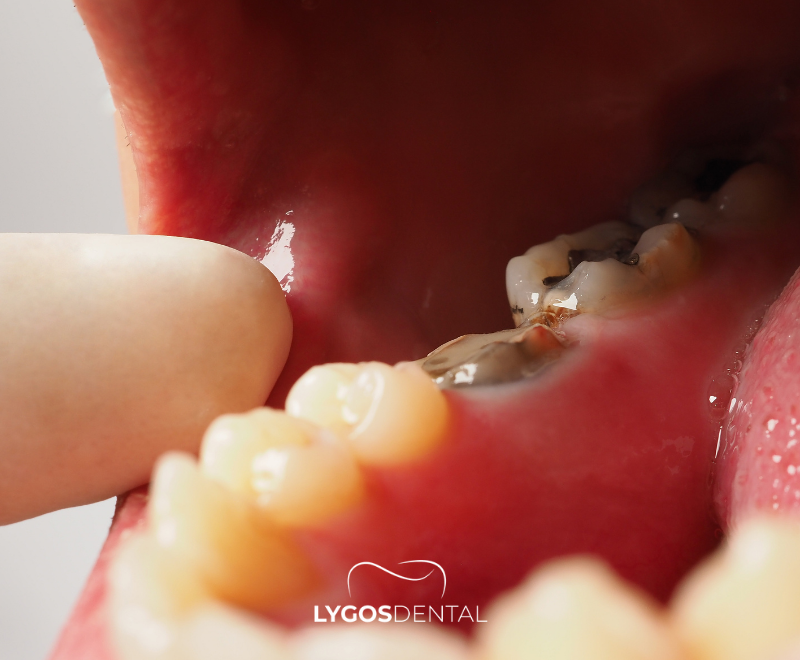
Look at the tooth and the crown.
If you see a broken piece of tooth, sharp edges, or the crown is cracked, don’t try to force it back on.
Protect the area.
If the tooth feels sharp, cover the edge with orthodontic wax (or sugar-free chewing gum as a very short-term option).
Call your dentist and arrange the soonest appointment.
A crown can sometimes be re-cemented, but the tooth may need treatment first if there’s decay or damage underneath.
Can I Put The Crown Back On At Home?
You can sometimes place a crown back temporarily, but it’s not a permanent repair. The safest at-home option is an over-the-counter temporary dental cement or an emergency dental repair kit from a pharmacy.
How To Do A Temporary Refit Safely
Wash your hands, then gently dry the tooth and the inside of the crown with clean tissue.
Apply a small amount of temporary dental cement inside the crown (a thin layer is usually enough).
Seat the crown carefully in the right direction. Bite down gently to help it settle.
Wipe away any excess material and avoid eating on that side.
See a dentist as soon as possible, even if it feels fine.
What To Avoid
Do not use superglue or household adhesives. They can irritate tissue and make professional re-cementing harder.
Do not force the crown into place if it doesn’t seat easily.
Do not ignore the problem for days. Teeth can shift and the exposed tooth can decay quickly.
Why Dental Crowns Come Loose
Crowns can last many years, but they can still come off. Common causes include:
Biting something hard, sticky foods, or clenching and grinding
A crown that no longer fits as the tooth or gum line changes
What Your Dentist Will Do
Your dentist will check both the crown and the tooth to decide whether the same crown can be reused. If everything is intact, they may clean the crown, remove old cement, and re-cement it.
If there is decay, a crack, or not enough healthy tooth structure to hold the crown, you may need treatment first. That could mean a new filling/core build-up, root canal treatment, or a replacement crown.
How To Protect The Tooth Until Your Appointment
An uncovered tooth can feel sensitive to cold, heat, and sweet foods. These tips help you stay comfortable and reduce risk until you’re seen:
Chew on the other side and avoid hard or sticky foods.
Brush gently around the area and keep flossing, but slide floss out rather than snapping it up.
If the tooth is sensitive, use toothpaste for sensitive teeth. You can dab a small amount directly onto the tooth and leave it for a few minutes.
Use pain relief only as directed on the label, and avoid placing aspirin directly on the gum or tooth.
How To Prevent A Crown From Falling Off Again
Once your dentist has fixed the cause, a few habits can help your crown stay put longer:
Avoid crunching ice and hard sweets, and be careful with sticky candies.
If you grind your teeth, ask about a night guard.
Keep up with routine checkups so early decay around the crown can be caught.
Maintain daily brushing and interdental cleaning to reduce plaque at the crown edges.
FAQ
Is it common for dental crowns to fall off?
Yes, crowns sometimes fall off, especially if cement fails or tooth decays.
How long can you go without a crown that fell out?
A few days at most; see a dentist promptly and protect the tooth.
Can you put a crown back in after it falls out?
Yes, if the crown is intact, a dentist can usually recement it.
Can I still eat if my crown falls out?
Yes, eat soft foods and avoid chewing on that side.
What will a dentist do if a crown falls off?
A dentist will assess damage, clean surfaces, and recement or replace the crown.
What is the average lifespan of a dental crown?
About 10–15 years on average, though some last longer with good care.



 Blog
Blog