
Sep 2, 2025
Is It Safe to Get Dental Implants in Turkey? | LYGOS DENTAL
But the frequently asked question is: Is it safe to get dental implants in Turkey? In…
Dental implants are usually postponed during pregnancy because the procedure is elective and may require surgery, imaging, and medications. When dental care is needed, most routine treatments—including local anesthesia and dental X‑rays with proper precautions—are considered safe. If you have pain, infection, or a broken tooth, your dentist can offer pregnancy‑friendly options until implant placement after delivery.
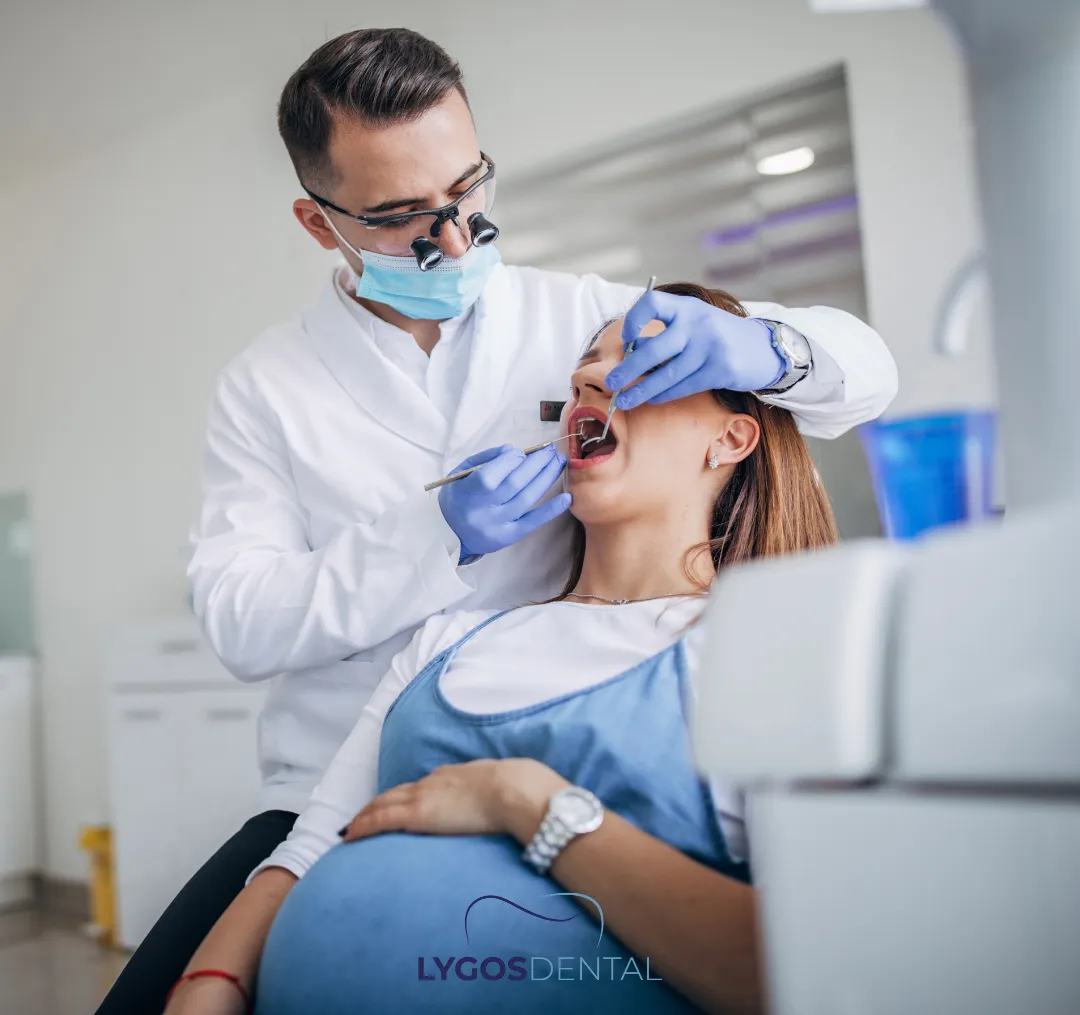
In most cases, dentists recommend waiting until after pregnancy to place dental implants. Implant placement is typically elective, involves a surgical appointment, and may require follow‑up visits and medications during healing.
That said, dental problems do not pause for pregnancy. If you have severe pain, swelling, trauma, or a spreading infection, your dentist and obstetric team can weigh the benefits and risks of treatment and choose the safest plan for you and your baby.
The main reason is predictability. Implant success depends on stable healing of bone and gum tissue. Pregnancy can bring changes—like gum inflammation and nausea—that make surgery and recovery harder to manage.
Another factor is medication planning. Implant surgery sometimes involves antibiotics and stronger pain relief. Your dental team can prescribe pregnancy‑appropriate options when needed, but avoiding elective surgery reduces the need for medications in the first place.
Modern dental X‑rays use very low radiation. When imaging is clinically necessary, professional guidelines note that dental radiographs and local anesthetics can be used safely during pregnancy with standard precautions.
If you are pregnant, tell your dentist as early as possible. They can limit imaging to what is necessary, use appropriate shielding when indicated, and choose medications that fit your trimester and health history.
When dental treatment cannot wait, timing and comfort matter. Your dentist may coordinate with your obstetric provider to plan care that keeps you stable and comfortable.
The first trimester is a sensitive period for fetal development. Many clinicians prefer to avoid elective procedures during this time and focus on urgent care only, such as managing pain or infection.
The second trimester is often the most comfortable window for necessary dental treatment because nausea is usually improved and positioning is easier. Even so, implants are still commonly deferred unless there is a strong medical reason.
Long appointments can be uncomfortable late in pregnancy. Lying flat may cause dizziness in some people, and stress can be harder to tolerate. If treatment is urgent, dentists can use shorter visits and adjust chair positioning to keep you comfortable.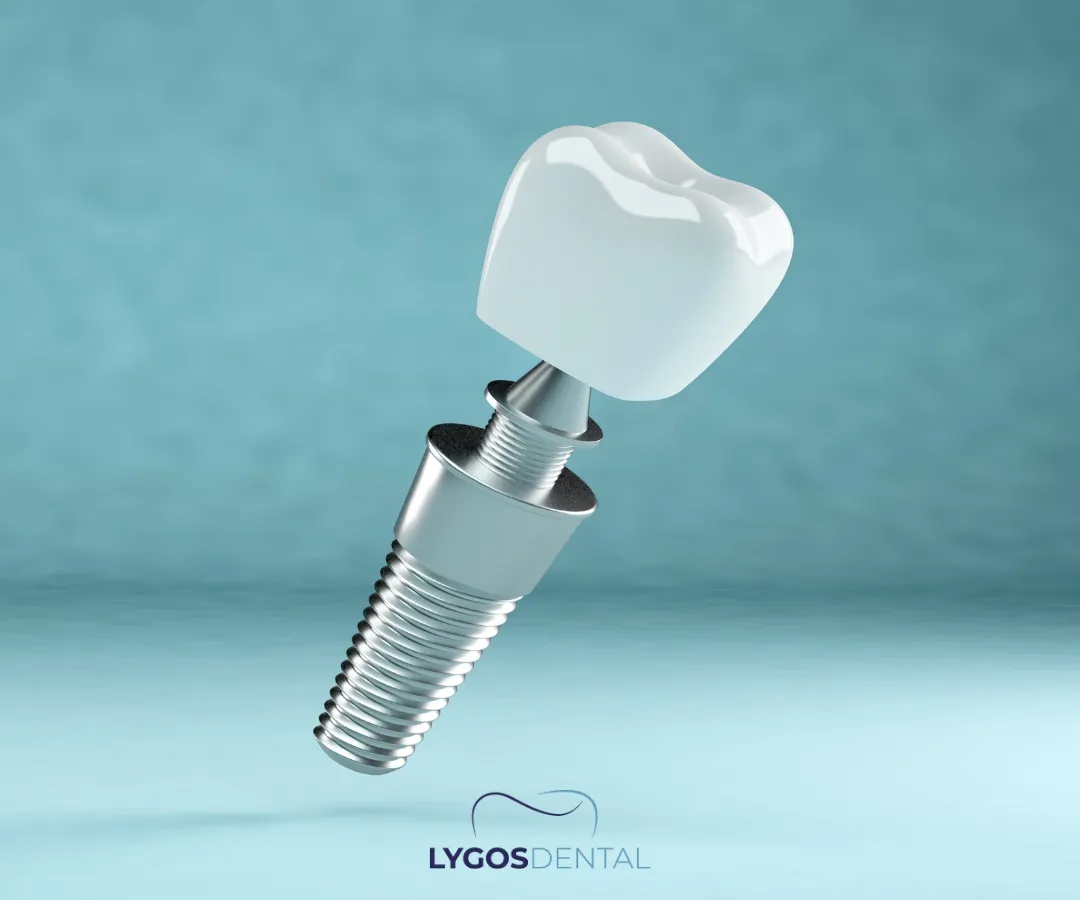
If you need to function comfortably while you wait, your dentist can recommend temporary or non‑surgical options that protect the area and improve chewing and appearance.
Common alternatives include:
Healthy gums and stable teeth make implant planning easier after delivery. These habits also reduce the chance of infection or flare‑ups while you’re pregnant.
Focus on the basics:
Hormonal shifts can increase gum sensitivity to plaque, which is why pregnancy gingivitis—swollen or bleeding gums—is common. Early treatment and good home care usually keep it under control.
More advanced periodontal disease can affect the tissues and bone that support teeth. Research has found an association between periodontal disease and adverse pregnancy outcomes, although studies vary. Either way, treating gum disease is good for your oral health and can reduce inflammation and discomfort.
A simple way to decide is urgency. Elective care can be safely planned for after delivery, while necessary care prevents bigger problems.
Implant placement, cosmetic whitening, and non‑urgent aesthetic work.
Treatment for infection, uncontrolled pain, abscess drainage, root canal therapy when indicated, and repairs that prevent a tooth from worsening.
Yes. A consultation and non‑invasive planning can be helpful, especially if you want implants soon after delivery. Your dentist can decide what imaging is appropriate now versus later.
Most existing implants remain stable. The bigger issue is gum inflammation around teeth and implants. Keep up with cleanings and call your dentist if you notice bleeding, swelling, or pain.
Don’t wait. Dental infections can worsen quickly and may affect overall health. Your dentist can treat the infection using pregnancy‑appropriate approaches and medications.
Dental care is part of prenatal health. Routine treatment and necessary procedures are generally manageable during pregnancy, but dental implants are usually best scheduled after delivery for simpler healing and fewer medications.
If you are considering implants, ask your dentist to coordinate with your obstetric provider so you have a clear plan for symptom control now and implant timing later.
