
Dec 5, 2024
Full Mouth Dental Implants Turkey Package Prices
Full Mouth Dental Implants In Turkey Package Prices Full mouth dental implants in Turkey are commonly…
Dental implants replace a missing tooth with a titanium post placed in the jawbone and a crown on top, while a dental bridge fills the gap by anchoring a false tooth to the neighboring teeth. Implants usually last longer and help preserve bone, but they take more time and cost more upfront than bridges.
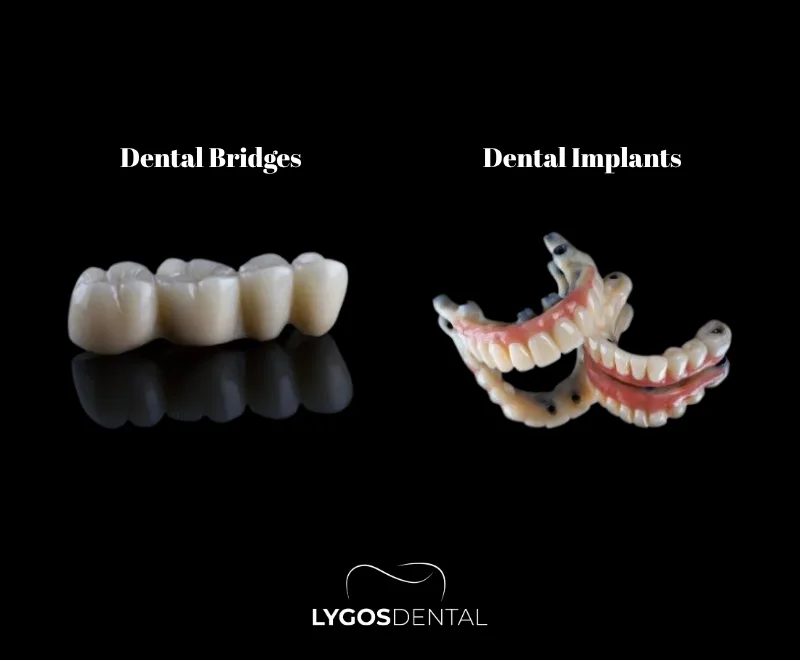
A dental implant is a screw-shaped post made from titanium or another biocompatible material that is placed into the jawbone to act like a tooth root. After healing, a crown (often porcelain or zirconia) is attached to restore the look and function of a natural tooth.
A dental bridge is a fixed prosthesis that replaces one or more missing teeth by using the teeth next to the gap for support. Those neighboring teeth are shaped to hold crowns, and the replacement tooth (pontic) is connected between them.
Implant treatment involves a minor surgical procedure to place the implant into the jawbone. The implant then needs time to bond with the bone (osseointegration), which commonly takes several months. Once the site is stable, the dentist fits the final crown onto the implant.
For a dental bridge, the dentist prepares the teeth on either side of the missing tooth and takes impressions or digital scans. A dental lab fabricates the bridge, and the dentist bonds it in place at a follow-up visit. Because there is no implant surgery, treatment is typically completed faster.
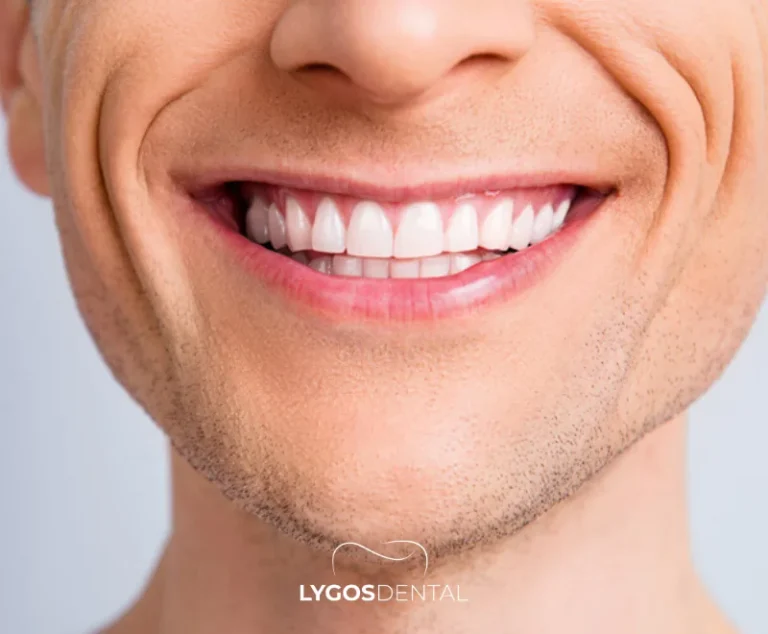
With implants, the overall timeline depends on healing and bone integration, so treatment may take several months from start to final crown. Mild swelling or discomfort can occur after placement, and following aftercare instructions helps reduce complications.
With bridges, most patients return to normal routines quickly because there is no surgical site to heal. Some temporary sensitivity can happen after tooth preparation, especially if the prepared teeth were already sensitive.
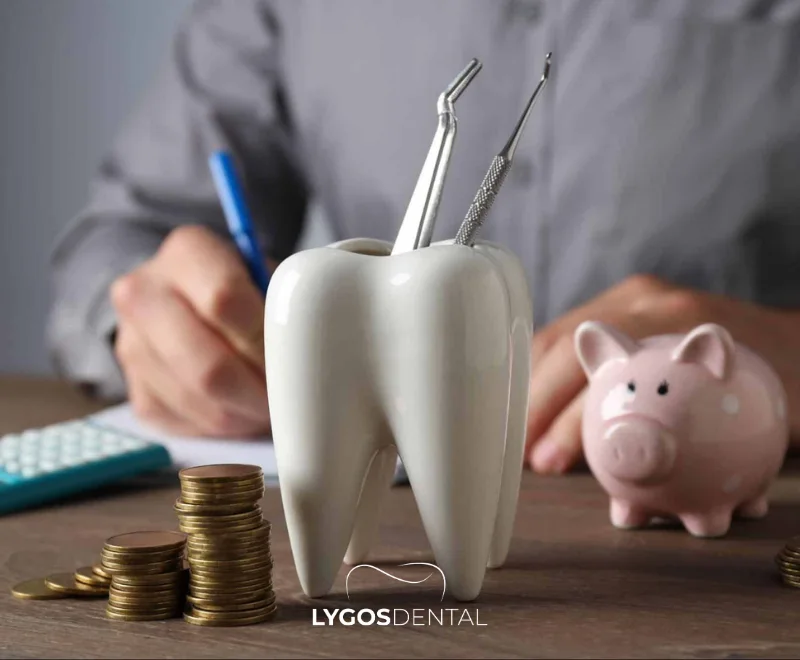
Implants are usually more expensive upfront because they involve surgical placement, components, and a longer clinical process. Bridges can be more economical at the start, particularly when multiple adjacent teeth are being replaced.
Over the long term, value depends on maintenance, gum health, bite forces, and whether the restoration needs to be replaced. A dentist can explain expected lifespan and maintenance costs for your specific case.
Implants may be preferred when you want to avoid involving the neighboring teeth and you have enough bone support for predictable placement. Bridges may be considered when you need a quicker fixed option, when implant surgery is not suitable, or when adjacent teeth already need crowns.
The best choice depends on medical history, smoking habits, bone quality, gum health, and your budget. A clinical exam and imaging are essential before deciding.
Brush twice daily with a soft toothbrush and use interdental cleaning (floss, floss threaders, or interdental brushes) as advised by your dentist. Professional cleanings and routine check-ups help detect early issues such as gum inflammation, bite changes, or decay around bridge margins.
If you grind your teeth, ask about a night guard. Avoid using your teeth as tools and be cautious with very hard foods, especially during the first weeks after treatment.
Often yes; implants spare adjacent teeth and bone, but bridges can be suitable.
Usually an implant costs more upfront than a bridge.
Yes; abutment teeth can decay at the margins if hygiene is poor.
Brush twice daily for two minutes, and visit a dentist twice yearly.
Consider an implant, removable partial denture, resin-bonded bridge, or orthodontic space closure.
