
Dec 27, 2025
Tooth Whitening: What We Now Know
So, how does tooth loss affect speech? In this article, we will examine in detail the…
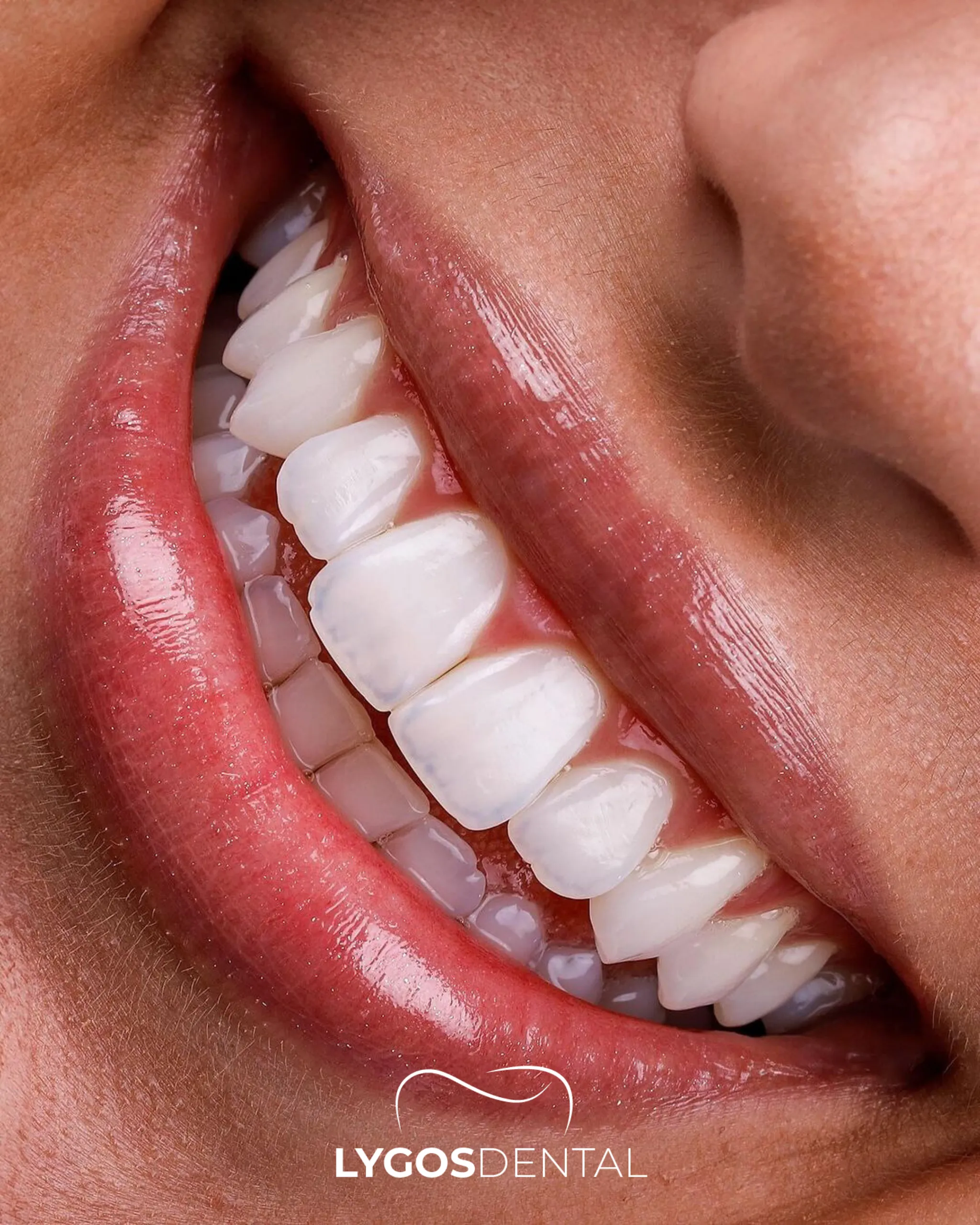
Digital Smile Design (DSD) is a planning approach in cosmetic dentistry that uses photos, videos, and digital scans to map a smile that fits your face. Before any veneers, crowns, orthodontics, or implants are started, you can preview the proposed result and approve adjustments. The goal is a smile that looks natural and functions well.
A confident smile can change how you speak, eat, and show up socially, but many people feel held back by crooked teeth, stains, gaps, or worn edges. DSD brings structure to a smile makeover by combining clinical measurements with aesthetic design.
Instead of guessing the outcome from a quick chairside mock-up, your dentist can plan the final look digitally and align each treatment step with that plan. That extra clarity helps patients feel more in control and helps clinicians work with fewer surprises.
Digital Smile Design is a digital workflow used to design and communicate a customized smile plan. It connects your teeth to your facial features—such as lip line, midline, smile curve, and proportions—so the result looks balanced rather than “one-size-fits-all.”
DSD is not a single treatment on its own. It’s a way to plan treatments like veneers, crowns, whitening, orthodontics, bonding, gum contouring, and implants with a shared target outcome.
Your dentist collects detailed records such as high-resolution photos, short videos (to capture natural speech and smile movement), and digital scans or impressions. These are used to analyze how your teeth relate to your lips and facial features.
Design software helps the clinician map tooth shapes, widths, and lengths, then simulate changes based on your goals. You’ll review a proposed smile design and can request tweaks—often before any tooth preparation begins.
Many clinics create a trial smile (a mock-up) so you can test the look and feel in real life. Once the plan is approved, the dentist carries out the recommended treatment sequence, which may include veneers, crowns, aligners/braces, whitening, or implant work.
Patients often choose DSD for predictability and personalization. The key advantages include:
Because you can see the direction early and give input, many people feel more confident moving forward—especially when the plan includes multiple procedures.
DSD can be helpful for anyone considering cosmetic dentistry, particularly when you want a clear preview and a coordinated plan. It’s commonly used for:
Healthy gums and stable oral health are still essential. If there’s active decay, gum disease, or untreated bite issues, those are typically addressed first to protect the final result.
DSD is often used as the “blueprint” for solving several issues at once. Depending on your needs, the plan may include:
Often managed with aligners/braces, and sometimes finished with bonding or veneers for final detailing.
Can be closed with orthodontics, bonding, or custom veneers—depending on spacing and bite.
May be treated with professional whitening, or covered with porcelain restorations for uniform shade.
Edges can be rebuilt with bonding, veneers, or crowns to restore shape and strength.
Implants or bridges can be placed in a way that matches the designed tooth proportions and gum contours.
Occlusion is assessed so the cosmetic result doesn’t compromise comfort or long-term stability.
DSD itself is a planning step, so the total price is driven by the treatments included in the plan. A simple case (for example, minor bonding and whitening) is usually less costly than a full makeover that involves veneers, orthodontics, or implants.
Pricing typically depends on:
If cost is a concern, ask for a staged plan. Many cases can be sequenced so you address the most visible or urgent issues first while keeping the end result consistent with the original design.
Before-and-after results can be striking because DSD targets both tooth details and overall facial harmony. Common improvements include straighter-looking teeth, closed gaps, brighter and more even color, and smoother tooth edges that better match the lip line.
Keep in mind that the best outcomes look natural. A well-planned design aims for symmetry without making the smile look overly uniform or artificial.
If you’d like a personalized assessment for cosmetic dentistry options such as crowns, implants, or a full smile makeover, contact our clinic to schedule an appointment and discuss whether Digital Smile Design is appropriate for you.
A digital smile design is software-based planning to preview and guide cosmetic dental treatment.
Digital smile design isn’t permanent; permanence depends on the dental treatments you choose.
Digital smile design itself has no side effects; risks come from the procedures performed.
Smile design is a planning process; veneers are bonded shells that change tooth surfaces.
Smile design plans aesthetics broadly; Invisalign uses aligners to straighten teeth orthodontically.
