
Feb 11, 2025
Chrissy Teigen Dental Aesthetics | LYGOS DENTAL
When it comes to beauty and aesthetics, Chrissy Teigen Dental Aesthetics has long been a trendsetter.…
Carbonated drinks can harm teeth because their acids lower mouth pH and soften enamel. Frequent sipping—especially between meals—raises the chance of enamel erosion, sensitivity, and cavities. Sugary sodas add extra risk, but sugar‑free fizzy drinks are still acidic. Limit frequency, rinse with water, and time brushing to protect enamel.
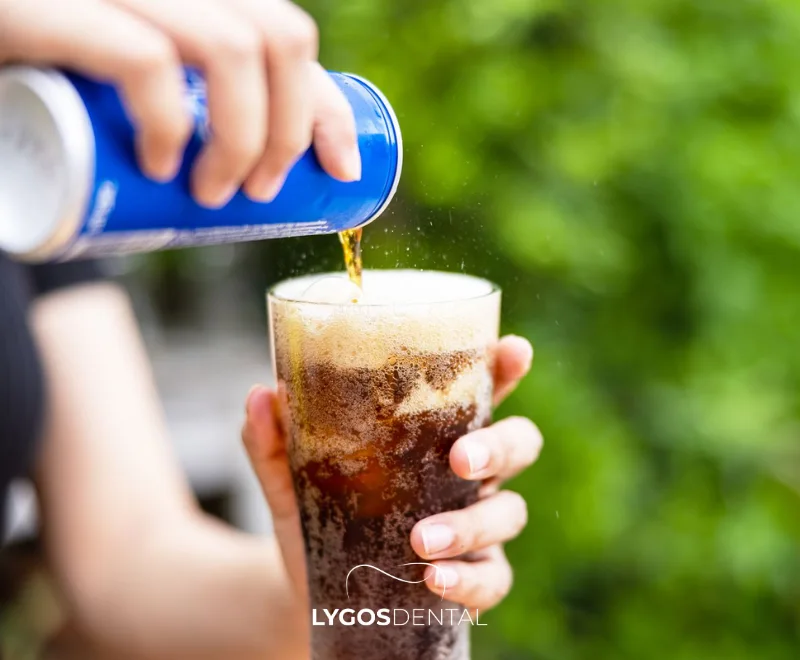
Carbonated drinks are beverages with dissolved carbon dioxide, which creates bubbles and forms a mild acid (carbonic acid). Many brands add other acids—such as citric or phosphoric acid—for flavor and shelf life. Those extra acids are a big reason some fizzy drinks are tougher on enamel than others.
Note: Some non‑carbonated drinks—like citrus juices, kombucha, and vinegar‑based beverages—can also be acidic enough to contribute to enamel erosion. The “fizz” isn’t the only factor; acidity and how often you sip matter most.
Tooth enamel is strong, but it can soften when your mouth becomes acidic. After you drink something acidic, the pH in your mouth drops and minerals in enamel start to dissolve (demineralization). Saliva can repair early damage by neutralizing acid and returning minerals to the enamel (remineralization), but it needs time—especially if you sip acidic drinks over a long period.
Over time, frequent acid exposure can wear down enamel, leading to dental erosion. Erosion is different from cavities, but the two often show up together because a rough, weakened surface makes it easier for plaque to cling to teeth.
Sugary carbonated drinks bring a second problem: tooth decay. Mouth bacteria feed on sugars and release acids that attack enamel. So with many sodas and energy drinks, you’re dealing with both the drink’s own acidity and the acid produced by bacteria afterward.
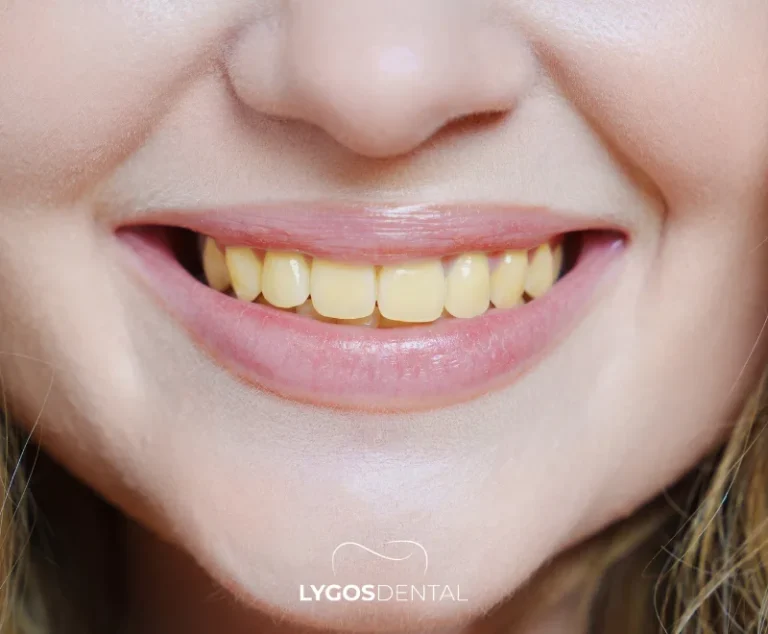
Enamel erosion can be subtle at first. Common warning signs include:
If you notice these changes, a dental visit is worth it. Early erosion can often be stabilized with fluoride, habit changes, and targeted advice before it becomes a bigger restorative issue.
The longer an acidic drink sits on your teeth, the more opportunity it has to soften enamel. Try to have fizzy drinks with meals rather than sipping between meals, and avoid swishing them around your mouth.
After a carbonated drink, plain water helps wash acids away and supports saliva’s natural buffering effect. Sugar‑free gum can also boost saliva, which helps enamel recover.
Brushing immediately after acidic drinks can scrub softened enamel. Most dental guidance recommends waiting at least 30 minutes—and sometimes up to an hour—before brushing, depending on the acidity and your individual risk.
Enamel can’t grow back, but it can become more resistant to acid. A consistent routine makes a noticeable difference over time.
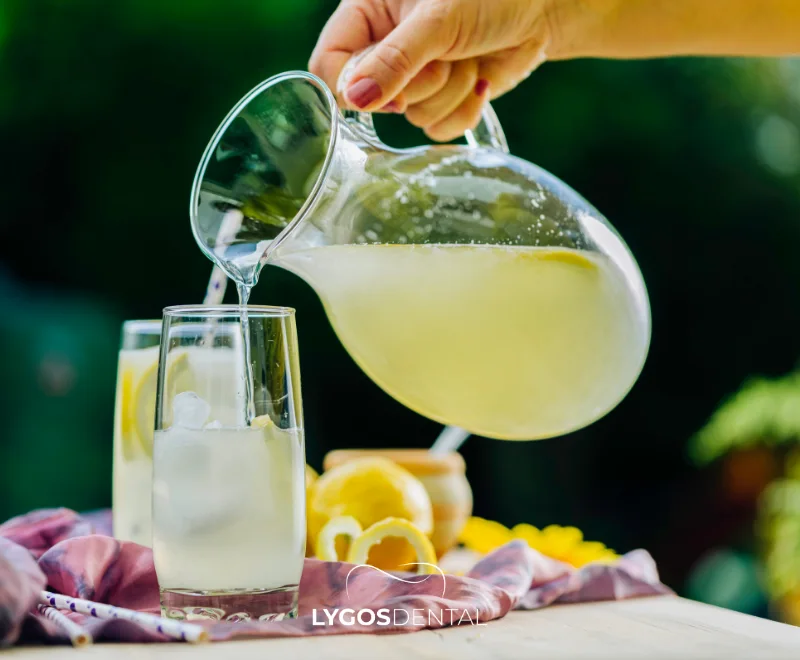
If you want to cut risk without feeling deprived, these options are generally kinder to enamel:
Children and teens can be more vulnerable because habits form early and frequent sipping is common. Baby teeth and newly erupted adult teeth can also be less resistant to acid until they fully mature. If a child regularly drinks soda, sports drinks, or energy drinks, a dentist can suggest practical swaps and fluoride strategies suited to their age.
Yes. Their acids can soften enamel and contribute to dental erosion. If the drink also contains sugar, the cavity risk goes up because bacteria produce even more acid.
It can be over time, especially if it’s sipped slowly or taken between meals. Having it with food, using a straw, and rinsing with water afterward can lower the impact.
No. Wait at least 30 minutes (and up to an hour after very acidic drinks) so enamel can reharden. Rinse with water in the meantime.
They can. Even without sugar, many are acidic enough to soften enamel. They may be better for cavities than sugary sodas, but they still carry an erosion risk if consumed often.
Plain sparkling water is usually the gentlest choice. Flavored sparkling waters can be more acidic, so treat them more like a soft drink and keep them occasional.
