
Dec 1, 2025
Why Black Lines Form on Teeth and How to Treat Them | LYGOS DENTAL
So, how does tooth loss affect speech? In this article, we will examine in detail the…
Quitting smoking stops new nicotine and tar stains from building up, and many people notice a cleaner, brighter surface after a professional cleaning and a few months of good oral care. Deep brown stains that have soaked into enamel won’t vanish on their own, but whitening treatments can usually lighten them safely.
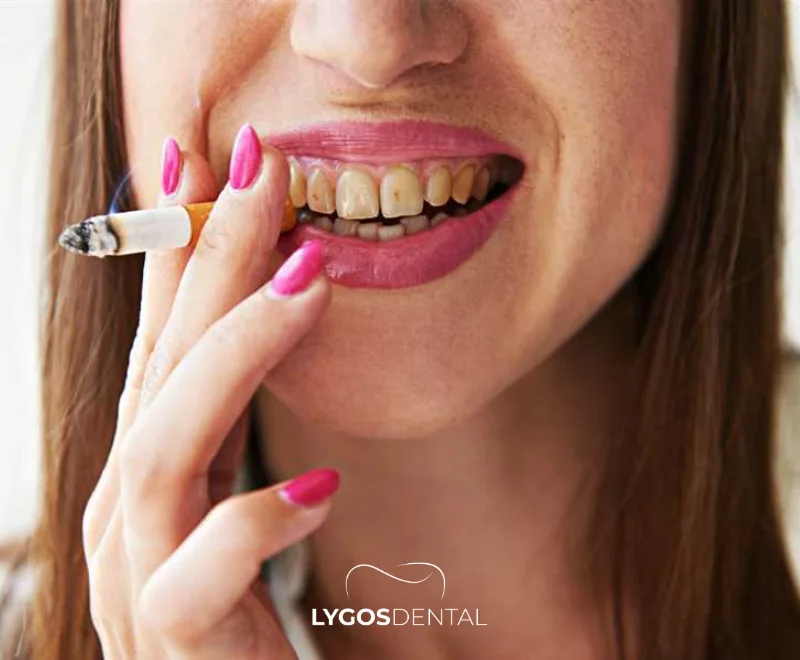
Cigarette smoke contains tar and nicotine that cling to the tooth surface and seep into microscopic pores in enamel. Over time, this creates a yellow or brown film that regular brushing can’t fully remove. The longer you smoke, the deeper and more stubborn the discoloration usually becomes.
Most smoker stains are “extrinsic,” meaning they sit on the outside of the tooth. These often respond well to professional cleaning and whitening. Some discoloration becomes “intrinsic” when pigments penetrate deeper, and that may need stronger whitening or cosmetic options such as bonding or veneers.
Smoking can reduce saliva and change the oral microbiome, which makes plaque and tartar build up faster. That build-up traps pigments and makes teeth look dull. It can also worsen bad breath, which many people notice improves after quitting.
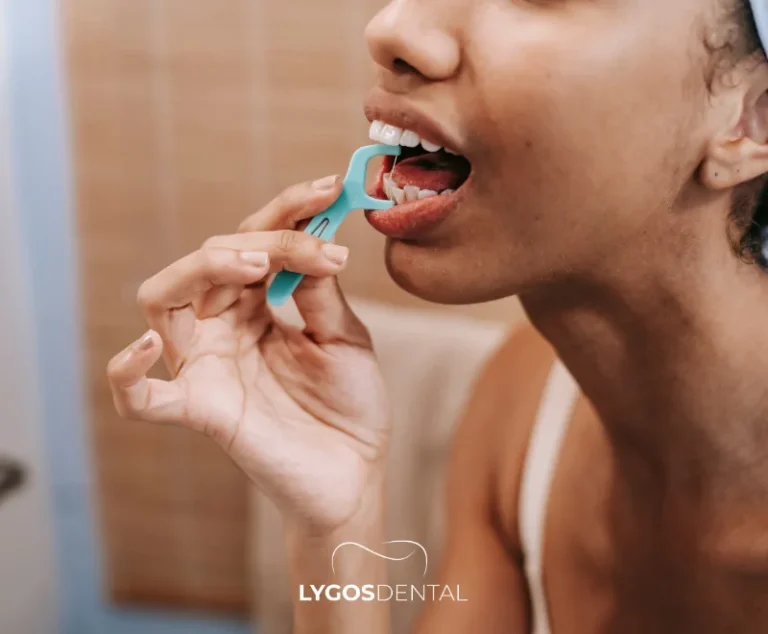
Quitting removes the main source of new staining, so discoloration stops getting worse day by day. As your mouth rehydrates and your gums receive better blood flow, the tissues often look healthier and cleaner. Those changes can make your smile look fresher, even before you do any whitening.
Teeth rarely “bleach” naturally after quitting, but they can look lighter as surface stains fade and plaque levels drop. A dental cleaning is often the turning point because it removes tartar and polishes away surface discoloration. If stains have been building up for years, whitening treatments are usually needed for a clear shade change.
There isn’t one timeline that fits everyone. The change depends on how long you smoked, the type of tobacco, how much coffee or tea you drink, and how consistent your oral care is. What most people notice first is less odor and a cleaner feeling mouth, followed by gradual brightening.
If you want noticeable shade improvement, combine strong daily habits with the right professional care. The goal is to remove stain and tartar safely without over-scrubbing enamel.
Whitening toothpastes can help polish away surface stains, but they won’t change the internal tooth shade. Whitening strips or gels can lighten teeth more effectively, but they may trigger sensitivity. If you have gum recession, cavities, or ongoing gum disease, it’s safer to get a dentist’s advice before starting.
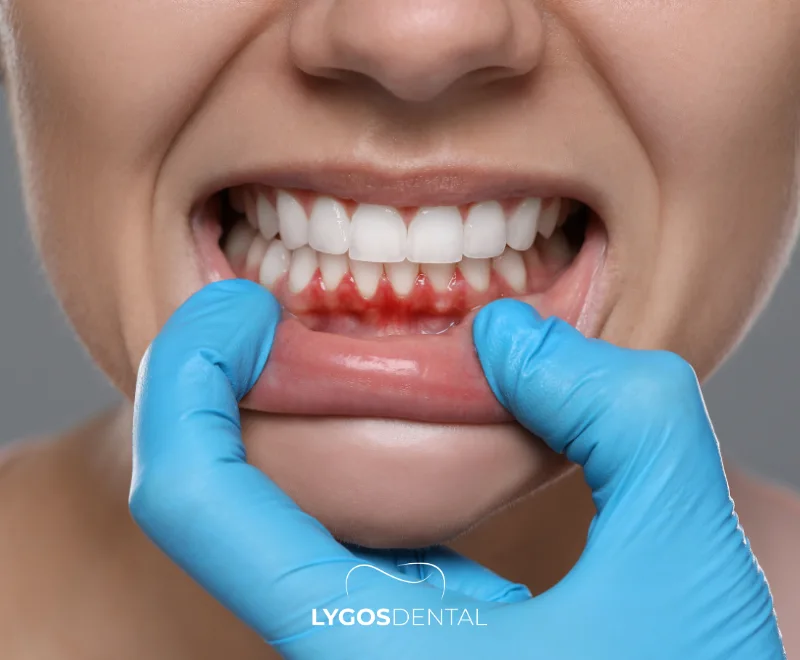
A brighter smile is a nice bonus, but the bigger win is health. Quitting smoking can lower your risk of gum disease and tooth loss, and it often improves healing after dental treatments. Many people also notice less inflammation, fewer mouth sores, and a more comfortable, hydrated mouth.
Book a dental visit if you’re struggling to improve the look of your teeth or if you have symptoms that point to gum disease. A dentist or hygienist can tell you whether stains are surface-level, check for decay, and recommend the safest whitening route.
Some surface staining can fade once you stop smoking and keep up with cleanings. Deep brown stains that have penetrated enamel usually need whitening or cosmetic treatment to lighten significantly.
Start with a professional cleaning. If you still want a brighter shade, ask about dentist-supervised whitening. That combination targets both tartar-related staining and deeper discoloration.
Used correctly, most reputable whitening products are safe for enamel. Problems tend to happen when products are overused, trays don’t fit, or there’s untreated decay or gum disease. If you’re sensitive or have recession, get personalised advice first.
It’s better to treat gum disease and cavities before whitening. Whitening gel can irritate inflamed gums, and it won’t fix the underlying problem. Once your mouth is healthy, whitening results are usually better and more comfortable.
