Professional tartar cleaning (also called scaling) does not damage tooth enamel when it’s performed by a trained dental professional. The instruments are designed to lift hardened deposits from the tooth surface and along the gumline. Temporary sensitivity can happen after cleaning, but it’s usually caused by exposed dentin or irritated gums—not enamel loss.
Table of Contents
What Tartar Is
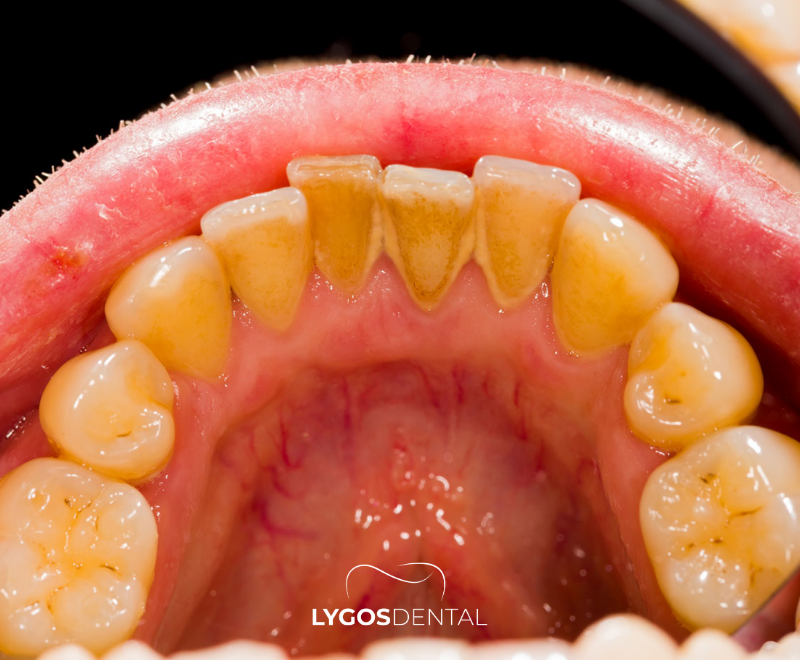
Tartar (calculus) is plaque that has hardened after minerals in saliva bind to it. Unlike soft plaque, tartar cannot be removed fully with brushing alone once it has formed.
It tends to build up near the gumline, between teeth, and behind the lower front teeth—areas that are harder to clean consistently.
Why Dentists Remove Tartar
Tartar traps bacteria against the teeth and gums. Over time, that increases the risk of gum inflammation and can contribute to periodontal (gum) disease.
No—routine tartar removal does not “strip” enamel when it is done properly. Dental professionals use hand scalers and/or ultrasonic scalers to break up and lift calculus from the tooth surface.
These tools are used with controlled pressure and angles, targeting deposits rather than shaving tooth structure. After cleaning, teeth can feel smoother because the hard buildup is gone, not because enamel has been removed.
If you already have enamel wear, exposed roots, or gum recession, you may notice more sensitivity during or after the visit. That sensitivity is related to exposed dentin or root surfaces (roots don’t have enamel), not new enamel damage from the cleaning.
Is Tooth Sensitivity Normal After Tartar Cleaning?
Mild sensitivity is common for a short time after scaling. It typically feels like a quick “zing” with cold air, cold drinks, or brushing.
Why Sensitivity Can Happen
Common reasons include:
Tartar previously covering sensitive areas near the gumline
Temporary gum irritation after instruments are used around inflamed tissue
Existing gum recession exposing dentin or root surfaces
How Long It Lasts And When To Call Your Dentist
Most people feel better within a few days. If discomfort is severe, lasts longer than a week, or is accompanied by swelling, persistent bleeding, or pain when biting, contact your dentist to rule out cavities, cracked teeth, or gum infection.
How Often Should You Get Tartar Cleaning?
There isn’t one perfect schedule for everyone. Many patients do well with a check-up and cleaning about every six months, but the ideal interval depends on your risk factors and oral health history.
Your dentist may recommend more frequent cleanings if you:
Smoke or use tobacco
Have a history of gum disease
Have diabetes or other conditions that affect gum health
Wear orthodontic appliances or have many restorations that trap plaque
Build tartar quickly due to saliva composition or genetics




 Blog
Blog