
Oct 30, 2024
Tooth Erosion (Dental Erosion) | LYGS DENTAL
Tooth Erosion (Dental Erosion) Tooth erosion is the gradual loss of tooth enamel caused by repeated…
Thyroid disorders can influence oral health by changing saliva flow, inflammation, and the way tissues heal. People with hypothyroidism or hyperthyroidism may notice dry mouth, higher cavity risk, gum bleeding, taste changes, or slower healing after dental work. With regular check-ups and tailored home care, most complications can be reduced.
The thyroid gland helps regulate metabolism and many body systems, including the salivary glands, immune response, and bone turnover. When thyroid hormone levels are too low or too high, changes can show up in the mouth long before someone connects the symptoms to their thyroid.
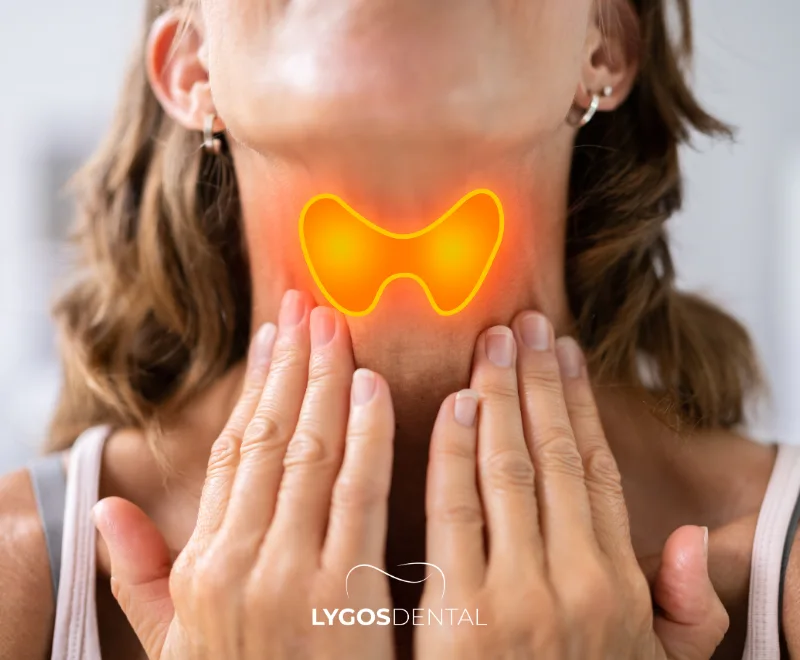
Thyroid disorders occur when the thyroid gland produces too little hormone, too much hormone, or when structural changes affect how the gland functions. Common conditions include:
Saliva protects teeth and gums by neutralizing acids, washing away food debris, and helping control bacteria. Thyroid conditions and related autoimmune issues can be linked with reduced salivary flow, which can trigger a chain reaction: more plaque, more irritation in gum tissue, and a higher risk of tooth decay.
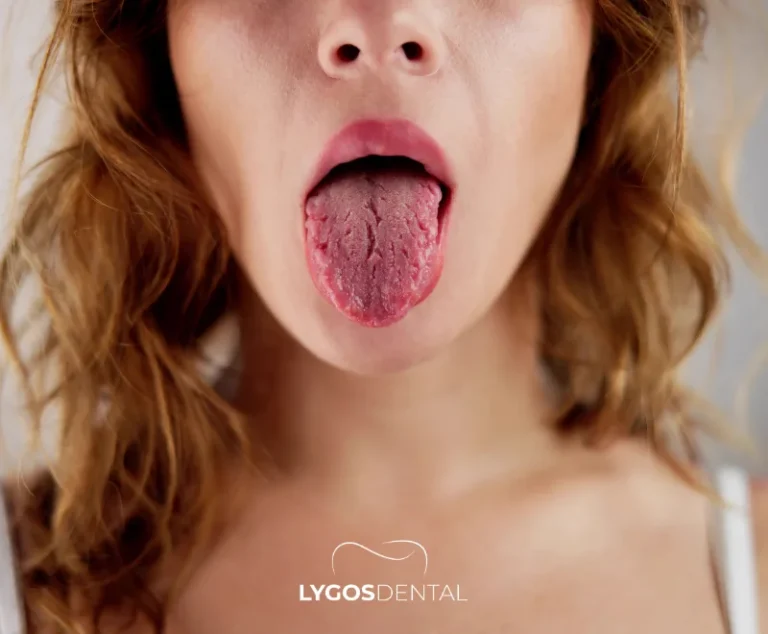
Dry mouth (xerostomia) can raise the risk of cavities, plaque buildup, and bad breath because saliva is one of the mouth’s main defenses. If your mouth often feels sticky or you need water to swallow food, mention it at your dental visit.
Hormone imbalance and inflammation can make gums more sensitive. Some people notice swelling, tenderness, or bleeding when brushing or flossing. Gum disease also tends to progress faster when dry mouth and plaque buildup are present.
Thyroid disorders can be associated with changes in taste (dysgeusia), burning or discomfort, and slower healing after extractions or other procedures. In hypothyroidism, tongue enlargement (macroglossia) or general oral tissue swelling may occur in some patients.
In children and teens, thyroid hormones play a role in growth and development. Hypothyroidism has been linked with delayed tooth eruption and altered tooth development, while hyperthyroidism may be associated with earlier eruption in some cases.
Hypothyroidism can affect oral tissues through reduced metabolic activity and changes in immune and inflammatory responses. Common dental and oral findings may include:
If hypothyroidism is poorly controlled, some people are more sensitive to sedatives and other central nervous system–active medications used in dental settings. Always share your diagnosis and medication list with your dentist.
Hyperthyroidism can increase sensitivity to stress and certain medications. Oral changes can overlap with those seen in other inflammatory conditions, and may include:
In uncontrolled hyperthyroidism or thyrotoxicosis, stimulants such as epinephrine (found in some local anesthetics and retraction cords) can provoke a stronger cardiovascular response. Dentists may use the lowest effective dose or consider alternatives when clinically appropriate.

Levothyroxine helps restore normal hormone levels in hypothyroidism. Some people still report dry mouth or taste changes, which can be influenced by dose adjustments, other medications, or coexisting conditions.
Antithyroid drugs such as methimazole or propylthiouracil can have side effects that matter in dentistry. A rare but serious complication is agranulocytosis, which can present with fever, sore throat, or mouth ulcers due to low white blood cell counts. Any new fever or sore throat while on these medications warrants urgent medical advice.
Some thyroid conditions are treated with radioactive iodine. In certain patients, this can affect salivary glands and contribute to dry mouth. If you have had radioactive iodine treatment, tell your dentist so your prevention plan can be tailored.
Most people with thyroid conditions can keep their teeth and gums healthy with consistent preventive care and a few targeted habits:
Contact a dentist or doctor promptly if you notice persistent mouth sores, swelling, unusual bleeding, severe dry mouth, or signs of infection. If you take antithyroid medication and develop fever or sore throat, seek urgent medical care because it can signal a rare drop in white blood cells.
Thyroid disease rarely fractures teeth directly; dry mouth and bone loss may contribute.
Treat dental patients normally if controlled; postpone elective care when hypothyroidism is untreated.
Possible signs include dry mouth, burning mouth, taste changes, gum disease, delayed eruption.
Local anesthesia is usually safe when controlled; avoid heavy sedation in severe hypothyroidism.
Yes, thyroid disorders can worsen dry mouth, periodontal disease, healing, and jawbone metabolism.
