
Nov 16, 2024
Tooth Reshaping | LYGOS DENTAL
Tooth Reshaping: The Complete Guide To A Beautiful Smile Tooth reshaping (also called dental contouring or…
For implant crowns, zirconium (zirconia) is usually chosen when strength and long-term durability come first, especially for back teeth or heavy biting. Emax can be an excellent option in the front when you want the most natural translucency and the bite load is controlled. The best choice depends on tooth position, bite force, and design.
Dental implants can replace missing teeth with a result that looks and functions like a natural tooth. The implant itself is only part of the outcome—the crown material plays a major role in appearance, comfort, and longevity. Two of the most common all-ceramic options are Emax and zirconium. Below is a practical comparison to help you understand where each material tends to perform best.
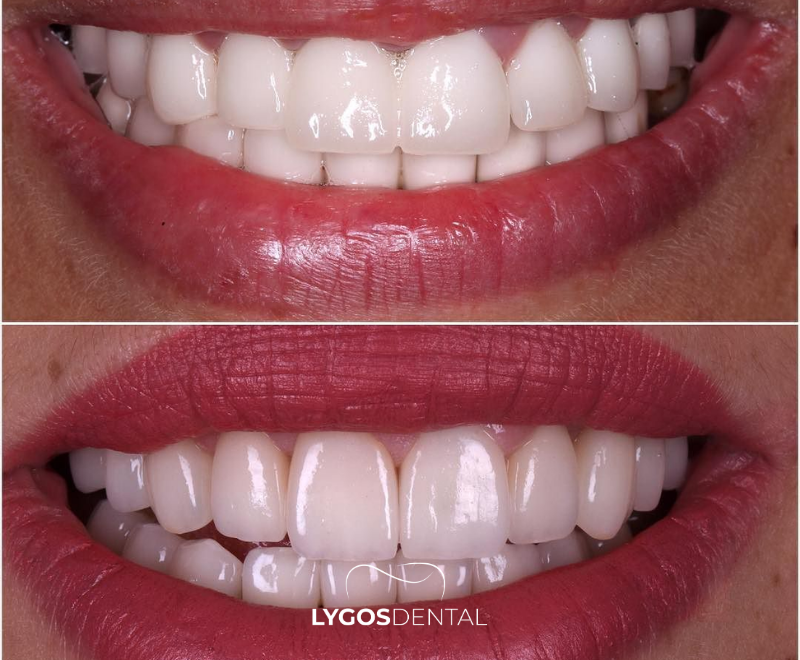
Both options are metal-free, tooth-colored ceramics, but they behave differently under light and pressure. You’ll also see different terms used in clinics: “zirconium” crowns typically refer to zirconia (zirconium dioxide).
Emax is a lithium disilicate glass-ceramic known for its translucency. It lets light pass through in a way that closely mimics enamel, which is why it is often selected for visible front teeth. With careful planning, it can also be used on implants when bite forces are moderate.
Zirconia is a very strong ceramic with high fracture resistance. That strength makes it a common choice for implant crowns, particularly in the back of the mouth where chewing forces are highest. Modern monolithic zirconia has also improved in shade and surface texture compared with earlier generations.
Each material has clear strengths. Your dentist may recommend one over the other based on the location of the implant, bite forces, and how visible the tooth is when you smile.
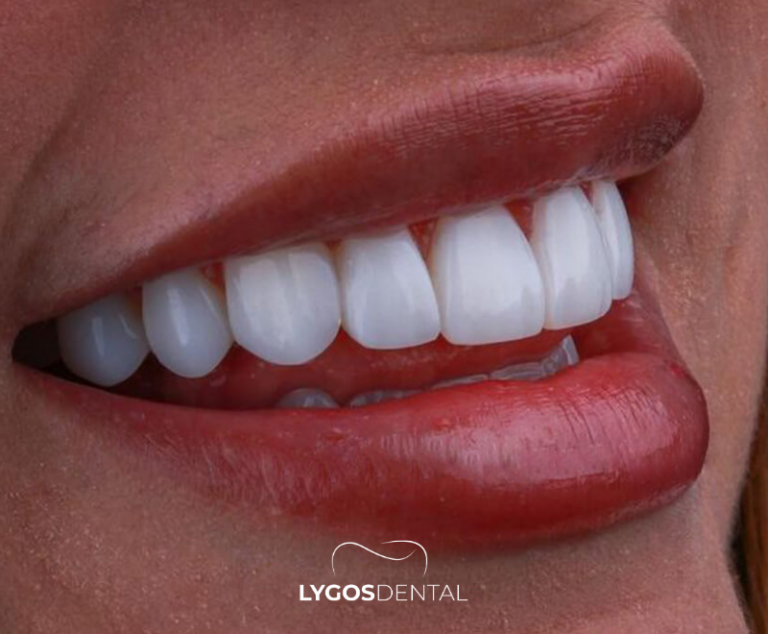
If your priority is the most lifelike appearance—especially for a single front tooth—Emax often has the edge. Its light transmission can blend more seamlessly with adjacent natural teeth, particularly in bright environments or under flash photography.
Zirconia can still look excellent, especially with newer translucent grades and good staining and glazing. The main difference is that zirconia typically remains a bit more opaque than Emax, which may matter when the tooth is very visible or the gum line is thin.
For strength under pressure, zirconia is usually the safer bet. Implant crowns can be exposed to high forces, and zirconia’s fracture resistance makes it a reliable option for premolars and molars.
Emax is durable for many cases, but it is more sensitive to heavy load or parafunctional habits such as grinding (bruxism). When a patient clenches or grinds, dentists often lean toward zirconia and may also recommend a night guard to protect both the crown and the implant components.
There isn’t a one-size-fits-all answer, but a few clinical patterns show up again and again:
Your dentist will also consider crown design (screw-retained vs cement-retained), available space, and the condition of the opposing teeth. A careful bite check is essential with either material, because implants don’t have the same shock absorption as natural teeth.
Pricing varies by city, clinic experience, laboratory quality, and whether the crown is part of a larger implant plan. Clinics commonly quote ranges like the following in 2026:
| Crown Type | Typical Range (TRY) |
| Emax crown | 4,000 – 7,000 TL |
| Zirconium (zirconia) crown | 3,000 – 5,500 TL |
Ask whether the quote includes the abutment, try-in appointments, and any warranty or follow-up checks. A lower price can sometimes reflect a different lab process, a less customized shade match, or fewer follow-up visits.
Yes. Emax can be used for implant crowns, most commonly in the aesthetic zone. The case needs proper planning so the crown isn’t exposed to excessive bite forces, and the shade and contours must be matched carefully to the surrounding teeth and gums.
In many cases, zirconia can look very natural, especially with modern translucent materials and good finishing. Emax still tends to provide a slightly more enamel-like translucency, which can matter most for a single front tooth or very high cosmetic expectations.
Zirconia is generally more durable under heavy chewing forces and is often selected for molars, implant bridges, and patients who clench or grind. Emax is strong enough for many situations, but it is typically chosen when the visual result is the main priority and forces are moderate.
