
Dec 6, 2025
What Is the 7–4 Rule and Why Is It Important in Pediatric Dentistry?
So, how does tooth loss affect speech? In this article, we will examine in detail the…
Emax veneers are ultra-thin lithium disilicate ceramic shells bonded to the front of teeth to improve color, shape, and small spacing or alignment concerns. In 2026, digital scanning and smile design tools help dentists plan results more precisely, often with minimal enamel reduction. With good oral hygiene, many patients keep their veneers for around 10–15 years.
Dental aesthetics is no longer only about “white teeth.” For many people, it affects confidence, first impressions, and how comfortably they speak and smile.
Emax veneers remain a popular option because they can look very natural while offering strong, long-lasting ceramic performance. This guide covers what they are, what’s new in 2026, who they suit best, how the treatment works, and what usually affects cost.
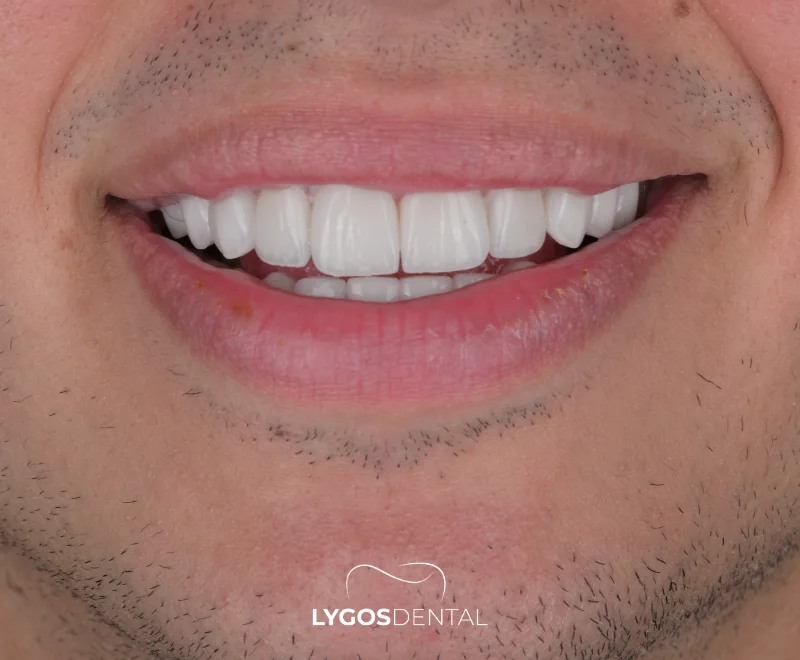
Emax veneers are thin ceramic shells that are bonded to the front surface of the teeth. They are typically made from lithium disilicate glass-ceramic, a material known for its strength and lifelike translucency.
Because lithium disilicate transmits light in a way that resembles natural enamel, Emax veneers can blend smoothly with neighboring teeth. They also tend to stay color-stable and resist staining when properly cared for.
Compared with many traditional porcelain veneers, Emax can often be produced in thinner sections. That can mean less tooth reduction in suitable cases, which helps preserve natural enamel.
Aesthetic dentistry keeps moving toward more personalized, minimally invasive results. For Emax veneers, the biggest changes come from digital planning and improved ceramic characterization.
Dentists increasingly use high-resolution photos and 3D scans to map facial proportions, lip movement, and tooth position. This makes it easier to preview the smile design and communicate expectations before any tooth preparation begins.
In appropriate cases, Emax veneers may be fabricated as very thin restorations (often around 0.2–0.3 mm). When bite and alignment allow, the dentist may reduce little enamel—or sometimes none—while still achieving a natural shape.
Modern ceramics and lab techniques can recreate subtle details like translucency at the incisal edge, soft texture, and realistic light reflection. The goal in 2026 is a “your teeth, but better” look rather than an overly uniform, opaque finish.
Planning software can propose veneer shapes based on facial and dental measurements, then the dentist fine-tunes the final design. This can speed up mock-ups and help standardize accuracy, especially in clinics that use an in-house CAD/CAM workflow.
Emax veneers work best for patients who want an aesthetic upgrade while keeping as much natural tooth structure as possible. A dentist will still check bite, gum health, and enamel quality before recommending them.
If any of these issues apply, dentists usually treat the underlying problem first—then reassess veneer options.
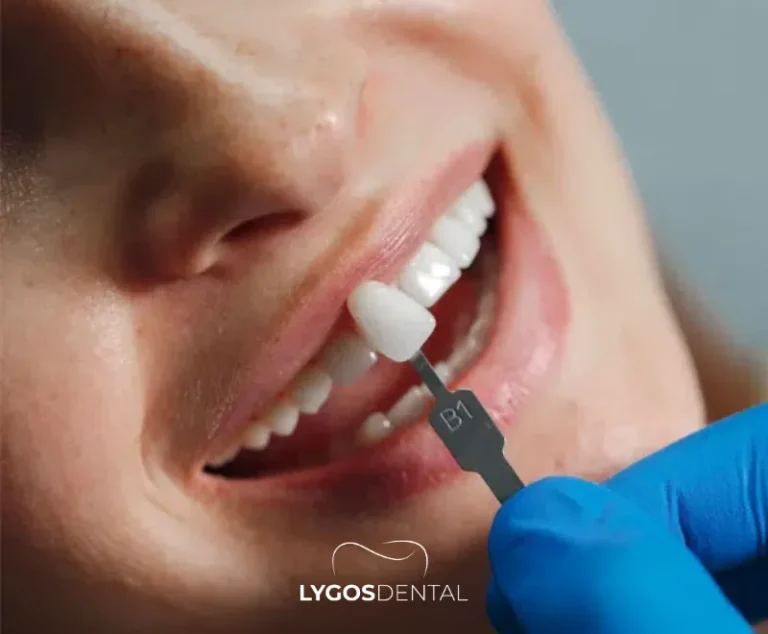
The dentist examines the teeth and gums, discusses goals, and takes digital impressions or 3D scans. A mock-up or preview may be created to show likely results.
A small amount of enamel may be reduced to create space for the veneer. With ultra-thin designs, preparation can be minimal in suitable cases.
Temporary veneers may be placed while the lab fabricates the final restorations, especially when tooth reduction was required.
The dentist checks fit and shade, then bonds the veneers using adhesive protocols designed for ceramic. Final shaping and polishing help achieve a natural finish.
Most patients can eat normally soon after bonding, but it helps to avoid very hard foods and stain-heavy drinks at first. Regular check-ups and good daily hygiene support long-term success.
With careful bonding, good oral hygiene, and regular dental visits, Emax veneers commonly last around 10–15 years. Longevity depends on bite forces, habits like nail-biting or ice chewing, and whether grinding is controlled with a night guard.
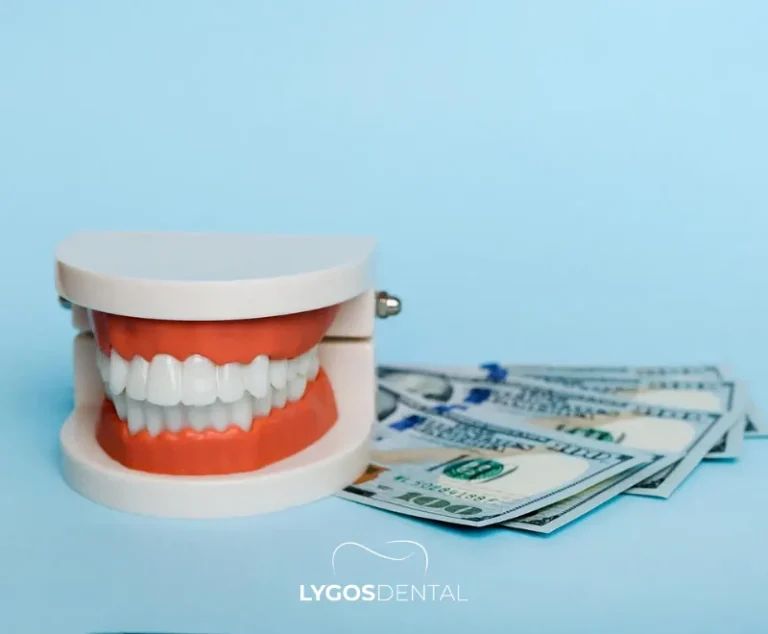
Pricing varies widely based on the clinic’s location, the dentist’s experience, lab quality, and how complex the case is. Extra procedures—such as gum reshaping, treating gum disease, or correcting bite issues—can also change the total.
In Turkey, clinics often quote per-tooth pricing. As a practical benchmark, many providers advertise ceramic laminate / Emax-style veneers in roughly the 9,500–20,000 TL range per tooth (figures commonly published for 2025 through early 2026), depending on the city, lab, and case complexity. Your final quote should come from an exam and a written treatment plan.
If you’re considering veneers, a consultation is the fastest way to confirm suitability and get an accurate quote. Bring ph
Typically 10–15 years; many last longer with good care and a nightguard.
Guideline: veneer 4 incisors, 8 to canines, 10 to premolars for smile width.
Nothing universally; zirconia is stronger, feldspathic porcelain can look even more lifelike.
Yes; lithium disilicate’s translucency and color matching can look very natural.
Avoid biting hard objects, chewing ice, nail-biting, and untreated grinding/clenching.
