
Nov 28, 2024
Tooth Abscess Causes – Dental Abscess – LYGOS DENTAL
Everything You Need to Know About a Tooth Abscess A tooth abscess is a pocket of…
Emax veneers are thin lithium disilicate ceramic shells bonded to the front of teeth. In well-planned cases with healthy enamel, a stable bite, and good home care, they often last 10–15 years and may reach 20 years. Most problems come from overload, cracking, or debonding—risks reduced by careful bite design and, when needed, a night guard.
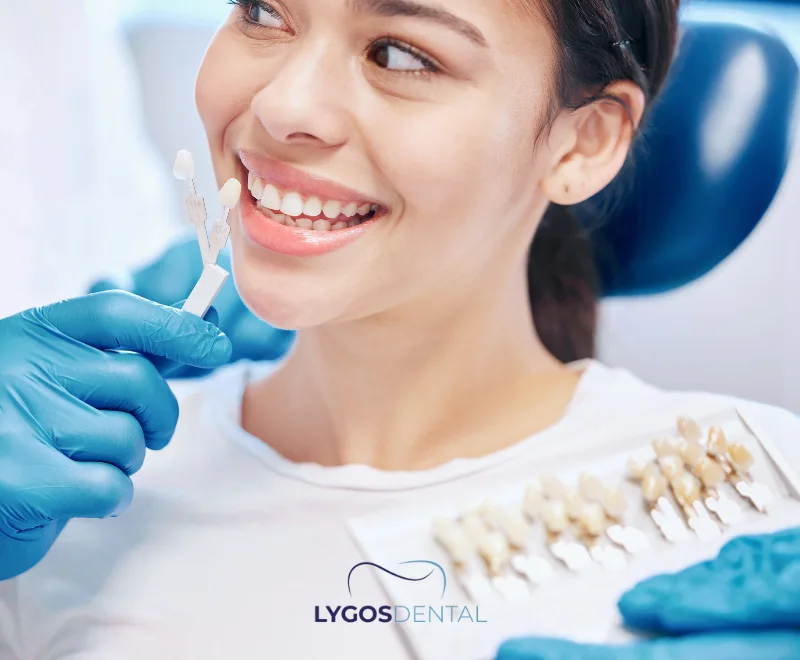
Emax veneers are custom-made ceramic restorations produced from lithium disilicate glass-ceramic. They’re commonly used on front teeth because their translucency and light transmission can closely mimic natural enamel. Many labs fabricate them using pressed or CAD/CAM workflows to achieve a precise fit and consistent thickness.
Lithium disilicate has a microstructure that helps resist cracking and chipping compared with more brittle traditional porcelains. Because Emax veneers can be made thin without sacrificing strength, dentists can often preserve more tooth structure while still achieving a stable restoration.
Durability also depends on how the veneer is bonded. When the veneer is adhesively cemented to sound enamel and the bite is carefully adjusted, the tooth and veneer behave more like a single unit, improving long-term performance.
There isn’t a single expiration date for veneers. Many patients can expect a service life of roughly 10–15 years, and longer outcomes are possible when the case is well planned and well maintained. Clinical reports of lithium disilicate restorations show strong 10-year performance, and long-term veneer studies of glass-ceramics report survival in the mid‑90% range around 10 years with gradual decline over longer follow-ups.
Your dentist will estimate longevity based on enamel quality, bite forces, and habits such as clenching or chewing hard objects. If you have bruxism, a night guard is often the difference between a veneer lasting years versus decades.
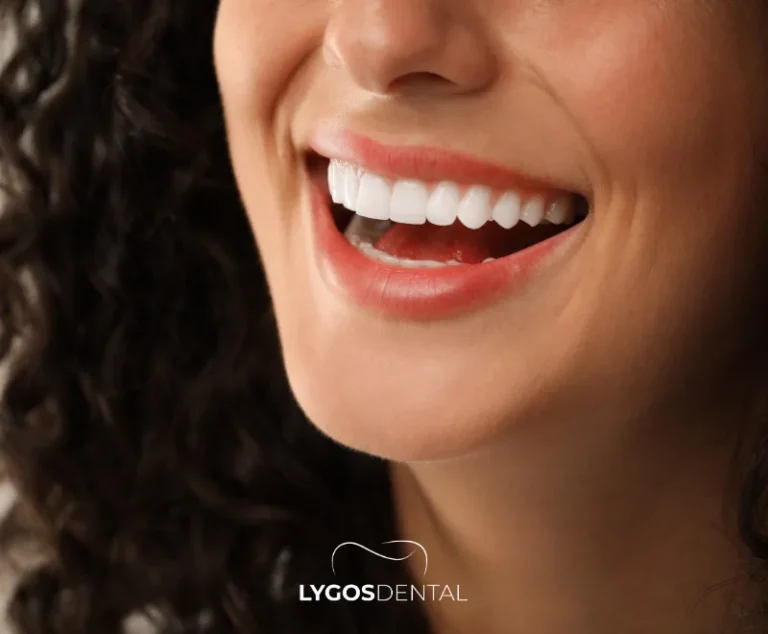
Emax and zirconia are both strong ceramics, but they’re typically chosen for different priorities. Zirconia is generally indicated for higher-load situations, while lithium disilicate is often selected for minimally invasive veneers and anterior crowns where optical integration matters.
In simple terms: choose Emax when a natural, enamel-like appearance is the top priority and bite forces are moderate; consider zirconia when strength under heavy load is the main concern. Your dentist may still recommend Emax on premolars in the right bite, but material choice should follow a functional evaluation—not aesthetics alone.
For most patients, yes—especially on front teeth where forces are typically lower than molars. Strength and longevity depend on a stable bite, proper bonding, and avoiding harmful habits like nail biting or chewing ice.
They can, but chipping is less common when the veneer is designed with adequate thickness, bonded to enamel, and protected from heavy clenching. If you have bruxism, a night guard significantly reduces risk.
Zirconia is often selected for high-load areas, but ‘more durable’ depends on the situation. Emax may outperform in cases where bonding to enamel and aesthetics are critical, while zirconia can be a better choice for heavy posterior forces.
Replacement is considered if there’s a crack, repeated debonding, margin leakage, significant color mismatch, or gum recession that exposes the edge. Many issues can be corrected early if you keep regular follow-ups.

Everything You Need to Know About a Tooth Abscess A tooth abscess is a pocket of…
 Blog
Blog
Finding accurate information for those searching for the "Best aesthetic dental clinics in Nişantaşı" is crucial…
Porcelain veneers are a method preferred by many for both aesthetic and functional reasons. Countries like…