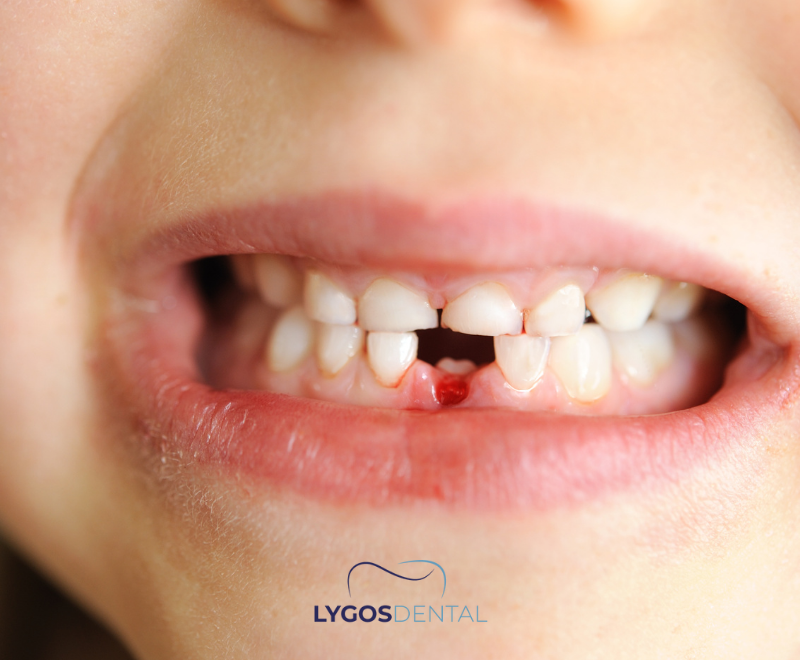
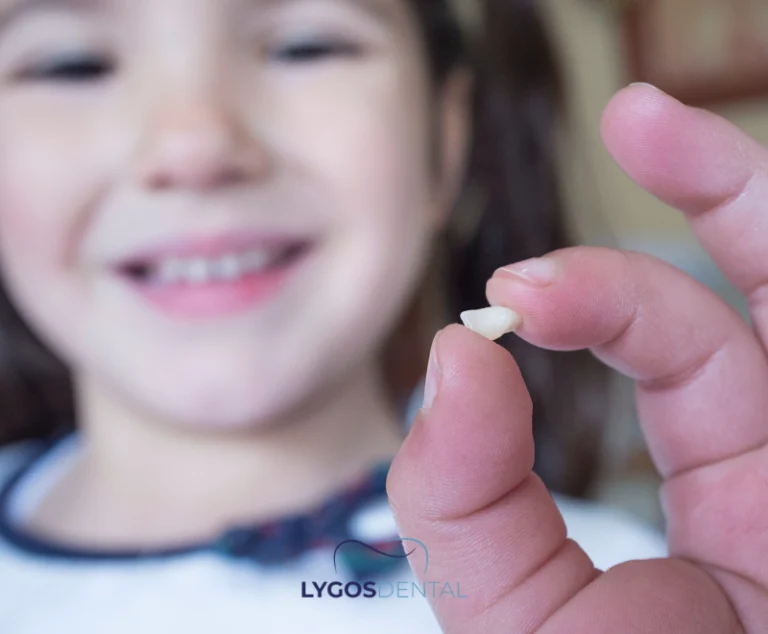
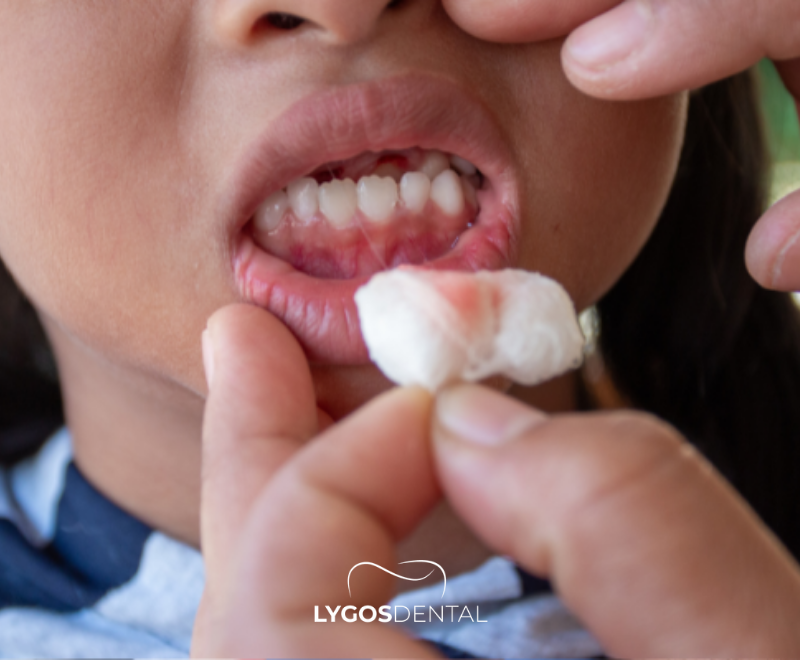
If your child has a dental injury, stay calm, check for serious bleeding or head injury, and call a dentist right away. For a broken tooth, rinse gently and save any pieces. For a knocked-out permanent tooth, hold it by the crown, keep it moist in milk or saline, and get urgent care—ideally within 60 minutes.
Table of Contents
Kids are active, and bumps to the mouth happen—playground falls, sports collisions, and sudden tooth pain are common. Knowing what to do in the first minutes can reduce pain, lower infection risk, and improve the chance of saving a tooth.
This guide covers the most common dental emergencies in children, what you can do at home, and when you should seek urgent dental or medical care.
Common Dental Emergencies In Children
Chipped, cracked, or broken teeth (from falls, sports, or biting something hard).
Knocked-out teeth (avulsion).
Toothache or swelling (often linked to cavities or infection).
Baby-tooth injuries (loose, displaced, or knocked out).
Cuts to the lips, tongue, cheeks, or gums.
First Steps For Any Dental Injury
Keep your child calm and seated. If there’s dizziness, vomiting, confusion, or loss of consciousness, treat it as a possible head injury and seek emergency medical help.
Check breathing and look for objects that could be swallowed or inhaled (broken tooth pieces, blood clots).
Control bleeding with gentle, steady pressure using clean gauze or a cloth.
Use a cold compress on the outside of the cheek for 10 minutes on/10 minutes off to reduce swelling and discomfort.
Call your child’s dentist as soon as you can—most offices can guide you and arrange urgent care.
Broken Or Cracked Tooth
What To Do Right Away
Rinse the mouth gently with warm water or saline. Avoid vigorous swishing if the area is bleeding.
Find and save any broken pieces. Keep them in a clean container; your dentist may be able to reattach a fragment.
If there’s bleeding, apply gentle pressure with gauze for 10 minutes.
If a sharp edge is cutting the cheek or tongue, cover it with dental wax (if you have it) or a piece of sugar-free chewing gum until you reach a dentist.
Offer age-appropriate pain relief if needed (follow the label directions).
When It’s Urgent
Seek same-day dental care if the tooth is sensitive to air or temperature, the crack looks deep, the tooth is loose, or you can see a pink/red area (possible nerve exposure). Go to urgent medical care or the ER if bleeding won’t stop, your child has trouble breathing, or there are signs of a head or jaw injury.
Knocked-Out Tooth (Avulsion)
If It’s A Permanent Tooth
Time matters. A knocked-out permanent tooth has the best chance of survival when it’s replanted quickly or kept moist and seen by a dentist as soon as possible (ideally within 60 minutes).
Pick up the tooth by the crown (the white chewing surface), not the root.
If it’s dirty, rinse briefly with running water or saline for a few seconds. Do not scrub or use soap.
If your child is cooperative and you feel confident, gently try to place the tooth back into the socket and have the child bite on gauze to hold it in place.
If you cannot reinsert it, keep the tooth moist in cold milk, saline, or the child’s saliva (for older children who can safely hold it in the cheek). Avoid storing it in plain water.
See a dentist immediately.
If It’s A Baby Tooth
Do not put a baby tooth back into the socket. Reimplanting can damage the developing permanent tooth underneath. Control bleeding with gauze, use a cold compress, and arrange prompt dental assessment.
Toothache In Children
Toothache is often a sign of decay, a loose filling, or infection. Home care can reduce discomfort, but it doesn’t replace an exam—especially if pain lasts more than a day or swelling appears.
Rinse with warm water. If your child is old enough to spit safely, a warm salt-water rinse can help soothe irritated gums.
Use dental floss to remove food stuck between teeth.
Use a cold compress on the outside of the cheek if there’s swelling or the pain followed an injury.
Use age-appropriate pain relief as directed on the label. Do not place aspirin or other painkillers directly on the gums.
Call a dentist urgently if your child has facial swelling, fever, pus, a bad taste in the mouth, pain that wakes them from sleep, or trouble opening the mouth. If there is swelling under the jaw, difficulty swallowing, or breathing problems, seek emergency medical care.
Cuts To Lips, Tongue, Or Cheeks
Rinse gently with cool water to clear blood and debris.
Apply steady pressure with clean gauze for 10–15 minutes.
Use a cold compress to reduce swelling.
Seek urgent care if the cut is large, deep, gaping, caused by an animal/human bite, or bleeding won’t stop.
When To See A Dentist Or Emergency Care Immediately
A knocked-out permanent tooth.
A tooth that is loose, pushed out of position, or very sensitive after trauma.
Deep cracks, visible nerve exposure, or severe pain.
Swelling of the face or gums, fever, or signs of infection.
Bleeding that does not stop after 10–15 minutes of firm pressure.
Jaw pain, trouble opening the mouth, or any signs of head injury.
Dental first aid is about protecting the area and buying time until a professional can treat the cause. If you’re unsure, call a dentist—getting advice early is usually the safest choice.
Frequently Asked Questions
What is the 3 3 3 rule for toothache?
No single accepted definition; it often means 600 mg ibuprofen three times daily, three days.
What to do if a child has a dental emergency?
Call dentist immediately; manage pain/bleeding, save the tooth in milk, seek ER for breathing.
What is the 7 4 rule for tooth eruption?
First tooth erupts near 7 months, then about 4 new teeth every 4 months.
What is the first aid for a dental emergency?
Rinse, apply pressure to bleeding, cold compress, preserve tooth in milk, seek urgent care.
How to treat toothache in children?
Use cold compress, saltwater rinse, children’s acetaminophen/ibuprofen as directed, and see dentist.