
Feb 26, 2025
Emma Roberts Dental Aesthetic
In today’s world, the beauty and grooming routines of celebrities are often the subject of much…
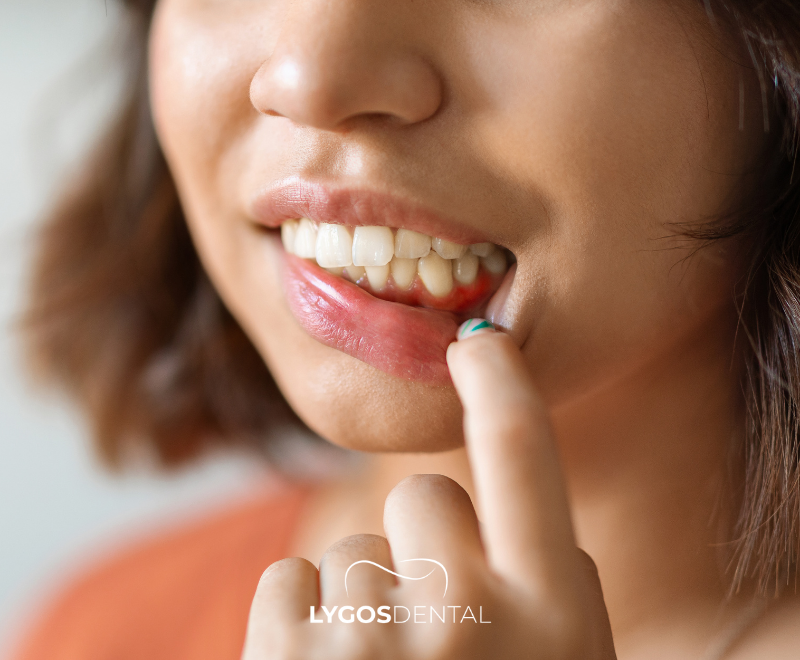
Gingivitis is an early, reversible form of gum disease caused by plaque buildup at the gumline. It often shows up as red, swollen gums that bleed when brushing or flossing. With professional cleaning and consistent daily oral care, most people can restore gum health and prevent gingivitis from progressing to periodontitis.
Gingivitis is inflammation of the gums (gingiva). It develops when plaque—a sticky film of bacteria—stays on teeth long enough to irritate the gumline.
Gingivitis is usually reversible. When plaque and tartar are removed and daily habits improve, gum tissue can return to a healthy, firm, pink appearance.
Anyone can develop gingivitis, but certain life stages, habits, and health conditions increase risk. Knowing your risk factors helps you prevent flare-ups and spot problems early.
Gingivitis can be easy to miss at first. Many people notice changes during brushing, flossing, or when they look closely at the gumline.
Plaque and tartar are the main triggers. When plaque hardens into tartar (calculus), it becomes harder to remove at home and continues to irritate the gums.
Not all gum infections are the same. A dental exam helps confirm what you’re dealing with and what kind of treatment you need.
Treatment depends on how long symptoms have been present and whether deeper gum pockets have formed. In many cases, simple steps work well when started early.
Costs vary by country, clinic, and severity. Early care is usually simpler and less expensive than treating advanced gum disease.
If you have dental insurance, preventive cleanings are often covered, and periodontal treatments may have partial coverage. Ask your clinic for an itemized estimate before treatment.
A periodontist is a dentist who specializes in gum disease and the supporting structures of the teeth. If you have persistent bleeding, gum recession, loose teeth, or you’ve been told you have periodontal pockets, a periodontist visit can be helpful.
Gingivitis prevention comes down to consistency. Small daily habits add up, and regular dental visits help catch early inflammation before it becomes more serious.
If you’re seeing gum bleeding, swelling, or persistent bad breath, an exam and cleaning can make a big difference. You can contact us to ask about cosmetic dentistry, dental crowns, dental implants, or general dentistry services.
Is gingivitis contagious?
You can’t ‘catch’ gingivitis the way you catch a cold, but the bacteria that contribute to gum inflammation can spread through saliva. That means sharing utensils or kissing may transfer bacteria, but your hygiene habits and immune response determine whether gingivitis develops.
When should I see a dentist for bleeding gums?
If bleeding lasts more than a week despite better brushing and flossing, it’s worth a dental visit. Go sooner if you have swelling, pain, a bad taste, gum recession, or if you’re pregnant or have diabetes.
Does gingivitis cause bad breath?
Yes, it can. Bacteria in plaque and trapped debris along the gumline can lead to persistent bad breath, especially if the gums bleed or feel swollen. Improving oral hygiene and getting a cleaning often helps.
Can I reverse gingivitis at home?
You can reduce inflammation at home, but reversing gingivitis depends on removing plaque thoroughly and consistently. If tartar is present, only a dental professional can remove it, so home care works best when paired with a cleaning.
What’s the fastest way to get rid of gingivitis?
Book a dental cleaning to remove plaque and hardened tartar, then keep the gumline clean at home. Brush twice daily with a soft-bristled brush, floss once a day, and consider an antiseptic mouthwash if your dentist recommends it.
Can gingivitis go away on its own?
Not usually. If plaque stays on the teeth and along the gumline, the inflammation tends to persist or worsen. The good news is that gingivitis is typically reversible once the cause is removed.

In today’s world, the beauty and grooming routines of celebrities are often the subject of much…
 Blog
Blog
Finding accurate information for those searching for the "Best aesthetic dental clinics in Nişantaşı" is crucial…
 Blog
Blog
Learn about smile design, its benefits, procedures, costs, and aftercare tips. Explore how smile design can…