
Jul 1, 2025
Aesthetic Dental Treatments Preferred by Celebrities
In this article, we’ll explore in detail the aesthetic dental treatments preferred by celebrities frequently choose..
Before getting laminate veneers, your gums should be free of inflammation, bleeding, and active infection. Healthy gum tissue supports a natural gumline, helps veneers seat correctly, and reduces the risk of recession exposing veneer margins. A dentist will check your gums first and treat any problems before moving forward.
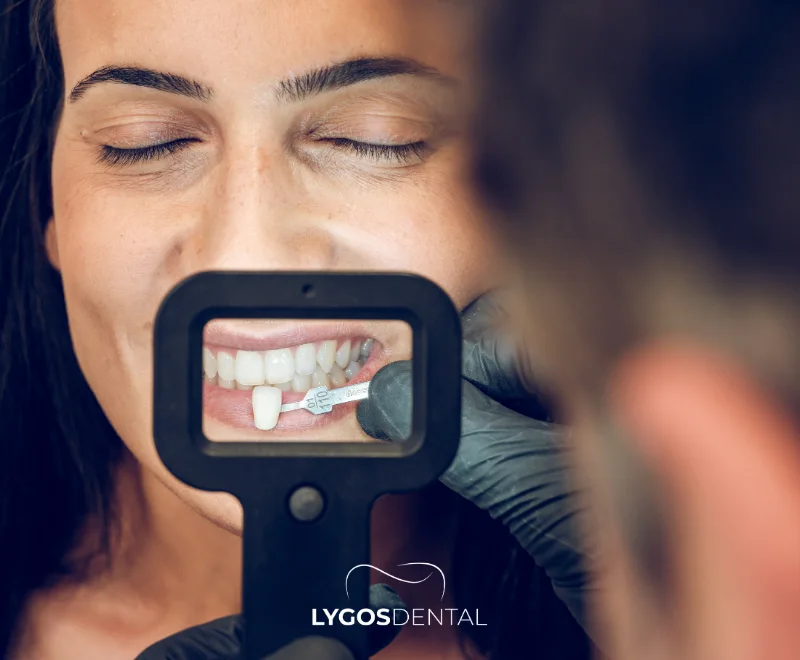
Laminate veneers are thin shells—most commonly porcelain—bonded to the front surfaces of teeth to improve appearance. They are used to mask discoloration, close small gaps, and reshape teeth that look chipped, worn, or uneven.
Because veneers sit right at the gumline, they need a stable, healthy foundation. If the gums are inflamed or actively infected, the final fit and the long-term look of the veneers can suffer.
Healthy gums frame the teeth and create a clean, even gumline—one of the details that makes veneers look natural. When gum tissue is swollen, tender, or bleeding, it becomes harder to take accurate impressions and place veneers precisely.
Good gum health before laminate veneers also supports durability. Reducing inflammation and plaque around the margins lowers the risk of recession, sensitivity, and decay near the veneer edges.
A gum evaluation is part of the planning stage for laminate veneers. Your dentist will look for signs that the gum tissue is stable enough for cosmetic work.
Typical checks include:
If any concerns show up, treatment comes first. Once the gums are healthy and settled, the dentist can finalize shade selection, impressions, and the veneer design.
Gum disease can range from gingivitis (early inflammation) to periodontitis (a deeper infection that can affect the supporting tissues). Placing veneers on unhealthy gums increases the chance of uneven margins, ongoing bleeding, and irritation.
Recession is a common aesthetic concern. If the gumline pulls back after veneers are placed, the edges may become visible, creating dark lines or gaps that distract from the smile.
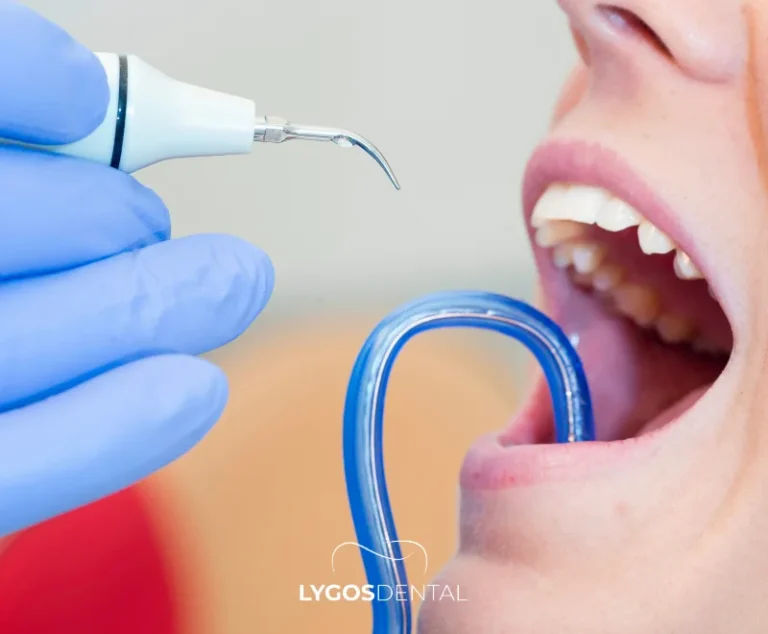
In most cases, yes. Professional cleaning removes tartar that can irritate gums and trigger bleeding. Cleaning also gives your dentist a clearer view of the gumline so veneer margins can be planned more accurately.
Some patients need a simple scale and polish, while others may need deeper cleaning if there is significant buildup. Your dentist will usually allow time for the gums to calm down before moving to final impressions.
The right preparation depends on your gum condition and overall oral health. Your dentist may recommend one or more of the following before starting veneer work:
These steps help create healthier tissue around the teeth and a cleaner surface for bonding, which supports both appearance and longevity.

Laminate veneers can be a long-term cosmetic solution, but results depend on planning and maintenance. A few habits and decisions make the process smoother:
If you notice bleeding, swelling, or persistent bad breath, address it before scheduling veneer placement. Healthy gums are not just an aesthetic detail—they support overall oral health.
It affects both the look and the lifespan of the veneers. Inflamed or bleeding gums can make placement less precise and increase the risk of recession showing veneer margins.
Yes, but treatment should come first. Veneers are typically planned only after gum disease is controlled and the gum tissue is stable.
For most people, yes. Removing tartar reduces gum irritation and helps your dentist plan the veneer margins on a cleaner, healthier gumline.
It depends on the cause and severity. Your dentist will assess whether the recession is stable and how it might affect veneer edges and overall aesthetics before recommending a plan.
