![Gum Recession | LYGOS DENTAL]()
Gum Recession: Causes, Symptoms, Treatment, and Prevention
Gum recession happens when the gum line pulls away from the teeth, exposing more tooth surface or the root. It can cause sensitivity, make teeth look longer, and raise the risk of decay and gum infection. Early care—gentle brushing, daily flossing, and timely dental treatment—can slow progression and protect long-term tooth support.
What Is Gum Recession?
Gum recession is the gradual loss of gum tissue around a tooth, which exposes more of the tooth and sometimes the root. It may affect one tooth or several and often develops slowly, so it can be easy to miss at first. Catching it early matters because exposed roots are more vulnerable to sensitivity and decay.
Common Causes Of Receding Gums
- Aggressive brushing: Brushing with too much pressure or using a hard-bristled toothbrush can wear tissues down and contribute to recession.
- Gum disease (periodontal disease): Bacterial infection and inflammation can damage gum tissue and the bone that supports teeth.
- Genetics: Some people are more prone to thin or fragile gum tissue, even with good oral hygiene.
- Plaque and tartar buildup: Plaque that isn’t removed hardens into tartar, which irritates gums and can accelerate recession.
- Hormonal changes: Hormonal shifts can make gums more sensitive and easier to inflame, which may worsen recession in susceptible patients.
- Misaligned teeth or bite problems: Uneven biting forces can overload certain teeth and their supporting tissues.
Signs And Symptoms
- Tooth sensitivity to cold, hot, or sweet foods and drinks
- Teeth that look longer than before
- Notches near the gum line or a visible root surface
- Tender, swollen, or bleeding gums (especially with gum disease)
- Bad breath or a bad taste that doesn’t improve with brushing
Risk Factors
- Age: Recession becomes more common over time, especially if earlier inflammation or brushing habits have taken a toll.
- Tobacco use: Smoking and smokeless tobacco can irritate gums and worsen periodontal disease.
- Diabetes: Higher infection risk and inflammation can make gum problems harder to control.
- Teeth grinding or clenching: Excess force can strain teeth and the supporting tissues.
- Inconsistent oral hygiene: Irregular brushing/flossing allows plaque to build up and inflame gum tissues.
Why Gum Recession Matters
As gums recede, exposed roots can become sensitive and more likely to develop root cavities. Recession can also create areas that trap plaque, increasing the risk of gum inflammation and infection. If the underlying bone support is affected by gum disease, teeth may loosen over time.
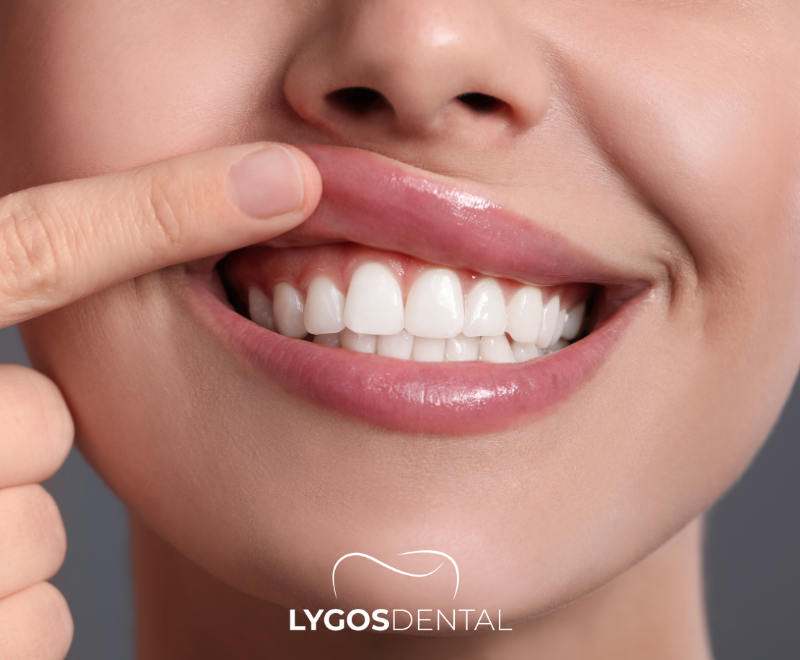
Swollen Gums: What It Can Mean
Swollen gums often signal irritation or early gum disease. It can happen alongside recession, but swelling can also occur without visible recession. If swelling lasts more than a few days, comes with bleeding, or you notice a persistent bad taste, a dental exam is recommended.
Treatment Options For Swollen Gums
- Professional cleaning: Removing plaque and tartar helps reduce inflammation and makes home care more effective.
- Deep cleaning (scaling and root planing): A targeted cleaning below the gum line used when gum pockets and infection are present.
- Antibiotics (when needed): Sometimes prescribed to control bacterial infection, often alongside professional cleaning.
- Saltwater rinses: A warm saltwater rinse can soothe irritated tissues and reduce bacteria temporarily.
Can Invisalign Affect Gum Recession?
Clear aligners can be a safe way to straighten teeth, but gum recession can still occur if gums are already thin, if oral hygiene slips during treatment, or if biting forces concentrate on certain teeth. Regular checkups and excellent cleaning around aligners reduce risk, and your dentist or orthodontist can adjust the plan if gum irritation appears.
Managing Gum Recession
- Routine dental visits: Regular examinations help spot recession early and identify gum disease or bite issues.
- Gentle brushing technique: Use a soft-bristled toothbrush and light pressure. Angle the bristles toward the gum line rather than scrubbing.
- Daily interdental cleaning: Floss or use interdental brushes to remove plaque where brushes miss.
- Fluoride support: Fluoride toothpaste or in-office fluoride can reduce sensitivity and help protect exposed roots from decay.
Home Care That Supports Gum Health
Home care can improve comfort and reduce inflammation, but it won’t replace professional treatment when gum disease or significant recession is present. If you try home remedies, treat them as supportive care and stop if irritation worsens.
- Green tea: May support gum health thanks to naturally occurring antioxidants.
- Aloe vera (oral gel): Some people find it soothing for irritated gums when used as directed.
- Oil pulling: Swishing with coconut or sesame oil may reduce oral bacteria for some people, but it should not replace brushing and flossing.
Professional Treatment For Gum Recession
The right treatment depends on the cause, how much tissue has receded, and whether gum disease is present. A dentist will usually check pocket depth, inflammation, bite forces, and the thickness of your gum tissue before recommending a plan.
- Scaling and root planing: Deep cleaning to remove tartar and bacteria below the gum line and help tissues reattach.
- Gum graft surgery: Adds tissue to cover exposed roots and protect vulnerable areas when recession is significant.
- Regenerative procedures: Used in selected cases to encourage regrowth of lost bone and supporting tissues.
How To Help Prevent Gum Recession
- Brush twice a day with a soft-bristled toothbrush and light pressure
- Clean between teeth daily (floss or interdental brushes)
- Treat gum bleeding as a sign to check in with a dentist, not something to ignore
- Wear a night guard if you grind or clench, if recommended
- Avoid tobacco and keep diabetes well managed with your medical team
- Ask your dentist about bite issues or tooth alignment that may be stressing certain areas
What’s New In Gum Recession Care
Dentistry continues to refine less invasive ways to manage gum disease and protect exposed roots. Laser-assisted periodontal therapy is used in some practices to reduce bacteria and inflammation, and ongoing research looks at biologic materials that may support tissue healing. Your dentist can explain which options are appropriate for your case and what evidence supports them.
Frequently Asked Questions
What is gum recession?
Gum recession is when gum tissue pulls away from the teeth, exposing more tooth surface or the root.
What causes gum recession?
Common causes include gum disease, aggressive brushing, plaque and tartar buildup, genetics, tobacco use, and bite or alignment problems.
How do I know if I have gum recession?
Sensitivity, teeth that look longer, notches near the gum line, and gum inflammation are common clues. A dental exam can confirm the extent and the cause.
Can Invisalign lead to gum recession?
It can contribute in susceptible patients if hygiene is poor or tissues are already thin, but many people complete aligner treatment without recession when gums are healthy and monitored.
Are there home treatments for gum recession?
Home care can reduce inflammation and sensitivity, but it won’t rebuild lost gum tissue. Professional evaluation is important to rule out gum disease and prevent further damage.
What is the best treatment for swollen gums?
Professional cleaning and improved daily hygiene are the foundation. If infection or deep pockets are present, your dentist may recommend scaling and root planing and, in some cases, medication.
When To See A Dentist
Book an appointment if you notice new sensitivity, gum bleeding, a change in the gum line, or teeth that look longer. Prompt treatment can protect the roots, reduce inflammation, and prevent further loss of supporting bone.