
Jun 18, 2025
How to Get Rid of Bad Breath?
Who is more likely to experience them, and how to close gaps between teeth using modern…
If you forgot your toothpaste, brush with a clean toothbrush and water instead of skipping brushing. Brushing removes plaque and food debris even without paste. If you need a short-term backup, use salt water or a tiny amount of baking soda once or twice. Avoid acidic or abrasive DIY options that can damage enamel.
It happens to almost everyone: you’re packing, rushing out the door, or finishing your morning routine when you realize you have no toothpaste. The good news is that one missed tube won’t undo your oral health. What matters is keeping the cleaning step in your routine.
At Lygos Dental, we hear this question often, especially from travelers and busy families. Here’s what to do right away, plus a few safe stopgaps until you’re back to your usual fluoride toothpaste.
If toothpaste is missing, doing nothing is the worst choice. A toothbrush and water can still remove plaque, food particles, and bacteria from the tooth surface and along the gumline.
Toothpaste supports the process, but the brushing motion does most of the mechanical cleaning. So if you’re choosing between brushing without toothpaste and not brushing at all, brushing wins every time.
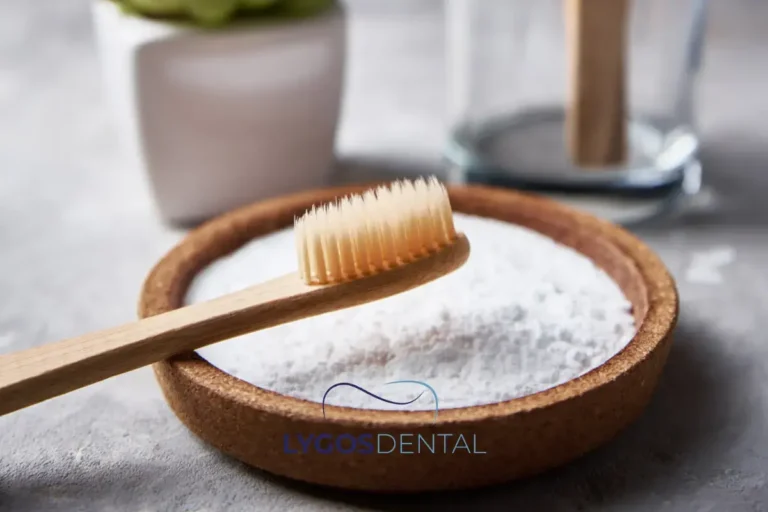
These options can help for a day or two when toothpaste isn’t available. They are not meant to replace a normal fluoride routine.
This is the safest fallback. Brush gently for two minutes, focusing on the gumline and the back teeth where plaque builds up. Rinse well after brushing.
Mix a small pinch of salt into warm water. Swish for 30–60 seconds, then spit. You can also dip your brush into the solution and brush gently if that feels more effective.
Salt can make your mouth feel fresher and may offer mild antibacterial support. Keep it as a short-term option rather than a daily habit.
Baking soda can help neutralize odors and lift some surface staining. Use a very small amount and brush lightly. Scrubbing hard can wear enamel and irritate gums.
If you have sensitive teeth, gum recession, or known enamel wear, skip baking soda and stick to water brushing instead.
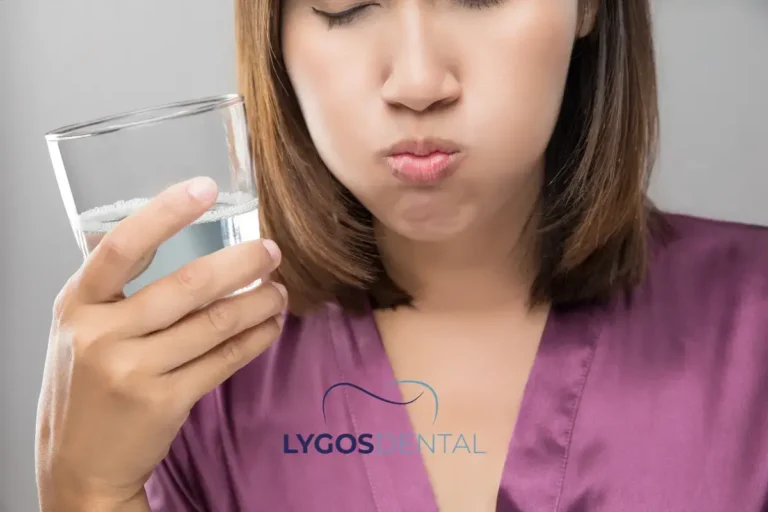
When you’re in transit or stuck without a toothbrush, rinsing is still better than nothing. Swish with water a few times to loosen food particles, especially after sugary or sticky snacks.
If you have it, alcohol-free mouthwash can reduce bacteria and freshen breath. It won’t replace brushing, but it can help until you’re able to clean properly.
Some popular “natural” hacks can damage enamel or irritate gums, especially if repeated. Avoid the following:
Emergency solutions should be gentle, temporary, and low-risk. If something stings, burns, or feels gritty, don’t use it.
The “2-2-2 rule” is a simple reminder for everyday care:
Forgetting toothpaste once doesn’t break the routine. Consistency over time matters far more than a single imperfect day.
If you want something paste-like, mix a tiny amount of baking soda with a few drops of water until it forms a thin paste. Use it gently and rinse thoroughly.
Skip oils, acids, and “DIY whitening” additives. This mix is only for one or two uses, then switch back to fluoride toothpaste as soon as you can.
Toothpaste typically contains fluoride or similar protective ingredients that strengthen enamel and help prevent cavities. Most emergency alternatives do not provide that long-term protection.
That’s why these substitutes are best viewed as short-term bridges. Once you have access to toothpaste again, return to your normal brushing and flossing routine.
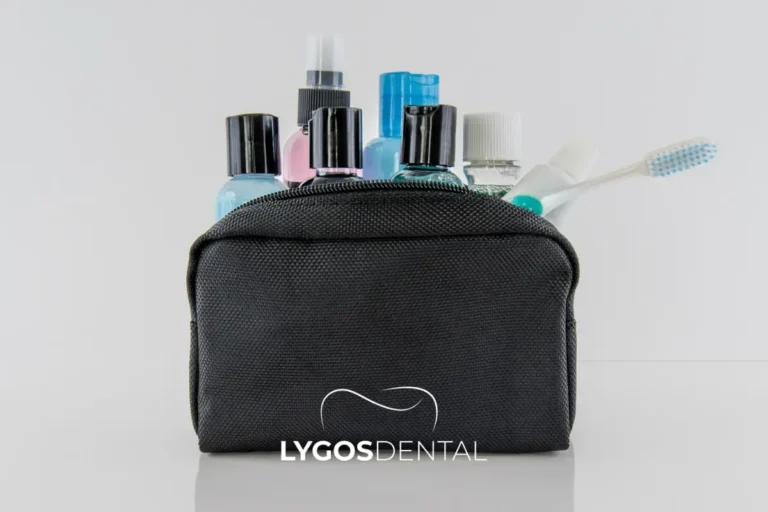
If you travel often or tend to forget essentials, keep a travel-size toothpaste in your bag, car, or desk. A spare toothbrush or disposable toothbrush can help too.
Small systems beat willpower. When oral care is easy to do, you’re more likely to stay consistent.
If you notice persistent tooth pain, bleeding gums that don’t improve, swelling, or a bad taste that doesn’t go away, it’s worth getting checked. These symptoms can point to issues that brushing alone won’t solve.
If you’d like personalized guidance, the team at Lygos Dental can help you plan a routine that fits your needs and sensitivities.
Use water, a soft brush, or baking soda; floss and rinse afterward.
Rinse vigorously, floss, and wipe teeth with a clean cloth until you can brush.
Rinse vigorously, floss, and wipe teeth with a clean cloth until you can brush.
It means brush three times daily, for three minutes, within three minutes after meals.
Yes, brushing with water still removes plaque, but fluoride toothpaste protects better.
Mix baking soda with a few drops of water; optionally add a pinch of salt.
