
Sep 5, 2025
What Is Good for Dry Mouth? | LYGOS DENTAL
So, what is good for dry mouth? In this article, you will find everything from what…
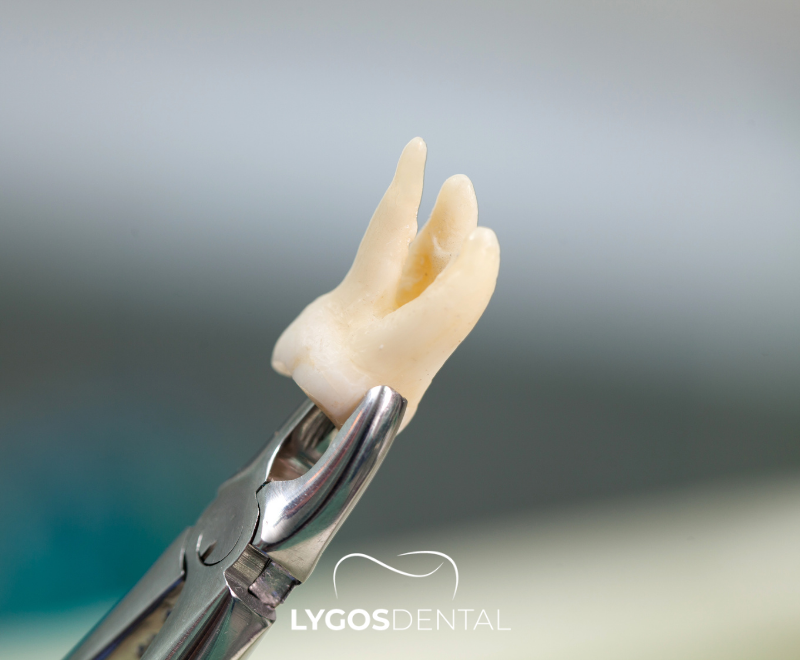
A horizontal impacted wisdom tooth is a third molar that grows sideways into the tooth in front of it, often causing pressure, swelling, infection, and damage to nearby roots. Because it rarely erupts normally, dentists usually recommend surgical extraction after an exam and X‑ray to prevent decay, gum disease, and ongoing jaw pain.
Wisdom teeth (third molars) are the last adult teeth to develop. They usually appear in the late teens or early twenties at the back of the mouth—two in the upper jaw and two in the lower jaw. When there is enough space and the tooth comes in straight, it may not cause problems.
Trouble starts when the jaw is short on space or the tooth erupts at an angle. In those cases, a wisdom tooth can become impacted, meaning it is trapped in the gum or jawbone and cannot fully come through.
A horizontal impaction happens when the wisdom tooth lies on its side and pushes into the second molar. This position places constant pressure on the neighboring tooth and the surrounding gum tissue. Horizontal impactions are among the most likely to require surgical removal.
Some people notice symptoms right away, while others only discover the problem on an X‑ray. Common signs include:
When a horizontal impacted wisdom tooth is left untreated, it can raise the risk of cavities on the second molar, gum infections around the partially covered tooth, damage to the neighboring root surface, and—less commonly—cyst formation around the impacted tooth.
The main reason is limited space behind the second molar. If the wisdom tooth develops with a forward-leaning path, it can rotate into a sideways position as it grows. Genetics plays a role in jaw size and tooth angulation, which is why impaction often runs in families.
Diagnosis starts with a dental exam, where your dentist checks for tenderness, gum swelling, and signs of infection. A panoramic X‑ray or similar imaging is then used to confirm the tooth’s angle, depth, and relationship to nearby structures.
Because impacted lower wisdom teeth can be close to the inferior alveolar nerve, imaging helps your clinician plan the safest approach and discuss realistic risks and recovery.
Horizontal impactions are usually removed through surgical extraction by a dentist with surgical training or an oral and maxillofacial surgeon. The aim is to remove the tooth while protecting the second molar and minimizing trauma to gum and bone.
While every case is different, the typical steps are:
Most people feel significantly better within a few days, but the jawbone and gum take longer to fully heal. Swelling usually peaks in the first 48–72 hours. Follow your clinician’s instructions closely, especially if stitches were placed.
Practical aftercare tips often include:
Contact your clinic urgently if you develop worsening swelling after day three, fever, pus, uncontrolled bleeding, or numbness that does not improve.
Extraction is commonly advised when the impacted tooth is causing pain, repeated gum infections, cavities, damage to the second molar, or cystic changes on imaging. Even without severe symptoms, removal may be recommended if the tooth’s position makes future problems likely and cleaning is impossible.
Pricing varies by country, clinic, imaging requirements, and the type of anesthesia. In many practices, costs include an exam, X‑rays, the surgical extraction fee, and follow‑up care.
As a general reference, patients often see separate charges for consultation and imaging, the surgical extraction itself, and medications. If you have dental insurance, ask for a written estimate that shows what is covered and what your out‑of‑pocket cost will be.
Not always; remove if symptomatic, infected, damaging teeth, or high risk.
Uncommon; roughly 5–15% of impacted lower wisdom teeth.
Because it lacked space and developed angled against the second molar.
Deep, bony, horizontally impacted lower wisdom teeth near the nerve are hardest.
During surgery you’re numb; afterward moderate pain and swelling for several days.

So, what is good for dry mouth? In this article, you will find everything from what…
 Blog
Blog
Dental aesthetic operations are increasingly popular for enhancing smiles and boosting confidence. However, achieving optimal results…
Maintaining oral health is crucial for overall well-being, but the dental cleaning cost without insurance can…