Fear of the dentist can be reduced by understanding what triggers your anxiety, choosing a dentist who explains each step, and using practical calming techniques before and during appointments. Modern pain-control methods, gradual exposure, and therapy such as CBT can help. For severe phobia, sedation may be an option after clinical assessment.
Table of Contents
Why Dental Fear Happens
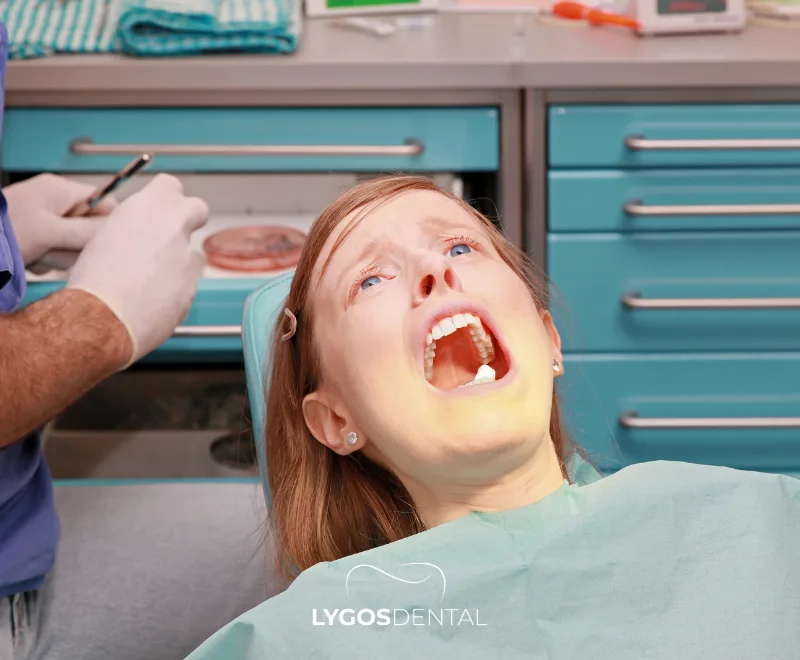
Dental fear ranges from mild nervousness to dental phobia, where people avoid care even when they are in pain. It often builds after one bad experience, but it can also develop without a clear trigger.
Common triggers include:
Past painful or distressing treatment experiences.
Expectation of pain based on old beliefs, social media, or stories from friends and family.
Feeling a loss of control while lying back in the chair.
Embarrassment or shame about oral health, especially after delayed checkups.
Sensitivity to sounds, smells, or the sight of dental instruments.
Signs And Symptoms Of Dental Phobia
Dental anxiety can show up in the body, in thoughts, and in behavior. When it starts affecting sleep, daily life, or keeps you from seeking care, it is worth addressing directly.
Nausea, sweating, trembling, or a racing heartbeat before an appointment.
Panic-like feelings in the waiting room or when sitting in the chair.
Repeatedly canceling or postponing visits.
Avoiding the dentist even as tooth or gum problems get worse.
Difficulty sleeping because you are anticipating treatment.
How Dental Anxiety Starts In Children
Many adult fears begin early. A child’s first dental visits, and the way adults talk about dentistry, can shape long-term attitudes toward care.
In children, fear often develops from:
Parental anxiety or negative comments about dentists.
A painful first experience or a rushed appointment.
Arriving without preparation, so the child does not know what to expect.
Using the dentist as a threat (for example, “If you misbehave, you’ll go to the dentist”).
Supportive language, short introductory visits, and a calm parent in the room can prevent fear from taking hold. If a child is very anxious, ask the dental team about child-friendly approaches and pacing.
Practical Ways To Reduce Dental Anxiety
What you do before the appointment often matters as much as what happens in the chair.
Before your visit
Choose a dentist who is comfortable treating anxious patients and is willing to answer questions.
Book an early-day appointment so you spend less time anticipating it.
Ask for a step-by-step explanation and agree on a stop signal (such as raising your hand).
Avoid caffeine on the day of the visit if it increases your jitters.
Practice slow breathing for a few minutes before you arrive.
During treatment
Use paced breathing: inhale through the nose, exhale slowly through the mouth.
Bring headphones or listen to calming audio if the clinic allows it.
Ask for short breaks so you do not feel trapped.
Tell the dentist where you feel sensitive; numbing can be adjusted.
Evidence-based psychological approaches
For persistent or severe anxiety, psychological strategies can make a lasting difference, especially when paired with a supportive dental team.
Graded exposure: gradual steps such as a clinic visit, a short exam, then a simple procedure.
Relaxation training: breathwork, progressive muscle relaxation, or brief mindfulness exercises.
Desensitization: getting used to triggers like the sound of instruments in a controlled way.
Modern Options That Make Treatment More Comfortable
Dentistry has changed a lot. Many clinics now use techniques that reduce discomfort and shorten treatment time, which can be reassuring if you have had older, painful experiences.
Examples you can ask about include:
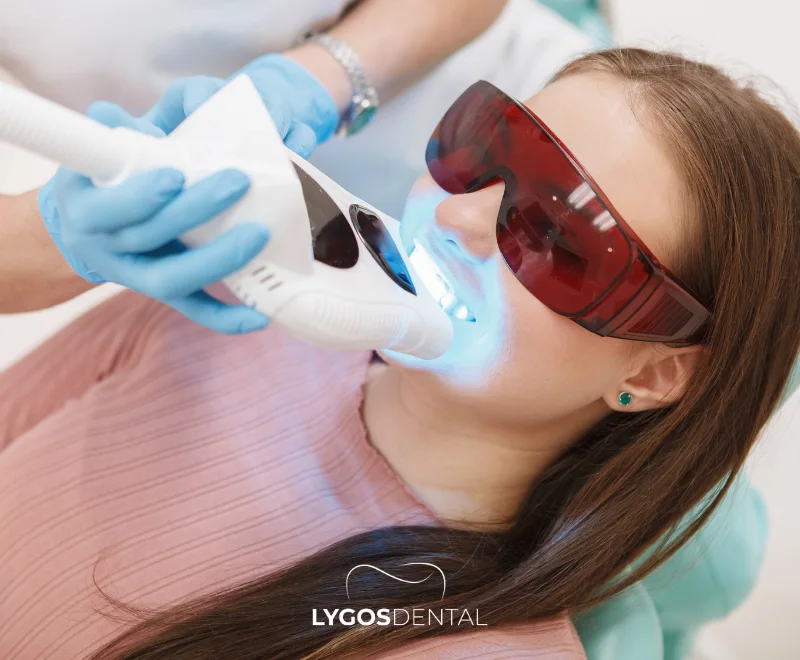
Laser dentistry for selected procedures, which may reduce noise and vibration compared with traditional drilling.
Needle-free anesthetic systems offered by some clinics for certain cases (availability varies).
Digital impressions with 3D scanners instead of traditional impression trays.
Sedation And General Anesthesia
When fear is intense, sedation can help you get essential care while staying calmer. Your dentist will review your medical history and explain benefits and risks before recommending any option.
Common approaches
Sedation: you remain responsive but deeply relaxed, and you may remember little of the procedure.
General anesthesia: you are fully asleep; it is typically reserved for specific situations and requires an appropriately equipped setting and qualified professionals.
If you are considering sedation or general anesthesia, discuss the plan in detail, including monitoring, recovery time, and whether you will need someone to take you home.
When To Get Extra Support
If you avoid dental care for years, have panic attacks, or feel unable to sit through even an exam, consider asking for help beyond self-management. A dentist experienced with anxious patients, a therapist, or both can work together so you can receive care without feeling overwhelmed.
Frequently Asked Questions
How do I get over my fear of the dentist?
Use gradual exposure, discuss fears, choose a gentle dentist, and practice relaxation techniques.
How do you treat dental fear?
Treat with education, behavioral therapy, desensitization, supportive communication, and sedation when appropriate.
What phobia is the fear of dentists?
Dental phobia is called odontophobia.
Is it common to be scared of the dentist?
Yes, dental anxiety is common, affecting many children and adults.
What can I take to calm my nerves before a dentist?
Ask your dentist about nitrous oxide or a prescribed anxiolytic; avoid alcohol.